Removing Standing Water From Your Pungo Area Crawl Space
Standing water in your Pungo crawl space signals a serious problem that requires immediate action. Virginia Beach’s coastal location and sandy soil create perfect conditions for groundwater intrusion and storm surge flooding. When you discover inches of water under your home you need professional extraction before mold growth begins and structural damage accelerates. What Virginia Beach Town Center Condo Owners Should Do After a Leak.
Our team responds to crawl space emergencies throughout the Pungo area with industrial-grade pumps and moisture detection equipment. We understand the unique challenges of low-lying properties near Back Bay and the Atlantic Ocean where high water tables push moisture through foundation walls and up through the soil. The first 24 to 48 hours after flooding determines whether you face minor cleanup or major reconstruction. Who to Call for Emergency Water Removal in Virginia Beach Right Now.
Time matters more than price when water sits against wooden floor joists and subflooring. The humid Virginia climate accelerates mold colonization and wood rot in crawl spaces where ventilation is limited. We extract water quickly using submersible pumps and truck-mounted extraction units then deploy commercial dehumidifiers to remove moisture from air and materials. Water Damage Restoration Norfolk.
Emergency Water Extraction Services
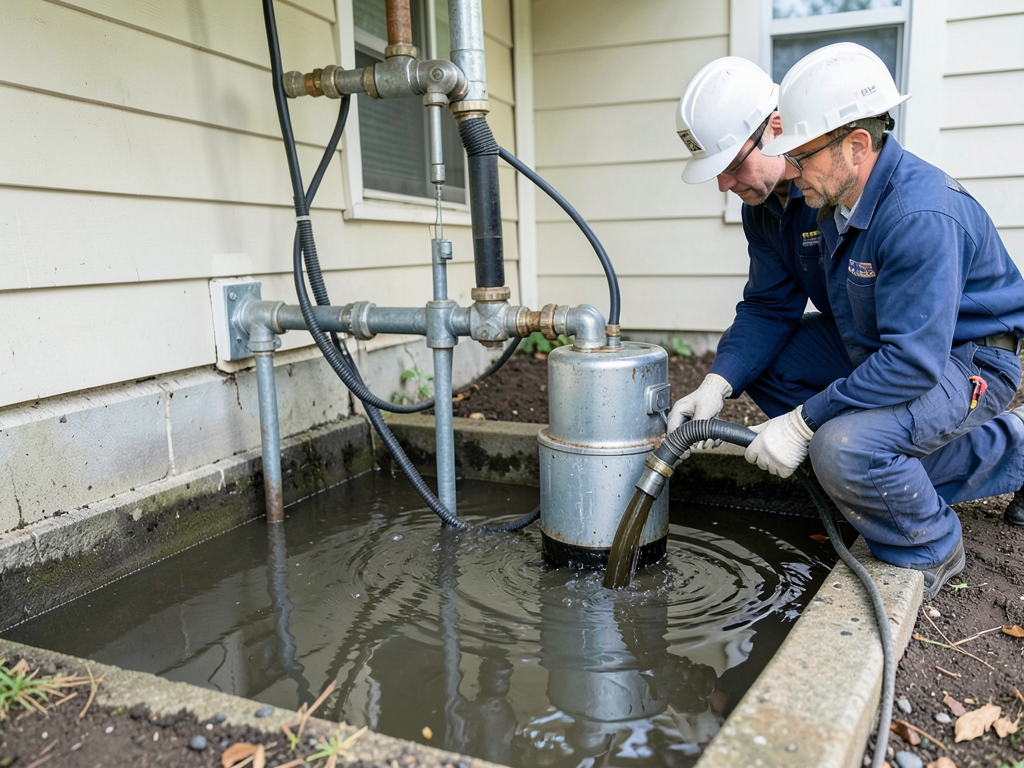
When you call for emergency water removal we dispatch IICRC-certified technicians within 60 minutes to your Pungo property. Our response vehicles carry everything needed for immediate extraction including gas-powered submersible pumps capable of moving 200 gallons per minute and truck-mounted vacuum systems with 20 horsepower motors. IICRC S500 Standards.
The extraction process begins with shutting off electrical power to the affected area then removing standing water using a combination of submersible pumps for bulk water and wet vacuums for remaining puddles. We measure water depth with calibrated probes and map the extent of flooding to ensure complete removal.
After bulk water extraction we use specialized attachments to remove water from porous materials like insulation and from low points where water collects. Our technicians wear personal protective equipment including respirators and Tyvek suits since crawl space water often contains bacteria from soil and organic matter.
Professional extraction removes 95% of water weight from materials compared to consumer-grade equipment that only removes surface moisture. This critical difference determines whether your crawl space dries in three days or remains wet for weeks creating perfect conditions for mold growth.. Read more about Professional Structural Drying Services to Save Your Virginia Beach Home.
Why Virginia Beach Homes Face Crawl Space Flooding
Pungo’s location near Back Bay and the Atlantic Ocean creates unique drainage challenges. The area sits in Zone AE on FEMA flood maps meaning properties face a 1% annual chance of flooding. Sandy soil drains quickly on the surface but allows groundwater to rise during prolonged wet periods or storm surges. FEMA Flood Maps.
Virginia Beach’s average water table sits just 3 to 5 feet below grade in many areas. During heavy rainfall or tidal flooding this water table rises and hydrostatic pressure pushes moisture through foundation walls and up through the crawl space floor. The sandy soil characteristic of coastal Virginia acts like a sponge holding moisture against foundation walls.. Read more about What to Do When Your Sump Pump Fails During a Virginia Beach Storm.
Storm surges from hurricanes and nor’easters compound the problem by overwhelming drainage systems and backing up groundwater. Pungo’s proximity to Back Bay means storm-driven water can take days to recede creating extended periods of foundation pressure. Even properties outside designated flood zones experience groundwater intrusion during these events.
Older Pungo homes built before modern building codes often lack proper drainage systems. Many have no vapor barriers, inadequate foundation vents, or missing sump pumps. The combination of high water table, poor drainage, and aging construction creates a perfect storm for crawl space flooding.
Our 4-Step Restoration Process
We follow a systematic approach to crawl space water removal that meets IICRC S500 standards for water damage restoration. This process ensures complete drying and prevents secondary damage from mold or rot. Choosing a Restoration Company.
- Initial Assessment and Safety
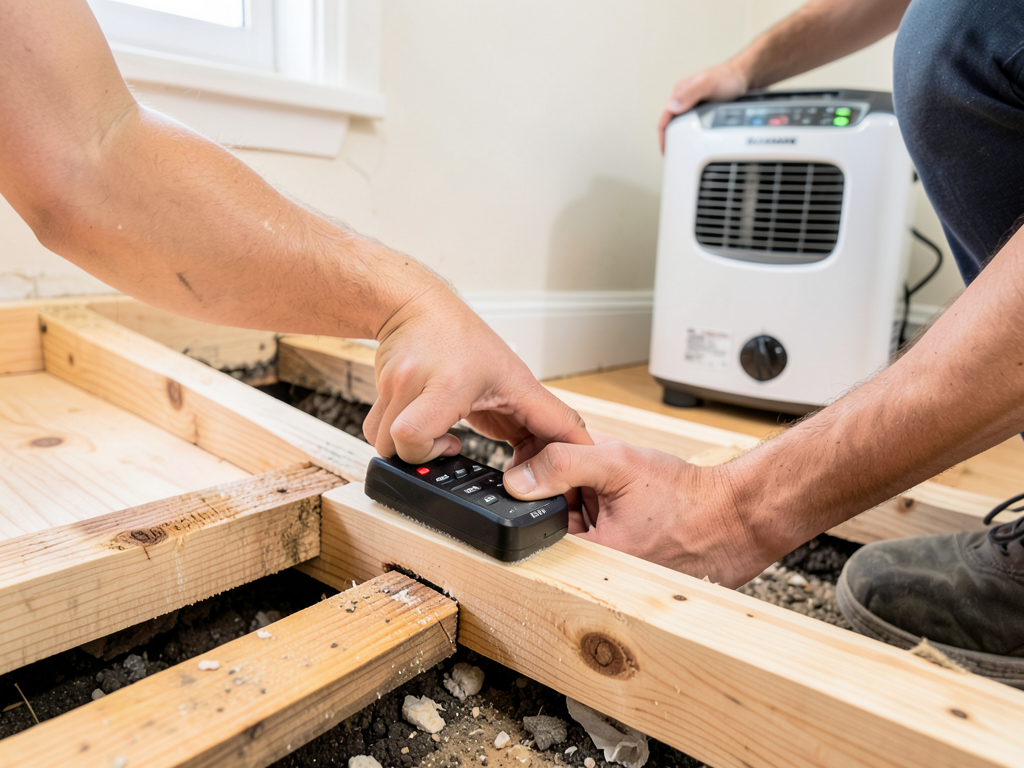
We inspect for electrical hazards, structural damage, and contamination sources. Using moisture meters and thermal imaging cameras we map water extent and identify affected materials.
- Water Extraction
Submersible pumps remove bulk water while wet vacuums extract remaining moisture. We use weighted extraction tools to pull water from carpets and padding if present.
- Structural Drying
Commercial dehumidifiers and air movers create a drying chamber under your home. We monitor moisture content in wood framing and subflooring daily until reaching equilibrium with ambient conditions.
- Sanitization and Prevention
We apply antimicrobial treatments to prevent mold growth and install temporary vapor barriers if needed. Our technicians recommend permanent solutions like sump pumps or encapsulation based on your specific conditions.
The drying phase requires patience and monitoring. Wood in crawl spaces typically needs to reach 12% moisture content or lower to prevent mold growth. We use penetrating moisture meters to verify dryness in floor joists and subflooring before removing equipment.
Throughout the process we document conditions with photos and moisture readings for insurance purposes. Our detailed reports show the extent of damage, steps taken, and final moisture levels giving you proof of professional restoration.
Preventing Future Damage: Encapsulation & Sump Pumps
After emergency water removal many Pungo homeowners choose permanent solutions to prevent recurrence. Crawl space encapsulation creates a sealed environment using heavy-duty polyethylene vapor barriers covering floors and walls. This system blocks moisture from the ground and reduces humidity levels that promote mold growth.
Encapsulation includes sealing foundation vents, installing a dehumidifier, and adding drainage systems around the perimeter. The sealed environment prevents outside air from entering and reduces energy costs by eliminating temperature differentials between crawl space and living areas.
Sump pump installation provides active water removal when groundwater rises. We install commercial-grade pumps with battery backup systems ensuring operation during power outages that often accompany storms. The pump sits in a perforated basin surrounded by gravel allowing groundwater to flow in while filtering out debris.
For properties with severe water table issues we recommend French drain systems directing water to the sump pump. These perforated pipes surrounded by gravel collect water from multiple directions and channel it to the pump before it can flood the crawl space.
Regular maintenance prevents system failures. We recommend annual inspections checking pump operation, cleaning debris from basins, and testing battery backups. Simple maintenance tasks prevent the most common cause of sump pump failure during critical storm events.
Insurance Claims Assistance
Most homeowner insurance policies cover sudden water intrusion from burst pipes or storm damage but exclude groundwater flooding or sewer backups. We help Pungo residents navigate the claims process by providing detailed damage assessments and repair estimates that insurance adjusters require.
Our technicians document everything with time-stamped photos, moisture readings, and written reports showing the extent of damage and necessary repairs. We work directly with major insurance providers and understand their documentation requirements for water damage claims.
For flood damage from hurricanes or storm surges you may need separate flood insurance through the National Flood Insurance Program. We can help determine coverage based on your FEMA flood zone designation and the source of water intrusion.
Time matters for insurance claims. Most policies require prompt reporting of damage and have specific deadlines for filing claims. Our emergency response teams can begin mitigation immediately while you contact your insurance provider to start the claims process.
We never ask for payment upfront for covered losses. Our standard procedure involves billing insurance directly after work completion. This approach eliminates out-of-pocket expenses for covered damages and reduces stress during an already difficult situation.
Understanding Virginia Building Codes for Crawl Space Repairs
Virginia’s Uniform Statewide Building Code (USBC) requires specific standards for crawl space repairs and modifications. Section 404 of the USBC mandates minimum clearances of 18 inches between grade and floor joists in crawl spaces to allow access for maintenance and inspection.
The code also requires proper ventilation with one square foot of net free area for each 150 square feet of crawl space area. In encapsulated crawl spaces this requirement changes to mechanical ventilation systems providing six air changes per hour.
Foundation walls must meet specific strength requirements and be constructed of materials resistant to moisture damage. The USBC prohibits direct wood contact with soil and requires pressure-treated lumber for any wood within 18 inches of grade in crawl spaces.
Electrical requirements for crawl spaces include GFCI protection for all outlets and proper grounding of metal components. The National Electrical Code requires specific clearances around electrical panels and prohibits storage of combustible materials near heat sources.
Compliance with these codes ensures your crawl space repairs meet safety standards and pass inspection. Our team stays current with Virginia building codes and obtains necessary permits for structural modifications or major repairs.
Common Crawl Space Problems in Pungo Properties
Beyond flooding Pungo crawl spaces face several recurring issues related to the coastal environment. High humidity levels throughout the year create condensation on cool surfaces leading to mold growth and wood rot even without standing water.
Termite infestations thrive in moist crawl spaces where wood remains damp and soil contact provides easy access. The combination of moisture and wood creates ideal conditions for these destructive pests that can compromise structural integrity.
Poor drainage around foundations allows rainwater to pool against foundation walls. Over time this water seeps through concrete or masonry creating efflorescence and weakening structural materials. Proper grading and gutter systems prevent this gradual water intrusion.
Rodent and pest entry through damaged foundation vents or gaps in skirting creates additional problems. These animals damage insulation, chew wiring, and leave waste that creates health hazards requiring professional remediation. Expert Mold Remediation for Vacation Rentals in Sandbridge.
Older Pungo homes often have inadequate vapor barriers or none at all. Without this protection moisture from the ground continuously evaporates into the crawl space air raising humidity levels and creating condensation on cooler surfaces above.
Cost Factors for Crawl Space Water Removal
The cost of removing standing water from your Pungo crawl space depends on several factors including water volume, contamination level, and required repairs. Emergency extraction services typically range from $500 to $2,500 depending on the extent of flooding and equipment needed.
Contaminated water from sewage backups or long-standing flooding requires additional safety measures and disposal fees. Category 3 water containing harmful bacteria costs more to remove due to personal protective equipment requirements and specialized cleaning procedures.
Structural drying adds $1,000 to $3,000 to the total cost depending on crawl space size and moisture levels. This process requires commercial dehumidifiers running continuously for several days along with daily monitoring to ensure complete drying.
Permanent solutions like sump pump installation range from $1,500 to $4,000 while full crawl space encapsulation costs $5,000 to $15,000 depending on size and materials. These investments prevent future damage and can reduce energy costs by improving your home’s thermal envelope.
Insurance coverage significantly affects your out-of-pocket costs. Most policies cover sudden water damage but exclude groundwater flooding or maintenance-related issues. We provide detailed estimates and work with your insurance adjuster to maximize covered benefits.
Warning Signs of Crawl Space Water Problems
Early detection prevents major damage and reduces restoration costs. Musty odors in your home often indicate moisture problems in the crawl space where mold and mildew grow unseen. These odors become noticeable when humidity levels rise and mold releases volatile organic compounds.
Buckling hardwood floors signal moisture absorption from below. Wood flooring expands when wet and creates visible warping or separation between boards. This damage indicates crawl space moisture affecting your living space.
Increased allergy symptoms or respiratory issues among household members may indicate mold growth in your crawl space. Mold spores travel through air ducts and gaps in flooring creating indoor air quality problems that affect health.
Standing water visible through foundation vents or damp soil in the crawl space indicates drainage problems requiring attention. Even small amounts of moisture create conditions for mold growth and wood rot over time.
Cold floors above the crawl space suggest inadequate insulation or moisture problems affecting thermal performance. Moisture reduces insulation effectiveness and creates cold spots that make rooms uncomfortable and increase heating costs.
Frequently Asked Questions
How long does crawl space water removal take?
Initial water extraction typically takes 4 to 8 hours depending on water volume and access. Complete structural drying requires 3 to 7 days with commercial equipment running continuously. We monitor moisture levels daily and provide updates throughout the process.
Can I remove crawl space water myself?
Small amounts of clean water might be manageable with wet vacuums but standing water requires professional equipment. Crawl spaces contain electrical hazards, structural risks, and potential contamination that make DIY removal dangerous. Professional extraction removes more water and prevents secondary damage.
Will mold grow after crawl space flooding?
Mold can begin growing within 24 to 48 hours of water exposure in the warm humid conditions typical of Virginia crawl spaces. Quick water removal and proper drying prevent mold growth. We apply antimicrobial treatments and monitor conditions to ensure mold does not develop.
Do I need a permit for crawl space repairs?
Virginia building codes require permits for structural modifications, electrical work, and plumbing changes in crawl spaces. Simple water extraction and drying typically do not require permits but encapsulation, sump pump installation, or foundation repairs do. We handle permit requirements for all regulated work.
How can I prevent future crawl space flooding?
Prevention strategies include proper grading around your home, functional gutters and downspouts, vapor barriers, sump pumps with battery backup, and crawl space encapsulation. The best solution depends on your specific conditions and water table levels in your Pungo neighborhood.
Take Action Before More Damage Occurs
Standing water in your Pungo crawl space creates an emergency that worsens by the hour. Every minute that passes allows water to seep deeper into structural materials and creates conditions for mold growth that can spread throughout your home.
Our team stands ready to respond with the equipment and expertise needed to extract water and prevent further damage. We understand the unique challenges of Pungo’s coastal location and have helped countless homeowners recover from crawl space flooding.
Don’t wait for the problem to resolve itself or attempt risky DIY solutions. Professional water removal protects your home’s value and your family’s health. We provide free inspections to assess your situation and recommend the most effective restoration approach.
Call (757) 909-5033 now for immediate assistance with crawl space water removal in the Pungo area. Our emergency response team is available 24/7 to begin extraction and start the restoration process that protects your home from further damage.
{
“@context”: “https://schema.org”,
“@type”: “BlogPosting”,
“headline”: “Removing Standing Water From Your Pungo Area Crawl Space”,
“description”: “Virginia Beach’s high water table and sandy soil cause crawl space flooding. Learn how we extract water, dry structures, and prevent future damage in Pungo.”,
“wordCount”: 2417,
“datePublished”: “2026-02-24T13:57:00.000Z”,
“dateModified”: “2026-02-24T13:57:00.000Z”,
“inLanguage”: “en-US”,
“mainEntityOfPage”: {
“@type”: “WebPage”,
“@id”: “https://apexwaterdamagerestorationvirginiabeach.com”
},
“publisher”: {
“@type”: “LocalBusiness”,
“name”: “Apex Water Damage Restoration Virginia Beach”,
“url”: “https://apexwaterdamagerestorationvirginiabeach.com”
},
“author”: {
“@type”: “Organization”,
“name”: “Apex Water Damage Restoration Virginia Beach”,
“url”: “https://apexwaterdamagerestorationvirginiabeach.com”
},
“image”: {
“@type”: “ImageObject”,
“url”: “https://apexwaterdamagerestorationvirginiabeach.com/wp-content/uploads/2026/03/removing-standing-water-from-your-pungo-area-crawl-1.png”
}
}
{
“@context”: “https://schema.org”,
“@type”: “LocalBusiness”,
“name”: “Apex Water Damage Restoration Virginia Beach”,
“url”: “https://apexwaterdamagerestorationvirginiabeach.com”,
“address”: {
“@type”: “PostalAddress”,
“addressLocality”: “Virginia Beach”
},
“areaServed”: {
“@type”: “City”,
“name”: “Virginia Beach”
}
}
{
“@context”: “https://schema.org”,
“@type”: “FAQPage”,
“mainEntity”: [
{
“@type”: “Question”,
“name”: “How long does crawl space water removal take?”,
“acceptedAnswer”: {
“@type”: “Answer”,
“text”: “Initial water extraction typically takes 4 to 8 hours depending on water volume and access. Complete structural drying requires 3 to 7 days with commercial equipment running continuously. We monitor moisture levels daily and provide updates throughout the process.”
}
},
{
“@type”: “Question”,
“name”: “Can I remove crawl space water myself?”,
“acceptedAnswer”: {
“@type”: “Answer”,
“text”: “Small amounts of clean water might be manageable with wet vacuums but standing water requires professional equipment. Crawl spaces contain electrical hazards, structural risks, and potential contamination that make DIY removal dangerous. Professional extraction removes more water and prevents secondary damage.”
}
},
{
“@type”: “Question”,
“name”: “Will mold grow after crawl space flooding?”,
“acceptedAnswer”: {
“@type”: “Answer”,
“text”: “Mold can begin growing within 24 to 48 hours of water exposure in the warm humid conditions typical of Virginia crawl spaces. Quick water removal and proper drying prevent mold growth. We apply antimicrobial treatments and monitor conditions to ensure mold does not develop.”
}
},
{
“@type”: “Question”,
“name”: “Do I need a permit for crawl space repairs?”,
“acceptedAnswer”: {
“@type”: “Answer”,
“text”: “Virginia building codes require permits for structural modifications, electrical work, and plumbing changes in crawl spaces. Simple water extraction and drying typically do not require permits but encapsulation, sump pump installation, or foundation repairs do. We handle permit requirements for all regulated work.”
}
},
{
“@type”: “Question”,
“name”: “How can I prevent future crawl space flooding?”,
“acceptedAnswer”: {
“@type”: “Answer”,
“text”: “Prevention strategies include proper grading around your home, functional gutters and downspouts, vapor barriers, sump pumps with battery backup, and crawl space encapsulation. The best solution depends on your specific conditions and water table levels in your Pungo neighborhood.”
}
}
]
}
{
“@context”: “https://schema.org”,
“@type”: “HowTo”,
“name”: “Crawl Space Water Removal Process”,
“step”: [
{
“@type”: “HowToStep”,
“position”: 1,
“name”: “Initial Assessment and Safety”,
“text”: “We inspect for electrical hazards, structural damage, and contamination sources. Using moisture meters and thermal imaging cameras we map water extent and identify affected materials.”
},
{
“@type”: “HowToStep”,
“position”: 2,
“name”: “Water Extraction”,
“text”: “Submersible pumps remove bulk water while wet vacuums extract remaining moisture. We use weighted extraction tools to pull water from carpets and padding if present.”
},
{
“@type”: “HowToStep”,
“position”: 3,
“name”: “Structural Drying”,
“text”: “Commercial dehumidifiers and air movers create a drying chamber under your home. We monitor moisture content in wood framing and subflooring daily until reaching equilibrium with ambient conditions.”
},
{
“@type”: “HowToStep”,
“position”: 4,
“name”: “Sanitization and Prevention”,
“text”: “We apply antimicrobial treatments to prevent mold growth and install temporary vapor barriers if needed. Our technicians recommend permanent solutions like sump pumps or encapsulation based on your specific conditions.”
}
],
“image”: “https://apexwaterdamagerestorationvirginiabeach.com/wp-content/uploads/2026/03/removing-standing-water-from-your-pungo-area-crawl-1.png”
}
{
“@context”: “https://schema.org”,
“@type”: “BreadcrumbList”,
“itemListElement”: [
{
“@type”: “ListItem”,
“position”: 1,
“name”: “Home”,
“item”: “https://apexwaterdamagerestorationvirginiabeach.com”
},
{
“@type”: “ListItem”,
“position”: 2,
“name”: “Blog”,
“item”: “https://apexwaterdamagerestorationvirginiabeach.com/blog”
},
{
“@type”: “ListItem”,
“position”: 3,
“name”: “Removing Standing Water From Your Pungo Area Crawl Space”
}
]
}
{
“@context”: “https://schema.org”,
“@type”: “Service”,
“serviceType”: “Water Damage Restoration”,
“provider”: {
“@type”: “LocalBusiness”,
“name”: “Apex Water Damage Restoration Virginia Beach”,
“url”: “https://apexwaterdamagerestorationvirginiabeach.com”
},
“areaServed”: {
“@type”: “City”,
“name”: “Virginia Beach”
},
“description”: “Virginia Beach’s high water table and sandy soil cause crawl space flooding. Learn how we extract water, dry structures, and prevent future damage in Pungo.”
}