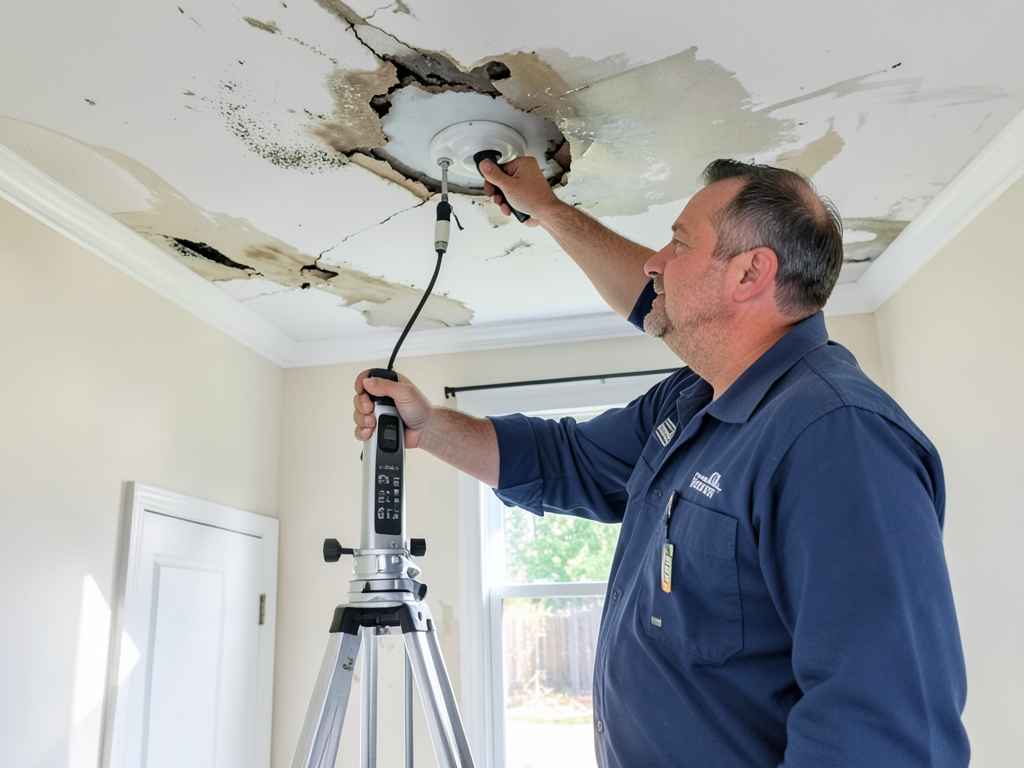






Virginia Beach sits on a narrow barrier island where Atlantic moisture meets the Chesapeake Bay. Summer dew points average 68 to 72 degrees, creating ideal conditions for mold colonization. Coastal homes face constant humidity cycling. Morning fog saturates exterior walls. Afternoon sun bakes moisture into attic sheathing. Evening thunderstorms dump two inches of rain in an hour, overwhelming aging gutter systems and flooding crawl spaces. This cycle repeats from May through October. Add in hurricane season storm surge and nor'easter wind-driven rain, and you have a year-round mold incubation environment. Homes built before 2000 often lack proper vapor barriers in crawl spaces and attics, allowing ground moisture to wick into floor joists and roof decking. Emergency mold abatement is not optional in this climate. It is structural preservation.
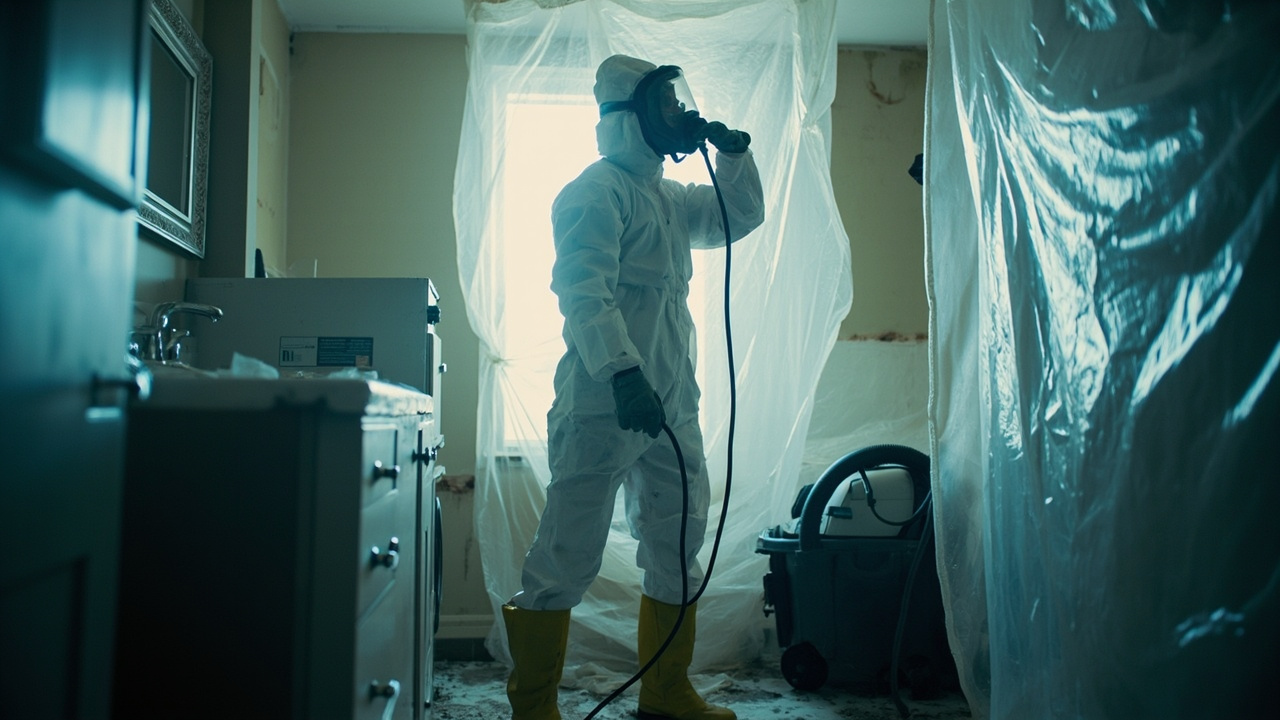
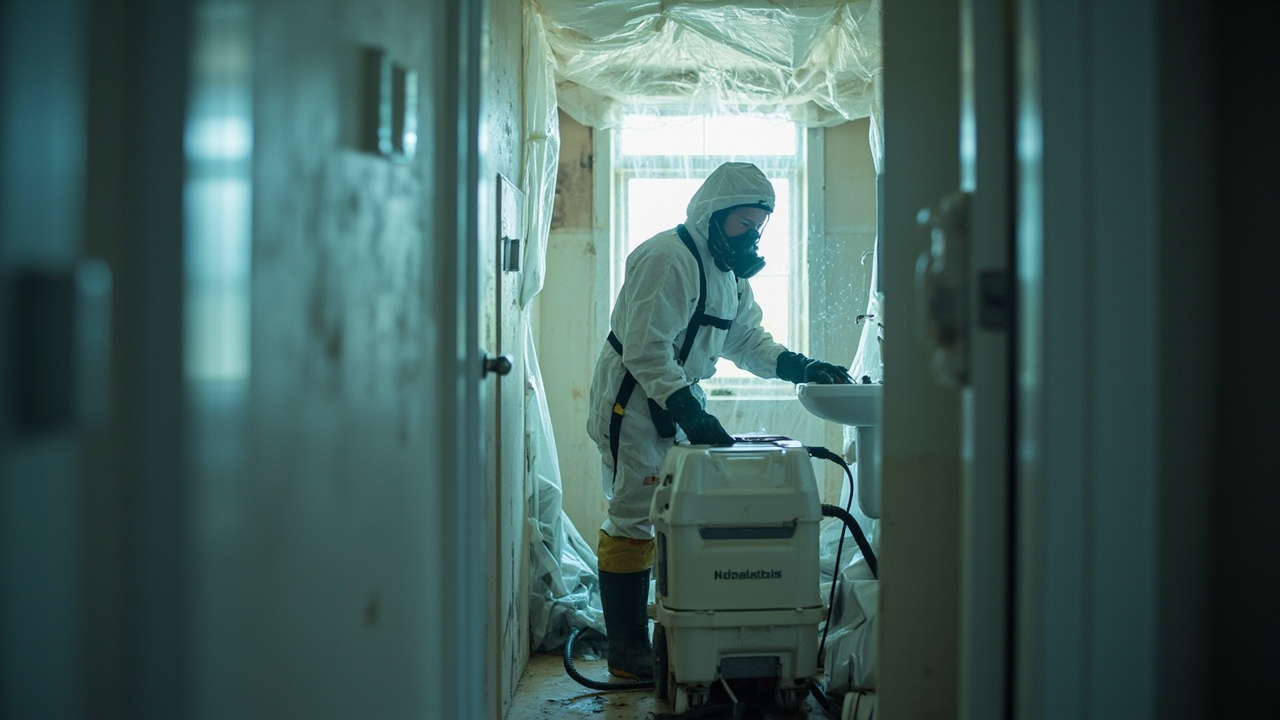
Virginia Beach enforces the Virginia Uniform Statewide Building Code, which includes specific moisture control requirements for coastal construction. Properties in the AE flood zone, which covers much of the Oceanfront and Shore Drive, must meet elevated foundation standards. Mold remediation in these areas requires coordination with building inspectors to ensure replacement materials meet current code. We maintain working relationships with City of Virginia Beach building officials and understand the permitting process for structural drying and reconstruction. When your insurance adjuster questions whether containment was necessary, we provide documentation that aligns with both IICRC standards and local code requirements. Choosing a local team means choosing someone who speaks the same language as your adjuster, your inspector, and your lender.