



Chesapeake sits at the intersection of multiple water threats. The city's location along the Elizabeth River and proximity to the Atlantic Ocean creates constant humidity that accelerates mold growth after any water intrusion. Homes in Great Bridge and Deep Creek face flooding risks from tidal surge and heavy rainfall, especially during hurricane season when storm systems push water inland from the Chesapeake Bay.
The area's aging infrastructure compounds these risks. Many neighborhoods like Western Branch and Greenbrier contain homes built in the 1960s and 1970s with original plumbing systems now prone to sudden failures. Clay soil common throughout the region swells when saturated, creating pressure against basement walls and foundations. This leads to seepage and cracks that allow water entry during heavy storms.
Summer thunderstorms drop several inches of rain in hours, overwhelming drainage systems and causing flash flooding in low-lying areas near the Dismal Swamp Canal. Winter freezes followed by rapid thaws create pipe bursts in crawl spaces and attics. Water damage restoration in Chesapeake requires understanding these local climate patterns and building characteristics to prevent secondary damage like structural rot and toxic mold growth.
Apex Water Damage Restoration Virginia Beach has served the Hampton Roads region for years, responding to hundreds of water emergencies across Chesapeake. We know the difference between tidal flooding in Hickory and burst pipe damage in South Norfolk. Our technicians train specifically on the challenges of coastal Virginia properties, from moisture-laden air that complicates drying to saltwater contamination that requires specialized treatment protocols.
We maintain relationships with local insurance adjusters and understand Virginia building codes that govern water damage repairs. When we arrive at your property, we bring thermal imaging cameras to detect hidden moisture, industrial extraction equipment sized for Chesapeake's humidity levels, and air scrubbers that prevent mold spores from spreading. Our trucks carry backup generators because we know power outages often accompany the storms that cause flooding.
Speed defines our operation. We dispatch teams within an hour of your call because we understand that water migrates through drywall, insulation, and flooring every minute it sits untreated. Our project managers communicate daily about drying progress and coordinate directly with your insurance carrier to streamline claims. We document everything with photos and moisture readings that satisfy adjuster requirements.
Chesapeake families choose us because we show up fast, work clean, and finish the job right the first time. No sales pressure, no hidden fees, just straightforward water damage remediation that gets your home dry and safe.

We dispatch crews to Chesapeake locations within 60 minutes of your emergency call. Our teams work from staging locations throughout Hampton Roads to reach Great Bridge, Hickory, and Western Branch fast. When flooding starts or pipes burst, the first hour determines how much damage occurs. We arrive with extraction equipment ready to stop water migration immediately.

We handle insurance paperwork from initial documentation through final settlement. Our estimators use Xactimate software that matches insurance company pricing databases, eliminating claim disputes. We photograph damage, log moisture readings, and provide detailed scope reports that adjusters accept. Most Chesapeake homeowners pay only their deductible while we work directly with their carrier for remaining costs.
Every technician on our crews holds IICRC certifications in water damage restoration and applied structural drying. They train on moisture detection, psychrometry, and antimicrobial treatments. Our team follows ANSI standards for drying structures and uses calibrated equipment to measure progress. Certification means your Chesapeake property gets restored using proven science, not guesswork or outdated methods.
We live and work in the communities we serve across Hampton Roads. Our technicians understand Chesapeake's flood zones, know which neighborhoods face repeated tidal surge, and recognize the signs of saltwater contamination. We maintain relationships with local plumbers, electricians, and contractors for repairs beyond water extraction. When you call us, you get neighbors who care about your property.
Water damage takes many forms in Chesapeake homes and businesses. A burst washing machine hose creates a different challenge than sewage backup or hurricane flooding. Apex Water Damage Restoration Virginia Beach handles every category of water intrusion with specialized equipment and protocols matched to the contamination level and affected materials.
Our water removal services start with emergency extraction using truck-mounted pumps and portable vacuums that remove thousands of gallons quickly. We follow extraction with targeted drying using commercial dehumidifiers and air movers positioned based on airflow modeling and moisture mapping. Water damage mitigation includes protecting unaffected areas, removing unsalvageable materials, and applying antimicrobial treatments to prevent mold growth.
We structure our water damage remediation around three core service areas that address different emergency types and property needs. Each requires distinct expertise, equipment, and safety protocols. Whether you face clean water from a supply line failure or contaminated water from external flooding, we match the response to the specific threat facing your Chesapeake property.
Emergency water extraction removes standing water within hours of your call. Our crews arrive with truck-mounted extraction units, submersible pumps, and portable vacuums that handle everything from minor leaks to major flooding. We protect furniture and belongings, extract water from carpets and padding, and begin air circulation to prevent secondary damage. Speed matters because water wicks through building materials and creates hidden moisture pockets that lead to mold growth and structural damage in Chesapeake's humid climate.
Structural drying eliminates moisture trapped in walls, floors, and ceilings after water extraction. We use thermal imaging to map wet areas, then position commercial dehumidifiers and air movers to create optimal drying conditions. Daily moisture readings track progress until all materials reach normal levels. This process typically takes three to five days depending on humidity, temperature, and material saturation. Proper drying prevents mold colonization and wood rot that compromise your Chesapeake home's structural integrity and indoor air quality.
Flood remediation addresses contaminated water from external sources, sewage backups, or long-standing stagnant water. Our technicians wear protective equipment and follow strict containment protocols to prevent cross-contamination. We remove affected porous materials that cannot be sanitized, treat remaining surfaces with EPA-registered antimicrobials, and verify clean air quality before restoration. Category 3 water contains bacteria, viruses, and other pathogens that create health hazards requiring professional remediation, not just cleanup. Chesapeake properties near waterways face this threat during storm surge and heavy rainfall events.
Chesapeake's coastal location and aging housing stock create predictable water damage patterns. Properties in neighborhoods like Great Bridge and Deep Creek built near sea level face recurring tidal flooding when storm systems push water inland. Homes constructed in the 1960s and 1970s across Western Branch and Greenbrier contain original plumbing systems reaching end of life, creating sudden burst pipe emergencies.
The region's humidity accelerates mold growth after any water intrusion. What starts as a small leak behind a washing machine becomes a major mold problem within 48 hours if not addressed properly. Clay soil throughout Chesapeake swells when saturated, pushing against foundation walls and creating seepage in basements and crawl spaces. Summer thunderstorms drop intense rainfall that overwhelms drainage systems, while winter freezes crack pipes in attics and crawl spaces. Understanding these local patterns helps homeowners recognize warning signs before minor issues become major water damage events.
Aging copper and galvanized pipes corrode from the inside, creating weak points that burst without warning. Water heaters develop pinhole leaks that spray hundreds of gallons before discovery. Washing machine hoses crack from constant pressure cycles. These failures flood homes quickly, soaking floors, walls, and contents. Rapid response limits damage because clean water from supply lines becomes contaminated after contact with building materials and requires immediate extraction and drying.
Tropical systems push tidal surge into low-lying Chesapeake neighborhoods several times per decade. Intense rainfall overwhelms storm drains and creates flash flooding even in areas not mapped as flood zones. This contaminated water carries sewage, chemicals, and debris that require professional remediation. Flood damage extends beyond visible water to hidden moisture in wall cavities and insulation. Insurance coverage depends on flood policy details versus standard homeowners coverage, making proper documentation critical.
Mold colonizes within 48 hours when moisture persists in Chesapeake's humid climate. Small leaks behind walls or under floors go unnoticed until musty odors or visible growth appear. Mold spreads through HVAC systems, contaminating entire homes. Health effects range from allergies to respiratory problems. Proper water damage cleanup includes moisture detection in hidden spaces and antimicrobial treatment to prevent colonization. Insurance claims often exclude mold coverage unless documented as part of immediate water damage response.
Heavy rainfall saturates clay soil surrounding foundations, creating hydrostatic pressure that forces water through cracks and gaps. Basement walls develop moisture stains and efflorescence from mineral deposits. Crawl spaces flood during prolonged wet periods. This groundwater intrusion creates chronic moisture problems that damage stored belongings, rot floor joists, and support mold growth. Proper remediation includes extraction, drying, and often waterproofing measures to prevent recurrence in Chesapeake properties on clay soil.
Water damage creates stress and uncertainty for Chesapeake homeowners. You need clear answers about what happens next, how long restoration takes, and what your insurance covers. Apex Water Damage Restoration Virginia Beach follows a proven emergency response protocol that prioritizes stopping damage progression, protecting your belongings, and communicating clearly throughout the process.
When you call our emergency line, a live person answers immediately, not a voicemail system. We gather essential information about your water damage situation, dispatch a crew to your location, and provide an estimated arrival time. Our project manager arrives onsite to assess damage severity, explain the restoration plan, and answer questions about insurance and costs. We handle water damage restoration with transparency and respect for your property because we understand this represents a crisis for your family.
Our crews arrive at your Chesapeake property within 60 minutes of your call with extraction equipment loaded and ready to work. The project manager walks through affected areas, documents damage with photos and notes, and uses moisture meters to map the full extent of water intrusion. We explain what needs to happen immediately versus what comes later in the restoration process. You receive a written scope of work before we begin extraction so you understand exactly what we will do and why each step matters for proper remediation.
Water damage restoration takes several days as building materials release trapped moisture. Our technicians visit your property daily to take moisture readings, adjust equipment positioning, and monitor drying progress. We call you with updates and text photos showing moisture meter readings trending toward normal levels. You always know what stage we are in and when your home will be ready for repairs. We answer questions promptly and explain technical details in plain language. Your insurance adjuster receives the same progress reports so everyone stays informed throughout the restoration timeline.
We photograph and measure every aspect of your water damage for insurance documentation. Moisture readings go into daily logs that prove materials dried properly. Our Xactimate estimates match insurance company pricing databases, preventing disputes over coverage amounts. We communicate directly with your adjuster to answer questions and provide supporting documentation. Most claims close smoothly when restoration companies provide thorough records. You receive copies of all documentation for your records, and we maintain files for future reference if questions arise during the claims process.
Every water damage emergency follows the same basic restoration sequence. We extract standing water first, then dry affected materials, and finish with cleaning and sanitization. This proven process stops damage progression and returns your Chesapeake home to pre-loss condition.
Crews arrive within an hour and immediately begin removing standing water using truck-mounted extraction units and portable vacuums. We pull back carpets, remove padding, and extract water from subfloors. Furniture and belongings move to dry areas or into storage if needed. We position air movers to start surface drying and set up dehumidifiers to pull moisture from the air. The first 24 hours determine how much secondary damage occurs, so speed matters. Your home transforms from flooded to drying within hours of our arrival.
Commercial dehumidifiers and air movers run continuously for three to five days, removing moisture trapped in walls, floors, and ceilings. Technicians visit daily to take moisture readings in multiple locations throughout affected areas. We adjust equipment positioning based on these readings to optimize airflow and drying efficiency. Thermal imaging cameras verify that hidden moisture pockets receive adequate air circulation. Drying continues until all materials reach normal moisture content for Chesapeake's climate. We never remove equipment early because damp materials lead to mold growth and structural damage.
Once materials dry completely, we clean all affected surfaces with antimicrobial treatments that prevent mold colonization. HEPA air scrubbers remove airborne contaminants and musty odors. We verify final moisture readings match normal levels and document completion with photos and reports. Your property returns to pre-loss condition and is ready for any necessary repairs like painting, flooring replacement, or cabinet work. Insurance adjusters receive final documentation showing the restoration met industry standards for proper water damage remediation.
Professional water damage restoration follows specific scientific protocols established by the Institute of Inspection Cleaning and Restoration Certification. These standards govern how restoration companies assess damage, calculate drying requirements, and verify successful remediation. Understanding these protocols helps Chesapeake homeowners recognize quality work versus inadequate cleanup that leads to future problems.
Water damage falls into three categories based on contamination level. Category 1 involves clean water from supply lines or rainwater. Category 2 includes gray water from washing machines, dishwashers, or toilet overflow without feces. Category 3 consists of black water from sewage, flooding, or any water that sat stagnant for more than 48 hours. Each category requires different safety protocols and disposal procedures for affected materials.
Drying follows psychrometric principles that account for temperature, humidity, and airflow. Restoration technicians calculate grain depression, which measures how much moisture air can absorb at current conditions. They position dehumidifiers and air movers to create optimal drying chambers within affected rooms. Daily moisture readings using calibrated meters track progress in wood, drywall, and concrete until levels match unaffected areas.
Virginia building codes require licensed contractors for structural repairs following water damage. Insurance companies expect restoration work to follow IICRC S500 standards for water damage and S520 standards for mold remediation. Proper documentation includes moisture mapping, daily logs, and equipment placement diagrams. These records prove that restoration met professional standards if disputes arise during insurance claims. Chesapeake properties restored properly maintain value and prevent health hazards from hidden moisture and mold growth.
Category 1 clean water becomes Category 2 within hours after contact with building materials. Category 3 black water requires protective equipment, containment barriers, and disposal of all porous materials like drywall, insulation, and carpeting. Technicians follow OSHA bloodborne pathogen standards when handling sewage contamination. Proper categorization determines which materials can be saved versus removed, affecting restoration costs and safety outcomes for your Chesapeake property and family.
Water damage restoration costs depend on affected square footage, water category, materials involved, and drying time required. Clean water affecting only surface flooring costs less than contaminated water that saturates walls and insulation. Humidity levels in Chesapeake extend drying time compared to arid climates, increasing equipment rental and labor costs. Most insurance policies cover sudden water damage minus your deductible. Claims exclude gradual leaks from poor maintenance and often limit mold coverage to specific circumstances.
Structural drying takes three to five days under normal conditions in Chesapeake. High humidity, cold temperatures, or dense materials like hardwood extend this timeline. Moisture must reach equilibrium with surrounding air before equipment removal. Rushing the process leaves dampness that causes mold growth and wood rot within weeks. Patience during proper drying prevents thousands in future damage and protects indoor air quality. Insurance companies accept reasonable drying timelines when restoration companies document progress with daily moisture readings.
IICRC certification requires classroom training and testing on water damage restoration and applied structural drying principles. Technicians learn moisture detection, psychrometry, equipment operation, and safety protocols. Certification renewal requires continuing education to maintain current knowledge. Virginia requires contractor licenses for structural repairs but not water extraction or drying services. Homeowners should verify certifications and insurance coverage before hiring any restoration company to work on their Chesapeake property.
Professional water damage restoration demonstration showing the complete process from emergency response through final cleanup in Chesapeake VA. Explains water extraction techniques, structural drying protocols, moisture detection methods, and antimicrobial treatments. Covers water damage categories, realistic drying timelines for coastal Virginia humidity, and insurance documentation requirements. Shows equipment used including extraction units, dehumidifiers, air movers, and thermal imaging cameras. Helps homeowners understand what to expect during water damage remediation and how to evaluate restoration companies.
Apex Water Damage Restoration Virginia Beach serves the entire Chesapeake area from our Hampton Roads staging locations. We respond quickly to water emergencies throughout Great Bridge, where homes along the Intracoastal Waterway face recurring flood risks during storm surge events. Properties in Deep Creek near the Dismal Swamp Canal encounter groundwater intrusion and seasonal flooding that requires specialized pumping and drying equipment.
Western Branch neighborhoods contain many homes built in the 1960s with aging plumbing systems prone to sudden failures. We handle burst pipe emergencies across this area regularly, extracting water quickly before it saturates subfloors and wall cavities. South Norfolk properties near the Elizabeth River face tidal flooding during hurricanes and nor'easters that push saltwater inland. This contaminated water requires antimicrobial treatment and thorough sanitization beyond simple extraction and drying.
Greenbrier and Hickory residents call us for water damage from roof leaks, HVAC condensation failures, and appliance malfunctions. These neighborhoods feature newer construction but still experience water damage from manufacturing defects in supply lines and water heaters. We work across all Chesapeake zip codes including 23320, 23321, 23322, 23323, and 23324, maintaining fast response times regardless of location.
Our service area extends throughout Hampton Roads including Virginia Beach, Norfolk, Suffolk, and Portsmouth. We understand the unique challenges of coastal Virginia properties from saltwater corrosion to high humidity that complicates drying. Proximity to military installations means we work with service families facing water damage emergencies while deployed or during PCS moves. Local knowledge matters in water damage restoration because regional climate, soil conditions, and building practices create specific challenges that generic national franchises often miss.
Chesapeake homeowners benefit from our Hampton Roads base of operations with multiple staging locations that keep response times under an hour citywide. We know the back roads and shortcuts that get crews to your property fast when minutes matter. Our technicians recognize architectural styles common to different Chesapeake neighborhoods and understand which materials require special handling during extraction and drying.
Most water damage restoration companies in Chesapeake respond within 60 to 90 minutes of your call. Many operate 24/7 emergency services because water damage worsens quickly. The first 24 hours are critical for preventing mold growth and structural damage. When you call, technicians dispatch immediately to assess the situation. Response times vary based on weather conditions, traffic, and current emergency volume. Companies serving Chesapeake typically maintain teams throughout Hampton Roads to ensure fast arrival. Quick response saves you money by reducing secondary damage to floors, walls, and belongings.
Water damage restoration expenses vary widely based on damage extent, water source, and affected area size. A small leak affecting one room differs significantly from whole-home flooding. Clean water damage typically runs less than contaminated water or sewage situations, which require specialized cleaning. Your total includes water extraction, drying, antimicrobial treatment, and repairs. Square footage affected, materials damaged, and required equipment all influence final numbers. Most Chesapeake companies provide free inspections and detailed estimates before starting work. Your insurance coverage often determines your out-of-pocket expenses.
Homeowners insurance usually covers sudden and accidental water damage in Chesapeake homes. Burst pipes, appliance malfunctions, and storm damage typically qualify for coverage. Insurance rarely covers damage from neglect, gradual leaks, or lack of maintenance. Flood damage requires separate flood insurance through the National Flood Insurance Program. Review your policy to understand your deductible and coverage limits. Document everything with photos and videos before cleanup begins. Contact your insurance company immediately after discovering damage. Many restoration companies in Chesapeake work directly with insurers to streamline the claims process.
Most water damage restoration companies in Chesapeake respond within 60 to 90 minutes of your call. Many operate 24/7 emergency services because water damage worsens quickly. The first 24 hours are critical for preventing mold growth and structural damage. When you call, technicians dispatch immediately to assess the situation. Response times vary based on weather conditions, traffic, and current emergency volume. Companies serving Chesapeake typically maintain teams throughout Hampton Roads to ensure fast arrival. Quick response saves you money by reducing secondary damage to floors, walls, and belongings.
Water damage restoration expenses vary widely based on damage extent, water source, and affected area size. A small leak affecting one room differs significantly from whole-home flooding. Clean water damage typically runs less than contaminated water or sewage situations, which require specialized cleaning. Your total includes water extraction, drying, antimicrobial treatment, and repairs. Square footage affected, materials damaged, and required equipment all influence final numbers. Most Chesapeake companies provide free inspections and detailed estimates before starting work. Your insurance coverage often determines your out-of-pocket expenses.
Homeowners insurance usually covers sudden and accidental water damage in Chesapeake homes. Burst pipes, appliance malfunctions, and storm damage typically qualify for coverage. Insurance rarely covers damage from neglect, gradual leaks, or lack of maintenance. Flood damage requires separate flood insurance through the National Flood Insurance Program. Review your policy to understand your deductible and coverage limits. Document everything with photos and videos before cleanup begins. Contact your insurance company immediately after discovering damage. Many restoration companies in Chesapeake work directly with insurers to streamline the claims process.
Water damage restoration in Chesapeake homes typically takes three to five days for basic situations. Complete drying alone requires 72 hours minimum. Extensive flooding or sewage damage extends the timeline to one or two weeks. Factors affecting duration include water volume, affected materials, humidity levels, and structural damage extent. Hardwood floors take longer to dry than carpet. Wall cavities need extra attention to prevent hidden moisture. Your restoration team monitors moisture levels daily using specialized meters. Final repairs and reconstruction add more time after initial drying and cleaning complete.
Water damage restoration companies in Chesapeake use industrial-grade equipment for effective drying. Truck-mounted extractors remove standing water quickly. Commercial air movers create airflow to speed evaporation. Dehumidifiers pull moisture from the air and materials. Moisture meters and thermal imaging cameras detect hidden water in walls and floors. Air scrubbers filter contaminants and odors from indoor air. Professionals use antimicrobial solutions to prevent mold growth. Injection drying systems target water trapped in walls without demolition. This specialized equipment works faster and more thoroughly than consumer-grade fans and shop vacuums.
You can stay in your Chesapeake home during minor water damage restoration affecting one or two rooms. Extensive damage requiring whole-home drying makes staying uncomfortable. Noise from air movers and dehumidifiers runs continuously for several days. Rooms under restoration become inaccessible during the process. Sewage contamination or widespread mold requires temporary relocation for health and safety. Your restoration team will assess your specific situation and recommend the best approach. Some families stay during daytime and sleep elsewhere at night. If relocation is necessary, your insurance policy may cover temporary housing expenses.
Choose a water damage restoration company in Chesapeake with IICRC certification and years of local experience. Check online reviews on Google and the Better Business Bureau. Ask about their emergency response time and equipment. Request references from past Chesapeake customers. Verify they provide detailed written estimates before starting work. The best companies offer direct insurance billing to simplify your claims process. Ask about their drying methods and moisture monitoring procedures. Local companies understand Chesapeake's climate challenges and common water damage sources. Avoid companies demanding full payment upfront or offering deals that seem too good to be true.
Mold grows in Chesapeake homes after water damage when moisture remains for 24 to 48 hours. High humidity levels typical in Hampton Roads accelerate mold growth. Warm temperatures between 77 and 86 degrees create ideal conditions. Organic materials like drywall, wood, and carpet provide food sources for mold spores. Hidden moisture in wall cavities or under flooring often goes unnoticed. Poor ventilation traps moisture indoors. Incomplete drying after water extraction leaves materials damp enough for mold colonization. Professional restoration companies monitor moisture levels daily to ensure thorough drying and prevent mold problems.
Yes, most water damage restoration companies in Chesapeake handle sewage backups and contaminated water. Sewage situations require specialized training, equipment, and safety protocols. Technicians wear protective gear and follow strict containment procedures. They remove contaminated materials, sanitize affected areas, and properly dispose of biohazard waste. Category 3 water contamination demands more intensive cleaning than clean water damage. The process includes antimicrobial treatments and air filtration. Not all restoration companies offer sewage services, so ask specifically when calling. Sewage backups pose serious health risks and require immediate professional attention, not DIY cleanup.
Water damage restoration technicians in Chesapeake should hold IICRC certification as a minimum standard. The Institute of Inspection, Cleaning and Restoration Certification provides industry-recognized training. WRT (Water Damage Restoration Technician) certification demonstrates fundamental knowledge. AMRT (Applied Microbial Remediation Technician) certification shows mold remediation expertise. ASD (Applied Structural Drying) certification indicates advanced drying knowledge. Many technicians also complete manufacturer training for specialized equipment. OSHA safety training protects workers and homeowners during restoration. Ask companies about their team's credentials and ongoing education. Certified technicians follow proven protocols and deliver better results than untrained workers.
Water damage restoration in Chesapeake homes typically takes three to five days for basic situations. Complete drying alone requires 72 hours minimum. Extensive flooding or sewage damage extends the timeline to one or two weeks. Factors affecting duration include water volume, affected materials, humidity levels, and structural damage extent. Hardwood floors take longer to dry than carpet. Wall cavities need extra attention to prevent hidden moisture. Your restoration team monitors moisture levels daily using specialized meters. Final repairs and reconstruction add more time after initial drying and cleaning complete.
Water damage restoration companies in Chesapeake use industrial-grade equipment for effective drying. Truck-mounted extractors remove standing water quickly. Commercial air movers create airflow to speed evaporation. Dehumidifiers pull moisture from the air and materials. Moisture meters and thermal imaging cameras detect hidden water in walls and floors. Air scrubbers filter contaminants and odors from indoor air. Professionals use antimicrobial solutions to prevent mold growth. Injection drying systems target water trapped in walls without demolition. This specialized equipment works faster and more thoroughly than consumer-grade fans and shop vacuums.
You can stay in your Chesapeake home during minor water damage restoration affecting one or two rooms. Extensive damage requiring whole-home drying makes staying uncomfortable. Noise from air movers and dehumidifiers runs continuously for several days. Rooms under restoration become inaccessible during the process. Sewage contamination or widespread mold requires temporary relocation for health and safety. Your restoration team will assess your specific situation and recommend the best approach. Some families stay during daytime and sleep elsewhere at night. If relocation is necessary, your insurance policy may cover temporary housing expenses.
Choose a water damage restoration company in Chesapeake with IICRC certification and years of local experience. Check online reviews on Google and the Better Business Bureau. Ask about their emergency response time and equipment. Request references from past Chesapeake customers. Verify they provide detailed written estimates before starting work. The best companies offer direct insurance billing to simplify your claims process. Ask about their drying methods and moisture monitoring procedures. Local companies understand Chesapeake's climate challenges and common water damage sources. Avoid companies demanding full payment upfront or offering deals that seem too good to be true.
Mold grows in Chesapeake homes after water damage when moisture remains for 24 to 48 hours. High humidity levels typical in Hampton Roads accelerate mold growth. Warm temperatures between 77 and 86 degrees create ideal conditions. Organic materials like drywall, wood, and carpet provide food sources for mold spores. Hidden moisture in wall cavities or under flooring often goes unnoticed. Poor ventilation traps moisture indoors. Incomplete drying after water extraction leaves materials damp enough for mold colonization. Professional restoration companies monitor moisture levels daily to ensure thorough drying and prevent mold problems.
Yes, most water damage restoration companies in Chesapeake handle sewage backups and contaminated water. Sewage situations require specialized training, equipment, and safety protocols. Technicians wear protective gear and follow strict containment procedures. They remove contaminated materials, sanitize affected areas, and properly dispose of biohazard waste. Category 3 water contamination demands more intensive cleaning than clean water damage. The process includes antimicrobial treatments and air filtration. Not all restoration companies offer sewage services, so ask specifically when calling. Sewage backups pose serious health risks and require immediate professional attention, not DIY cleanup.
Water damage restoration technicians in Chesapeake should hold IICRC certification as a minimum standard. The Institute of Inspection, Cleaning and Restoration Certification provides industry-recognized training. WRT (Water Damage Restoration Technician) certification demonstrates fundamental knowledge. AMRT (Applied Microbial Remediation Technician) certification shows mold remediation expertise. ASD (Applied Structural Drying) certification indicates advanced drying knowledge. Many technicians also complete manufacturer training for specialized equipment. OSHA safety training protects workers and homeowners during restoration. Ask companies about their team's credentials and ongoing education. Certified technicians follow proven protocols and deliver better results than untrained workers.
We are proud to serve the entire Virginia Beach area and surrounding communities. Our centrally located office allows us to provide a quick response to any water damage emergency. View our location on the map to see our service area, or simply give us a call and we'll dispatch a certified team to your location right away, ready to assist with your restoration needs.
Address:
Chesapeake, VA, 23324

Deciding if You Need to Move Out During the Water Restoration Process in Linkhorn Park \n\n The decision to stay or leave your home during water restoration depends on several critical factors including the type…
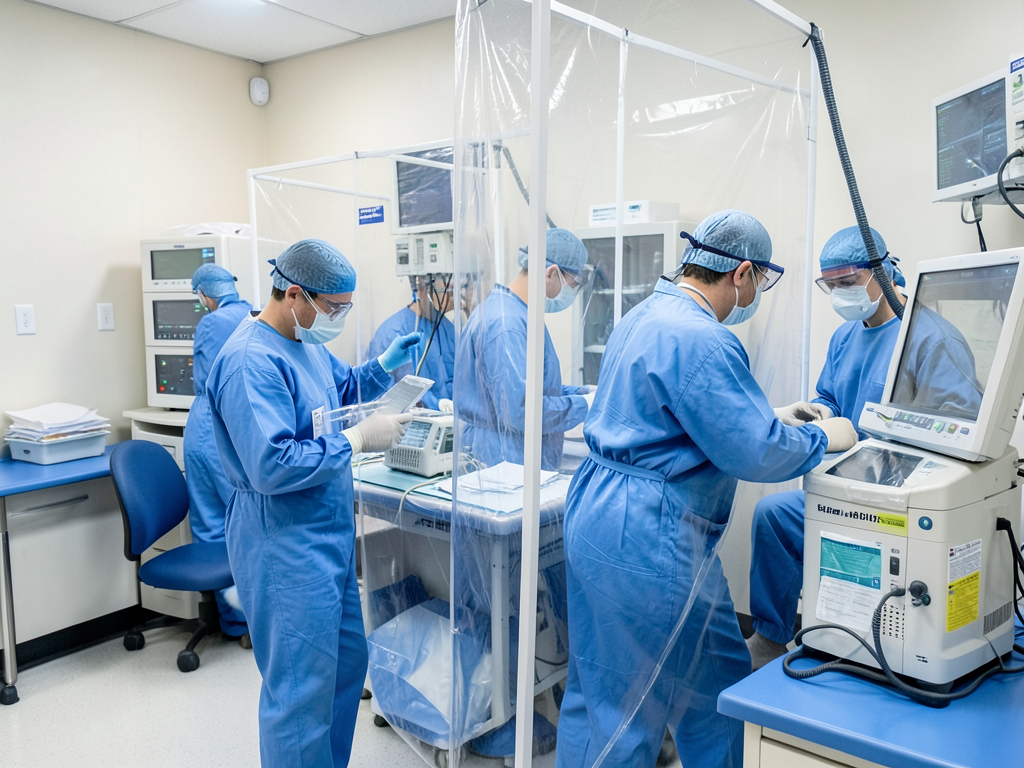
Water Damage Protocols for Medical Offices and Clinics in the Princess Anne Area When water…

How Balcony Drainage Issues Cause Interior Water Damage for Oceanfront Condo Owners \n\n Oceanfront condo…
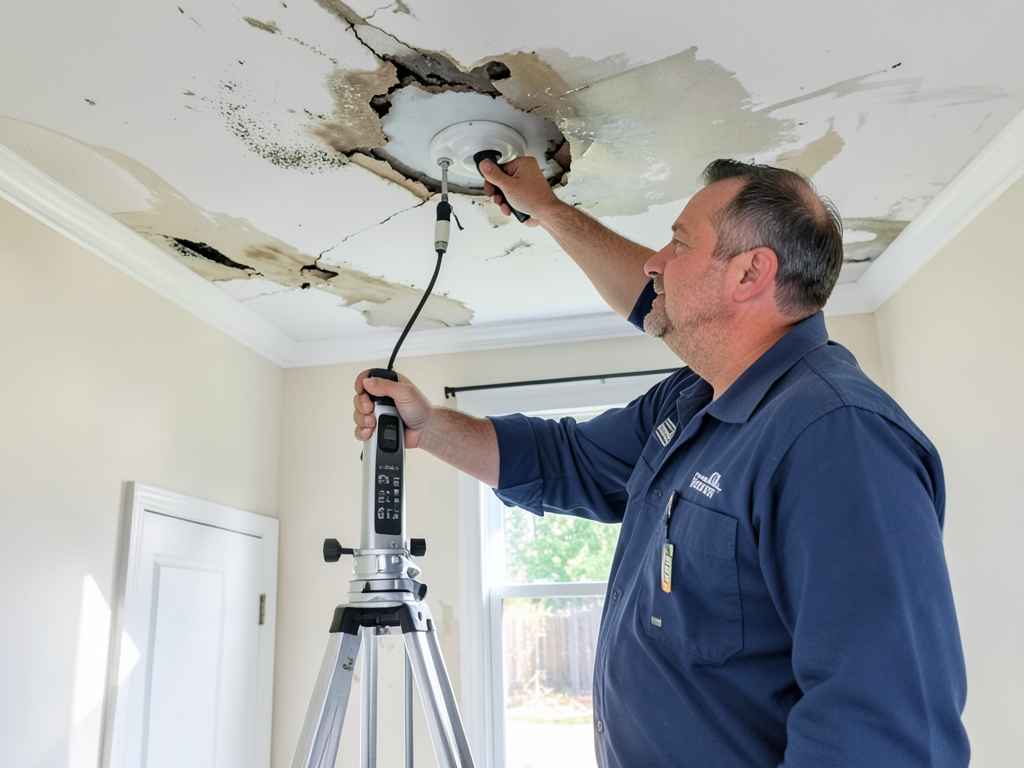
Breaking Your Lease Over Unresolved Water Damage (A Guide for Virginia Beach Renters) Living with…
Water damage gets worse every hour you wait. Our Chesapeake emergency crews respond within 60 minutes to stop damage progression and start the restoration process. Call (757) 909-5033 now to dispatch a team to your property immediately.