




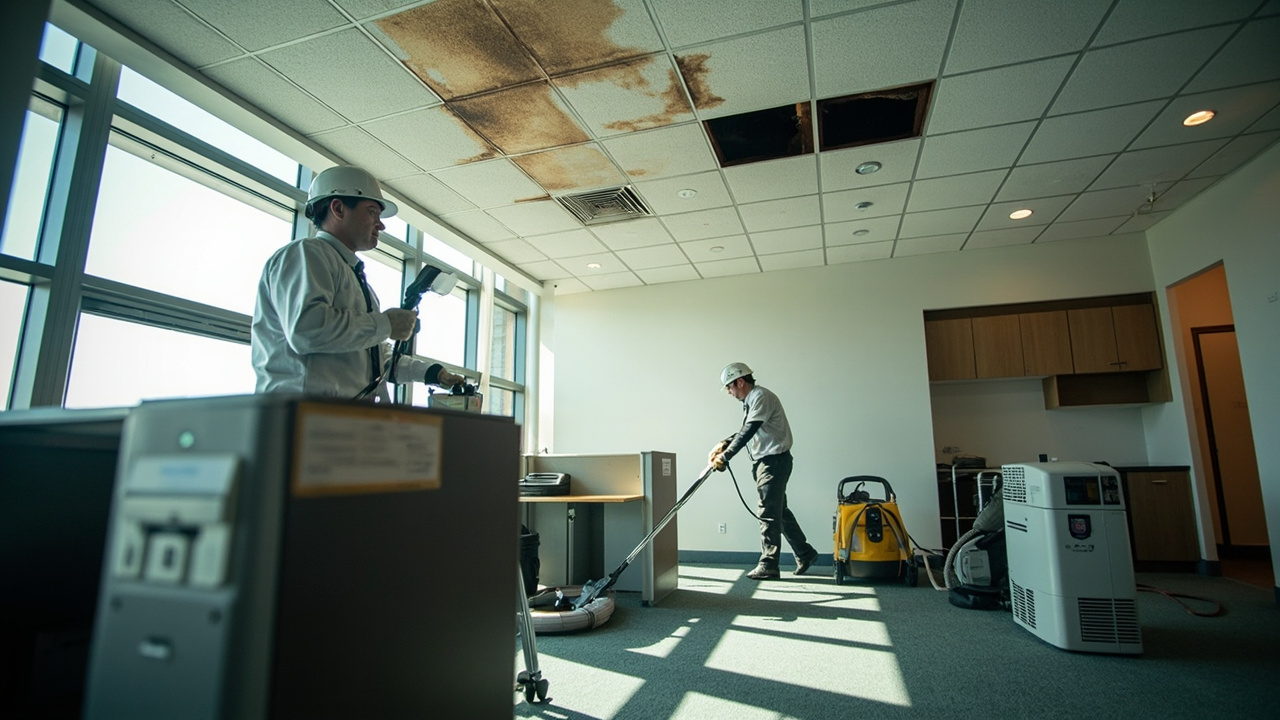
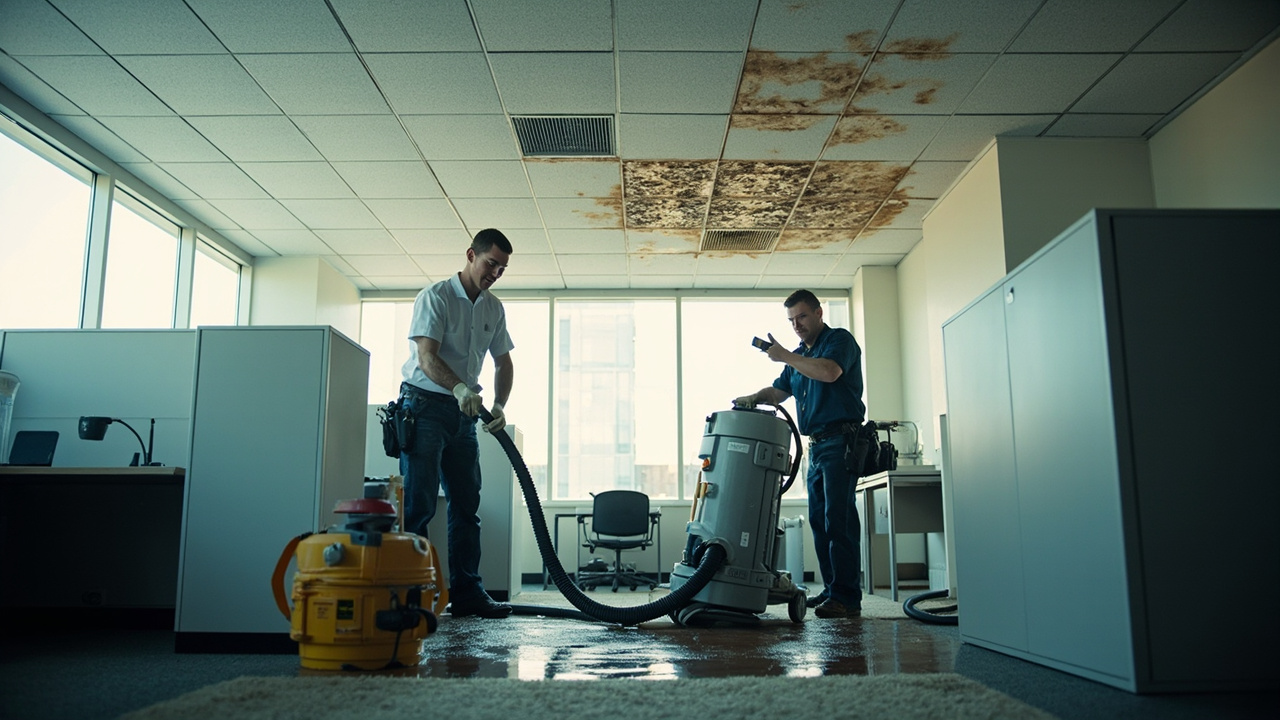
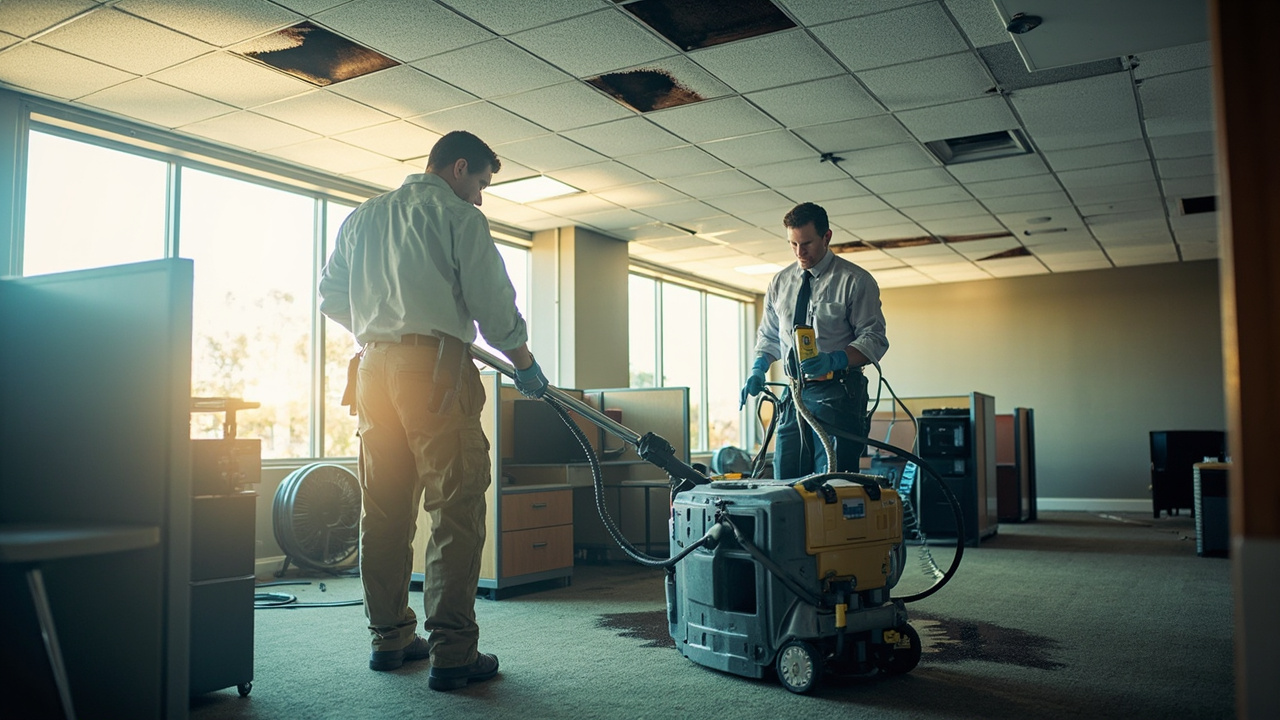
Virginia Beach averages 75 percent relative humidity from June through September, with dewpoints frequently exceeding 70 degrees. When office building water damage occurs during these conditions, standard refrigerant dehumidifiers struggle to remove moisture from saturated materials. Drywall and insulation in coastal commercial buildings absorb 40 percent more water than identical materials in dry climates. Your restoration contractor must use desiccant dehumidifiers that function regardless of ambient temperature and humidity, preventing the mold colonization that begins within 48 hours in this climate. Buildings near the Chesapeake Bay or Lynnhaven Inlet face additional risk from brackish groundwater intrusion during storm surge events, requiring antimicrobial treatments that standard freshwater protocols do not address.
Virginia Beach's commercial building inventory includes structures built under three different iterations of the Virginia Uniform Statewide Building Code. Older office buildings in the Pembroke area lack vapor barriers behind exterior brick veneer, allowing moisture migration that accelerates during restoration if contractors use improper drying techniques. Local expertise means understanding when to remove baseboards to dry wall cavities versus when to drill weep holes in masonry. It means knowing which insurance carriers operating in Hampton Roads require certified mold assessments and which accept technician evaluations. Apex Water Damage Restoration Virginia Beach maintains relationships with commercial property insurers, third-party testing labs, and the building officials who approve reconstruction permits, ensuring your project moves forward without delays that extend business interruption losses.