




Menu

Water Mitigation vs Restoration in Virginia Beach – Know the Difference Before You Pay Twice

Understanding water damage mitigation vs restoration can save you thousands and prevent secondary damage in Virginia Beach's humid coastal climate where mold spreads fast and hidden moisture destroys structural integrity.

Slider Image 1
Slider Image 2
Slider Image 3
Slider Image 4
Slider Image 5
Slider Image 7
Slider Image 8
Slider Image 9
Slider Image 10
Slider Image 11

Why Virginia Beach Homeowners Confuse Water Cleanup with Water Repair

You call the first company you find after a pipe bursts. They extract water, set up fans, and leave. Two weeks later, you smell mold. The drywall feels soft. You thought the job was done, but you only paid for half the fix.

The difference between water mitigation and restoration is not semantics. Mitigation stops the damage from spreading. Restoration brings your property back to pre-loss condition. In Virginia Beach, where humidity averages 75 percent year-round and saltwater air accelerates corrosion, stopping water is only step one. If you skip reconstruction, moisture trapped in wall cavities or beneath subfloors will rot framing, warp hardwood, and feed mold colonies within 48 hours.

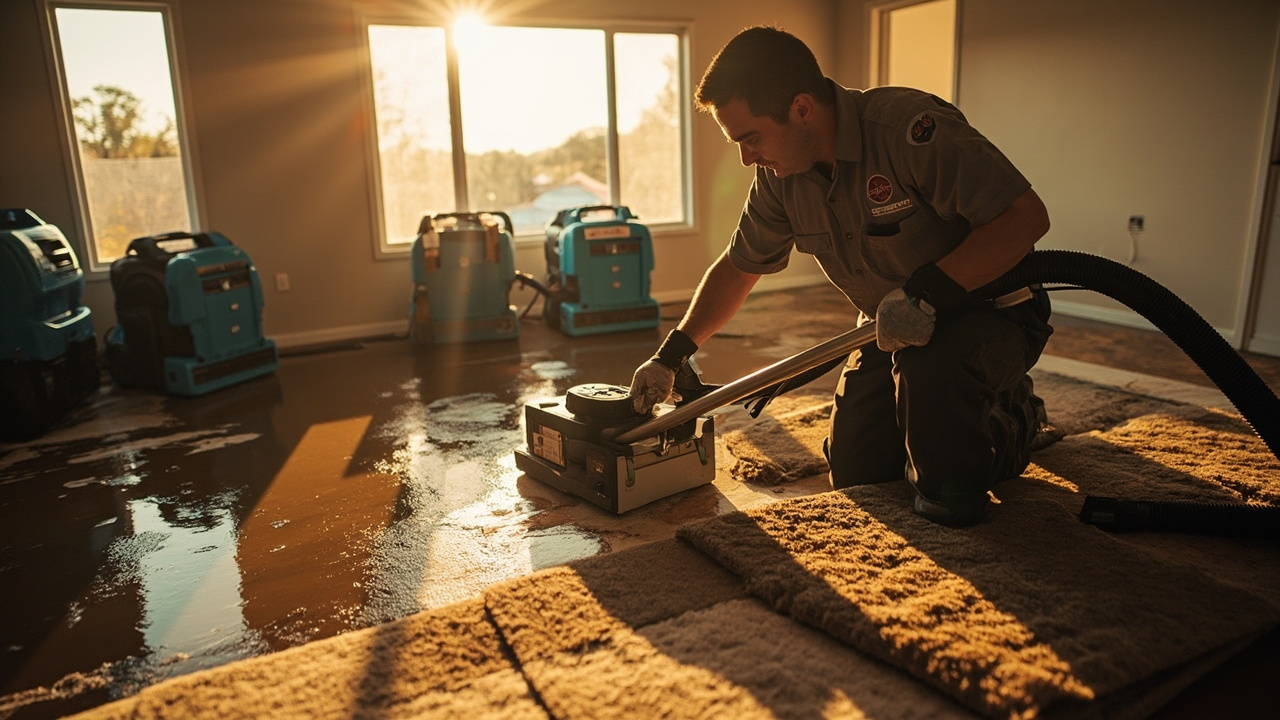
Water damage mitigation vs restoration breaks down like this. Mitigation is the emergency response. It includes water extraction, structural drying, antimicrobial treatment, and content salvage. Restoration is the rebuild. It includes replacing drywall, repairing subflooring, repainting, and reinstalling trim. One is medical triage. The other is surgery.

Many Virginia Beach properties near the Chesapeake Bay or along Shore Drive deal with storm surge, tidal flooding, and high groundwater tables. When you call for water cleanup vs water repair, you need a company that offers both phases under one roof. Otherwise, you coordinate between multiple contractors, lose time, and risk your insurance claim falling apart because the scope of work was never unified.

Water remediation vs restoration is another term you will hear. Remediation focuses on contamination removal, like sewage or black water. Restoration is the cosmetic and structural rebuild. Mitigation vs reconstruction is the same concept. One stops the bleeding. The other closes the wound. You need both.

Why Virginia Beach Homeowners Confuse Water Cleanup with Water Repair
How Apex Water Damage Restoration Virginia Beach Handles Both Phases Under One Contract

How Apex Water Damage Restoration Virginia Beach Handles Both Phases Under One Contract

We do not hand you off to another crew after mitigation. Apex Water Damage Restoration Virginia Beach manages the entire timeline from water extraction through final walkthrough. This eliminates gaps in documentation, keeps your insurance adjuster happy, and ensures we catch hidden damage before it becomes a change order.

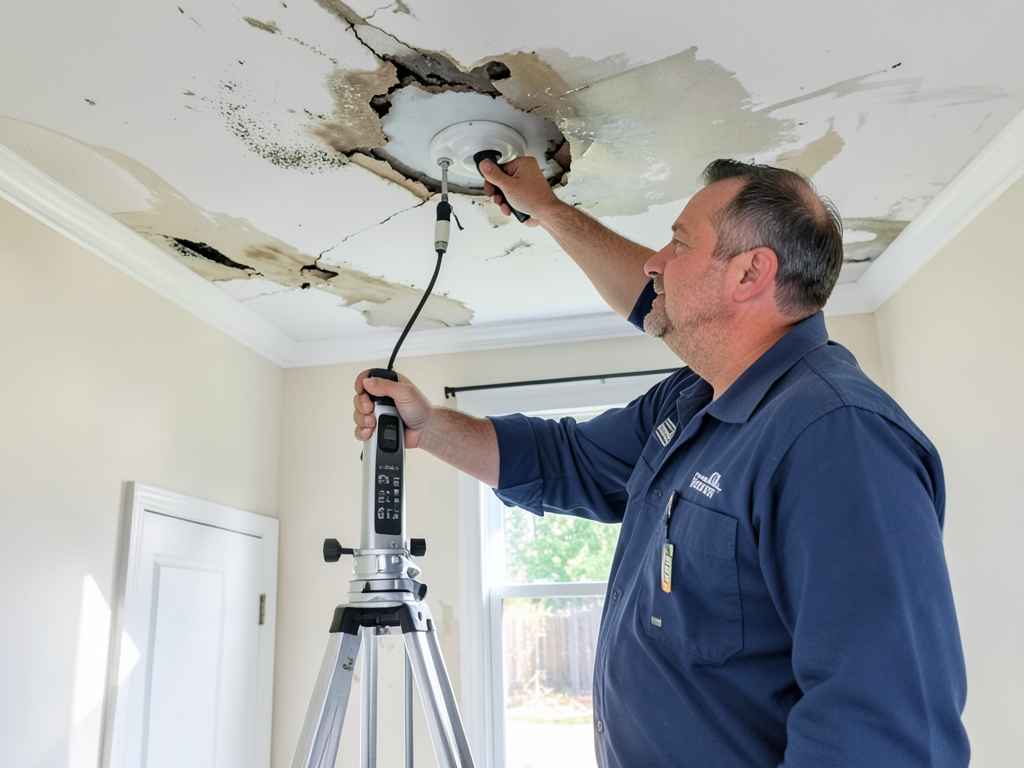
Our mitigation phase starts within 60 minutes of your call. We deploy truck-mounted extractors, thermal imaging cameras, and industrial dehumidifiers. We document moisture readings in studs, subfloors, and ceiling joists using hygrometers calibrated to Virginia Beach's coastal humidity baseline. We pull baseboards and drill weep holes in drywall to ventilate wall cavities. We apply antimicrobial fog to prevent mold spore germination. Every action is logged with timestamps and photos for your claim file.

Once the structure reaches equilibrium moisture content, we transition to restoration. This includes subfloor replacement if swelling exceeds tolerance, drywall removal and reinstallation, insulation replacement if contaminated, and trim carpentry to match original profiles. If your home is in the North End Historic District or Croatan Beach, we source period-appropriate materials and match textures so repairs blend invisibly.

We also handle code compliance. Virginia Beach adopted the 2018 International Residential Code with local amendments. If water damage exposed outdated plumbing or electrical work, we bring it current during restoration so you pass final inspection. This is where hiring separate mitigation and restoration companies creates problems. The mitigation crew does not care about code. The restoration crew blames the mitigation crew for missing structural damage. You pay for both mistakes.

Our process eliminates finger-pointing. One team. One timeline. One point of contact. You get a unified scope of work, a single invoice, and a restoration that actually restores.

What Happens When You Call Apex for Water Damage in Virginia Beach

Water Mitigation vs Restoration in Virginia Beach – Know the Difference Before You Pay Twice
01

Emergency Mitigation Response

We dispatch a crew within 60 minutes to stop water intrusion, extract standing water, and stabilize the environment. Thermal imaging maps wet zones. Moisture meters quantify saturation levels in framing and subfloors. We photograph every affected area for insurance documentation and set up drying equipment calibrated to Virginia Beach's coastal humidity. This phase typically runs 3 to 5 days depending on material density and airflow access.
02

Damage Assessment and Scope

Once the structure is dry, we perform a full tear-out assessment. We remove damaged drywall, insulation, and flooring to expose framing and mechanicals. We check for mold growth, wood rot, and compromised structural members. We write a detailed restoration estimate that includes material specifications, labor hours, and code compliance upgrades. This estimate goes to your insurance adjuster for approval before we order materials or schedule trades.
03

Rebuild and Final Inspection

We replace subfloors, hang drywall, install insulation, and finish surfaces to match the original condition. If permits are required, we pull them and schedule city inspections. We repaint using low-VOC coatings suitable for Virginia Beach's humidity. We reinstall trim, baseboards, and fixtures. Final walkthrough includes a moisture recheck to confirm the environment is stable and a warranty document outlining what was repaired and what is covered going forward.

Why Virginia Beach Properties Need a Local Water Damage Specialist

National franchises follow corporate playbooks written in Phoenix or Minneapolis. They do not account for Virginia Beach's tidal flood zones, saltwater corrosion rates, or the Virginia Uniform Statewide Building Code amendments adopted by the city. When you hire a local company like Apex Water Damage Restoration Virginia Beach, you get a crew that has dried out homes in Oceanfront, Sandbridge, and the Pungo area. We know which neighborhoods flood during nor'easters, which builders used substandard vapor barriers in the 1980s, and which crawl spaces need encapsulation to prevent recurring moisture problems.

We also understand local insurance claim procedures. Virginia Beach has a high concentration of USAA, Navy Federal, and State Farm policyholders. Each carrier has specific documentation requirements for water damage claims. We provide itemized estimates using Xactimate software, which adjusters recognize and accept without pushback. We include moisture logs, thermal images, and antimicrobial treatment records. This speeds up claim approval and reduces the chance of a partial payout.

Our relationships with local building inspectors also matter. If restoration work requires a permit, we know which inspectors prioritize structural fixes versus cosmetic issues. We schedule inspections strategically so your project does not sit idle waiting for city approval. This keeps your timeline on track and prevents mold from reactivating in partially dried materials.

Choosing a company that handles both water mitigation and restoration also simplifies vendor management. You deal with one estimator, one project manager, and one warranty. If something goes wrong, you make one phone call. You do not mediate disputes between the mitigation contractor and the restoration contractor. You do not wait for one company to finish so the next can start. The work flows continuously from extraction to final paint.

What to Expect When Apex Restores Your Virginia Beach Property

Response Time and Availability

We dispatch crews 24/7, 365 days a year. Water does not wait for business hours, and neither do we. If a pipe bursts at 2 a.m. or a storm surge floods your crawl space on Sunday, you will have a technician on-site within 60 minutes. Our trucks carry extraction equipment, moisture detection tools, and drying equipment so we can start mitigation immediately. We do not schedule you for next week. We stop the damage now. Speed matters in Virginia Beach's humid climate where mold colonizes porous materials within 48 hours. Every hour you wait increases the scope of demolition and the cost of restoration.

Inspection and Documentation Process

We do not eyeball damage. We use thermal imaging cameras to detect water behind walls and ceilings. We use penetrating moisture meters to measure saturation levels in framing lumber and subfloors. We document every reading with photos, timestamps, and GPS coordinates. This creates an evidence trail your insurance adjuster can verify. We map affected areas using sketch software that integrates with Xactimate estimating tools. You get a detailed scope of work before demolition begins, so there are no surprise costs. If additional damage is discovered during tear-out, we document it immediately and submit a supplement to your carrier.

Quality of Finished Restoration

Restoration is not slapping up drywall and rolling paint. We match textures, blend transitions, and source materials that integrate with your existing finishes. If your home has popcorn ceilings, crown molding, or custom trim profiles, we replicate them. If you live in a historic district, we use period-appropriate materials and techniques. We do not leave patch lines or color mismatches. The goal is invisible repair. We also verify final moisture levels before we close walls. If any material still reads above equilibrium, we extend drying time. Closing wet materials guarantees mold growth and callback repairs. We do not cut corners to hit a deadline.

Post-Restoration Support and Warranty

We provide a written warranty covering workmanship and materials. If a seam cracks or paint peels due to installation error, we return and fix it at no charge. We also offer post-restoration moisture monitoring. Virginia Beach's high humidity can reactivate moisture in materials if ventilation is inadequate or if a hidden leak persists. We schedule a 30-day follow-up inspection to recheck moisture levels and confirm the environment is stable. If you notice new stains, odors, or soft spots, call us. We will investigate and determine if additional drying or repair is needed. Restoration only works if the underlying moisture problem is solved.

Frequently Asked Questions

You Have Questions,
We Have Answers

What is the difference between water restoration and mitigation? +

Water mitigation is the immediate response that stops active water damage from getting worse. Technicians extract standing water, set up air movers and dehumidifiers, and remove wet materials like soaked drywall or carpet padding. Restoration comes after mitigation and rebuilds what was damaged. This includes replacing drywall, repainting walls, installing new flooring, and returning your Virginia Beach home to pre-loss condition. Mitigation happens in the first 24 to 72 hours. Restoration can take weeks depending on damage severity. Both steps matter, but mitigation happens first to prevent mold growth in our humid coastal climate.

What is the difference between restoration and remediation of water? +

Restoration and remediation address different problems. Restoration rebuilds structural damage caused by water, fire, or storms. It includes carpentry, drywall replacement, and flooring installation to return your property to normal. Remediation targets contaminants like mold, sewage, or biohazards that pose health risks. In Virginia Beach, water damage often triggers mold remediation because humidity accelerates spore growth within 48 hours. A flooded crawl space might need both: remediation to remove mold colonies and restoration to replace rotted floor joists. The processes overlap but serve distinct purposes. One fixes structure, the other eliminates hazards.

What is mitigation and restoration? +

Mitigation and restoration work together after property damage but serve different roles. Mitigation is emergency response. It stabilizes the situation by extracting water, tarping roofs, or boarding broken windows to prevent further damage. Restoration is the repair phase. It rebuilds walls, replaces flooring, and restores your Virginia Beach property to pre-damage condition. After a pipe burst, mitigation crews arrive within hours to pull water and dry materials. Restoration teams follow days later to repair drywall and repaint. Mitigation stops the bleeding. Restoration heals the wound. Most projects require both phases for complete recovery from water damage.

What is included in water mitigation? +

Water mitigation includes emergency water extraction, structural drying, moisture mapping, and content protection. Technicians remove standing water using truck-mounted pumps or portable extractors. They place commercial dehumidifiers and air movers to dry framing, subfloors, and wall cavities. Infrared cameras detect hidden moisture behind drywall or under tile. Crews remove unsalvageable materials like wet insulation or baseboards. In Virginia Beach, mitigation also addresses humidity control because our coastal air slows drying. Technicians monitor moisture levels daily until readings reach industry dry standards. This prevents mold growth and secondary damage before restoration begins.

What is the average cost of water mitigation? +

Water mitigation costs typically range from several hundred to several thousand dollars depending on water volume, affected square footage, and equipment required. A small bathroom overflow might cost less than a flooded basement requiring days of drying. Factors include extraction time, number of dehumidifiers needed, and material removal. Category 3 water from sewage backups costs more because of contamination protocols. Virginia Beach humidity often extends drying time, increasing equipment rental costs. Most homeowners insurance policies cover mitigation expenses after covered losses like burst pipes or storm damage. Get documentation and photos before mitigation starts to support your claim.

Do you mitigate or remediate mold? +

You remediate mold, not mitigate it. Remediation removes existing mold colonies and treats affected surfaces with antimicrobial solutions. Mitigation prevents mold from starting by quickly drying water damage before spores colonize. In Virginia Beach, our coastal humidity means mold grows within 24 to 48 hours after flooding. If you catch water damage early, proper mitigation stops mold before it starts. Once visible mold appears on drywall, insulation, or framing, you need remediation. Technicians contain the area, remove contaminated materials, HEPA vacuum surfaces, and treat remaining structures. Mitigation is prevention. Remediation is removal.

Does homeowners insurance cover water restoration? +

Homeowners insurance typically covers water restoration if the damage resulted from a sudden, accidental event like a burst pipe, appliance malfunction, or storm damage. Policies usually exclude gradual damage from slow leaks or lack of maintenance. Coverage includes mitigation costs like water extraction and drying, plus restoration expenses like drywall replacement and flooring. Flood damage requires separate flood insurance. In Virginia Beach, hurricane damage may fall under windstorm provisions with separate deductibles. Review your policy declarations page for exclusions. Document everything with photos before mitigation begins. Your insurance adjuster determines what qualifies for coverage based on the cause.

Is restoration the same as remediation? +

Restoration and remediation are not the same. Restoration rebuilds physical damage to structures and finishes. It includes drywall repair, painting, flooring replacement, and carpentry to return your property to pre-loss condition. Remediation removes health hazards like mold, asbestos, lead, or sewage contamination. After water damage in Virginia Beach, you might need remediation if mold colonized wall cavities, followed by restoration to replace the drywall. Restoration focuses on cosmetic and structural repair. Remediation focuses on safety and contamination removal. Some projects require both services, while others need only restoration if contamination never occurred.

What are the three types of remediation? +

The three main types of remediation are mold remediation, asbestos remediation, and biohazard remediation. Mold remediation removes fungal growth from water damage, typically in Virginia Beach crawl spaces, attics, and bathrooms. Asbestos remediation safely removes materials containing asbestos fibers found in older homes, particularly pre-1980s construction common in established Virginia Beach neighborhoods. Biohazard remediation cleans sewage backups, crime scenes, or bodily fluids using specialized disinfection protocols. Each type requires specific containment procedures, personal protective equipment, and disposal methods. Proper remediation protects occupant health and prevents cross-contamination during the cleaning process.

What are the 4 types of mitigation? +

The four main types of water mitigation are extraction mitigation, structural drying mitigation, dehumidification mitigation, and content mitigation. Extraction removes standing water from floors and carpets using pumps and extractors. Structural drying targets framing, subfloors, and wall cavities with air movers and heat. Dehumidification removes moisture from the air to accelerate drying, especially important in humid Virginia Beach. Content mitigation protects and dries furniture, documents, and belongings through pack-outs or onsite treatment. Most water damage projects require all four types working together. The combination depends on water category, affected materials, and environmental conditions.

Why Coastal Humidity Makes Water Mitigation vs Restoration Critical in Virginia Beach

Virginia Beach sits on a barrier spit between the Chesapeake Bay and the Atlantic Ocean. Year-round humidity averages 75 percent, peaking above 85 percent during summer months. This creates an environment where wet building materials never fully dry without mechanical dehumidification. If you stop after water extraction and rely on air movement alone, moisture remains trapped in wall cavities, subfloors, and insulation. Within 48 hours, mold spores germinate. Within a week, wood framing begins to rot. The difference between water cleanup and water repair becomes obvious when drywall collapses or hardwood buckles months after you thought the job was done.

Apex Water Damage Restoration Virginia Beach has restored properties across the Tidewater region for years. We know which neighborhoods flood during king tides, which builders used vapor barriers, and which crawl spaces need encapsulation to prevent recurring moisture issues. We hold relationships with local building inspectors and understand Virginia Beach's building code amendments to the International Residential Code. When you hire a company that offers both mitigation and reconstruction under one contract, you eliminate coordination gaps, reduce insurance claim disputes, and ensure repairs meet local code requirements. You also get a single warranty covering both phases of work.

Water Damage Services in The Virginia Beach Area

We are proud to serve the entire Virginia Beach area and surrounding communities. Our centrally located office allows us to provide a quick response to any water damage emergency. View our location on the map to see our service area, or simply give us a call and we'll dispatch a certified team to your location right away, ready to assist with your restoration needs.

Address:
Apex Water Damage Restoration Virginia Beach, 138 S Rosemont Rd, Virginia Beach, VA, 23452

Additional Services We Offer

Our news updates

Latest Articles & News from The Blogs

Water Damage Protocols for Medical Offices and Clinics in the Princess Anne Area When water damage strikes a medical office…

Water Damage Protocols for Medical Offices and Clinics in the Princess Anne Area

Water Damage Protocols for Medical Offices and Clinics in the Princess Anne Area When water damage strikes a medical office…

How Balcony Drainage Issues Cause Interior Water Damage for Oceanfront Condo Owners

How Balcony Drainage Issues Cause Interior Water Damage for Oceanfront Condo Owners \n\n Oceanfront condo owners in Virginia Beach face…

Breaking Your Lease Over Unresolved Water Damage (A Guide for Virginia Beach Renters)

Breaking Your Lease Over Unresolved Water Damage (A Guide for Virginia Beach Renters) Living with unresolved water damage in your…

Contact Us

Call Apex Water Damage Restoration Virginia Beach at (757) 909-5033 right now. We respond in 60 minutes or less. We handle mitigation, restoration, and insurance documentation under one contract. Do not wait. Every hour increases damage and cost.