




Menu

Mold Remediation & Removal in Virginia Beach – Complete Abatement for Coastal Homes and Businesses

Apex Water Damage Restoration Virginia Beach delivers comprehensive mold remediation services designed for the unique humidity and moisture challenges facing coastal properties, from initial containment through final clearance testing.

Slider Image 1
Slider Image 2
Slider Image 3
Slider Image 4
Slider Image 5
Slider Image 7
Slider Image 8
Slider Image 9
Slider Image 10
Slider Image 11

Why Virginia Beach Properties Face Constant Mold Threats

Virginia Beach sits at the intersection of the Chesapeake Bay and Atlantic Ocean, creating a year-round humidity problem that turns every water intrusion into a mold breeding ground. You have 24 to 48 hours before standing water triggers spore colonization. After that window closes, you are dealing with active growth that releases mycotoxins into your air.

The coastal climate here sustains 70 to 85 percent relative humidity from May through September. Add in hurricane season flooding, nor'easter wind-driven rain, and aging HVAC systems struggling to dehumidify salty air, and you have ideal conditions for Stachybotrys, Aspergillus, and Penicillium species. These are not surface stains you can bleach away. They colonize drywall backing paper, insulation batts, subfloor plywood, and ceiling tiles.

Oceanfront condos in the resort district see saltwater intrusion through foundation cracks during king tides. Historic homes in Old Beach have crawl space moisture that saturates floor joists. Commercial properties along Shore Drive deal with flat roof ponding that seeps through membrane failures. Each scenario requires professional mold mitigation, not DIY spray bottles.

Mold abatement in coastal Virginia means addressing the source moisture, establishing negative air pressure containment, removing contaminated materials following IICRC S520 protocols, and applying antimicrobial treatments to salvageable surfaces. You cannot skip steps. You cannot paint over it. You need professional mold removal that treats the colony and the conditions that fed it, or you are looking at regrowth within weeks.

Why Virginia Beach Properties Face Constant Mold Threats
How Professional Mold Remediation Eliminates Growth and Prevents Return

How Professional Mold Remediation Eliminates Growth and Prevents Return

We start every mold cleanup service with moisture mapping using thermal imaging cameras and penetrating moisture meters. This identifies hidden water sources behind walls, above ceilings, and beneath flooring. You cannot remediate mold without eliminating what feeds it. We trace every leak to its origin, whether that is a failed roof penetration, condensation drip from an oversized AC unit, or groundwater wicking through a CMU block wall.

Containment comes next. We build physical barriers using polyethylene sheeting and seal them with fire-rated tape. Negative air machines with HEPA filtration pull air from the contaminated zone and exhaust it outside, preventing cross-contamination into clean areas. We maintain negative pressure differentials verified with manometers throughout demolition.

Removal means cutting out contaminated drywall, insulation, and trim at least 12 inches beyond visible growth. We bag and dispose of materials following EPA guidelines. Structural elements like framing lumber get wire-brushed, HEPA-vacuumed, and treated with EPA-registered antimicrobials. We do not leave spores behind to reactivate when humidity spikes again next summer.

Mold decontamination extends to contents and HVAC systems. Porous items like upholstered furniture and mattresses typically get discarded. Non-porous surfaces get cleaned with HEPA vacuums and microfiber cloths. Ductwork gets professionally cleaned and sanitized because your air handler circulates spores throughout your property if you skip this step.

We end with third-party clearance testing. An independent hygienist collects air and surface samples to verify spore counts match outdoor ambient levels. You get documentation proving the remediation met industry standards, which satisfies insurance adjusters and protects your resale value.

What Happens During Your Mold Remediation Project

Mold Remediation & Removal in Virginia Beach – Complete Abatement for Coastal Homes and Businesses
01

Inspection and Moisture Detection

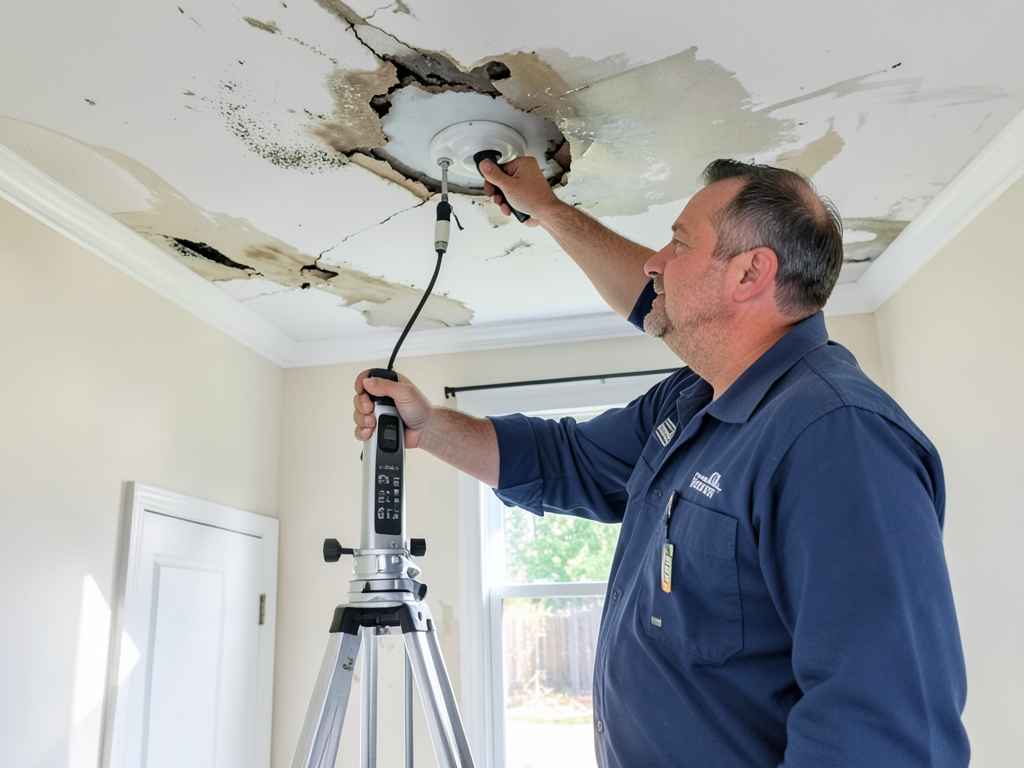
We arrive with moisture meters, thermal cameras, and borescopes to locate hidden growth inside wall cavities and above ceilings. You see the visible colony on your bathroom wall, but we find the saturated insulation behind it and the roof leak three feet away that caused it. We document everything with photos and moisture readings to build your remediation plan and insurance claim.
02

Containment and Removal

We seal off the contaminated area with poly barriers and establish negative air pressure using HEPA air scrubbers. Technicians wearing respirators and Tyvek suits cut out all affected materials, HEPA-vacuum surfaces, and apply antimicrobials to structural elements. We bag and remove debris through decontamination chambers to prevent spore spread. Your property stays protected while we eliminate the source.
03

Drying and Clearance Testing

After removal, we install commercial dehumidifiers and air movers to reduce humidity below 50 percent and dry structural elements to less than 15 percent moisture content. This prevents immediate regrowth. Once drying completes, an independent hygienist collects air samples and issues a clearance report confirming safe spore levels. You get documentation proving your property is clean and ready for reconstruction.

Why Virginia Beach Property Owners Choose Apex for Mold Mitigation

Coastal mold problems require technicians who understand how saltwater accelerates corrosion, how tidal flooding differs from plumbing leaks, and how Virginia's building codes apply to remediation and reconstruction. We have remediated mold in everything from Sandbridge beach houses to Pembroke Manor office buildings to military housing at Oceana.

We know the common failure points in Virginia Beach construction. The EIFS stucco systems popular in 1990s construction trap moisture behind foam insulation. The crawl spaces under raised foundations in flood zones need vapor barriers and dehumidification, not just ventilation. The flat roofs on mid-century commercial buildings along Virginia Beach Boulevard pond water at HVAC curbs and parapet walls. Each building type has predictable vulnerabilities we address during remediation.

You need a contractor who coordinates with insurance adjusters who question every line item and engineers who require documentation for structural drying. We provide detailed moisture logs, photographic evidence of concealed damage, and protocol adherence records that satisfy the strictest claim reviews. Your adjuster gets what they need to approve the scope without back-and-forth delays.

We also understand the health implications. Mold exposure triggers asthma attacks, allergic reactions, and respiratory infections, particularly in children and elderly residents. We take containment seriously because your family or employees occupy adjacent spaces during remediation. Negative air pressure and HEPA filtration are not optional steps we skip to save time.

Apex Water Damage Restoration Virginia Beach handles projects from single-room bathroom mold to whole-house contamination following hurricane flooding. We dispatch within hours of your call, because delayed response means expanded growth and higher remediation costs. You get technicians who treat your property like it is their own and deliver results that pass independent clearance testing.

What to Expect During Your Mold Remediation Service

Response Time and Scheduling

We dispatch technicians within two hours of your call for emergency mold situations following water damage. Standard remediation projects begin within 24 hours of your inspection approval. Timeline depends on contamination extent, but most residential projects complete within three to five days from containment through final cleaning. Commercial projects requiring off-hours work to minimize business disruption get scheduled around your operational needs. We communicate daily progress updates and adjust schedules when concealed damage extends the original scope.

Initial Assessment Process

Your inspection includes moisture mapping with thermal imaging to locate hidden water intrusion, visual assessment of all affected areas, and documentation of damage extent. We identify mold species through visual characteristics and recommend lab testing when toxic black mold is suspected or when health complaints warrant confirmation. You receive a written remediation protocol detailing containment methods, materials requiring removal, antimicrobial treatments, and estimated timeline. This protocol serves as your insurance claim documentation and project roadmap.

Quality of Final Results

Remediation is complete when independent air quality testing confirms spore counts match outdoor ambient levels and no viable growth remains. You receive clearance documentation proving your property meets IICRC S520 standards and Virginia indoor air quality guidelines. Structural elements are dried below 15 percent moisture content and treated to prevent regrowth. Your property is ready for reconstruction with all affected areas returned to preloss condition. We provide detailed photo documentation showing before, during, and after conditions for your records.

Prevention and Monitoring Recommendations

We provide written guidance on controlling humidity levels, improving ventilation, and addressing the moisture source that caused your mold problem. This includes recommendations for dehumidifier sizing, HVAC system modifications, drainage improvements, and crawl space encapsulation. We offer optional moisture monitoring services for properties with chronic humidity issues or high-risk areas like basements and crawl spaces. Following our prevention protocols significantly reduces your risk of recurrence and protects your investment in professional remediation.

Frequently Asked Questions

You Have Questions,
We Have Answers

How much does it cost to remove mold? +

Mold removal costs in Virginia Beach vary based on contamination size, location, and severity. Small areas under 10 square feet may cost a few hundred dollars. Medium infestations in crawl spaces or attics typically range from $1,500 to $4,000. Extensive mold growth affecting multiple rooms or structural components costs significantly more. Factors include moisture source repair, containment setup, air filtration, disposal, and post-remediation testing. Coastal humidity and older housing stock in neighborhoods near the oceanfront often increase complexity. Get a professional inspection first to understand the true scope before budgeting.

What is the difference between mold removal and mold remediation? +

Mold removal simply scrubs away visible growth. Mold remediation addresses the root cause and prevents recurrence. Remediation includes identifying moisture sources, establishing containment barriers, using HEPA filtration to capture airborne spores, removing contaminated materials, treating surfaces with antimicrobials, and verifying air quality post-cleanup. In Virginia Beach, where year-round humidity and coastal storms create persistent moisture problems, removal alone fails. Spores return within weeks without proper moisture control and ventilation improvements. True remediation restores your indoor environment to safe fungal levels and stops the cycle.

How much does full mold remediation cost? +

Full mold remediation in Virginia Beach typically costs between $2,000 and $6,000 for most residential projects. Large-scale jobs involving structural damage, HVAC contamination, or widespread growth across multiple levels can exceed $10,000. Cost drivers include square footage affected, containment needs, material removal and disposal, specialty equipment like negative air machines, antimicrobial treatments, and post-remediation clearance testing. Homes near the Chesapeake Bay or in flood-prone areas like Sandbridge often face higher costs due to recurring moisture intrusion. Professional assessment determines accurate pricing based on your specific situation.

Is professional mold removal worth it? +

Professional mold remediation is worth it when health risks, property damage, or recurrence potential exist. DIY attempts miss hidden growth behind walls, in HVAC systems, or under flooring. Professionals use containment to prevent cross-contamination, industrial-grade HEPA filtration to capture microscopic spores, and moisture meters to find hidden water sources. In Virginia Beach, high humidity and coastal weather mean mold returns quickly without proper treatment. Professionals also document work for insurance claims and resale disclosure. Cutting corners risks your family's respiratory health and thousands in future structural repairs when mold spreads unchecked.

What kills mold permanently? +

Nothing kills mold permanently if moisture remains. Mold needs water, organic material, and oxygen to thrive. Effective treatment combines antimicrobial application with moisture elimination. EPA-registered biocides kill surface mold, but spores exist everywhere naturally. The key is controlling humidity below 50 percent and fixing leaks immediately. In Virginia Beach's humid climate, dehumidifiers, proper ventilation, and vapor barriers in crawl spaces are critical. Encapsulation products seal porous surfaces after cleaning. Professional remediation addresses both active growth and environmental conditions. Without moisture control, mold returns regardless of cleaning method used.

What are signs of mold exposure? +

Common mold exposure signs include persistent coughing, sneezing, throat irritation, nasal congestion, and watery eyes. Some people experience headaches, fatigue, difficulty concentrating, or skin rashes. Individuals with asthma or compromised immune systems face worse reactions, including respiratory distress. You might notice a musty odor before seeing visible growth. Symptoms often improve away from home and worsen upon return. Virginia Beach's coastal humidity increases indoor mold risk, especially in older homes with poor ventilation. If multiple household members show symptoms without other explanation, schedule a professional mold inspection immediately.

Can I remediate mold myself? +

You can handle very small mold patches under 10 square feet on non-porous surfaces using protective gear, proper ventilation, and EPA-approved cleaners. Anything larger, hidden behind walls, in HVAC systems, or resulting from sewage contamination requires professionals. DIY risks include inadequate containment that spreads spores throughout your home, exposure to mycotoxins without proper respiratory protection, and missing hidden moisture sources that cause recurrence. Virginia Beach's humidity complicates DIY efforts since mold returns quickly without moisture control expertise. If you have respiratory conditions or immune system issues, never attempt mold cleanup yourself.

Why is mold remediation so expensive? +

Mold remediation costs reflect specialized labor, equipment, containment, and disposal requirements. Professionals use industrial HEPA air scrubbers, negative air machines, commercial dehumidifiers, and moisture detection equipment costing thousands of dollars. Containment barriers prevent cross-contamination during removal. Workers need protective suits, respirators, and training in safe handling of contaminated materials. Disposal follows strict protocols. Testing and documentation add expense but protect your investment. In Virginia Beach, coastal moisture and older housing stock increase complexity. Cheap remediation fails, allowing mold to return within months, costing more long-term. Proper remediation is a health and property investment.

How long should you stay out of house after mold remediation? +

Most homeowners can return within 24 to 48 hours after professional mold remediation, once clearance testing confirms safe spore levels and all equipment is removed. Sensitive individuals, young children, or people with respiratory conditions may wait an additional day for extra ventilation. Timeline depends on project size and drying requirements. Virginia Beach's humidity may extend drying time slightly. Contractors provide specific guidance based on your situation. Never re-enter during active remediation when containment barriers and negative air pressure are in place. Wait for professional clearance confirmation, not just completion of physical work.

What to do if you can't afford mold remediation? +

If cost is prohibitive, prioritize immediate steps to slow mold growth while saving for professional help. Fix water leaks immediately. Run dehumidifiers to keep humidity below 50 percent. Increase ventilation with fans and open windows when outdoor humidity permits. Remove small surface mold on non-porous items with diluted bleach or vinegar. Contact your insurance company, as some policies cover mold resulting from covered water damage. Some Virginia Beach contractors offer payment plans. Consider a professional assessment first to understand true scope, which may be smaller than feared, making remediation more affordable than anticipated.

How Coastal Humidity and Hurricane Risk Make Mold Remediation Essential in Virginia Beach

Virginia Beach averages 76 percent relative humidity year-round, well above the 60 percent threshold where mold thrives. Summer dew points regularly hit 70 degrees, which means every air-conditioned surface becomes a condensation collector when doors open. Hurricane season brings Category 1 and 2 storm surge into the coastal flood zone every few years, saturating insulation and drywall in thousands of homes. Nor'easters push Chesapeake Bay water inland through storm drains and aged infrastructure. These conditions make professional mold mitigation a recurring necessity, not a one-time fix. You need remediation that addresses both the active growth and the environmental factors that will challenge your property again next season.

Virginia Beach enforces the 2018 Virginia Uniform Statewide Building Code, which requires proper moisture barriers and ventilation in flood-prone construction. Properties in the AE flood zone face stricter foundation and drainage requirements that impact how we approach mold cleanup services. Our technicians understand these local codes and work with city inspectors when remediation involves structural repairs requiring permits. We also coordinate with the Hampton Roads Sanitation District when remediation involves sewage contamination from backup events common in low-lying neighborhoods. Local expertise matters because cutting corners or missing code requirements creates liability and invalidates your insurance coverage.


Water Damage Services in The Virginia Beach Area

We are proud to serve the entire Virginia Beach area and surrounding communities. Our centrally located office allows us to provide a quick response to any water damage emergency. View our location on the map to see our service area, or simply give us a call and we'll dispatch a certified team to your location right away, ready to assist with your restoration needs.

Address:
Apex Water Damage Restoration Virginia Beach, 138 S Rosemont Rd, Virginia Beach, VA, 23452

Additional Services We Offer

Our news updates

Latest Articles & News from The Blogs

How hydrostatic pressure causes basement leaks in the Blackwater area Water pooling around your basement walls during heavy rain isn’t…

How hydrostatic pressure causes basement leaks in the Blackwater area

How hydrostatic pressure causes basement leaks in the Blackwater area Water pooling around your basement walls during heavy rain isn’t…

Dealing with wet attic insulation after a roof leak in Christopher Farms

Dealing with wet attic insulation after a roof leak in Christopher Farms Wet attic insulation after a roof leak in…

Why your Thoroughgood home needs a refrigerator water line inspection every year

Why your Thoroughgood home needs a refrigerator water line inspection every year Hidden water leaks from refrigerator water lines cause…

Contact Us

Every day you wait allows mold colonies to expand and release more spores into your air. Call (757) 909-5033 now for emergency response and same-day inspection scheduling. We provide detailed remediation protocols and work directly with your insurance company to expedite claims approval.