




Menu

Soggy Insulation in Virginia Beach – Expert Diagnosis and Permanent Moisture Solutions

When water damaged insulation goes unaddressed in Virginia Beach's coastal climate, mold spreads fast and energy bills spike. We diagnose the source, remove saturated materials safely, and restore your home's thermal barrier.

Slider Image 1
Slider Image 2
Slider Image 3
Slider Image 4
Slider Image 5
Slider Image 7
Slider Image 8
Slider Image 9
Slider Image 10
Slider Image 11

Why Virginia Beach Homes Battle Soggy Insulation Year-Round

Soggy insulation is not just a winter problem in Virginia Beach. The combination of Atlantic humidity, summer thunderstorms, and older housing stock in neighborhoods like Ocean Park and Chic's Beach creates perfect conditions for wet insulation. When water seeps through roof penetrations, condenses in attics during humid nights, or migrates through wall cavities after a pipe leak, your insulation absorbs it like a sponge.

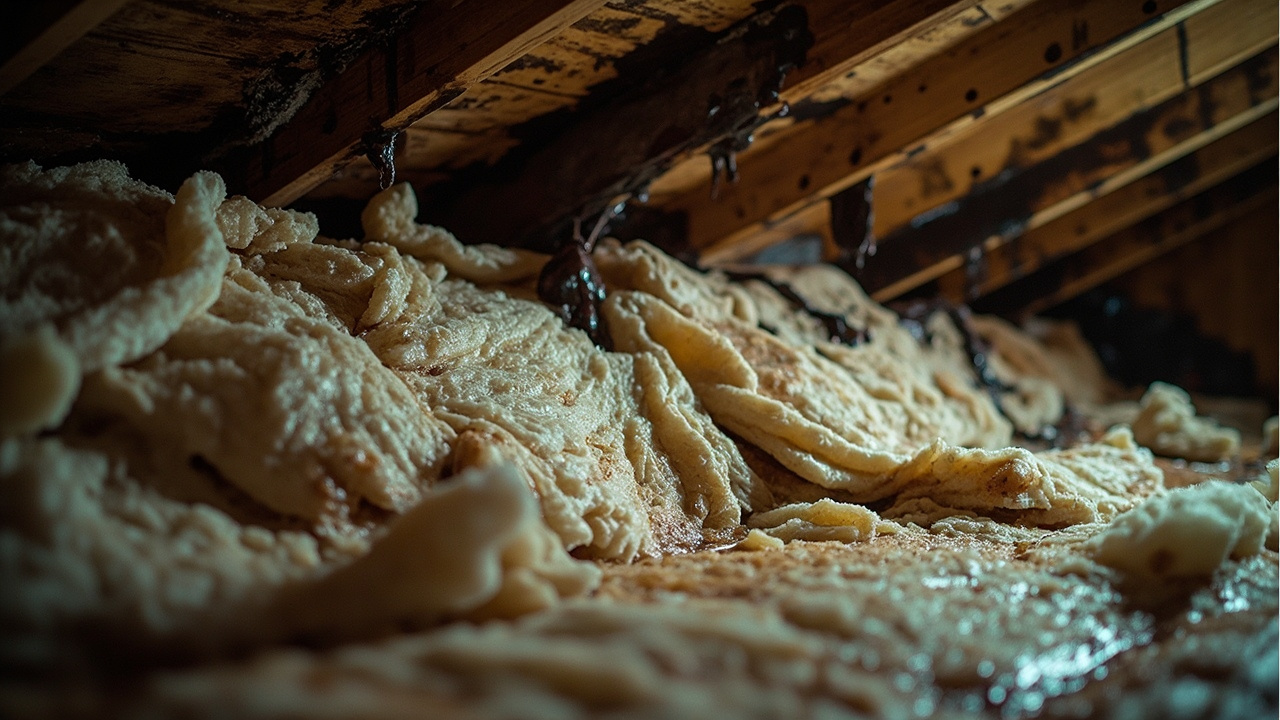
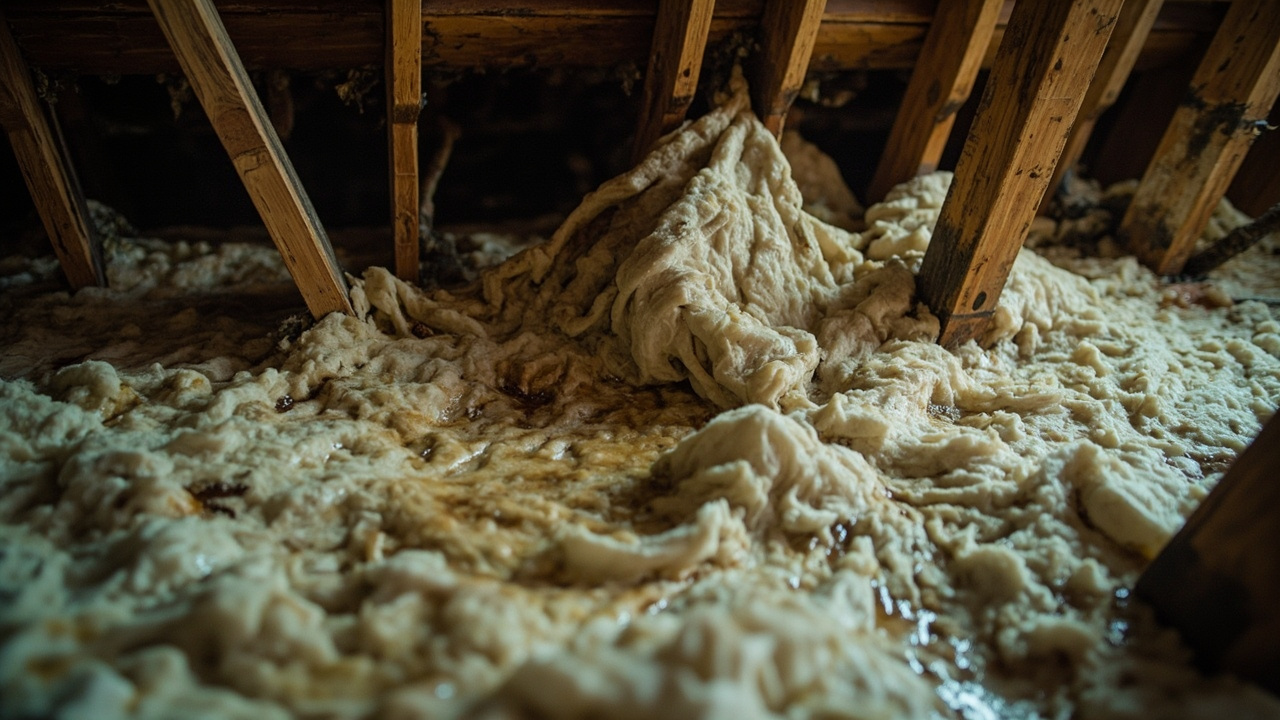
Saturated insulation loses its R-value immediately. You are paying to heat and cool air that escapes through damp fiberglass or cellulose. Worse, soaked insulation becomes a breeding ground for mold within 24 to 48 hours. The spores spread through your HVAC system. You smell it first in the vents. Then you see it on drywall.

Virginia Beach's coastal salt air accelerates the problem. Salt particles attract moisture. If your attic ventilation is inadequate, which is common in pre-2000 builds along Shore Drive, condensation forms on the underside of your roof deck. That moisture drips down into your insulation. You end up with damp insulation that never fully dries, even on sunny days.

The fix is not simple. You cannot dry water damaged insulation with fans. Once cellulose or fiberglass gets wet, it compresses, clumps, and stays wet. You need full removal, source identification, and replacement. Ignoring soggy insulation means rotting framing, ruined drywall, and respiratory issues for your family.

Why Virginia Beach Homes Battle Soggy Insulation Year-Round
How We Remove Saturated Insulation and Stop the Source

How We Remove Saturated Insulation and Stop the Source

We do not just pull out wet insulation and call it done. The water came from somewhere. If we do not find and fix the source, you will have the same problem in six months.

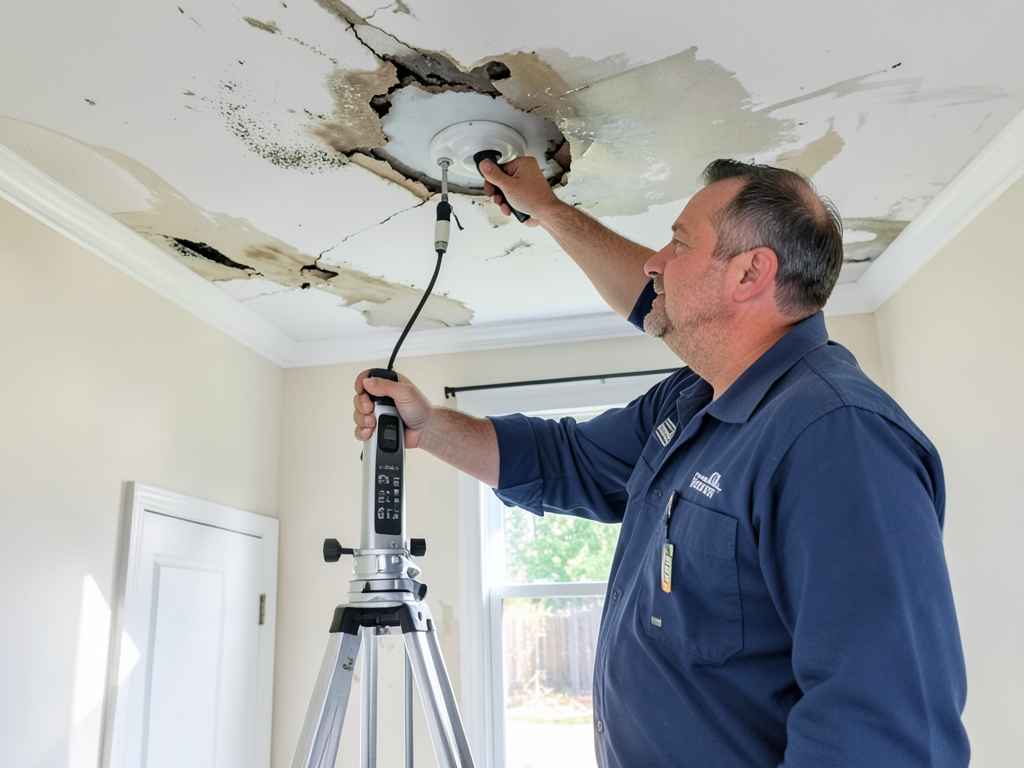
Our process starts with thermal imaging and moisture mapping. We use infrared cameras to trace wet insulation patterns through walls and ceilings without tearing into drywall blindly. This tells us if the water is coming from a roof leak, a plumbing failure, or HVAC condensation. In Virginia Beach, we often find that AC drain lines clog with algae during summer. The overflow runs into wall cavities. By the time you notice the smell, the insulation is completely soaked.

Once we identify the source, we isolate the affected area with containment barriers. This prevents cross-contamination. We remove saturated insulation in sealed bags to avoid spreading mold spores. If the insulation is fiberglass, we check for asbestos first, especially in homes built before 1980 in areas like Pembroke and Kempsville.

After removal, we dry the framing and sheathing using commercial dehumidifiers and air movers. We confirm moisture content below 15 percent using pin-type meters. If mold is present on the wood, we treat it with antimicrobial agents approved for structural use.

We then replace the insulation with material suited to your specific moisture risk. In high-humidity attics, we often recommend closed-cell spray foam in rim joists and vented soffits with blown fiberglass or cellulose in the field. For crawl spaces near the waterfront, we use encapsulation with rigid foam board. Every situation is different.

What Happens When You Call Us About Soggy Insulation

Soggy Insulation in Virginia Beach – Expert Diagnosis and Permanent Moisture Solutions
01

Emergency Moisture Assessment

We arrive within hours to assess the extent of water damaged insulation using thermal imaging and moisture meters. You get a written diagnosis of the source, the affected square footage, and the mold risk. We document everything with photos for your insurance claim. You know exactly what you are dealing with before we touch anything.
02

Contained Removal and Drying

We set up containment barriers with negative air pressure to isolate the work area. Saturated insulation is removed in sealed contractor bags and disposed of per Virginia DEQ regulations. We dry all framing and sheathing to below 15 percent moisture content using commercial-grade dehumidifiers and document the readings. If mold is present, we apply EPA-registered antimicrobial treatment to structural surfaces.
03

Insulation Replacement and Verification

We install new insulation matched to your climate zone and moisture risk. This might be blown fiberglass, cellulose, or spray foam depending on the application. We verify proper R-value with depth gauges and provide you with a certificate of completion. You receive a detailed scope of work summary with before and after moisture readings for your records and insurance documentation.

Why Virginia Beach Homeowners Trust Apex Water Damage Restoration Virginia Beach for Damp Insulation Problems

Soggy insulation is a symptom, not the disease. Any company can pull out wet fiberglass. We fix the underlying problem so it does not come back.

We have worked in every neighborhood from Sandbridge to the Oceanfront. We know the common failure points in Virginia Beach construction. Homes built in the 1960s and 1970s often have inadequate attic ventilation. The soffit vents are blocked by insulation, or the ridge vents were never installed. Summer heat builds up, condensation forms, and your insulation stays damp for months. We identify these ventilation deficiencies during our assessment and recommend permanent fixes.

We also understand Virginia Beach's flood zones. If you live in Zone AE or VE near the shore, your crawl space may flood during king tides or nor'easters. Standard fiberglass batts in a flood-prone crawlspace are a bad idea. We recommend closed-cell spray foam or rigid foam board that will not absorb water. We coordinate with local building inspectors to make sure our solutions meet the current IRC code for coastal flood zones.

Our technicians are IICRC-certified in water damage restoration and applied microbial remediation. We do not subcontract the work. The team that answers your call is the team that does the job. We carry full liability and workers' compensation insurance. You get a certificate of insurance before we start.

We also work directly with your insurance adjuster. We know what State Farm, USAA, and Nationwide require for water damage claims in Virginia Beach. We provide itemized estimates, moisture documentation, and scope photos. This speeds up your claim and reduces your out-of-pocket expense.

What to Expect When We Handle Your Wet Insulation Emergency

Rapid Response Time

We dispatch a technician to your Virginia Beach property within two to four hours of your call. Soggy insulation means active water intrusion or a humidity problem that is getting worse by the hour. We do not wait until next week. We arrive with moisture meters, thermal cameras, and containment supplies. You get an on-site assessment the same day. If the situation is severe, we start emergency water extraction and containment immediately to prevent mold colonization.

Thorough Moisture Mapping

We do not guess where the water is hiding. We use infrared thermal imaging to scan walls, ceilings, and floors for temperature differentials that indicate moisture. We follow up with pin-type and non-invasive moisture meters to quantify the wetness in wood framing and drywall. You receive a written moisture map that shows the exact boundaries of the affected area. This prevents unnecessary demolition and keeps your project scope accurate.

Complete Structural Drying

After we remove saturated insulation, we dry the structure to industry standards. We use commercial dehumidifiers, air movers, and negative air machines to pull moisture out of framing, sheathing, and subflooring. We monitor daily with moisture meters until readings drop below 15 percent. This usually takes three to five days depending on the extent of saturation. You get a drying log with dated moisture readings. This documentation is critical for insurance claims and future home sales.

Post-Restoration Verification

We do not consider the job finished until you have proof the problem is solved. After insulation replacement, we conduct a final moisture check to confirm all materials are dry. If we treated mold, we provide clearance documentation showing spore levels are back to normal. You receive a detailed project summary with photos, moisture logs, and a scope of work breakdown. We also offer a consultation on preventing future moisture issues, including ventilation upgrades and gutter improvements specific to Virginia Beach's climate.

Frequently Asked Questions

You Have Questions,
We Have Answers

Will wet insulation ever dry out? +

Wet insulation rarely dries properly on its own. Fiberglass and cellulose absorb moisture and lose their R-value immediately. In Virginia Beach's humid climate, trapped moisture creates perfect conditions for mold growth within 24 to 48 hours. Even if the surface feels dry, interior moisture remains. Compressed wet insulation cannot regain its original structure. The material stays damp, holds against framing, and damages wood over time. Professional water extraction and assessment determine if drying is possible. Most cases require removal and replacement to restore thermal performance and prevent long-term structural issues.

Will mold grow in wet insulation? +

Yes. Mold grows rapidly on wet insulation. Fiberglass provides no food source, but dust, dirt, and paper backing do. Cellulose insulation contains organic material that feeds mold directly. Virginia Beach's coastal humidity accelerates growth. Once moisture penetrates, mold spores colonize within 24 to 48 hours. The insulation traps moisture against wood framing, spreading contamination to structural components. You may not see visible mold on the insulation surface, but hidden growth occurs inside the material. Wet insulation must be addressed immediately to prevent health risks and costly remediation throughout your attic or wall cavities.

How long does it take for mold to grow on wet insulation? +

Mold begins growing on wet insulation within 24 to 48 hours under the right conditions. Virginia Beach's warm temperatures and high humidity provide the perfect environment year-round. Mold spores are always present in the air. They only need moisture and an organic food source to colonize. Paper-backed fiberglass and cellulose insulation offer both. The clock starts the moment water intrusion occurs. Immediate action within the first 24 hours prevents mold establishment. After 48 hours, you face active contamination. Professional assessment identifies the extent of growth and determines whether remediation or full replacement is necessary.

Does it matter if insulation gets wet during build? +

Yes. Wet insulation during construction creates serious problems. Many builders assume it will dry, but compressed fiberglass and cellulose lose effectiveness permanently. Moisture trapped during installation leads to mold growth before the home is occupied. Virginia Beach's coastal climate makes drying nearly impossible. Wet insulation against wood framing causes rot, structural damage, and indoor air quality issues. Building inspectors may miss hidden moisture. The insulation must be completely dry before enclosing walls or ceilings. If your insulation got wet during construction, demand removal and replacement. Sealing in wet material guarantees future mold remediation and health complaints.

How to fix wet insulation? +

Fixing wet insulation requires professional assessment first. Remove the water source immediately, whether it is a roof leak, burst pipe, or storm intrusion. Extract standing water if present. Inspect the insulation type and saturation level. Fiberglass and cellulose usually require complete removal once soaked. You cannot restore their R-value or structure. Remove wet material, dry the framing and cavities with commercial dehumidifiers and air movers, then treat for mold prevention. Replace with new insulation only after moisture readings confirm dryness. Attempting to dry wet insulation in place rarely works in Virginia Beach's humid environment and risks hidden mold growth.

Should you throw away wet insulation? +

Yes. Wet insulation should be removed and discarded in most cases. Once fiberglass or cellulose absorbs water, it loses structural integrity and thermal performance. Drying attempts leave compressed, ineffective material that holds moisture against framing. Mold spores colonize quickly in Virginia Beach's climate. Wet insulation becomes a contamination source that spreads to structural components. Removal prevents long-term damage, odors, and health risks. Professional water damage crews extract wet insulation safely, treating exposed cavities before installing new material. Trying to save wet insulation costs more in future remediation, energy loss, and potential structural repairs than immediate replacement.

Why is it hard to sell a house with spray foam insulation? +

Spray foam insulation complicates home sales because buyers fear hidden issues. The foam seals walls permanently, making inspection of plumbing, wiring, and structural components nearly impossible without destructive removal. Lenders worry about moisture problems, mold growth, and ventilation issues trapped behind the foam. Some appraisers flag spray foam as a defect, affecting valuations. Improperly installed foam causes off-gassing and indoor air quality complaints. Buyers request price reductions or walk away entirely. In Virginia Beach's humid climate, closed-cell foam can trap moisture in wall cavities, creating unseen rot. This perception, whether accurate or not, makes homes harder to sell.

How long does it take wet insulation to dry an attic? +

Wet attic insulation takes one to three weeks to dry completely under ideal conditions, but Virginia Beach's humidity extends this timeline significantly. Drying depends on ventilation, temperature, saturation level, and insulation type. Fiberglass compresses when wet and rarely regains effectiveness even after drying. Professional drying equipment, including commercial dehumidifiers and air movers, speeds the process but cannot guarantee full restoration. Most wet insulation requires removal because partial drying leaves hidden moisture pockets. Mold begins growing within 48 hours, making waiting dangerous. Professional assessment with moisture meters determines actual drying time and whether replacement is necessary.

What are the 10 warning signs of mold toxicity? +

Ten warning signs of mold toxicity include persistent headaches, fatigue, difficulty concentrating, memory problems, respiratory issues, sinus congestion, skin rashes, joint pain, mood changes, and sensitivity to light. Mold exposure affects people differently based on sensitivity and exposure duration. Virginia Beach's humid climate increases indoor mold risk, especially after water damage. Symptoms worsen with continued exposure and may mimic other conditions, making diagnosis difficult. If you experience multiple symptoms and suspect mold in your home, seek medical evaluation and professional mold inspection. Remove yourself from the contaminated environment immediately. Remediation must address the source, not just visible growth.

Will mold go away if it dries out? +

No. Mold does not die or disappear when it dries out. Dry mold becomes dormant but remains alive and capable of releasing spores into the air. These spores cause allergic reactions and health problems even without active growth. When moisture returns, dormant mold reactivates immediately. Drying the area stops active growth but does not eliminate contamination. Virginia Beach's humidity guarantees moisture will return. Professional remediation requires physical removal of mold-contaminated materials, not just drying. Surface cleaning spreads spores. Once mold establishes in insulation or building materials, those materials must be removed and replaced to eliminate the health risk permanently.

How Virginia Beach's Coastal Humidity and Storm Surge Make Soggy Insulation a Recurring Threat

Virginia Beach sits between the Atlantic Ocean and the Chesapeake Bay. Average relative humidity stays above 70 percent year-round. When outdoor air at 85 degrees and 80 percent humidity enters your attic through soffit vents, it hits the cooler roof deck and condenses. That moisture drips onto your insulation. The same thing happens in crawl spaces during summer. Ground moisture evaporates, rises, and saturates floor insulation from below. Add in storm surge from nor'easters and the occasional hurricane, and you have standing water in crawlspaces along Shore Drive and the Oceanfront. Wet insulation is not a freak accident here. It is a predictable outcome of coastal living without proper moisture control.

Virginia Beach enforces the 2018 Virginia Residential Code, which has specific ventilation and vapor barrier requirements for coastal flood zones. If your home was built before these updates, your attic and crawlspace likely do not meet current standards. We know the local code amendments. We work with Virginia Beach building inspectors regularly on flood mitigation projects. When we replace soaked insulation, we bring your moisture barriers and ventilation up to code. This protects your investment and can lower your flood insurance premiums through the Community Rating System.


Water Damage Services in The Virginia Beach Area

We are proud to serve the entire Virginia Beach area and surrounding communities. Our centrally located office allows us to provide a quick response to any water damage emergency. View our location on the map to see our service area, or simply give us a call and we'll dispatch a certified team to your location right away, ready to assist with your restoration needs.

Address:
Apex Water Damage Restoration Virginia Beach, 138 S Rosemont Rd, Virginia Beach, VA, 23452

Additional Services We Offer

Our news updates

Latest Articles & News from The Blogs

Water Damage Protocols for Medical Offices and Clinics in the Princess Anne Area When water damage strikes a medical office…

Water Damage Protocols for Medical Offices and Clinics in the Princess Anne Area

Water Damage Protocols for Medical Offices and Clinics in the Princess Anne Area When water damage strikes a medical office…

How Balcony Drainage Issues Cause Interior Water Damage for Oceanfront Condo Owners

How Balcony Drainage Issues Cause Interior Water Damage for Oceanfront Condo Owners \n\n Oceanfront condo owners in Virginia Beach face…

Breaking Your Lease Over Unresolved Water Damage (A Guide for Virginia Beach Renters)

Breaking Your Lease Over Unresolved Water Damage (A Guide for Virginia Beach Renters) Living with unresolved water damage in your…

Contact Us

Soggy insulation will not dry on its own. Call Apex Water Damage Restoration Virginia Beach at (757) 909-5033 right now. We will assess your moisture problem, remove saturated materials safely, and restore your home's thermal barrier the right way.