




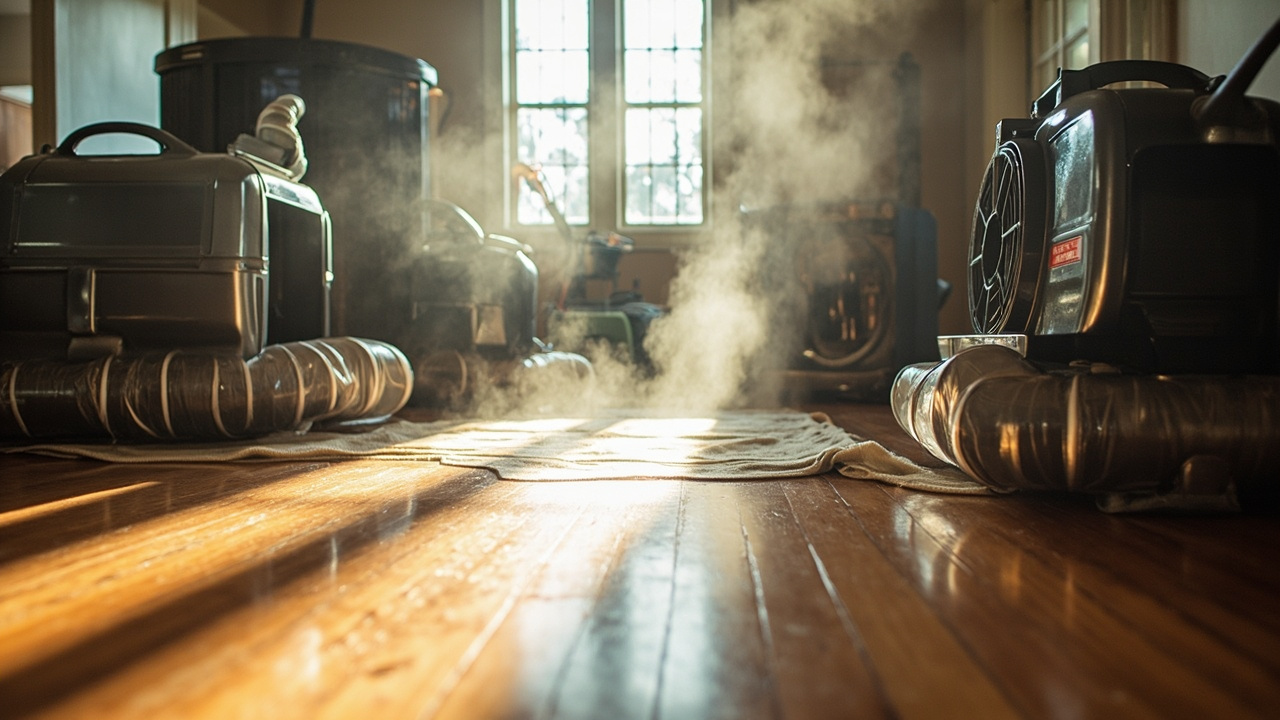


Virginia Beach's peninsula geography creates persistent humidity that directly impacts how long drying takes. The Chesapeake Bay to the west and Atlantic Ocean to the east generate moisture-laden air that moves inland daily. This high ambient humidity slows evaporation from wet building materials because the surrounding air has less capacity to absorb additional moisture. Summer months bring 80 to 90 percent relative humidity that makes structural drying duration significantly longer than identical damage in drier climates. Homes in low-lying areas near Back Bay, Linkhorn Bay, and Lake Lawson face additional challenges from groundwater intrusion that continues introducing moisture during the drying process length. Hurricane season from June through November adds the risk of storm surge that deposits salt water deep into structures, creating hygroscopic conditions where materials continually pull moisture from humid air.
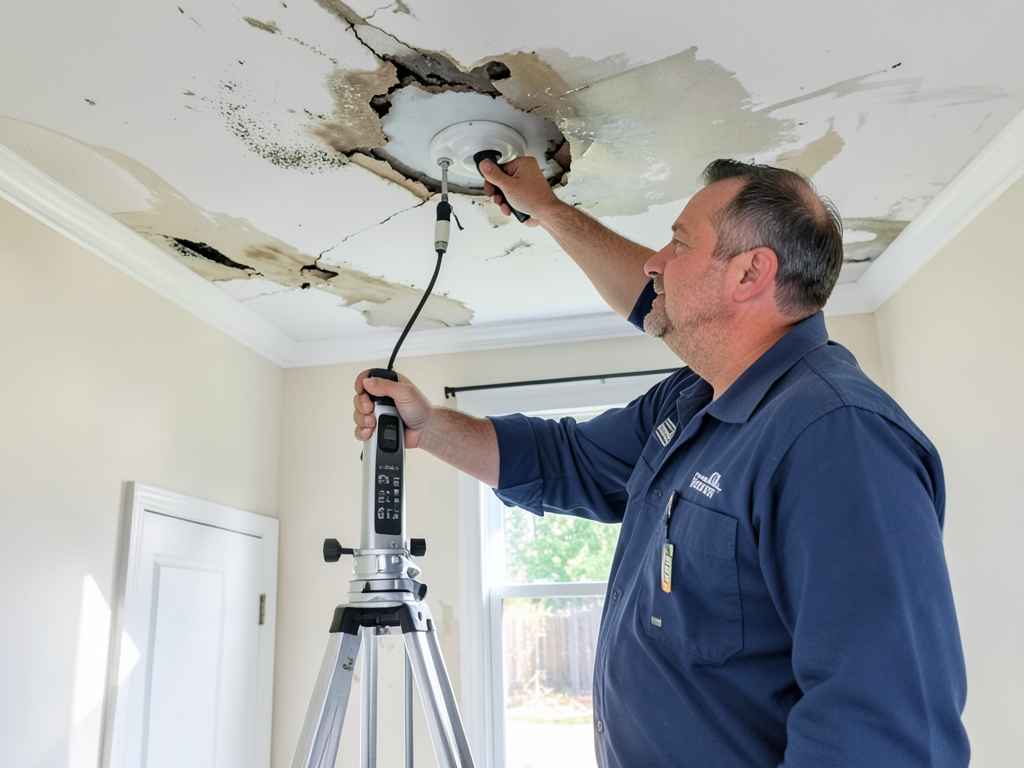
Virginia Beach building codes require water damage restoration to meet specific standards before reconstruction can proceed. The city's flood zone regulations mandate that properties in Special Flood Hazard Areas document complete structural drying before repairs. Insurance adjusters in our market expect detailed moisture mapping and psychrometric data that proves materials reached acceptable moisture content levels. Local contractors who rebuild after water damage rely on proper drying documentation to ensure their work meets code and passes final inspection. Apex Water Damage Restoration Virginia Beach maintains certification with the Institute of Inspection Cleaning and Restoration Certification, which is the industry standard recognized by local building officials and insurance companies. Our familiarity with Virginia Beach's unique coastal restoration challenges ensures your property dries correctly the first time, preventing the costly callbacks that happen when out-of-area companies underestimate local humidity impacts.