


Menu

Business Interruption Mitigation in Virginia Beach – Restore Operations Fast with Industrial-Grade Water Damage Response

Apex Water Damage Restoration Virginia Beach deploys rapid commercial extraction, structural drying, and damage containment protocols to get your business operational again with minimal downtime and maximum efficiency.

Slider Image 1
Slider Image 2
Slider Image 3
Slider Image 4
Slider Image 5
Slider Image 7
Slider Image 8
Slider Image 9
Slider Image 10
Slider Image 11

Why Water Damage Forces Business Closures in Virginia Beach

Virginia Beach's coastal location makes commercial properties vulnerable to catastrophic water intrusion events. Storm surge from nor'easters and hurricanes can flood ground-floor retail spaces, warehouses, and office buildings in minutes. The city's high water table compounds the problem. When basements or slab foundations crack, groundwater seeps upward and saturates inventory, equipment, and critical infrastructure.

Every hour your business stays closed costs money. Employee wages continue. Lease payments do not stop. Customer contracts go unfulfilled. Competitors capture your market share. Insurance only covers direct property damage, not the revenue you lose while the doors stay locked.

Water damage does not wait for convenient timing. A burst sprinkler main at 2 a.m. floods your restaurant kitchen. A roof leak during a weekend storm soaks your medical office's records room. A failed sump pump drowns your hotel's lower-level conference center. Each scenario demands immediate response to prevent mold colonization, structural degradation, and extended closure periods.

Business continuity restoration starts with rapid water extraction and environment stabilization. The faster you remove standing water and begin drying structural cavities, the faster you reopen. Delaying response by even 24 hours allows microbial growth to establish colonies in porous materials like drywall, ceiling tiles, and insulation. Once mold spreads, remediation requires full material removal and replacement, extending your closure by weeks.

Reducing operational downtime means deploying industrial dehumidification equipment, air movers, and moisture monitoring technology within hours of the loss event. Apex Water Damage Restoration Virginia Beach understands that your business cannot afford to stay dark while competitors operate normally.

Why Water Damage Forces Business Closures in Virginia Beach
How We Execute Commercial Water Damage Mitigation

How We Execute Commercial Water Damage Mitigation

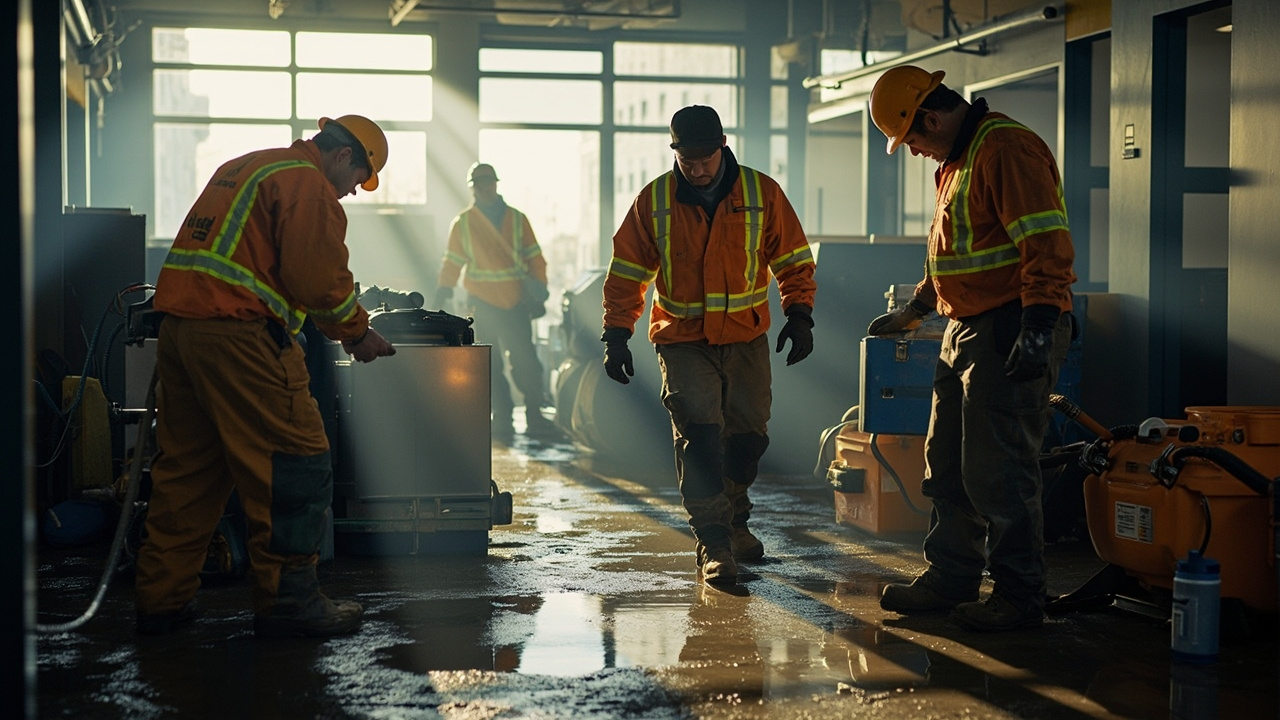
Our commercial protocol prioritizes speed and scope. We arrive with truck-mounted extraction units capable of removing thousands of gallons per hour. Portable submersible pumps handle deep standing water in basements and elevator shafts. We do not wait for water to evaporate naturally. Immediate extraction prevents secondary damage to HVAC systems, electrical panels, and load-bearing structures.

After extraction, we deploy low-grain refrigerant dehumidifiers and axial air movers to create controlled drying chambers. We measure moisture content in structural materials using penetrating moisture meters and thermal imaging cameras. Drywall, subfloors, and insulation must reach equilibrium moisture content before reconstruction begins. Guessing at dryness leads to trapped moisture, hidden mold growth, and callback repairs that extend your closure.

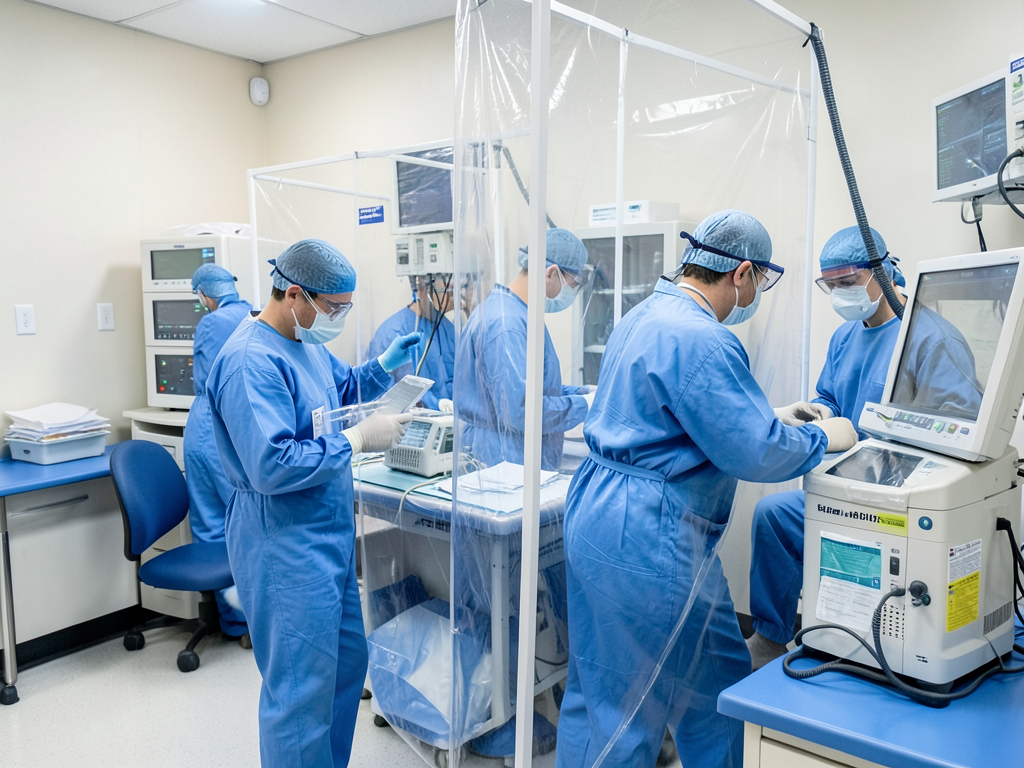
We containerize affected zones using polyethylene barriers and negative air pressure to prevent cross-contamination. If your retail space floods but your back offices stay dry, we isolate the damage zone so administrative staff can continue working. This zoning approach limits business disruption by keeping unaffected areas operational.

For properties with sensitive equipment, we coordinate with your IT department to relocate servers, telecommunications infrastructure, and point-of-sale systems before water reaches them. We document pre-loss conditions with photo and video evidence for your insurance adjuster. We extract building materials methodically, cataloging salvageable assets versus total losses.

Our technicians understand commercial building systems. We know how to shut down compromised HVAC ductwork to prevent mold spore distribution. We coordinate with your electrician to safely restore power to critical circuits while keeping damaged areas de-energized. We work with your plumber to identify the failure point and prevent recurrence during the drying phase.

Minimizing business downtime requires a coordinated multi-trade response, not just water extraction. We manage the entire mitigation process so you focus on customer communication and revenue recovery.

Our Commercial Water Damage Mitigation Workflow

Business Interruption Mitigation in Virginia Beach – Restore Operations Fast with Industrial-Grade Water Damage Response
01

Emergency Response Deployment

We dispatch a commercial response team within 60 minutes of your call. Our technicians arrive with truck-mounted extraction equipment, industrial dehumidifiers, and moisture detection instruments. We perform an initial damage assessment, identify the water source, and shut off supply lines or isolate the intrusion point. We establish containment zones to prevent water migration into unaffected areas. You receive a preliminary scope of work and projected timeline before we begin extraction operations.
02

Controlled Structural Drying

After extracting standing water, we place dehumidifiers and air movers in strategic positions to create airflow across wet surfaces. We monitor temperature, relative humidity, and material moisture content every 12 hours using hygrometers and moisture meters. We adjust equipment placement and airflow patterns based on drying progress. Structural drying typically requires three to seven days depending on the material type, saturation level, and ambient conditions. We provide daily progress reports so you can coordinate with your insurance adjuster and plan your reopening.
03

Clearance Testing and Handoff

Once moisture readings reach acceptable levels, we perform final clearance testing to verify structural dryness. We document final moisture content readings and provide a completion report. If mold testing is required, we coordinate with third-party environmental consultants to obtain clearance certificates. We remove all drying equipment and prepare the space for reconstruction. You receive a detailed loss inventory, documentation for your insurance claim, and recommendations to prevent future water intrusion events.

Why Virginia Beach Businesses Choose Apex Water Damage Restoration

Virginia Beach's commercial building stock includes everything from oceanfront hotels to inland industrial warehouses. We have mitigated water damage in medical offices along Independence Boulevard, restaurants in Town Center, and retail centers near Lynnhaven Mall. We understand how the city's mixed-use zoning and Historic Districts affect restoration timelines and code compliance requirements.

Our technicians know Virginia Beach's building code requirements for commercial properties. When we remove water-damaged drywall or ceiling tiles, we coordinate with your architect or engineer to ensure replacement materials meet current fire ratings and accessibility standards. We do not create code violations that delay your certificate of occupancy or trigger costly corrections during final inspection.

We maintain relationships with local commercial property insurers and third-party adjusters who work in Hampton Roads. We know how to document losses in ways that expedite claim approval. We provide line-item estimates, moisture mapping diagrams, and equipment logs that satisfy adjuster requirements without endless back-and-forth revisions.

Mitigating commercial downtime requires more than fast water removal. It requires coordination with your tenants, employees, customers, and stakeholders. We schedule work during off-peak hours when possible. If you operate a restaurant, we work overnight so you can serve lunch the next day. If you run a medical practice, we contain work zones so patients can access exam rooms while we dry the administrative wing.

We do not subcontract commercial jobs to residential crews. Our technicians carry commercial general liability coverage and understand jobsite safety protocols. We provide certificates of insurance and sign facility access agreements before starting work. You will not deal with untrained technicians who damage your property further or create liability exposure.

Apex Water Damage Restoration Virginia Beach operates with the capacity to handle multi-building complexes, high-rise structures, and facilities with specialized equipment. We scale our response to match your property's needs.

What Your Business Can Expect During Mitigation

Rapid Mobilization Timeline

We maintain on-call commercial response teams 24 hours per day. When you call our emergency line, you speak directly with a dispatch coordinator who deploys technicians immediately. Our average on-site arrival time is 60 to 90 minutes for properties within Virginia Beach city limits. We do not make you wait until the next business day. Water damage progression accelerates exponentially in the first 24 hours. Delaying response turns a manageable mitigation project into a full demolition and reconstruction job. We bring the equipment and manpower needed to stabilize your property before secondary damage occurs.

Detailed Damage Assessment

Our initial assessment identifies the water category, affected square footage, and material saturation levels. Category 1 water from supply line breaks requires different handling than Category 3 water from sewer backups or storm surge. We use thermal imaging cameras to detect hidden moisture in wall cavities and under flooring systems. We test moisture content in structural framing, insulation, and finish materials using penetrating probes and non-invasive meters. You receive a written scope of work that outlines extraction requirements, estimated drying time, and materials requiring removal. This assessment forms the basis of your insurance claim documentation.

Verifiable Drying Standards

We follow IICRC S500 Water Damage Restoration standards for structural drying. This means we do not rely on visual inspection or guesswork. We document moisture readings at the start of the project and track daily progress until materials reach equilibrium moisture content. Concrete slabs must dry to below 4.5% moisture content before installing new flooring. Wood framing must reach 15% or lower moisture content before enclosing wall cavities. We provide you with daily moisture logs and psychrometric charts that prove the space is dry and ready for reconstruction.

Post-Mitigation Support

After completing structural drying and material removal, we provide recommendations to prevent recurrence. This might include upgrading sump pump systems, installing water detection alarms, or improving roof drainage around HVAC units. We coordinate with your general contractor or facilities manager to ensure reconstruction proceeds without moisture-related delays. If your insurance company requires third-party mold clearance testing, we schedule the environmental consultant and provide access to the remediated areas. You receive final documentation suitable for code compliance inspections and insurance claim closure.

Frequently Asked Questions

You Have Questions,
We Have Answers

What does business interruption coverage cover? +

Business interruption coverage compensates for lost income when a covered peril forces operations to cease or slow. It covers net profit you would have earned, continuing fixed costs like rent and utilities, employee payroll, and relocation expenses if you must operate from a temporary site. Coverage begins after a waiting period, often 48 to 72 hours, and continues until you resume normal operations or reach your policy limit. For Virginia Beach businesses facing hurricane wind damage or coastal flooding, this coverage bridges the financial gap while your property undergoes restoration and you rebuild customer traffic.

What is mitigation in business? +

Mitigation in business refers to actions that reduce exposure to risk or minimize financial loss from disruptions. It includes preventive measures like installing backup generators, waterproofing basements, or creating redundant supply chains. When disaster strikes, mitigation involves immediate steps to limit damage, such as tarping roofs, extracting standing water, or securing critical documents. For Virginia Beach commercial properties, mitigation often means preparing for hurricane season with storm shutters, elevated equipment, and documented emergency procedures. Proactive mitigation reduces downtime, lowers insurance premiums, and protects revenue streams when operational continuity is threatened.

What are four main areas of concern with business interruption? +

The four main areas of concern are revenue loss from halted operations, continuing fixed expenses that persist despite closure, employee retention and payroll obligations, and customer attrition to competitors. Virginia Beach businesses face additional pressure from seasonal tourism patterns. A summer hurricane interruption costs more than winter downtime. Fixed costs like lease payments, loan obligations, and utility base charges continue regardless of production. You must decide whether to keep staff on payroll or risk losing trained employees. Meanwhile, customers redirect to competitors, and regaining market share requires time and marketing investment after reopening.

What actions can be taken to reduce or mitigate business risks? +

Reduce business risks through redundancy planning, such as backup power systems, offsite data storage, and alternative supplier agreements. Conduct vulnerability assessments to identify weak points in your facility and operations. For Virginia Beach properties, this means flood-proofing ground-floor equipment, reinforcing roof attachments for high winds, and establishing relationships with emergency restoration contractors before disaster strikes. Implement employee cross-training so operations continue if key personnel are unavailable. Maintain adequate insurance limits reviewed annually. Create and test a documented business continuity plan with clear communication protocols. Physical hardening of facilities and procedural preparation both reduce interruption duration and severity.

What is not covered under business interruption? +

Business interruption insurance excludes losses from undamaged property, meaning you cannot claim if customers simply choose competitors without a covered peril forcing closure. It does not cover pandemics or communicable diseases unless you purchased specific endorsements. Utility service interruptions occurring off your property are excluded. Losses from poor business decisions, market changes, or economic downturns are not covered. The policy requires direct physical loss to trigger coverage. If your Virginia Beach location remains operational but revenue drops due to nearby road construction or beach erosion affecting foot traffic, standard policies provide no compensation.

What is the 80% rule in insurance? +

The 80% rule requires you to insure your property for at least 80% of its replacement value to avoid coinsurance penalties. If you underinsure, the carrier pays only a proportionate amount of any claim. For example, if your building is worth $1 million and you carry only $600,000 in coverage when $800,000 is required, the insurer reduces payment on all claims, including business interruption. This matters in Virginia Beach where coastal property values fluctuate and reconstruction costs have increased. Annual policy reviews ensure your coverage keeps pace with replacement cost inflation and avoids unexpected claim reductions.

What are 5 examples of mitigation? +

Five mitigation examples include installing check valves to prevent sewer backups during coastal flooding, elevating HVAC systems above anticipated flood levels, applying impact-resistant window film for hurricane protection, establishing contracts with emergency restoration firms for priority response, and creating offsite digital backups of critical business records. Virginia Beach businesses also install automatic water detection systems in mechanical rooms, maintain emergency generator fuel supplies, secure outdoor equipment before storm warnings, document pre-loss property conditions with photos, and train employees on emergency shutdown procedures. Each action reduces either the probability of loss or the severity of damage when events occur.

What are the three types of mitigation? +

The three types are structural mitigation, which involves physical modifications to buildings like reinforced roofing or flood barriers; operational mitigation, which includes business continuity planning, emergency procedures, and supply chain redundancies; and financial mitigation, which uses insurance, reserve funds, and contractual risk transfer to protect against monetary losses. Virginia Beach commercial properties need all three types. Structural measures address hurricane and flood exposure. Operational planning ensures rapid response when Atlantic storms approach. Financial tools like adequate business interruption limits and contingent business interruption endorsements protect against prolonged revenue loss from supplier or utility provider disruptions.

What is an example of mitigation in insurance? +

A restaurant experiences a kitchen fire that forces closure for three months during repairs. Business interruption insurance pays the net profit the owner would have earned based on historical financial records, plus continuing expenses like rent, utilities, and key employee salaries. The policy also covers advertising costs to announce reopening and rebuild the customer base. In Virginia Beach, a tourism-dependent hotel damaged by hurricane flooding receives compensation for lost room revenue during peak summer season, calculated using prior year occupancy rates and average daily rates. The coverage continues until the property is physically restored and normal operations resume.

What triggers a business interruption claim? +

A business interruption claim triggers when direct physical loss from a covered peril forces suspension or slowdown of operations. Common triggers include fire, wind damage, water intrusion, or vandalism that makes your premises unusable or unsafe. The loss must prevent normal business activities, not just inconvenience operations. In Virginia Beach, hurricane wind damage removing a roof section or coastal flooding rendering ground floors uninhabitable are clear triggers. The waiting period must expire before coverage begins. You must demonstrate actual income loss and continuing expenses through financial documentation. Civil authority orders closing your area due to nearby damage can also trigger coverage.

How Virginia Beach's Coastal Water Table Affects Commercial Property Drying

Virginia Beach sits on the coastal plain with a water table that fluctuates between three and ten feet below grade depending on seasonal rainfall and tidal influence. Commercial buildings with below-grade spaces face constant hydrostatic pressure against foundation walls and slab edges. When heavy rainfall saturates the surrounding soil, groundwater forces its way through foundation cracks, cold joints, and utility penetrations. This creates persistent moisture intrusion that requires vapor barrier installation and permanent dewatering systems, not just surface drying. Properties near the Lynnhaven River, Broad Bay, and the Chesapeake Bay experience higher water table levels and require specialized foundation waterproofing to prevent chronic seepage.

Virginia Beach's commercial building code requires specific moisture protection measures for properties in flood zones. Structures built after the city adopted updated flood ordinances must have elevated mechanical systems and flood-resistant materials below the base flood elevation. When we perform business continuity restoration on newer commercial buildings, we verify that replacement materials meet these code requirements. Older properties may require upgrades during reconstruction to achieve compliance. Our familiarity with Virginia Beach's building inspection process and flood zone classifications prevents project delays caused by failed inspections or non-compliant material installation.
Water Damage Services in The Virginia Beach Area

We are proud to serve the entire Virginia Beach area and surrounding communities. Our centrally located office allows us to provide a quick response to any water damage emergency. View our location on the map to see our service area, or simply give us a call and we'll dispatch a certified team to your location right away, ready to assist with your restoration needs.

Address:
Apex Water Damage Restoration Virginia Beach, 138 S Rosemont Rd, Virginia Beach, VA, 23452

Additional Services We Offer

Our news updates

Latest Articles & News from The Blogs

Water Damage Protocols for Medical Offices and Clinics in the Princess Anne Area When water damage strikes a medical office…

Water Damage Protocols for Medical Offices and Clinics in the Princess Anne Area

Water Damage Protocols for Medical Offices and Clinics in the Princess Anne Area When water damage strikes a medical office…

How Balcony Drainage Issues Cause Interior Water Damage for Oceanfront Condo Owners

How Balcony Drainage Issues Cause Interior Water Damage for Oceanfront Condo Owners \n\n Oceanfront condo owners in Virginia Beach face…

Breaking Your Lease Over Unresolved Water Damage (A Guide for Virginia Beach Renters)

Breaking Your Lease Over Unresolved Water Damage (A Guide for Virginia Beach Renters) Living with unresolved water damage in your…

Contact Us

Water damage does not wait for convenient hours. Call Apex Water Damage Restoration Virginia Beach at (757) 909-5033 right now for immediate commercial mitigation response. Our team deploys within the hour to start extraction and drying operations.