




Menu

Visible Mold Growth on Walls in Virginia Beach – Expert Diagnosis and Safe Removal Before It Spreads

We identify the moisture source feeding your wall mold infestation, remove contaminated materials safely, and restore your home before black mold spots on drywall compromise your indoor air quality or structural integrity.

Slider Image 1
Slider Image 2
Slider Image 3
Slider Image 4
Slider Image 5
Slider Image 7
Slider Image 8
Slider Image 9
Slider Image 10
Slider Image 11

Why Your Virginia Beach Home Is a Target for Wall Mold

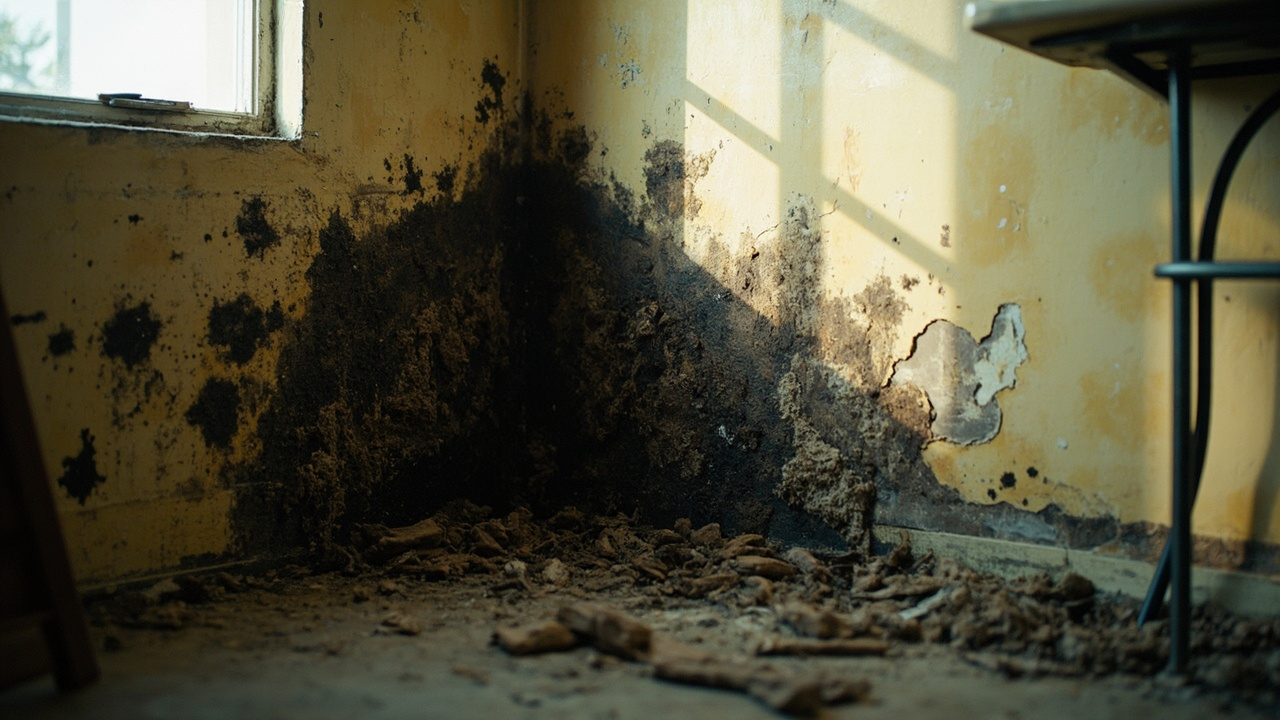
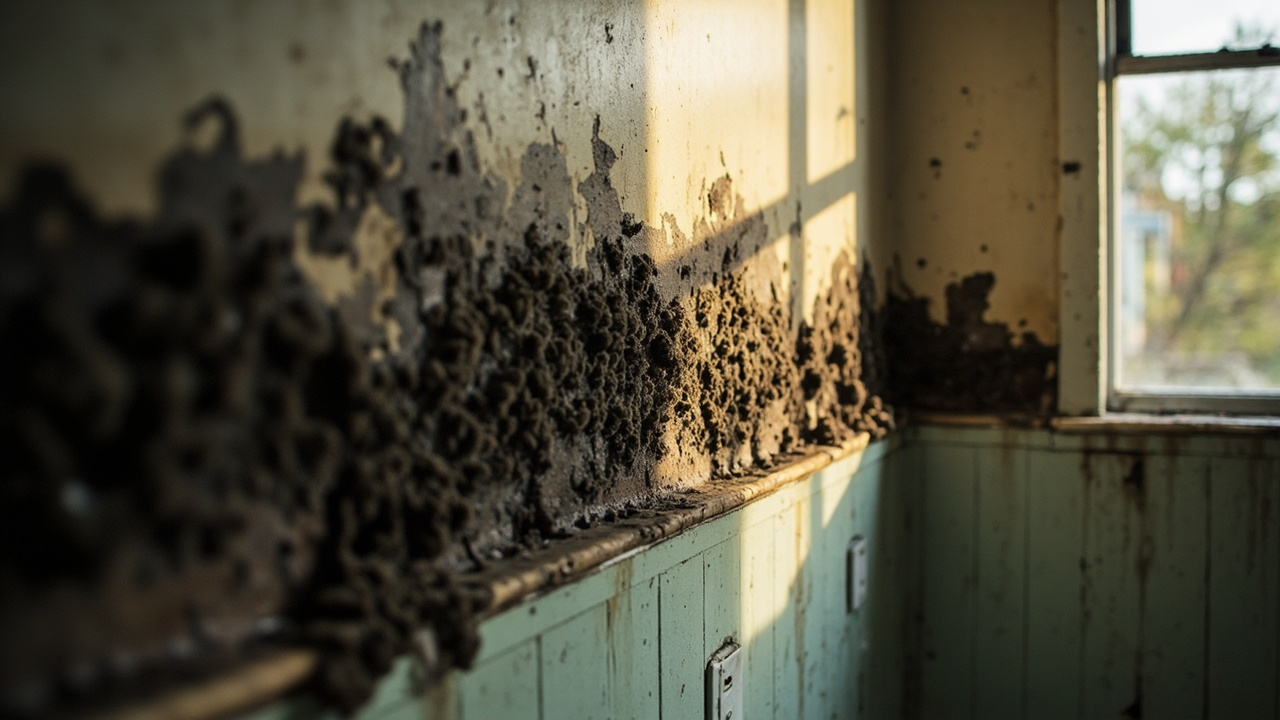
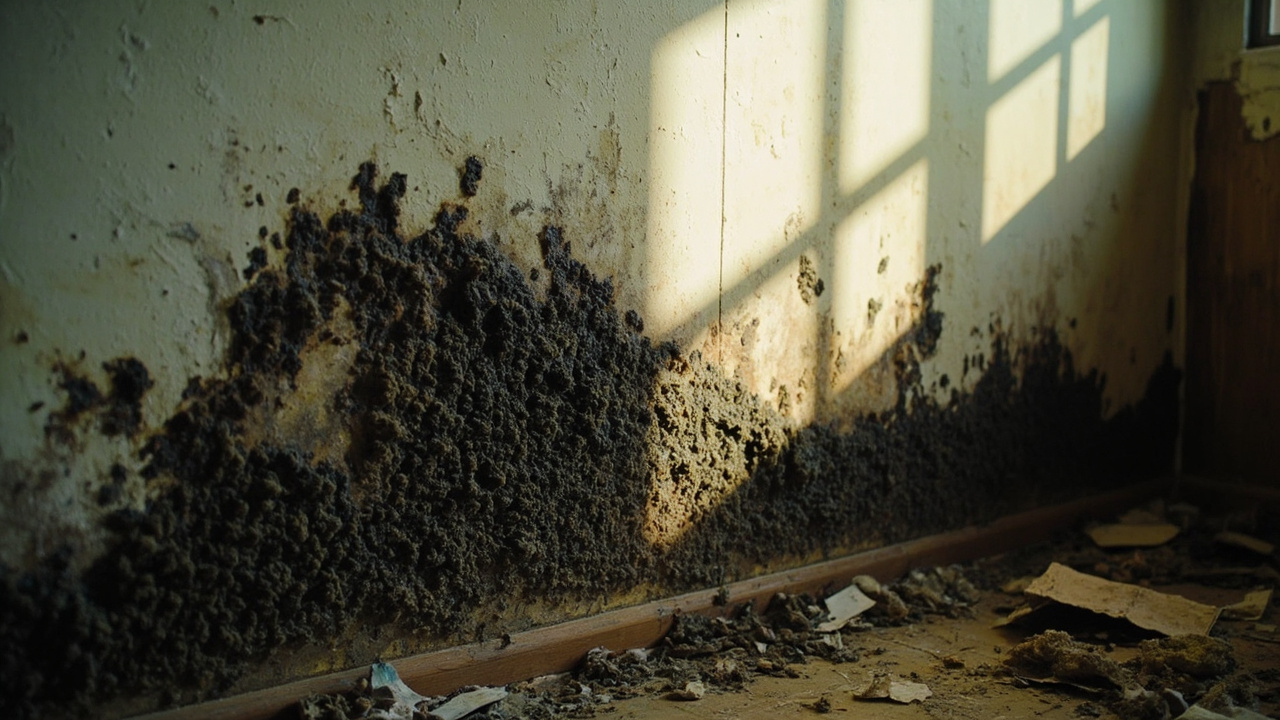
You see it creeping across your drywall. Black mold spots on drywall that were not there last month. Visible mildew on painted walls in the corner of your bedroom. Mold patches on sheetrock near the window frame. This is not just cosmetic damage. This is fungal growth on wall surfaces, and it signals a moisture problem that will only get worse.

Virginia Beach sits on a peninsula surrounded by the Chesapeake Bay and the Atlantic Ocean. The year-round humidity rarely drops below 60 percent. Coastal storms drive wind-driven rain into exterior walls. Summer condensation forms behind drywall when air conditioning cools interior surfaces. Homes in neighborhoods like Great Neck, Oceanfront, and Red Mill suffer from poor attic ventilation that traps moisture in wall cavities. The salt air accelerates corrosion in HVAC systems, which causes drain pans to overflow and leak into walls. Your home was not designed to handle this much moisture exposure without active intervention.

When you spot a wall mold infestation, you are looking at the visible symptom of a hidden water intrusion. The mold you see on the surface is a fraction of what is growing inside the wall cavity. Cellulose in drywall and paper backing feeds mold colonies. Within 48 hours of water exposure, spores germinate. Within a week, the infestation becomes structural. You cannot paint over it. You cannot bleach it away. You must eliminate the moisture source and remove the contaminated material.

Why Your Virginia Beach Home Is a Target for Wall Mold
How We Stop Mold Growth at the Source

How We Stop Mold Growth at the Source

Most homeowners try to fix visible mold growth on walls with surface treatments. They scrub with bleach. They repaint. They run a dehumidifier. These are temporary measures that do not address the root cause. The mold returns within weeks because the moisture source is still active.

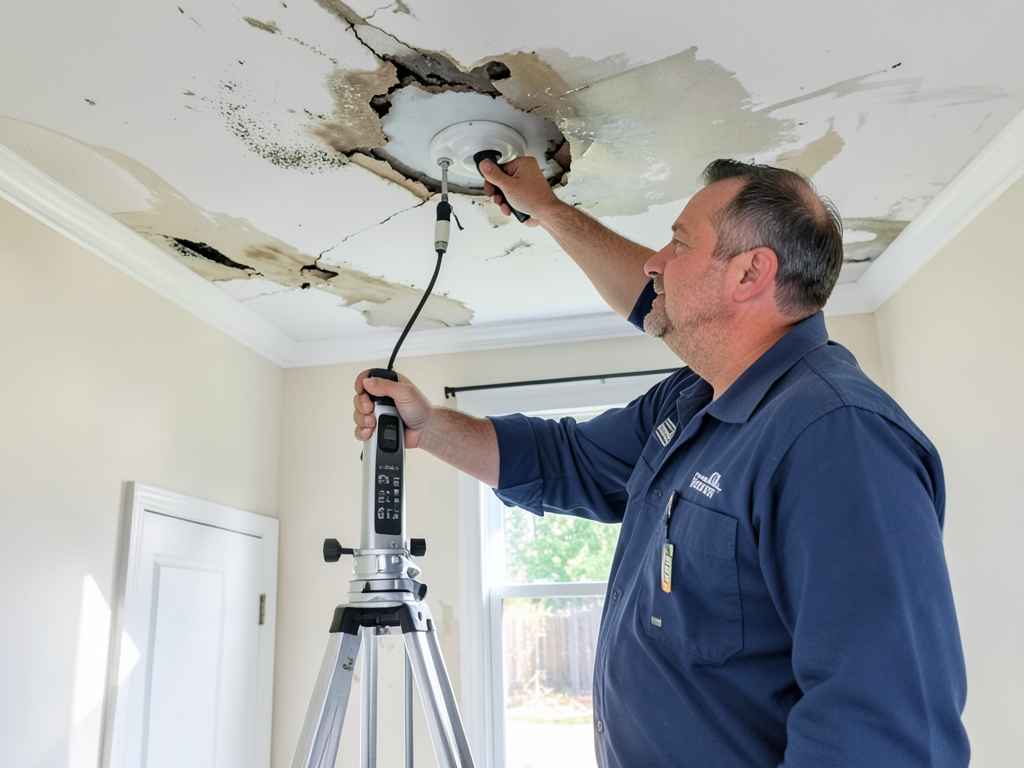
Apex Water Damage Restoration Virginia Beach uses a source-to-surface methodology. We do not treat the symptom. We eliminate the problem. First, we deploy thermal imaging cameras to map temperature differentials behind your walls. Cold spots indicate moisture accumulation. We use moisture meters to measure water content in drywall, studs, and insulation. We identify whether the water is coming from a plumbing leak, a roof penetration, condensation, or groundwater intrusion through the foundation.

Once we locate the source, we stop the water. If it is a leaking supply line, we isolate and repair it. If it is a roof leak, we coordinate with roofing contractors to seal the penetration. If it is condensation, we address the HVAC imbalance or ventilation deficiency. Only after the water stops do we begin remediation.

We establish containment barriers using polyethylene sheeting and negative air pressure to prevent cross-contamination. We remove mold-infested drywall, insulation, and baseboards. We do not try to save compromised materials. We HEPA-vacuum exposed studs and sheathing to remove residual spores. We treat wood framing with antimicrobial solutions to prevent regrowth. We dry the wall cavity to below 15 percent moisture content using air movers and dehumidifiers. Only then do we rebuild with mold-resistant drywall and moisture-resistant paint.

What Happens When You Call Us About Wall Mold

Visible Mold Growth on Walls in Virginia Beach – Expert Diagnosis and Safe Removal Before It Spreads
01

Moisture Source Investigation

We arrive within hours to assess your wall mold infestation. Using thermal imaging and moisture detection tools, we trace the water intrusion to its origin. We do not guess. We measure. We document moisture levels in wall cavities, baseboards, and adjacent flooring. You receive a written moisture map that shows exactly where the water is coming from and how far it has spread.
02

Containment and Demolition

We isolate the affected area with polyethylene barriers and negative air scrubbers to prevent mold spores from spreading to clean areas. We remove contaminated drywall, insulation, and trim. We expose the framing and sheathing so we can visually inspect for hidden mold growth. All removed materials are double-bagged and disposed of according to EPA guidelines. We do not leave spores behind.
03

Drying and Restoration

We dry the wall cavity to structural standards using commercial-grade dehumidifiers and air movers. We treat exposed framing with antimicrobial solutions. Once moisture levels drop below 15 percent, we rebuild with mold-resistant drywall, moisture-resistant paint, and proper ventilation. You receive documentation of pre- and post-remediation moisture readings. The mold does not come back because the moisture source is gone.

Why Virginia Beach Homeowners Trust Local Mold Remediation Expertise

National franchises treat mold remediation like a checklist. They follow a script. They do not understand how Virginia Beach's coastal environment accelerates mold growth. They do not know that homes near Little Creek and Lynnhaven Inlet experience higher groundwater intrusion during king tides. They do not recognize that brick veneer homes in Aragona Village trap moisture differently than vinyl-sided homes in Bayside.

Apex Water Damage Restoration Virginia Beach has been remediating wall mold infestations in Hampton Roads for years. We know how salt air degrades exterior caulking around windows. We know how poor grading in Red Mill and Great Neck allows rainwater to pool against foundations. We know how older homes in the ViBe District lack vapor barriers in crawl spaces. We adjust our remediation protocol based on your home's construction type, age, and proximity to water.

We work directly with local insurance adjusters who know our documentation standards. We coordinate with Virginia Beach building inspectors who recognize our adherence to IICRC S520 mold remediation standards. We provide detailed moisture logs, photographic evidence, and air quality testing results that satisfy both insurance claims and resale disclosure requirements.

When you hire us, you are hiring a team that understands the specific mold challenges of living on a coastal peninsula. We do not use one-size-fits-all solutions. We tailor our approach to your home's vulnerabilities. We do not leave until the moisture source is eliminated and the mold is gone.

What to Expect During Wall Mold Remediation

Response Time and Availability

We dispatch within two hours of your call. Mold spreads quickly in Virginia Beach's humid climate. Every hour of delay allows the colony to expand deeper into wall cavities. We offer emergency response seven days a week because mold does not wait for business hours. Our team arrives with moisture detection equipment, containment supplies, and drying equipment on the first visit. We begin water extraction and containment immediately to stop further damage.

Inspection and Moisture Mapping

We do not start demolition until we understand the full scope of the moisture intrusion. We use thermal imaging to identify hidden wet areas behind walls and under flooring. We document moisture levels in multiple locations using pin-type and pinless moisture meters. You receive a written assessment that explains the water source, the extent of contamination, and the recommended remediation scope. We explain what materials can be saved and what must be removed. No surprises.

Clean Air and Safe Surfaces

Our goal is to restore your home to pre-loss condition with verifiable air quality. We use HEPA air scrubbers during demolition to capture airborne spores. We treat all exposed surfaces with EPA-registered antimicrobials. We conduct post-remediation air quality testing to confirm spore counts are within normal ranges. You receive a clearance certificate that documents your home is safe. This protects your family and satisfies resale disclosure requirements if you ever sell.

Post-Remediation Monitoring and Prevention

We do not walk away after drywall goes back up. We return for a follow-up moisture check 30 days after completion to confirm the area remains dry. We provide written recommendations to prevent recurrence, including ventilation improvements, grading corrections, or HVAC adjustments. If you experience any moisture issues in the remediated area within the first year, we return to investigate at no charge. Our goal is permanent elimination, not temporary concealment.

Frequently Asked Questions

You Have Questions,
We Have Answers

What to do if I see mold on my wall? +

Stop using the area immediately. Mold spreads through spores, so avoid disturbing it. Do not scrub or spray it yourself. Turn off HVAC systems to prevent spore circulation. Document the growth with photos for insurance purposes. Contact a certified mold remediation specialist in Virginia Beach right away. Virginia Beach's coastal humidity accelerates mold growth, especially after water intrusion from storms or plumbing leaks. Professionals will test the mold type, identify the moisture source, and contain the area before removal. Do not wait. Mold colonies double in size every 24 to 48 hours in our humid climate.

Can mold make a baby cough? +

Yes. Mold spores irritate infant airways and trigger coughing, wheezing, and respiratory distress. Babies have developing immune systems and smaller lung capacity, making them vulnerable to mold exposure. Black mold and Aspergillus species are common in Virginia Beach homes due to coastal moisture. If your baby coughs persistently, especially at night or in specific rooms, inspect for visible mold growth or musty odors. Remove the child from the space immediately. Consult a pediatrician and hire a mold inspector. Mold-related infant respiratory issues can escalate to bronchitis or asthma if exposure continues.

Can mold cause twitching? +

Mold exposure can cause neurological symptoms, including muscle twitching, tremors, and spasms. Mycotoxins produced by toxic mold strains like Stachybotrys affect the nervous system. Twitching often accompanies other symptoms like brain fog, headaches, or balance issues. Virginia Beach's humidity creates ideal conditions for toxic mold growth after water damage. If you experience unexplained twitching and find mold in your home, leave the area and seek medical evaluation. Document your symptoms and the mold location. Professional remediation removes the source, but neurological symptoms may persist until mycotoxin exposure ends.

When to worry about mold in walls? +

Worry immediately if mold covers more than 10 square feet, grows on drywall or insulation, or appears black or greenish. Worry if you smell persistent musty odors without visible growth. Mold inside walls spreads unseen and damages structural materials. Virginia Beach homes with crawl spaces, attic condensation, or past flooding are high risk. Wall bulging, paint bubbling, or discoloration signals hidden mold. Residents with respiratory issues, children, or elderly family members face higher health risks. Schedule professional mold testing if you suspect hidden growth. Do not ignore small patches. Coastal humidity fuels rapid expansion.

What kills mold permanently on walls? +

Nothing kills mold permanently if moisture remains. Professional remediation removes mold at the source and fixes the water problem. Technicians use HEPA vacuums, antimicrobial treatments, and replace contaminated materials like drywall or insulation. Bleach only lightens surface mold and does not penetrate porous materials. Virginia Beach's humidity means mold returns unless you control indoor moisture with dehumidifiers, proper ventilation, and fix leaks immediately. After remediation, maintain indoor humidity below 50 percent. Prevent mold by addressing roof leaks, foundation cracks, and HVAC condensation common in coastal homes.

Will mold go away if it dries out? +

No. Dried mold enters dormancy but remains alive. Spores reactivate when moisture returns. Virginia Beach's humidity means mold rarely stays dry long. Dormant mold still releases spores and mycotoxins that cause health problems. Dried mold also damages materials like drywall, wood framing, and insulation. You must physically remove mold and the contaminated material. Drying wet areas within 24 to 48 hours prevents initial mold growth, but once colonies form, drying alone does not eliminate them. Professional remediation removes all mold biomass and treats affected surfaces to prevent regrowth.

What are the first signs of mold sickness? +

Early mold sickness symptoms include persistent coughing, sneezing, itchy eyes, throat irritation, and sinus congestion. You may experience headaches, fatigue, or skin rashes. Symptoms worsen in specific rooms or improve when you leave home. Virginia Beach residents often mistake mold symptoms for seasonal allergies due to coastal pollen. If symptoms persist year-round or spike after rain or storms, suspect mold. Individuals with asthma or allergies react faster. Document when symptoms occur and inspect your home for musty smells, visible growth, or water stains. Seek medical advice and schedule mold testing.

Can I clean up mold myself? +

Only if mold covers less than 10 square feet and grows on non-porous surfaces like tile or glass. Use detergent and water, not bleach. Wear an N95 mask and gloves. Never clean mold on drywall, insulation, or wood yourself. These materials absorb mold deep inside and require replacement. Virginia Beach's humidity makes DIY cleaning risky because disturbed spores spread rapidly through air. If mold returns after cleaning, or if you smell mold without seeing it, hire professionals. Hidden mold in walls or crawl spaces requires containment and specialized equipment. Do not risk your health.

How do I tell if mold is in my lungs? +

You cannot self-diagnose mold in your lungs. Symptoms include persistent cough with mucus, shortness of breath, chest tightness, wheezing, and fever. Severe cases cause chronic lung infections like aspergillosis. If you experience these symptoms and live in a mold-contaminated Virginia Beach home, see a pulmonologist immediately. Doctors use chest X-rays, CT scans, or sputum cultures to detect fungal lung infections. Do not delay treatment. Mold exposure from coastal flooding or water damage increases lung infection risk. Remove yourself from the contaminated environment while medical evaluation and home remediation occur simultaneously.

What are the mental symptoms of mold poisoning? +

Mold mycotoxins cause brain fog, memory problems, difficulty concentrating, mood swings, anxiety, and depression. You may experience confusion, dizziness, or disorientation. Virginia Beach residents exposed to water-damaged homes after storms report these symptoms frequently. Mycotoxins cross the blood-brain barrier and disrupt neurotransmitter function. Mental symptoms often appear alongside physical symptoms like fatigue or headaches. If you notice cognitive decline or mood changes after moving into a home or after water damage, test for mold. Remove yourself from exposure immediately. Mental symptoms can persist weeks after remediation as your body detoxifies.

How Virginia Beach's Coastal Humidity Accelerates Wall Mold Growth

Virginia Beach averages 75 percent relative humidity year-round. Coastal air carries salt and moisture that penetrate exterior walls through cracks in mortar joints, failed window seals, and aging caulking. Homes near the Oceanfront, Chic's Beach, and Croatan experience direct salt spray that accelerates material degradation. Summer dew points regularly exceed 70 degrees, which means condensation forms on cool surfaces inside walls when air conditioning runs. This creates the perfect environment for black mold spots on drywall and fungal growth on wall surfaces. The proximity to water means your home is under constant moisture assault.

Virginia Beach building codes require mold-resistant materials in new construction, but most homes in established neighborhoods like Kempsville, Pembroke, and Shore Drive were built before these standards existed. Local remediation contractors understand how older homes lack proper vapor barriers and how coastal wind drives rain into wall cavities. Apex Water Damage Restoration Virginia Beach works with local insurance adjusters who recognize our adherence to IICRC standards and our familiarity with Hampton Roads construction methods. When you hire local expertise, you get faster insurance approvals and remediation strategies tailored to coastal living.


Water Damage Services in The Virginia Beach Area

We are proud to serve the entire Virginia Beach area and surrounding communities. Our centrally located office allows us to provide a quick response to any water damage emergency. View our location on the map to see our service area, or simply give us a call and we'll dispatch a certified team to your location right away, ready to assist with your restoration needs.

Address:
Apex Water Damage Restoration Virginia Beach, 138 S Rosemont Rd, Virginia Beach, VA, 23452

Additional Services We Offer

Our news updates

Latest Articles & News from The Blogs

Water Damage Protocols for Medical Offices and Clinics in the Princess Anne Area When water damage strikes a medical office…

Water Damage Protocols for Medical Offices and Clinics in the Princess Anne Area

Water Damage Protocols for Medical Offices and Clinics in the Princess Anne Area When water damage strikes a medical office…

How Balcony Drainage Issues Cause Interior Water Damage for Oceanfront Condo Owners

How Balcony Drainage Issues Cause Interior Water Damage for Oceanfront Condo Owners \n\n Oceanfront condo owners in Virginia Beach face…

Breaking Your Lease Over Unresolved Water Damage (A Guide for Virginia Beach Renters)

Breaking Your Lease Over Unresolved Water Damage (A Guide for Virginia Beach Renters) Living with unresolved water damage in your…

Contact Us

You cannot fix wall mold with bleach and paint. Call Apex Water Damage Restoration Virginia Beach at (757) 909-5033. We identify the moisture source, remove contaminated materials, and restore your home safely. We are available now.