




Menu

Water Stains on Drywall in Virginia Beach – Expert Diagnosis and Permanent Repair

We identify the source of brown water spots on walls, moisture discoloration on sheetrock, and yellow stains on drywall caused by Virginia Beach's coastal humidity and hidden leaks, then fix it right the first time.

Slider Image 1
Slider Image 2
Slider Image 3
Slider Image 4
Slider Image 5
Slider Image 7
Slider Image 8
Slider Image 9
Slider Image 10
Slider Image 11

Why Water Stains Appear on Virginia Beach Drywall

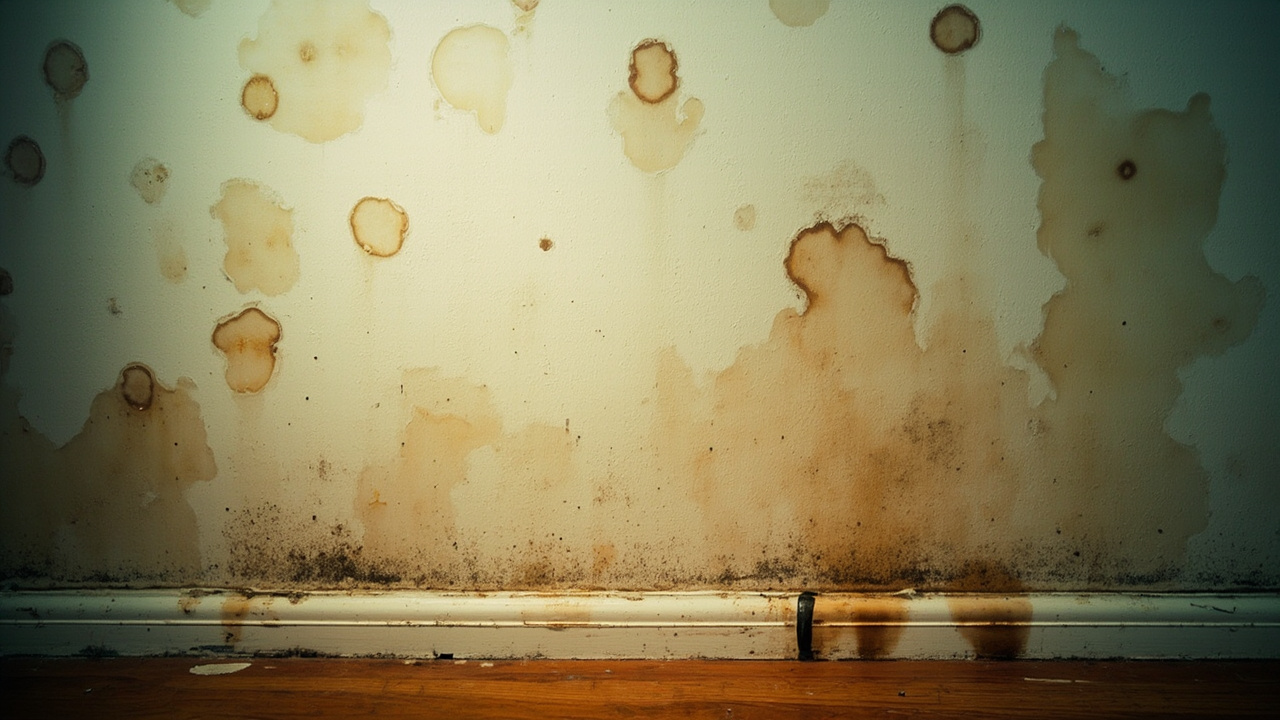
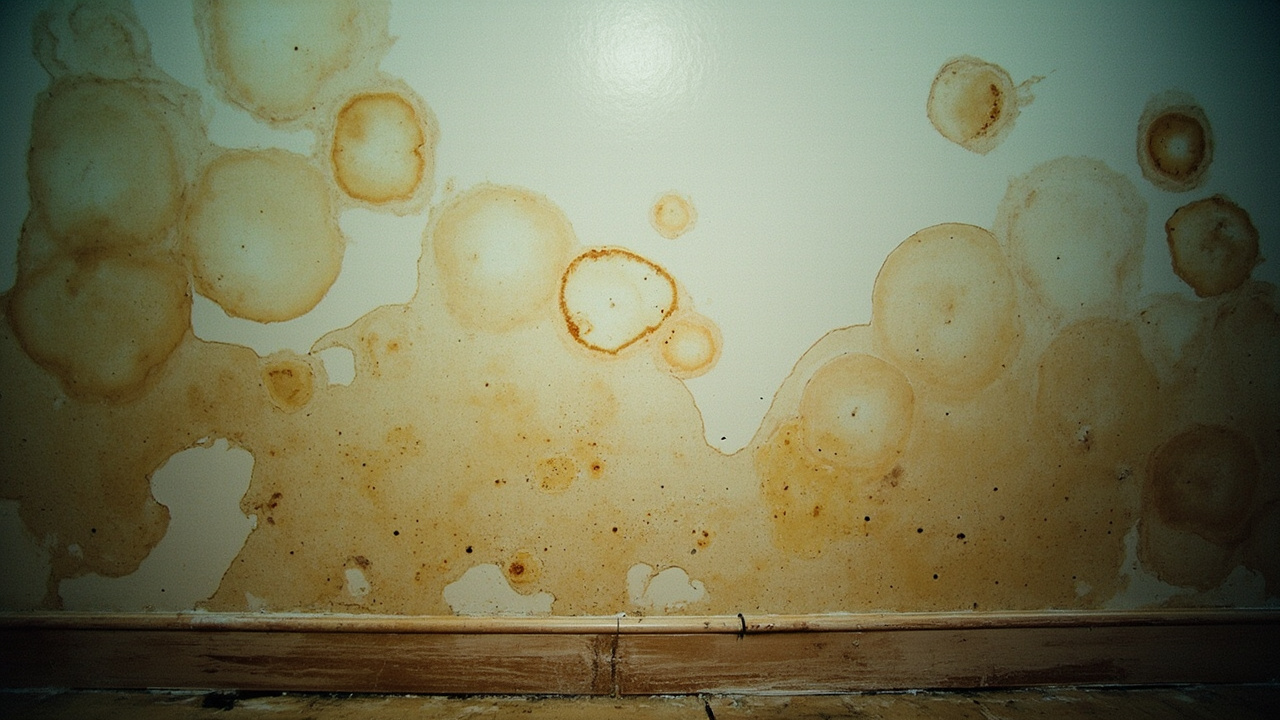
You walk into your bedroom and see it. A brown water spot on the wall near the window. Maybe it is a yellow stain spreading across your ceiling. The moisture discoloration on your sheetrock did not happen overnight, but now it is staring at you, and you need answers.

Virginia Beach's coastal location creates the perfect storm for drywall damage. Salt air accelerates corrosion in plumbing fittings. Humidity hovers above 70 percent most of the year, which means condensation builds inside walls where you cannot see it. When nor'easters hit, wind-driven rain sneaks past window flashing and door thresholds. Clay soil shifts underneath slab foundations, cracking supply lines that leak slowly for months before wet patches on plasterboard finally show up.

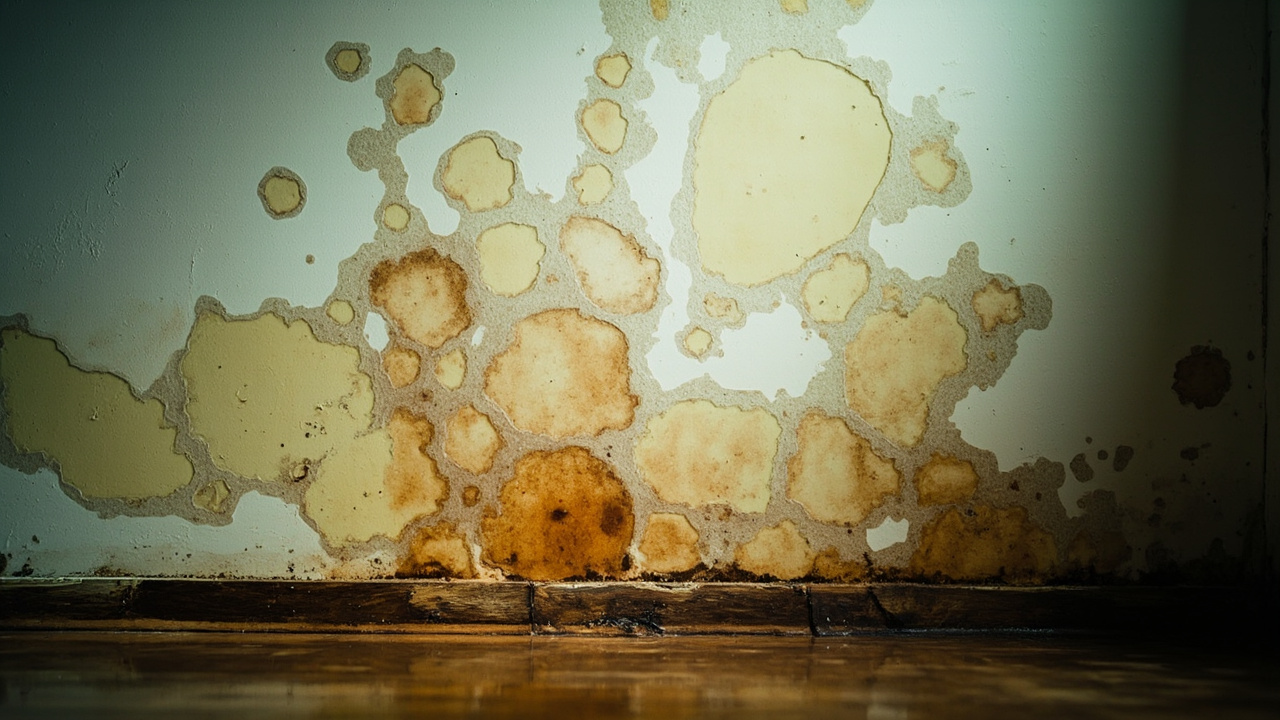
Water marks on your ceiling usually mean a roof leak, a failed HVAC drain pan, or a second-story bathroom with compromised waterproofing. Brown spots near baseboards often point to slab leaks or exterior grading that slopes toward your foundation instead of away from it. Yellow stains on drywall signal older water intrusion that has started oxidizing the paper backing or picking up tannins from framing lumber.

The stain you see is just the symptom. The real problem is hidden moisture that feeds mold, rots studs, and ruins insulation. Painting over it does nothing. The water source has to be found and stopped, or the damage spreads behind your walls where remediation gets exponentially more expensive.

Every day you wait gives mold more time to colonize. It gives wood more time to soften. It gives your insurance adjuster more reason to question whether this is sudden and accidental damage or long-term neglect.

Why Water Stains Appear on Virginia Beach Drywall
How We Find and Fix the Source

How We Find and Fix the Source

Most homeowners try to solve water stains by repainting. That fails because moisture keeps wicking through. You need source elimination, not cosmetic coverage.

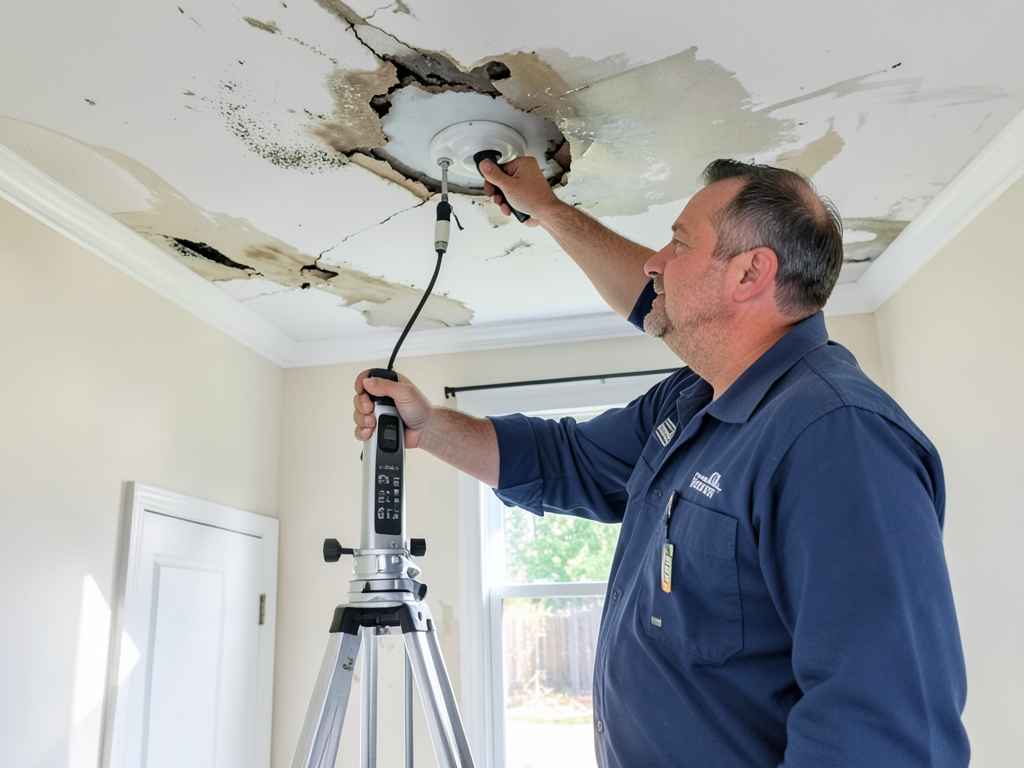
We start with infrared thermal imaging to map temperature differentials inside your walls. Wet insulation shows up as cool spots. Active leaks create thermal signatures that pinpoint exactly where water is entering. We use non-invasive moisture meters that read through drywall without drilling holes, measuring moisture content in wood framing and gypsum board.

If the stain is on a ceiling, we check your attic for roof deck leaks, condensation on ductwork, or overflow from a clogged condensate line. We inspect bath trap assemblies and supply line connections on second floors. For wall stains, we trace plumbing runs inside the cavity and check exterior penetrations like hose bibs, electrical conduits, and j-channels around windows.

Once we identify the source, we stop it. That might mean resealing a valley flashing, replacing a corroded angle stop, or regrading soil away from your foundation. We do not patch over active leaks. We eliminate them.

Then we address the damage. Wet drywall has to be removed and replaced. Soaked insulation gets pulled. We dry the framing to below 15 percent moisture content using commercial dehumidifiers and air movers, then apply antimicrobial treatment to any areas where mold has started.

New drywall goes up only after the cavity is confirmed dry. We match existing texture, prime with stain-blocking sealer, and repaint to blend seamlessly. The goal is not just to hide the stain. The goal is to remove the conditions that created it so it never comes back.

What Happens During Your Water Stain Assessment

Water Stains on Drywall in Virginia Beach – Expert Diagnosis and Permanent Repair
01

Initial Inspection and Moisture Mapping

We document every visible stain with photos and measurements, then use thermal imaging and moisture meters to map hidden water intrusion. You get a clear report showing exactly where moisture is present, how severe it is, and which building components are affected. This data drives the scope of work and supports your insurance claim if you file one.
02

Source Identification and Containment

We trace the moisture path back to its origin, whether that is a plumbing leak, roof penetration, or condensation issue. Once identified, we stop the water source immediately. That might involve emergency plumbing repair, temporary roof sealing, or shutting off a supply line. Containment prevents additional damage while we plan the full restoration.
03

Drying, Remediation, and Restoration

We extract standing water, remove damaged materials, and dry structural components to safe moisture levels. Antimicrobial treatment prevents mold growth. Once the environment is stable, we rebuild with new drywall, insulation, and paint. The finished surface looks factory-fresh, and your walls are structurally sound with no hidden moisture waiting to cause future problems.

Why Virginia Beach Homeowners Trust Us With Water Stain Repairs

You need someone who understands how coastal Virginia homes are built and where they fail. Apex Water Damage Restoration Virginia Beach has spent years diagnosing moisture intrusion in everything from Cavalier Shores bungalows to Sandbridge beach houses. We know how salt air eats through galvanized pipe. We know that homes built before 2000 in the Shadowlawn neighborhood often have cast iron drains that corrode from the inside out. We know that vinyl siding installed without proper flashing lets wind-driven rain seep behind the moisture barrier during hurricane season.

Generic water damage companies treat every stain the same. We treat each case as a forensic puzzle. Coastal homes have different failure modes than inland homes. Slab foundations react differently to water intrusion than crawl spaces. Older homes with lath and plaster need different remediation protocols than newer homes with paperless drywall.

We work directly with your insurance carrier to document pre-loss conditions and justify the scope of repairs. We know what adjusters look for. We know how to differentiate sudden water damage from long-term seepage, which determines whether your claim gets approved or denied. Our moisture readings and thermal images provide the evidence your adjuster needs to authorize full remediation instead of a patch job.

You also get transparent communication. We explain what we find in plain language. We walk you through the repair process. We do not upsell services you do not need, and we do not hide problems we find. If your water stain is minor and you can fix it yourself, we tell you. If it is catastrophic and requires wall cavities to be opened, we explain why and show you the moisture data that supports that decision.

Our crews are IICRC-certified in water damage restoration. That means they follow proven protocols for drying, containment, and mold prevention. It means they know how to handle contaminated water and when to escalate to a licensed plumber or roofer.

What to Expect When You Call Us About Water Stains

Same-Day Response for Active Leaks

If you have an active leak or rapidly spreading stain, we respond the same day. Our goal is to stop water intrusion within hours to prevent mold colonization and secondary damage. For older stains that are dry to the touch, we typically schedule assessments within 24 to 48 hours. Speed matters because the longer moisture sits inside your walls, the more expensive remediation becomes. We prioritize emergency calls where water is actively flowing or where occupants smell mold.

Comprehensive Moisture Assessment

Every assessment includes thermal imaging and moisture meter readings across all affected areas. We check adjacent rooms, floors above and below, and exterior penetrations near the stain. You get a written report with moisture maps, photos, and a detailed explanation of what caused the stain. This report serves as documentation for insurance claims and helps you understand exactly what needs repair. We do not guess. We measure, document, and verify before we open a single wall.

Complete Restoration to Pre-Loss Condition

We do not just dry out your walls and leave. We restore them to the condition they were in before the water intrusion. That means matching existing texture, paint sheen, and trim profiles. We coordinate with licensed plumbers or roofers if the water source requires specialized repair. You get a finished product that blends seamlessly with the rest of your home. No visible seams, no mismatched paint, no lingering musty odors. The room looks like the damage never happened.

Post-Restoration Monitoring and Prevention Guidance

After we finish the restoration, we provide guidance on preventing future water intrusion. That might include recommendations for gutter maintenance, grading corrections, or upgrading old plumbing fixtures. We also offer optional follow-up moisture checks 30 days after completion to verify that the affected areas remain dry. If you ever see another stain in the same location, we come back to investigate at no additional diagnostic charge. Our goal is permanent resolution, not repeat business from recurring failures.

Frequently Asked Questions

You Have Questions,
We Have Answers

How do you get water stains out of drywall? +

First, fix the source of the water. Let the drywall dry completely for 24 to 48 hours. Once dry, apply a stain-blocking primer like Kilz or BIN to seal the discoloration. This prevents bleed-through when you paint. If the stain is large or the drywall feels soft, you may need to cut out the damaged section and replace it. In Virginia Beach, high humidity can slow drying times, so use fans or dehumidifiers to speed up the process. Do not skip the primer or the stain will reappear through your topcoat.

How to tell if water is leaking behind drywall? +

Check for discoloration, bubbling paint, or soft spots on your drywall. Run your hand along the wall. If it feels damp or cool to the touch, moisture is present. Look for peeling wallpaper or warped baseboards. You may notice a musty odor, which signals trapped moisture. In Virginia Beach homes, hidden leaks often occur near bathrooms, kitchens, or where pipes run through exterior walls exposed to coastal humidity. Use a moisture meter to confirm. If readings exceed 16 percent, you have an active leak that needs professional attention before mold develops.

Are water stains permanent on walls? +

Water stains are not permanent if you treat them correctly. The discoloration comes from minerals, dirt, or tannins in the water that seep into the drywall surface. Once the wall dries, you can cover stains with a stain-blocking primer and fresh paint. If the drywall absorbed too much water and the paper facing separated or mold grew, you must replace that section. In Virginia Beach, persistent stains often indicate recurring moisture problems from poor ventilation, leaky roofs, or plumbing issues. Address the root cause or the stain will return.

Is drywall ruined once it gets wet? +

Not always. If drywall gets wet and dries within 48 hours, it can often be saved. The key is speed and airflow. Use fans, dehumidifiers, and open windows to dry it fast. If the drywall stays wet longer, the paper facing breaks down, gypsum core crumbles, and mold grows. Once mold appears or the wall feels spongy, replacement is necessary. In Virginia Beach, coastal humidity slows drying times, so act quickly. If you see swelling, sagging, or dark spots, the drywall is compromised and must be removed to prevent structural and health issues.

Can I paint over water stains on drywall? +

Do not paint over water stains without priming first. The stain will bleed through standard latex paint every time. Use a stain-blocking primer like Zinsser BIN or Kilz Original to seal the discoloration. Apply one to two coats and let it dry completely. Then paint as normal. If the drywall is still damp or soft, painting traps moisture inside and accelerates mold growth. In Virginia Beach, where humidity stays high year-round, confirm the wall is bone dry before you start. Skipping the primer wastes time and money when the stain reappears.

How to get rid of a water stain on a wall? +

Stop the water source first. Dry the wall completely using fans or a dehumidifier. Once dry, apply a stain-blocking primer to seal the discoloration. After the primer dries, repaint the area to match your existing wall color. If the stain is severe or the drywall is damaged, you may need to cut out the affected section and patch with new drywall. In Virginia Beach, hidden leaks from roof damage or plumbing failures are common due to salty air and high humidity. Address the leak or the stain will return within weeks.

How long can drywall be wet before mold? +

Mold can start growing on wet drywall within 24 to 48 hours. The timeline depends on temperature, humidity, and airflow. In Virginia Beach, high humidity and warm coastal air create ideal conditions for mold. If drywall stays wet for more than two days, mold spores colonize the paper facing and gypsum core. Once mold appears, you cannot clean it off drywall. You must remove and replace the affected sections. Act fast when you discover water damage. Use fans, dehumidifiers, and proper ventilation to dry the wall within 24 hours to prevent mold growth.

Can plumbers detect leaks behind walls? +

Yes. Licensed plumbers use specialized tools to detect hidden leaks behind walls. Thermal imaging cameras identify temperature differences caused by water. Acoustic leak detectors listen for the sound of running water inside pipes. Moisture meters measure drywall saturation levels. In Virginia Beach, plumbers often find leaks in older homes where galvanized pipes corrode from salty air or where PEX lines shift due to settling. If you see water stains but no obvious source, call a plumber with leak detection equipment. Early detection prevents major drywall damage and mold growth.

Does home insurance cover leak detection? +

Most homeowners insurance policies do not cover leak detection costs unless you have a specific endorsement or rider. Standard policies cover sudden and accidental water damage, but not the cost to find the leak. If a plumber discovers a covered peril like a burst pipe, the resulting damage may be covered. In Virginia Beach, review your policy for water damage exclusions related to gradual leaks, maintenance issues, or flooding. Keep records of all inspections and repairs. If you file a claim, insurers want proof the damage was sudden and unforeseeable.

Why do I have water marks on my walls but no leak? +

Water marks without an obvious leak often come from condensation, high indoor humidity, or past water damage that dried but left stains. In Virginia Beach, coastal humidity causes condensation on cool walls, especially near air conditioning vents or poorly insulated exterior walls. Old stains from previous leaks can also reappear through paint if not properly sealed. Check your attic for roof leaks that dried up. Inspect HVAC ducts for condensation. Use a dehumidifier to control indoor moisture. If stains persist, hire a professional to trace the source before mold develops.

How Virginia Beach's Coastal Climate Accelerates Drywall Water Damage

Virginia Beach sits at the intersection of the Chesapeake Bay and the Atlantic Ocean, which means year-round humidity above 70 percent and salt-laden air that corrodes metal faster than inland environments. When coastal storms push wind-driven rain horizontally against your home's exterior, water finds every gap in flashing, every poorly sealed window, and every cracked mortar joint. That moisture condenses inside wall cavities where temperatures fluctuate between air-conditioned interiors and humid exteriors. The result is wet patches on plasterboard, yellow stains on drywall, and moisture discoloration on sheetrock that homeowners do not notice until the damage is severe. Coastal homes require proactive moisture management, not reactive repairs.

Local building codes in Virginia Beach require moisture barriers and proper flashing, but homes built before code updates often lack these protections. Apex Water Damage Restoration Virginia Beach understands the construction standards across different eras and neighborhoods. We know which homes have vapor barriers and which rely on kraft-faced insulation that fails in high humidity. We know how to work within the city's permitting requirements for structural drywall replacement. Choosing a local contractor means working with someone who has restored hundreds of Virginia Beach homes and understands exactly how coastal water intrusion patterns differ from inland moisture problems.


Water Damage Services in The Virginia Beach Area

We are proud to serve the entire Virginia Beach area and surrounding communities. Our centrally located office allows us to provide a quick response to any water damage emergency. View our location on the map to see our service area, or simply give us a call and we'll dispatch a certified team to your location right away, ready to assist with your restoration needs.

Address:
Apex Water Damage Restoration Virginia Beach, 138 S Rosemont Rd, Virginia Beach, VA, 23452

Additional Services We Offer

Our news updates

Latest Articles & News from The Blogs

Water Damage Protocols for Medical Offices and Clinics in the Princess Anne Area When water damage strikes a medical office…

Water Damage Protocols for Medical Offices and Clinics in the Princess Anne Area

Water Damage Protocols for Medical Offices and Clinics in the Princess Anne Area When water damage strikes a medical office…

How Balcony Drainage Issues Cause Interior Water Damage for Oceanfront Condo Owners

How Balcony Drainage Issues Cause Interior Water Damage for Oceanfront Condo Owners \n\n Oceanfront condo owners in Virginia Beach face…

Breaking Your Lease Over Unresolved Water Damage (A Guide for Virginia Beach Renters)

Breaking Your Lease Over Unresolved Water Damage (A Guide for Virginia Beach Renters) Living with unresolved water damage in your…

Contact Us

Do not let water stains turn into a mold problem. Call Apex Water Damage Restoration Virginia Beach at (757) 909-5033 for same-day diagnostics and honest answers about what is causing the discoloration in your walls or ceiling. We find the source, stop the damage, and restore your home the right way.