




Virginia Beach sits at sea level between the Atlantic Ocean and the Chesapeake Bay, creating relentless moisture pressure on homes and businesses. The combination of coastal storms, king tides, and high groundwater tables means properties in neighborhoods like Oceanfront, Shore Drive, and Great Neck flood repeatedly. Hurricane season brings storm surge that pushes saltwater into crawl spaces and basements, corroding foundation walls and electrical systems.
The sandy soil drains slowly, keeping moisture trapped under slab foundations for weeks after heavy rain. Nor'easters dump inches of rain in hours, overwhelming aging drainage systems in older neighborhoods like Thalia and Kempsville. The humid subtropical climate means your property never fully dries between weather events, creating perfect conditions for mold colonization within 48 hours of water intrusion.
Winter freeze-thaw cycles crack pipes in attics and exterior walls. When temperatures drop suddenly after mild stretches, uninsulated pipes in beach cottages and rental properties burst without warning. The salt air accelerates corrosion on water heaters, washing machine hoses, and supply lines, causing failures that flood entire floors while you're at work or on vacation.
We run multiple response teams positioned across Virginia Beach, not a single crew driving from Norfolk or Chesapeake when you call. Our technicians live in Kempsville, Red Mill, and Princess Anne, meaning we reach flooded properties in Ocean Park or Lynnhaven in under 45 minutes, not two hours. That speed difference stops thousands of dollars in secondary damage before it happens.
Every truck carries truck-mount extraction systems that pull hundreds of gallons per hour from carpets and subfloors. We deploy industrial air movers and commercial dehumidifiers immediately, not after we drive back to the shop for equipment. Our crews complete moisture mapping with thermal cameras and penetrating meters on the first visit, identifying hidden water in wall cavities and under vinyl flooring that other companies miss until mold appears.
We handle properties from Sandbridge beach houses to Hilltop office buildings. Our technicians hold IICRC certifications in water damage restoration and applied structural drying, following science-based protocols that insurance companies recognize and approve. We photograph everything, measure moisture content daily, and provide documentation that speeds your claim through adjusters who know our reputation for thorough work.
The difference shows in our relationships with property managers, HOA boards, and insurance agents across Virginia Beach. They call us first because we show up when we say we will, finish jobs without change orders, and answer our phones at 3 AM when a pipe bursts or storm surge floods a building. We've restored properties through hurricanes, nor'easters, and catastrophic plumbing failures for over a decade in this city.

We position crews throughout Virginia Beach, not in a distant central location. When flooding hits your property, the closest team rolls immediately with full extraction and drying equipment already loaded. Our average response time stays under 45 minutes because we live and work in the neighborhoods we serve, reaching you faster than companies dispatching from other cities.

We create claim documentation that adjusters approve without endless back-and-forth. Every job includes thermal imaging, moisture readings, photo evidence, and detailed scope of loss reports that match insurance company requirements. Our crews work directly with your adjuster, providing documentation that moves claims forward instead of creating disputes that delay your restoration and reimbursement.
Our restoration crews hold active IICRC certifications in water damage restoration and applied structural drying. We follow established drying protocols based on building science, not guesswork. That means we know exactly how long different materials take to dry in Virginia Beach's humid climate and how to prevent mold growth during the restoration process. Certification matters when insurance companies review your claim.
Virginia Beach properties face unique challenges from saltwater exposure, sand infiltration, and constant humidity. We understand how coastal conditions affect drying times, what materials resist salt corrosion, and how to restore beach properties without repeated callbacks. Our experience with storm surge, king tides, and nor'easter flooding means we anticipate problems other restoration companies discover only after they start work.
Water intrusion destroys properties through multiple mechanisms. Standing water ruins flooring and furniture immediately. Absorbed moisture swells drywall, warps hardwood, and delaminates cabinets over days. Trapped humidity creates mold colonies within 48 hours. We handle the complete restoration process from emergency water removal through final reconstruction, managing every phase so you deal with one company instead of coordinating multiple contractors.
Our services cover emergency extraction, structural drying, mold prevention, content restoration, and rebuild work. We handle residential properties from Croatan condos to Pungo farmhouses, plus commercial buildings including retail spaces, medical offices, and apartment complexes. Every project starts with damage assessment using moisture meters and thermal cameras to find hidden water. We create detailed drying plans specific to your property's construction type, from concrete slab foundations to crawl space construction common in older Virginia Beach neighborhoods.
The work doesn't stop when materials reach dry standard. We coordinate repairs with licensed contractors, matching existing finishes and restoring your property to pre-loss condition. Whether you need drywall replacement, flooring reinstallation, or complete kitchen reconstruction after a catastrophic leak, we manage the entire process through final walkthrough.
When water floods your property, immediate extraction prevents thousands in secondary damage. Our truck-mount systems pull hundreds of gallons per hour from carpets, padding, and subfloors. We remove standing water from basements, extract moisture from hardwood floors before they cup, and pull saturation from drywall before it crumbles. The faster we remove water, the more of your property we save. Our crews arrive with extraction equipment ready, not after a trip to the warehouse for tools.
Removing standing water is step one. Drying structural materials to prevent mold requires industrial equipment and daily monitoring. We position commercial dehumidifiers that pull 200 pints per day, plus air movers that create airflow through wall cavities and under cabinets. Our technicians measure moisture content in framing lumber, concrete, and drywall twice daily, adjusting equipment placement as materials dry. We don't pull equipment until moisture meters confirm everything reaches dry standard for Virginia Beach's climate.
Water damage restoration includes returning your property to pre-loss condition. We handle drywall replacement, flooring reinstallation, cabinet repair, and paint matching. Our reconstruction crews work with the same attention to documentation as our emergency teams, photographing damage and repairs for your insurance claim. Whether you need baseboards replaced or an entire kitchen rebuilt after a water heater failure, we manage the work through final inspection, eliminating the need to coordinate separate contractors for emergency response and repairs.
Virginia Beach's location between ocean and bay creates relentless water intrusion problems. Coastal storms push water through foundation cracks and overwhelm drainage systems. The humid climate means buildings never fully dry between weather events, creating ongoing moisture problems in crawl spaces and attics. Aging infrastructure in established neighborhoods like Kempsville and Ocean Park leads to repeated pipe failures and sewer backups.
Properties built on reclaimed marshland in neighborhoods near Owl Creek and Lake Wesley experience chronic foundation moisture as groundwater levels fluctuate with tides. Beach rentals face constant maintenance issues from salt air corrosion on plumbing connections and water heaters. The combination of environmental factors means Virginia Beach property owners deal with water damage more frequently than inland cities, requiring faster response and more aggressive drying protocols to prevent long-term problems.
Hurricane season and nor'easters push ocean water into Shore Drive neighborhoods, Chesapeake Bay tributaries, and low-lying areas near Linkhorn Bay. Saltwater flooding corrodes electrical systems, ruins HVAC equipment, and requires extensive cleaning beyond standard freshwater extraction. The salt accelerates mold growth and material deterioration if not properly remediated within 48 hours of water intrusion.
Virginia Beach experiences sudden temperature drops that freeze uninsulated pipes in attics, crawl spaces, and exterior walls. Beach cottages and older homes in Croatan and Chic's Beach lack proper insulation, making them vulnerable when temperatures plunge. Burst supply lines flood entire floors overnight, requiring immediate extraction to prevent subfloor damage and mold growth in wall cavities.
Many Virginia Beach homes sit on crawl space foundations with inadequate vapor barriers and ventilation. High groundwater tables and humid air create constant moisture problems that rot floor joists and grow mold colonies. The problem worsens in summer when humid outside air condenses on cool crawl space surfaces, creating standing water that damages foundations and spreads musty odors through HVAC returns.
Water heaters, washing machines, and dishwashers fail without warning, dumping hundreds of gallons into laundry rooms and kitchens. The salt air in coastal neighborhoods corrodes supply lines and connection points faster than inland properties. Burst washing machine hoses and failed water heater tanks flood attached garages and finished basements, requiring immediate extraction and structural drying to prevent permanent damage to building materials.
Water damage creates immediate panic. Your property is flooding, possessions are soaking, and you need help now. When you call Apex Water Damage Restoration Virginia Beach, you reach a live person who dispatches the closest crew immediately, not an answering service that takes messages. We walk you through emergency steps while technicians drive to your location, typically arriving in under 45 minutes.
Our crews arrive ready to work, not to estimate. Trucks carry extraction equipment, air movers, and dehumidifiers so we start removing water the moment we assess the damage. You get a clear explanation of what happened, what needs drying, and how long the process takes. We handle insurance notification if you want help, photograph everything for your claim, and begin extraction while water is still spreading.
The restoration process requires access to your property for several days while equipment runs. We explain exactly what to expect, from equipment noise to daily technician visits for moisture readings. You stay informed through the entire process with text updates and photos showing drying progress. When moisture levels reach safe standards, we remove equipment and coordinate any repairs needed to return your property to pre-loss condition.
When you call our emergency line, you speak with someone who understands water damage and dispatches help immediately. We ask specific questions about what happened, where water is spreading, and whether you've shut off the source. You get an estimated arrival time and instructions for protecting yourself and your property until we arrive. Our dispatcher stays available by phone if the situation changes before technicians reach you, providing guidance that prevents additional damage.
Our technicians inspect every area where water traveled, using moisture meters to find hidden saturation in walls, under flooring, and in ceiling cavities. We photograph damage from multiple angles, document affected materials, and create detailed notes for insurance claims. You receive a clear explanation of what needs drying, what might require replacement, and realistic timelines based on Virginia Beach's humid climate. We answer questions about the process and help you understand what insurance should cover.
Structural drying takes days, not hours. Our technicians visit daily to measure moisture levels, adjust equipment placement, and document progress with photos and meter readings. You receive text updates showing how drying progresses and when we expect to reach completion. We don't remove equipment until materials reach verified dry standards, preventing mold growth and structural problems that happen when companies pull equipment too early to move to the next job.
Water damage restoration follows a specific sequence. Skip steps or rush the process and you get mold growth, lingering odors, and structural problems months later. We follow IICRC protocols that insurance companies recognize and building science confirms as effective for Virginia Beach's coastal climate.
Call our 24-hour emergency line and speak with someone immediately, not an answering service. We gather details about what happened and where water is spreading. The closest crew receives dispatch while we provide phone guidance about shutting off water sources and moving valuable items. Our typical response time runs under 45 minutes because we position multiple teams across Virginia Beach. You get a specific arrival time and a direct phone number for your assigned crew.
Technicians assess damage with moisture meters and thermal cameras, documenting everything for insurance claims. We extract standing water with truck-mount systems, then position industrial dehumidifiers and air movers based on what materials absorbed moisture. Carpet, drywall, hardwood, and concrete require different drying approaches. Equipment runs continuously while technicians visit daily to measure progress and adjust placement. The process continues until moisture meters confirm materials reach dry standard for Virginia Beach's humidity levels.
After materials dry completely, we coordinate repairs needed to return your property to pre-loss condition. Our reconstruction crews handle everything from replacing baseboards to rebuilding kitchens after catastrophic failures. We match existing finishes, work with your insurance adjuster on approved repairs, and manage the project through final walkthrough. You deal with one company through the entire process instead of coordinating emergency response, drying services, and reconstruction with separate contractors.
Legitimate water damage restoration follows standards set by the Institute of Inspection, Cleaning and Restoration Certification. These protocols exist because improper drying leads to mold growth, structural damage, and insurance claim disputes. Virginia Beach's coastal humidity makes proper restoration more difficult than inland cities. Materials take longer to dry when ambient humidity stays above 60 percent most of the year. Equipment must run longer and drying chambers need more aggressive dehumidification.
The IICRC S500 Standard guides water damage restoration work nationwide. It defines water categories from clean supply line breaks to sewage backups, establishes drying goals based on material types, and specifies documentation requirements for insurance claims. Category 1 water from supply lines needs different handling than Category 3 sewage contamination. Drywall dries faster than hardwood flooring. Concrete slabs hold moisture longer than wood subfloors. Professional restoration companies follow these standards because they work and insurance companies require them.
Virginia follows statewide building codes that affect restoration work. Electrical systems exposed to water require inspection before re-energizing. HVAC ductwork contaminated by sewage backup needs professional cleaning or replacement. Mold remediation must follow EPA guidelines when contamination exceeds ten square feet. Legitimate restoration companies understand these requirements and build them into project scopes.
Thermal imaging cameras find hidden moisture in wall cavities and ceiling spaces that moisture meters miss initially. Infrared cameras show temperature differences that indicate trapped water behind vinyl siding, under tile floors, and above ceiling drywall. This technology prevents callbacks when mold appears weeks after a company declares materials dry. We document moisture readings twice daily, creating records that prove materials reached safe levels before we removed equipment.
Insurance companies require specific documentation before approving claims. That includes photos of damage before restoration starts, moisture content readings throughout the drying process, equipment logs showing what ran and for how long, and final verification that materials reached dry standard. Companies that skip documentation create claim disputes that delay your reimbursement for months. We provide everything adjusters need because we've worked with every major insurance carrier operating in Virginia Beach.
The Institute of Inspection, Cleaning and Restoration Certification sets national standards for water damage restoration. IICRC-certified technicians complete training in water damage restoration principles, applied structural drying techniques, and documentation requirements. Certification requires passing written exams and maintaining continuing education. Insurance companies prefer working with certified technicians because they follow established protocols that produce verifiable results and detailed claim documentation.
Different building materials have different dry standards. Wood framing should measure below 15 percent moisture content. Drywall needs to reach 12 percent or less. Concrete can take weeks to drop below 4 percent in Virginia Beach's humid climate. Professional restoration companies measure moisture daily with calibrated meters, documenting readings that prove materials reached safe levels. Pulling equipment before materials dry completely leads to mold growth and structural damage within weeks.
Water damage falls into three categories based on contamination level. Category 1 comes from clean sources like supply lines. Category 2 contains some contamination from washing machines or dishwashers. Category 3 includes sewage, storm surge, and floodwater containing harmful bacteria. Each category requires different handling procedures, disposal methods, and safety equipment. Treating sewage backup like a clean water loss creates health hazards and violates restoration standards.
Insurance companies require specific documentation before approving water damage claims. That includes photos of damage, moisture readings throughout drying, equipment logs, and verification that materials reached dry standard. Detailed documentation prevents claim disputes and speeds reimbursement. Professional restoration companies photograph damage from multiple angles, document all affected materials, and provide daily moisture readings that prove proper drying occurred before equipment removal.
This video explains professional water damage restoration standards and processes specific to Virginia Beach properties. Topics include emergency response protocols, structural drying requirements in coastal humidity, IICRC certification standards, moisture measurement techniques, insurance documentation needs, and common water damage scenarios affecting Virginia Beach homes and businesses. The video covers restoration timelines, equipment requirements, and what property owners should expect during the water damage remediation process from initial emergency contact through final repairs.
Apex Water Damage Restoration Virginia Beach serves the entire city, from Sandbridge beach houses to Pungo farmland properties. Our response teams position throughout the region so we reach flooded properties quickly regardless of location. The Oceanfront and Shore Drive neighborhoods face constant flooding from storm surge and king tides that push Atlantic Ocean and Chesapeake Bay water into low-lying properties. These coastal areas need rapid response when nor'easters and hurricanes bring surge that floods first floors and basements with saltwater.
Great Neck and Hilltop properties include older homes where aging plumbing fails regularly. The established neighborhoods near Laskin Road and First Colonial Road feature homes built in the 1960s and 1970s with original supply lines and water heaters reaching end of service life. We handle burst pipe emergencies and appliance failures across these areas, arriving quickly to extract water before hardwood floors cup and drywall crumbles.
Kempsville and Princess Anne represent the geographic center of Virginia Beach, with homes ranging from 1950s ranches to modern subdivisions. These inland neighborhoods don't flood from storm surge but experience water damage from roof leaks, HVAC condensate problems, and plumbing failures. The area's distance from the coast means companies based in Norfolk or Chesapeake take longer to respond. Our Kempsville-based crews reach these properties in minutes, not an hour.
Strawbridge and Red Mill feature crawl space construction common throughout central Virginia Beach. The high water table and poor drainage in these areas create chronic moisture problems in crawl spaces, leading to mold growth and floor joist rot. We handle emergency flooding plus ongoing moisture control for properties battling groundwater intrusion.
The southern sections including Pungo and rural areas near Back Bay National Wildlife Refuge include properties on septic systems and private wells. Water damage here often combines with well contamination or septic failures, requiring coordination with health department inspections. These rural properties sit farther from our response locations but we maintain service coverage throughout Virginia Beach's southern agricultural areas.
Town Center and the Columbus Street corridor include commercial properties, condos, and mixed-use buildings requiring different restoration approaches than single-family homes. High-rise construction means water travels vertically through multiple floors. Commercial spaces need rapid restoration to minimize business interruption. We handle properties from small retail spaces to entire office buildings, managing complex jobs that involve multiple tenants and property management companies.
Water damage restoration costs in Virginia Beach vary based on damage severity and affected area. Minor repairs like drywall replacement run $500 to $2,000. Mid-level damage involving flooring and structural drying costs more. Major restorations after flooding or hurricanes affect entire floors. Your insurance adjuster will assess the scope. Emergency water extraction starts the clock immediately to prevent mold growth in our humid coastal climate. Most Virginia Beach homeowners pay through insurance after meeting their deductible. Get three written estimates before committing. The price depends on water source, contamination level, and materials affected.
Water damage restoration is worth it when you consider the alternative. Ignoring water damage in Virginia Beach homes leads to structural rot, mold colonies, and compromised foundations. Our sandy soil and high humidity create perfect conditions for rapid deterioration. A small leak today becomes a $15,000 mold remediation project in three weeks. Professional restoration stops secondary damage, protects your home equity, and maintains insurability. Skip the restoration and you risk denied future claims, health issues from airborne spores, and collapsed ceilings. Your home is your largest investment. Protect it immediately after water intrusion occurs.
Restoration means returning your property to pre-loss condition. This includes water extraction, structural drying, and rebuilding damaged areas. Remediation specifically targets contamination removal like mold, sewage, or hazardous materials. You remediate mold but restore water damage. Many Virginia Beach projects need both services. A pipe burst requires restoration to dry and repair. If mold develops during delays, you need remediation before restoration continues. Think of remediation as the cleanup phase and restoration as the rebuild phase. Both follow strict protocols. Restoration contractors handle structural repairs while remediation specialists eliminate biological hazards.
Water damage restoration costs in Virginia Beach vary based on damage severity and affected area. Minor repairs like drywall replacement run $500 to $2,000. Mid-level damage involving flooring and structural drying costs more. Major restorations after flooding or hurricanes affect entire floors. Your insurance adjuster will assess the scope. Emergency water extraction starts the clock immediately to prevent mold growth in our humid coastal climate. Most Virginia Beach homeowners pay through insurance after meeting their deductible. Get three written estimates before committing. The price depends on water source, contamination level, and materials affected.
Water damage restoration is worth it when you consider the alternative. Ignoring water damage in Virginia Beach homes leads to structural rot, mold colonies, and compromised foundations. Our sandy soil and high humidity create perfect conditions for rapid deterioration. A small leak today becomes a $15,000 mold remediation project in three weeks. Professional restoration stops secondary damage, protects your home equity, and maintains insurability. Skip the restoration and you risk denied future claims, health issues from airborne spores, and collapsed ceilings. Your home is your largest investment. Protect it immediately after water intrusion occurs.
Restoration means returning your property to pre-loss condition. This includes water extraction, structural drying, and rebuilding damaged areas. Remediation specifically targets contamination removal like mold, sewage, or hazardous materials. You remediate mold but restore water damage. Many Virginia Beach projects need both services. A pipe burst requires restoration to dry and repair. If mold develops during delays, you need remediation before restoration continues. Think of remediation as the cleanup phase and restoration as the rebuild phase. Both follow strict protocols. Restoration contractors handle structural repairs while remediation specialists eliminate biological hazards.
Response times vary by company and job complexity. Most professional restoration companies in Virginia Beach arrive within two to four hours for emergency water extraction. The full drying process takes three to five days for standard residential jobs. Reconstruction adds one to three weeks depending on materials and scope. Hurricane season creates high demand that extends timelines. Your timeline depends on damage extent, equipment availability, and insurance approval speed. Coastal humidity extends drying times compared to drier climates. Ask for a detailed timeline during the initial assessment. Every hour counts when water sits in your home.
Most homeowner policies cover sudden and accidental water damage like burst pipes, appliance failures, and roof leaks from storm damage. Virginia Beach insurers typically deny claims for gradual damage, flooding from storm surge, and maintenance neglect. Your policy has a separate flood insurance requirement for coastal properties. Read your declarations page carefully. Standard policies exclude mold coverage unless it results from covered water damage. Insurance pays for emergency mitigation to prevent further loss. Document everything with photos before cleanup begins. Your adjuster determines covered versus excluded damage. File claims within reporting deadlines to avoid denial.
Waterproofing costs depend on method and basement condition. Most Virginia Beach basements need interior drainage systems due to high water tables. Basic interior waterproofing with sump pump installation runs several thousand dollars. Exterior excavation and membrane application costs more but provides better protection. French drains, vapor barriers, and dehumidification systems add to totals. Virginia Beach's sandy soil and proximity to water create unique challenges. Many older homes lack proper waterproofing entirely. Get multiple quotes from waterproofing specialists who understand coastal foundation issues. Costs vary widely based on existing drainage and soil conditions around your foundation.
The average water damage claim varies by source and severity. National data shows residential claims range from $2,500 for minor leaks to $15,000 for significant flooding. Virginia Beach claims often run higher due to hurricane damage and coastal flooding events. Sewage backups and storm surge create the most expensive claims. Your actual payout depends on coverage limits, deductible amount, and adjuster assessment. Many homeowners underestimate structural drying costs and mold prevention expenses. Insurance companies pay actual cash value or replacement cost based on your policy type. Document all damage thoroughly before cleanup begins to maximize your claim.
Mold spores begin colonizing within 24 to 48 hours after water exposure in Virginia Beach's humid climate. You have a short window to extract water and start drying before mold takes hold. Our coastal humidity accelerates growth compared to drier regions. Visible mold appears within 72 hours on porous materials like drywall and insulation. Hidden mold grows inside wall cavities where you cannot see it. Temperature between 60 and 80 degrees creates ideal conditions year-round. This is why immediate water extraction matters. Every hour of delay increases mold risk and remediation costs exponentially.
Call a water restoration company immediately when you discover active leaks, standing water, or wet building materials. Do not wait to see if it dries on its own in Virginia Beach's humidity. Call for burst pipes, appliance failures, roof leaks, sewage backups, and flooding. Call within the first hour if possible. Water wicks through drywall and insulation quickly. You need professional extraction equipment and structural drying to prevent mold. Your insurance requires immediate mitigation to prevent further damage. Call before attempting DIY cleanup on anything larger than a small spill. Quick response saves thousands in secondary damage.
Buying a house with past mold remediation depends on documentation quality and root cause resolution. Request remediation reports, clearance testing results, and proof the water source was fixed permanently. Professional remediation by licensed contractors with post-testing clearance is acceptable. DIY cleanup or incomplete repairs are red flags. Virginia Beach homes face ongoing moisture challenges from coastal climate. Verify the remediation included moisture control solutions like proper ventilation and drainage improvements. Get an independent mold inspection before closing. Past mold suggests water intrusion issues that may recur. Properly remediated homes are safe. Inadequate fixes create liability and health risks.
Response times vary by company and job complexity. Most professional restoration companies in Virginia Beach arrive within two to four hours for emergency water extraction. The full drying process takes three to five days for standard residential jobs. Reconstruction adds one to three weeks depending on materials and scope. Hurricane season creates high demand that extends timelines. Your timeline depends on damage extent, equipment availability, and insurance approval speed. Coastal humidity extends drying times compared to drier climates. Ask for a detailed timeline during the initial assessment. Every hour counts when water sits in your home.
Most homeowner policies cover sudden and accidental water damage like burst pipes, appliance failures, and roof leaks from storm damage. Virginia Beach insurers typically deny claims for gradual damage, flooding from storm surge, and maintenance neglect. Your policy has a separate flood insurance requirement for coastal properties. Read your declarations page carefully. Standard policies exclude mold coverage unless it results from covered water damage. Insurance pays for emergency mitigation to prevent further loss. Document everything with photos before cleanup begins. Your adjuster determines covered versus excluded damage. File claims within reporting deadlines to avoid denial.
Waterproofing costs depend on method and basement condition. Most Virginia Beach basements need interior drainage systems due to high water tables. Basic interior waterproofing with sump pump installation runs several thousand dollars. Exterior excavation and membrane application costs more but provides better protection. French drains, vapor barriers, and dehumidification systems add to totals. Virginia Beach's sandy soil and proximity to water create unique challenges. Many older homes lack proper waterproofing entirely. Get multiple quotes from waterproofing specialists who understand coastal foundation issues. Costs vary widely based on existing drainage and soil conditions around your foundation.
The average water damage claim varies by source and severity. National data shows residential claims range from $2,500 for minor leaks to $15,000 for significant flooding. Virginia Beach claims often run higher due to hurricane damage and coastal flooding events. Sewage backups and storm surge create the most expensive claims. Your actual payout depends on coverage limits, deductible amount, and adjuster assessment. Many homeowners underestimate structural drying costs and mold prevention expenses. Insurance companies pay actual cash value or replacement cost based on your policy type. Document all damage thoroughly before cleanup begins to maximize your claim.
Mold spores begin colonizing within 24 to 48 hours after water exposure in Virginia Beach's humid climate. You have a short window to extract water and start drying before mold takes hold. Our coastal humidity accelerates growth compared to drier regions. Visible mold appears within 72 hours on porous materials like drywall and insulation. Hidden mold grows inside wall cavities where you cannot see it. Temperature between 60 and 80 degrees creates ideal conditions year-round. This is why immediate water extraction matters. Every hour of delay increases mold risk and remediation costs exponentially.
Call a water restoration company immediately when you discover active leaks, standing water, or wet building materials. Do not wait to see if it dries on its own in Virginia Beach's humidity. Call for burst pipes, appliance failures, roof leaks, sewage backups, and flooding. Call within the first hour if possible. Water wicks through drywall and insulation quickly. You need professional extraction equipment and structural drying to prevent mold. Your insurance requires immediate mitigation to prevent further damage. Call before attempting DIY cleanup on anything larger than a small spill. Quick response saves thousands in secondary damage.
Buying a house with past mold remediation depends on documentation quality and root cause resolution. Request remediation reports, clearance testing results, and proof the water source was fixed permanently. Professional remediation by licensed contractors with post-testing clearance is acceptable. DIY cleanup or incomplete repairs are red flags. Virginia Beach homes face ongoing moisture challenges from coastal climate. Verify the remediation included moisture control solutions like proper ventilation and drainage improvements. Get an independent mold inspection before closing. Past mold suggests water intrusion issues that may recur. Properly remediated homes are safe. Inadequate fixes create liability and health risks.
We are proud to serve the entire Virginia Beach area and surrounding communities. Our centrally located office allows us to provide a quick response to any water damage emergency. View our location on the map to see our service area, or simply give us a call and we'll dispatch a certified team to your location right away, ready to assist with your restoration needs.
Address:
Virginia Beach, VA, 23451
Deciding if You Need to Move Out During the Water Restoration Process in Linkhorn Park \n\n The decision to stay or leave your home during water restoration depends on several critical factors including the type…
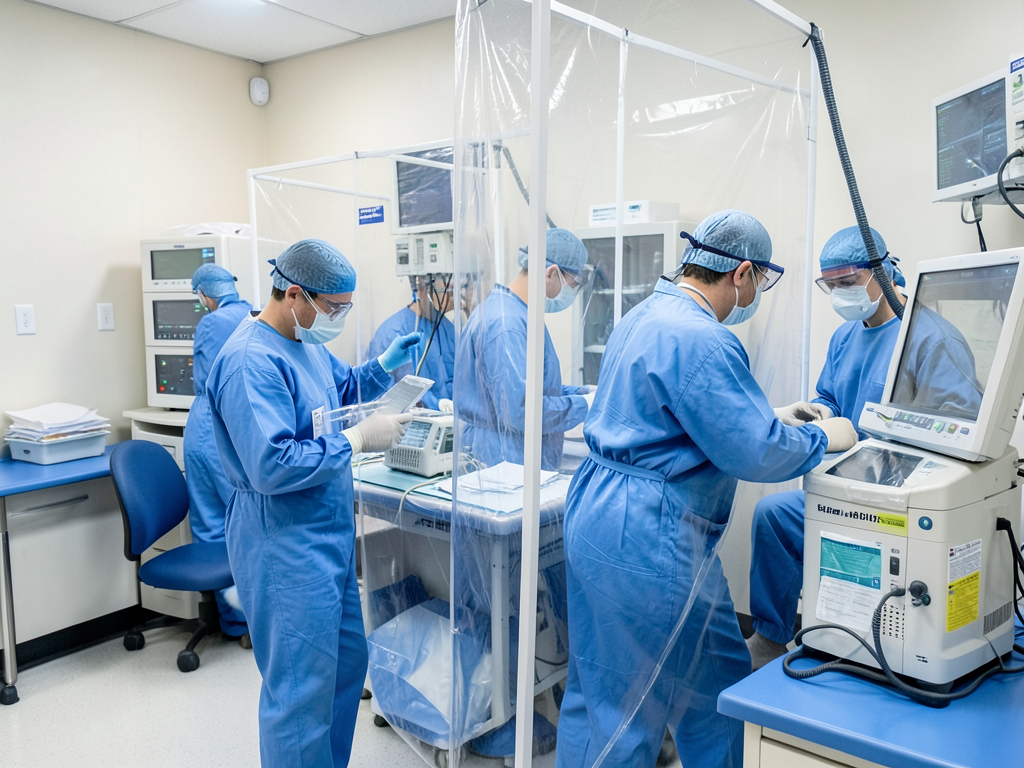
Water Damage Protocols for Medical Offices and Clinics in the Princess Anne Area When water…

How Balcony Drainage Issues Cause Interior Water Damage for Oceanfront Condo Owners \n\n Oceanfront condo…
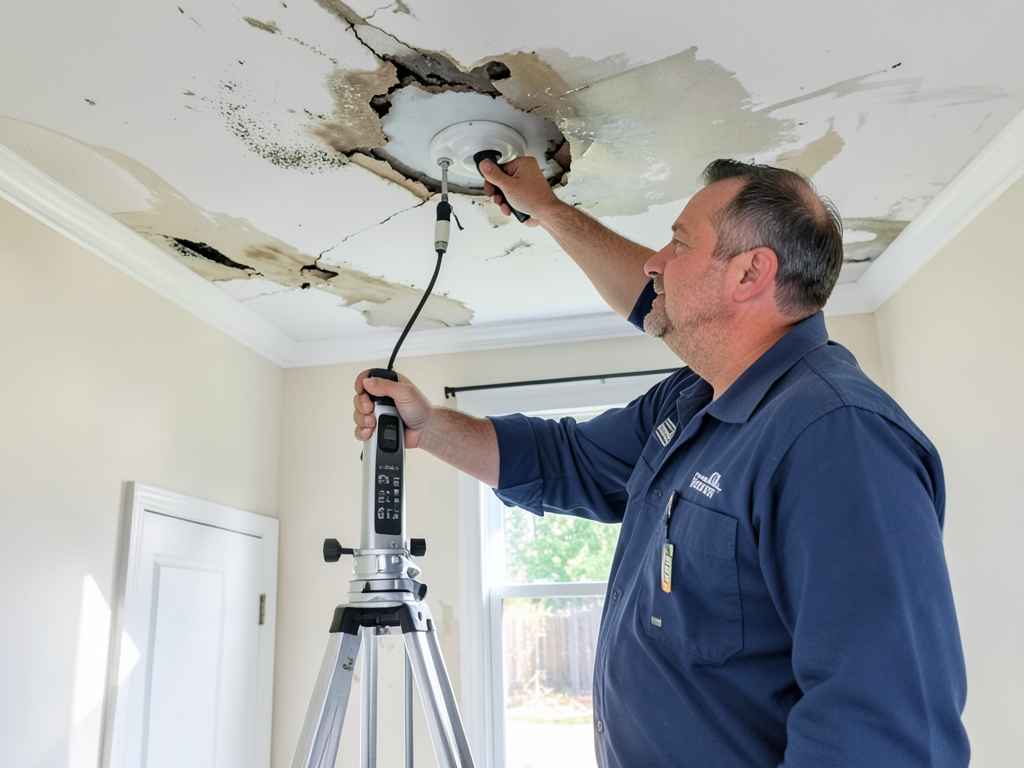
Breaking Your Lease Over Unresolved Water Damage (A Guide for Virginia Beach Renters) Living with…
Water damage spreads every minute you wait. Call Apex Water Damage Restoration Virginia Beach now at (757) 909-5033 for immediate dispatch. Our crews arrive in under 45 minutes with extraction equipment ready to stop the damage. We're available 24 hours a day, every day, because flooding doesn't wait for business hours.