




Menu

Categories of Water in Virginia Beach – Understanding Contamination Levels to Protect Your Property and Health

IICRC water categories explain the contamination level of water affecting your Virginia Beach property, from clean supply line breaks to hazardous sewage backups, so you know the exact restoration protocol and health risks you face.

Slider Image 1
Slider Image 2
Slider Image 3
Slider Image 4
Slider Image 5
Slider Image 7
Slider Image 8
Slider Image 9
Slider Image 10
Slider Image 11

Why Virginia Beach Property Owners Need to Understand Water Contamination Classifications

When water invades your Virginia Beach property, the source determines the danger. A broken supply line creates one threat. A sewage backup creates another entirely.

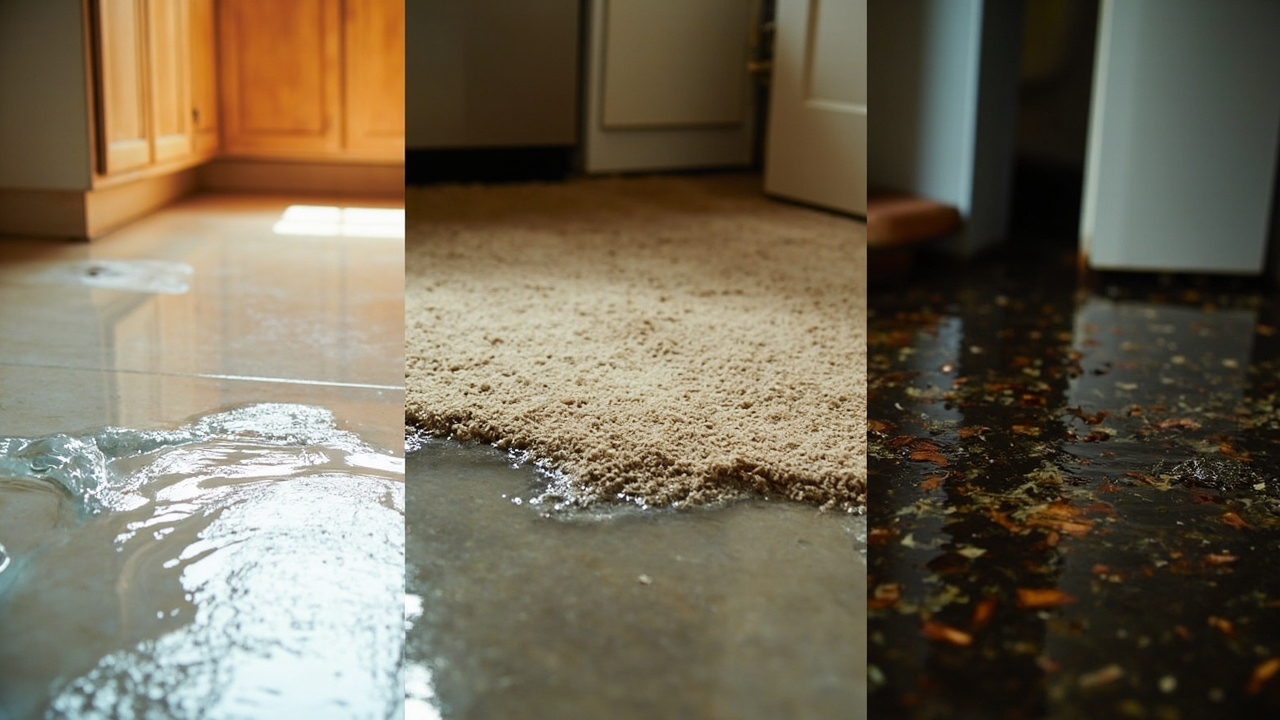
The IICRC establishes three water damage categories based on contamination levels. Category 1 is clean water from sanitary sources. Category 2 is gray water containing biological or chemical contaminants. Category 3 is black water, grossly contaminated and capable of causing illness or death if ingested.

Virginia Beach's location creates unique water quality challenges. Our coastal proximity means higher humidity, which accelerates microbial growth in Category 2 and 3 situations. Older neighborhoods like Chic's Beach and Croatan contain aging sewer infrastructure vulnerable to backflow during heavy rain events. Properties near the Lynnhaven River system face elevated flooding risks that introduce Category 3 contamination from stormwater mixing with sewage systems.

Most property owners see standing water and assume the cleanup protocol is identical regardless of source. This error creates serious health risks. Category 1 water from a toilet supply line requires extraction and drying. Category 3 water from that same toilet after the bowl overflows requires antimicrobial treatment, specialized disposal protocols, and potential material removal. The water contamination levels dictate every decision in the restoration process.

Understanding these water quality classifications protects you from two dangers. First, inadequate treatment of contaminated water exposes occupants to pathogens, chemicals, and toxins. Second, insurance companies scrutinize contamination levels when determining coverage and payout amounts. The IICRC water categories provide the language your adjuster uses to evaluate your claim.

Why Virginia Beach Property Owners Need to Understand Water Contamination Classifications
How We Classify Water Damage Using IICRC Standards

How We Classify Water Damage Using IICRC Standards

Apex Water Damage Restoration Virginia Beach follows IICRC S500 Standard and Reference Guide for Professional Water Damage Restoration. This protocol requires immediate classification of all water sources before any extraction begins.

Our technicians assess the origination point, not just the current state. Clean water that sits for 48 hours becomes Category 2 as bacteria colonizes. Category 2 water that contacts porous materials becomes Category 3 due to increased pathogen load. We document contamination levels with field notes and photographs to establish the restoration scope and protect your insurance claim.

Category 1 water comes from pressurized lines, melting snow, or rainwater that has not contacted contaminated surfaces. We verify the source is sanitary before classifying it as clean. If a supply line breaks inside a wall cavity and the water contacts insulation or drywall, we evaluate whether degradation has elevated it to Category 2.

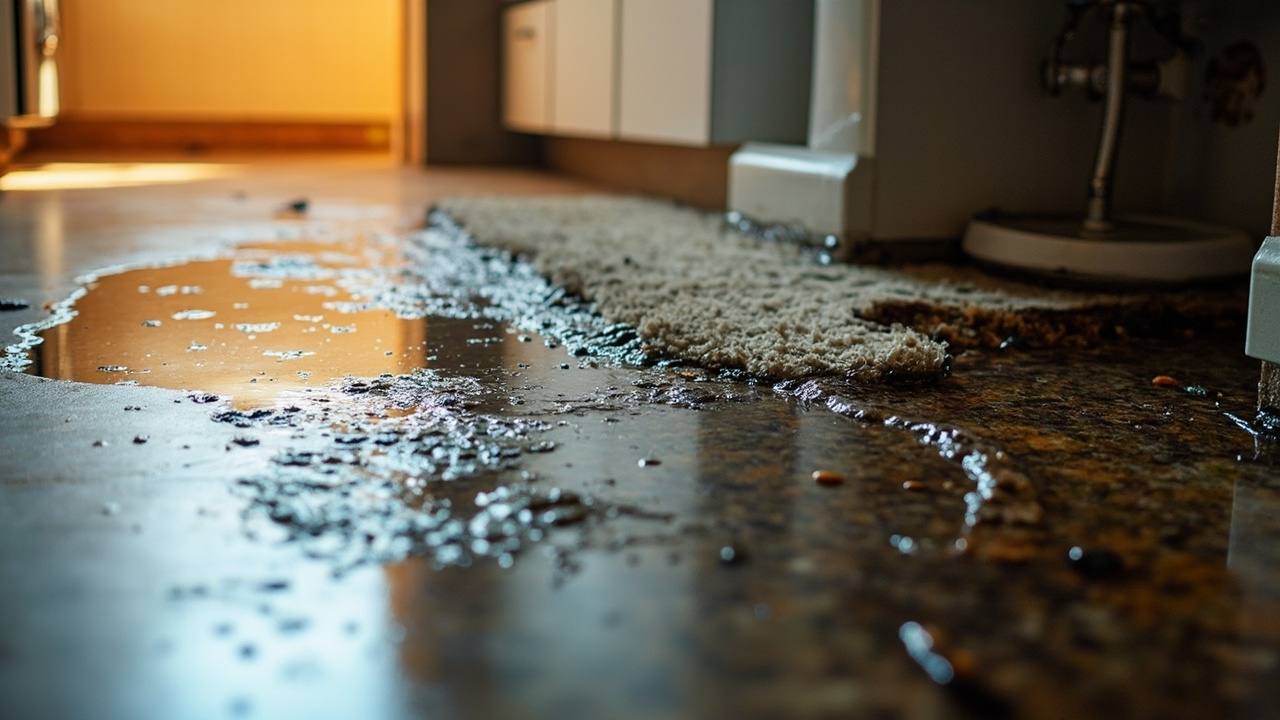
Category 2 gray water contains biological or chemical contamination sufficient to cause discomfort or illness. Washing machine overflows, dishwasher leaks, and aquarium breaks fall into this classification. Virginia Beach properties with sump pump failures often generate Category 2 events because the water contains soil contaminants and organic material.

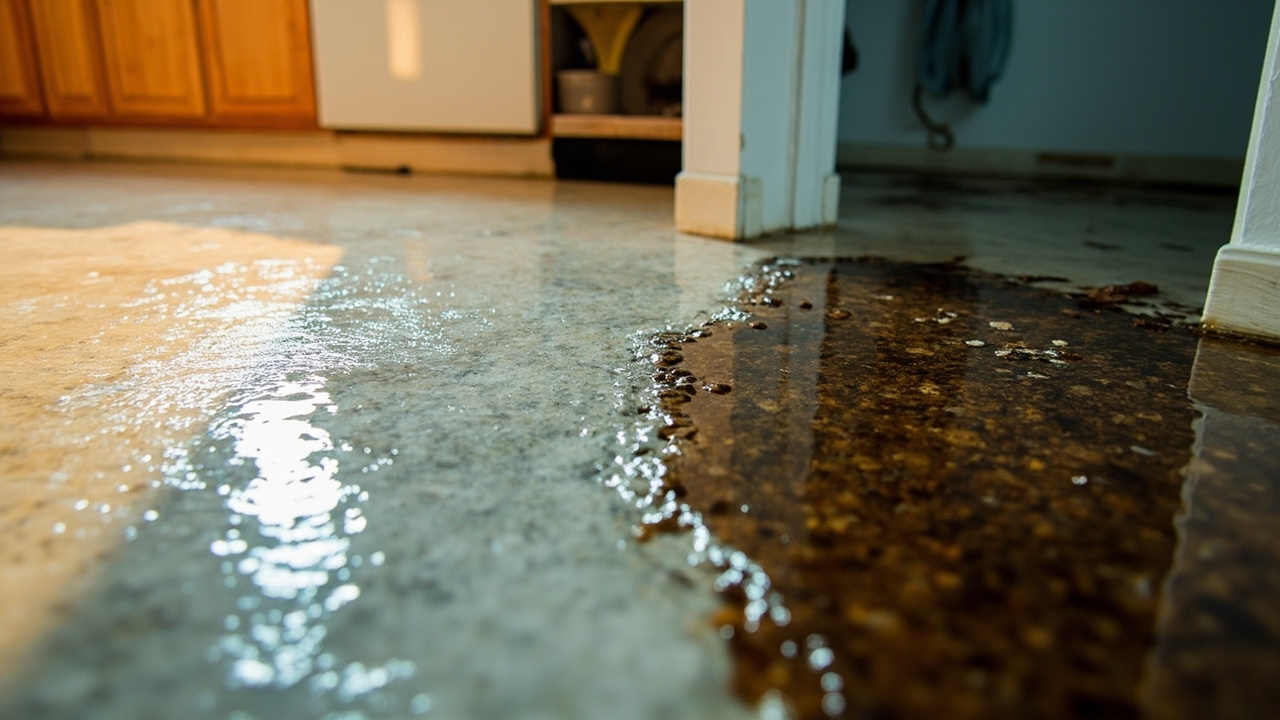
Category 3 black water includes sewage, rising floodwater from rivers or coastal storm surge, and any water that has contacted fecal matter. Our coastal storms push Chesapeake Bay water into low-lying areas, creating widespread Category 3 contamination. We treat these events with biocides, remove porous materials like drywall and insulation, and verify microbial clearance before reconstruction begins.

Types of water contamination change over time and temperature. We reassess classification throughout the project based on moisture readings, temperature, and time elapsed since initial intrusion.

How We Handle Water Category Assessment in Virginia Beach Properties

Categories of Water in Virginia Beach – Understanding Contamination Levels to Protect Your Property and Health
01

Source Identification and Documentation

We trace water to its origination point and document the source with photographs and written notes. This determines initial contamination level and establishes the restoration protocol. Supply line breaks receive different treatment than toilet overflows. We verify sanitary conditions before classifying any water as Category 1, because misclassification creates health risks and insurance complications down the line.
02

Contamination Level Testing

We measure temperature, pH, and time elapsed since intrusion to assess degradation. Clean water sitting in Virginia Beach's humid environment for 48 hours promotes bacterial growth and elevates to Category 2. We use moisture meters to identify hidden saturation in wall cavities and subfloors where water quality deteriorates faster. Our classification accounts for contact with porous materials that increase pathogen load.
03

Protocol Assignment and Execution

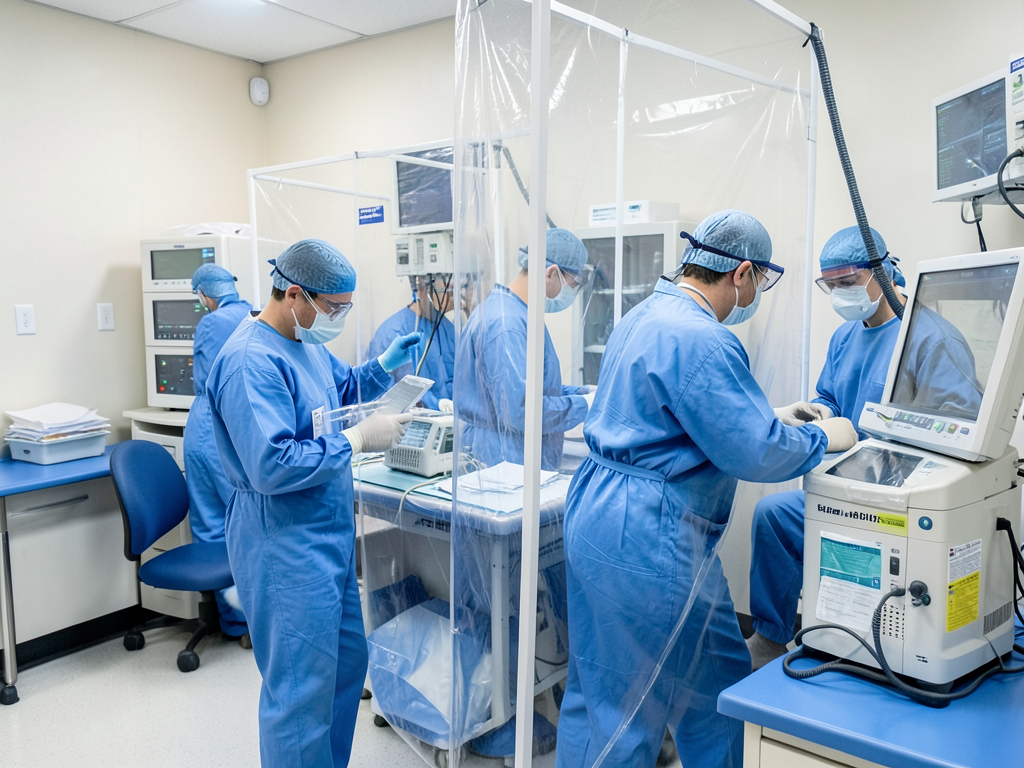
Once we classify the water damage category, we assign the appropriate extraction, antimicrobial treatment, and material removal protocol. Category 3 events require containment barriers, negative air pressure, and disposal of contaminated porous materials. We provide your insurance adjuster with documentation of water contamination levels to support your claim and ensure proper coverage for the required scope of work.

Why Virginia Beach Property Owners Trust Our Water Classification Expertise

Water damage categories are not subjective. The IICRC defines them with scientific precision, but applying those definitions to real-world damage scenarios requires experience with local contamination sources.

Virginia Beach properties face contamination risks other inland cities do not. Coastal flooding introduces saltwater, sewage, and petroleum products into structures. Our barrier islands and low-lying neighborhoods near Back Bay experience Category 3 events during hurricane storm surge. Older homes in the ViBe District and Ocean Park contain cast iron sewer lines that corrode and fail, creating black water backups inside living spaces.

We understand how Virginia Beach's building stock affects water quality classifications. Crawl space foundations common in our coastal homes allow Category 2 and 3 water to saturate floor joists and subfloors. Slab-on-grade construction in newer developments traps contaminated water under flooring materials, requiring different extraction methods. Our technicians recognize these structural variables and adjust restoration protocols accordingly.

Insurance adjusters in Virginia Beach know us. We provide the documentation they need to process claims without delays. When we classify water as Category 3, we include source photographs, moisture mapping, and material contamination assessments that justify the scope of work. This eliminates disputes over whether materials require removal or can be dried in place.

Our IICRC certification is not a marketing badge. It represents ongoing education in water quality classifications, microbial remediation, and contamination control. We recertify every two years to stay current with evolving standards. This training protects you from inadequate treatment that leaves hidden contamination, and it protects your property value by ensuring work meets resale disclosure requirements.

You need someone who understands the difference between water damage categories and applies that knowledge to Virginia Beach's specific contamination risks.

What to Expect When We Assess Water Contamination Levels

Immediate Response and Triage

We arrive within 90 minutes of your call to assess water contamination levels before degradation elevates the category. Time determines whether clean water becomes gray water, and whether gray water becomes black water. Our 24/7 dispatch ensures we classify your damage while the source characteristics are still evident. We contain the affected area to prevent cross-contamination to unaffected spaces, then begin documentation for your insurance claim while extraction equipment mobilizes.

Detailed Source Investigation

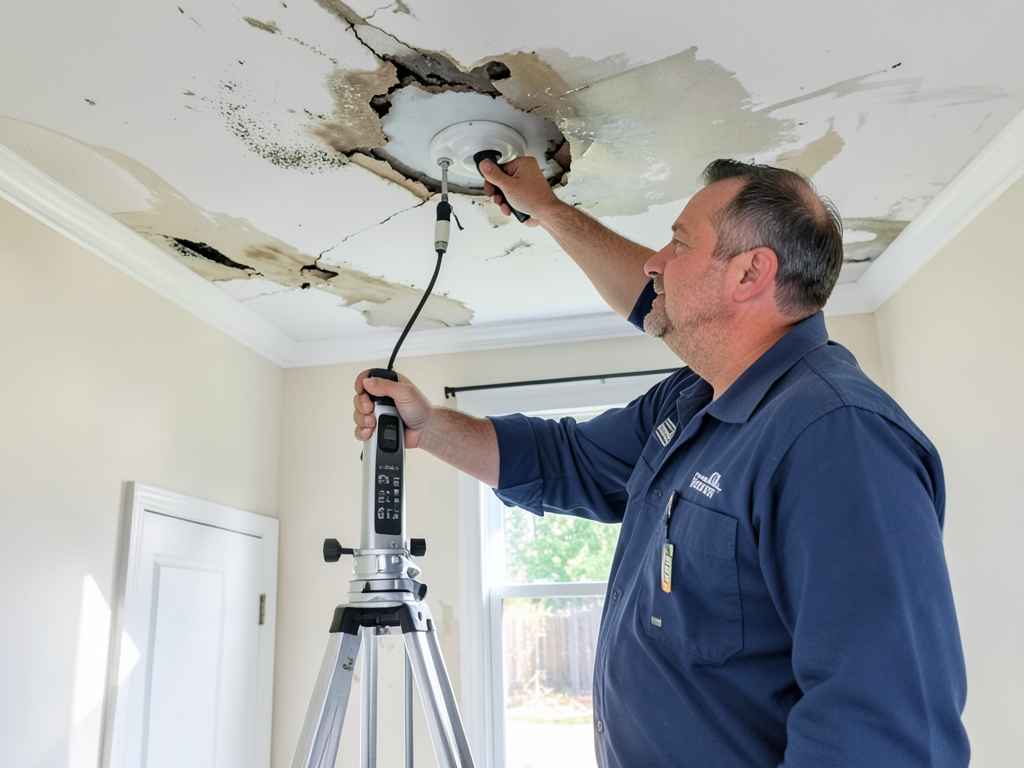
We trace water to its origin using moisture meters, infrared cameras, and visual inspection. A wet ceiling might indicate a roof leak (Category 1) or a toilet supply line (Category 1) or a toilet overflow (Category 3). The difference determines whether we dry materials in place or remove them entirely. We document the source with photographs and written descriptions that establish the initial water quality classification. This prevents insurance disputes and ensures proper treatment protocols.

Scope Definition and Material Assessment

Once we classify the water damage category, we determine which materials require removal and which can be restored. Category 1 water allows us to dry drywall, insulation, and framing in place if we extract within 48 hours. Category 2 water requires antimicrobial treatment and selective removal of heavily saturated porous materials. Category 3 water mandates removal of all porous materials that contacted the contamination. We provide a detailed scope of work with line-item descriptions tied to the IICRC water categories.

Post-Remediation Verification

After we complete extraction, antimicrobial treatment, and material removal, we verify that moisture levels have returned to normal and no contamination remains. We use moisture meters to document dry-down in structural materials and confirm readings match pre-loss conditions. For Category 2 and 3 events, we provide post-remediation photographs showing removed materials and treated surfaces. This documentation protects you during property resale and provides evidence that restoration met IICRC standards for water quality classifications.

Frequently Asked Questions

You Have Questions,
We Have Answers

What are the 5 types of water? +

Water damage restoration recognizes three official categories, not five. Category 1 is clean water from supply lines or rain. Category 2 is gray water with contaminants from appliances like dishwashers or washing machines. Category 3 is black water containing sewage, bacteria, or toxins from flooding or toilet backups. In Virginia Beach, hurricane storm surge and coastal flooding often create Category 3 situations requiring professional extraction and antimicrobial treatment. Understanding these categories helps you respond correctly to water damage and protects your family from health hazards.

What are the three categories of water? +

The three water damage categories are clean, gray, and black. Category 1 clean water comes from sanitary sources like broken supply lines. Category 2 gray water contains contaminants from sources like washing machines or sump pumps. Category 3 black water includes sewage or flood water with dangerous pathogens. Virginia Beach homes face all three types, especially during storm events when coastal flooding mixes with sewage systems. Each category requires different safety protocols and restoration techniques. Category 3 always demands professional remediation to eliminate health risks.

What is category 1, 2, and 3 water? +

Category 1 water originates from clean sources like broken pipes or rain before ground contact. Category 2 gray water contains chemical or biological contaminants from appliances, aquariums, or toilet overflow without feces. Category 3 black water includes raw sewage, rising flood water, or any water sitting over 48 hours. In Virginia Beach, gray water can quickly become black water in our humid climate as bacteria multiply. Categories can escalate, so a Category 1 leak becomes Category 2 after contacting building materials, then Category 3 if left untreated.

What are the different water categories? +

Water damage falls into three distinct categories based on contamination level. Category 1 is sanitary water from supply lines or rainwater. Category 2 contains contaminants that can cause discomfort or illness, like washing machine overflow. Category 3 is grossly unsanitary, containing toxins and pathogens from sewage or coastal flooding. Virginia Beach properties also face water classified by evaporation rate into four classes, ranging from slow-drying hardwood floors to fast-drying drywall. Understanding both category and class determines the proper restoration approach and safety equipment needed.

What are the 7 types of water? +

The restoration industry uses three water categories, not seven. This confusion may come from mixing categories with classes or water types in other contexts. For damage restoration, you need to know Category 1 clean water, Category 2 gray water, and Category 3 black water. Virginia Beach properties face all three, with coastal storms creating widespread Category 3 contamination. Each category poses different health risks and requires specific extraction, drying, and sanitization protocols. Focus on these three categories when assessing water damage to understand the health risks you face.

What are the four classes of water? +

Water damage has four classes based on evaporation rate and affected materials. Class 1 affects minimal materials with slow evaporation. Class 2 involves fast evaporation affecting walls and carpeting. Class 3 means rapid evaporation from ceilings, walls, insulation, and subfloors. Class 4 requires specialty drying for hardwood, plaster, or concrete. In Virginia Beach, our high humidity slows evaporation, often pushing damage into higher classes. Classes differ from categories, which measure contamination. Both determine restoration strategy, equipment needs, and drying time for your property.

What are the six types of water? +

Water damage restoration recognizes three categories and four classes, not six or seven distinct types. The three categories measure contamination level while four classes measure evaporation rate and material absorption. Virginia Beach restoration professionals assess both to create effective drying plans. Category tells us what safety protocols to follow. Class tells us what equipment and techniques to use. Together, they determine timeline and cost. Mixing these classifications creates confusion. Focus on understanding the three contamination categories and how they escalate when water contacts building materials or sits untreated.

What are the classification of waters? +

Water classification in restoration uses two systems. Categories measure contamination from clean to black water. Classes measure evaporation rate and material saturation from minimal to specialty drying. Category 1 clean water comes from sanitary sources. Category 2 gray water has contaminants. Category 3 black water contains dangerous pathogens. Classes range from 1 to 4 based on how quickly materials dry. Virginia Beach properties often experience Class 3 damage due to coastal humidity slowing evaporation. Both classification systems guide restoration professionals in choosing equipment, techniques, and safety measures.

What is type 3 pure water? +

Type 3 water refers to Category 3 black water in restoration terminology. This grossly contaminated water contains raw sewage, bacteria, fungi, and other pathogens. Sources include toilet backups with feces, rising flood water from rivers or coastal surge, and any standing water over 48 hours old. Virginia Beach sees Category 3 situations during hurricanes when storm surge mixes with sewage systems. This water requires professional extraction, antimicrobial treatment, and often material removal. Never attempt cleanup yourself. Category 3 exposure causes serious illness requiring medical attention and specialized safety equipment.

What is category 4 water? +

Category 4 water does not exist in standard restoration classification. The industry recognizes three categories: clean, gray, and black water. Confusion may arise from Class 4 water damage, which describes specialty drying situations involving materials like hardwood, plaster, concrete, or stone that absorb water slowly but dry slowly. Class 4 requires specialized equipment and extended drying time. In Virginia Beach, historic homes with plaster walls and hardwood floors often experience Class 4 damage. Focus on the three contamination categories and four evaporation classes when assessing water damage to your property.

How Virginia Beach's Coastal Environment Affects Water Contamination Categories

Virginia Beach sits at sea level with a water table 18 to 36 inches below ground surface in most residential areas. When Category 1 water from a supply line break saturates soil around your foundation, it mixes with groundwater containing organic material, salts, and bacteria. This elevates clean water to Category 2 as it wicks back into your crawl space or basement. Our coastal storms create another escalation path. Hurricane storm surge and nor'easter flooding push Chesapeake Bay water inland, mixing with sewage system overflows and creating widespread Category 3 contamination. Properties in Chic's Beach, Croatan, and neighborhoods near the Lynnhaven River system face this risk annually. We account for these local contamination pathways when classifying water damage.

Virginia Beach's building codes and flood zone requirements create specific challenges for water damage restoration. Properties in AE flood zones require elevation certificates and flood vents, but these vents allow Category 3 floodwater to enter crawl spaces during coastal storms. The Virginia Uniform Statewide Building Code mandates specific antimicrobial treatments for water damage in flood-prone areas, and local inspectors verify compliance before issuing certificates of occupancy after major restoration work. We maintain relationships with Virginia Beach Building and Neighborhood Services to ensure our water contamination protocols meet local enforcement standards. This protects your property value and ensures work passes inspection if you sell within required disclosure periods.

Water Damage Services in The Virginia Beach Area

We are proud to serve the entire Virginia Beach area and surrounding communities. Our centrally located office allows us to provide a quick response to any water damage emergency. View our location on the map to see our service area, or simply give us a call and we'll dispatch a certified team to your location right away, ready to assist with your restoration needs.

Address:
Apex Water Damage Restoration Virginia Beach, 138 S Rosemont Rd, Virginia Beach, VA, 23452

Additional Services We Offer

Our news updates

Latest Articles & News from The Blogs

Water Damage Protocols for Medical Offices and Clinics in the Princess Anne Area When water damage strikes a medical office…

Water Damage Protocols for Medical Offices and Clinics in the Princess Anne Area

Water Damage Protocols for Medical Offices and Clinics in the Princess Anne Area When water damage strikes a medical office…

How Balcony Drainage Issues Cause Interior Water Damage for Oceanfront Condo Owners

How Balcony Drainage Issues Cause Interior Water Damage for Oceanfront Condo Owners \n\n Oceanfront condo owners in Virginia Beach face…

Breaking Your Lease Over Unresolved Water Damage (A Guide for Virginia Beach Renters)

Breaking Your Lease Over Unresolved Water Damage (A Guide for Virginia Beach Renters) Living with unresolved water damage in your…

Contact Us

Water contamination levels determine your health risk and restoration cost. Call Apex Water Damage Restoration Virginia Beach at (757) 909-5033 for immediate IICRC-certified assessment. We classify your water damage category accurately and execute the correct protocol to protect your property and your family.