






Menu

Choosing a Restoration Company in Virginia Beach – Expert Vetting Guide to Protect Your Property Investment

Learn the Five Critical Questions to Ask When Selecting a Water Damage Contractor in Virginia Beach, Where Coastal Flooding and Hurricane-Driven Moisture Demand Certified Restoration Expertise

Slider Image 1
Slider Image 2
Slider Image 3
Slider Image 4
Slider Image 5
Slider Image 7
Slider Image 8
Slider Image 9
Slider Image 10
Slider Image 11

Why Selecting the Wrong Water Damage Contractor Costs Virginia Beach Homeowners Thousands

Virginia Beach sits at the confluence of the Chesapeake Bay and Atlantic Ocean. That geography creates persistent moisture challenges. Hurricane season brings surge flooding. Summer humidity drives condensation inside wall cavities. Winter nor'easters push saltwater into crawl spaces. When water breaches your home, you need immediate help. You also need the right help.

Hiring a water mitigation service without proper vetting leads to incomplete drying, hidden mold growth, and failed insurance claims. The restoration industry in Virginia Beach has no shortage of operators. Some arrive in cargo vans with consumer-grade fans. Others lack the thermal imaging cameras needed to detect moisture in ceiling joists and subflooring. A few disappear mid-project when insurance disputes arise.

Finding a reputable water damage company requires digging past the five-star Google reviews. You need to verify certifications. You need to confirm they understand Virginia Beach building codes, especially in Historic Districts like Croatan and Chic's Beach, where older homes have unique structural vulnerabilities. You need to ask about drying protocols specific to coastal environments, where salt content accelerates corrosion and microbial growth.

Vetting restoration contractors means asking hard questions upfront. What equipment do they deploy in the first hour? How do they document moisture readings for your insurance adjuster? Do they carry general liability and workers' compensation coverage? Can they handle both the emergency extraction and the reconstruction phase, or will you manage multiple subcontractors?

The stakes are high. Choose poorly, and you face secondary damage that exceeds the original loss. Choose wisely, and your property returns to pre-loss condition without lingering moisture or structural compromise.

Why Selecting the Wrong Water Damage Contractor Costs Virginia Beach Homeowners Thousands
How Professional Water Damage Companies Separate Themselves Through Process and Equipment

How Professional Water Damage Companies Separate Themselves Through Process and Equipment

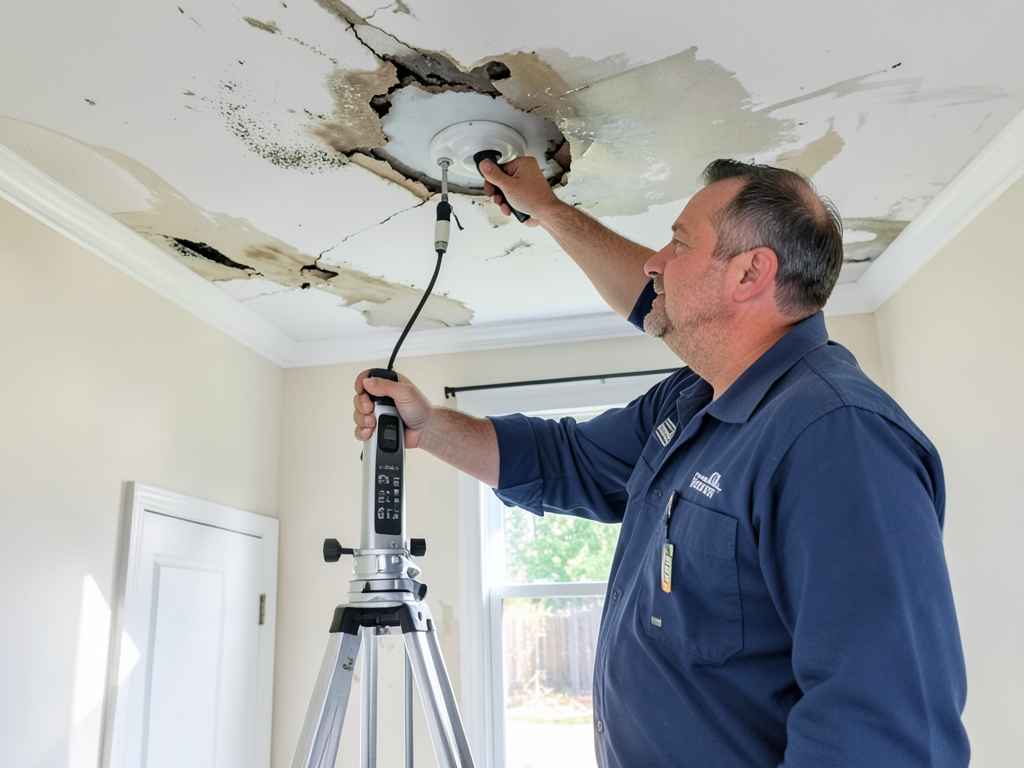
Professional restoration starts with rapid moisture mapping. Within 60 minutes of arrival, technicians deploy infrared cameras to identify wet building materials invisible to the naked eye. They place hygrometers in affected rooms to establish baseline humidity levels. They document everything with photos and moisture meter readings calibrated to different materials: drywall, hardwood, concrete slab.

Extraction follows immediately. Truck-mounted pumps remove standing water faster than shop vacs. For Category 3 losses involving sewage or coastal floodwater, technicians wear PPE and follow IICRC S500 protocols to prevent cross-contamination. They remove porous materials like carpet padding and insulation that cannot be salvaged. They pull baseboards to access wall cavities where water wicks upward through capillary action.

Drying comes next. Industrial dehumidifiers pull 150 pints of moisture per day from the air. Low-grain refrigerant units work best in Virginia Beach's humid climate. Air movers create evaporation at the surface of wet materials. Technicians position equipment based on psychrometric calculations, not guesswork. They create negative air pressure in contained areas to prevent moisture migration into unaffected rooms.

Daily monitoring ensures progress. Technicians return to log moisture levels and adjust equipment placement. Drying typically takes three to five days, but Virginia Beach's coastal humidity can extend that timeline. Professional companies know when to add desiccant dehumidifiers or inject heated air into wall cavities.

Antimicrobial application prevents mold colonization. After drying confirms moisture content below 15 percent, technicians apply EPA-registered treatments to framing and subflooring. This step is critical in Virginia Beach, where spores thrive in temperatures above 70 degrees with relative humidity above 60 percent.

The final phase involves reconstruction. Licensed contractors rebuild what was removed. They match materials to existing finishes. They ensure work complies with Virginia Beach building codes and flood zone requirements.

Three Steps to Vetting a Water Damage Restoration Company in Virginia Beach

Choosing a Restoration Company in Virginia Beach – Expert Vetting Guide to Protect Your Property Investment
01

Verify Certifications and Coverage

Ask for proof of IICRC certification in Water Damage Restoration. Confirm the company holds a Virginia Class A or Class C contractor license. Request certificates of insurance showing general liability coverage of at least one million dollars and active workers' compensation. Unlicensed operators cannot pull permits, and uninsured contractors expose you to liability if someone gets hurt on your property. Check the Better Business Bureau and Virginia Department of Professional and Occupational Regulation for complaints or disciplinary actions.
02

Evaluate Response and Equipment

A professional restoration company arrives within two hours of your call. They bring truck-mounted extraction units, not handheld pumps. They deploy thermal imaging cameras to locate hidden moisture. They use moisture meters with hammer probes to test behind walls without demolition. Ask what type of dehumidifiers they use. Low-grain refrigerant units outperform standard models in Virginia Beach's coastal climate. Ask how many air movers they place per affected room. Proper airflow requires specific cubic feet per minute calculations based on room size and saturation level.
03

Review Documentation and Communication

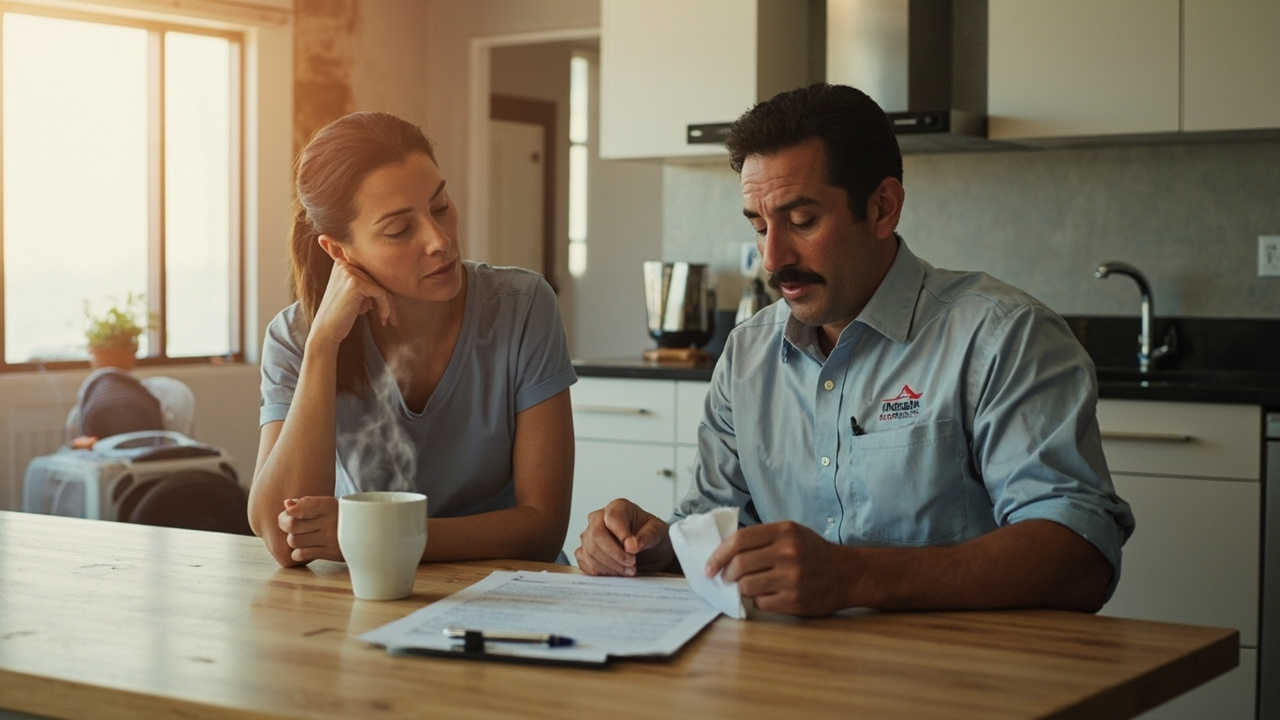
Professional contractors document everything. They provide written estimates before starting work. They photograph damage from multiple angles. They create moisture maps showing readings in affected areas. They log daily progress reports tracking humidity levels and moisture content. They communicate directly with your insurance adjuster and provide detailed invoices coded to match policy language. Ask how they handle disputes with insurers. Companies experienced in Virginia Beach flood claims understand the difference between wind-driven rain coverage and flood policy exclusions.

Why Local Expertise Matters for Virginia Beach Water Damage Restoration

Virginia Beach presents restoration challenges that out-of-state contractors miss. Homes in flood zones AE and VE require specific drying protocols. Elevated structures built on pilings need moisture monitoring in crawl spaces where ventilation is restricted. Historic homes in Old Beach and the Oceanfront have plaster walls that retain water longer than modern drywall. Contractors unfamiliar with these details over-dry or under-dry materials, causing cracking or mold growth.

Local companies understand Virginia Beach building codes. They know when flood-damaged electrical systems require inspection by the city's Department of Development Services. They know Historic District guidelines that restrict exterior material changes. They know which mechanical permits are required for HVAC equipment affected by water intrusion.

Coastal flooding brings additional concerns. Saltwater accelerates corrosion in metal fasteners, electrical panels, and copper plumbing. It leaves behind crystalline deposits that wick moisture from the air long after initial drying. It carries bacteria and pathogens that require specialized cleaning agents. Contractors who primarily work inland flood losses lack experience with these issues.

Insurance claims in Virginia Beach often involve disputes between flood policies and homeowners policies. Wind-driven rain from hurricanes may be covered under your HO-3 policy. Storm surge is not. A local restoration company familiar with both National Flood Insurance Program guidelines and private carrier policies can document damage in ways that support your claim. They know what adjusters look for. They know how to separate wind damage from flood damage in their reports.

Apex Water Damage Restoration Virginia Beach has restored properties across every neighborhood in the city. We have worked in Sandbridge cottages, Thoroughgood estates, and Kempsville townhomes. We know the clay soil in southern Virginia Beach causes foundation settlement that creates water entry points. We know the tidal influences in Lynnhaven and Linkhorn Bay that affect basements and ground-level units. That knowledge translates to faster, more complete restoration.

What to Expect When You Hire a Professional Restoration Company

Immediate Response and Mitigation

Professional companies offer 24/7 dispatch. Technicians arrive within two hours, often faster for active flooding. They immediately stop the water source if possible. They extract standing water and place drying equipment within the first visit. Speed matters because mold colonization begins within 48 hours in Virginia Beach's humid environment. Delays allow water to wick into framing and migrate to adjacent rooms. Emergency mitigation focuses on preventing secondary damage. Technicians move furniture to dry areas, pull wet carpet, and remove soaked insulation. They create containment barriers using plastic sheeting to isolate affected zones. This first response determines whether your loss remains manageable or escalates into a total gut job.

Detailed Assessment and Documentation

After initial mitigation, technicians conduct a comprehensive assessment. They use thermal imaging to trace moisture paths through walls and ceilings. They test moisture content in structural materials using pin-type and pinless meters. They classify the water loss by category: Category 1 clean water from supply lines, Category 2 gray water from appliances, or Category 3 black water from sewage or flooding. They determine the class of loss based on evaporation rate and affected materials. This assessment drives the drying strategy and establishes the scope of work for your insurance claim. Technicians photograph all damage, create floor plans showing affected areas, and compile moisture readings into a comprehensive report. This documentation protects you if disputes arise during the claims process.

Complete Drying and Verification

Drying is not complete when surfaces feel dry. Professional restoration continues until moisture meters confirm all materials have returned to standard dry conditions. For drywall, that means 12 to 15 percent moisture content. For framing lumber, it means 15 to 19 percent. Concrete slabs require readings below four percent on a calcium carbide test. Technicians monitor daily and adjust equipment placement based on progress. They document conditions with hygrometer readings showing relative humidity and temperature. When materials reach dry standard, they remove equipment and conduct a final inspection. Only then do they sign off on the drying phase. Cutting corners here guarantees mold growth within weeks. Proper verification ensures your home is safe for reconstruction.

Reconstruction and Final Walkthrough

After drying verification, reconstruction begins. Licensed contractors rebuild removed drywall, replace flooring, and repaint affected areas. They match materials to your existing finishes. They pull permits for electrical and plumbing work if required by Virginia Beach building codes. They schedule inspections to ensure compliance. Quality restoration companies handle this entire phase, eliminating the need for you to coordinate multiple subcontractors. When work is complete, they conduct a final walkthrough with you. They explain what was done and answer questions about maintenance. They provide documentation showing work met code requirements. This final step ensures you are satisfied before they request final payment. Professional restoration companies stand behind their work and address any concerns before closing out the project.

Frequently Asked Questions

You Have Questions,
We Have Answers

How Virginia Beach's Coastal Environment Affects Water Damage Restoration and Contractor Selection

Virginia Beach averages 46 inches of annual rainfall, with peak precipitation during summer thunderstorms and fall hurricanes. The city sits less than 10 feet above sea level across much of its geography. Tidal flooding occurs regularly in low-lying neighborhoods like Chic's Beach and Shore Drive during king tides and nor'easters. That persistent moisture exposure means building materials never fully dry between weather events. Selecting a water damage contractor requires confirming they understand how salt air degrades materials faster than inland environments. It requires verifying they use low-grain dehumidifiers that extract moisture effectively in high-humidity conditions. Hiring a water mitigation service without this coastal expertise leads to incomplete drying and mold growth in wall cavities that were never properly addressed during the initial restoration.

Finding a reputable water damage company in Virginia Beach means confirming they maintain relationships with local insurance adjusters and understand flood zone mapping. Much of the city falls within Special Flood Hazard Areas requiring National Flood Insurance Program coverage. Restoration contractors must understand the difference between coverage under flood policies and standard homeowners policies. They must document damage in ways that align with federal guidelines and private carrier requirements. Vetting restoration contractors includes asking about their experience with Virginia Beach building inspectors and permitting processes. Work in Historic Districts requires approval from the Historic Review Board. Electrical and plumbing repairs require city permits and inspections. Contractors unfamiliar with these local requirements create delays and compliance issues that stall your restoration and jeopardize insurance reimbursement.


Water Damage Services in The Virginia Beach Area

We are proud to serve the entire Virginia Beach area and surrounding communities. Our centrally located office allows us to provide a quick response to any water damage emergency. View our location on the map to see our service area, or simply give us a call and we'll dispatch a certified team to your location right away, ready to assist with your restoration needs.

Address:
Apex Water Damage Restoration Virginia Beach, 138 S Rosemont Rd, Virginia Beach, VA, 23452

Additional Services We Offer

Our news updates

Latest Articles & News from The Blogs

Water Damage Protocols for Medical Offices and Clinics in the Princess Anne Area When water damage strikes a medical office…

Water Damage Protocols for Medical Offices and Clinics in the Princess Anne Area

Water Damage Protocols for Medical Offices and Clinics in the Princess Anne Area When water damage strikes a medical office…

How Balcony Drainage Issues Cause Interior Water Damage for Oceanfront Condo Owners

How Balcony Drainage Issues Cause Interior Water Damage for Oceanfront Condo Owners \n\n Oceanfront condo owners in Virginia Beach face…

Breaking Your Lease Over Unresolved Water Damage (A Guide for Virginia Beach Renters)

Breaking Your Lease Over Unresolved Water Damage (A Guide for Virginia Beach Renters) Living with unresolved water damage in your…

Contact Us

Stop guessing. Call Apex Water Damage Restoration Virginia Beach at (757) 909-5033 right now. Our certified technicians respond 24/7 with truck-mounted equipment and thermal imaging technology. We handle everything from emergency extraction to final reconstruction, and we work directly with your insurance adjuster.