Breaking Your Lease Over Unresolved Water Damage (A Guide for Virginia Beach Renters)
Living with unresolved water damage in your Virginia Beach rental can feel like a nightmare. Ceiling stains spreading. Musty odors growing. Your landlord promising repairs that never happen. You’re not alone. Thousands of Virginia renters face this exact situation every year especially in older neighborhoods like Bay Colony and Great Neck where aging plumbing systems frequently fail. Virginia Residential Landlord and Tenant Act.
Under Virginia law you have specific rights when your rental becomes uninhabitable due to water damage. The Virginia Residential Landlord and Tenant Act (VRLTA) requires landlords to maintain habitable conditions and address water damage within reasonable timeframes. But knowing your rights is only half the battle. You need to document damage properly communicate effectively and understand when breaking your lease becomes your only option. Virginia Beach Department of Development and Permits.
This guide walks you through exactly what to do if you’re dealing with unresolved water damage in your Virginia Beach rental. We’ll cover your legal rights the repair timeline requirements and how to protect yourself throughout the process. Most importantly we’ll explain when breaking your lease is legally justified and how to do it without facing penalties. Repairing Water Damage at Your Virginia Beach Oceanfront Property After a Storm.
Understanding Your Rights Under Virginia Law
The foundation of your rights as a Virginia Beach renter comes from the Virginia Residential Landlord and Tenant Act (VRLTA) Code of Virginia § 55.1-1200. This law creates an implied warranty of habitability meaning your landlord must provide a safe and livable dwelling. What Virginia Beach Town Center Condo Owners Should Do After a Leak.
Water damage falls squarely within habitability requirements. According to Virginia Code § 55.1-1220 landlords must maintain the premises in compliance with housing and building codes affecting health and safety. This includes addressing water intrusion that could lead to mold growth electrical hazards or structural damage. Who to Call for Emergency Water Removal in Virginia Beach Right Now.
The law doesn’t give specific water damage repair timeframes but courts generally expect emergency repairs within 24-48 hours for active leaks and serious damage. Non-emergency repairs should be completed within 30 days. If your landlord fails to address water damage within these reasonable periods you may have grounds to break your lease.
Virginia Beach renters should also be aware of local building codes enforced by the Virginia Beach Department of Development and Permits. These codes require proper moisture barriers functioning plumbing and adequate ventilation all critical for preventing and addressing water damage.
Landlord Responsibilities for Water Damage
Your Virginia Beach landlord must handle several responsibilities when it comes to water damage. Understanding these obligations helps you determine if they’re meeting their legal duties.
First your landlord must repair structural damage caused by water intrusion. This includes fixing roof leaks damaged pipes faulty appliances and foundation cracks that allow water entry. They must also address the source of the water not just the visible damage.
Second they must remediate mold growth resulting from water damage. Virginia doesn’t have specific mold remediation laws but the VRLTA requires landlords to maintain habitable conditions. Since mold poses health risks courts consider it a habitability issue requiring prompt attention. Expert Mold Remediation for Vacation Rentals in Sandbridge.
Third landlords must handle repairs to common areas and building systems. If a burst pipe in the wall between units or a roof leak affects multiple apartments the landlord bears responsibility for repairs not individual tenants.
Finally under Virginia Code § 55.1-1253 landlords must make repairs within a reasonable time after receiving notice. For water damage that threatens health or safety courts typically expect action within 24-48 hours for active leaks and 7-14 days for less urgent issues.
Your Responsibilities as a Tenant
Before considering lease termination you must fulfill your obligations as a tenant. Virginia law places certain duties on renters that affect your ability to claim constructive eviction or break your lease.
First you must promptly report water damage to your landlord in writing. Virginia Code § 55.1-1253 requires tenants to notify landlords of needed repairs. Verbal reports don’t count. Send a written notice via email or certified mail describing the damage its location and when you discovered it.
Second you must allow reasonable access for repairs. Landlords have the right to enter with proper notice to inspect and fix damage. Refusing access can be grounds for eviction and weakens your legal position.
Third you should take reasonable steps to prevent further damage. This means moving furniture away from leaks using buckets for active drips and turning off water if you discover a burst pipe. Courts expect tenants to mitigate damages not let problems worsen. Immediate Steps for a Burst Pipe Repair in the Hilltop Neighborhood.
Fourth you must maintain your personal property. Your landlord isn’t responsible for damage to your furniture electronics or clothing unless the damage resulted from their negligence. Renters insurance typically covers these losses.
Finally you cannot cause or contribute to the water damage through negligence. If you overflowed a bathtub or ignored a small leak that became major damage you may bear responsibility for repairs.
Documenting Water Damage Properly
Documentation becomes your strongest evidence if you need to break your lease. Start documenting immediately when you discover water damage.
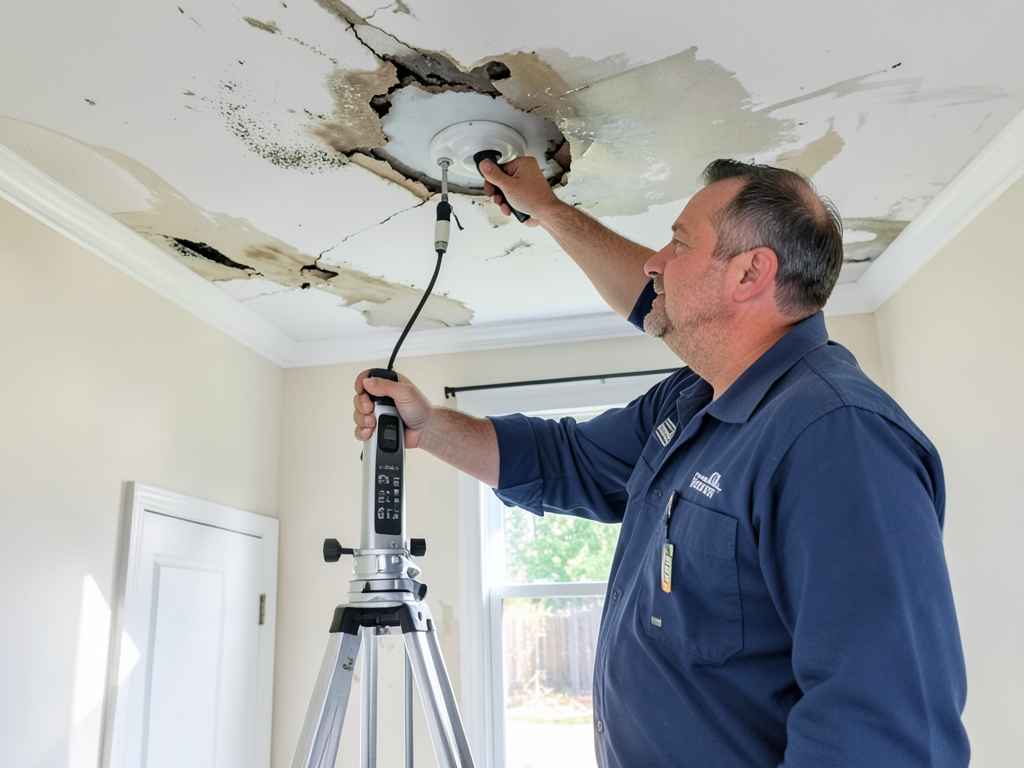
Take clear photos and videos showing the extent of damage. Capture multiple angles including close-ups of water stains ceiling bubbles and mold growth. Date your photos using your phone’s timestamp or add visible dates to images.
Write a detailed description of the damage including when you first noticed it what you believe caused it and how it’s affecting your use of the space. Note any health symptoms like respiratory issues or allergy flare-ups that might relate to mold exposure.
Keep all communication with your landlord. Save emails text messages and written notices. Document phone conversations with dates times and summaries of what was discussed.
Track repair timelines. Note when you reported the damage when repairs were promised and when they actually occurred. This timeline becomes crucial evidence if you pursue legal action.
Consider getting a professional inspection. A certified water damage restoration company can provide an independent assessment of the damage its severity and the necessary repairs. This documentation carries significant weight in legal proceedings.
Maintain a damage log. Record daily observations including whether the damage worsens new areas affected and any health impacts. This ongoing documentation shows the problem’s persistence and severity.
When Breaking Your Lease Becomes Justified
Virginia law recognizes constructive eviction when landlords fail to maintain habitable conditions. This legal doctrine allows tenants to break leases without penalty when specific conditions are met.
First the uninhabitable condition must be substantial. Minor issues like small ceiling stains or slow drains don’t justify lease termination. The damage must significantly impair your use and enjoyment of the property.
Second you must have given proper notice. Send written notice to your landlord describing the problem and requesting repairs. Give them reasonable time to respond typically 14-30 days for non-emergency issues.
Third the landlord must fail to repair within a reasonable time. For active water damage threatening health or safety courts expect action within days not weeks. For less urgent issues 30 days is generally reasonable.
Fourth you must vacate within a reasonable time after the landlord fails to repair. Staying in the property while claiming it’s uninhabitable weakens your case.
Fifth you cannot be the cause of the damage. If your negligence caused the water damage you lose the right to claim constructive eviction.
Finally you must comply with all lease terms except the duty to pay rent once you’ve been constructively evicted. This means you can break the lease without penalty but you must follow proper procedures.
Steps to Legally Break Your Lease
If you’ve met the constructive eviction criteria follow these steps to break your Virginia Beach lease legally and protect yourself from liability.
First send a final written notice to your landlord. This should reference your previous repair requests state that the property remains uninhabitable and inform them you’ll be vacating. Give a specific move-out date typically 7-14 days from the notice.
Second document the property’s condition when you leave. Take photos and videos showing you’ve maintained the property despite the damage. This protects you from claims about damage you didn’t cause.
Third return all keys and access devices. Document when and how you returned them. This proves you’ve surrendered possession of the property.
Fourth stop paying rent after you’ve vacated. Virginia law allows you to withhold rent once constructively evicted but don’t stop paying until after you’ve moved out.
Fifth get a forwarding address for your security deposit. Virginia law requires landlords to return deposits within 45 days of move-out or provide a written explanation for withholding any portion.
Sixth be prepared for potential legal action. Some landlords may try to collect rent or keep your deposit despite constructive eviction. Having thorough documentation strengthens your defense.
Finally consider consulting a tenant rights attorney. They can review your documentation and advise whether you have a strong case before you take action that could affect your rental history.
Virginia Beach Specific Resources
Virginia Beach renters have access to specific local resources that can help with unresolved water damage disputes.
The Virginia Beach Department of Development and Permits handles building code violations and can inspect properties for unsafe conditions. You can file a complaint online or by calling (757) 385-4211. They’ll investigate and can order landlords to make necessary repairs.
The Virginia Beach Housing and Neighborhood Preservation office provides tenant counseling and can mediate disputes between renters and landlords. They don’t have enforcement power but can offer guidance on your rights and options.
Legal Aid Justice Center of Virginia offers free legal assistance to qualifying low-income renters. They can review your documentation advise on your legal options and represent you in court if necessary.
The Virginia Poverty Law Center provides information on tenant rights and can connect you with local resources. Their website includes sample letters and guides for dealing with landlord disputes.
Virginia Beach 311 is a city service that can connect you with various departments and resources. They can direct you to the appropriate agency for your specific issue.
Local tenants’ rights organizations sometimes host workshops and provide information on navigating landlord disputes. Check community centers and libraries for upcoming events.
Insurance Considerations
Understanding insurance coverage helps you make informed decisions about water damage and potential lease termination.
Your renters insurance typically covers personal property damage from sudden and accidental water events like burst pipes or appliance overflows. However it usually excludes damage from unresolved maintenance issues or gradual leaks.
Many renters insurance policies include loss of use coverage which pays for temporary housing if your rental becomes uninhabitable due to a covered loss. This can help bridge the gap if you need to move out temporarily.
Your landlord’s insurance covers the building structure and their personal property but not your belongings. They may file a claim for water damage repairs but this doesn’t affect your right to a habitable living space.
Flood damage from external sources like storm surge or heavy rain requires separate flood insurance. Standard renters and homeowners policies exclude flood damage.
If you’re considering breaking your lease document any insurance claims you file. Insurance company denials or delays can support your argument that the landlord hasn’t adequately addressed the damage.
Review your policy’s water damage exclusions carefully. Some policies exclude coverage for certain types of water damage or require specific maintenance that you must perform.
Preventing Future Water Damage Issues
While this guide focuses on resolving existing problems prevention helps you avoid future disputes and protects your rights as a tenant.
Conduct a thorough inspection when you first move in. Document any existing damage with photos and written descriptions. Have your landlord sign off on these documents to establish the property’s initial condition.
Maintain regular communication with your landlord about maintenance issues. Don’t wait for small problems to become major damage. Report concerns early and keep records of all communications.
Know your lease terms. Some leases include specific maintenance responsibilities for tenants. Understanding these obligations helps you avoid disputes and fulfill your legal duties.
Keep emergency contacts handy. Know who to call for after-hours maintenance issues and have your landlord’s emergency contact information readily available.
Consider renters insurance with good water damage coverage. This protects your belongings and can provide temporary housing if needed.
Build a relationship with responsive landlords. When choosing rentals ask about their maintenance procedures and response times for repair requests.
Join tenant associations or online groups for your area. These communities share information about problematic landlords and can provide support during disputes.
Frequently Asked Questions
Can I break my lease immediately after discovering water damage?
No Virginia law requires you to give your landlord reasonable time to repair water damage before breaking your lease. This typically means 14-30 days for non-emergency issues and 24-48 hours for active leaks threatening health or safety.
Will breaking my lease over water damage hurt my rental history?
If you follow proper legal procedures and have documentation to support your case breaking your lease shouldn’t negatively impact your rental history. However evictions or lease violations can appear on rental background checks.
Can my landlord keep my security deposit if I break the lease?
Your landlord can only keep your deposit for damages beyond normal wear and tear or unpaid rent. If you’ve been constructively evicted and followed proper procedures they must return your deposit within 45 days of move-out.
What if my landlord retaliates after I complain about water damage?
Virginia law prohibits landlord retaliation. If your landlord raises your rent evicts you or reduces services in response to legitimate complaints you may have additional legal claims beyond the water damage issue.
Should I hire a lawyer before breaking my lease?
Consulting a tenant rights attorney can be valuable especially for complex situations or if you’re unsure about your documentation. Many offer free initial consultations to evaluate your case.
How do I prove the water damage makes my rental uninhabitable?
Document the damage with photos videos and written descriptions. Get professional assessments if possible. Show how the damage affects your use of the space and document any health impacts. Medical records can support claims about health effects.
What if the water damage is from a neighbor’s unit?
Your landlord is still responsible for addressing water damage regardless of the source. Document the damage and notify your landlord in writing. They must repair the source and remediate damage to your unit.
Can I withhold rent instead of breaking my lease?
Virginia law allows rent escrow in certain circumstances but it’s complicated. You typically must deposit rent with the court rather than simply stopping payments. Breaking your lease through constructive eviction is often simpler and safer.
Take Action Today
Dealing with unresolved water damage is stressful but you don’t have to face it alone. Start by documenting everything and sending written notice to your landlord. If they fail to respond within reasonable timeframes you have legal options.
Remember your health and safety come first. Don’t stay in a property with active water damage that’s causing health issues or creating unsafe conditions. Virginia law protects tenants who follow proper procedures.
If you’re unsure about your situation or need help documenting damage call (757) 909-5033 today. Our team provides free inspections and can help you understand your options. We work with tenants throughout Virginia Beach to document water damage and support your case if you need to break your lease.
Don’t wait until the damage gets worse or your health suffers. Take action now to protect yourself and your rights as a Virginia Beach renter. Call (757) 909-5033 to schedule your free inspection and get the documentation you need to move forward.
{
“@context”: “https://schema.org”,
“@type”: “BlogPosting”,
“headline”: “Breaking Your Lease Over Unresolved Water Damage (A Guide for Virginia Beach Renters)”,
“description”: “Know your rights under Virginia law. Learn when unresolved water damage allows you to break your lease and how to document damage properly in Virginia Beach.”,
“wordCount”: 2642,
“datePublished”: “2026-06-10T09:19:00.000Z”,
“dateModified”: “2026-06-10T09:19:00.000Z”,
“inLanguage”: “en-US”,
“mainEntityOfPage”: {
“@type”: “WebPage”,
“@id”: “https://apexwaterdamagerestorationvirginiabeach.com”
},
“publisher”: {
“@type”: “LocalBusiness”,
“name”: “Apex Water Damage Restoration Virginia Beach”,
“url”: “https://apexwaterdamagerestorationvirginiabeach.com”
},
“author”: {
“@type”: “Organization”,
“name”: “Apex Water Damage Restoration Virginia Beach”,
“url”: “https://apexwaterdamagerestorationvirginiabeach.com”
},
“image”: {
“@type”: “ImageObject”,
“url”: “https://apexwaterdamagerestorationvirginiabeach.com/wp-content/uploads/2026/03/breaking-your-lease-over-unresolved-water-damage-a-1.png”
}
}
{
“@context”: “https://schema.org”,
“@type”: “LocalBusiness”,
“name”: “Apex Water Damage Restoration Virginia Beach”,
“url”: “https://apexwaterdamagerestorationvirginiabeach.com”,
“address”: {
“@type”: “PostalAddress”,
“addressLocality”: “Virginia Beach”
},
“areaServed”: {
“@type”: “City”,
“name”: “Virginia Beach”
}
}
{
“@context”: “https://schema.org”,
“@type”: “FAQPage”,
“mainEntity”: [
{
“@type”: “Question”,
“name”: “Can I break my lease immediately after discovering water damage?”,
“acceptedAnswer”: {
“@type”: “Answer”,
“text”: “No Virginia law requires you to give your landlord reasonable time to repair water damage before breaking your lease. This typically means 14-30 days for non-emergency issues and 24-48 hours for active leaks threatening health or safety.”
}
},
{
“@type”: “Question”,
“name”: “Will breaking my lease over water damage hurt my rental history?”,
“acceptedAnswer”: {
“@type”: “Answer”,
“text”: “If you follow proper legal procedures and have documentation to support your case breaking your lease shouldn’t negatively impact your rental history. However evictions or lease violations can appear on rental background checks.”
}
},
{
“@type”: “Question”,
“name”: “Can my landlord keep my security deposit if I break the lease?”,
“acceptedAnswer”: {
“@type”: “Answer”,
“text”: “Your landlord can only keep your deposit for damages beyond normal wear and tear or unpaid rent. If you’ve been constructively evicted and followed proper procedures they must return your deposit within 45 days of move-out.”
}
},
{
“@type”: “Question”,
“name”: “What if my landlord retaliates after I complain about water damage?”,
“acceptedAnswer”: {
“@type”: “Answer”,
“text”: “Virginia law prohibits landlord retaliation. If your landlord raises your rent evicts you or reduces services in response to legitimate complaints you may have additional legal claims beyond the water damage issue.”
}
},
{
“@type”: “Question”,
“name”: “Should I hire a lawyer before breaking my lease?”,
“acceptedAnswer”: {
“@type”: “Answer”,
“text”: “Consulting a tenant rights attorney can be valuable especially for complex situations or if you’re unsure about your documentation. Many offer free initial consultations to evaluate your case.”
}
},
{
“@type”: “Question”,
“name”: “How do I prove the water damage makes my rental uninhabitable?”,
“acceptedAnswer”: {
“@type”: “Answer”,
“text”: “Document the damage with photos videos and written descriptions. Get professional assessments if possible. Show how the damage affects your use of the space and document any health impacts. Medical records can support claims about health effects.”
}
},
{
“@type”: “Question”,
“name”: “What if the water damage is from a neighbor’s unit?”,
“acceptedAnswer”: {
“@type”: “Answer”,
“text”: “Your landlord is still responsible for addressing water damage regardless of the source. Document the damage and notify your landlord in writing. They must repair the source and remediate damage to your unit.”
}
},
{
“@type”: “Question”,
“name”: “Can I withhold rent instead of breaking my lease?”,
“acceptedAnswer”: {
“@type”: “Answer”,
“text”: “Virginia law allows rent escrow in certain circumstances but it’s complicated. You typically must deposit rent with the court rather than simply stopping payments. Breaking your lease through constructive eviction is often simpler and safer.”
}
}
]
}
{
“@context”: “https://schema.org”,
“@type”: “BreadcrumbList”,
“itemListElement”: [
{
“@type”: “ListItem”,
“position”: 1,
“name”: “Home”,
“item”: “https://apexwaterdamagerestorationvirginiabeach.com”
},
{
“@type”: “ListItem”,
“position”: 2,
“name”: “Blog”,
“item”: “https://apexwaterdamagerestorationvirginiabeach.com/blog”
},
{
“@type”: “ListItem”,
“position”: 3,
“name”: “Breaking Your Lease Over Unresolved Water Damage (A Guide for Virginia Beach Renters)”
}
]
}
{
“@context”: “https://schema.org”,
“@type”: “Service”,
“serviceType”: “Water Damage Restoration”,
“provider”: {
“@type”: “LocalBusiness”,
“name”: “Apex Water Damage Restoration Virginia Beach”,
“url”: “https://apexwaterdamagerestorationvirginiabeach.com”
},
“areaServed”: {
“@type”: “City”,
“name”: “Virginia Beach”
},
“description”: “Know your rights under Virginia law. Learn when unresolved water damage allows you to break your lease and how to document damage properly in Virginia Beach.”
}