




Menu

Steps to Take After a Flood in Virginia Beach – Your Complete Recovery Checklist for Coastal Storm Damage

Navigate the immediate aftermath of flooding with confidence using our detailed guide for Virginia Beach homeowners facing water damage from hurricanes, nor'easters, and tidal surges.

Slider Image 1
Slider Image 2
Slider Image 3
Slider Image 4
Slider Image 5
Slider Image 7
Slider Image 8
Slider Image 9
Slider Image 10
Slider Image 11

Why Virginia Beach Floods Hit Harder Than Most People Expect

Virginia Beach sits at the intersection of coastal vulnerability and urban density. You face flood risks most inland communities never consider. Hurricane storm surge from the Atlantic can push 6 to 10 feet of seawater into neighborhoods like Sandbridge and Chic's Beach within hours. Nor'easters stall over the Chesapeake Bay, dumping rain while high tide blocks drainage systems from emptying.

The city's flat topography and clay-heavy soil create another problem. Water has nowhere to go. Drainage systems back up. Street flooding becomes yard flooding. Yard flooding seeps into crawlspaces and basements. What starts as an inch of standing water outside becomes structural damage inside.

Many residents assume flood damage means obvious destruction. You expect to see furniture floating. The reality is more insidious. Saltwater from coastal flooding corrodes electrical systems faster than freshwater. It leaves behind hygroscopic salts that pull moisture from the air for months, creating hidden mold colonies inside wall cavities. Floodwater in Virginia Beach often carries raw sewage from overwhelmed municipal systems, particularly in the older neighborhoods near the oceanfront where combined sewer overflows still exist.

The clock starts ticking the moment water enters your home. Category 2 water damage (contaminated gray water) becomes Category 3 (black water with pathogens) within 48 hours. Drywall begins to deteriorate. Wood framing starts to swell. Knowing what to do after a house flood determines whether you face a manageable cleanup or a total gut job. Your immediate actions after flooding directly impact your insurance claim, your family's health, and your home's structural integrity.

Why Virginia Beach Floods Hit Harder Than Most People Expect
The First 24 Hours After Floodwater Enters Your Virginia Beach Home

The First 24 Hours After Floodwater Enters Your Virginia Beach Home

Your post-flood recovery checklist starts before you touch anything. Safety assessment comes first. If water reached electrical outlets or your breaker panel, do not enter the home until a licensed electrician confirms the power is off at the main disconnect. Floodwater conducts electricity. Standing water in contact with live circuits can electrocute you from several feet away.

Document everything before cleanup begins. Your insurance adjuster needs photographic evidence of water lines on walls, damaged belongings, and the full extent of impact. Take videos walking through each affected room. Capture serial numbers on appliances. This documentation supports your claim and prevents disputes about pre-existing damage versus flood damage.

Water extraction happens next, but the method matters. Pumping out a flooded basement too quickly can cause hydrostatic pressure differentials that crack foundation walls. The surrounding saturated soil pushes inward while you remove the internal water support. Extract slowly, lowering water levels by one-third per day if you have more than two feet of standing water.

Apex Water Damage Restoration Virginia Beach uses truck-mounted extractors that pull 95% of standing water, then deploy commercial dehumidifiers calibrated to specific psychrometric calculations. We measure grain depression, not just relative humidity. This determines actual drying progress in building materials, not just air moisture. Our technicians create drying chambers using polyethylene sheeting to concentrate dehumidification on affected areas rather than wasting energy drying unaffected spaces.

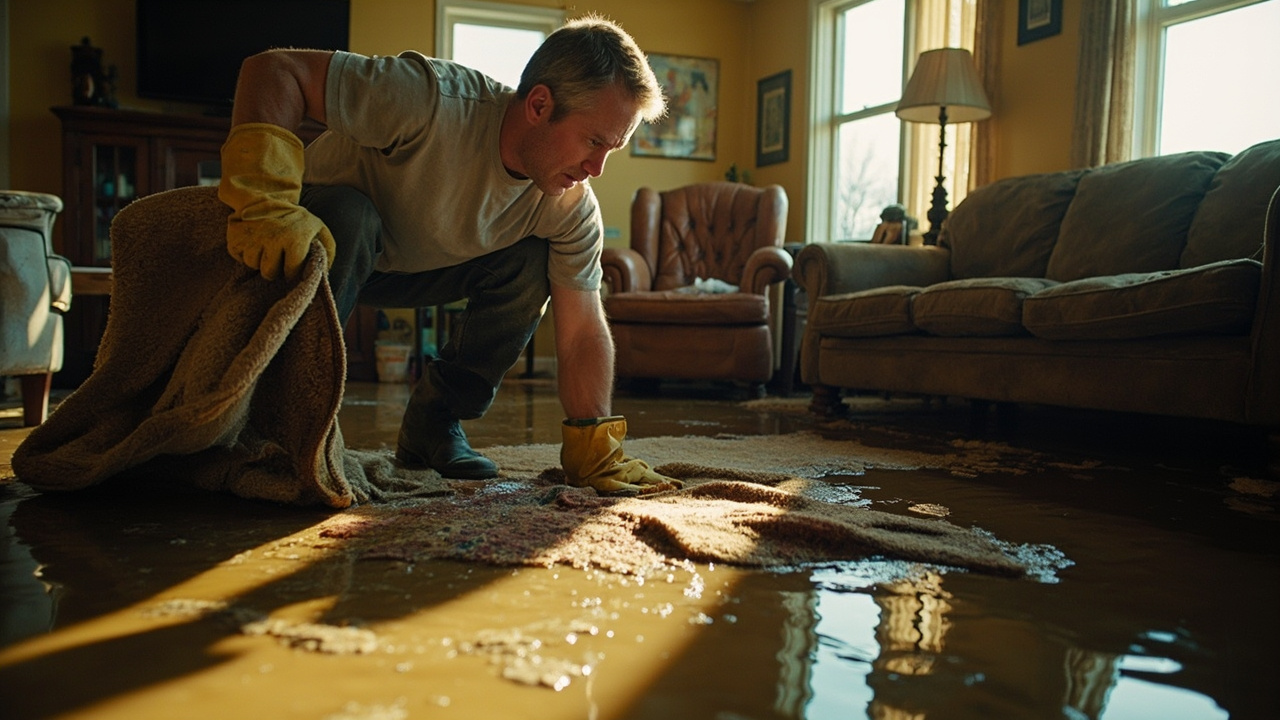
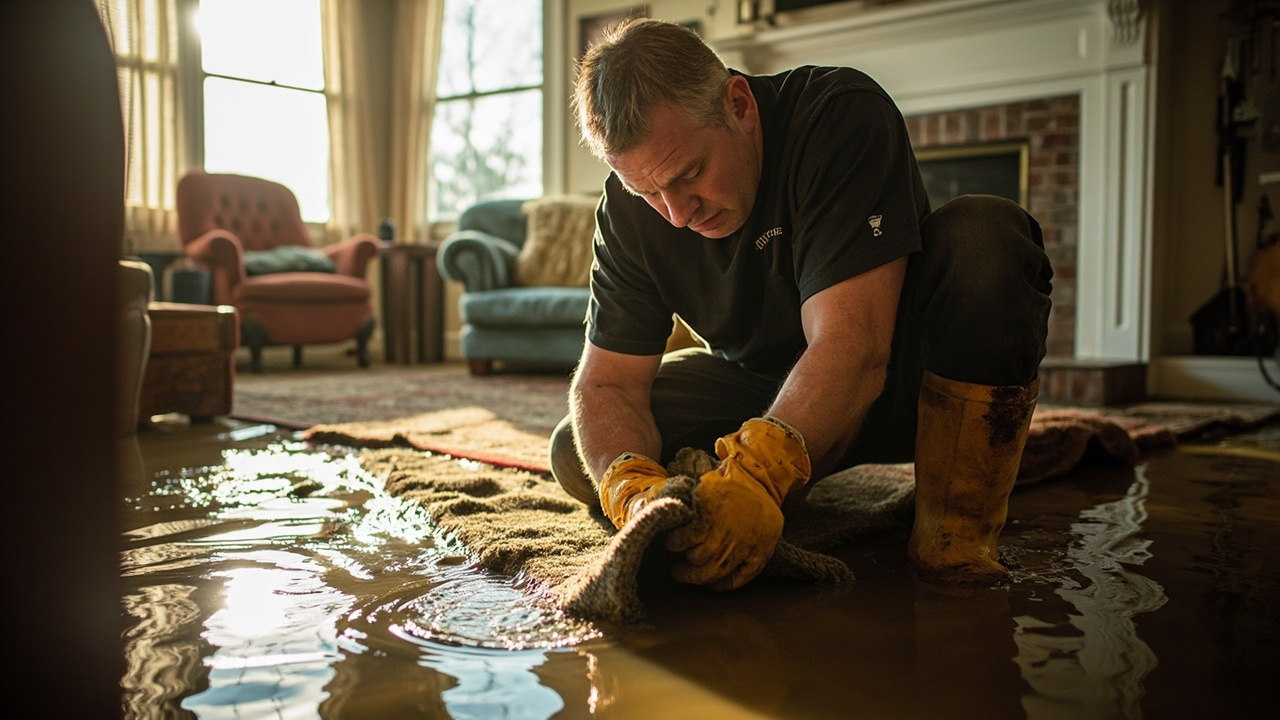
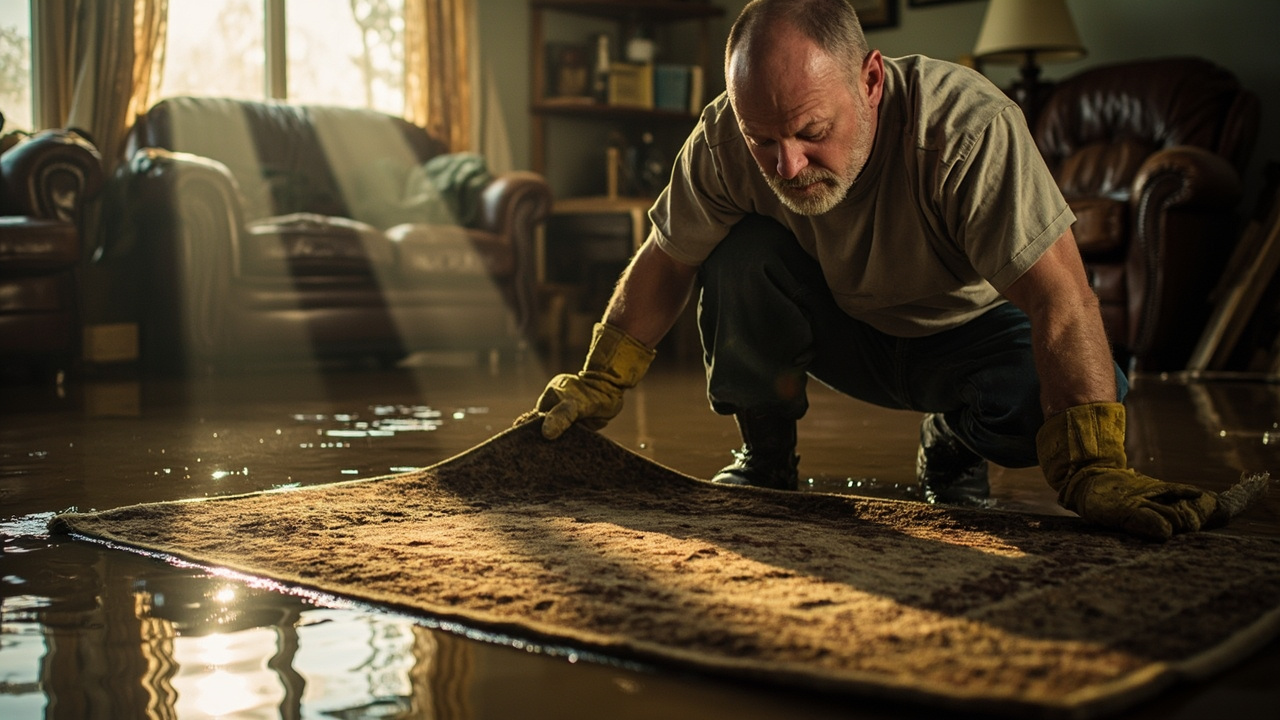
Remove porous materials within 48 hours. Carpet padding acts like a sponge, wicking contaminated water into subfloors and tack strips. Drywall that stayed wet for more than 24 hours needs to be cut out at least 12 inches above the visible water line. The capillary action in gypsum board pulls moisture higher than you can see.

Your Step-by-Step Flood Recovery Action Plan

Steps to Take After a Flood in Virginia Beach – Your Complete Recovery Checklist for Coastal Storm Damage
01

Immediate Safety Assessment

Before entering your flooded property, confirm utilities are disconnected at the main source. Check for structural compromises like sagging ceilings, buckled floors, or shifted foundation walls. Floodwater often undermines footings and creates voids beneath slabs. Contact your utility company to shut off gas if you smell any odor. Document the exterior water line and entry points with timestamped photos for your insurance carrier.
02

Water Removal and Drying

Extract standing water using pumps or wet vacuums, working from the lowest point upward. Remove soaked contents to allow air circulation. Position fans to create airflow across wet surfaces, but avoid spreading contaminated water to dry areas. Deploy dehumidifiers in enclosed spaces to reduce ambient moisture. Monitor daily using a moisture meter, targeting readings below 15% in wood framing and below 1% in concrete before stopping active drying.
03

Sanitization and Restoration

Apply EPA-registered antimicrobial treatments to all surfaces contacted by floodwater. This includes wall studs, subfloors, and concrete slabs. Remove contaminated insulation and building materials that cannot be effectively cleaned. Treat remaining wood framing with borates to prevent future mold colonization. Conduct post-remediation verification testing before rebuilding to confirm microbial levels meet clearance standards. Rebuild using flood-resistant materials in high-risk areas.

Why Virginia Beach Homeowners Choose Local Flood Restoration Experts

Coastal flood damage requires specific expertise that general water damage companies often lack. Saltwater corrosion follows different remediation protocols than freshwater. Virginia Beach's building codes have specific flood zone requirements under the National Flood Insurance Program that affect how you can rebuild. Local restoration contractors understand these nuances.

Apex Water Damage Restoration Virginia Beach maintains relationships with the city's building inspection department and knows the permitting requirements for flood-damaged structures in AE and VE zones. We understand the substantial improvement rules. If your repairs exceed 50% of your home's pre-damage value, you must bring the entire structure up to current flood elevation requirements. This often means raising mechanical systems, relocating electrical panels, and installing flood vents in foundation walls.

We also understand Virginia Beach's microclimates. Homes in the Lynnhaven area face different flooding patterns than properties in Kempsville or the Oceanfront Resort District. Tidal flooding in shore neighborhoods requires different mitigation strategies than rainfall flooding in inland areas where the water table sits just three feet below grade.

Our team responds 24/7 because flood damage accelerates exponentially. Mold spores germinate within 24 to 48 hours in the right conditions. Virginia Beach's humidity provides those conditions year-round. Our average response time is under 90 minutes for emergency calls within the city limits.

We also manage the insurance process. Most homeowners don't realize that standard homeowners policies exclude flood damage. You need separate National Flood Insurance Program coverage or private flood insurance. The claims process differs significantly from standard property claims. We document using NFIP-compliant methods, photograph damage according to adjuster requirements, and provide detailed scopes of work that satisfy both insurance carriers and local building officials.

Local expertise means understanding which Virginia Beach neighborhoods have combined sewer systems that back up during heavy rain, which areas have outdated stormwater infrastructure, and which subdivisions sit in former wetlands with high water tables.

What You Can Expect During Professional Flood Restoration

Emergency Response Timing

We dispatch technicians within 90 minutes of your call for properties within Virginia Beach city limits. Our trucks carry truck-mounted extraction units, thermal imaging cameras, moisture detection equipment, and commercial air movers. We arrive prepared to begin water extraction immediately, not just to provide estimates. Initial assessment takes 30 to 45 minutes as we map moisture intrusion using infrared thermography and penetrating moisture meters. You receive a preliminary action plan before we leave the initial visit. Emergency services continue around the clock until active water intrusion stops and extraction completes.

Comprehensive Damage Assessment

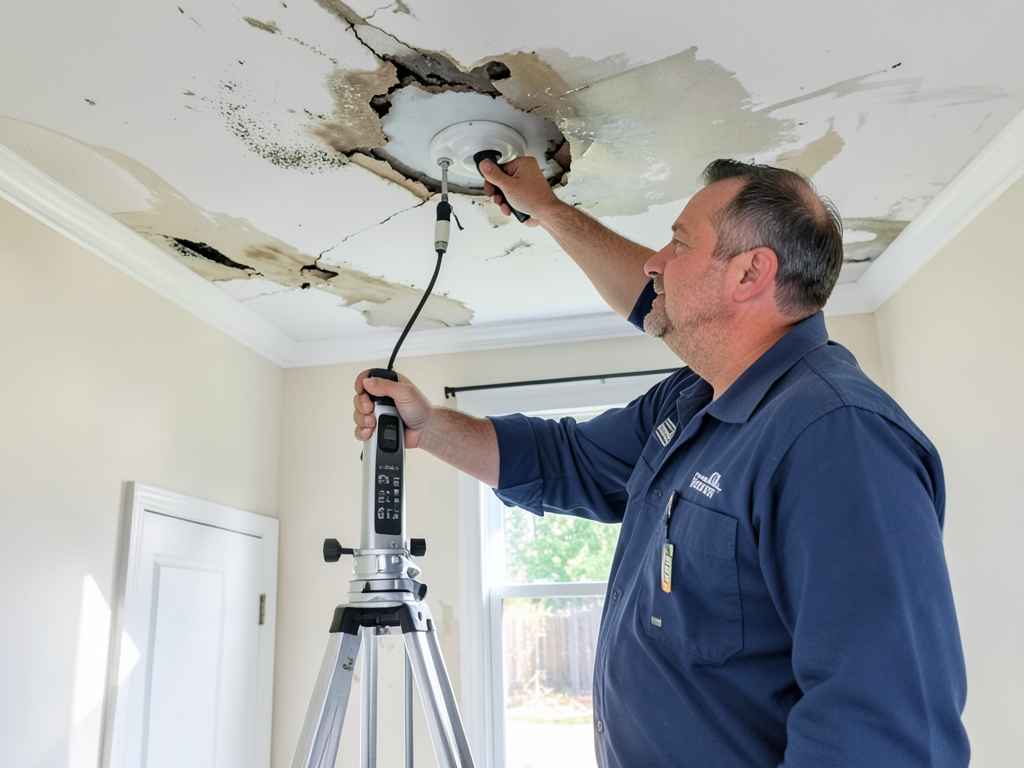
Our certified technicians evaluate visible damage and hidden moisture using calibrated detection equipment. We probe wall cavities, test subfloor moisture content, and check insulation compression. Thermal imaging reveals temperature differentials that indicate trapped moisture behind surfaces. We classify water damage by category (clean, gray, or black water) and determine the class of water intrusion based on evaporation rate requirements. This assessment generates a detailed scope of work that outlines required demolition, drying protocols, antimicrobial treatment needs, and rebuild specifications. You receive documentation suitable for insurance submission within 24 hours.

Measurable Drying Standards

We dry your property to measurable standards, not arbitrary timeframes. Our technicians record daily psychrometric readings, including temperature, relative humidity, and specific humidity. We track grain depression to calculate actual drying progress in affected materials. Wood framing must reach equilibrium moisture content below 15%. Concrete slabs must test below 1% using calcium chloride testing before we install new flooring. Drywall replacement happens only after stud moisture drops to acceptable levels. You receive daily logs showing moisture reduction progress. Most residential flood losses reach drying goals within five to seven days if extraction begins within 24 hours of water intrusion.

Post-Remediation Verification

After completing remediation and drying, we conduct third-party verification testing. This includes surface sampling for bacterial contamination in Category 3 losses and air quality testing when mold growth was present. We provide certificate of completion documentation that confirms your property meets industry standards for safe reoccupancy. This documentation protects you during resale and satisfies insurance carrier requirements. We also provide maintenance recommendations specific to flood-prone properties, including backflow preventer inspection schedules, sump pump testing protocols, and humidity monitoring guidance to prevent future mold growth in Virginia Beach's humid climate.

Frequently Asked Questions

You Have Questions,
We Have Answers

What steps to take after a flood? +

First, ensure safety. Turn off electricity at the main breaker to prevent electrocution. Document all damage with photos and videos for insurance claims. Contact your insurance provider immediately. Remove standing water using pumps or wet vacuums. Move undamaged belongings to dry areas. In Virginia Beach, high humidity accelerates mold growth, so ventilate the space by opening windows if weather permits. Discard porous materials like carpets and drywall that absorbed floodwater. Call a certified water damage restoration company within 24 hours to assess structural damage and begin professional drying to prevent mold colonization.

What should be done after the flood? +

After a flood, prioritize safety and mitigation. Shut off power and gas if you can do so safely. Extract standing water quickly to minimize absorption into framing and subfloors. Remove wet contents and materials that cannot be salvaged. Disinfect hard surfaces exposed to floodwater, which often contains sewage and bacteria. Set up dehumidifiers and air movers to dry the structure. Virginia Beach's coastal climate creates persistent moisture, so professional drying equipment is often necessary. File your insurance claim promptly with complete documentation. Monitor for mold growth over the following weeks, especially in hidden cavities.

What precautions should be taken after a flood? +

Avoid entering floodwater without protective gear, as it may contain sewage, chemicals, and sharp debris. Wear rubber boots, gloves, and eye protection. Do not use electrical appliances in wet areas until a licensed electrician inspects wiring. Test well water before drinking, as floods contaminate private wells common in parts of Virginia Beach. Discard food that contacted floodwater or lost refrigeration. Watch for structural damage like sagging ceilings or warped floors before walking through spaces. Prevent mold by drying the property within 48 hours. Keep children and pets away from affected areas until professionals declare them safe.

What should you do after going through a flood? +

Document everything with photos and video before touching anything. Contact your insurance company and start a claim. Remove water immediately using extraction equipment. Sort belongings into salvageable and unsalvageable categories. Porous materials like insulation, drywall, and carpet padding usually require disposal after flood exposure. Clean and disinfect all hard surfaces. Virginia Beach's humidity makes rapid drying critical to prevent mold. Use commercial dehumidifiers and fans to dry framing, subfloors, and wall cavities. A certified restoration company can use moisture meters to confirm the structure is completely dry before reconstruction begins.

What to spray on walls after a flood? +

Spray antimicrobial solutions designed for flood remediation on walls after removing damaged drywall. Products containing quaternary ammonium compounds or hydrogen peroxide effectively kill bacteria and inhibit mold growth. Do not use bleach on porous surfaces, as it cannot penetrate deeply enough and creates toxic fumes. In Virginia Beach, treat all studs, framing, and sheathing exposed to floodwater, as the coastal humidity promotes rapid microbial growth. Apply fungicide to bare wood after it dries completely. Professional restoration companies use EPA-registered antimicrobials that meet industry standards for effectiveness and safety.

What are the 5 steps of disaster recovery? +

The five disaster recovery steps are assessment, stabilization, water extraction, drying and dehumidification, and restoration. First, evaluate the damage extent and safety hazards. Second, stabilize the property by stopping additional water intrusion and securing the structure. Third, remove standing water using pumps and extractors. Fourth, dry all materials using industrial dehumidifiers and air movers while monitoring moisture levels. Fifth, restore the property by replacing damaged materials and rebuilding. Virginia Beach properties often require extended drying periods due to high ambient humidity. Each step must be completed thoroughly before progressing to prevent recurring problems.

What should you avoid doing after a flood? +

Never enter floodwater without knowing its depth and contents. Do not use household appliances or touch electrical systems before professional inspection. Avoid cleaning with bleach alone, as it does not kill mold roots in porous materials. Do not delay water extraction, as Virginia Beach's humidity accelerates damage. Never assume materials are dry based on surface feel, use moisture meters for accuracy. Do not seal wet materials behind new drywall or flooring, trapping moisture causes hidden mold. Avoid disposing of valuable items before documenting them for insurance. Do not attempt major structural repairs without proper engineering assessment.

What are the 5 steps of preparedness? +

The five preparedness steps are risk assessment, emergency planning, supply stockpiling, property protection, and communication planning. Identify flood risks specific to your Virginia Beach location, particularly near waterways and low-lying areas. Create an evacuation plan with designated meeting points. Stockpile water, non-perishable food, medications, and first aid supplies. Protect property by installing sump pumps, sealing basement walls, and elevating utilities. Establish communication methods if cell towers fail. Keep insurance documents, identification, and financial records in waterproof containers. Maintain a current inventory of belongings with photos. Review and update your plan annually.

How long to dry out a house after a flood? +

Drying time depends on water volume, affected materials, and equipment used. Minor floods may dry in three to five days with professional equipment. Major flooding affecting structural cavities can take two to four weeks. Virginia Beach's coastal humidity extends drying times compared to arid climates. Hardwood floors, plaster, and thick insulation require longer periods. Professionals use moisture meters to track progress, targeting moisture content below 15 percent in wood framing. Running dehumidifiers and air movers continuously accelerates the process. Cutting corners on drying leads to hidden mold growth months later.

What do people need after a flood? +

Flood victims need clean water, food, shelter, and medical supplies immediately. Beyond basics, they need documentation assistance for insurance claims and FEMA aid. Professional water extraction and drying services prevent long-term property damage. Many need temporary housing during restoration, which can take weeks. In Virginia Beach, residents need mold prevention services due to humid conditions that accelerate growth. Emotional support and financial counseling help families navigate recovery. Replacement clothing, medications, and personal documents are priorities. Community resources, including Red Cross services and local disaster relief programs, provide essential coordination and support.

How Virginia Beach's Coastal Water Table Complicates Flood Recovery

Virginia Beach's shallow water table sits between 3 and 8 feet below grade across most residential areas. This creates persistent moisture management challenges that inland communities never face. When heavy rain saturates the ground, hydrostatic pressure forces groundwater up through concrete slabs and foundation walls. Homes without proper vapor barriers experience continuous moisture intrusion from below, even after surface floodwater recedes. The city's sandy soil along the coast drains quickly but provides zero filtration, meaning contaminated floodwater percolates directly into the shallow aquifer. Interior basement walls often show efflorescence, the white crystalline deposits that indicate water moving through concrete, bringing dissolved salts from surrounding soil. Proper flood recovery in Virginia Beach requires addressing both the immediate water damage and the underlying moisture intrusion that continues long after cleanup.

Virginia Beach operates under strict floodplain management ordinances as a participating community in the National Flood Insurance Program. Any substantial improvement to a flood-damaged structure triggers compliance requirements that many out-of-area contractors miss. Local restoration companies understand the city's specific interpretation of substantial damage calculations, how to document pre-flood value, and when elevation certificates become mandatory. We work with the city's floodplain administrator regularly and understand the permit requirements for work in Special Flood Hazard Areas. This local knowledge prevents costly permit violations and ensures your restoration meets federal flood insurance requirements. Choosing a Virginia Beach restoration contractor means working with professionals who know the local building officials, understand coastal construction methods, and maintain relationships with specialized trades familiar with flood zone compliance.


Water Damage Services in The Virginia Beach Area

We are proud to serve the entire Virginia Beach area and surrounding communities. Our centrally located office allows us to provide a quick response to any water damage emergency. View our location on the map to see our service area, or simply give us a call and we'll dispatch a certified team to your location right away, ready to assist with your restoration needs.

Address:
Apex Water Damage Restoration Virginia Beach, 138 S Rosemont Rd, Virginia Beach, VA, 23452

Additional Services We Offer

Our news updates

Latest Articles & News from The Blogs

Water Damage Protocols for Medical Offices and Clinics in the Princess Anne Area When water damage strikes a medical office…

Water Damage Protocols for Medical Offices and Clinics in the Princess Anne Area

Water Damage Protocols for Medical Offices and Clinics in the Princess Anne Area When water damage strikes a medical office…

How Balcony Drainage Issues Cause Interior Water Damage for Oceanfront Condo Owners

How Balcony Drainage Issues Cause Interior Water Damage for Oceanfront Condo Owners \n\n Oceanfront condo owners in Virginia Beach face…

Breaking Your Lease Over Unresolved Water Damage (A Guide for Virginia Beach Renters)

Breaking Your Lease Over Unresolved Water Damage (A Guide for Virginia Beach Renters) Living with unresolved water damage in your…

Contact Us

Every hour you wait allows more damage to develop. Call Apex Water Damage Restoration Virginia Beach at (757) 909-5033 right now for immediate dispatch. Our emergency response team is standing by 24/7 to protect your home and start your recovery.