Water Damage Protocols for Medical Offices and Clinics in the Princess Anne Area
When water damage strikes a medical office in the Princess Anne area, every minute counts. Patient care can’t wait, and neither can the cleanup. Medical facilities face unique challenges that standard commercial restoration simply cannot address. From protecting sensitive medical equipment to maintaining HIPAA compliance during the restoration process, healthcare environments require specialized protocols that prioritize both patient safety and regulatory requirements. Repairing Water Damage at Your Virginia Beach Oceanfront Property After a Storm.
The Princess Anne area serves as a healthcare hub for Virginia Beach, with numerous clinics, urgent care centers, and specialty medical offices concentrated near Sentara Princess Anne Hospital. These facilities operate under strict health department regulations and must maintain sterile environments even during emergencies. When water intrusion occurs, the response must be immediate, methodical, and compliant with all applicable healthcare standards. EPA infection control guidelines.
Water damage in medical settings presents unique risks that extend beyond property damage. Contaminated water can compromise sterile medical supplies, damage diagnostic equipment worth hundreds of thousands of dollars, and create conditions that violate health codes. The humid coastal climate of Virginia Beach accelerates mold growth, potentially creating biohazard conditions within 24-48 hours of water exposure. This makes rapid response not just convenient but essential for maintaining medical licensure and patient safety. What Virginia Beach Town Center Condo Owners Should Do After a Leak.
Medical office water damage requires a specialized approach that combines industrial restoration expertise with healthcare-specific knowledge. The restoration team must understand HIPAA requirements, infection control protocols, and the critical nature of medical equipment. They must also navigate the complex insurance landscape for healthcare facilities while minimizing disruption to patient care schedules and maintaining confidentiality throughout the restoration process. Expert Mold Remediation for Vacation Rentals in Sandbridge.
Specialized Protocols for Healthcare Facility Restoration
Medical office water damage restoration follows a structured protocol that differs significantly from standard commercial cleanup. The process begins with a thorough assessment that includes identifying the water category according to IICRC S500 standards. Category 1 water from clean sources requires different handling than Category 3 water containing sewage or biological contaminants. In medical settings, even Category 1 water can become Category 2 or 3 when it contacts medical waste or contaminated surfaces. IICRC S500 water damage standards.
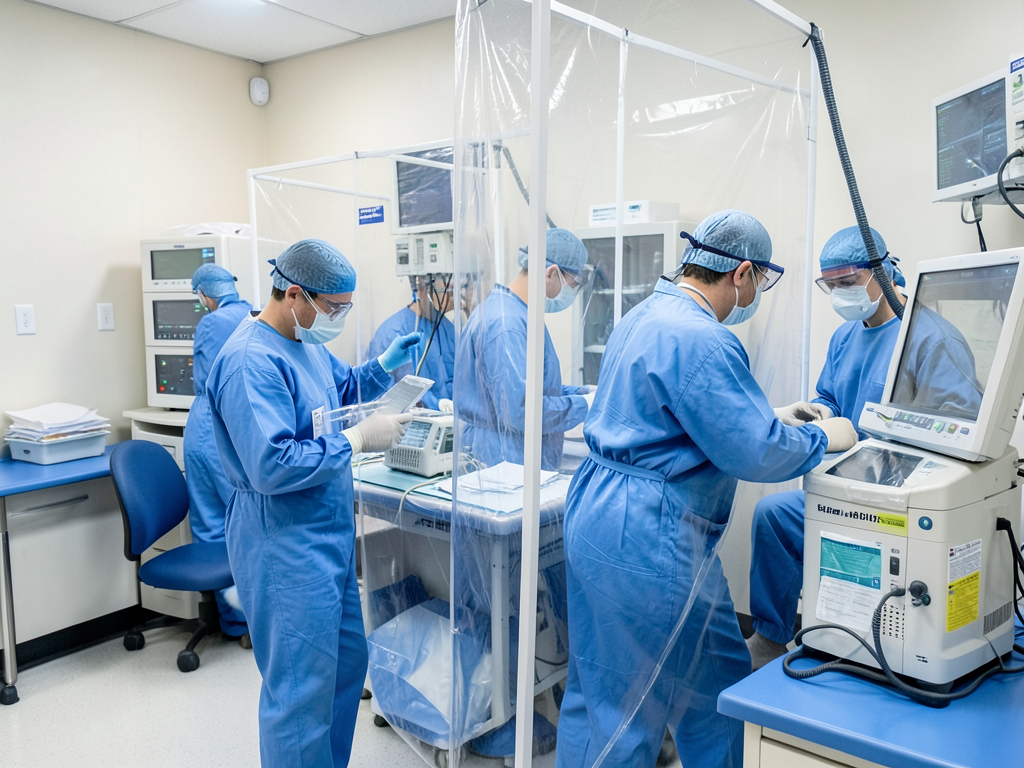
The restoration team establishes containment zones using HEPA-filtered air scrubbers and negative air pressure systems. This prevents cross-contamination between affected and unaffected areas, a critical requirement in medical environments where sterile conditions must be maintained. All technicians wear full personal protective equipment including N95 respirators, face shields, and disposable coveralls to prevent contamination of both the environment and themselves.
Documentation becomes paramount in medical facility restoration. Every step must be recorded to demonstrate compliance with health department regulations and insurance requirements. This includes moisture mapping of affected areas, photographic documentation of damage, and detailed logs of all equipment and materials used during the restoration process. These records prove invaluable during health inspections and insurance claim reviews.
The restoration process incorporates medical-grade antimicrobial treatments that exceed standard commercial protocols. EPA-registered hospital disinfectants are used throughout the affected areas, with particular attention to high-touch surfaces and medical equipment surfaces. These treatments must maintain effectiveness for the duration of the restoration while being safe for eventual patient contact once the area is cleared for use.
Protecting Sensitive Medical Equipment During Water Damage
Medical offices contain equipment that cannot simply be replaced or dried out using standard methods. MRI machines, X-ray equipment, laboratory analyzers, and specialized diagnostic tools require careful handling to prevent permanent damage. Water exposure can cause short circuits, corrosion of sensitive components, and calibration issues that render expensive equipment useless. Who to Call for Emergency Water Removal in Virginia Beach Right Now.
The restoration team works with medical equipment manufacturers to understand specific drying and decontamination requirements for each device. Some equipment may require professional servicing by the manufacturer before it can be safely returned to service. This coordination ensures that equipment is not only dried but also properly calibrated and certified for patient use after restoration.
Electronic medical records and digital imaging systems face unique risks during water damage events. While cloud backups provide some protection, the physical hardware storing these records requires careful drying and decontamination. The restoration team uses specialized desiccant drying chambers and controlled environment drying to preserve electronic components while preventing corrosion.
Temperature and humidity control becomes critical when drying areas containing medical supplies. Many pharmaceuticals and medical materials have specific storage requirements that must be maintained even during restoration. The team uses precision climate control equipment to create micro-environments that protect sensitive materials while the broader area undergoes drying and decontamination.
HIPAA Compliance During Emergency Restoration
Patient confidentiality remains paramount even during emergency restoration. The restoration team must implement strict protocols to protect medical records, patient information, and any visible patient data during the cleanup process. This includes securing physical files, covering computer screens displaying patient information, and ensuring that restoration activities do not compromise patient privacy.
All personnel working in medical facilities must undergo HIPAA training and sign confidentiality agreements specific to healthcare environments. The restoration company maintains documentation of this training and can provide certificates upon request. This ensures that all team members understand the legal and ethical requirements for handling protected health information during emergency situations.
Communication protocols during restoration must protect patient confidentiality. The restoration team establishes secure communication channels with clinic administrators and avoids discussing patient-related matters in public areas. All documentation and reporting is handled through secure electronic systems or physical files that remain under lock and key throughout the restoration process.
The restoration plan includes strategies for maintaining patient care during the cleanup. This may involve temporary relocation of certain services, establishment of alternative patient flow patterns, or coordination with other medical facilities for patient overflow. The goal is to minimize disruption to patient care while ensuring that restoration activities can proceed safely and efficiently.
Infection Control Risk Assessment (ICRA) Implementation
Medical facility restoration requires a formal Infection Control Risk Assessment that identifies potential risks and establishes protocols to mitigate them. This assessment categorizes the restoration work into one of four classes based on the potential for dust generation and the sensitivity of the surrounding environment. Class IV work, which involves the highest risk of contamination, requires the most stringent controls.
The ICRA process establishes containment barriers, establishes negative air pressure zones, and specifies personal protective equipment requirements for all personnel. It also outlines decontamination procedures for tools and equipment moving between containment zones. These protocols ensure that restoration activities do not create infection risks for patients, staff, or visitors.
Air quality monitoring becomes essential during medical facility restoration. The team uses particle counters and microbial sampling to verify that containment measures are effective and that air quality meets health department standards. This monitoring continues throughout the restoration process and provides documentation for health inspections and insurance claims.
Waste management protocols specific to medical environments must be followed during restoration. Contaminated materials are handled according to medical waste regulations, with proper labeling, containment, and disposal procedures. This prevents the spread of contaminants and ensures compliance with all applicable health and safety regulations.
Emergency Response for Virginia Beach Medical Facilities
The coastal location of Virginia Beach creates unique challenges for medical facility restoration. The area’s high humidity accelerates mold growth, while the proximity to the ocean increases the risk of saltwater contamination during storm events. The restoration team must be prepared to address these coastal-specific challenges while maintaining the strict protocols required for medical environments.
Princess Anne area medical offices must also prepare for hurricane-related flooding and storm surge. These facilities require emergency response plans that address both immediate water removal and long-term restoration needs. The restoration company maintains specialized equipment for handling saltwater contamination and can provide rapid response even during widespread regional emergencies. Immediate Steps for a Burst Pipe Repair in the Hilltop Neighborhood.
The restoration team understands the critical nature of medical operations and prioritizes rapid response for healthcare facilities. Emergency crews are available 24/7 with specialized training in medical facility protocols. They arrive equipped with the necessary tools and materials to begin containment and assessment immediately, minimizing the time that patient care is disrupted.
Coordination with local health departments and building officials is essential for medical facility restoration in Virginia Beach. The restoration company maintains relationships with these agencies and understands the specific requirements for different types of medical facilities. This knowledge streamlines the approval process and ensures that all restoration work meets regulatory requirements.
Insurance Coordination for Medical Practices
Medical office water damage often involves complex insurance claims that require specialized knowledge. The restoration company works directly with commercial insurance adjusters who understand the unique needs of healthcare facilities. This coordination ensures that claims are processed efficiently and that all necessary documentation is provided to support the claim.
The restoration team provides detailed cost estimates that itemize both the direct restoration costs and any business interruption expenses. This comprehensive approach helps medical practices recover the full extent of their losses, including the cost of temporary relocation, lost revenue, and equipment replacement or repair.
Documentation requirements for medical facility claims are extensive and specific. The restoration company provides detailed reports that include moisture mapping, photographic documentation, equipment inventories, and compliance verification. These reports satisfy insurance requirements while also providing valuable information for health department inspections and future planning.
The restoration process includes strategies for minimizing business interruption, which is often the largest cost component in medical facility claims. This may involve temporary setup of critical services, coordination with equipment manufacturers for rapid repair or replacement, and establishment of alternative patient care locations during the restoration period.
Specialized Equipment for Medical Facility Restoration
Medical office restoration requires equipment that exceeds standard commercial capabilities. The team uses industrial-grade dehumidifiers with precise humidity control, HEPA air scrubbers capable of removing particles down to 0.3 microns, and thermal imaging cameras to detect hidden moisture in wall cavities and under flooring.
Specialized drying chambers are used for sensitive medical equipment and supplies. These chambers provide controlled temperature and humidity environments that prevent damage to delicate components while ensuring thorough drying. The team also uses desiccant dehumidification systems for large-scale drying projects that require extremely low humidity levels.
Air quality monitoring equipment provides real-time data on particulate levels, humidity, and temperature throughout the restoration process. This monitoring ensures that containment measures are effective and that the environment remains safe for both patients and restoration personnel. The data is recorded and provided to the medical facility for their records.
The restoration team uses specialized cleaning equipment designed for medical environments. This includes electrostatic sprayers for even application of antimicrobial treatments, UV-C light systems for sterilization, and HEPA-filtered vacuum systems that prevent the spread of contaminants during cleanup activities.
Compliance with Virginia Building Codes and Health Regulations
Medical facility restoration in Virginia Beach must comply with the Virginia Uniform Statewide Building Code (VUSBC) as well as specific health department regulations. The restoration company maintains current knowledge of these requirements and ensures that all work meets or exceeds the applicable standards. This includes proper permitting, inspections, and documentation of compliance.
The team understands the specific requirements for different types of medical facilities, from urgent care centers to specialized clinics. Each facility type has unique requirements regarding air handling, waste management, and contamination control. The restoration plan is tailored to meet these specific requirements while addressing the water damage effectively.
Environmental regulations in Virginia require specific handling of contaminated materials and wastewater from restoration activities. The restoration company maintains proper licensing for handling and disposal of medical waste and contaminated materials. This ensures compliance with all environmental regulations while protecting public health and safety.
The restoration process includes verification of compliance with all applicable regulations before the facility is cleared for patient care. This may involve third-party testing, health department inspections, or certification by equipment manufacturers. The restoration company provides documentation of all compliance measures for the medical facility’s records.
Minimizing Downtime for Medical Practices
Medical practices cannot afford extended downtime, making rapid restoration essential. The restoration team develops phased restoration plans that allow critical services to continue while other areas undergo cleanup and drying. This may involve temporary wall construction, establishment of alternate patient flow patterns, or relocation of certain services to other areas of the facility.
Communication becomes critical during medical facility restoration. The restoration company maintains regular contact with clinic administrators, providing updates on progress and coordinating activities to minimize disruption. This communication includes advance notice of any activities that may affect patient care, such as noise from equipment or temporary changes in facility access.
The restoration team works with medical staff to understand critical timelines and priorities. This may include scheduling restoration activities around patient appointment schedules, coordinating with equipment manufacturers for rapid repair of essential devices, or establishing temporary storage solutions for medical supplies that cannot be exposed to restoration activities.
Post-restoration verification ensures that the facility is ready for patient care. This includes environmental testing, equipment certification, and final inspections by health department officials if required. The restoration company provides documentation of all testing and verification for the medical practice’s records and insurance purposes.
Preventive Measures for Medical Facilities
Medical offices can take steps to minimize the risk and impact of water damage. Regular maintenance of plumbing systems, including inspection of water supply lines to medical equipment, can prevent many common causes of water damage. The installation of water detection systems in critical areas provides early warning of leaks before they cause extensive damage.
Emergency response plans specific to water damage should be developed for each medical facility. These plans should include contact information for restoration services, procedures for protecting sensitive equipment, and protocols for maintaining patient care during emergencies. Regular drills ensure that staff understands their roles during a water damage event.
Insurance coverage should be reviewed regularly to ensure adequate protection for water damage events. This includes coverage for business interruption, equipment replacement, and any specialized needs of the medical practice. The restoration company can provide information on typical costs and coverage requirements for medical facility restoration.
Documentation of existing conditions, including photographs of equipment and facility layout, can expedite the restoration process if water damage occurs. This documentation helps the restoration team understand the facility layout and identify critical areas that require special attention during the restoration process.
Frequently Asked Questions
How quickly can you respond to water damage at a medical office in the Princess Anne area?
Our emergency response teams are available 24/7 and can typically arrive at your medical facility within 60 minutes of your call. We maintain specialized crews trained in healthcare facility protocols ready to deploy immediately when water damage occurs.
Will water damage restoration interrupt patient care at our clinic?
We develop phased restoration plans that allow critical services to continue while affected areas are restored. Our team works closely with your staff to establish temporary patient flow patterns and coordinate restoration activities around your schedule to minimize disruption.
Are your restoration services compliant with HIPAA and health department regulations?
Yes, all our personnel undergo HIPAA training and we maintain strict protocols for protecting patient information during restoration. We also comply with all Virginia health department regulations and can provide documentation of our compliance measures for your records.
What types of medical equipment can you help protect during water damage?
We have experience protecting all types of medical equipment including MRI machines, X-ray equipment, laboratory analyzers, diagnostic tools, and specialized medical devices. We work with manufacturers to understand specific requirements for each type of equipment.
How do you handle contaminated water in a medical environment?
We follow strict protocols for handling contaminated water in medical settings, including proper containment, specialized cleaning procedures, and disposal according to medical waste regulations. Our team is trained in infection control and uses appropriate personal protective equipment.
Will insurance cover the cost of water damage restoration at our medical office?
Most commercial insurance policies cover water damage restoration, but coverage varies by policy. We work directly with insurance adjusters and can help document the damage and restoration process to support your claim. We recommend reviewing your policy with your insurance provider.
How long does water damage restoration typically take for a medical office?
The duration depends on the extent of damage, but we prioritize rapid restoration for medical facilities. Initial water removal and containment can often be completed within 24 hours, with full restoration typically taking 3-7 days depending on the complexity of the project.
Do you provide documentation for health department inspections?
Yes, we provide comprehensive documentation of all restoration activities including moisture readings, cleaning procedures, antimicrobial treatments, and compliance verification. This documentation satisfies health department requirements and supports insurance claims.
What areas do you serve in the Princess Anne medical district?
We serve all medical facilities in the Princess Anne area including those near Sentara Princess Anne Hospital, medical office complexes along Princess Anne Road, and specialty clinics throughout the surrounding area. Our service area extends throughout Virginia Beach.
How do you prevent mold growth in medical facilities after water damage?
We use industrial-grade dehumidification, antimicrobial treatments, and continuous monitoring to prevent mold growth. Our protocols include maintaining humidity levels below 60% and applying EPA-registered hospital disinfectants to all affected surfaces.
- Immediate Assessment
Our team arrives within 60 minutes to assess the extent of water damage, identify the water category according to IICRC S500 standards, and establish initial containment measures to prevent further damage.
- Containment Setup
We establish HEPA-filtered containment zones using negative air pressure systems and physical barriers to prevent cross-contamination between affected and unaffected areas of your medical facility.
- Equipment Protection
Sensitive medical equipment is identified and protected using specialized drying chambers and controlled environment techniques to prevent damage to delicate components and ensure proper calibration.
- Water Removal and Drying
Industrial-grade water extraction equipment removes standing water while precision dehumidification systems begin the drying process, with continuous monitoring to ensure thorough moisture removal.
- Sanitization and Verification
Medical-grade antimicrobial treatments are applied throughout affected areas, followed by environmental testing to verify that all surfaces meet health department standards for patient care.
Water damage in medical offices requires immediate attention from professionals who understand the unique challenges of healthcare environments. The Princess Anne area’s concentration of medical facilities makes specialized restoration services essential for maintaining patient care and regulatory compliance. When water damage strikes your medical practice, you need a team that can respond quickly, work within strict healthcare protocols, and restore your facility to full operation with minimal disruption.
Our emergency response teams are available 24/7 to handle water damage at medical offices throughout the Princess Anne area. We understand the critical nature of your operations and the importance of maintaining patient care even during emergencies. Our specialized training in healthcare facility restoration, combined with our rapid response capabilities, ensures that your medical practice can recover quickly from water damage events.
Don’t let water damage compromise your medical practice’s ability to serve patients. The longer water sits, the more extensive the damage becomes and the greater the risk to patient safety. Our team is ready to respond immediately with the specialized equipment and expertise needed to restore your medical facility to safe, operational condition.
Call (757) 909-5033 today to schedule your inspection or to arrange emergency response services. Our team is standing by to help your medical practice recover quickly from water damage while maintaining the highest standards of patient care and regulatory compliance. For more information, visit CDC infection control recommendations.
{
“@context”: “https://schema.org”,
“@type”: “BlogPosting”,
“headline”: “Water Damage Protocols for Medical Offices and Clinics in the Princess Anne Area”,
“description”: “Specialized water damage restoration for Virginia Beach medical offices. HIPAA-compliant cleanup, medical-grade sanitization, and rapid response for clinics in the Princess Anne area.”,
“wordCount”: 3264,
“datePublished”: “2026-06-12T11:59:00.000Z”,
“dateModified”: “2026-06-12T11:59:00.000Z”,
“inLanguage”: “en-US”,
“mainEntityOfPage”: {
“@type”: “WebPage”,
“@id”: “https://apexwaterdamagerestorationvirginiabeach.com”
},
“publisher”: {
“@type”: “LocalBusiness”,
“name”: “Apex Water Damage Restoration Virginia Beach”,
“url”: “https://apexwaterdamagerestorationvirginiabeach.com”
},
“author”: {
“@type”: “Organization”,
“name”: “Apex Water Damage Restoration Virginia Beach”,
“url”: “https://apexwaterdamagerestorationvirginiabeach.com”
},
“image”: {
“@type”: “ImageObject”,
“url”: “https://apexwaterdamagerestorationvirginiabeach.com/wp-content/uploads/2026/03/water-damage-protocols-for-medical-offices-and-cli-1.png”
}
}
{
“@context”: “https://schema.org”,
“@type”: “LocalBusiness”,
“name”: “Apex Water Damage Restoration Virginia Beach”,
“url”: “https://apexwaterdamagerestorationvirginiabeach.com”,
“address”: {
“@type”: “PostalAddress”,
“addressLocality”: “Virginia Beach”
},
“areaServed”: {
“@type”: “City”,
“name”: “Virginia Beach”
}
}
{
“@context”: “https://schema.org”,
“@type”: “FAQPage”,
“mainEntity”: [
{
“@type”: “Question”,
“name”: “How quickly can you respond to water damage at a medical office in the Princess Anne area?”,
“acceptedAnswer”: {
“@type”: “Answer”,
“text”: “Our emergency response teams are available 24/7 and can typically arrive at your medical facility within 60 minutes of your call. We maintain specialized crews trained in healthcare facility protocols ready to deploy immediately when water damage occurs.”
}
},
{
“@type”: “Question”,
“name”: “Will water damage restoration interrupt patient care at our clinic?”,
“acceptedAnswer”: {
“@type”: “Answer”,
“text”: “We develop phased restoration plans that allow critical services to continue while affected areas are restored. Our team works closely with your staff to establish temporary patient flow patterns and coordinate restoration activities around your schedule to minimize disruption.”
}
},
{
“@type”: “Question”,
“name”: “Are your restoration services compliant with HIPAA and health department regulations?”,
“acceptedAnswer”: {
“@type”: “Answer”,
“text”: “Yes, all our personnel undergo HIPAA training and we maintain strict protocols for protecting patient information during restoration. We also comply with all Virginia health department regulations and can provide documentation of our compliance measures for your records.”
}
},
{
“@type”: “Question”,
“name”: “What types of medical equipment can you help protect during water damage?”,
“acceptedAnswer”: {
“@type”: “Answer”,
“text”: “We have experience protecting all types of medical equipment including MRI machines, X-ray equipment, laboratory analyzers, diagnostic tools, and specialized medical devices. We work with manufacturers to understand specific requirements for each type of equipment.”
}
},
{
“@type”: “Question”,
“name”: “How do you handle contaminated water in a medical environment?”,
“acceptedAnswer”: {
“@type”: “Answer”,
“text”: “We follow strict protocols for handling contaminated water in medical settings, including proper containment, specialized cleaning procedures, and disposal according to medical waste regulations. Our team is trained in infection control and uses appropriate personal protective equipment.”
}
},
{
“@type”: “Question”,
“name”: “Will insurance cover the cost of water damage restoration at our medical office?”,
“acceptedAnswer”: {
“@type”: “Answer”,
“text”: “Most commercial insurance policies cover water damage restoration, but coverage varies by policy. We work directly with insurance adjusters and can help document the damage and restoration process to support your claim. We recommend reviewing your policy with your insurance provider.”
}
},
{
“@type”: “Question”,
“name”: “How long does water damage restoration typically take for a medical office?”,
“acceptedAnswer”: {
“@type”: “Answer”,
“text”: “The duration depends on the extent of damage, but we prioritize rapid restoration for medical facilities. Initial water removal and containment can often be completed within 24 hours, with full restoration typically taking 3-7 days depending on the complexity of the project.”
}
},
{
“@type”: “Question”,
“name”: “Do you provide documentation for health department inspections?”,
“acceptedAnswer”: {
“@type”: “Answer”,
“text”: “Yes, we provide comprehensive documentation of all restoration activities including moisture readings, cleaning procedures, antimicrobial treatments, and compliance verification. This documentation satisfies health department requirements and supports insurance claims.”
}
},
{
“@type”: “Question”,
“name”: “What areas do you serve in the Princess Anne medical district?”,
“acceptedAnswer”: {
“@type”: “Answer”,
“text”: “We serve all medical facilities in the Princess Anne area including those near Sentara Princess Anne Hospital, medical office complexes along Princess Anne Road, and specialty clinics throughout the surrounding area. Our service area extends throughout Virginia Beach.”
}
},
{
“@type”: “Question”,
“name”: “How do you prevent mold growth in medical facilities after water damage?”,
“acceptedAnswer”: {
“@type”: “Answer”,
“text”: “We use industrial-grade dehumidification, antimicrobial treatments, and continuous monitoring to prevent mold growth. Our protocols include maintaining humidity levels below 60% and applying EPA-registered hospital disinfectants to all affected surfaces.”
}
}
]
}
{
“@context”: “https://schema.org”,
“@type”: “HowTo”,
“name”: “Emergency Water Damage Response Protocol”,
“step”: [
{
“@type”: “HowToStep”,
“position”: 1,
“name”: “Immediate Assessment”,
“text”: “Our team arrives within 60 minutes to assess the extent of water damage, identify the water category according to IICRC S500 standards, and establish initial containment measures to prevent further damage.”
},
{
“@type”: “HowToStep”,
“position”: 2,
“name”: “Containment Setup”,
“text”: “We establish HEPA-filtered containment zones using negative air pressure systems and physical barriers to prevent cross-contamination between affected and unaffected areas of your medical facility.”
},
{
“@type”: “HowToStep”,
“position”: 3,
“name”: “Equipment Protection”,
“text”: “Sensitive medical equipment is identified and protected using specialized drying chambers and controlled environment techniques to prevent damage to delicate components and ensure proper calibration.”
},
{
“@type”: “HowToStep”,
“position”: 4,
“name”: “Water Removal and Drying”,
“text”: “Industrial-grade water extraction equipment removes standing water while precision dehumidification systems begin the drying process, with continuous monitoring to ensure thorough moisture removal.”
},
{
“@type”: “HowToStep”,
“position”: 5,
“name”: “Sanitization and Verification”,
“text”: “Medical-grade antimicrobial treatments are applied throughout affected areas, followed by environmental testing to verify that all surfaces meet health department standards for patient care.”
}
],
“image”: “https://apexwaterdamagerestorationvirginiabeach.com/wp-content/uploads/2026/03/water-damage-protocols-for-medical-offices-and-cli-1.png”
}
{
“@context”: “https://schema.org”,
“@type”: “BreadcrumbList”,
“itemListElement”: [
{
“@type”: “ListItem”,
“position”: 1,
“name”: “Home”,
“item”: “https://apexwaterdamagerestorationvirginiabeach.com”
},
{
“@type”: “ListItem”,
“position”: 2,
“name”: “Blog”,
“item”: “https://apexwaterdamagerestorationvirginiabeach.com/blog”
},
{
“@type”: “ListItem”,
“position”: 3,
“name”: “Water Damage Protocols for Medical Offices and Clinics in the Princess Anne Area”
}
]
}
{
“@context”: “https://schema.org”,
“@type”: “Service”,
“serviceType”: “Water Damage Restoration”,
“provider”: {
“@type”: “LocalBusiness”,
“name”: “Apex Water Damage Restoration Virginia Beach”,
“url”: “https://apexwaterdamagerestorationvirginiabeach.com”
},
“areaServed”: {
“@type”: “City”,
“name”: “Virginia Beach”
},
“description”: “Specialized water damage restoration for Virginia Beach medical offices. HIPAA-compliant cleanup, medical-grade sanitization, and rapid response for clinics in the Princess Anne area.”
}