





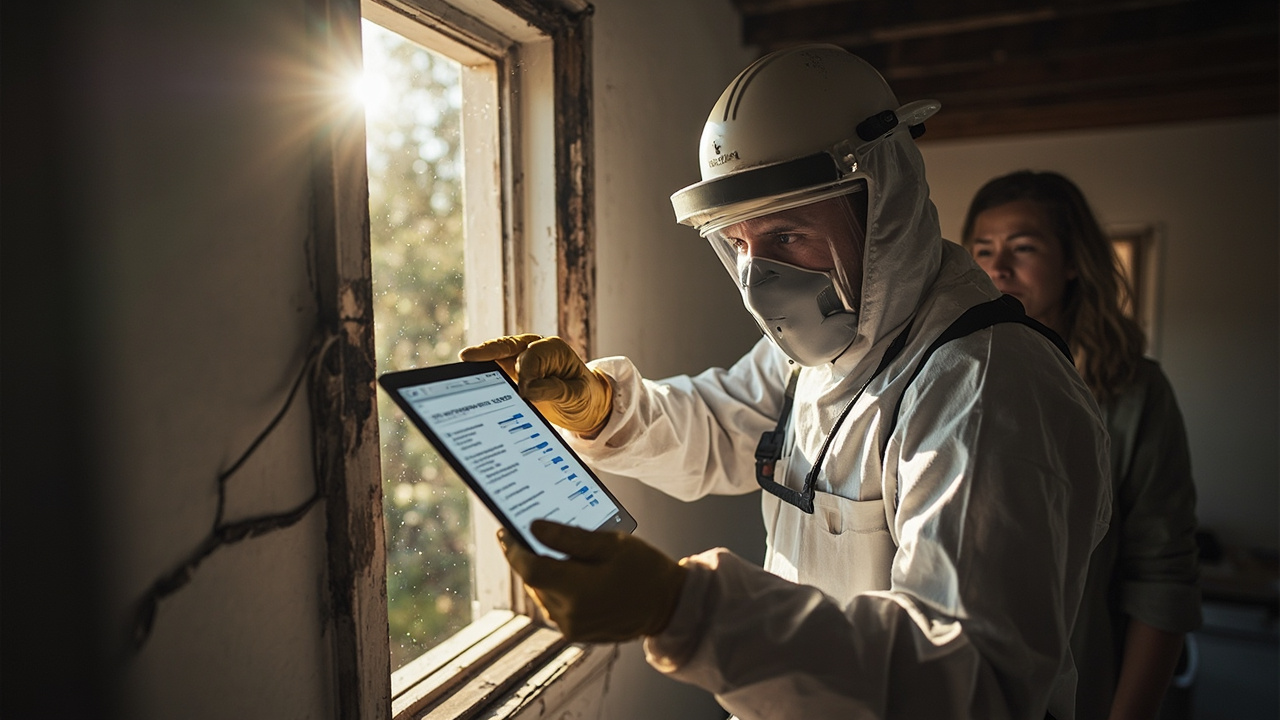
Virginia Beach properties face elevated humidity levels that complicate fire recovery. Average relative humidity stays above 70 percent year-round, with summer months exceeding 80 percent. This moisture-saturated air slows drying and accelerates mold growth on fire-damaged materials. Salt air from the Atlantic carries corrosive sodium chloride that reacts with fire residues to damage metal components in electrical systems, HVAC equipment, and plumbing. Properties near the Oceanfront or Chesapeake Bay experience the most aggressive corrosion. Standard drying timelines used in drier climates fail in our coastal environment. A comprehensive fire damage safety protocol must account for these environmental factors to prevent secondary damage during recovery.
Virginia Beach building codes require specific documentation for fire-damaged properties before reoccupation permits get issued. The Department of Building Safety enforces Virginia Uniform Statewide Building Code provisions addressing structural integrity, electrical safety, and habitability standards. Local restoration professionals understand these requirements and maintain relationships with city inspectors who verify compliance. This local expertise prevents delays and ensures work meets municipal standards. Insurance adjusters throughout Hampton Roads recognize documentation from established local providers, expediting claim approvals. Choosing a Virginia Beach restoration company means working with professionals who understand local codes, environmental challenges, and the administrative process that governs fire recovery.