





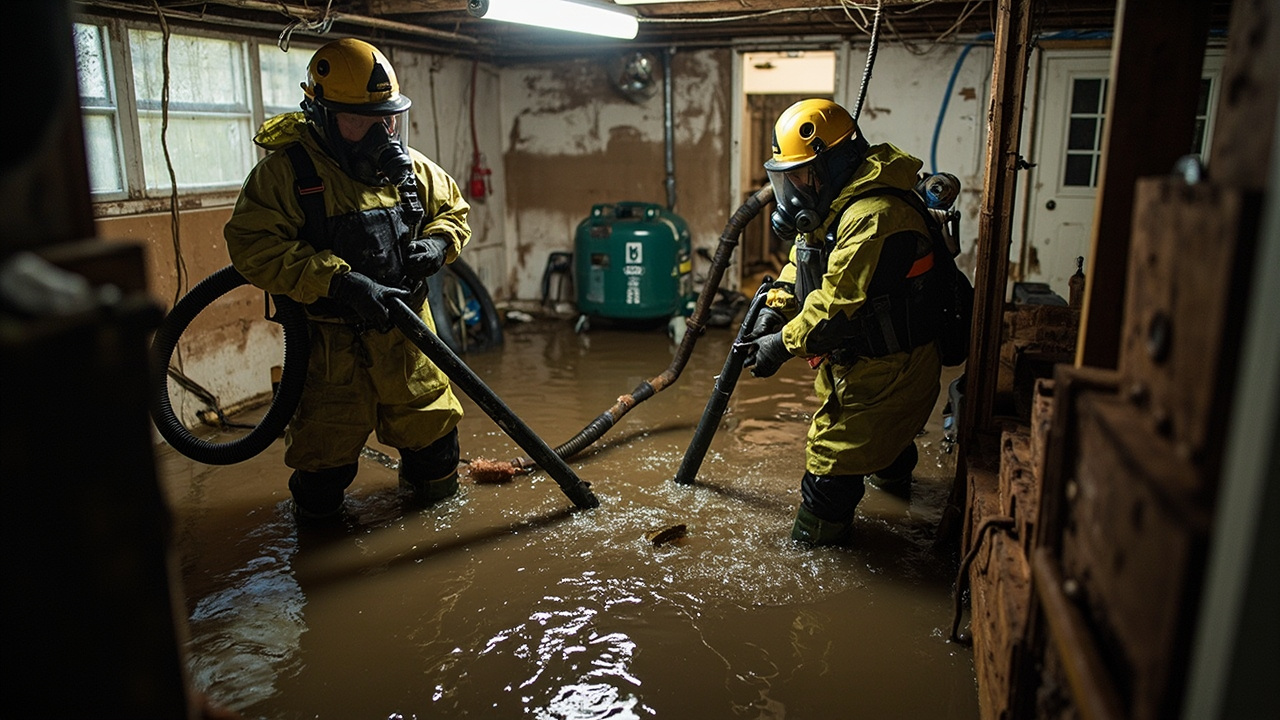

Virginia Beach sits on a narrow strip of land between the Atlantic Ocean and the Chesapeake Bay, with a water table that rises within feet of the surface in many neighborhoods. This high water table means sewage does not just sit on top of your basement floor. It saturates into concrete slabs, wicks up through foundation walls, and migrates laterally through soil under your home. Coastal storm surge and king tides raise groundwater levels even higher, creating hydraulic pressure that forces sewage deeper into building materials. Emergency sewage removal in Virginia Beach requires understanding how coastal hydrology affects contamination spread. Standard extraction is not enough. You need subsurface drying and antimicrobial barriers that account for capillary action and vapor drive from below-grade moisture.
Virginia Beach enforces strict health department regulations for sewage cleanup because of our tourist economy and coastal water quality concerns. Any sewage discharge near tidal waters triggers environmental reporting requirements. Insurance companies operating in Hampton Roads expect detailed biohazard documentation and proof of proper disposal because they have seen too many inadequate cleanups lead to mold claims and liability issues six months later. We maintain relationships with local plumbing contractors, environmental health inspectors, and insurance adjusters who know our work meets the standards this community demands. When you hire a sewage remediation company in Virginia Beach, you need one that understands local codes, coastal conditions, and the insurance expectations specific to this market.