




Menu

Efflorescence on Concrete in Virginia Beach – Expert Diagnosis and Permanent Moisture Solutions

Virginia Beach homes and businesses dealing with white powder on concrete need accurate moisture source identification and proper remediation to prevent recurring crystalline deposits and underlying structural damage.

Slider Image 1
Slider Image 2
Slider Image 3
Slider Image 4
Slider Image 5
Slider Image 7
Slider Image 8
Slider Image 9
Slider Image 10
Slider Image 11

Why White Powder Keeps Appearing on Your Virginia Beach Concrete

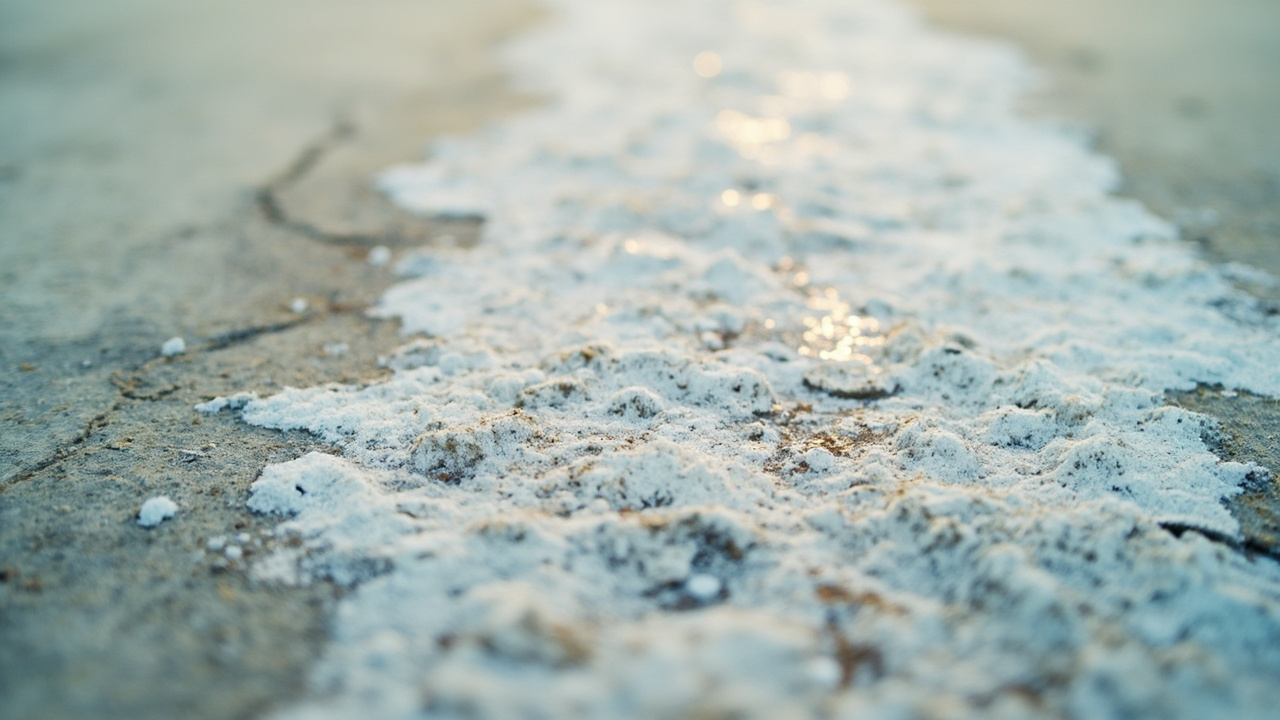
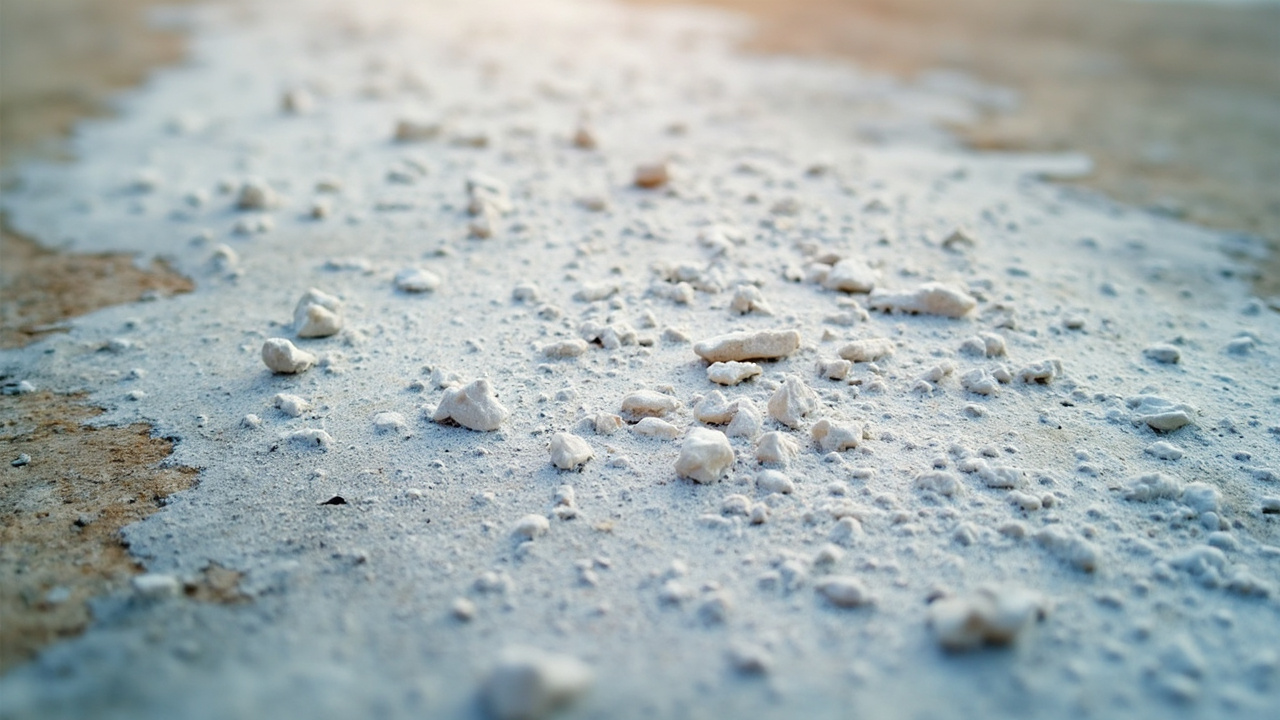
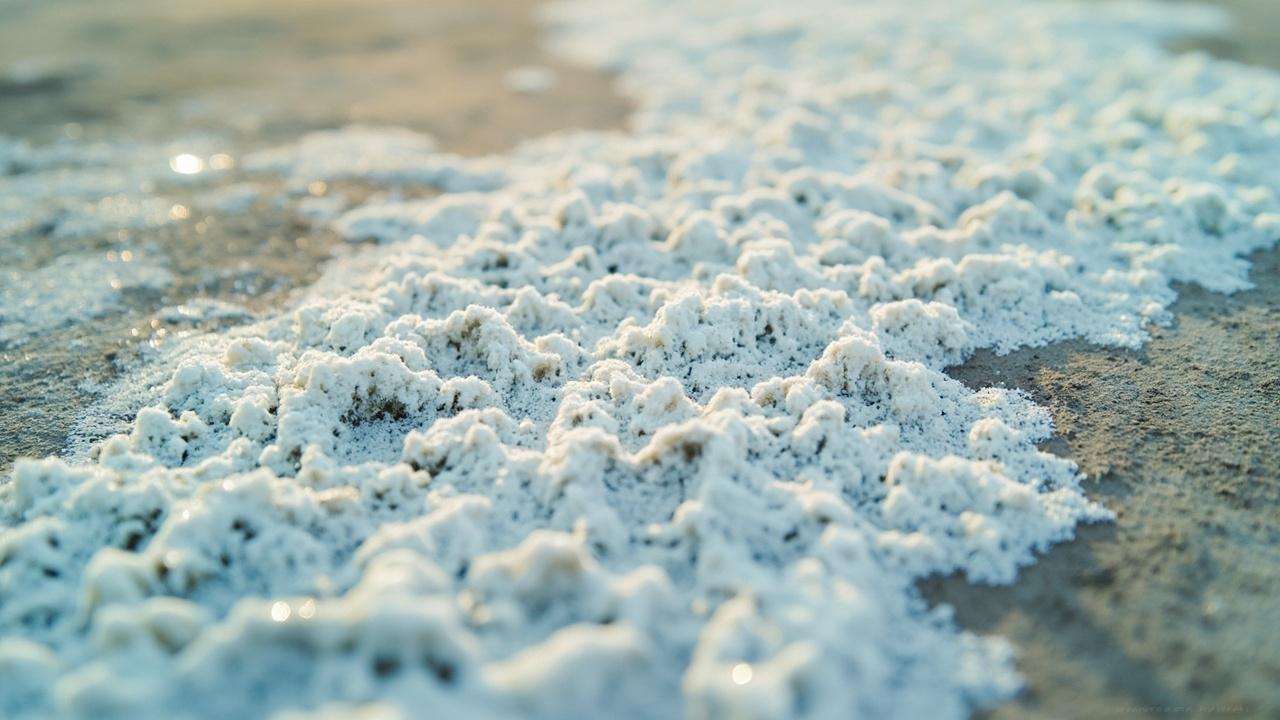
You walk into your basement or garage and notice a white, chalky residue spreading across your concrete floor or foundation walls. You scrub it off, but weeks later, the white powder on concrete returns. This frustrating cycle signals a deeper problem that scrubbing cannot fix.

Efflorescence happens when water moves through concrete, dissolves mineral salts embedded in the material, and deposits them on the surface as the water evaporates. The white residue you see is calcium carbonate, calcium hydroxide, or other mineral compounds leaching out of the concrete itself.

Virginia Beach's unique coastal environment accelerates this process. High humidity levels, especially during summer months, create constant moisture pressure against foundation walls and slab floors. The water table sits close to the surface in many neighborhoods near the Chesapeake Bay and Atlantic Ocean. Add in frequent tropical storms and hurricanes that saturate the ground, and you have ideal conditions for persistent concrete salt deposits.

The crystalline deposits on concrete are not just cosmetic. They indicate active water infiltration, which means your concrete is staying wet longer than it should. Over time, this moisture cycle weakens the concrete matrix, creates conditions for mold growth on adjacent materials, and can corrode any embedded rebar. The white powder is your concrete telling you it cannot handle the moisture load it faces.

Many Virginia Beach properties built on sandy or loamy soil experience seasonal groundwater fluctuations. When the water table rises after heavy rain, hydrostatic pressure forces water through any available pathway in your foundation or slab. The result is recurring efflorescence that returns no matter how often you clean it.

Why White Powder Keeps Appearing on Your Virginia Beach Concrete
How We Stop Efflorescence at the Moisture Source

How We Stop Efflorescence at the Moisture Source

Most contractors treat efflorescence as a cosmetic problem. They power wash the surface, apply a sealer, and leave. Within months, the white residue breaks through the sealer because the underlying moisture problem remains unaddressed.

Apex Water Damage Restoration Virginia Beach approaches efflorescence as a moisture diagnostic tool. The pattern, location, and density of mineral salts on concrete tell us exactly where water is entering and how much pressure is driving it. We do not guess. We measure.

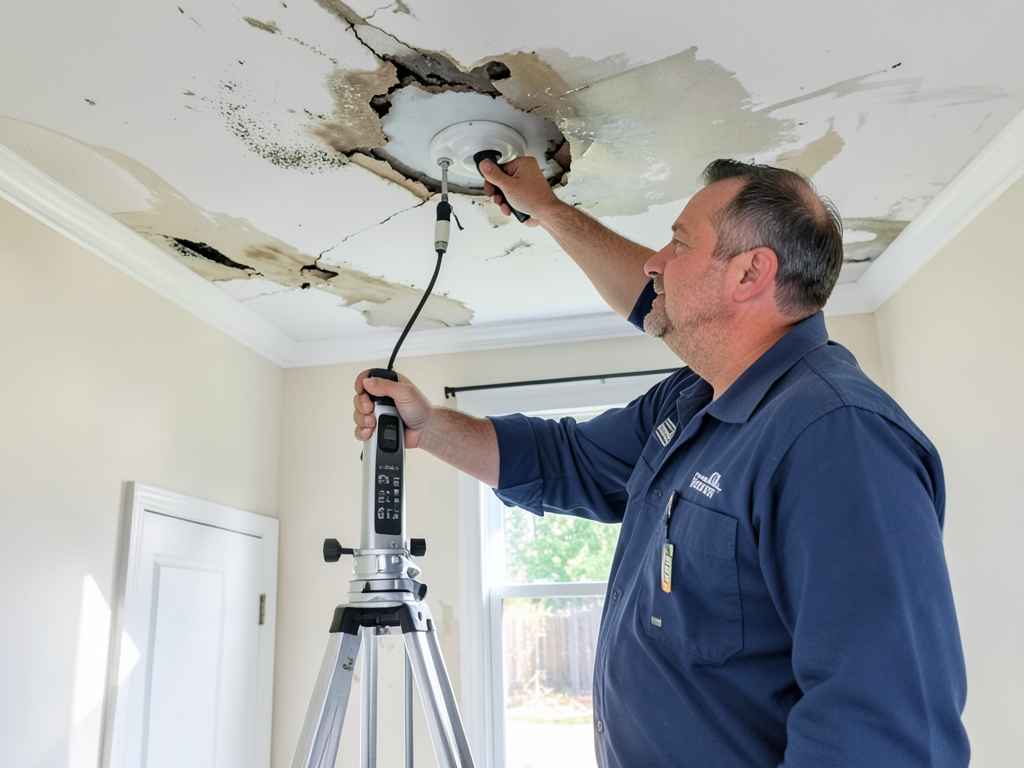
We start with moisture mapping using calibrated meters that measure moisture content at different depths within the concrete. Surface readings mean little. We need to know if moisture is wicking up from below, penetrating laterally through walls, or condensing from humid air. Each scenario requires a different remediation strategy.

Next, we identify the water source. Is groundwater seeping through cold joints in the foundation? Are weep holes clogged, causing water to back up against the foundation? Is a failed vapor barrier under the slab allowing moisture migration? We inspect grading around the foundation, check downspout discharge points, and evaluate interior drainage systems.

For active seepage, we install or repair interior drainage channels that intercept water before it can surface through the concrete. For vapor transmission through slabs, we prepare the surface properly and apply moisture-mitigating coatings rated for the specific vapor emission rate we measured. For condensation issues common in Virginia Beach's humid climate, we address ventilation and dehumidification.

We also remove existing efflorescence correctly. Acidic cleaners can etch concrete and drive salts deeper into the pore structure. We use pH-neutral methods that pull salts out without damaging the concrete surface. Only after we verify moisture levels have dropped to acceptable ranges do we consider any protective coatings.

What Happens During an Efflorescence Assessment and Remediation

Efflorescence on Concrete in Virginia Beach – Expert Diagnosis and Permanent Moisture Solutions
01

Moisture Source Identification

We map moisture levels throughout the affected concrete using non-destructive meters and calcium carbide testing when needed. This reveals whether water is coming from below the slab, through foundation walls, or condensing from humid air. We inspect exterior grading, drainage systems, and potential plumbing leaks. Accurate source identification determines which remediation methods will actually work for your specific situation.
02

Water Intrusion Mitigation

Once we know where water enters, we install the appropriate barriers or drainage systems. This might include perimeter drainage channels, sump pump systems, exterior waterproofing, or vapor barriers. For condensation problems, we improve ventilation and install commercial-grade dehumidification. We address the moisture source before touching the efflorescence itself. Surface treatments applied over active moisture always fail.
03

Surface Restoration and Protection

After moisture levels drop to acceptable ranges, we remove existing salt deposits using methods that do not damage the concrete. We then apply moisture-mitigating systems rated for your measured vapor emission levels. For high-traffic commercial spaces, we coordinate coatings or flooring installations with manufacturers' moisture tolerance specifications. You receive documentation of moisture readings and remediation methods for future reference or property transactions.

Why Virginia Beach Property Owners Choose Local Efflorescence Experts

Efflorescence problems in Virginia Beach are not the same as efflorescence problems in Richmond or Charlotte. Coastal properties face unique moisture pressures that require specialized knowledge of local soil conditions, water table behavior, and building practices common to this region.

We understand that many Virginia Beach homes and commercial buildings sit on sandy soil with poor lateral drainage. We know which neighborhoods experience seasonal water table fluctuations and which areas have clay lenses that trap water against foundations. This local knowledge shapes our diagnostic approach and remediation recommendations.

Virginia Beach's building codes have evolved over the decades. Older properties may lack vapor barriers under slabs or have inadequate foundation drainage systems. Newer construction might have modern waterproofing but poor grading that concentrates water against foundations. We have worked on properties in Town Center, the Oceanfront, Great Neck, and throughout the region. We recognize the construction patterns and common failure points specific to each area.

We also understand the insurance landscape for water damage claims in Virginia Beach. Many property owners do not realize that chronic moisture intrusion causing efflorescence may be covered if it results from a sudden plumbing failure or storm event. We document our findings thoroughly and work with your insurance adjuster when coverage applies.

Choosing a water damage restoration company with deep Virginia Beach experience means you get solutions calibrated to local conditions. We do not apply generic approaches that work in dry climates but fail in our humid coastal environment. We specify dehumidification capacities based on actual Virginia Beach humidity levels. We recommend drainage solutions that account for local soil permeability and seasonal rainfall patterns.

You also get faster response. When you call about worsening efflorescence or discover new moisture intrusion, we reach your property quickly because we are based here, not dispatched from hours away.

What to Expect When You Address Efflorescence Properly

Response Time and Scheduling

We schedule efflorescence assessments within 24 to 48 hours of your call. The initial inspection takes one to two hours depending on the size of the affected area and complexity of the moisture source. You receive a written assessment with moisture readings, identified water sources, and recommended remediation steps within 24 hours. For active water intrusion requiring emergency mitigation, we deploy drying equipment immediately. Planned remediation projects are scheduled based on your availability and the scope of work required.

The Diagnostic Process

Our assessment includes moisture mapping with calibrated meters, visual inspection of interior and exterior drainage systems, and evaluation of grading and water flow patterns around your foundation. We document the distribution and density of salt deposits to understand the moisture migration pattern. For commercial properties or complex cases, we may recommend calcium carbide testing to measure moisture content deep within the slab. You receive photos, moisture readings, and a clear explanation of what is causing the efflorescence and why previous attempts to stop it may have failed.

The Finished Result

Successful efflorescence remediation means the white powder stops returning. You should see no new salt deposits after we address the moisture source and allow the concrete to dry properly. Concrete surfaces that were previously damp to the touch stay dry. Musty odors associated with chronic moisture disappear. If your project includes protective coatings or flooring installation, those systems adhere properly and perform as intended because they were installed over dry, stable concrete. The concrete stops degrading from repeated wet and dry cycles.

Ongoing Monitoring and Maintenance

After remediation, we recommend monitoring moisture levels seasonally, especially during Virginia Beach's rainy spring months and tropical storm season. We provide guidance on maintaining exterior drainage systems, including downspout extensions and grading. For properties with installed sump pumps or interior drainage channels, we offer annual maintenance checks to verify pumps operate correctly and drainage pathways remain clear. You receive contact information for immediate response if you notice any new moisture issues or if a storm event causes unexpected water intrusion.

Frequently Asked Questions

You Have Questions,
We Have Answers

How do you fix efflorescence in concrete? +

Start by dry brushing the white, chalky deposits with a stiff bristle brush. For stubborn buildup, use a diluted acidic cleaner designed for masonry. Rinse thoroughly with water. The key is addressing the moisture source driving the efflorescence. In Virginia Beach, high humidity and seasonal rain can push salts through concrete foundations, driveways, and basement walls. You need proper grading, functional gutters, and vapor barriers to stop water infiltration. Surface cleaning alone treats the symptom, not the cause. If efflorescence returns, you have an active moisture problem that requires professional water intrusion diagnosis.

Should I remove concrete efflorescence? +

Yes, remove efflorescence promptly. While the white crust looks harmless, it signals that water is migrating through your concrete. Leaving it untreated allows the cycle to continue, which weakens the concrete matrix over time. Salt crystallization inside pores creates internal pressure, leading to spalling and surface flaking. Virginia Beach's proximity to saltwater and high water tables makes concrete structures vulnerable to chronic moisture problems. Removing efflorescence gives you a clean surface to inspect for cracks or deterioration. It also lets you apply sealers or waterproofing treatments that prevent future salt migration and protect your investment.

Is efflorescence a serious problem? +

Efflorescence itself is not dangerous, but it warns of a moisture problem that can become serious. The white residue means water is traveling through your concrete, carrying dissolved salts. If water keeps moving through the slab, you risk structural damage, mold growth, and foundation issues. Virginia Beach homes face challenges from coastal humidity, clay soil that holds water, and aging concrete on oceanfront properties. Repeated freeze-thaw cycles and salt intrusion accelerate deterioration. Treat efflorescence as a diagnostic sign. If it reappears after cleaning, you need to find and fix the water source before damage escalates.

What does efflorescence on concrete indicate? +

Efflorescence indicates water movement through concrete. When water seeps into porous concrete, it dissolves salts from the cement, aggregates, or surrounding soil. As water evaporates at the surface, it leaves behind white, powdery salt deposits. This process confirms that moisture is penetrating your slab, foundation wall, or driveway. In Virginia Beach, this often results from poor drainage, high groundwater, or hydrostatic pressure against basement walls. You might also see efflorescence on garage floors, patios, or crawl space walls. The pattern and location help pinpoint the water source, whether it is surface runoff, rising damp, or plumbing leaks.

Does efflorescence indicate water damage? +

Yes, efflorescence is a visible symptom of water damage. The white staining proves that water has infiltrated the concrete and is evaporating at the surface. While efflorescence itself does not rot or corrode, the moisture causing it can damage surrounding materials, promote mold growth, and weaken structural integrity. Virginia Beach properties near the coast or built on poorly drained lots face higher risk. You might notice efflorescence in basements, on exterior foundation walls, or around slab edges. If you see persistent white residue, investigate immediately. The longer water stays in contact with concrete and adjacent framing, the worse the damage becomes.

What is the best efflorescence remover? +

The best efflorescence remover depends on your concrete type and the severity of buildup. Mild cases respond to water and a stiff brush. For moderate staining, use a phosphoric acid-based masonry cleaner or a diluted muriatic acid solution. Always test a small area first. Follow product instructions and rinse thoroughly to avoid residue that attracts more moisture. In Virginia Beach, outdoor concrete exposed to salt air may need specialty cleaners for calcium and mineral deposits. Avoid harsh chemicals on decorative or colored concrete. After cleaning, address the moisture source. Removing salts without fixing drainage or waterproofing just delays the next appearance.

Does vinegar stop efflorescence? +

Vinegar can remove light efflorescence because its acetic acid dissolves alkaline salt deposits. Mix equal parts white vinegar and water, apply to the stained area, scrub with a stiff brush, and rinse well. Vinegar works best on small spots or fresh buildup. For heavy or recurring efflorescence on Virginia Beach properties, vinegar is too weak. You need stronger acidic cleaners or professional treatments. Vinegar also does nothing to stop the water driving the efflorescence. If you keep seeing white stains after vinegar cleaning, you have an active moisture problem that requires drainage correction, waterproofing, or foundation repair.

What concrete sealer prevents efflorescence? +

Use a penetrating silane or siloxane sealer to prevent efflorescence. These sealers soak into the concrete and form a water-repellent barrier below the surface, blocking moisture intrusion while allowing vapor to escape. Topical acrylic sealers can trap moisture and make efflorescence worse. In Virginia Beach, choose a breathable sealer rated for high humidity and salt exposure. Apply sealer only after cleaning the concrete and ensuring it is fully dry. If groundwater pressure or drainage issues exist, sealing alone will not solve the problem. You must address the water source first, or the sealer will fail and efflorescence will return.

Will efflorescence eventually stop? +

Efflorescence stops only when the moisture source stops. If you fix drainage, repair leaks, and waterproof the concrete, salt deposits will cease forming. Left untreated, efflorescence can persist for years in Virginia Beach's humid climate. New concrete often shows efflorescence as it cures and releases trapped moisture. This type fades naturally within months. Recurring or worsening deposits signal an ongoing water problem. Clean the surface, identify where water enters, and correct grading, gutters, or foundation cracks. Without intervention, efflorescence cycles indefinitely, and the moisture causing it can degrade your concrete and damage adjacent building materials.

How much does it cost to fix efflorescence? +

Cleaning efflorescence costs between $200 and $800 for a typical residential project, depending on surface area and severity. Professional cleaning with acid wash and pressure rinsing runs higher than DIY brushing. If you need drainage correction, foundation waterproofing, or slab sealing, costs rise significantly. Virginia Beach properties with basement moisture or foundation issues may require French drains, sump pumps, or exterior waterproofing membranes, adding thousands to the bill. The true cost depends on the root cause. Surface cleaning is cheap but temporary. Fixing the moisture source prevents future damage and protects your concrete investment long-term.

How Virginia Beach's Coastal Water Table Drives Chronic Efflorescence Problems

Virginia Beach sits on a peninsula bordered by the Atlantic Ocean and Chesapeake Bay, with a shallow water table that fluctuates based on tidal influence, seasonal rainfall, and storm surge events. Many properties in neighborhoods near the oceanfront, Lynnhaven River, and Back Bay experience groundwater levels that rise to within two feet of the surface during wet periods. This creates constant hydrostatic pressure against foundation walls and under slab floors. The sandy soil common throughout the region allows water to move freely but provides little structural support against lateral water pressure. The result is persistent moisture migration through concrete that manifests as recurring white powder on concrete surfaces.

Addressing efflorescence in Virginia Beach requires understanding local soil hydrology and typical construction methods used throughout the region's building booms. Properties built before modern vapor barrier requirements often lack adequate moisture protection under slabs. Commercial buildings in flood-prone areas may have foundation designs that account for storm surge but inadequate everyday moisture management. Apex Water Damage Restoration Virginia Beach has worked with residential and commercial clients throughout the region, from historic oceanfront properties to newer developments in Sandbridge and Pungo. We apply solutions calibrated to local conditions, not generic waterproofing methods that fail in our coastal environment.


Water Damage Services in The Virginia Beach Area

We are proud to serve the entire Virginia Beach area and surrounding communities. Our centrally located office allows us to provide a quick response to any water damage emergency. View our location on the map to see our service area, or simply give us a call and we'll dispatch a certified team to your location right away, ready to assist with your restoration needs.

Address:
Apex Water Damage Restoration Virginia Beach, 138 S Rosemont Rd, Virginia Beach, VA, 23452

Additional Services We Offer

Our news updates

Latest Articles & News from The Blogs

Water Damage Protocols for Medical Offices and Clinics in the Princess Anne Area When water damage strikes a medical office…

Water Damage Protocols for Medical Offices and Clinics in the Princess Anne Area

Water Damage Protocols for Medical Offices and Clinics in the Princess Anne Area When water damage strikes a medical office…

How Balcony Drainage Issues Cause Interior Water Damage for Oceanfront Condo Owners

How Balcony Drainage Issues Cause Interior Water Damage for Oceanfront Condo Owners \n\n Oceanfront condo owners in Virginia Beach face…

Breaking Your Lease Over Unresolved Water Damage (A Guide for Virginia Beach Renters)

Breaking Your Lease Over Unresolved Water Damage (A Guide for Virginia Beach Renters) Living with unresolved water damage in your…

Contact Us

Recurring white powder on your concrete means water is actively damaging your property. Get an accurate diagnosis and permanent solution. Call Apex Water Damage Restoration Virginia Beach at (757) 909-5033 for a professional moisture assessment.