




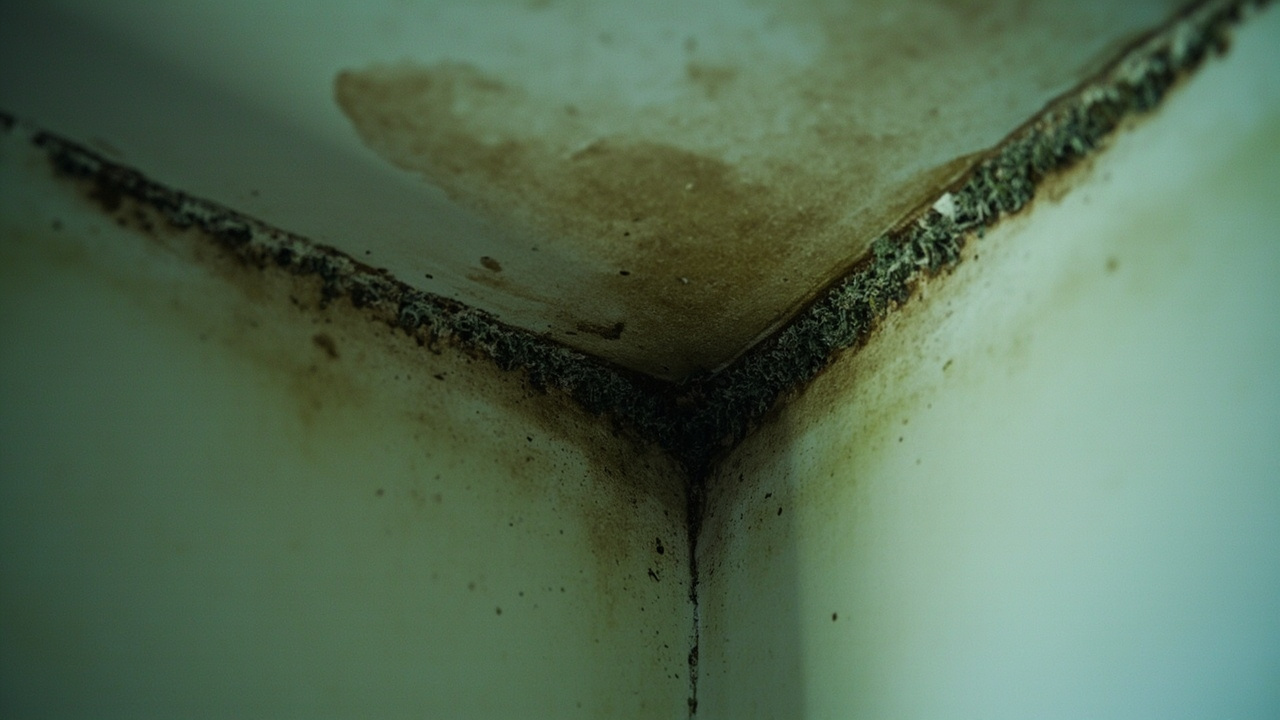
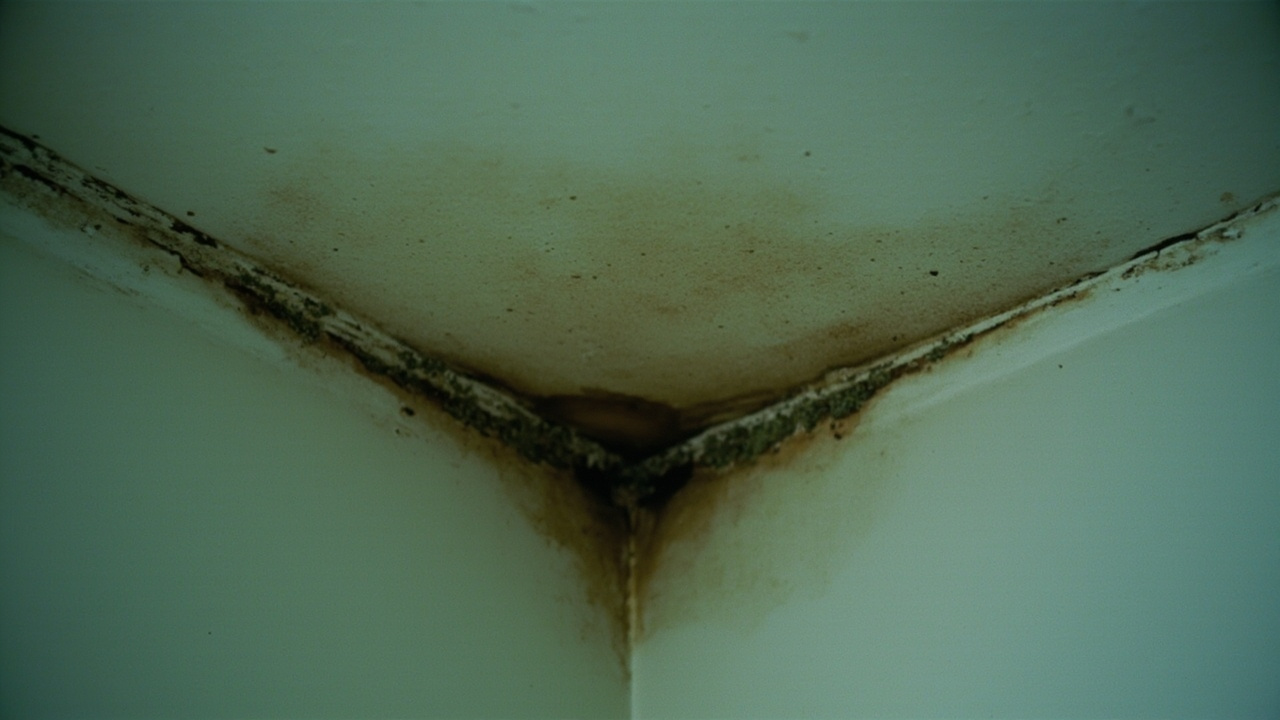
Virginia Beach averages 46 inches of rain per year and sits within 15 miles of the Atlantic Ocean for most of its residential areas. The combination creates persistent humidity that rarely drops below 65 percent even with air conditioning. Homes near Lynnhaven Inlet, Rudee Inlet, or the Chesapeake Bay face salt-laden air that corrodes metal fasteners and creates pinhole leaks in copper plumbing. These micro-failures drip water into wall cavities where it saturates insulation and feeds mold colonies. The temperature rarely freezes, so fungal growth continues year-round. Unlike northern climates where winter cold halts biological activity, Virginia Beach mold thrives in mild winters and humid summers. This makes detecting hidden mold critical before minor moisture problems become structural disasters.
Virginia Beach building codes require specific vapor barrier installations and crawlspace ventilation standards, but many older homes predate these requirements. Apex Water Damage Restoration Virginia Beach understands how local construction methods interact with coastal humidity. We know which neighborhoods have high water tables, where storm surge floods crawlspaces, and how hurricane winds drive rain through brick veneer. This knowledge matters when diagnosing moisture sources and recommending permanent solutions. We work with local insurance adjusters who understand regional claim patterns. We coordinate with licensed contractors who follow Virginia building codes. Choosing a local specialist means you get someone who has seen your exact problem in hundreds of Virginia Beach homes and knows the correct fix.