




Menu

Attic Water Damage Cleanup in Virginia Beach | Expert Restoration for Hidden Leaks and Structural Threats

Fast Attic Water Damage Cleanup across Virginia Beach, from Hilltop to Sandbridge, stopping mold growth, ceiling collapse, and insulation saturation before your home suffers permanent structural damage.

Slider Image 1
Slider Image 2
Slider Image 3
Slider Image 4
Slider Image 5
Slider Image 7
Slider Image 8
Slider Image 9
Slider Image 10
Slider Image 11

Why Virginia Beach Attics Are Vulnerable to Water Damage

Water in your attic is never normal. In Virginia Beach, where coastal humidity hovers near 75 percent year-round and hurricane season brings torrential rainfall, attic water damage happens fast and spreads faster. The combination of heavy rain events, aging roof penetrations, and inadequate ventilation creates the perfect storm for attic leaks.

Most homeowners discover the problem too late. You might notice a brown stain spreading across your ceiling in the upstairs bedroom. Or you smell something musty near the pull-down ladder. By the time these symptoms appear, water has already soaked through insulation, pooled on drywall, and started feeding mold colonies in the dark.

Virginia Beach's coastal location accelerates the timeline. High humidity means wet insulation does not dry on its own. Instead, moisture lingers, creating conditions where mold can colonize within 48 hours. The Atlantic salt air also corrodes roof fasteners and flashing over time, opening pathways for water entry during nor'easters and tropical systems.

Attic water damage restoration is not about mopping up puddles. It requires identifying the exact entry point, removing saturated materials, treating affected framing, and restoring proper ventilation. Attic water removal services must address both the visible damage and the hidden moisture trapped in structural cavities. Without professional attic leak cleanup, you risk ceiling collapse, electrical hazards, and thousands in remediation costs.

The urgency increases when you factor in insurance timelines. Most carriers require immediate mitigation to prevent secondary damage. Delaying attic flood restoration can result in claim denials. You need a team that understands the specific threats coastal homes face and can execute attic water damage repair before the problem compounds.

Why Virginia Beach Attics Are Vulnerable to Water Damage
How Professional Attic Water Damage Cleanup Works

How Professional Attic Water Damage Cleanup Works

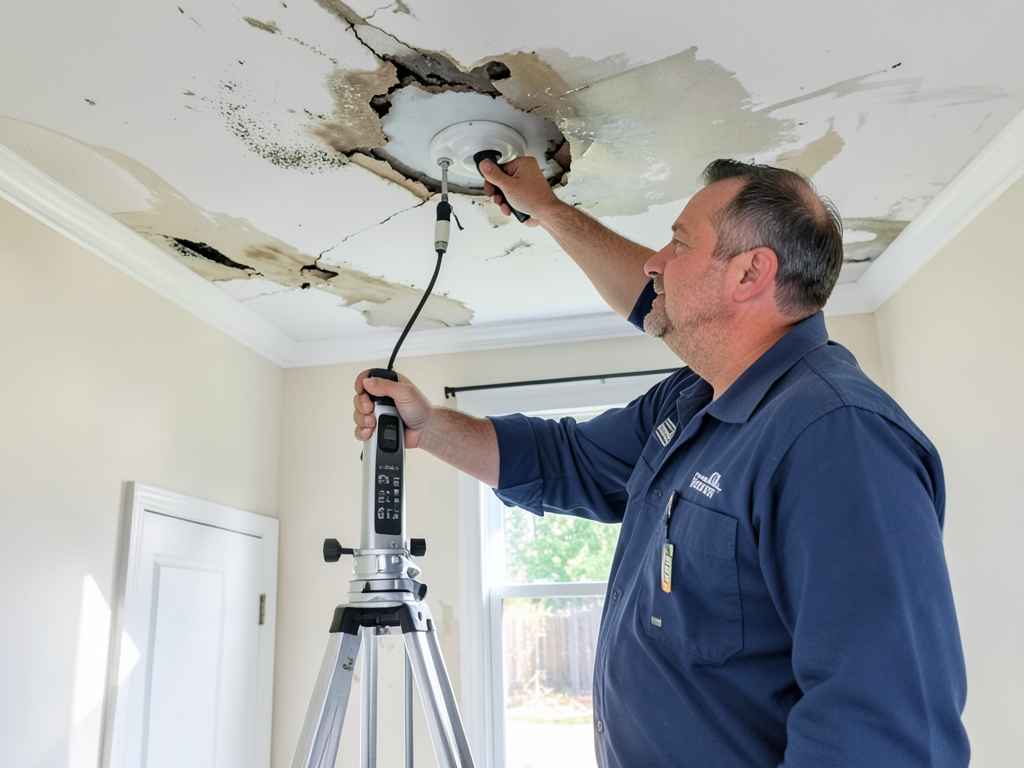
Effective attic water damage cleanup starts with source identification, not symptom treatment. We use thermal imaging cameras to trace moisture pathways back to the exact entry point, whether it is a failed valley flashing, a cracked boot around a plumbing vent, or wind-driven rain through compromised ridge vents. This diagnostic approach prevents the cycle of recurring leaks that plague patch-and-pray repairs.

Once we locate the breach, we assess the extent of saturation using moisture meters calibrated for different materials. Fiberglass batt insulation loses R-value permanently once wet and must be removed. Blown-in cellulose can sometimes be dried if caught early, but only after air movement and dehumidification bring relative humidity below 60 percent. Structural members like rafters and decking get probed for moisture content. Anything above 19 percent gets flagged for mold risk.

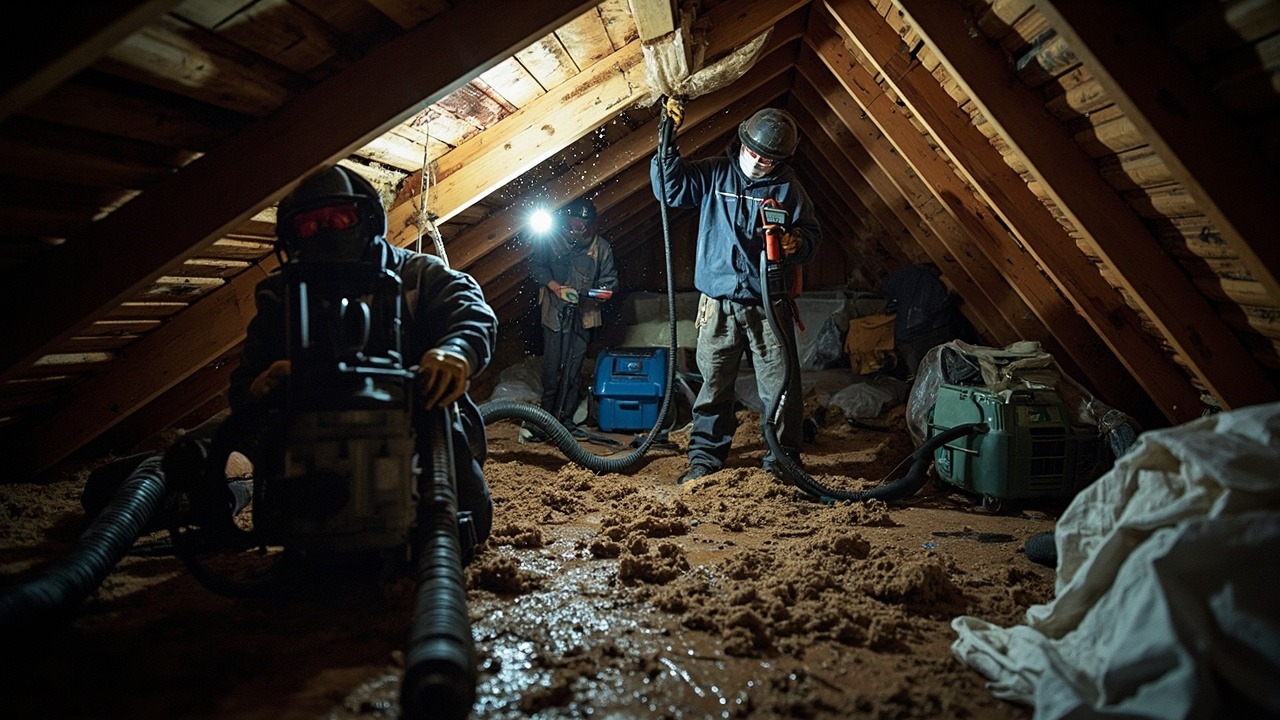
Water extraction happens in phases. Standing water gets vacuumed out first using truck-mounted extractors. Then we pull saturated insulation and bag it for disposal. Wet drywall on the attic floor gets cut back to dry framing. This is not cosmetic work. Every wet material left in place becomes a mold incubator.

Drying the attic space requires negative air pressure and controlled airflow. We position commercial air movers to create circulation across all surfaces while running desiccant dehumidifiers to pull moisture from the air. In Virginia Beach's humid climate, passive drying fails. You need mechanical intervention to hit the target moisture levels that prevent microbial growth.

The final phase involves antimicrobial treatment of all affected framing, re-insulating to code, and verifying the roof repair holds under simulated rain conditions. Attic water damage repair is only complete when moisture readings confirm the space is dry and the entry point is permanently sealed.

What Happens During Your Attic Water Damage Cleanup

Attic Water Damage Cleanup in Virginia Beach | Expert Restoration for Hidden Leaks and Structural Threats
01

Emergency Assessment and Containment

We arrive within hours to stop active leaks using tarps or emergency patches, then photograph all damage for your insurance claim. Our technicians map the affected area using moisture detection tools and establish containment barriers to prevent contamination spread to living spaces. You get a preliminary scope and mitigation plan before any demolition begins, so there are no surprises.
02

Water Extraction and Material Removal

Standing water gets extracted first, followed by removal of all non-salvageable materials like soaked insulation, wet drywall, and compromised sheathing. We document every step with photos and moisture readings. Structural framing gets cleaned and treated with antimicrobial agents to prevent mold colonization. This phase clears the path for proper drying and creates a clean slate for restoration work.
03

Drying, Verification, and Restoration

Industrial dehumidifiers and air movers run continuously until all surfaces reach verified dry standards, typically 72 to 96 hours depending on saturation levels. We take daily moisture readings and adjust equipment placement to ensure even drying. Once cleared, we re-insulate, repair any structural damage, and coordinate with your roofer to confirm the leak source is permanently fixed. You receive a completion certificate with final moisture documentation.

Why Virginia Beach Homeowners Trust Apex Water Damage Restoration Virginia Beach

Coastal homes face water intrusion threats that inland properties never encounter. Wind-driven rain, salt air corrosion, and high water tables create unique vulnerabilities. We have spent years working in Virginia Beach neighborhoods from Chic's Beach to North End, and we understand how these factors intersect with local building practices.

Many homes in the Oceanfront area were built during the 1970s and 1980s construction boom, when attic ventilation standards were less rigorous. Older ridge vents crack under UV exposure. Original roof penetrations for bathroom exhaust fans often lack proper flashing. These age-related failures show up during heavy weather, and they require more than a tube of caulk to fix properly.

We work directly with your insurance adjuster to document the full scope of damage, including hidden moisture that is not visible from the living space. Insurance companies often push for minimal repairs, but we advocate for complete remediation that prevents future mold claims. Our detailed moisture mapping and photographic evidence support your claim and speed up approval timelines.

Local building codes in Virginia Beach require specific R-values for attic insulation and proper vapor barrier installation. We stay current on these requirements and ensure all restoration work meets or exceeds code. This matters when you sell your home or file future claims. Substandard repairs create liability.

You also get transparency. We explain what we find, why it matters, and what the fix involves before we start tearing out materials. No upselling. No scope creep. Just honest assessment and professional execution. When your attic is structurally sound and your insulation is dry, we walk you through the completion documentation and answer every question about maintaining the space going forward.

What to Expect from Our Attic Water Damage Cleanup Service

Rapid Response and Availability

We dispatch teams 24/7 because water damage does not wait for business hours. Most attic leaks in Virginia Beach happen during overnight storms or when you are at work. Our average response time is under two hours for emergency calls. We arrive with extraction equipment, moisture meters, and tarps to stop the damage immediately. You get a project manager assigned to your case who stays with you from initial assessment through final clearance, so you always have a direct contact who knows your situation.

Thorough Inspection and Documentation

Every attic water damage cleanup starts with a comprehensive inspection using thermal imaging and moisture detection tools. We check rafters, sheathing, insulation, and framing for hidden saturation. You receive a written assessment that includes moisture readings, photographic evidence, and a detailed scope of work. This documentation supports your insurance claim and gives you a clear picture of what needs to happen. We also identify the root cause, whether it is failed flashing, a damaged shingle, or a plumbing leak, so the repair addresses the source.

Complete Drying and Mold Prevention

Proper attic drying requires industrial equipment and daily monitoring. We position air movers to create circulation across all wet surfaces and run desiccant dehumidifiers to pull moisture from the air. Our technicians take daily moisture readings and adjust equipment as needed. The job is not complete until all materials reach verified dry standards, typically below 15 percent moisture content for wood framing. We treat all affected surfaces with antimicrobial solutions to prevent mold growth, and you receive final clearance documentation that confirms the space is safe and dry.

Post-Restoration Support and Prevention

After your attic is restored, we provide guidance on preventing future water intrusion. This includes recommendations for roof maintenance, ventilation improvements, and early warning signs to watch for. We also coordinate with qualified roofers to ensure the leak source is permanently repaired. If additional issues surface within the dried area during the first 30 days, we return to reassess at no charge. Our goal is not just to clean up the current damage but to help you avoid the next incident through proper maintenance and awareness.

Frequently Asked Questions

You Have Questions,
We Have Answers

How to fix water damage in an attic? +

First, stop the source. If a roof leak caused it, tarp the exterior or patch it temporarily. Next, remove standing water with a wet vac or pump. Pull out soaked insulation, drywall, and any porous materials. Virginia Beach's high humidity makes drying critical. Use commercial dehumidifiers and air movers to dry structural wood within 48 hours. Check roof decking and rafters for rot or sagging. Treat exposed wood with antimicrobial solutions to prevent mold. Replace damaged insulation and materials. If the damage is severe or mold is visible, call a professional restoration company to handle extraction, drying, and repairs safely.

Will water in the attic dry out? +

It depends on the volume of water and your attic's ventilation. Small amounts may evaporate if you have adequate soffit and ridge vents. But in Virginia Beach's humid climate, moisture lingers. Water trapped in insulation, drywall, or wood framing does not dry on its own. It creates a breeding ground for mold and wood rot. Without active drying equipment like dehumidifiers and air movers, expect weeks of dampness and potential structural damage. Standing water or heavy saturation requires immediate extraction. Do not rely on passive airflow. Professional drying equipment accelerates evaporation and prevents secondary damage.

How much does it cost to repair water damage in the attic? +

Repair costs vary based on damage extent and materials affected. Minor fixes like replacing insulation and patching small drywall sections cost less. Structural repairs, roof decking replacement, or mold remediation increase costs significantly. If the water damaged electrical wiring or HVAC ducts, expect higher bills. Virginia Beach's saltwater proximity can accelerate corrosion in metal components, adding complexity. Restoration companies often itemize costs for water extraction, drying, demolition, and rebuilding. Insurance may cover some or all expenses depending on your policy and the cause of the leak. Get a detailed estimate and document everything for your claim.

How likely is mold after water damage? +

Very likely if you do not act fast. Mold spores colonize damp materials within 24 to 48 hours. Virginia Beach's humidity accelerates growth. Attics are dark, warm, and poorly ventilated, making them ideal for mold. Wet insulation, wood framing, and drywall are prime targets. If you see discoloration, smell musty odors, or notice water stains, mold is likely present. Prevention requires immediate water extraction, thorough drying, and antimicrobial treatment. Once mold establishes, it spreads rapidly and requires professional remediation. Do not ignore water damage. The longer moisture sits, the higher your mold risk.

What is the 7 and 7 rule for attics? +

The 7 and 7 rule refers to attic ventilation requirements. For every 150 square feet of attic space, you need one square foot of ventilation. That ventilation should be split evenly, 50 percent intake (soffit vents) and 50 percent exhaust (ridge or gable vents). This balanced airflow prevents moisture buildup and heat accumulation. In Virginia Beach, proper ventilation is critical due to high humidity and summer heat. Poor ventilation traps moisture from roof leaks, condensation, or plumbing failures, leading to mold and rot. If your attic ventilation is insufficient, water damage dries slower and mold risk increases. Upgrade ventilation during repairs.

Will homeowners insurance cover water damage from a roof leak? +

Usually, but it depends on the cause. Most homeowners policies cover sudden, accidental damage like a storm tearing off shingles or a fallen tree puncturing the roof. They do not cover gradual damage from neglect or lack of maintenance. If your roof leaked because you ignored missing shingles for years, your claim may be denied. Virginia Beach homeowners should document storm damage immediately and file claims quickly. Review your policy for wind and water damage exclusions. Flood damage requires separate flood insurance. Get a professional inspection and restoration estimate to support your claim. Insurers often require proof of timely mitigation.

Is insulation ruined if it gets wet? +

Yes, most types are ruined once saturated. Fiberglass and cellulose insulation absorb water, lose R-value, and become breeding grounds for mold. Even if you dry it, the material compresses, clumps, and loses effectiveness. Spray foam insulation resists water better but still requires inspection for hidden moisture behind it. Virginia Beach's humidity means wet insulation dries slowly, increasing contamination risk. Remove and replace soaked insulation immediately. Do not try to salvage it. Leaving wet insulation in place invites mold, odors, and structural damage. Budget for full replacement during water damage repairs. It is safer and more cost-effective long-term.

What does water damage in an attic look like? +

Look for water stains on roof decking, rafters, or insulation. Dark brown or yellow discoloration signals past or active leaks. Sagging drywall, peeling paint, or bubbling ceiling finishes indicate water intrusion below. Check for wet or compressed insulation, a musty smell, or visible mold growth on wood surfaces. In Virginia Beach attics, condensation stains may mimic leak damage, so verify the source. Inspect around roof penetrations like vents, chimneys, and skylights. Feel for soft, spongy wood, a sign of rot. Use a flashlight and check during or after rain to catch active leaks. Early detection prevents costly repairs.

How long does it take for mold to grow on wet insulation? +

Mold can begin growing on wet insulation within 24 to 48 hours. Virginia Beach's warm, humid conditions accelerate the timeline. Fiberglass and cellulose insulation trap moisture and provide organic material for mold spores to colonize. If insulation stays damp for more than two days, expect mold. You may not see it immediately, but spores are multiplying. By day three or four, visible colonies appear as black, green, or white patches. The longer insulation stays wet, the deeper mold penetrates surrounding materials like wood framing and drywall. Remove wet insulation immediately and dry the attic thoroughly to stop mold before it spreads.

Will homeowners insurance cover water damage to a ceiling? +

Usually, if the damage is sudden and accidental. A roof leak from storm damage or a burst pipe typically qualifies for coverage. Policies cover ceiling repairs, drywall replacement, and cosmetic fixes. They do not cover damage from neglect, gradual leaks, or lack of maintenance. Virginia Beach homeowners should document the damage with photos and contact their insurer immediately. Some policies exclude water damage from specific sources like flooding, which requires separate flood insurance. Review your coverage limits and deductibles. If mold develops due to delayed mitigation, insurers may deny related claims. Act fast, mitigate damage, and keep receipts for all repairs and restoration work.

How Virginia Beach's Coastal Climate Accelerates Attic Water Damage

Virginia Beach sits in a unique weather corridor where nor'easters, tropical storms, and daily coastal humidity combine to stress roofing systems year-round. Average annual rainfall exceeds 45 inches, with intense downpours during hurricane season from June through November. These heavy rain events overwhelm aging roof valleys and test every penetration point. The salt air from the Atlantic accelerates corrosion of metal flashing and fasteners, creating pathways for water entry that would not exist in drier climates. High humidity means attic spaces rarely drop below 60 percent relative humidity naturally, so once water enters, it does not evaporate. Wet insulation stays wet, and mold colonizes before most homeowners realize there is a problem.

Virginia Beach building codes require attic ventilation ratios and insulation R-values specific to coastal Zone 4A climate conditions. Restoration work that does not meet these standards creates future liability and can complicate insurance claims. Apex Water Damage Restoration Virginia Beach maintains relationships with local building inspectors and understands the permit requirements for structural repairs in flood zones and historic districts like the Cavalier Shores area. We also work directly with major insurance carriers that cover Virginia Beach properties, so we know what documentation they require and how to present claims for fastest approval. Choosing a local team means you get someone who understands the specific challenges coastal homes face and how to restore them to code.


Water Damage Services in The Virginia Beach Area

We are proud to serve the entire Virginia Beach area and surrounding communities. Our centrally located office allows us to provide a quick response to any water damage emergency. View our location on the map to see our service area, or simply give us a call and we'll dispatch a certified team to your location right away, ready to assist with your restoration needs.

Address:
Apex Water Damage Restoration Virginia Beach, 138 S Rosemont Rd, Virginia Beach, VA, 23452

Additional Services We Offer

Our news updates

Latest Articles & News from The Blogs

Water Damage Protocols for Medical Offices and Clinics in the Princess Anne Area When water damage strikes a medical office…

Water Damage Protocols for Medical Offices and Clinics in the Princess Anne Area

Water Damage Protocols for Medical Offices and Clinics in the Princess Anne Area When water damage strikes a medical office…

How Balcony Drainage Issues Cause Interior Water Damage for Oceanfront Condo Owners

How Balcony Drainage Issues Cause Interior Water Damage for Oceanfront Condo Owners \n\n Oceanfront condo owners in Virginia Beach face…

Breaking Your Lease Over Unresolved Water Damage (A Guide for Virginia Beach Renters)

Breaking Your Lease Over Unresolved Water Damage (A Guide for Virginia Beach Renters) Living with unresolved water damage in your…

Contact Us

Do not let attic water damage turn into a mold nightmare or a ceiling collapse. Call Apex Water Damage Restoration Virginia Beach now at (757) 909-5033 for immediate response. We are available 24/7 to stop the damage and start the restoration process.