




Menu

Disaster Recovery Planning Virginia Beach – Minimize Downtime and Protect Your Business Continuity

Our facility contingency planning services help Virginia Beach businesses prepare for water damage events with pre-loss strategies that reduce financial impact, maintain operational capacity, and ensure rapid recovery when disaster strikes.

Slider Image 1
Slider Image 2
Slider Image 3
Slider Image 4
Slider Image 5
Slider Image 7
Slider Image 8
Slider Image 9
Slider Image 10
Slider Image 11

Virginia Beach Businesses Face Unique Water Damage Vulnerabilities

Virginia Beach's coastal location creates elevated risk for commercial facilities. Hurricane season brings storm surge potential that can overwhelm drainage systems in low-lying areas near the Lynnhaven River and Rudee Inlet. Atlantic moisture drives year-round humidity that accelerates mold colonization in damaged buildings. Nor'easters compound flood risk with multi-day precipitation events.

Your facility operates without a commercial emergency response plan until water intrusion forces an emergency shutdown. Production halts. Revenue stops. Employees stand idle. Insurance claims drag without documentation. Every hour of downtime multiplies the financial impact.

Most Virginia Beach businesses lack formal disaster restoration planning. You assume insurance will cover everything. You trust that contractors will appear immediately. You believe operations will resume quickly. These assumptions cost tens of thousands in extended downtime and preventable secondary damage.

Business continuity planning eliminates guesswork during crisis. Pre-loss planning establishes vendor relationships before you need them. Facility contingency planning documents your critical systems, priority areas, and recovery sequences. You know exactly who to call, what to protect first, and how to minimize operational disruption.

The difference between two days of downtime and two weeks depends on preparation. Virginia Beach's proximity to salt water accelerates corrosion in HVAC systems and electrical panels. Our disaster recovery planning accounts for these coastal-specific threats. We create response protocols that address your facility's unique vulnerabilities before water enters your building.

Virginia Beach Businesses Face Unique Water Damage Vulnerabilities
How Professional Pre-Loss Planning Protects Your Operations

How Professional Pre-Loss Planning Protects Your Operations

Commercial emergency response planning begins with facility assessment. We document your building's infrastructure, identify water entry points, map drainage vulnerabilities, and catalog critical equipment locations. This creates a facility-specific response protocol.

We establish water intrusion scenarios based on Virginia Beach's flood zones and your building's elevation. Coastal facilities near Shore Drive face different risks than inland properties near Town Center. We model response sequences for each scenario, prioritizing equipment protection and operational continuity.

Your plan includes vendor pre-qualification and response agreements. We identify extraction equipment staging areas, establish power requirements for emergency drying, and coordinate with your insurance carrier on documentation protocols. You receive emergency contact hierarchies, employee communication templates, and damage assessment checklists.

Facility contingency planning addresses your supply chain dependencies. We identify which operations can continue during restoration and which require temporary relocation. This maintains cash flow and customer commitments during recovery.

We integrate with your existing safety protocols and OSHA requirements. Water damage creates slip hazards and electrical dangers. Our plans include employee safety procedures, restricted area protocols, and regulatory compliance steps specific to your industry.

Business continuity planning includes testing and updates. We conduct annual reviews, update contact information, and adjust protocols based on facility changes. Your plan remains current and actionable. When water damage occurs, you execute a tested strategy instead of improvising under pressure. This preparation reduces downtime by 60 to 70 percent compared to facilities without formal disaster restoration planning.

Our Facility Contingency Planning Development Process

Disaster Recovery Planning Virginia Beach – Minimize Downtime and Protect Your Business Continuity
01

Facility Risk Assessment

We conduct comprehensive on-site evaluation of your Virginia Beach facility. Our team documents building systems, identifies water intrusion vulnerabilities, maps critical equipment locations, and assesses flood zone exposure. We photograph key infrastructure, measure response access points, and catalog existing safety equipment. This assessment creates the foundation for your customized disaster recovery plan.
02

Response Protocol Development

We build scenario-specific response sequences based on your assessment data. Each protocol includes immediate action steps, equipment protection priorities, and operational continuity measures. We establish vendor relationships, pre-position emergency contacts, and create documentation templates that satisfy insurance requirements. Your team receives clear decision trees for different damage scenarios, eliminating confusion during crisis response.
03

Implementation and Training

We deliver your complete business continuity plan with staff training sessions. Your management team learns protocol execution, damage assessment procedures, and communication hierarchies. We provide laminated quick-reference guides for immediate access during emergencies. Annual plan reviews ensure information accuracy and protocol effectiveness. You gain confidence that your facility can respond efficiently to water damage events.

Why Virginia Beach Businesses Trust Our Commercial Planning Services

Apex Water Damage Restoration Virginia Beach understands the operational pressures facing local businesses. We have developed disaster recovery plans for hospitality properties along Atlantic Avenue, medical facilities in the Princess Anne corridor, and manufacturing operations near the Norfolk border. Our plans reflect Virginia Beach's specific threat environment.

We account for coastal flooding patterns that affect low-lying commercial districts. We understand how salt air accelerates equipment corrosion. We know which Virginia Beach neighborhoods flood first during heavy rainfall. This geographic knowledge shapes realistic response scenarios.

Our planning integrates with Virginia Beach building codes and zoning regulations. We understand commercial occupancy requirements and ADA compliance issues that affect restoration work. Our protocols include permit acquisition steps and inspection schedules that prevent regulatory delays during recovery.

We maintain relationships with specialized contractors throughout Hampton Roads. Your plan includes pre-negotiated response agreements with electrical contractors, HVAC technicians, and structural engineers. These relationships eliminate vendor search time during crisis. You receive priority service because contracts exist before damage occurs.

Our facility contingency planning addresses insurance documentation requirements. We know what adjusters need to see, how to photograph damage properly, and which documentation prevents claim disputes. This expertise accelerates insurance payments and reduces out-of-pocket expenses.

We provide objective guidance without conflicts of interest. Our planning services exist separately from restoration work. We focus on your operational needs, not our service revenue. This independence ensures your disaster recovery plan serves your business interests first. Virginia Beach companies receive honest assessments and practical protocols that work during actual water damage events.

What Your Disaster Recovery Plan Includes

Plan Development Timeline

Most Virginia Beach facilities receive complete disaster recovery plans within two to three weeks. We schedule facility assessments around your operational calendar to minimize disruption. Initial assessment takes three to four hours depending on building size. Protocol development requires one week for scenario modeling and vendor coordination. Final plan delivery includes two-hour training session with your management team. Rush development is available for businesses facing immediate risk exposure or insurance requirements.

Comprehensive Facility Assessment

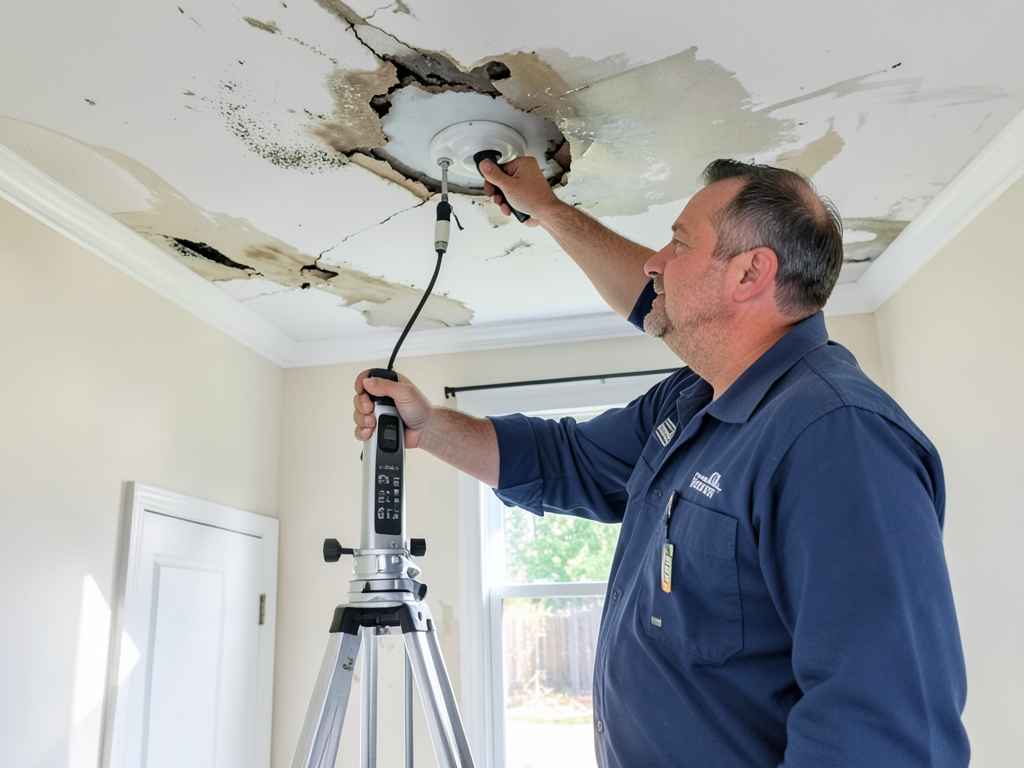
Our assessment documents every system that affects water damage response. We evaluate roof drainage capacity, identify HVAC vulnerabilities, test sump pump functionality, and inspect foundation grade. We photograph electrical panels, map shut-off valve locations, and catalog emergency equipment. We review your building's construction type, insulation methods, and wall cavity access points. This technical documentation ensures response teams understand your facility's specific characteristics before emergency deployment.

Actionable Response Protocols

You receive scenario-specific protocols for pipe failures, roof leaks, storm flooding, and sprinkler activations. Each protocol includes immediate action steps, equipment shutdown sequences, employee safety procedures, and vendor contact hierarchies. We provide damage assessment checklists, insurance notification templates, and regulatory compliance guides. Your protocols address business continuity decisions like partial operations, temporary relocation, and customer communication. Everything is written in clear language that non-technical staff can execute under pressure.

Annual Plan Maintenance

Disaster recovery plans require regular updates to remain effective. We conduct annual facility reviews to document operational changes, equipment upgrades, and staffing modifications. We update vendor contacts, refresh employee training, and adjust protocols based on new vulnerabilities. Our maintenance service includes quarterly contact verification to ensure emergency numbers remain current. We also provide plan revisions after any significant facility modification or organizational change. This ongoing maintenance keeps your business continuity planning aligned with current operations.

Frequently Asked Questions

You Have Questions,
We Have Answers

What are the 5 steps of disaster recovery planning? +

The five steps are: risk assessment, business impact analysis, recovery strategy development, plan documentation, and testing. Start by identifying vulnerabilities specific to Virginia Beach, like hurricane storm surge and coastal flooding. Assess which business functions are critical and quantify downtime costs. Develop recovery strategies that prioritize operations essential to revenue and compliance. Document procedures with clear assignments and contact trees. Test the plan through tabletop exercises and simulations. Virginia Beach businesses face unique threats from nor'easters and tropical systems, so annual updates reflecting changing coastal conditions are necessary. Your plan must address infrastructure dependencies like power grid vulnerabilities in flood-prone commercial districts.

What is disaster and recovery planning? +

Disaster recovery planning is the structured process businesses use to resume operations after disruptive events. It documents procedures, assigns responsibilities, and establishes recovery time objectives for critical systems. In Virginia Beach, this means preparing for hurricanes, flooding, cyber incidents, and power outages that threaten business continuity. The plan identifies essential functions, prioritizes restoration sequences, and defines communication protocols. Effective planning reduces downtime, protects revenue streams, and maintains customer trust. For coastal businesses, this includes data backup strategies, alternate facility agreements, and supply chain redundancies. The goal is minimizing financial loss and liability exposure when disasters strike the Hampton Roads region.

What are the 4 pillars of disaster recovery? +

The four pillars are preparedness, response, recovery, and mitigation. Preparedness involves planning, training staff, and stockpiling resources before an event. Response covers immediate actions during a crisis to protect assets and personnel. Recovery focuses on restoring operations to normal or improved states. Mitigation reduces future risk through infrastructure improvements and policy changes. Virginia Beach businesses must address hurricane preparedness with backup generators, waterproof document storage, and elevated equipment in flood zones. Response protocols should account for evacuation routes and emergency contacts. Recovery planning must consider lengthy power restoration times in coastal areas. Mitigation may include flood barriers or relocating critical systems above base flood elevation.

What is rpo vs rto? +

Recovery Point Objective (RPO) defines the maximum acceptable data loss measured in time. Recovery Time Objective (RTO) defines the maximum acceptable downtime. If your RPO is one hour, you can lose no more than 60 minutes of data. If your RTO is four hours, systems must be operational within that window. Virginia Beach businesses balance these metrics against cost. Financial services may require near-zero RPO and minimal RTO, demanding real-time replication. Manufacturing operations may tolerate longer windows. Coastal flooding and hurricane evacuations complicate both metrics. Cloud-based backups and redundant systems in geographically separate locations help Virginia Beach companies meet aggressive objectives despite regional disaster risks.

What are the 4 C's of disaster recovery? +

The four C's are coordination, communication, collaboration, and continuity. Coordination ensures all stakeholders understand roles and execute procedures simultaneously. Communication maintains information flow between leadership, employees, vendors, and emergency services during crises. Collaboration involves working with local agencies, mutual aid partners, and industry peers to share resources. Continuity focuses on maintaining critical operations despite disruptions. Virginia Beach businesses must coordinate with city emergency management and the Coast Guard during hurricane events. Communication systems need redundancy since cellular networks often fail. Collaboration with neighboring businesses can provide temporary workspace. Continuity planning addresses alternate suppliers when port operations cease or transportation routes flood.

What is a DRP checklist? +

A DRP checklist is the tactical document listing specific actions, responsible parties, and completion criteria for disaster recovery. It breaks down the broader plan into executable tasks with clear yes/no verification points. Checklist items include notifying insurance carriers, activating backup systems, contacting key vendors, securing facilities, and documenting damage for claims. Virginia Beach versions should include hurricane-specific items like triggering evacuation protocols, deploying flood barriers, shutting off utilities in surge zones, and coordinating with city emergency operations. The checklist prevents overlooked steps during high-stress incidents. Update it after every test exercise and actual event to reflect lessons learned and changing business conditions.

What makes a good disaster recovery plan? +

A good plan is testable, specific, and adaptable to Virginia Beach conditions. It assigns clear ownership for each function and includes decision trees for various scenarios. Contact information must be current with multiple communication channels. Recovery procedures need step-by-step instructions that non-technical staff can follow. The plan addresses dependencies like third-party data centers, cloud services, and local utility restoration timelines. It includes financial projections showing cost-benefit analysis of recovery investments. Good plans account for regional factors like storm surge patterns in the Lynnhaven River basin and wind exposure along oceanfront districts. Annual testing through realistic simulations reveals gaps before actual disasters expose them.

How much does a DRP cost? +

Cost varies based on business size, complexity, and risk tolerance. Basic plans for small businesses start around several thousand dollars for consultant-led development. Mid-market companies with complex operations may invest tens of thousands in comprehensive planning, including redundant infrastructure and alternate site agreements. Ongoing costs include annual testing, plan updates, backup systems, and insurance premiums. Virginia Beach businesses face higher costs due to hurricane exposure requiring robust physical protections and geographic redundancy. Cloud-based recovery solutions reduce capital expenses but create recurring subscription costs. The investment must be weighed against potential losses from extended downtime, which often exceeds planning costs within hours of a disaster.

What are the 5 P's of disaster? +

The five P's are planning, preparation, prevention, protection, and performance. Planning creates the strategic framework and assigns resources. Preparation involves training personnel and stockpiling supplies. Prevention identifies vulnerabilities and implements controls to reduce risk. Protection safeguards critical assets through physical and digital security measures. Performance measurement tracks recovery effectiveness and identifies improvement opportunities. Virginia Beach businesses apply this framework to coastal hazards. Planning accounts for hurricane timing and severity. Preparation includes securing generators and fuel contracts. Prevention may involve elevating equipment above flood levels. Protection includes hurricane shutters and cybersecurity controls. Performance reviews after events like nor'easters refine procedures for future incidents.

What are the 4 P's of disaster? +

The four P's are prevention, preparedness, response, and recovery. Prevention reduces disaster likelihood through risk management and infrastructure hardening. Preparedness ensures readiness through planning, training, and resource allocation. Response covers immediate actions during the crisis to minimize harm. Recovery restores operations and addresses longer-term reconstruction. For Virginia Beach commercial properties, prevention includes flood-resistant construction and backup power systems. Preparedness means maintaining current contact lists and tested evacuation plans. Response involves activating emergency protocols when hurricane watches are issued. Recovery addresses damage assessment, insurance claims, and phased restoration of business functions. Each phase builds on the previous one to create comprehensive resilience against coastal storm threats.

How Virginia Beach's Coastal Environment Demands Advanced Pre-Loss Planning

Virginia Beach sits at the intersection of hurricane paths, nor'easter tracks, and rising sea levels. The Army Corps of Engineers ranks Hampton Roads among the top five U.S. regions for coastal flood vulnerability. Storm surge can push Chesapeake Bay water miles inland through the Lynnhaven watershed. Salt water intrusion corrodes building systems faster than freshwater damage. These coastal-specific threats require disaster restoration planning that addresses both immediate water removal and long-term corrosion prevention. Generic emergency plans fail because they ignore the accelerated degradation salt water causes in commercial buildings.

Virginia Beach businesses operate under specific Virginia Commercial Building Code requirements that affect restoration work. Our facility contingency planning reflects these local regulatory standards. We understand Princess Anne Plaza's drainage limitations, Town Center's underground parking vulnerabilities, and Oceanfront district flood insurance requirements. This local knowledge ensures your business continuity planning addresses jurisdiction-specific compliance issues. We work with Virginia Beach adjusters regularly and understand their documentation expectations. Your plan includes procedures that satisfy local insurance carriers and expedite claim processing.


Water Damage Services in The Virginia Beach Area

We are proud to serve the entire Virginia Beach area and surrounding communities. Our centrally located office allows us to provide a quick response to any water damage emergency. View our location on the map to see our service area, or simply give us a call and we'll dispatch a certified team to your location right away, ready to assist with your restoration needs.

Address:
Apex Water Damage Restoration Virginia Beach, 138 S Rosemont Rd, Virginia Beach, VA, 23452

Additional Services We Offer

Our news updates

Latest Articles & News from The Blogs

Water Damage Protocols for Medical Offices and Clinics in the Princess Anne Area When water damage strikes a medical office…

Water Damage Protocols for Medical Offices and Clinics in the Princess Anne Area

Water Damage Protocols for Medical Offices and Clinics in the Princess Anne Area When water damage strikes a medical office…

How Balcony Drainage Issues Cause Interior Water Damage for Oceanfront Condo Owners

How Balcony Drainage Issues Cause Interior Water Damage for Oceanfront Condo Owners \n\n Oceanfront condo owners in Virginia Beach face…

Breaking Your Lease Over Unresolved Water Damage (A Guide for Virginia Beach Renters)

Breaking Your Lease Over Unresolved Water Damage (A Guide for Virginia Beach Renters) Living with unresolved water damage in your…

Contact Us

Stop gambling with your operational continuity. Get professional disaster recovery planning that reduces downtime and protects revenue. Call Apex Water Damage Restoration Virginia Beach now at (757) 909-5033. We will assess your facility's vulnerabilities and develop response protocols that work when crisis hits.