




Menu

Peeling Paint & Wallpaper in Virginia Beach – Expert Diagnosis and Lasting Repairs for Hidden Water Damage

When you see bubbling paint or lifting wallpaper, you are looking at a symptom, not the problem. Apex Water Damage Restoration Virginia Beach identifies the hidden moisture source and fixes it permanently.

Slider Image 1
Slider Image 2
Slider Image 3
Slider Image 4
Slider Image 5
Slider Image 7
Slider Image 8
Slider Image 9
Slider Image 10
Slider Image 11

Why Your Walls Are Peeling in Virginia Beach

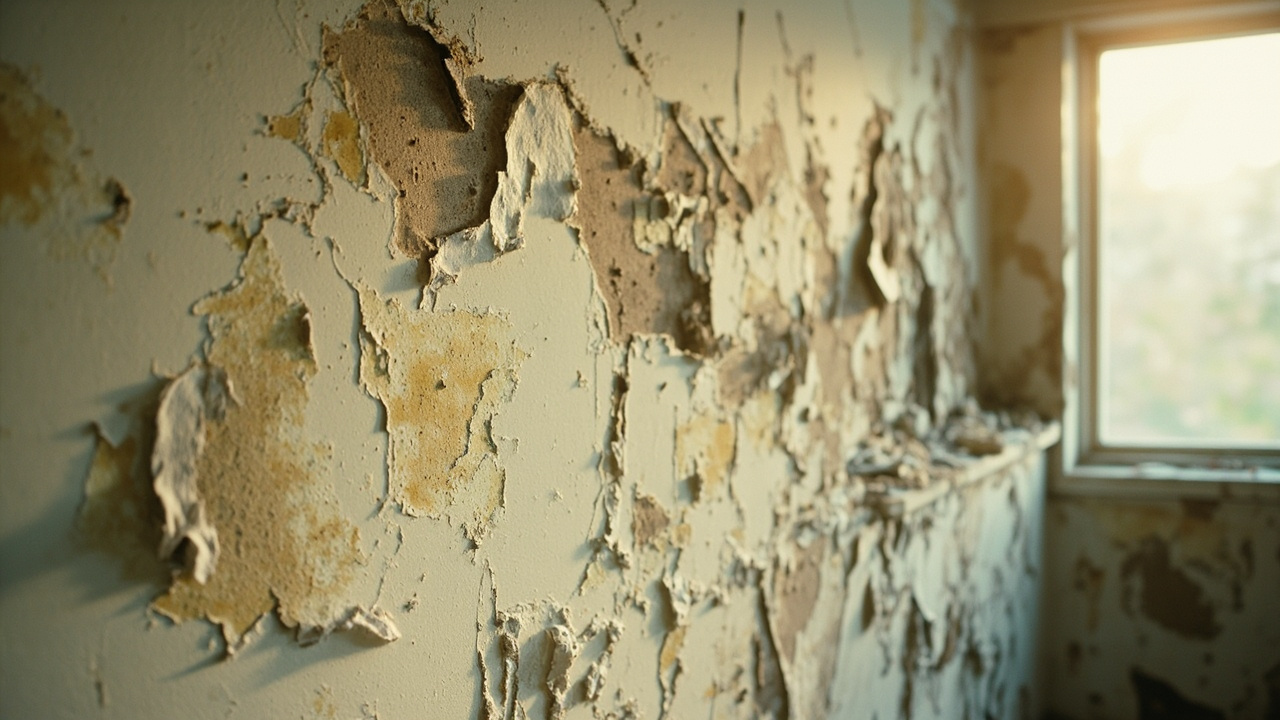
You walk past the same wall every day. Then one morning, you notice it. The paint is bubbling. The wallpaper is loose at the seam. By the end of the week, you have flaking paint curling off in strips.

This is not a cosmetic issue. This is water intrusion.

Virginia Beach sits in a humid subtropical zone. Your home absorbs moisture year-round. Add in hurricane-driven rain, aging flashing around windows, or a slow roof leak you cannot see, and you have the perfect conditions for blistering wall paint and lifting wallpaper.

The moisture gets behind the surface. It breaks the bond between the substrate and the finish. Paint peels. Wallpaper sags. The drywall underneath softens. You may not see mold yet, but it is forming.

Homeowners here often mistake this for normal wear. It is not. The Atlantic coast climate accelerates moisture damage. Saltwater air compounds the issue. If your HVAC system is undersized or your crawl space lacks proper vapor barriers, condensation builds inside wall cavities. The paint bubbles from the inside out.

You cannot fix this with a new coat of paint. You cannot re-glue wallpaper and call it done. The water source must be identified and eliminated. The affected materials must be dried, treated, or replaced. Anything less is a temporary cover-up that will fail again in months.

If you see peeling paint or loose wallpaper, you are looking at active or recent water damage. The longer you wait, the more expensive the fix becomes.

Why Your Walls Are Peeling in Virginia Beach
How We Find and Fix the Real Problem

How We Find and Fix the Real Problem

We do not start with patching. We start with moisture mapping.

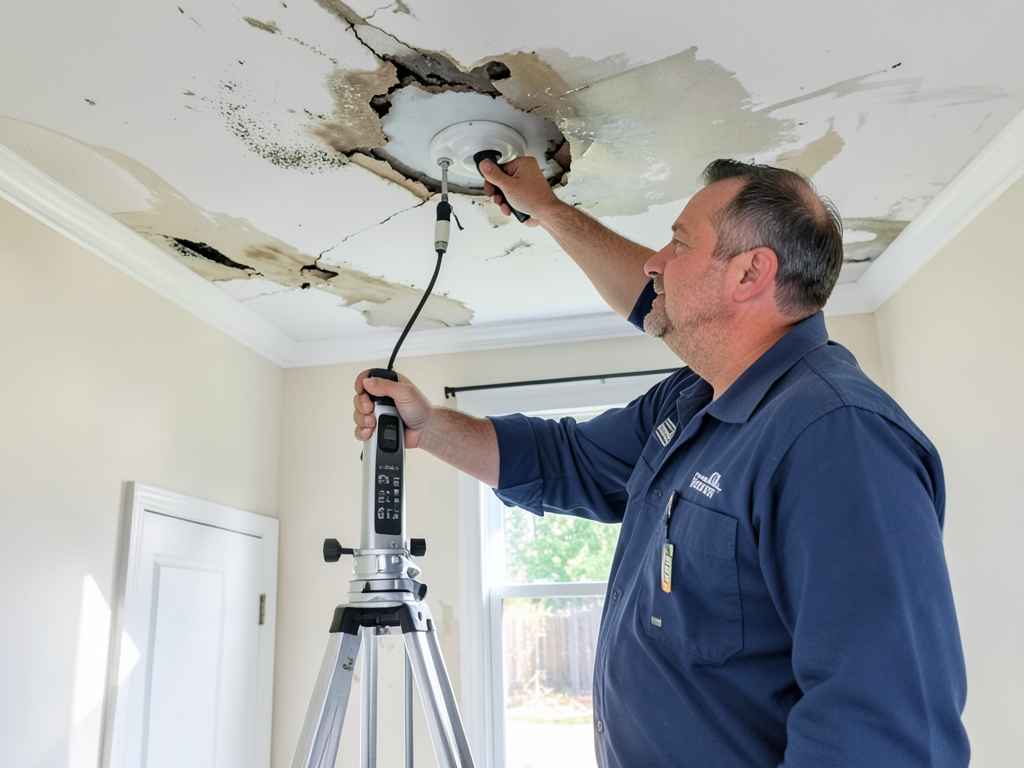
Our technicians use calibrated moisture meters to scan the wall cavity, studs, and insulation. We measure relative humidity levels in the room and compare them to ASHRAE standards for coastal climates. We trace the moisture back to its entry point, whether that is a compromised window seal, a roof penetration, or condensation from an HVAC duct leak.

Once we locate the source, we stop it. That might mean resealing flashing, replacing a section of vapor barrier, or rerouting condensate drainage. We do not move forward until the water intrusion is controlled.

Next, we assess the substrate. If the drywall is saturated beyond 20 percent moisture content, it gets removed. Wet insulation loses its R-value and becomes a mold incubator. We extract it and replace it with moisture-resistant material.

We deploy commercial-grade dehumidifiers and air movers to bring the wall cavity back to equilibrium. We monitor readings daily. When moisture content drops below 15 percent and stabilizes, we move to restoration.

We prime with a stain-blocking, mold-resistant sealer. We use materials rated for high-humidity environments. If wallpaper is going back up, we verify the adhesive is compatible with the substrate and the local climate. We do not rush. We do not skip steps.

This is not a paint job. This is structural drying, source elimination, and material science. You need someone who understands building envelopes, not just someone with a brush.

What Happens When You Call Us About Peeling Walls

Peeling Paint & Wallpaper in Virginia Beach – Expert Diagnosis and Lasting Repairs for Hidden Water Damage
01

Moisture Assessment and Source Tracing

We arrive with diagnostic tools, not assumptions. Our technician uses a pin-type moisture meter to penetrate the wall surface and measure subsurface moisture content. We scan adjacent walls, ceilings, and floors to map the extent of saturation. We identify whether the source is external infiltration, internal condensation, or plumbing failure. You get a written moisture map before any work begins.
02

Controlled Drying and Remediation

We isolate the affected area and set up negative air pressure if mold is present. Commercial dehumidifiers pull moisture from the air and materials. Air movers direct airflow across wet surfaces to accelerate evaporation. We remove compromised drywall, insulation, or trim as needed. Daily moisture readings confirm progress. The space is not considered dry until readings stabilize within acceptable thresholds for 48 hours.
03

Surface Restoration and Prevention

Once the substrate is dry and treated, we rebuild. New drywall is primed with mold-resistant sealer. Paint is applied in thin, even coats to prevent future blistering. Wallpaper adhesive is selected for humidity resistance. We address the original water entry point, whether that means caulking, flashing repair, or HVAC adjustment. You get a space that looks clean and stays dry.

Why Virginia Beach Homeowners Trust Us With Hidden Water Damage

You need someone who understands how moisture behaves in a coastal home. Virginia Beach is not a dry climate. The average relative humidity here hovers around 70 percent year-round. That means your walls are constantly absorbing and releasing moisture. If the balance tips, you get condensation, mold, and paint failure.

We work in this environment every day. We know that homes built before 2000 often lack proper vapor barriers in crawl spaces. We know that hurricane shutters and storm prep can trap moisture inside if ventilation is inadequate. We know that older HVAC systems in neighborhoods like Oceanfront and Hilltop struggle to dehumidify effectively during summer months.

This local knowledge matters. A contractor from out of town will see peeling paint and recommend repainting. We see peeling paint and start looking for the leak.

We are familiar with Virginia Beach building codes, including the 2018 amendments to the Virginia Residential Code that tightened moisture control requirements for coastal construction. We know what inspectors look for. We know how to document remediation for insurance claims. We know which materials hold up in high-humidity zones and which ones fail.

You are not hiring a handyman. You are hiring a water damage restoration company that understands building science, microbial growth patterns, and the specific challenges of living three miles from the Atlantic Ocean.

We have pulled wet insulation out of crawl spaces in Sandbridge. We have traced roof leaks in historic homes near the Cavalier Hotel. We have dried out flooded basements in Kempsville after nor'easters. This is what we do.

What You Can Expect From Start to Finish

Response Time and Availability

We dispatch a technician within two hours of your call during business hours. Emergency calls outside normal hours are answered and scheduled for same-day or next-morning response, depending on severity. Peeling paint is rarely an emergency, but the water damage behind it can be. We assess urgency during the initial call. Most diagnostic visits are completed within 60 minutes. You get a written assessment and a scope of work before we start any restoration.

Initial Inspection and Moisture Testing

The first visit is diagnostic. We do not sell you services until we understand the problem. Our technician uses calibrated moisture meters, thermal imaging cameras, and visual inspection to trace the water source. We check for mold growth, structural damage, and secondary moisture zones. You receive a written report with moisture readings, photographs, and a recommended action plan. We explain what needs to be done, why it needs to be done, and what happens if you delay.

The Quality of the Final Result

When we finish, your walls are dry, stable, and ready for long-term use. The paint adheres properly. The wallpaper does not lift. The substrate is treated to resist future mold growth. We do not leave until moisture readings confirm the space is in equilibrium. You get documentation of all readings, materials used, and work performed. The finished surface looks clean, but more importantly, it stays dry. We focus on durability, not just appearance.

Follow-Up and Long-Term Monitoring

We follow up 30 days after project completion to verify the repair is holding. If you notice new moisture signs, we return to reassess at no charge. This is not a warranty in the legal sense, but a commitment to get the diagnosis right the first time. We provide guidance on humidity control, ventilation improvements, and seasonal maintenance to prevent recurrence. You get our direct line. If the paint starts bubbling again, you call us, not a painter.

Frequently Asked Questions

You Have Questions,
We Have Answers

What to do if paint is peeling off the wall? +

Stop and assess the damage first. Peeling paint usually signals a moisture problem, not just bad paint. Check for water stains, soft drywall, or mold before you touch anything. If you find water damage, call a professional immediately. For surface peeling without moisture, scrape off loose paint with a putty knife, sand the edges smooth, prime bare spots, and repaint. Virginia Beach's high humidity can trap moisture behind walls, so ventilate bathrooms and kitchens properly. Never paint over active peeling. You will waste time and money when it fails again in weeks.

Why is my paint peeling off the wall like wallpaper? +

Paint peeling in sheets means poor adhesion caused by moisture, contamination, or surface prep failure. Water vapor pushes from behind the wall, breaking the bond between paint and substrate. In Virginia Beach, this happens often after coastal storms or plumbing leaks. Check for water damage, roof leaks, or condensation issues first. If the drywall feels soft or you see discoloration, you have active water intrusion. Another cause is painting over glossy surfaces without sanding or priming. The new paint never bonds and peels off like wallpaper within months.

Is it cheaper to paint or peel and stick wallpaper? +

Painting typically costs less upfront than peel and stick wallpaper for most rooms. Quality paint runs cheaper per square foot and lasts longer when applied correctly. Peel and stick offers easier DIY installation and removability, which appeals to renters. However, in Virginia Beach's humid climate, adhesive-backed products can fail faster as moisture weakens the bond. Paint also hides imperfections better and withstands moisture exposure in bathrooms and kitchens. If you have water damage or rough walls, paint wins. Wallpaper works for accent walls in dry, climate-controlled spaces.

Can I just paint over peeling paint? +

No. Painting over peeling paint guarantees failure. The new coat will peel with the old layer because you did not address the underlying adhesion problem. You must scrape off all loose paint, sand edges smooth, and prime bare spots before repainting. If moisture caused the peeling, fix the source first. Virginia Beach homes often battle humidity and hidden leaks that undermine paint adhesion. Skipping prep wastes your money when the fresh coat bubbles and peels within weeks. Remove all compromised paint down to a stable surface before you apply primer.

What is the difference between flaking and peeling paint? +

Flaking describes small chips or fragments breaking off the surface, usually from age or weathering. Peeling means larger sections lifting away from the substrate, often caused by moisture or adhesion failure. Flaking happens slowly over time as paint oxidizes and loses flexibility. Peeling occurs faster and signals a bigger problem like water intrusion, poor prep, or incompatible coatings. In Virginia Beach, salt air accelerates flaking on exterior surfaces, while indoor peeling points to humidity issues or leaks. Both require surface prep before repainting, but peeling demands you find and fix the moisture source first.

Will Kilz stop peeling paint? +

Kilz primer will not stop paint that is already peeling. It seals stains and improves adhesion on properly prepped surfaces, but it cannot reattach loose paint to the wall. You must scrape off all peeling sections, sand smooth, and then apply Kilz to bare spots before your topcoat. Kilz does help prevent future peeling by blocking moisture and creating a uniform base. In Virginia Beach's humid environment, use Kilz on water-stained areas after you fix the leak. Primer only works when applied to clean, stable surfaces. Remove all compromised paint first.

Should I scrape off all the peeling paint? +

Yes. Remove all loose, bubbling, or compromised paint before you prime and repaint. Leaving any peeling sections guarantees the new coat will fail. Use a putty knife or scraper to lift loose paint, then sand edges smooth so you do not see ridges through the fresh finish. Check beyond the visible damage because moisture often spreads further than you see. In Virginia Beach homes, humidity can weaken paint adhesion across entire walls. Test surrounding areas by pressing firmly. If paint flexes or feels spongy, scrape it too. Only repaint over solid, well-bonded surfaces.

Can low humidity cause paint to peel? +

Low humidity rarely causes peeling. High humidity and moisture vapor are the usual culprits, especially in Virginia Beach's coastal climate. However, extremely low humidity can make paint dry too fast during application, preventing proper adhesion. This creates a weak bond that may crack or peel later. Interior peeling almost always traces back to water intrusion, poor prep, or painting over contaminated surfaces. If your home has unusually low humidity, the paint may become brittle over time and crack, but moisture problems cause the vast majority of peeling you will encounter.

Does peeling wallpaper mean damp? +

Yes, in most cases. Wallpaper peeling signals moisture accumulation behind the wall. Water vapor weakens the adhesive, causing edges to lift and bubbles to form. Check for leaks, condensation, or poor ventilation. In Virginia Beach, high humidity can penetrate exterior walls, especially after storms. Feel the wall for dampness and look for discoloration or mold. If wallpaper peels in bathrooms or kitchens, your exhaust fans may not work properly. Address the moisture source immediately. Continuing dampness will damage drywall, promote mold growth, and ruin any new wallpaper or paint you apply.

What is the cost of painting a 1000 sq ft house? +

Painting costs vary based on prep work, paint quality, ceiling height, and damage severity. You should expect surface prep to drive the price if you have water damage or extensive peeling. Virginia Beach painters account for humidity challenges and moisture remediation when pricing jobs. DIY painting costs less but risks poor results if you skip proper prep or use wrong products for coastal conditions. Get multiple quotes and ask what prep work is included. Never choose based on price alone. Cheap jobs often fail fast in humid climates. Proper prep and quality materials matter more than square footage.

How Coastal Humidity and Hurricane Exposure Accelerate Wall Damage in Virginia Beach

Virginia Beach experiences an average of 215 days per year with humidity above 60 percent. When you combine that baseline moisture load with wind-driven rain from Atlantic storms, water finds its way into wall cavities through the smallest gaps in flashing, caulking, and siding. Homes near the oceanfront face additional exposure to salt spray, which accelerates corrosion of window frames and creates pathways for moisture intrusion. The result is chronic low-level water exposure that breaks down paint adhesion and weakens wallpaper bonds over time.

We operate exclusively in the Virginia Beach metro. That means we understand the specific building challenges here, from older homes in the North End Historic District to newer construction in Red Mill. We know which local contractors do quality flashing work and which ones cut corners. We know how to navigate insurance claims through carriers familiar with coastal water damage. When you hire a local team, you get someone who understands your home's environment, not just general restoration techniques.

Water Damage Services in The Virginia Beach Area

We are proud to serve the entire Virginia Beach area and surrounding communities. Our centrally located office allows us to provide a quick response to any water damage emergency. View our location on the map to see our service area, or simply give us a call and we'll dispatch a certified team to your location right away, ready to assist with your restoration needs.

Address:
Apex Water Damage Restoration Virginia Beach, 138 S Rosemont Rd, Virginia Beach, VA, 23452

Additional Services We Offer

Our news updates

Latest Articles & News from The Blogs

Water Damage Protocols for Medical Offices and Clinics in the Princess Anne Area When water damage strikes a medical office…

Water Damage Protocols for Medical Offices and Clinics in the Princess Anne Area

Water Damage Protocols for Medical Offices and Clinics in the Princess Anne Area When water damage strikes a medical office…

How Balcony Drainage Issues Cause Interior Water Damage for Oceanfront Condo Owners

How Balcony Drainage Issues Cause Interior Water Damage for Oceanfront Condo Owners \n\n Oceanfront condo owners in Virginia Beach face…

Breaking Your Lease Over Unresolved Water Damage (A Guide for Virginia Beach Renters)

Breaking Your Lease Over Unresolved Water Damage (A Guide for Virginia Beach Renters) Living with unresolved water damage in your…

Contact Us

If your paint is bubbling or your wallpaper is lifting, the water source is still active. The longer you wait, the more material you will need to replace. Call Apex Water Damage Restoration Virginia Beach at (757) 909-5033 to schedule a diagnostic visit. We find the leak, stop it, and fix it right.