




Menu

Risks of DIY Water Cleanup in Virginia Beach | Expert Guidance to Protect Your Property and Health

Before you grab a mop and shop vac, understand the hidden dangers of DIY water damage restoration that threaten your home's structural integrity and your family's safety in Virginia Beach's humid coastal climate.

Slider Image 1
Slider Image 2
Slider Image 3
Slider Image 4
Slider Image 5
Slider Image 7
Slider Image 8
Slider Image 9
Slider Image 10
Slider Image 11

Why DIY Water Cleanup Fails in Virginia Beach Homes

Virginia Beach's coastal humidity creates the perfect breeding ground for mold within 24 to 48 hours after water intrusion. You might see the visible water on your floor, but the dangers of DIY water damage restoration hide beneath surfaces, inside wall cavities, and under flooring materials where moisture meters and thermal imaging cameras are needed to detect hidden saturation.

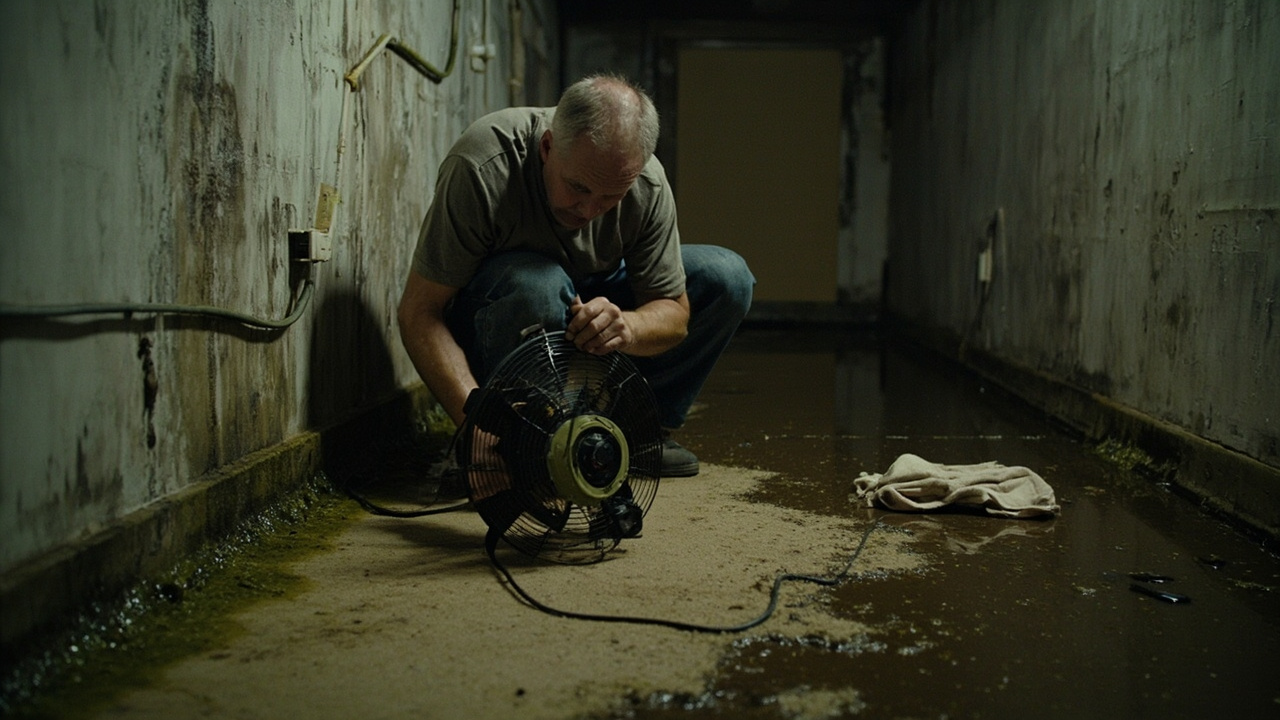
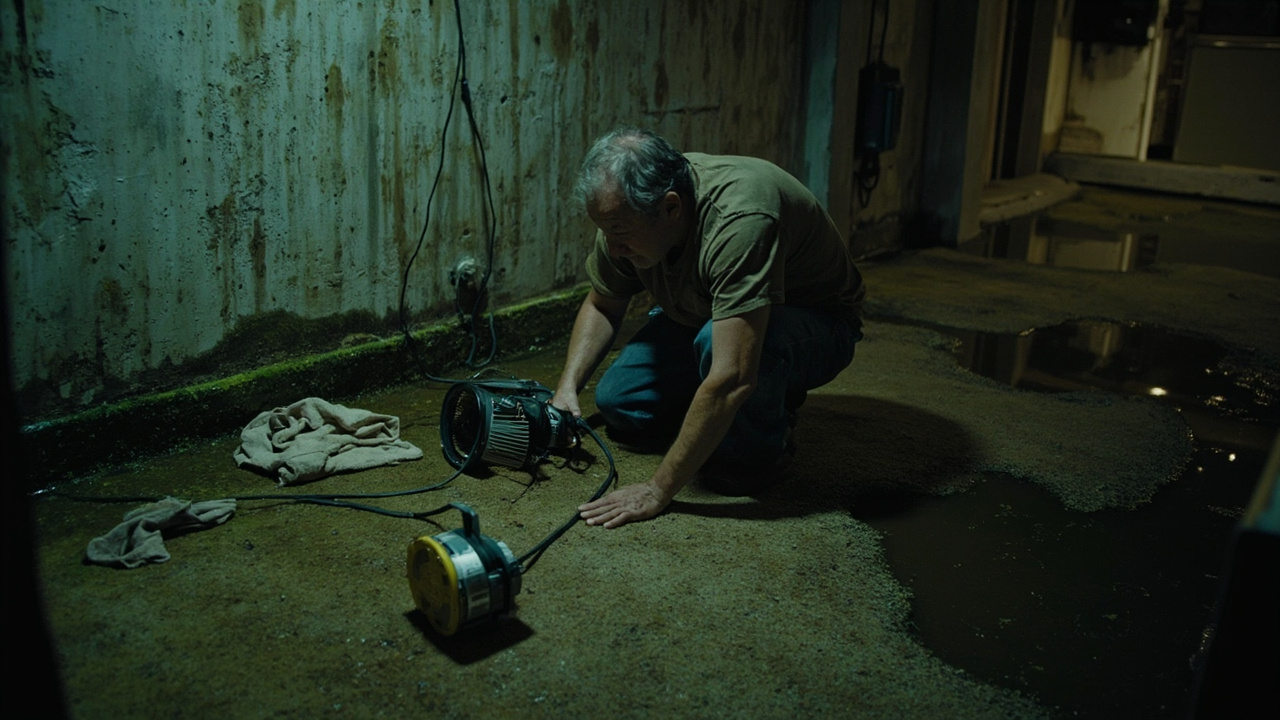
The hazards of do-it-yourself water removal extend beyond incomplete extraction. The Chesapeake Bay region's unique climate means ambient moisture levels stay elevated year-round, slowing natural evaporation and extending drying times. Your household fans and portable dehumidifier cannot match the velocity of professional air movers or the capacity of commercial-grade dehumidifiers that process hundreds of pints per day.

The consequences of amateur water cleanup become clear when your insurance claim gets denied. Most homeowners policies require immediate professional mitigation to prevent secondary damage. Documentation matters. Adjusters need moisture readings, thermal images, and detailed extraction logs to validate your claim. Without proper equipment and protocols, you have no proof of timely action.

Flooding from the Atlantic during hurricane season or storm surge events introduces Category 3 black water containing sewage, chemicals, and biological contaminants. The hidden risks of self-managed water mitigation include direct exposure to pathogens that cause serious illness. Professional teams use personal protective equipment, antimicrobial treatments, and proper disposal methods that protect your health.

The pitfalls of DIY water extraction show up months later when subfloor rot, buckled hardwoods, or black mold colonies force you to pay for restoration twice.

Why DIY Water Cleanup Fails in Virginia Beach Homes
How Professional Water Damage Restoration Eliminates Risk

How Professional Water Damage Restoration Eliminates Risk

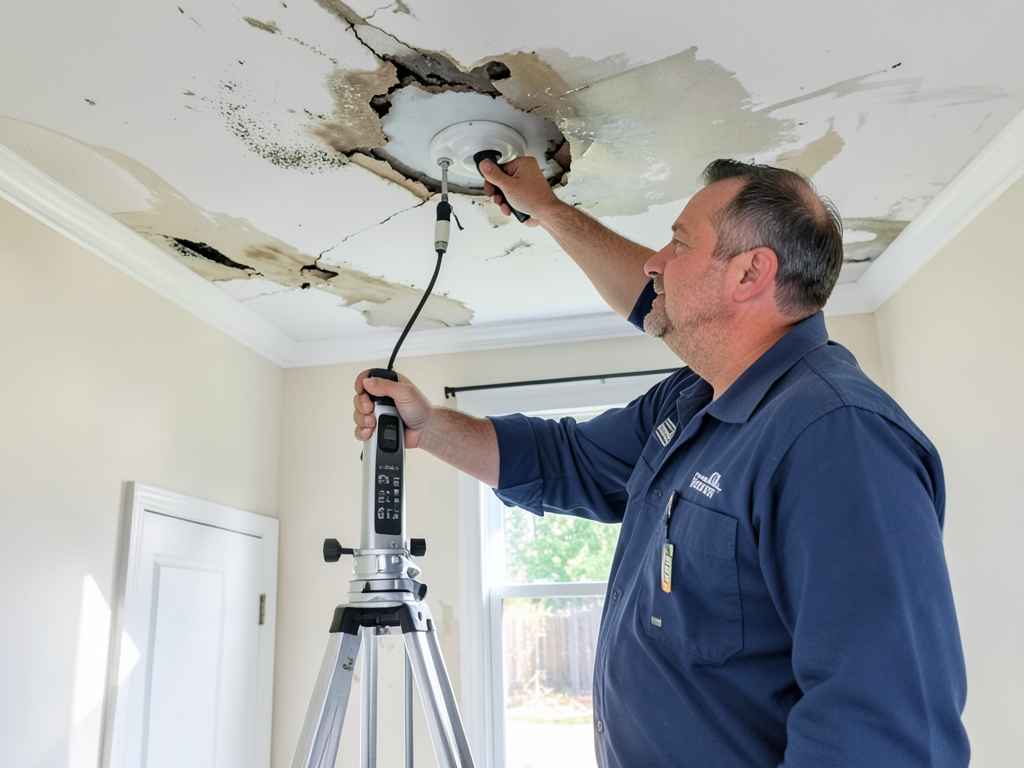
Professional restoration starts with a comprehensive moisture assessment using thermal imaging cameras that detect temperature differentials indicating wet building materials. Technicians document baseline moisture content readings with penetrating and non-invasive meters, creating a moisture map that guides extraction and drying strategy.

Truck-mounted extraction units generate vacuum pressures exceeding 400 cubic feet per minute, pulling water from carpet padding, subfloors, and concrete slabs that household equipment cannot touch. This prevents wicking, where moisture travels upward through porous materials and recontaminates dry surfaces.

Air movement science drives the drying process. Professionals position axial air movers to create directed airflow across wet surfaces at specific velocities measured in feet per minute. This accelerates evaporation rates by constantly replacing saturated air with drier air. Low-grain refrigerant dehumidifiers then remove moisture from the air before it condenses on cooler surfaces.

Psychrometric calculations determine the optimal temperature and humidity levels needed to achieve structural drying goals within industry standard timeframes. Technicians monitor progress daily using moisture meters, adjusting equipment placement and quantities based on real-time readings until materials return to dry standard levels.

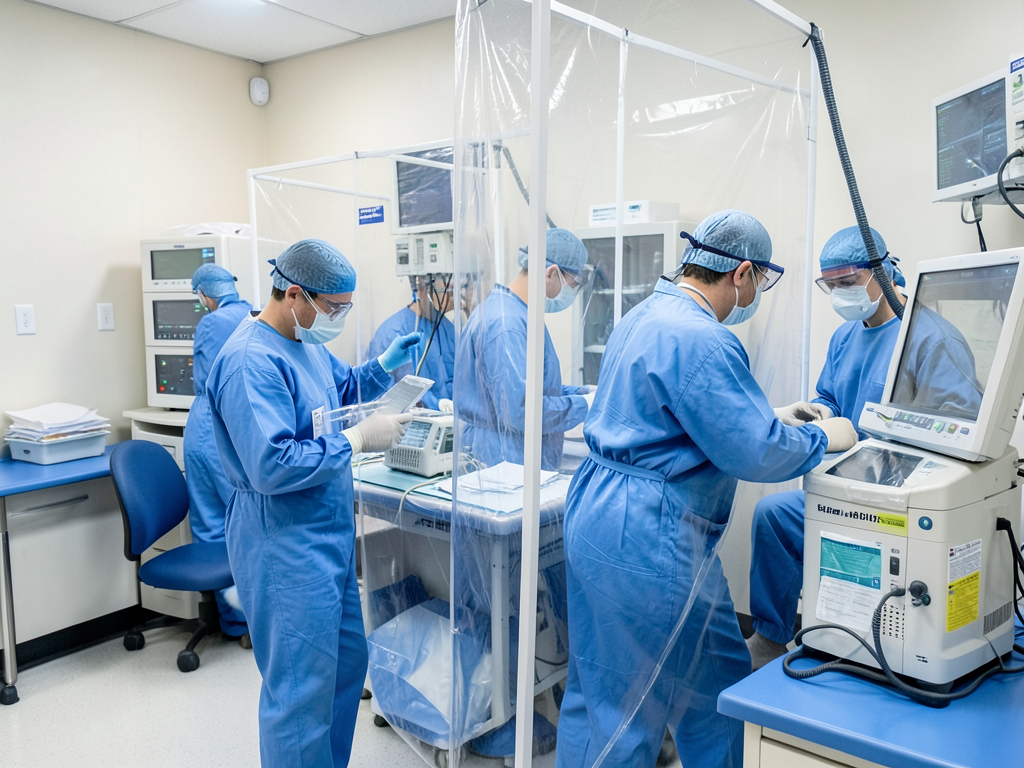
Containment barriers and negative air pressure prevent cross-contamination when dealing with Category 2 or 3 water sources. HEPA filtration captures airborne particulates and mold spores during demolition and cleaning phases.

Antimicrobial application follows IICRC S500 standards, treating affected surfaces to prevent microbial growth during the drying phase. Documentation includes pre-loss photos, moisture logs, equipment deployment records, and post-mitigation verification reports that insurance carriers require for claim processing.

Understanding Professional Water Damage Assessment

Risks of DIY Water Cleanup in Virginia Beach | Expert Guidance to Protect Your Property and Health
01

Initial Damage Inspection

Technicians arrive within hours to assess water category, affected materials, and contamination levels. Thermal imaging identifies hidden moisture in walls, ceilings, and floor assemblies. Moisture meters establish baseline readings across all impacted structural components. This diagnostic phase determines the scope of mitigation needed and prevents overlooking concealed water damage that leads to structural failure or mold growth.
02

Equipment Deployment Strategy

Based on moisture mapping and psychrometric data, restoration teams position commercial air movers, dehumidifiers, and extraction equipment to create optimal drying conditions. Equipment quantities match the volume of affected space and saturation levels. Containment barriers isolate work areas to maintain indoor air quality. Technicians calculate grain depression and specific humidity targets that guide the drying timeline for your specific building materials and environmental conditions.
03

Verification and Documentation

Daily monitoring tracks moisture reduction rates until materials reach dry standard levels verified by multiple meter readings. Final moisture mapping confirms complete structural drying before equipment removal. Comprehensive documentation includes photographic evidence, moisture logs, psychrometric charts, and equipment deployment records. This creates the insurance documentation chain required for claim approval and protects you from future liability if hidden moisture causes delayed damage.

Why Virginia Beach Property Owners Trust Apex Water Damage Restoration Virginia Beach

Virginia Beach's coastal building stock presents unique restoration challenges. Homes near the oceanfront, Chesapeake Bay waterfront properties, and neighborhoods surrounding Lake Rudee face elevated flood risk and saltwater intrusion concerns that demand specialized knowledge. Apex Water Damage Restoration Virginia Beach technicians understand how salt-contaminated water accelerates corrosion in electrical systems and HVAC components, requiring different treatment protocols than freshwater flooding.

Local building codes governing flood zone construction, foundation types, and moisture barrier requirements shape proper restoration methodology. Properties in the Sandbridge area built on pier foundations require different drying approaches than slab-on-grade homes in the Kempsville community. Familiarity with Virginia Beach construction patterns, from historic Seatack cottages to modern Pungo farmhouses, ensures appropriate material handling and preservation techniques.

The Atlantic hurricane season brings rapid-onset flooding requiring immediate response capacity. Our local presence means technicians arrive faster than regional franchise operations dispatched from Norfolk or Chesapeake. Equipment staging in Virginia Beach eliminates mobilization delays when storm surge threatens properties along Shore Drive or the Lynnhaven Inlet.

Insurance coordination experience with major carriers operating in Virginia Beach streamlines claim processing. We document damage according to Xactimate estimating protocols used by adjusters, reducing disputes and accelerating approvals. Direct billing arrangements eliminate out-of-pocket expenses during the mitigation phase.

Community relationships matter during disasters. Virginia Beach residents facing water damage need providers who understand local permitting requirements, know which materials match existing construction, and maintain relationships with structural engineers familiar with Tidewater-area building challenges. This local expertise prevents the costly mistakes that out-of-area restoration companies make when unfamiliar with coastal construction methods and environmental conditions.

What to Expect During Professional Water Damage Restoration

Emergency Response Timeline

Water damage requires immediate action to prevent secondary damage and mold growth. Professional teams respond within one to two hours of your call, arriving with extraction equipment, moisture detection tools, and emergency mitigation supplies. Initial water removal begins immediately upon arrival, stopping additional saturation spread through flooring and wall assemblies. Night and weekend availability ensures you receive the same rapid response regardless of when disaster strikes. This speed prevents the exponential damage progression that occurs when water sits for hours soaking into subfloors, wicking up drywall, and saturating insulation.

Comprehensive Damage Assessment

The assessment phase determines restoration scope and cost. Technicians inspect all potentially affected areas, not just visible water locations. Thermal imaging reveals hidden moisture in cavities where leaks traveled through floor joists or wall studs before appearing on surfaces. Moisture meters provide numerical readings that establish mitigation goals and track drying progress. Digital documentation with photographs and diagrams creates the evidence trail insurance adjusters require. You receive a detailed scope of work explaining affected materials, necessary equipment, estimated drying timeline, and recommended demolition if building components sustained irreversible damage.

Structural Drying Results

Complete structural drying means all building materials return to dry standard moisture content levels verified by meter readings. Hardwood floors dry without cupping or buckling when proper techniques control humidity and airflow. Drywall retains structural integrity when dried before saturation causes delamination or crumbling. Subfloors maintain load-bearing capacity when extraction occurs before rot begins. Professional drying prevents the failures that force complete material replacement months after amateur cleanup attempts. Final verification testing confirms your property meets industry standards for safe reoccupancy and prevents future mold growth, preserving your investment and protecting resale value.

Post-Restoration Monitoring

Restoration completion includes follow-up verification that materials remain dry after equipment removal. Some materials require extended monitoring periods to ensure moisture does not return through capillary action or ambient humidity absorption. Technicians provide guidance on returning furniture and personal belongings to restored areas safely. Documentation packages include final moisture readings, psychrometric data, and completion certificates that satisfy insurance requirements and provide proof of proper restoration for future property transactions. You receive information on preventing future water damage through maintenance practices specific to Virginia Beach's climate and your property's construction type.

Frequently Asked Questions

You Have Questions,
We Have Answers

Can you do water remediation yourself? +

You can handle minor spills or clean surface water, but structural water damage requires professional equipment and expertise. DIY attempts often miss hidden moisture in wall cavities, subflooring, and insulation. Virginia Beach's high humidity accelerates mold growth within 24 to 48 hours, making thorough drying critical. Professionals use moisture meters, thermal imaging, and industrial dehumidifiers to detect and eliminate moisture you cannot see. Without proper extraction and drying, you risk mold contamination, structural decay, and insurance claim denials. For anything beyond a small, contained spill, call a certified water damage restoration company.

Can mold from water damage make you sick? +

Yes. Mold releases spores and mycotoxins that trigger respiratory problems, allergic reactions, and chronic health issues. Common symptoms include coughing, wheezing, sore throat, skin rashes, and sinus congestion. People with asthma, allergies, or weakened immune systems face higher risks. In Virginia Beach's humid coastal climate, mold spreads rapidly after water damage. Black mold and other toxic species can cause severe reactions, including neurological symptoms and chronic fatigue. If you smell musty odors or see visible growth after water intrusion, avoid the area and contact a professional. Health risks escalate the longer mold remains untreated.

How long can drywall be wet before mold? +

Drywall can begin growing mold within 24 to 48 hours after becoming wet. In Virginia Beach, where humidity regularly exceeds 70 percent, this timeline accelerates. Wet drywall absorbs water like a sponge, creating an ideal environment for mold spores to colonize. The paper facing on drywall provides organic material mold needs to thrive. Once mold takes hold, it spreads behind walls where you cannot see it. Professional water extraction and drying within the first 24 hours prevent mold growth. If drywall stays wet longer than two days, replacement is often necessary.

How long does it take for water to damage foundation? +

Water can start damaging your foundation within hours, but significant structural issues develop over days to weeks. Standing water erodes soil, destabilizes footings, and creates hydrostatic pressure against foundation walls. In Virginia Beach, clay-heavy soils expand when wet, putting additional stress on foundations. Cracks form, allowing water to penetrate basement walls and crawl spaces. Prolonged exposure weakens concrete, corrodes rebar, and causes settling. If water pools around your foundation after a storm or plumbing failure, act immediately. Professional water removal and drainage correction prevent long-term structural damage that costs thousands to repair.

What are the 10 warning signs of mold toxicity? +

The 10 warning signs of mold toxicity include chronic fatigue, brain fog, memory problems, difficulty concentrating, headaches, dizziness, respiratory issues, sinus congestion, skin rashes, and joint pain. Some people experience mood swings, anxiety, or depression. Mold exposure affects everyone differently based on sensitivity and exposure duration. In Virginia Beach homes with water damage, mold often hides in wall cavities, attics, and crawl spaces. If you experience multiple symptoms that worsen at home and improve when you leave, suspect mold. Medical testing and professional mold inspection confirm contamination. Remove yourself from exposure and remediate immediately.

Can I safely remove black mold myself? +

No. Black mold removal requires containment, personal protective equipment, HEPA filtration, and proper disposal methods. Disturbing mold releases thousands of airborne spores that spread contamination and cause health problems. Black mold produces mycotoxins that are dangerous when inhaled or touched. DIY cleaning with bleach or vinegar does not kill mold roots embedded in porous materials like drywall and wood. Virginia Beach's humidity ensures mold returns unless you address moisture sources. Certified mold remediation professionals follow EPA and IICRC protocols to safely remove contamination, prevent cross-contamination, and restore air quality. Your health is not worth the risk.

What are the signs of mold making you sick? +

Signs mold is making you sick include persistent coughing, sneezing, watery eyes, nasal congestion, throat irritation, skin rashes, and worsening asthma symptoms. You may notice symptoms improve when you leave your home and return when you come back. Headaches, fatigue, and difficulty breathing are common reactions. In Virginia Beach's coastal climate, mold thrives in damp basements, crawl spaces, and poorly ventilated bathrooms. If you smell musty odors or see discoloration on walls and ceilings, mold is present. Document your symptoms and consult a doctor. Professional mold testing identifies species and contamination levels.

How long before water damage becomes mold? +

Water damage can become mold within 24 to 48 hours under the right conditions. Virginia Beach's warm, humid climate accelerates this timeline. Mold spores are always present in the air, waiting for moisture and organic material to colonize. Wet drywall, insulation, carpet, and wood provide ideal growth environments. The longer materials stay wet, the more extensive mold contamination becomes. Professional water extraction and structural drying within the first 24 hours prevent mold growth. If you wait longer than two days, you risk widespread contamination requiring expensive remediation and material replacement.

What are the symptoms of Cirs? +

Chronic Inflammatory Response Syndrome, or CIRS, causes fatigue, brain fog, memory loss, difficulty concentrating, headaches, joint pain, muscle aches, respiratory problems, sinus issues, digestive problems, and sensitivity to light. CIRS results from prolonged exposure to water-damaged buildings and biotoxins like mold. Symptoms persist even after leaving the contaminated environment because the immune system remains overactive. Diagnosis requires specific blood work and visual contrast testing. In Virginia Beach homes with hidden water damage, CIRS often goes undiagnosed for years. If you experience multiple unexplained symptoms, consult a CIRS-literate physician and have your home professionally inspected.

Does running the AC help with mold? +

Running your AC helps control humidity but does not eliminate mold. Air conditioning removes moisture from indoor air, making conditions less favorable for mold growth. However, mold already present requires professional remediation. In Virginia Beach, AC units themselves can harbor mold in drain pans, evaporator coils, and ductwork if not maintained. If your system circulates moldy air, it spreads contamination throughout your home. Set your AC to keep indoor humidity below 50 percent. Use a dehumidifier in basements and crawl spaces. After water damage, professional drying equipment is necessary to prevent mold colonization.

How Virginia Beach's Coastal Climate Amplifies DIY Water Cleanup Dangers

Virginia Beach's average relative humidity stays above 70 percent year-round, creating conditions where structural materials dry slowly even with fans and open windows. The Atlantic maritime climate means temperatures fluctuate minimally between day and night, reducing natural condensation cycles that aid evaporation in drier climates. Properties near the oceanfront or along the Lynnhaven River face constant moisture exposure that keeps building materials near saturation even before water damage occurs. This ambient humidity means DIY drying attempts using household equipment fail because you cannot achieve the grain depression needed to pull moisture from saturated materials faster than environmental conditions reintroduce it.

Virginia Beach building officials enforce strict flood zone construction standards and moisture management requirements that affect proper restoration methodology. Properties must meet specific drying standards before reconstruction can proceed legally. Insurance carriers operating in coastal Virginia require documentation meeting IICRC S500 standards for water damage restoration to validate claims and prevent future mold liability. Local restoration professionals understand Virginia Uniform Statewide Building Code moisture barrier requirements, vapor retarder specifications, and ventilation standards that DIY efforts overlook. This regulatory knowledge ensures your property restoration meets code requirements and maintains insurability in a high-risk flood zone where compliance matters for future coverage eligibility.

Water Damage Services in The Virginia Beach Area

We are proud to serve the entire Virginia Beach area and surrounding communities. Our centrally located office allows us to provide a quick response to any water damage emergency. View our location on the map to see our service area, or simply give us a call and we'll dispatch a certified team to your location right away, ready to assist with your restoration needs.

Address:
Apex Water Damage Restoration Virginia Beach, 138 S Rosemont Rd, Virginia Beach, VA, 23452

Additional Services We Offer

Our news updates

Latest Articles & News from The Blogs

Water Damage Protocols for Medical Offices and Clinics in the Princess Anne Area When water damage strikes a medical office…

Water Damage Protocols for Medical Offices and Clinics in the Princess Anne Area

Water Damage Protocols for Medical Offices and Clinics in the Princess Anne Area When water damage strikes a medical office…

How Balcony Drainage Issues Cause Interior Water Damage for Oceanfront Condo Owners

How Balcony Drainage Issues Cause Interior Water Damage for Oceanfront Condo Owners \n\n Oceanfront condo owners in Virginia Beach face…

Breaking Your Lease Over Unresolved Water Damage (A Guide for Virginia Beach Renters)

Breaking Your Lease Over Unresolved Water Damage (A Guide for Virginia Beach Renters) Living with unresolved water damage in your…

Contact Us

Stop the damage now. Call Apex Water Damage Restoration Virginia Beach at (757) 909-5033 for immediate response. Our technicians arrive equipped to extract water, document damage, and begin professional drying that protects your property and your insurance claim.