




Menu

Condensation on Windows & Walls in Virginia Beach – Get Expert Diagnosis Before Hidden Mold Takes Hold

Persistent window sweating and moisture buildup on walls signal vapor drive issues common in coastal Virginia Beach homes. We identify the actual source, not just the symptom, before condensation turns into structural water damage.

Slider Image 1
Slider Image 2
Slider Image 3
Slider Image 4
Slider Image 5
Slider Image 7
Slider Image 8
Slider Image 9
Slider Image 10
Slider Image 11

Why Virginia Beach Windows and Walls Collect Moisture Year-Round

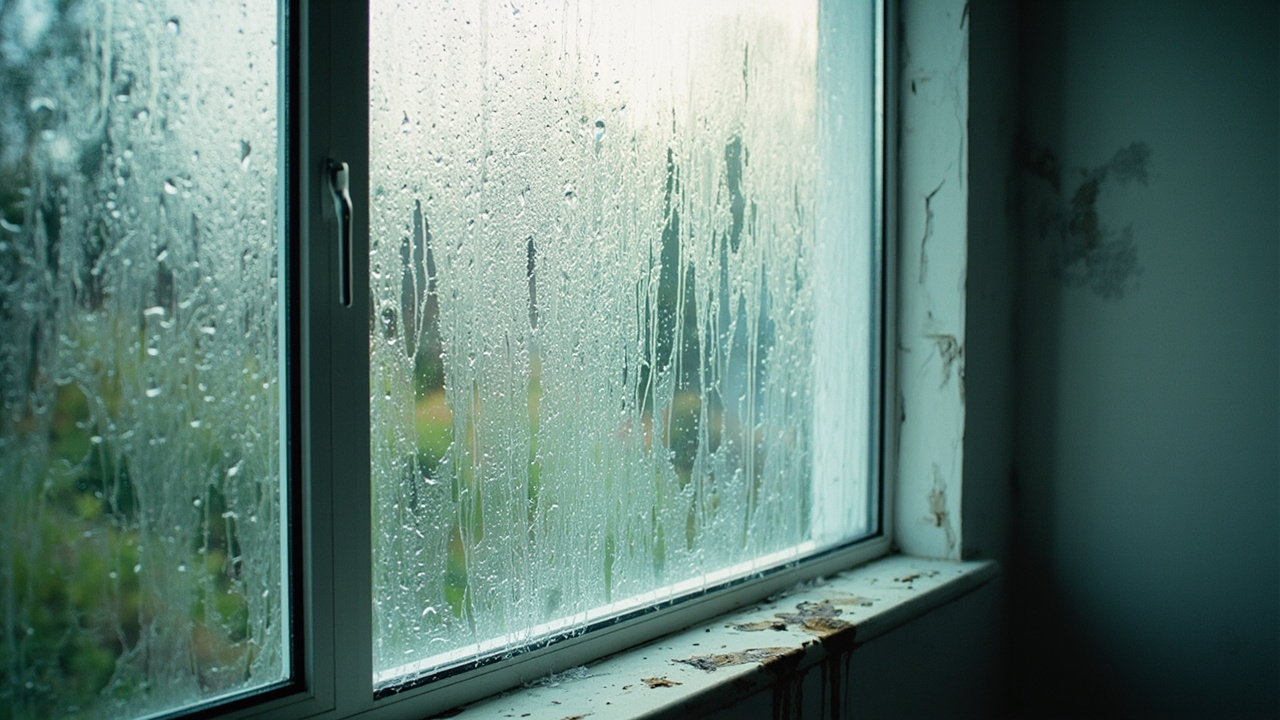
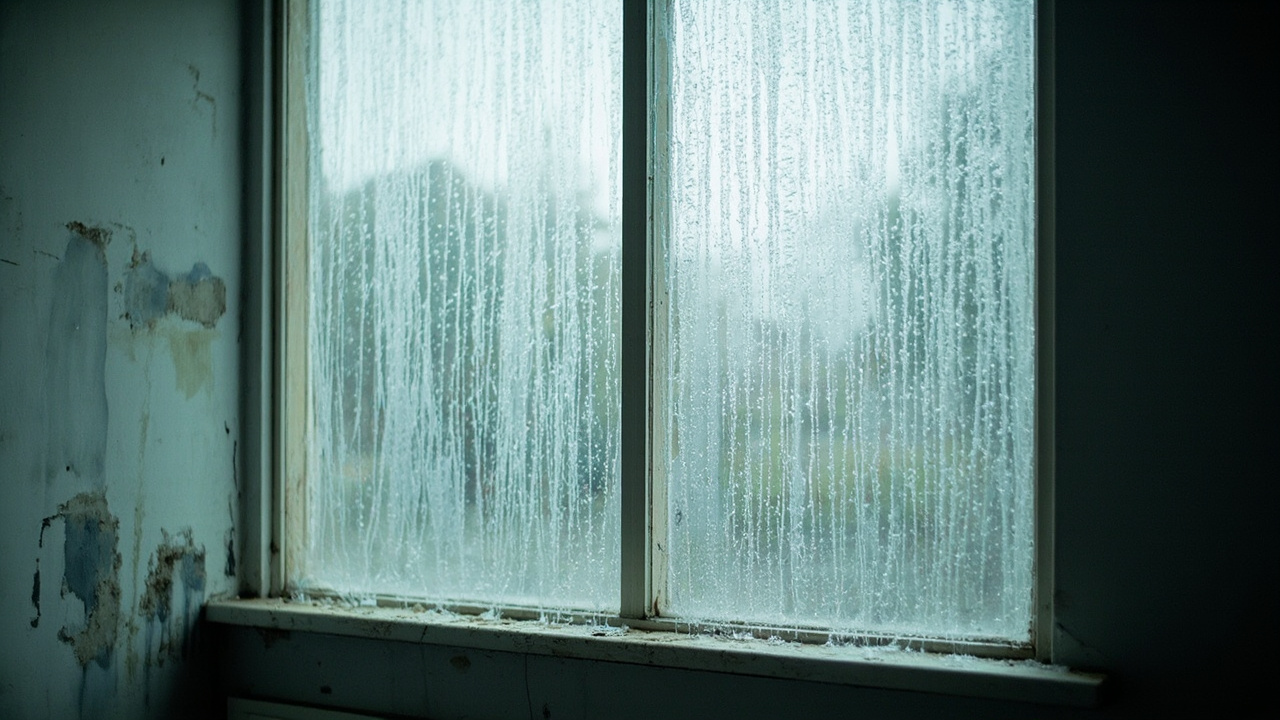
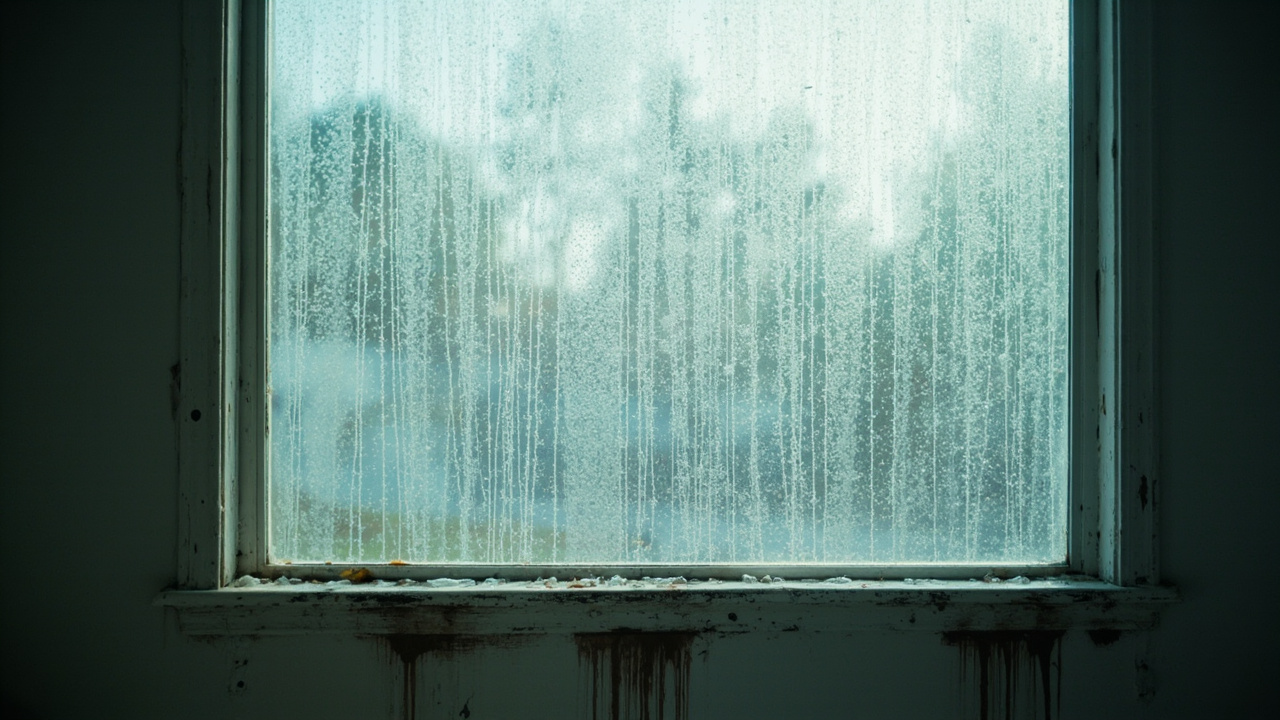
You wipe down weeping window panes every morning. Damp drywall patches reappear on exterior walls no matter how many times you paint over them. Interior glass condensation forms even when your heat is running.

Virginia Beach's coastal climate creates the perfect storm for chronic condensation problems. Humid Atlantic air meets temperature swings between your heated interior and cold exterior surfaces. When warm, moisture-laden air contacts cold glass or poorly insulated walls, water vapor condenses instantly. The problem compounds in winter when you seal your home tight, trapping humidity from cooking, showers, and even breathing.

Most homeowners think condensation is normal coastal living. It is not. Persistent moisture buildup on walls signals either inadequate vapor barriers, thermal bridging through wall studs, or active water intrusion hidden behind the visible dampness. Window sweating beyond occasional fogging indicates failed seals, insufficient ventilation, or indoor humidity levels above 50 percent.

The real danger is not the visible water. It is what happens behind your drywall. Chronic condensation saturates insulation, rots wood framing, and creates ideal conditions for mold colonization within 48 hours. By the time you see staining or smell mustiness, spores have likely spread through wall cavities.

Virginia Beach's mix of older ranch homes with inadequate vapor barriers and newer construction with overly tight building envelopes both struggle with moisture management. Tidewater humidity does not forgive poor building science. You need someone who understands vapor pressure differentials, not just someone with a dehumidifier and a mop.

Why Virginia Beach Windows and Walls Collect Moisture Year-Round
How We Diagnose Condensation Problems Correctly

How We Diagnose Condensation Problems Correctly

Most companies treat condensation as a ventilation problem and sell you exhaust fans. That approach fails when the actual issue is thermal bypass or concealed leaks.

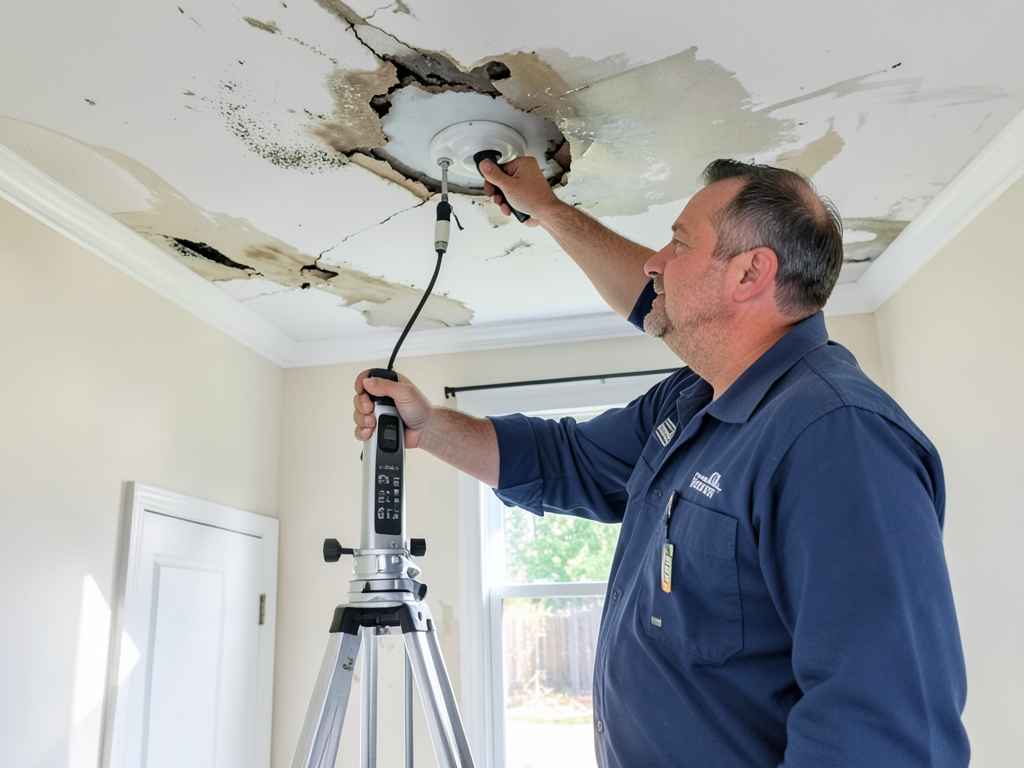
We use thermal imaging cameras to map temperature differentials across your walls and window assemblies. Cold spots reveal where insulation is missing, compressed, or wet. We measure indoor relative humidity and compare it against outdoor dew points to determine if your moisture source is internal humidity or external infiltration.

Moisture meters probe behind drywall to detect saturation levels invisible to the eye. If readings exceed 17 percent moisture content in wood framing, we know active water intrusion is occurring, not just condensation. We inspect attic spaces for ductwork condensation and check crawlspaces for ground moisture vapor rising through floor assemblies.

We test window seals with blower door depressurization to identify air leakage paths. Failed double-pane seals allow humid air between glass layers, creating condensation you cannot wipe away. We examine exterior cladding and flashing details where bulk water may be entering wall cavities and mimicking condensation patterns on interior surfaces.

Our assessment differentiates between three moisture sources: vapor diffusion through building materials, air leakage carrying moisture, and bulk water intrusion. Each requires a completely different remediation strategy. Treat vapor diffusion with a dehumidifier and you waste money while the wall continues rotting. Treat a leak with better insulation and you simply insulate wet materials.

We provide a written moisture map showing exact problem areas, moisture content readings, and the physics behind why condensation occurs in your specific locations. You get a fix that addresses the cause.

What Happens During a Condensation Assessment in Your Virginia Beach Home

Condensation on Windows & Walls in Virginia Beach – Get Expert Diagnosis Before Hidden Mold Takes Hold
01

Thermal and Moisture Scanning

We map your entire affected area with infrared cameras and calibrated moisture meters. Cold spots on thermal images reveal insulation voids or thermal bridges where condensation forms predictably. Moisture readings behind drywall distinguish between surface condensation and concealed water damage. This data tells us whether you have a building envelope failure, a humidity control problem, or active water intrusion.
02

Source Identification Testing

We measure indoor humidity levels, test window seal integrity, and inspect vapor barriers in attics and crawlspaces. Blower door testing reveals air leakage paths carrying humid air into wall cavities. We check HVAC systems for ductwork condensation and verify exhaust ventilation capacity in bathrooms and kitchens. This phase determines if moisture originates inside your home, outside, or both.
03

Remediation Plan and Prioritization

You receive a written report with moisture readings, thermal images, and a prioritized action plan. We identify which issues require immediate attention to prevent mold growth and which are longer-term building envelope improvements. If active water damage exists, we move directly into controlled drying and affected material removal. If the issue is humidity control or insulation, we provide specifications for the correct fix.

Why Virginia Beach Homeowners Choose Us for Condensation Problems

Condensation problems in Virginia Beach require someone who understands coastal building science. We deal with the unique challenges of Tidewater construction: crawlspace moisture migration, salt air effects on building materials, and the vapor pressure differentials created when Atlantic humidity meets conditioned air.

Most water damage companies treat every moisture problem as a drying job. They extract visible water, run dehumidifiers, and leave. That approach fails with condensation because the moisture source remains active. You get temporary relief until the next humid day.

We combine water damage restoration expertise with building diagnostics. Our technicians hold certifications in moisture intrusion analysis and understand thermodynamics, not just equipment operation. We know the difference between capillary action, vapor diffusion, and air transported moisture. That knowledge determines whether you need better ventilation, a vapor barrier repair, or window replacement.

Virginia Beach's mix of architectural styles means we work on everything from 1960s ranch homes with no vapor barriers to modern builds with spray foam insulation creating vapor traps. We understand local code requirements for moisture management and how historic district regulations affect remediation options in older neighborhoods near the oceanfront.

We communicate in plain language. You will understand why condensation forms on your specific walls, what the moisture is doing to your structure, and what the fix actually involves. We do not sell you services you do not need.

Our assessment includes documentation suitable for insurance claims if condensation has caused mold growth or wood rot. We coordinate with your insurance adjuster and provide the technical data needed to demonstrate covered water damage versus maintenance issues.

You get straight answers about whether your problem is fixable with humidity control, requires insulation work, or demands window replacement. We provide referrals to qualified contractors for work outside our scope. We care about solving your problem correctly, not maximizing our invoice.

What to Expect From Our Condensation Assessment Service

Response Time and Scheduling

We schedule condensation assessments within 48 hours of your call. While condensation rarely constitutes an emergency, prompt evaluation prevents the progression to mold growth or wood rot. Most assessments take two to three hours depending on your home size and the extent of affected areas. We work around your schedule, including evenings and weekends. You do not need to take a full day off work. We provide a courtesy call 30 minutes before arrival.

What the Assessment Includes

You receive thermal imaging of all affected areas, moisture content readings documented in a written report, and humidity level measurements throughout your home. We inspect attics, crawlspaces, and concealed areas where moisture sources often hide. We test window seals and examine exterior cladding where visible from inside. The assessment includes a detailed explanation of findings and a prioritized remediation plan. You receive digital copies of all thermal images and moisture maps.

The Quality of Our Analysis

Our reports meet insurance documentation standards and include technical data like moisture content percentages, relative humidity readings, and thermal image temperature differentials. We distinguish between cosmetic issues and structural concerns. If concealed damage exists, we provide scope documentation for repairs. You get a frank assessment of whether the problem is minor and manageable or requires significant remediation. We identify code compliance issues if your building envelope fails to meet Virginia residential moisture control standards.

Follow-Up and Ongoing Support

If we perform remediation work, we conduct post-drying moisture verification to confirm all materials have returned to normal levels below 15 percent moisture content. We provide guidance on humidity control and ventilation to prevent recurrence. For building envelope issues requiring contractor work outside our scope, we offer re-inspection services after repairs to verify the condensation problem has been resolved. We stay available for questions as you implement recommended solutions.

Frequently Asked Questions

You Have Questions,
We Have Answers

How to stop condensation on windows and walls? +

Reduce indoor humidity first. Run bathroom and kitchen exhaust fans during and after showers or cooking. Open windows briefly to exchange air, even in Virginia Beach's humid summers. Use a dehumidifier to keep indoor humidity between 30-50%. Check weatherstripping around doors and windows. Ensure dryer vents exit outside properly. Increase air circulation with ceiling fans. If condensation persists after these steps, you may have hidden moisture intrusion or ventilation issues. Inspect crawl spaces and attics for leaks. Virginia Beach's coastal climate makes humidity control essential year-round.

Does condensation always indicate a problem? +

No. Light condensation on cold mornings or after showers is normal and harmless. It indicates temperature difference between indoor air and glass surfaces. The problem starts when condensation appears daily, runs down walls, or creates puddles on sills. Excessive condensation in Virginia Beach homes often signals poor ventilation, plumbing leaks, or compromised building envelopes. Watch for accompanying signs like musty odors, peeling paint, or visible mold. Occasional condensation requires simple ventilation adjustments. Persistent condensation needs professional investigation to prevent structural damage and mold growth.

Is it normal to have condensation on the inside of house windows? +

Yes, in specific conditions. Interior condensation happens when warm, humid indoor air meets cold glass surfaces. This is common in Virginia Beach during winter months when heating systems run and outdoor temperatures drop. Single-pane windows show more condensation than double-pane units. Morning condensation that evaporates quickly is normal. Daily condensation that persists or worsens indicates excess indoor humidity or inadequate ventilation. Check humidity levels with a hygrometer. Readings above 60% indoors create ideal conditions for condensation and mold. Adjust ventilation and humidity sources accordingly.

Should you wipe condensation off windows? +

Yes, remove it promptly. Standing water on sills causes wood rot, paint damage, and mold growth. Wipe condensation with an absorbent cloth or squeegee. Dry sills thoroughly to prevent water infiltration into wall cavities. Wiping is a temporary fix, not a solution. You must address the root cause: excess humidity or poor ventilation. In Virginia Beach's humid climate, chronic condensation left untreated leads to serious structural issues. If you wipe condensation daily, you have a ventilation or moisture problem that needs correction before damage spreads.

Does condensation on windows mean poor insulation? +

Not always. Condensation forms when indoor humidity meets cold surfaces. Poor insulation contributes by allowing window and wall surfaces to stay colder, but high indoor humidity is usually the primary culprit. Homes in Virginia Beach with adequate insulation still experience condensation if humidity is uncontrolled. Single-pane windows condensate more than insulated glass units regardless of wall insulation. Before upgrading insulation, measure indoor humidity and improve ventilation. If condensation occurs only on specific walls or corners, those areas may lack proper insulation or have thermal bridging issues.

What to put on walls to stop condensation? +

Fix the moisture source before treating walls. No coating stops condensation if humidity remains high. Improve ventilation first. Use mold-resistant paint with antimicrobial additives on affected walls after drying them completely. Apply vapor barrier paint in chronically damp areas like bathrooms. Install vapor barriers behind drywall during renovations in Virginia Beach homes prone to humidity issues. Ensure exterior walls have proper insulation and air sealing. Dehumidifiers control ambient moisture. If condensation persists after ventilation improvements, you may have hidden leaks or inadequate wall insulation requiring professional assessment.

Does condensation mean my house is too cold? +

Not usually. Condensation forms when warm, humid air contacts cold surfaces. Your house temperature matters less than the temperature difference between air and surfaces. Cold walls or windows in heated homes create condensation when indoor humidity is high. Virginia Beach homes can experience this during mild winters when heating is intermittent. Raising thermostat temperature may reduce condensation temporarily by warming surfaces, but it does not fix the humidity problem. Focus on reducing moisture sources and improving ventilation rather than increasing heat. Excessive indoor humidity is the root issue.

What are signs of excessive condensation? +

Watch for water pooling on windowsills, dark spots on walls or ceilings, musty odors, peeling paint or wallpaper, and visible mold growth. Condensation that persists throughout the day signals excessive moisture. Check closets and corners along exterior walls for dampness. In Virginia Beach homes, check crawl spaces and attics for moisture accumulation. Warped wood flooring or baseboards indicate long-term moisture exposure. Foggy double-pane windows mean seal failure. If you notice multiple signs, you need immediate moisture assessment to prevent structural damage and health risks.

Will a dehumidifier get rid of condensation? +

Yes, if excess humidity causes the condensation. Dehumidifiers remove moisture from air, preventing condensation formation when indoor humidity drops below 50%. Size the unit appropriately for your square footage. Virginia Beach's coastal humidity often requires continuous dehumidifier operation, especially in basements and crawl spaces. Empty collection tanks regularly or use continuous drain options. Dehumidifiers address ambient moisture but will not fix localized condensation from plumbing leaks, poor ventilation, or insulation gaps. Combine dehumidification with proper ventilation and moisture source elimination for complete condensation control.

Why is there condensation on my bedroom walls? +

Bedrooms generate moisture from breathing and body heat, especially with closed doors. Poor air circulation traps humid air against exterior walls. In Virginia Beach's humid climate, this creates ideal condensation conditions. Check for plumbing leaks in adjacent bathrooms. Ensure HVAC vents deliver adequate airflow to the bedroom. Crack a window or run a fan to improve circulation. Keep bedroom doors open when possible. If condensation appears on specific wall sections, those areas may lack insulation or have thermal bridging. Persistent bedroom wall condensation needs professional evaluation to prevent hidden mold growth.

How Virginia Beach's Coastal Humidity Makes Condensation a Structural Threat

Virginia Beach sits where humid subtropical climate meets the Atlantic Ocean. Outdoor relative humidity averages 70 percent year-round and exceeds 85 percent during summer mornings. When you cool your home interior below the outdoor dew point, any cold surface becomes a condensation magnet. Single-pane windows, poorly insulated exterior walls, and uninsulated cold water pipes all weep moisture during humid months. Winter creates the reverse problem when heated interior air contacts cold exterior surfaces. The Tidewater region experiences this dual-season condensation challenge worse than inland Virginia locations.

Apex Water Damage Restoration Virginia Beach specializes in moisture problems unique to coastal construction. We understand how salt air accelerates corrosion in building materials already weakened by chronic moisture exposure. We know which local contractors properly install vapor barriers and which ones create worse problems by trapping moisture inside wall cavities. Our technicians live in Virginia Beach and deal with the same humidity challenges in their own homes. That local experience means we recognize condensation patterns specific to Tidewater architecture and climate.


Water Damage Services in The Virginia Beach Area

We are proud to serve the entire Virginia Beach area and surrounding communities. Our centrally located office allows us to provide a quick response to any water damage emergency. View our location on the map to see our service area, or simply give us a call and we'll dispatch a certified team to your location right away, ready to assist with your restoration needs.

Address:
Apex Water Damage Restoration Virginia Beach, 138 S Rosemont Rd, Virginia Beach, VA, 23452

Additional Services We Offer

Our news updates

Latest Articles & News from The Blogs

Water Damage Protocols for Medical Offices and Clinics in the Princess Anne Area When water damage strikes a medical office…

Water Damage Protocols for Medical Offices and Clinics in the Princess Anne Area

Water Damage Protocols for Medical Offices and Clinics in the Princess Anne Area When water damage strikes a medical office…

How Balcony Drainage Issues Cause Interior Water Damage for Oceanfront Condo Owners

How Balcony Drainage Issues Cause Interior Water Damage for Oceanfront Condo Owners \n\n Oceanfront condo owners in Virginia Beach face…

Breaking Your Lease Over Unresolved Water Damage (A Guide for Virginia Beach Renters)

Breaking Your Lease Over Unresolved Water Damage (A Guide for Virginia Beach Renters) Living with unresolved water damage in your…

Contact Us

Get a professional moisture assessment that identifies the actual cause. Call Apex Water Damage Restoration Virginia Beach at (757) 909-5033 for straight answers about what is happening in your walls and windows. We schedule assessments within 48 hours.