The Unique Challenges of Drying Out Historic Plaster Walls in Older Virginia Beach Homes
Water damage in Virginia Beach’s historic homes presents unique challenges that modern construction simply doesn’t face. When plaster walls absorb moisture, they behave differently than drywall, creating a complex restoration puzzle that requires specialized knowledge and equipment. The coastal climate of Virginia Beach, with its high humidity and salt air, accelerates these problems and demands a precise approach to drying and restoration. Repairing Water Damage at Your Virginia Beach Oceanfront Property After a Storm.
Historic plaster walls in neighborhoods like North End and Olde Towne consist of multiple layers including lime plaster, gypsum, and lath that trap moisture in ways modern materials don’t. This creates hidden damage that standard moisture meters might miss, leading to prolonged drying times and increased mold risk. Understanding these unique properties is essential for effective restoration. Water Damage Restoration Norfolk.
The first step in addressing water-damaged plaster involves recognizing the warning signs. Unlike drywall that shows immediate staining, plaster damage often manifests as hairline cracks, bubbling paint, or efflorescence – those white mineral deposits that appear when water evaporates through the surface. These subtle indicators require a trained eye to identify before the damage becomes severe. Who to Call for Emergency Water Removal in Virginia Beach Right Now.
Virginia Beach’s coastal environment creates additional complications for plaster restoration. The combination of high humidity and salt air means moisture can penetrate deeper into wall cavities and remain trapped for extended periods. This extended exposure increases the likelihood of mold growth in the organic materials behind the plaster, particularly in homes built before modern vapor barriers were standard. What Virginia Beach Town Center Condo Owners Should Do After a Leak.
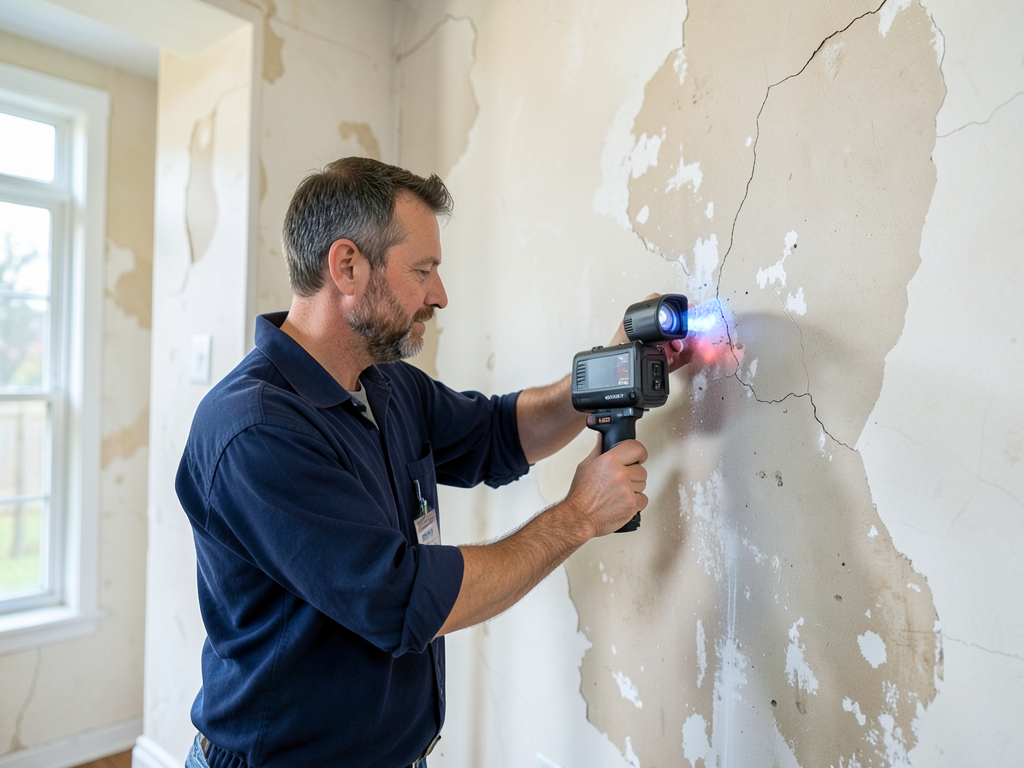
Professional restoration of historic plaster requires a methodical approach that balances preservation with effective drying. The process begins with thorough moisture mapping using thermal imaging cameras and penetrating moisture meters to identify all affected areas. This diagnostic step is crucial because visible damage often represents only a fraction of the total moisture problem. Choosing a Restoration Company.
The restoration process for water-damaged plaster involves five critical steps that differ significantly from standard drywall repair. First, technicians must stabilize the structure to prevent further damage. Second, they create controlled drying environments using specialized equipment designed for dense materials. Third, they implement mold prevention measures specific to historic materials. Fourth, they restore the plaster’s structural integrity. Finally, they address aesthetic concerns while preserving the home’s historic character. EPA Lead-Safe Practices.
Safety considerations become paramount when dealing with historic plaster, particularly in homes built before 1978. Many older Virginia Beach homes contain lead-based paint beneath their plaster surfaces, requiring EPA-certified lead-safe practices during restoration. Additionally, some historic homes may contain asbestos in their plaster mixes, necessitating specialized containment and removal procedures.
Determining whether to repair or replace damaged plaster requires careful evaluation of several factors. The condition of the lath system, the extent of moisture penetration, and the presence of structural damage all influence this decision. In many cases, historic plaster can be saved if the damage is caught early and treated properly, preserving both the home’s character and reducing restoration costs.
The drying process for plaster walls typically takes longer than drywall due to the material’s density and moisture retention properties. While drywall might dry in 3-5 days, plaster can require 7-14 days or more, depending on the extent of damage and environmental conditions. This extended timeline requires patience and proper monitoring to ensure complete drying without causing additional damage.. Read more about How Long the Drying Process Actually Takes for Your Virginia Beach Home.
Modern restoration techniques have evolved to address these challenges more effectively. High-pressure drying systems can force air through wall cavities to accelerate moisture removal without damaging the plaster surface. Desiccant dehumidifiers provide the low-humidity environment necessary for efficient drying, while thermal energy systems can gently heat wall cavities to promote evaporation.
Virginia Beach’s specific climate conditions create unique challenges for plaster restoration. The area’s average humidity levels of 75-80% during summer months mean that outdoor air cannot be used for drying, as it would introduce more moisture than it removes. This requires complete environmental control within the affected areas, often necessitating temporary containment barriers and specialized equipment.
The presence of salt in coastal air adds another layer of complexity to plaster restoration. Salt crystals can form within the plaster matrix, causing expansion and contraction that leads to cracking and delamination. This salt damage requires specific treatment protocols that go beyond standard water damage restoration techniques.
Professional restoration companies serving Virginia Beach must understand the local building codes and historic preservation requirements. The Virginia Uniform Statewide Building Code includes specific provisions for historic structures, and many neighborhoods have additional preservation guidelines that must be followed during restoration work.
The cost of plaster restoration varies significantly based on the extent of damage, the home’s age, and the preservation requirements. While initial costs may be higher than drywall replacement, successful plaster restoration often proves more economical in the long run by preserving the home’s historic value and avoiding the expense of complete wall replacement.
Homeowners dealing with water-damaged plaster should avoid common mistakes that can worsen the situation. Using fans to dry visible surfaces without addressing hidden moisture, applying heat directly to wet plaster, or attempting to seal in moisture with paint can all lead to more extensive damage and higher restoration costs.
Insurance considerations also play a role in plaster restoration decisions. Many insurance policies distinguish between sudden water damage and gradual moisture problems, with different coverage levels for each. Understanding these distinctions can help homeowners make informed decisions about restoration approaches and coverage options.
The success of plaster restoration ultimately depends on the restorer’s understanding of both the material science and the local conditions. Virginia Beach’s unique combination of historic architecture, coastal climate, and preservation requirements demands a specialized approach that generic restoration companies cannot provide.
Call (757) 909-5033 today to schedule your inspection and protect your historic Virginia Beach home from further water damage. Our certified technicians understand the unique challenges of plaster restoration and provide the specialized care your historic property deserves.
Frequently Asked Questions
How long does it take to dry out plaster walls after water damage?
Plaster walls typically require 7-14 days to dry completely, compared to 3-5 days for drywall. The dense composition of plaster and its tendency to trap moisture behind the lath system means the process takes significantly longer and requires specialized monitoring equipment.
Can water-damaged plaster be saved or does it need replacement?
Many water-damaged plaster walls can be saved if treated properly. The decision depends on the extent of damage, the condition of the lath system, and whether mold has developed. Early intervention and professional assessment offer the best chance for successful restoration.
Why is plaster restoration more expensive than drywall repair?
Plaster restoration requires specialized equipment, longer drying times, and often involves lead-safe or asbestos containment procedures. The skill required to preserve historic materials and the extended monitoring period also contribute to higher costs compared to standard drywall repair.
What makes Virginia Beach plaster restoration different from other areas?
Virginia Beach’s high humidity, salt air, and historic architecture create unique challenges. The coastal climate affects drying times and mold growth rates, while many local homes require preservation-compliant restoration techniques that differ from standard practices used in other regions. For more information, visit IICRC Restoration Standards.
You may also find this helpful. Protecting Your High End Finishes and Wallpaper After a Leak in Linkhorn Park.
You may also find this helpful. Why Your Seasonal Allergies Might Actually Be Caused by a Hidden Leak in Your Walls.
{
“@context”: “https://schema.org”,
“@type”: “BlogPosting”,
“headline”: “The Unique Challenges of Drying Out Historic Plaster Walls in Older Virginia Beach Homes”,
“description”: “Discover why plaster walls in Virginia Beach’s historic homes need specialized drying techniques. Learn about moisture mapping, mold prevention, and expert restoration.”,
“wordCount”: 1226,
“datePublished”: “2026-05-17T06:02:00.000Z”,
“dateModified”: “2026-05-17T06:02:00.000Z”,
“inLanguage”: “en-US”,
“mainEntityOfPage”: {
“@type”: “WebPage”,
“@id”: “https://apexwaterdamagerestorationvirginiabeach.com”
},
“publisher”: {
“@type”: “LocalBusiness”,
“name”: “Apex Water Damage Restoration Virginia Beach”,
“url”: “https://apexwaterdamagerestorationvirginiabeach.com”
},
“author”: {
“@type”: “Organization”,
“name”: “Apex Water Damage Restoration Virginia Beach”,
“url”: “https://apexwaterdamagerestorationvirginiabeach.com”
},
“image”: {
“@type”: “ImageObject”,
“url”: “https://apexwaterdamagerestorationvirginiabeach.com/wp-content/uploads/2026/03/the-unique-challenges-of-drying-out-historic-plast-1.png”
}
}
{
“@context”: “https://schema.org”,
“@type”: “LocalBusiness”,
“name”: “Apex Water Damage Restoration Virginia Beach”,
“url”: “https://apexwaterdamagerestorationvirginiabeach.com”,
“address”: {
“@type”: “PostalAddress”,
“addressLocality”: “Virginia Beach”
},
“areaServed”: {
“@type”: “City”,
“name”: “Virginia Beach”
}
}
{
“@context”: “https://schema.org”,
“@type”: “FAQPage”,
“mainEntity”: [
{
“@type”: “Question”,
“name”: “How long does it take to dry out plaster walls after water damage?”,
“acceptedAnswer”: {
“@type”: “Answer”,
“text”: “Plaster walls typically require 7-14 days to dry completely, compared to 3-5 days for drywall. The dense composition of plaster and its tendency to trap moisture behind the lath system means the process takes significantly longer and requires specialized monitoring equipment.”
}
},
{
“@type”: “Question”,
“name”: “Can water-damaged plaster be saved or does it need replacement?”,
“acceptedAnswer”: {
“@type”: “Answer”,
“text”: “Many water-damaged plaster walls can be saved if treated properly. The decision depends on the extent of damage, the condition of the lath system, and whether mold has developed. Early intervention and professional assessment offer the best chance for successful restoration.”
}
},
{
“@type”: “Question”,
“name”: “Why is plaster restoration more expensive than drywall repair?”,
“acceptedAnswer”: {
“@type”: “Answer”,
“text”: “Plaster restoration requires specialized equipment, longer drying times, and often involves lead-safe or asbestos containment procedures. The skill required to preserve historic materials and the extended monitoring period also contribute to higher costs compared to standard drywall repair.”
}
},
{
“@type”: “Question”,
“name”: “What makes Virginia Beach plaster restoration different from other areas?”,
“acceptedAnswer”: {
“@type”: “Answer”,
“text”: “Virginia Beach’s high humidity, salt air, and historic architecture create unique challenges. The coastal climate affects drying times and mold growth rates, while many local homes require preservation-compliant restoration techniques that differ from standard practices used in other regions. For more information, visit IICRC Restoration Standards.”
}
}
]
}
{
“@context”: “https://schema.org”,
“@type”: “BreadcrumbList”,
“itemListElement”: [
{
“@type”: “ListItem”,
“position”: 1,
“name”: “Home”,
“item”: “https://apexwaterdamagerestorationvirginiabeach.com”
},
{
“@type”: “ListItem”,
“position”: 2,
“name”: “Blog”,
“item”: “https://apexwaterdamagerestorationvirginiabeach.com/blog”
},
{
“@type”: “ListItem”,
“position”: 3,
“name”: “The Unique Challenges of Drying Out Historic Plaster Walls in Older Virginia Beach Homes”
}
]
}
{
“@context”: “https://schema.org”,
“@type”: “Service”,
“serviceType”: “Water Damage Restoration”,
“provider”: {
“@type”: “LocalBusiness”,
“name”: “Apex Water Damage Restoration Virginia Beach”,
“url”: “https://apexwaterdamagerestorationvirginiabeach.com”
},
“areaServed”: {
“@type”: “City”,
“name”: “Virginia Beach”
},
“description”: “Discover why plaster walls in Virginia Beach’s historic homes need specialized drying techniques. Learn about moisture mapping, mold prevention, and expert restoration.”
}