The dangers of electrical hazards after a flood in your Virginia Beach kitchen
Floodwaters in your Virginia Beach kitchen create immediate electrocution risks that most homeowners underestimate. Standing water can carry deadly current from submerged outlets, damaged appliances, or compromised wiring hidden behind walls. The salt air and coastal storms common in Virginia Beach accelerate corrosion in electrical systems, making flood damage even more dangerous than inland areas. Repairing Water Damage at Your Virginia Beach Oceanfront Property After a Storm.
Before you step into that flooded kitchen, understand what you’re facing. This guide covers the specific electrical hazards unique to Virginia Beach homes, immediate safety steps, and when to call professionals who understand local building codes and coastal flood risks. What Virginia Beach Town Center Condo Owners Should Do After a Leak.
Immediate Danger: What to Do Right Now
Standing water conducts electricity from multiple sources in your kitchen. A submerged outlet can electrify an entire floor. Your refrigerator’s compressor or dishwasher’s motor can become energized through damaged wiring. Even touching a light switch while standing in water creates a lethal path to ground. Who to Call for Emergency Water Removal in Virginia Beach Right Now.
- Stop. Do Not Enter
If water covers any electrical outlet or appliance, stay out of the kitchen. Call (757) 909-5033 immediately for emergency guidance. Immediate Steps for a Burst Pipe Repair in the Hilltop Neighborhood.
- Shut Off Power Safely
If you can reach your main breaker panel without stepping in water, turn off the main breaker using only one hand. Keep your other hand away from any metal or grounded surface. Water Damage Restoration Norfolk.
- Call Dominion Energy
For widespread flooding, contact Dominion Energy at 866-366-4357 to report potential electrical hazards. They can shut off power to your entire home if needed. Dominion Energy emergency services.
- Document Everything
Take photos from a safe distance before any cleanup begins. This documentation helps with insurance claims and shows the extent of electrical exposure.. Read more about How to Save Your Important Documents and Photos After a Flood in Princess Anne Plaza.
The One Hand Rule saves lives. When you must touch your breaker panel, use only one hand and keep the other hand in your pocket or behind your back. This prevents current from traveling across your chest and stopping your heart.
The Risks of Water-Damaged Electrical Systems
Water damage to electrical systems creates two major hazards: immediate electrocution risk and delayed fire danger. Understanding both helps you make safe decisions about your flooded Virginia Beach kitchen.. Read more about Restoring Your Alanton Kitchen After a Major Pipe Burst.
Immediate Electrocution Hazards
Floodwaters create conductive paths between normally isolated electrical components. Salt water from coastal flooding is particularly dangerous because dissolved minerals increase conductivity by up to 50 times compared to fresh water. A kitchen flood involving salt water creates an intense, widespread electrical hazard.
Common immediate dangers include:
- Submerged outlets sending current through standing water
- Damaged appliance cords creating exposed live wires
- Water traveling through wall cavities and energizing multiple circuits
- Ground Fault Circuit Interrupter (GFCI) outlets failing due to corrosion
Hidden Fire Hazards After the Water Recedes
Once visible water disappears, electrical dangers often increase. Water leaves behind mineral deposits and corrosion that slowly degrade wiring insulation. This creates conditions for electrical fires weeks or months later.
Hidden dangers include:
- Corrosion eating through wire insulation inside walls
- Breaker panels with water-damaged internal components
- Appliances with corroded internal wiring that can short circuit
- Moisture trapped in electrical boxes creating ongoing corrosion
The National Electrical Code (NEC) Article 410 requires replacement of any lighting fixture that has been submerged, even if it appears to work. Water contamination permanently compromises electrical safety. National Electrical Code (NEC) standards.
Virginia Beach Coastal Flooding: Saltwater vs. Freshwater Risks
Virginia Beach’s coastal location creates unique electrical hazards. Saltwater flooding from storm surges or high tides causes electrical damage that differs significantly from freshwater leaks.
Saltwater Electrical Damage Timeline
Saltwater accelerates corrosion through electrolysis. When salt water contacts electrical components, it creates a galvanic reaction that eats through metal at an accelerated rate.
| Time After Flooding | Saltwater Effects | Freshwater Effects |
|---|---|---|
| 0-24 hours | Immediate corrosion begins on all metal surfaces | Initial water absorption into materials |
| 24-72 hours | Visible corrosion on terminals and connections | Moisture spreading through walls and insulation |
| 3-7 days | Internal wiring corrosion becomes severe | Active mold growth begins in damp areas |
| 7+ days | Complete system failure likely; fire risk high | Structural drying needed; mold spreads |
Saltwater flooding requires complete replacement of affected electrical components rather than repair. The corrosive minerals bond permanently to metal surfaces and continue causing damage even after drying.
Virginia Beach Flood Zone Considerations
Many Virginia Beach neighborhoods sit in FEMA-designated flood zones AE and VE. These areas face higher risks of storm surge flooding that brings saltwater into homes.
Common Virginia Beach flood scenarios include:
- Noreaster-driven storm surges affecting the Oceanfront and Chesapeake Bay areas
- King tide flooding in low-lying areas like Pungo and Sandbridge
- Hurricane storm surges affecting the entire coastal region
- Heavy rainfall overwhelming drainage systems in established neighborhoods
The Virginia Uniform Statewide Building Code (VUSBC) requires electrical outlets in flood-prone areas to be installed at minimum heights above expected flood levels. Many older Virginia Beach homes don’t meet current standards.
When to Call a Licensed Professional
Some electrical flood damage situations require immediate professional intervention. Understanding when to call for help prevents injury and property damage.
Immediate Professional Help Needed
Call (757) 909-5033 right away if you observe:
- Visible sparks, smoke, or burning smells from electrical components
- Water around your main electrical panel or breaker box
- Appliances making unusual humming or buzzing sounds
- Flickering lights when using other electrical devices
- Charred outlets or switches
- Exposed wiring or damaged electrical cords
Professional Assessment Required
Even if immediate dangers aren’t obvious, professional inspection becomes necessary when:
- Any kitchen appliances were submerged
- Water reached electrical outlets or switches
- Flooding affected adjacent rooms with shared walls
- You notice corrosion on visible electrical components
- Your home is in a designated flood zone
Professional electricians follow NEC guidelines for water-damaged electrical systems. They test for continuity, check insulation resistance, and verify that all components meet safety standards before restoring power.
Step-by-Step Restoration Process
Restoring electrical safety after a kitchen flood requires systematic evaluation and repair. Here’s what professional restoration involves:
- Safety Assessment
Technicians verify that all power is disconnected and test for any live circuits before entering the affected area.
- Moisture Mapping
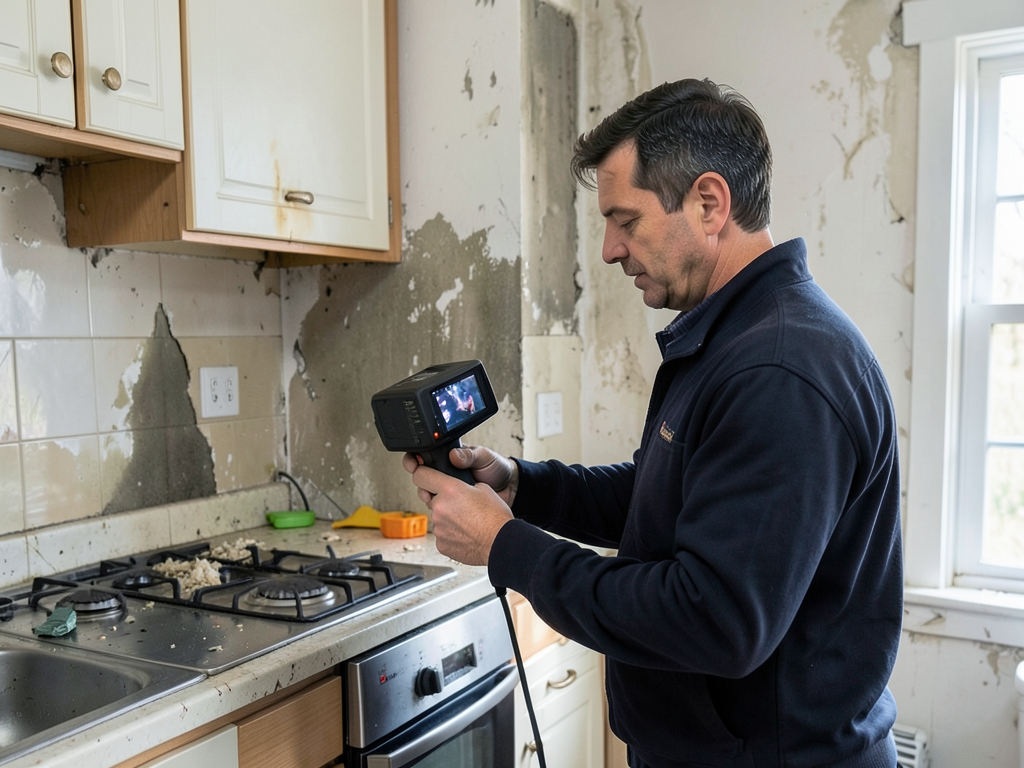
Using thermal imaging and moisture meters, professionals locate all water-affected areas, including hidden moisture in walls and under cabinets.
- Electrical System Evaluation
Every outlet, switch, and fixture in the affected area undergoes testing for corrosion and functionality.
- Component Replacement
Water-damaged outlets, switches, and fixtures are replaced according to NEC requirements. Submerged appliances typically require replacement rather than repair.
- Structural Drying
Professional-grade dehumidifiers and air movers dry wall cavities and under-cabinet spaces where moisture collects.
- Final Safety Testing
Ground fault protection is verified, circuit integrity is tested, and all components are checked for proper operation before power restoration.
Virginia Beach homes often require additional considerations due to coastal humidity. Even after visible drying, moisture levels in wall cavities can remain elevated for weeks, continuing to affect electrical components.
Coordinating Water Damage and Electrical Repairs
Effective flood restoration requires coordination between water damage specialists and licensed electricians. This coordination prevents unsafe conditions during the restoration process.
Water Damage First, Then Electrical
Professional water damage restoration follows this sequence:
- Emergency water extraction and containment
- Electrical system assessment and power disconnection
- Removal of damaged materials and contents
- Structural drying and dehumidification
- Final cleaning and sanitization
- Electrical system repair and testing
Attempting electrical repairs before complete drying can trap moisture in wall cavities, leading to ongoing corrosion and failure.
Insurance and Documentation
Insurance companies require detailed documentation of electrical damage for claims processing. Professional restoration companies provide:
- Moisture mapping reports showing affected areas
- Photographic documentation of damage
- Written assessments of required repairs
- Compliance verification with local building codes
Many Virginia Beach homeowners discover that flood insurance policies have specific requirements for electrical system repairs after water damage.
Preventing Future Electrical Flood Damage
After experiencing one flood, many Virginia Beach homeowners take steps to prevent future electrical damage. These preventive measures can save thousands in potential repairs.
Electrical System Upgrades
Consider these improvements for flood-prone areas:
- Install outlets and switches at heights above expected flood levels
- Use GFCI protection on all kitchen circuits
- Install water leak detection systems with automatic shutoff
- Add whole-house surge protection
- Use water-resistant outlet boxes in vulnerable areas
Kitchen-Specific Protection
Kitchens contain multiple water sources and electrical appliances, making them particularly vulnerable. Protection strategies include:
- Installing leak detectors under sinks and near dishwashers
- Using appliance-grade outlet covers
- Ensuring proper drainage around the home’s foundation
- Maintaining clear gutters and downspouts
Virginia Beach’s high humidity also requires attention to condensation management. Even without flooding, moisture can accumulate in electrical boxes and cause problems over time.
Understanding Water Categories and Electrical Risks
Not all floodwater poses the same electrical risks. The source and contamination level of water affects both immediate danger and required cleanup procedures.
| Water Category | Source Examples | Electrical Risk Level | Cleanup Requirements |
|---|---|---|---|
| Category 1 (Clean) | Broken water supply line, rainwater | Moderate | Drying and inspection sufficient |
| Category 2 (Gray) | Appliance discharge, washing machine overflow | High | Disinfection and component replacement often needed |
| Category 3 (Black) | Sewer backup, storm surge, flooding rivers | Extreme | Complete replacement of affected components required |
Category 3 water, common in Virginia Beach coastal flooding, requires complete replacement of all affected electrical components. The contamination and corrosion make repair unsafe and unreliable.
Local Resources and Emergency Contacts
Virginia Beach residents have access to specific resources for flood-related electrical emergencies:
- Emergency Services: Call 911 for immediate life-threatening electrical hazards
- Dominion Energy: 866-366-4357 for power outages and electrical emergencies
- Virginia Beach Emergency Management: 757-385-3351 for flood preparedness and resources
- National Weather Service: 757-899-4200 for current weather alerts and flood warnings
Many Virginia Beach neighborhoods have specific flood risks based on their location relative to water bodies. The Lynnhaven River area, Oceanfront, and Pungo region face different flooding patterns and electrical hazards.
Frequently Asked Questions
Can I use my kitchen appliances after minor flooding?
Even minor flooding can damage internal wiring in appliances. Have a licensed electrician test each appliance before use. Water can cause delayed failures that create fire hazards weeks later.
How long does electrical restoration take after a kitchen flood?
Complete restoration typically takes 3-7 days depending on damage extent. This includes water removal, drying, electrical assessment, component replacement, and final testing. Rushing this process creates safety risks.
Will my insurance cover electrical damage from flooding?
Most homeowner’s insurance policies cover sudden water damage but exclude flood damage. Review your policy carefully. Many Virginia Beach homeowners need separate flood insurance through the National Flood Insurance Program.
What building codes apply to electrical repairs after flooding?
The Virginia Uniform Statewide Building Code requires all electrical repairs to meet current NEC standards. This often means upgrading older systems to current safety requirements during repairs.
Take Action Now to Protect Your Home
Electrical hazards after a kitchen flood create immediate risks that most homeowners don’t recognize until it’s too late. The combination of Virginia Beach’s coastal environment, aging housing stock, and frequent storm events makes electrical safety after flooding a critical concern.
Don’t risk electrocution or fire by attempting DIY repairs. Professional assessment and restoration ensure your home meets current safety standards and protects your family from hidden dangers that can persist long after visible water disappears.
Call (757) 909-5033 today to schedule your inspection. Our licensed technicians understand Virginia Beach’s unique coastal challenges and provide 24/7 emergency response for flood-related electrical hazards. Every minute counts when dealing with water and electricity.
Pick up the phone and call (757) 909-5033 before the next storm hits. We’ll help you protect your home and family from the hidden dangers of electrical flood damage.
{
“@context”: “https://schema.org”,
“@type”: “BlogPosting”,
“headline”: “The dangers of electrical hazards after a flood in your Virginia Beach kitchen”,
“description”: “Don’t risk electrocution. Learn the hidden electrical dangers in flooded Virginia Beach kitchens and how to stay safe. Call (757) 909-5033 for expert help.”,
“wordCount”: 1958,
“datePublished”: “2026-04-08T06:35:00.000Z”,
“dateModified”: “2026-04-08T06:35:00.000Z”,
“inLanguage”: “en-US”,
“mainEntityOfPage”: {
“@type”: “WebPage”,
“@id”: “https://apexwaterdamagerestorationvirginiabeach.com”
},
“publisher”: {
“@type”: “LocalBusiness”,
“name”: “Apex Water Damage Restoration Virginia Beach”,
“url”: “https://apexwaterdamagerestorationvirginiabeach.com”
},
“author”: {
“@type”: “Organization”,
“name”: “Apex Water Damage Restoration Virginia Beach”,
“url”: “https://apexwaterdamagerestorationvirginiabeach.com”
},
“image”: {
“@type”: “ImageObject”,
“url”: “https://apexwaterdamagerestorationvirginiabeach.com/wp-content/uploads/2026/03/the-dangers-of-electrical-hazards-after-a-flood-in-1.png”
}
}
{
“@context”: “https://schema.org”,
“@type”: “LocalBusiness”,
“name”: “Apex Water Damage Restoration Virginia Beach”,
“url”: “https://apexwaterdamagerestorationvirginiabeach.com”,
“address”: {
“@type”: “PostalAddress”,
“addressLocality”: “Virginia Beach”
},
“areaServed”: {
“@type”: “City”,
“name”: “Virginia Beach”
}
}
{
“@context”: “https://schema.org”,
“@type”: “FAQPage”,
“mainEntity”: [
{
“@type”: “Question”,
“name”: “Can I use my kitchen appliances after minor flooding?”,
“acceptedAnswer”: {
“@type”: “Answer”,
“text”: “Even minor flooding can damage internal wiring in appliances. Have a licensed electrician test each appliance before use. Water can cause delayed failures that create fire hazards weeks later.”
}
},
{
“@type”: “Question”,
“name”: “How long does electrical restoration take after a kitchen flood?”,
“acceptedAnswer”: {
“@type”: “Answer”,
“text”: “Complete restoration typically takes 3-7 days depending on damage extent. This includes water removal, drying, electrical assessment, component replacement, and final testing. Rushing this process creates safety risks.”
}
},
{
“@type”: “Question”,
“name”: “Will my insurance cover electrical damage from flooding?”,
“acceptedAnswer”: {
“@type”: “Answer”,
“text”: “Most homeowner’s insurance policies cover sudden water damage but exclude flood damage. Review your policy carefully. Many Virginia Beach homeowners need separate flood insurance through the National Flood Insurance Program.”
}
},
{
“@type”: “Question”,
“name”: “What building codes apply to electrical repairs after flooding?”,
“acceptedAnswer”: {
“@type”: “Answer”,
“text”: “The Virginia Uniform Statewide Building Code requires all electrical repairs to meet current NEC standards. This often means upgrading older systems to current safety requirements during repairs.”
}
}
]
}
{
“@context”: “https://schema.org”,
“@type”: “HowTo”,
“name”: “Emergency Safety Steps”,
“step”: [
{
“@type”: “HowToStep”,
“position”: 1,
“name”: “Stop. Do Not Enter”,
“text”: “If water covers any electrical outlet or appliance, stay out of the kitchen. Call (757) 909-5033 immediately for emergency guidance. Immediate Steps for a Burst Pipe Repair in the Hilltop Neighborhood.”
},
{
“@type”: “HowToStep”,
“position”: 2,
“name”: “Shut Off Power Safely”,
“text”: “If you can reach your main breaker panel without stepping in water, turn off the main breaker using only one hand. Keep your other hand away from any metal or grounded surface. Water Damage Restoration Norfolk.”
},
{
“@type”: “HowToStep”,
“position”: 3,
“name”: “Call Dominion Energy”,
“text”: “For widespread flooding, contact Dominion Energy at 866-366-4357 to report potential electrical hazards. They can shut off power to your entire home if needed. Dominion Energy emergency services.”
},
{
“@type”: “HowToStep”,
“position”: 4,
“name”: “Document Everything”,
“text”: “Take photos from a safe distance before any cleanup begins. This documentation helps with insurance claims and shows the extent of electrical exposure.”
}
],
“image”: “https://apexwaterdamagerestorationvirginiabeach.com/wp-content/uploads/2026/03/the-dangers-of-electrical-hazards-after-a-flood-in-1.png”
}
{
“@context”: “https://schema.org”,
“@type”: “BreadcrumbList”,
“itemListElement”: [
{
“@type”: “ListItem”,
“position”: 1,
“name”: “Home”,
“item”: “https://apexwaterdamagerestorationvirginiabeach.com”
},
{
“@type”: “ListItem”,
“position”: 2,
“name”: “Blog”,
“item”: “https://apexwaterdamagerestorationvirginiabeach.com/blog”
},
{
“@type”: “ListItem”,
“position”: 3,
“name”: “The dangers of electrical hazards after a flood in your Virginia Beach kitchen”
}
]
}
{
“@context”: “https://schema.org”,
“@type”: “Service”,
“serviceType”: “Water Damage Restoration”,
“provider”: {
“@type”: “LocalBusiness”,
“name”: “Apex Water Damage Restoration Virginia Beach”,
“url”: “https://apexwaterdamagerestorationvirginiabeach.com”
},
“areaServed”: {
“@type”: “City”,
“name”: “Virginia Beach”
},
“description”: “Don’t risk electrocution. Learn the hidden electrical dangers in flooded Virginia Beach kitchens and how to stay safe. Call (757) 909-5033 for expert help.”
}