Understanding the Three Categories of Water Damage and Why They Matter for Your Health
Water damage in Virginia Beach homes can range from a simple faucet leak to a major storm surge that floods your property with contaminated water. The key to protecting your health and property is understanding the three categories of water damage as defined by the IICRC S500 standard. Clean water from a broken pipe becomes increasingly hazardous over time, while black water from sewage or coastal flooding carries serious pathogens that require professional biohazard remediation. IICRC S500 Standard for Professional Water Damage Restoration.
Knowing these categories helps you make the right call when disaster strikes. A Category 1 leak might seem harmless at first but can degrade to Category 3 within 48 hours in Virginia Beach’s humid climate. This guide explains the differences, health risks, and why timing matters when water invades your home. Repairing Water Damage at Your Virginia Beach Oceanfront Property After a Storm.
Category 1: Clean Water
Category 1 water originates from a sanitary source and poses minimal initial risk. Common examples include broken water supply lines, faucet overflows, or rainwater entering through a damaged roof. The water contains no significant contamination and is safe for incidental contact. Who to Call for Emergency Water Removal in Virginia Beach Right Now.
However, Category 1 water can quickly degrade in Virginia Beach’s coastal environment. Within 24 to 48 hours, clean water can promote microbial growth, especially in our high-humidity conditions. The water may then be reclassified as Category 2 or 3 based on temperature, air quality, and contact with building materials. What Virginia Beach Town Center Condo Owners Should Do After a Leak.
Clean water damage still requires prompt attention. While you might be able to handle small spills yourself, standing water creates perfect conditions for mold growth within 24 to 48 hours. Professional extraction equipment can remove moisture from carpets and subfloors that household fans cannot reach.. Read more about Preventing water damage from fire sprinkler malfunctions in Virginia Beach apartments.
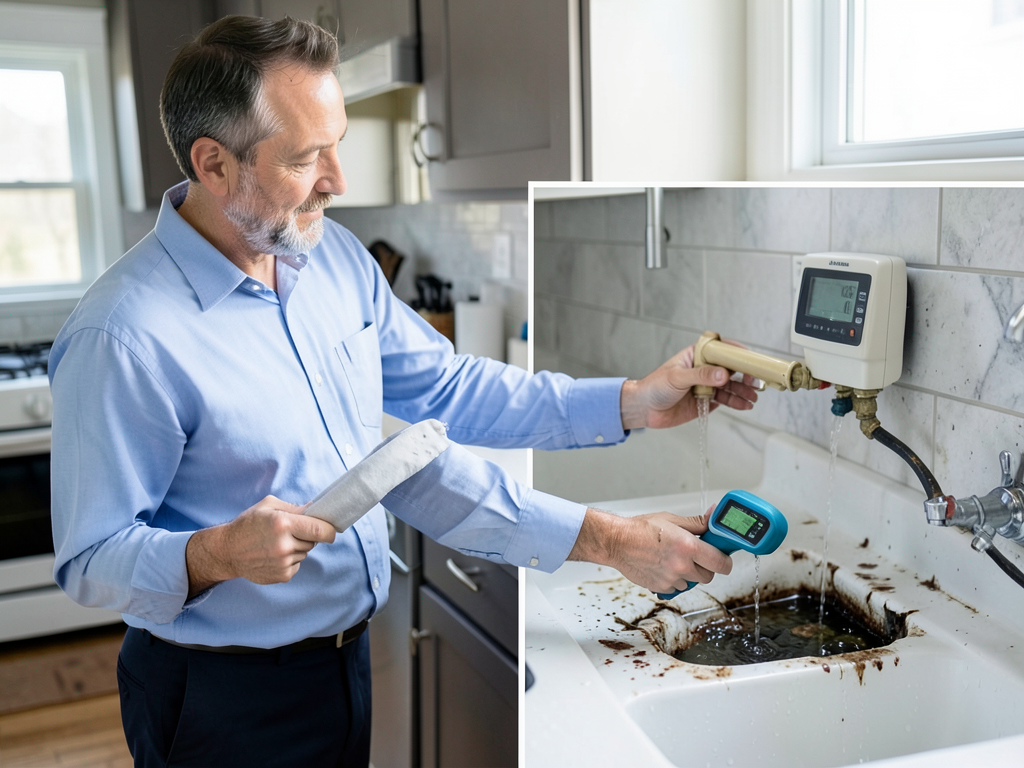
Photo of clean water damage from a broken supply line in a Virginia Beach kitchen, showing initial moisture readings on a professional meter.
Category 2: Gray Water
Category 2 water contains significant contamination and can cause discomfort or illness if contacted or consumed. This water carries microorganisms, nutrients for microorganisms, and organic matter that supports their growth. Examples include dishwasher or washing machine discharge, sump pump failures, and toilet overflows with urine but no feces.
In Virginia Beach homes, Category 2 situations often occur when washing machine hoses burst or when storm water backs up through floor drains. The water may look relatively clear but contains detergents, food particles, or other organic materials that create an ideal breeding ground for bacteria.. Read more about Why wet drywall in your laundry room often hides a bigger mold problem.
Gray water requires professional handling because it can quickly escalate to Category 3. The 48-hour degradation window is critical here. Virginia Beach’s warm, humid climate accelerates microbial growth, making the transition from Category 2 to 3 more rapid than in cooler regions.. Read more about Using a dehumidifier vs professional structural drying in a humid climate like Virginia Beach.
Professional restoration technicians use antimicrobial treatments and specialized drying equipment to prevent Category 2 water from becoming a Category 3 biohazard. They also document the damage for insurance purposes, which is essential since Category 2 losses often have different coverage implications than clean water damage.. Read more about Choosing Between Drying Your Home Yourself and Calling the Pros in Southgate.
Category 3: Black Water
Category 3 water is grossly unsanitary and contains pathogenic agents. This water poses severe health risks and requires professional biohazard remediation. Sources include sewage backups, seawater, rising floodwaters from the Elizabeth River or Chesapeake Bay, and ground surface water flowing horizontally into homes. Expert Mold Remediation for Vacation Rentals in Sandbridge.
Virginia Beach coastal flooding is almost always classified as Category 3. When storm surges or heavy rainfall overwhelm our municipal drainage systems, the resulting water carries bacteria, viruses, and chemical contaminants from roads, yards, and industrial areas. This water can cause serious illness or death if ingested.
Black water damage requires immediate evacuation of the affected area. Professional technicians wear full personal protective equipment including respirators, chemical-resistant suits, and eye protection. They use EPA-registered disinfectants and follow strict protocols for removing contaminated materials. EPA Mold Resources and Health Information.
Common Category 3 scenarios in Virginia Beach include hurricane storm surges, nor’easter flooding, and sewage backups during high tides. The brackish water from our coastal environment adds another layer of complexity, as salt water accelerates corrosion of electrical systems and building materials.. Read more about Reliable Sewage Backup Cleanup for Restaurants near the Virginia Beach Oceanfront.
Professional restoration for Category 3 damage includes complete removal of contaminated porous materials, thorough cleaning of structural elements, and post-remediation verification testing. This process can take several days but is essential for making your home safe again.
The Difference Between Categories and Classes of Water Damage
Many homeowners confuse water damage categories with classes, but they measure different aspects of the problem. Categories describe the contamination level of the water source, while classes describe the rate of evaporation based on the amount of water present and the type of materials affected.
Class 1 involves minimal water absorption in materials with low permeance like concrete or hardwood. Class 2 affects an entire room with carpet and padding, with water wicking up walls less than 24 inches. Class 3 involves saturated ceilings, walls, insulation, and subfloors, often from overhead sources. Class 4 represents specialty drying situations with materials like hardwood, brick, or concrete that have very low permeance.
A Category 1 water leak on hardwood floors might be Class 1, while the same Category 1 water flooding an entire carpeted room becomes Class 2. Understanding both classifications helps restoration professionals determine the right equipment and timeline for your specific situation.
In Virginia Beach, we often see Class 3 and 4 situations after major storms because water can penetrate multiple levels of a home and saturate materials that normally resist moisture. This combination of high category and high class requires extensive professional intervention.
Health Risks of Category 2 and 3 Water Exposure
Category 2 water exposure can cause gastrointestinal illness, skin infections, and allergic reactions. The microorganisms present may include E. coli, Salmonella, and various molds that can trigger respiratory issues. Virginia Beach residents with compromised immune systems or respiratory conditions face higher risks.
Category 3 water carries severe health hazards including hepatitis, tetanus, and other life-threatening infections. The pathogens present can survive for extended periods in building materials, creating ongoing health risks if not properly remediated. Children, elderly individuals, and those with chronic illnesses are particularly vulnerable.
The Virginia Beach area’s warm climate accelerates microbial growth in water-damaged materials. Mold can begin colonizing within 24 to 48 hours, and certain toxic molds like Stachybotrys chartarum thrive in our humid conditions. Professional testing can identify these hazards before they cause serious health problems.
Beyond immediate illness, prolonged exposure to water-damaged environments can cause chronic respiratory issues, skin conditions, and immune system problems. This is why professional remediation goes beyond simple drying to include thorough cleaning, disinfection, and verification of safety before reoccupancy. Immediate Steps for a Burst Pipe Repair in the Hilltop Neighborhood.
Virginia Beach Coastal Flooding and Water Categories
Virginia Beach’s unique coastal geography creates specific water damage challenges. Our low-lying areas, combined with the high water table and aging infrastructure, make many neighborhoods vulnerable to Category 3 flooding. The Chesapeake Bay and Atlantic Ocean influence our weather patterns, bringing storm surges that can overwhelm drainage systems.
During hurricane season, which runs from June through November, Category 3 water damage becomes a significant risk. Storm surges can push seawater miles inland, flooding homes with contaminated water that carries salt, bacteria, and chemical pollutants. The Virginia Beach Floodplain Management regulations require specific remediation approaches for these situations.
Even minor coastal flooding events can create Category 3 conditions. When high tides combine with heavy rainfall, the resulting water picks up contaminants from streets, yards, and industrial areas. This water may appear relatively clean but contains pathogens and chemicals that make it hazardous.
Virginia Beach’s building codes, following the Virginia Uniform Statewide Building Code, require specific flood-resistant construction in designated flood zones. However, many older homes were built before these requirements existed, making them more vulnerable to severe water damage when flooding occurs.
Professional Extraction vs. DIY Cleanup Limitations
Many homeowners attempt DIY cleanup for what they believe is clean water damage. While this might work for small spills, it often fails to address hidden moisture that can cause long-term problems. Professional extraction equipment removes water from carpet padding, subfloors, and wall cavities that household vacuums cannot reach.
DIY cleanup of Category 2 or 3 water is extremely dangerous. Without proper personal protective equipment and disinfection protocols, you risk serious illness. Additionally, improper drying can leave moisture trapped in building materials, leading to mold growth and structural damage that costs far more to repair than professional remediation would have.
Professional restoration technicians use moisture meters, thermal imaging cameras, and hygrometers to detect hidden water damage. They follow the IICRC S500 standards for water damage restoration, which include specific procedures for different categories and classes of water damage.
Insurance companies often require professional documentation for water damage claims, especially for Category 2 and 3 losses. DIY cleanup can void coverage or result in claim denials if the damage is not properly documented and remediated according to industry standards.
The 24-48 Hour Window for Category Upgrades
Time is critical when dealing with water damage. Clean water can become gray water within 24 hours and black water within 48 hours, especially in Virginia Beach’s warm, humid climate. This degradation process accelerates when water contacts organic materials like wood, drywall, or carpet.
The 24-48 hour window represents the point at which microbial growth becomes significant enough to change the water’s classification. During this time, bacteria multiply rapidly, mold spores begin colonizing, and the water’s contamination level increases dramatically.
In Virginia Beach, our high humidity levels can accelerate this process. Water that might remain Category 1 for 48 hours in a dry climate could become Category 2 within 12 hours in our coastal environment. This is why rapid response is essential for minimizing damage and health risks.
Professional restoration companies operate 24/7 emergency services because they understand this critical timeline. Every hour of delay can increase the damage category, expand the affected area, and raise the overall restoration cost.
Documenting Damage for Insurance Claims
Proper documentation is essential for insurance claims, especially when dealing with different water damage categories. Insurance adjusters need to understand the source, extent, and classification of the damage to determine coverage and compensation.
Professional restoration companies provide detailed documentation including moisture readings, photographic evidence, and written reports that follow industry standards. This documentation helps establish the water category at the time of the incident and tracks the progression of damage.
In Virginia Beach, many homeowners insurance policies have specific exclusions or limitations for flood damage and certain types of water intrusion. Understanding your policy’s coverage for different water categories can help you make informed decisions about when to call professionals versus attempting DIY cleanup.
Category 3 water damage often involves additional costs for biohazard remediation, structural repairs, and content cleaning. Professional documentation helps ensure you receive appropriate compensation for these specialized services.
When to Call a Professional Immediately
Certain situations require immediate professional intervention regardless of the apparent water category. Sewage backups, visible flooding from external sources, and water that has been standing for more than 24 hours all warrant professional assessment.
If you experience any of these situations in your Virginia Beach home, evacuate the affected area and call for professional help immediately. Do not attempt to clean up Category 3 water yourself, as the health risks are severe and the cleanup requires specialized equipment and training.
Even for Category 1 situations, consider calling professionals if you cannot identify the water source, if the affected area is large, or if you have health concerns that make you more vulnerable to microbial exposure. Professional assessment can prevent small problems from becoming major disasters.
Remember that water can travel through building materials in ways that are not immediately visible. What appears to be a small leak might have affected wall cavities, insulation, and subfloors. Professional moisture detection can identify these hidden problems before they cause serious damage.
Protecting Your Home from Future Water Damage
Prevention is always better than restoration when it comes to water damage. Regular maintenance of plumbing systems, proper grading around your home’s foundation, and functioning sump pumps can prevent many water damage situations.
In Virginia Beach, consider additional precautions like backflow preventers on sewer lines, elevated mechanical systems in flood-prone areas, and water sensors that can alert you to leaks before they cause major damage. These preventive measures can save thousands in potential restoration costs.
Understanding the three categories of water damage helps you make better decisions when problems occur. Quick action, proper assessment, and professional intervention when needed can protect your health, your property, and your peace of mind.
Frequently Asked Questions
What is the main difference between Category 1 and Category 3 water damage?
Category 1 water comes from a clean source like a broken pipe and poses minimal initial risk, while Category 3 water contains sewage, pathogens, or chemicals and poses severe health hazards requiring professional biohazard remediation.
How long does it take for clean water to become contaminated?
In Virginia Beach’s humid climate, clean water can degrade to Category 2 within 24 hours and Category 3 within 48 hours, especially when it contacts organic materials or remains standing in warm conditions.
Is flood water always considered Category 3?
Yes, flood water from coastal sources, storm surges, or rising groundwater is almost always classified as Category 3 because it carries bacteria, chemicals, and other contaminants from roads, yards, and industrial areas.
Can I clean up Category 2 water damage myself?
While small Category 2 spills might be manageable, professional cleanup is recommended because gray water can quickly become Category 3, and improper drying can lead to mold growth and structural damage.
What should I do first if I discover water damage in my home?
Identify the water source if possible, stop the water flow, and assess the extent of damage. For any Category 2 or 3 water, or if you’re unsure about the category, evacuate the area and call a professional immediately.
How does Virginia Beach’s coastal location affect water damage risks?
Virginia Beach’s low elevation, high water table, and proximity to the Chesapeake Bay and Atlantic Ocean increase the risk of Category 3 flooding from storm surges, high tides, and drainage system failures.
Will my insurance cover all categories of water damage?
Coverage varies by policy. Many standard homeowners policies cover sudden Category 1 damage but may exclude flood damage or have limitations on Category 2 and 3 water damage. Review your policy or consult with your insurance agent.
How can I tell if water damage has caused mold growth?
Signs include musty odors, visible mold growth, and health symptoms like respiratory issues. However, mold can grow hidden behind walls or under flooring. Professional testing can detect mold even when it’s not visible.
Take Action Before Water Damage Escalates
Understanding the three categories of water damage gives you the knowledge to protect your health and property when disaster strikes. Remember that clean water can become hazardous within hours, especially in Virginia Beach’s humid coastal environment. When in doubt about the water category or extent of damage, it’s always better to call professionals who can assess the situation properly.
Water damage doesn’t wait for business hours, and neither should you. If you’re facing a water emergency or suspect you have Category 2 or 3 water damage, don’t risk your health or property. Professional restoration technicians have the equipment, training, and experience to handle any water damage situation safely and effectively.
Pick up the phone and call (757) 909-5033 today to schedule your inspection. Our certified technicians are ready to respond 24/7 to protect your Virginia Beach home from the dangers of water damage. Don’t let a small problem become a major disaster – call now for peace of mind and professional service you can trust.
Technician using moisture detection equipment to identify hidden water damage in a Virginia Beach home following a storm surge event.
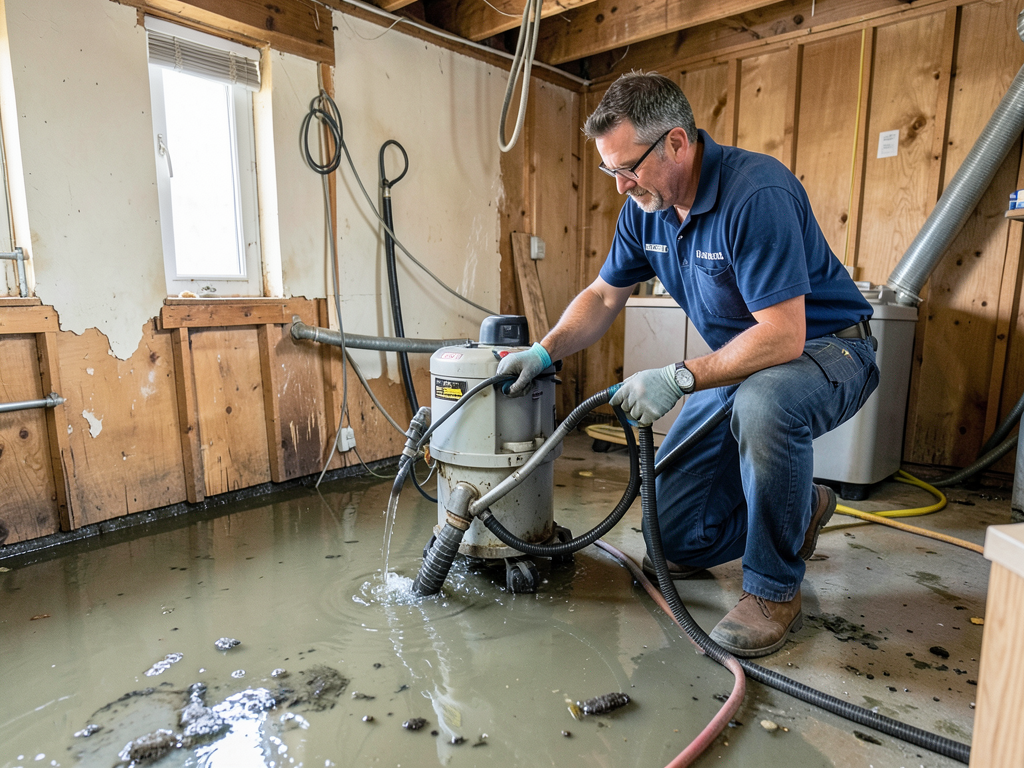
Professional water extraction equipment removing contaminated water from a Category 3 flood situation in a Virginia Beach basement.
You may also find this helpful. Restoring Your Alanton Kitchen After a Major Pipe Burst.
You may also find this helpful. A Local Guide to Salvaging Your Belongings After a Major Water Leak.
{
“@context”: “https://schema.org”,
“@type”: “BlogPosting”,
“headline”: “Understanding the three categories of water damage and why they matter for your health”,
“description”: “Learn the three categories of water damage from clean to black water and why Virginia Beach coastal flooding almost always requires professional biohazard cleanup.”,
“wordCount”: 2697,
“datePublished”: “2026-04-09T14:30:00.000Z”,
“dateModified”: “2026-04-09T14:30:00.000Z”,
“inLanguage”: “en-US”,
“mainEntityOfPage”: {
“@type”: “WebPage”,
“@id”: “https://apexwaterdamagerestorationvirginiabeach.com”
},
“publisher”: {
“@type”: “LocalBusiness”,
“name”: “Apex Water Damage Restoration Virginia Beach”,
“url”: “https://apexwaterdamagerestorationvirginiabeach.com”
},
“author”: {
“@type”: “Organization”,
“name”: “Apex Water Damage Restoration Virginia Beach”,
“url”: “https://apexwaterdamagerestorationvirginiabeach.com”
},
“image”: {
“@type”: “ImageObject”,
“url”: “https://apexwaterdamagerestorationvirginiabeach.com/wp-content/uploads/2026/03/understanding-the-three-categories-of-water-damage-1.png”
}
}
{
“@context”: “https://schema.org”,
“@type”: “LocalBusiness”,
“name”: “Apex Water Damage Restoration Virginia Beach”,
“url”: “https://apexwaterdamagerestorationvirginiabeach.com”,
“address”: {
“@type”: “PostalAddress”,
“addressLocality”: “Virginia Beach”
},
“areaServed”: {
“@type”: “City”,
“name”: “Virginia Beach”
}
}
{
“@context”: “https://schema.org”,
“@type”: “FAQPage”,
“mainEntity”: [
{
“@type”: “Question”,
“name”: “What is the main difference between Category 1 and Category 3 water damage?”,
“acceptedAnswer”: {
“@type”: “Answer”,
“text”: “Category 1 water comes from a clean source like a broken pipe and poses minimal initial risk, while Category 3 water contains sewage, pathogens, or chemicals and poses severe health hazards requiring professional biohazard remediation.”
}
},
{
“@type”: “Question”,
“name”: “How long does it take for clean water to become contaminated?”,
“acceptedAnswer”: {
“@type”: “Answer”,
“text”: “In Virginia Beach’s humid climate, clean water can degrade to Category 2 within 24 hours and Category 3 within 48 hours, especially when it contacts organic materials or remains standing in warm conditions.”
}
},
{
“@type”: “Question”,
“name”: “Is flood water always considered Category 3?”,
“acceptedAnswer”: {
“@type”: “Answer”,
“text”: “Yes, flood water from coastal sources, storm surges, or rising groundwater is almost always classified as Category 3 because it carries bacteria, chemicals, and other contaminants from roads, yards, and industrial areas.”
}
},
{
“@type”: “Question”,
“name”: “Can I clean up Category 2 water damage myself?”,
“acceptedAnswer”: {
“@type”: “Answer”,
“text”: “While small Category 2 spills might be manageable, professional cleanup is recommended because gray water can quickly become Category 3, and improper drying can lead to mold growth and structural damage.”
}
},
{
“@type”: “Question”,
“name”: “What should I do first if I discover water damage in my home?”,
“acceptedAnswer”: {
“@type”: “Answer”,
“text”: “Identify the water source if possible, stop the water flow, and assess the extent of damage. For any Category 2 or 3 water, or if you’re unsure about the category, evacuate the area and call a professional immediately.”
}
},
{
“@type”: “Question”,
“name”: “How does Virginia Beach’s coastal location affect water damage risks?”,
“acceptedAnswer”: {
“@type”: “Answer”,
“text”: “Virginia Beach’s low elevation, high water table, and proximity to the Chesapeake Bay and Atlantic Ocean increase the risk of Category 3 flooding from storm surges, high tides, and drainage system failures.”
}
},
{
“@type”: “Question”,
“name”: “Will my insurance cover all categories of water damage?”,
“acceptedAnswer”: {
“@type”: “Answer”,
“text”: “Coverage varies by policy. Many standard homeowners policies cover sudden Category 1 damage but may exclude flood damage or have limitations on Category 2 and 3 water damage. Review your policy or consult with your insurance agent.”
}
},
{
“@type”: “Question”,
“name”: “How can I tell if water damage has caused mold growth?”,
“acceptedAnswer”: {
“@type”: “Answer”,
“text”: “Signs include musty odors, visible mold growth, and health symptoms like respiratory issues. However, mold can grow hidden behind walls or under flooring. Professional testing can detect mold even when it’s not visible.”
}
}
]
}
{
“@context”: “https://schema.org”,
“@type”: “BreadcrumbList”,
“itemListElement”: [
{
“@type”: “ListItem”,
“position”: 1,
“name”: “Home”,
“item”: “https://apexwaterdamagerestorationvirginiabeach.com”
},
{
“@type”: “ListItem”,
“position”: 2,
“name”: “Blog”,
“item”: “https://apexwaterdamagerestorationvirginiabeach.com/blog”
},
{
“@type”: “ListItem”,
“position”: 3,
“name”: “Understanding the three categories of water damage and why they matter for your health”
}
]
}
{
“@context”: “https://schema.org”,
“@type”: “Service”,
“serviceType”: “Water Damage Restoration”,
“provider”: {
“@type”: “LocalBusiness”,
“name”: “Apex Water Damage Restoration Virginia Beach”,
“url”: “https://apexwaterdamagerestorationvirginiabeach.com”
},
“areaServed”: {
“@type”: “City”,
“name”: “Virginia Beach”
},
“description”: “Learn the three categories of water damage from clean to black water and why Virginia Beach coastal flooding almost always requires professional biohazard cleanup.”
}