Identifying the Difference Between Mildew Smells and Wet Rot in Your Virginia Beach Home
When you catch that musty smell in your Virginia Beach home, your first thought might be mildew. But that damp odor could signal something far more serious: wet rot. Understanding the difference between these two moisture problems can save you thousands in repairs and protect your family’s health. EPA Mold Information.
Mildew is a surface fungus that grows on damp materials like drywall, fabric, or tile grout. It appears as white or gray powdery patches and produces a distinctive musty smell. Wet rot, on the other hand, is a wood-destroying fungus that attacks the structural integrity of your home. It creates dark, spongy wood that crumbles when touched and emits a damp, earthy odor that permeates entire rooms.
The humid coastal climate of Virginia Beach creates ideal conditions for both problems. With average relative humidity often exceeding 75% during summer months, moisture accumulates in crawl spaces, basements, and wall cavities. The high water table in many Virginia Beach neighborhoods means groundwater constantly presses against foundations, creating the perfect environment for fungal growth. Repairing Water Damage at Your Virginia Beach Oceanfront Property After a Storm.
Key Differences Between Mildew and Wet Rot
Understanding these differences helps you respond appropriately. Mildew remains on surfaces and can be cleaned with proper products. Wet rot penetrates deep into wood structures and requires professional remediation to prevent structural failure. Expert Mold Remediation for Vacation Rentals in Sandbridge.
| Characteristic | Mildew | Wet Rot |
|---|---|---|
| Appearance | White/gray powdery patches | Dark brown/black spongy wood |
| Texture | Dry and powdery | Soft and crumbly when touched |
| Odor | Musty, damp smell | Earthy, damp, penetrating odor |
| Structural Risk | Minimal | High – can cause collapse |
| Typical Location | Surface materials, drywall | Floor joists, beams, subfloors |
Common Locations for Moisture Problems in Virginia Beach Homes
Crawl spaces represent the most vulnerable area in Virginia Beach homes. The combination of high groundwater, poor ventilation, and warm temperatures creates an ideal breeding ground for both mildew and wet rot. Many homes in neighborhoods like Great Neck and Pungo sit on sandy soils that drain poorly, causing water to pool under foundations. What Virginia Beach Town Center Condo Owners Should Do After a Leak.
Bathrooms and kitchens often develop mildew around fixtures and in poorly ventilated areas. However, if you notice soft spots in flooring or walls near plumbing fixtures, this could indicate wet rot has compromised the wood structure beneath the surface.
Attics in older Virginia Beach homes frequently suffer from moisture problems due to inadequate ventilation. The salt air from the coast accelerates wood decay, making coastal properties particularly susceptible to wet rot in roof structures.. Read more about Why Your Attic Might Be Wet Even If Your Roof Isn’t Leaking.
Diagnostic Tests: The Screwdriver Test for Wet Rot
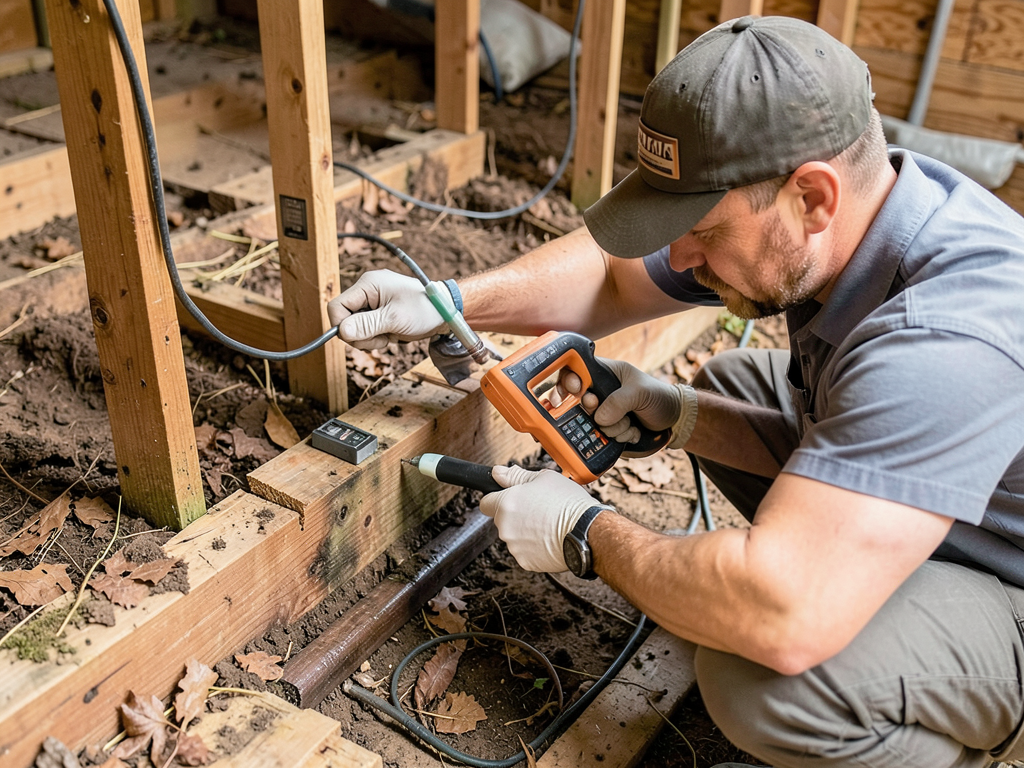
Professional water damage restoration technicians use several diagnostic tools to identify wet rot. The most basic and effective is the screwdriver test. Press a screwdriver into suspect wood. If it sinks easily or the wood feels spongy, you likely have wet rot. Who to Call for Emergency Water Removal in Virginia Beach Right Now.
Moisture meters provide quantitative data about wood moisture content. Healthy wood typically maintains moisture content below 20%. When readings exceed 25-30%, fungal growth becomes likely. In Virginia Beach’s humid climate, wood can reach dangerous moisture levels within 48-72 hours of water exposure.. Read more about Is That a Leak or Just Pipe Condensation (How to Tell the Difference in Our Humid Climate).
Thermal imaging cameras detect temperature variations that indicate moisture presence behind walls. Wet areas appear cooler than surrounding dry materials, allowing technicians to locate hidden problems without destructive testing.. Read more about Finding Leaks Behind Natural Stone Shower Walls in Your North End Master Bath.
Health Risks: Mildew vs. Wet Rot
Mildew primarily affects indoor air quality. The spores can trigger allergic reactions, asthma attacks, and respiratory issues. People with compromised immune systems face greater risks from prolonged exposure to mildew spores.. Read more about When to Hire an Industrial Hygienist for Air Quality Testing After a Leak in Sandbridge.
Wet rot poses both health and safety hazards. The structural weakening can lead to ceiling collapses, floor failures, and other dangerous situations. Additionally, the same damp conditions that promote wet rot also support harmful bacteria and other pathogens.
The Virginia Department of Health recommends immediate remediation for any visible fungal growth, particularly in homes with elderly residents, young children, or individuals with respiratory conditions. Immediate Steps for a Burst Pipe Repair in the Hilltop Neighborhood.
Moisture Sources in Virginia Beach Properties
Understanding moisture sources helps prevent both mildew and wet rot. Common sources in Virginia Beach include:
- Plumbing leaks from aging copper pipes common in homes built before 2000
- Foundation seepage due to high water table and hydrostatic pressure
- Condensation from air conditioning units in poorly ventilated crawl spaces
- Roof leaks from wind-driven rain during nor’easters and hurricanes
- Improper grading causing water to flow toward foundations
The Virginia Uniform Statewide Building Code (VUSBC) requires specific moisture control measures for new construction, but many older Virginia Beach homes lack these protections. Homes in flood zones (AE and VE zones) face additional moisture challenges from periodic flooding events.
When to Call a Professional
Mildew covering less than 10 square feet on non-porous surfaces can often be cleaned with proper safety equipment and antimicrobial cleaners. However, larger areas, porous materials, or any situation involving structural wood requires professional assessment.
Call (757) 909-5033 immediately if you notice:
- Soft, spongy wood that crumbles when touched
- Musty odors that persist after cleaning
- Visible fungal growth on structural members
- Water stains on ceilings or walls
- Cracks in drywall or plaster that feel damp
Professional water damage restoration follows IICRC S500 standards for water mitigation. This includes moisture mapping, containment procedures, and proper drying techniques using commercial-grade equipment. IICRC S500 Standards.
Professional Remediation Process
Professional remediation follows a systematic approach based on IICRC guidelines. The process begins with a comprehensive inspection using moisture meters, thermal imaging, and visual assessment to determine the extent of damage.
Containment prevents spore spread during remediation. Technicians establish negative air pressure zones and use HEPA filtration to capture airborne particles. This protects both workers and occupants from exposure during the removal process.
Removal involves cutting out damaged materials beyond the visible affected area. For wet rot, this often means removing several feet of healthy-appearing wood around the damaged section to ensure complete elimination of the fungus.
Drying and dehumidification use commercial-grade equipment to reduce moisture content to safe levels. This typically requires 3-5 days of continuous operation with daily monitoring to verify progress.
Reconstruction follows remediation, using pressure-treated lumber and proper moisture barriers to prevent recurrence. All work complies with Virginia building codes and FEMA floodplain requirements where applicable.
Prevention Strategies for Virginia Beach Homes
Preventing moisture problems requires addressing both sources and conditions that promote fungal growth. Start with proper ventilation in crawl spaces and attics. Install vapor barriers on crawl space floors and consider encapsulation for severe moisture problems.
Maintain proper grading around your foundation. Soil should slope away from the house at a rate of 6 inches per 10 feet. This simple measure can prevent thousands of dollars in water damage.
Regular HVAC maintenance ensures proper dehumidification. In Virginia Beach’s humid climate, air conditioning systems must effectively remove moisture from indoor air. Consider adding whole-house dehumidifiers for homes with persistent humidity issues.
Inspect your roof annually for damaged shingles or flashing. Wind-driven rain during coastal storms can penetrate even small gaps in roofing materials, leading to hidden moisture problems that develop into wet rot over time.
Insurance Considerations
Insurance coverage for mildew and wet rot varies significantly. Sudden water damage from burst pipes typically receives full coverage under standard homeowner policies. However, gradual damage from long-term moisture exposure often falls under maintenance exclusions.
Wet rot resulting from poor maintenance or deferred repairs may not be covered by insurance. This makes early detection and prevention crucial for protecting your investment. Document all moisture problems and remediation efforts to support insurance claims.
Flood insurance through the National Flood Insurance Program (NFIP) covers damage from rising water but not from internal plumbing failures or roof leaks. Virginia Beach residents in designated flood zones should maintain separate flood insurance policies.
Local Building Considerations
Virginia Beach’s coastal environment creates unique challenges for home maintenance. Salt air accelerates metal corrosion and wood decay, requiring more frequent inspections and maintenance than inland properties.
Many older neighborhoods feature pier-and-beam foundations common in coastal construction. These raised foundations provide some protection from flooding but create crawl spaces that trap moisture if not properly ventilated.
The sandy soil composition in much of Virginia Beach affects drainage patterns. While sand drains well initially, it can become compacted over time, reducing its effectiveness and causing water to pool near foundations.
Local building codes require specific moisture control measures for new construction, including vapor barriers, proper grading, and foundation drainage systems. However, these requirements weren’t standard in older homes, making them more vulnerable to moisture problems.
DIY vs. Professional Assessment
Homeowners can perform initial assessments using the screwdriver test and visual inspection. However, professional assessment becomes necessary when:
- Structural members appear affected
- Moisture readings exceed 20% on a meter
- Odors persist after cleaning
- Multiple areas show signs of moisture
- You’re unsure about the extent of damage
Professional assessment includes moisture mapping to identify the full extent of damage. What appears as a small spot on the surface may indicate widespread problems within wall cavities or under flooring.
Cost considerations often drive DIY attempts, but incomplete remediation typically leads to more expensive repairs later. Professional assessment fees often get credited toward remediation costs if work proceeds.
Emergency Response Steps
If you discover significant moisture problems, take these immediate steps:
- Stop the water source if possible (shut off main water valve for plumbing leaks)
- Document damage with photos for insurance purposes
- Isolate affected areas to prevent spore spread
- Call (757) 909-5033 for professional assessment
- Begin drying with fans and dehumidifiers if safe to do so
Time matters significantly in moisture damage. Mold can begin growing within 24-48 hours of water exposure. Wood rot progresses more slowly but becomes more expensive to repair the longer it continues.
Frequently Asked Questions
How can I tell if the smell in my home is mildew or wet rot?
Mildew produces a musty, damp smell that often comes from specific areas like bathrooms or basements. Wet rot creates a stronger, earthy odor that permeates entire rooms and often accompanies soft, spongy wood that crumbles when touched.
Can I clean mildew myself or do I need a professional?
Small areas of mildew on non-porous surfaces can be cleaned with proper safety equipment and antimicrobial cleaners. However, areas larger than 10 square feet, porous materials, or any situation involving structural wood requires professional assessment and remediation.
How much does professional wet rot remediation cost in Virginia Beach?
Costs vary based on damage extent, but typical remediation ranges from $2,500 to $10,000. Structural repairs can exceed $15,000 for extensive damage. Professional assessment fees are often credited toward remediation costs if work proceeds.
Will my insurance cover wet rot damage?
Insurance coverage depends on the cause. Sudden damage from burst pipes is typically covered, while gradual damage from poor maintenance often isn’t. Document all problems and consult your insurance provider before beginning repairs.
How long does the remediation process take?
Assessment takes 1-2 hours. Remediation typically requires 3-7 days depending on damage extent. Complete drying and dehumidification need 3-5 days minimum. Reconstruction timing varies based on repair scope and material availability.
Conclusion
Distinguishing between mildew and wet rot can protect your Virginia Beach home from catastrophic damage. While mildew remains a surface nuisance that affects air quality, wet rot threatens the very structure of your home. The humid coastal climate of Virginia Beach accelerates both problems, making regular inspection and prompt action essential.
Don’t wait until soft spots appear in your flooring or ceilings begin to sag. If you notice persistent musty odors, especially after rain events or plumbing issues, take immediate action. The cost of professional assessment pales compared to the expense of structural repairs or the danger of collapse.
Remember that time works against you in moisture situations. What starts as a minor mildew problem can escalate to wet rot within weeks under Virginia Beach’s humid conditions. Professional assessment provides peace of mind and prevents costly mistakes from incomplete DIY attempts.
For expert assessment of your moisture problems, call (757) 909-5033 today. Our certified technicians understand Virginia Beach’s unique climate challenges and provide comprehensive solutions that address both symptoms and underlying causes. Don’t let a musty smell become a structural emergency.
Pick up the phone and call (757) 909-5033 before the next storm hits. Early intervention saves money, protects your family’s health, and preserves your home’s value in Virginia Beach’s challenging coastal environment.
You may also find this helpful. The Truth About Waterproof Flooring and Trapped Moisture in Your Hilltop Home.
{
“@context”: “https://schema.org”,
“@type”: “BlogPosting”,
“headline”: “Identifying the Difference Between Mildew Smells and Wet Rot in Your Virginia Beach Home”,
“description”: “Learn to distinguish mildew odors from wet rot in Virginia Beach homes. Discover diagnostic techniques, health risks, and when to call (757) 909-5033 for expert help.”,
“wordCount”: 2079,
“datePublished”: “2026-05-25T07:46:00.000Z”,
“dateModified”: “2026-05-25T07:46:00.000Z”,
“inLanguage”: “en-US”,
“mainEntityOfPage”: {
“@type”: “WebPage”,
“@id”: “https://apexwaterdamagerestorationvirginiabeach.com”
},
“publisher”: {
“@type”: “LocalBusiness”,
“name”: “Apex Water Damage Restoration Virginia Beach”,
“url”: “https://apexwaterdamagerestorationvirginiabeach.com”
},
“author”: {
“@type”: “Organization”,
“name”: “Apex Water Damage Restoration Virginia Beach”,
“url”: “https://apexwaterdamagerestorationvirginiabeach.com”
},
“image”: {
“@type”: “ImageObject”,
“url”: “https://apexwaterdamagerestorationvirginiabeach.com/wp-content/uploads/2026/03/identifying-the-difference-between-mildew-smells-a-1.png”
}
}
{
“@context”: “https://schema.org”,
“@type”: “LocalBusiness”,
“name”: “Apex Water Damage Restoration Virginia Beach”,
“url”: “https://apexwaterdamagerestorationvirginiabeach.com”,
“address”: {
“@type”: “PostalAddress”,
“addressLocality”: “Virginia Beach”
},
“areaServed”: {
“@type”: “City”,
“name”: “Virginia Beach”
}
}
{
“@context”: “https://schema.org”,
“@type”: “FAQPage”,
“mainEntity”: [
{
“@type”: “Question”,
“name”: “How can I tell if the smell in my home is mildew or wet rot?”,
“acceptedAnswer”: {
“@type”: “Answer”,
“text”: “Mildew produces a musty, damp smell that often comes from specific areas like bathrooms or basements. Wet rot creates a stronger, earthy odor that permeates entire rooms and often accompanies soft, spongy wood that crumbles when touched.”
}
},
{
“@type”: “Question”,
“name”: “Can I clean mildew myself or do I need a professional?”,
“acceptedAnswer”: {
“@type”: “Answer”,
“text”: “Small areas of mildew on non-porous surfaces can be cleaned with proper safety equipment and antimicrobial cleaners. However, areas larger than 10 square feet, porous materials, or any situation involving structural wood requires professional assessment and remediation.”
}
},
{
“@type”: “Question”,
“name”: “How much does professional wet rot remediation cost in Virginia Beach?”,
“acceptedAnswer”: {
“@type”: “Answer”,
“text”: “Costs vary based on damage extent, but typical remediation ranges from $2,500 to $10,000. Structural repairs can exceed $15,000 for extensive damage. Professional assessment fees are often credited toward remediation costs if work proceeds.”
}
},
{
“@type”: “Question”,
“name”: “Will my insurance cover wet rot damage?”,
“acceptedAnswer”: {
“@type”: “Answer”,
“text”: “Insurance coverage depends on the cause. Sudden damage from burst pipes is typically covered, while gradual damage from poor maintenance often isn’t. Document all problems and consult your insurance provider before beginning repairs.”
}
},
{
“@type”: “Question”,
“name”: “How long does the remediation process take?”,
“acceptedAnswer”: {
“@type”: “Answer”,
“text”: “Assessment takes 1-2 hours. Remediation typically requires 3-7 days depending on damage extent. Complete drying and dehumidification need 3-5 days minimum. Reconstruction timing varies based on repair scope and material availability.”
}
}
]
}
{
“@context”: “https://schema.org”,
“@type”: “BreadcrumbList”,
“itemListElement”: [
{
“@type”: “ListItem”,
“position”: 1,
“name”: “Home”,
“item”: “https://apexwaterdamagerestorationvirginiabeach.com”
},
{
“@type”: “ListItem”,
“position”: 2,
“name”: “Blog”,
“item”: “https://apexwaterdamagerestorationvirginiabeach.com/blog”
},
{
“@type”: “ListItem”,
“position”: 3,
“name”: “Identifying the Difference Between Mildew Smells and Wet Rot in Your Virginia Beach Home”
}
]
}
{
“@context”: “https://schema.org”,
“@type”: “Service”,
“serviceType”: “Water Damage Restoration”,
“provider”: {
“@type”: “LocalBusiness”,
“name”: “Apex Water Damage Restoration Virginia Beach”,
“url”: “https://apexwaterdamagerestorationvirginiabeach.com”
},
“areaServed”: {
“@type”: “City”,
“name”: “Virginia Beach”
},
“description”: “Learn to distinguish mildew odors from wet rot in Virginia Beach homes. Discover diagnostic techniques, health risks, and when to call (757) 909-5033 for expert help.”
}