Drying Out Wet Subfloors Under LVP Flooring in Your Ocean Lakes Home
Water damage under LVP flooring can destroy your Ocean Lakes home’s subfloor before you even notice. Luxury Vinyl Plank looks waterproof on the surface, but moisture sneaks through seams and edges, creating a perfect environment for mold growth within 24-48 hours. The humid Virginia Beach climate makes this problem worse, trapping moisture against plywood subfloors and concrete slabs. Quick action matters. This guide shows you what to do immediately, when to call professionals, and how to prevent long-term structural damage. Repairing Water Damage at Your Virginia Beach Oceanfront Property After a Storm.
Immediate Steps to Take After LVP Flooring Gets Wet
Stop the water source first. Whether it’s a burst pipe, appliance leak, or storm flooding, shutting off the main water valve prevents further damage. Next, remove standing water using towels, mops, or a wet vacuum. Do not use a regular vacuum cleaner – it can cause electrical shock. Lift furniture onto blocks or remove it completely to prevent staining and allow airflow. Remove area rugs and any items sitting on the wet floor. Open windows if weather permits, but avoid running fans directly on wet surfaces initially as this can spread contamination. Document everything with photos for insurance purposes. Who to Call for Emergency Water Removal in Virginia Beach Right Now.
Check for visible damage along walls and under transition strips. Water often travels along baseboards before seeping under flooring. Feel the floor surface – if it feels spongy or makes creaking sounds when walked on, the subfloor is likely saturated. These signs indicate you need professional help immediately. Immediate Steps for a Burst Pipe Repair in the Hilltop Neighborhood.
Why LVP Flooring Traps Moisture Against Subfloors
LVP flooring creates a vapor barrier that prevents moisture from escaping upward. While this protects the wear layer above, it seals moisture underneath where it cannot evaporate. The waterproof surface gives homeowners a false sense of security – they see dry floors but don’t realize water is trapped against the subfloor. This trapped moisture creates perfect conditions for mold and wood rot.. Read more about Immediate Water Damage Help for Townhomes in the Strawbridge Area.
Virginia Beach’s coastal humidity compounds this problem. Our average relative humidity stays above 70% year-round, slowing natural evaporation. When water gets under LVP, it can take weeks to dry without professional equipment. During this time, mold spores multiply rapidly. The IICRC S500 Standard for Professional Water Damage Restoration states that Category 1 water (clean water from pipes) becomes Category 2 (contaminated) within 24-48 hours due to microbial growth. What Virginia Beach Town Center Condo Owners Should Do After a Leak.
Click-lock LVP flooring allows some water to seep through joints, while glue-down installations can trap moisture between the adhesive and subfloor. Both types create the same underlying problem – moisture cannot escape through the waterproof surface.
Professional Drying Methods for LVP Flooring and Subfloors
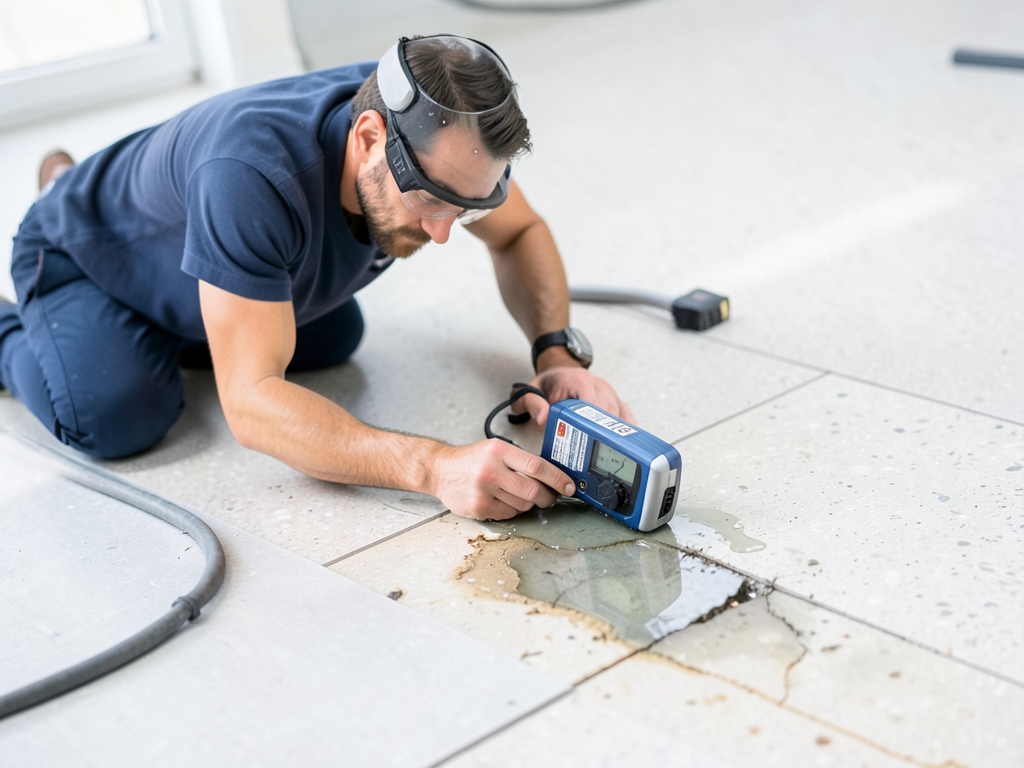
Professional water damage restoration uses specialized equipment to dry subfloors without removing all flooring. The process starts with moisture mapping using penetrating and non-penetrating moisture meters to locate all affected areas. Technicians then deploy industrial-grade equipment designed specifically for structural drying.
Low Grain Refrigerant (LGR) dehumidifiers remove moisture from the air at much lower humidity levels than standard units. These machines can extract 20-30 gallons of water per day from a flooded space. Air movers create high-velocity airflow across wet surfaces, accelerating evaporation. The combination of LGR dehumidifiers and air movers can dry a subfloor in 3-5 days versus weeks of natural drying.
Professionals may use injectidry systems to force dry air under flooring through small holes drilled in baseboards or walls. This method preserves the flooring while drying the subfloor underneath. For severe cases, technicians might remove select planks to access the most saturated areas while leaving most of the floor intact.
Antimicrobial treatments prevent mold growth during the drying process. EPA-registered antimicrobials are applied to affected surfaces, creating a protective barrier against mold spores. This step is crucial in Virginia Beach where our warm, humid climate promotes rapid microbial growth. EPA Mold Information.
Virginia Beach Specific Considerations for LVP Floor Drying
Ocean Lakes homes face unique challenges due to our coastal location. Many Ocean Lakes properties sit in FEMA-designated flood zones where hydrostatic pressure can force water up through concrete slabs. This upward moisture migration means water can appear under flooring even without a visible leak. Homes built before 2010 often lack proper vapor barriers under concrete slabs, increasing vulnerability to moisture problems. FEMA Flood Insurance.
Virginia’s building code requires Class C vapor retarders under concrete slabs in most residential construction, but older homes may not meet this standard. The Virginia Uniform Statewide Building Code (VUSBC) Section 408.2.1 addresses moisture protection for concrete slabs, but compliance varies by construction year.
Saltwater flooding from coastal storms creates additional complications. Salt residue attracts moisture from the air, keeping materials damp longer than freshwater damage. This requires more aggressive drying and cleaning procedures to prevent corrosion of metal fasteners and deterioration of adhesives.
Ocean Lakes experiences frequent power outages during storms. Without electricity, professional drying equipment cannot run, allowing moisture to spread further. This makes rapid response even more critical after coastal flooding events.
Insurance Coverage and Documentation for LVP Floor Water Damage
Most homeowners insurance policies cover sudden and accidental water damage from plumbing failures but exclude flood damage from storms or rising water. The distinction matters significantly in Ocean Lakes where both types of damage occur. Pipe bursts, appliance failures, and roof leaks typically qualify for coverage. Storm surge, tidal flooding, and groundwater seepage usually require separate flood insurance through the National Flood Insurance Program.
Document damage immediately with photos and videos before any cleanup begins. Insurance adjusters need evidence of the extent and cause of damage. Keep all receipts for emergency services, drying equipment rentals, and repairs. Many policies require using licensed professionals for water damage restoration to qualify for full coverage.
The drying process itself may be covered even if the flooring cannot be saved. Insurance companies understand that proper structural drying prevents more expensive mold remediation later. Professional moisture documentation using thermal imaging and moisture meters provides the evidence needed for successful claims. Expert Mold Remediation for Vacation Rentals in Sandbridge.
Ask your insurance agent about specific coverage limits for flooring replacement. Some policies have separate sublimits for flooring that may not cover the full replacement cost of high-end LVP products.
Frequently Asked Questions
Can LVP flooring be saved after water damage?
Sometimes. If water exposure was brief (under 24-48 hours) and the subfloor was not saturated, professionals can often dry the floor in place. However, if the subfloor is wet or mold has started growing, the flooring must be removed to properly dry the structure underneath.
How long does it take to dry a wet subfloor under LVP?
Professional drying typically takes 3-5 days with industrial equipment. Natural drying without equipment can take weeks and often results in mold growth. The actual time depends on the extent of saturation, subfloor material, and environmental conditions.
Does mold grow under LVP flooring?
Yes. Mold can grow under LVP flooring within 24-48 hours of water exposure. The waterproof surface traps moisture against the subfloor, creating ideal conditions for mold growth. You cannot see this mold without removing the flooring or using moisture detection equipment.
What’s the difference between professional and DIY drying?
Professional drying uses industrial-grade LGR dehumidifiers, air movers, and moisture detection equipment to dry structures in days rather than weeks. DIY methods using household fans and dehumidifiers cannot remove moisture from deep within subfloors and often leave materials wet enough for mold growth.
How can I tell if my subfloor is wet under LVP?
Signs include spongy or soft spots when walking, creaking sounds, visible warping or lifting of planks, and musty odors. However, the only reliable way to detect moisture under waterproof flooring is using professional moisture meters or thermal imaging cameras.
When to Call a Professional for LVP Floor Water Damage
Call professionals immediately if water has been standing for more than 24 hours, if you notice any spongy areas or warping, or if the water source was contaminated (sewage, floodwater, or long-standing leaks). Also call if you lack the equipment to remove standing water quickly or if you’re unsure about insurance coverage requirements.
Professional restoration companies have the equipment and expertise to save flooring when possible while preventing mold growth and structural damage. They can also work directly with insurance companies to ensure proper documentation and coverage.
Time is critical. Every hour moisture remains increases damage and restoration costs. The longer you wait, the more likely you’ll need complete flooring replacement rather than repair.
Preventing Future LVP Floor Water Damage
Install water sensors near appliances, under sinks, and in areas prone to leaks. These devices can alert you to leaks before significant damage occurs. Consider upgrading to smart water shutoff valves that automatically turn off water when leaks are detected.
Maintain proper grading around your home’s foundation to direct water away from the structure. Clean gutters regularly and ensure downspouts extend at least 6 feet from the foundation. In Ocean Lakes, consider installing a sump pump if your property sits in a low-lying area.
Seal gaps around pipes, windows, and doors where water might enter during storms. Check your roof annually for damaged shingles or flashing that could allow water intrusion. Replace washing machine hoses every 5 years as they commonly fail with age.
Know where your main water shutoff valve is located and ensure it operates properly. In an emergency, shutting off water within minutes can prevent thousands of dollars in damage.
Trust the Local Experts for Your LVP Floor Emergency
Water damage under LVP flooring requires immediate, professional attention to prevent mold growth and structural damage. The humid Virginia Beach climate makes rapid response critical – mold can start growing within 24 hours of water exposure. Professional restoration companies have the equipment, training, and experience to properly dry your home while preserving your flooring when possible.
Don’t risk your family’s health or your home’s value by attempting DIY drying. Professional moisture detection equipment can find hidden water damage that homeowners miss. Proper antimicrobial treatment prevents mold growth during the drying process. Working with insurance companies requires proper documentation that professionals provide.
Call (757) 909-5033 today to schedule your inspection. Our certified technicians will assess your water damage, create a drying plan, and work with your insurance company to get your Ocean Lakes home back to normal as quickly as possible.
Pick up the phone and call (757) 909-5033 before the next storm hits. Water damage waits for no one, and in Virginia Beach, the next flooding event could be just around the corner.
{
“@context”: “https://schema.org”,
“@type”: “BlogPosting”,
“headline”: “Drying Out Wet Subfloors Under LVP Flooring in Your Ocean Lakes Home”,
“description”: “Learn how to save your LVP floors after water damage in Ocean Lakes. Discover professional drying techniques, mold prevention, and when to call Apex at (757) 909-5033.”,
“wordCount”: 1785,
“datePublished”: “2026-04-21T12:27:00.000Z”,
“dateModified”: “2026-04-21T12:27:00.000Z”,
“inLanguage”: “en-US”,
“mainEntityOfPage”: {
“@type”: “WebPage”,
“@id”: “https://apexwaterdamagerestorationvirginiabeach.com”
},
“publisher”: {
“@type”: “LocalBusiness”,
“name”: “Apex Water Damage Restoration Virginia Beach”,
“url”: “https://apexwaterdamagerestorationvirginiabeach.com”
},
“author”: {
“@type”: “Organization”,
“name”: “Apex Water Damage Restoration Virginia Beach”,
“url”: “https://apexwaterdamagerestorationvirginiabeach.com”
},
“image”: {
“@type”: “ImageObject”,
“url”: “https://apexwaterdamagerestorationvirginiabeach.com/wp-content/uploads/2026/03/drying-out-wet-subfloors-under-lvp-flooring-in-you-1.png”
}
}
{
“@context”: “https://schema.org”,
“@type”: “LocalBusiness”,
“name”: “Apex Water Damage Restoration Virginia Beach”,
“url”: “https://apexwaterdamagerestorationvirginiabeach.com”,
“address”: {
“@type”: “PostalAddress”,
“addressLocality”: “Virginia Beach”
},
“areaServed”: {
“@type”: “City”,
“name”: “Virginia Beach”
}
}
{
“@context”: “https://schema.org”,
“@type”: “FAQPage”,
“mainEntity”: [
{
“@type”: “Question”,
“name”: “Can LVP flooring be saved after water damage?”,
“acceptedAnswer”: {
“@type”: “Answer”,
“text”: “Sometimes. If water exposure was brief (under 24-48 hours) and the subfloor was not saturated, professionals can often dry the floor in place. However, if the subfloor is wet or mold has started growing, the flooring must be removed to properly dry the structure underneath.”
}
},
{
“@type”: “Question”,
“name”: “How long does it take to dry a wet subfloor under LVP?”,
“acceptedAnswer”: {
“@type”: “Answer”,
“text”: “Professional drying typically takes 3-5 days with industrial equipment. Natural drying without equipment can take weeks and often results in mold growth. The actual time depends on the extent of saturation, subfloor material, and environmental conditions.”
}
},
{
“@type”: “Question”,
“name”: “Does mold grow under LVP flooring?”,
“acceptedAnswer”: {
“@type”: “Answer”,
“text”: “Yes. Mold can grow under LVP flooring within 24-48 hours of water exposure. The waterproof surface traps moisture against the subfloor, creating ideal conditions for mold growth. You cannot see this mold without removing the flooring or using moisture detection equipment.”
}
},
{
“@type”: “Question”,
“name”: “What’s the difference between professional and DIY drying?”,
“acceptedAnswer”: {
“@type”: “Answer”,
“text”: “Professional drying uses industrial-grade LGR dehumidifiers, air movers, and moisture detection equipment to dry structures in days rather than weeks. DIY methods using household fans and dehumidifiers cannot remove moisture from deep within subfloors and often leave materials wet enough for mold growth.”
}
},
{
“@type”: “Question”,
“name”: “How can I tell if my subfloor is wet under LVP?”,
“acceptedAnswer”: {
“@type”: “Answer”,
“text”: “Signs include spongy or soft spots when walking, creaking sounds, visible warping or lifting of planks, and musty odors. However, the only reliable way to detect moisture under waterproof flooring is using professional moisture meters or thermal imaging cameras.”
}
}
]
}
{
“@context”: “https://schema.org”,
“@type”: “BreadcrumbList”,
“itemListElement”: [
{
“@type”: “ListItem”,
“position”: 1,
“name”: “Home”,
“item”: “https://apexwaterdamagerestorationvirginiabeach.com”
},
{
“@type”: “ListItem”,
“position”: 2,
“name”: “Blog”,
“item”: “https://apexwaterdamagerestorationvirginiabeach.com/blog”
},
{
“@type”: “ListItem”,
“position”: 3,
“name”: “Drying Out Wet Subfloors Under LVP Flooring in Your Ocean Lakes Home”
}
]
}
{
“@context”: “https://schema.org”,
“@type”: “Service”,
“serviceType”: “Water Damage Restoration”,
“provider”: {
“@type”: “LocalBusiness”,
“name”: “Apex Water Damage Restoration Virginia Beach”,
“url”: “https://apexwaterdamagerestorationvirginiabeach.com”
},
“areaServed”: {
“@type”: “City”,
“name”: “Virginia Beach”
},
“description”: “Learn how to save your LVP floors after water damage in Ocean Lakes. Discover professional drying techniques, mold prevention, and when to call Apex at (757) 909-5033.”
}