Professional Sewage Cleanup & Remediation in Kempsville, VA
Raw sewage backing up into your Kempsville home or business isn’t just a mess—it’s a serious health hazard that demands immediate professional intervention. Category 3 water, commonly known as black water, contains dangerous pathogens including E. coli, Salmonella, and Hepatitis that can cause severe illness within hours of exposure. EPA.
When sewage floods your property, every minute counts. The longer contaminated water sits, the more it seeps into porous materials like drywall, carpeting, and wood subfloors, creating an exponentially more complex and expensive remediation project. Our Kempsville-based team responds within 60 minutes to contain the contamination, extract the black water, and begin the sanitization process before pathogens have time to spread throughout your home or business. Expert Mold Remediation for Vacation Rentals in Sandbridge.
We serve all Kempsville neighborhoods including Brandon, Fairfield, Larkspur, and the areas along Kempsville Road and Princess Anne Road. Our technicians understand the unique challenges of Virginia Beach’s coastal infrastructure, where aging sewer lines and high water tables create perfect conditions for sewage backups during heavy rains or system overloads. Water Damage Restoration Norfolk.
Don’t risk your family’s health or your business’s operation. Call (757) 909-5033 now for 24/7 emergency sewage cleanup in Kempsville. We’ll arrive quickly, contain the hazard, and restore your property to safe, livable conditions while working directly with your insurance company to handle the claims process.
24/7 Emergency Sewage Extraction
Sewer line backups don’t wait for business hours. When you call our emergency line, you speak directly with a certified technician who can dispatch a crew immediately. Our average response time to Kempsville addresses is under 60 minutes, because we maintain fully equipped response vehicles strategically positioned throughout Virginia Beach.
Upon arrival, our team conducts a rapid assessment using moisture meters and thermal imaging cameras to identify the full extent of contamination. We establish containment zones with negative air pressure barriers to prevent cross-contamination to unaffected areas of your property. This immediate containment is critical— Category 3 water can aerosolize harmful bacteria, spreading contamination through your HVAC system within minutes. Water Damage Restoration Williamsburg.
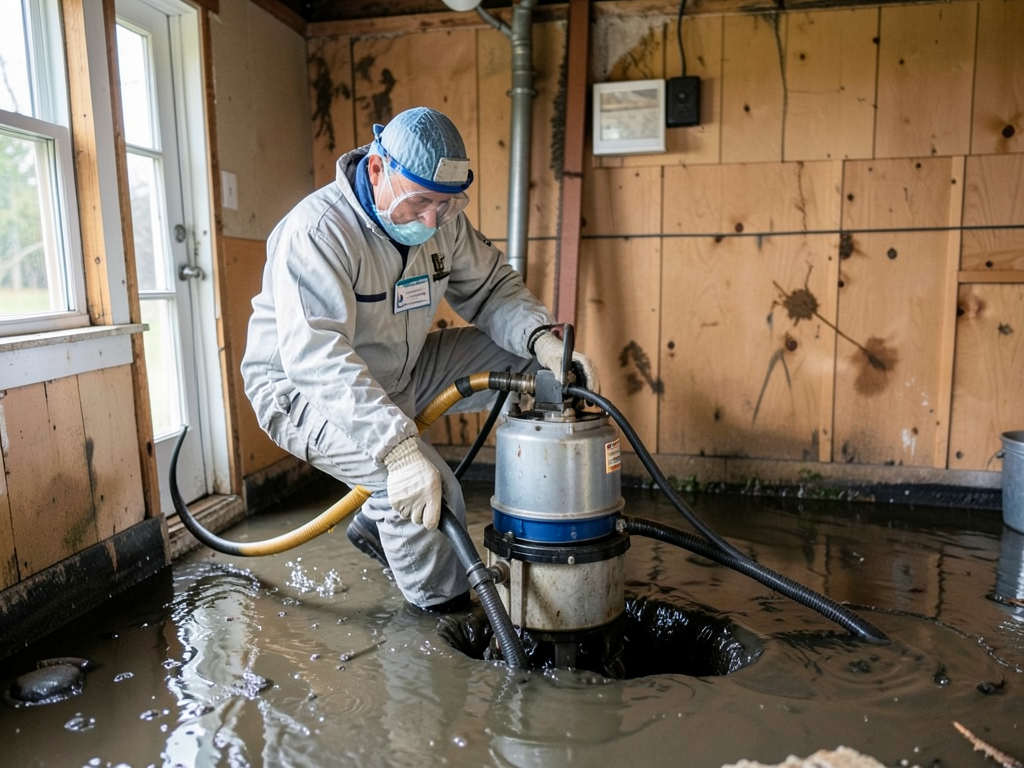
Our extraction equipment includes commercial-grade submersible pumps capable of removing thousands of gallons per hour, followed by truck-mounted extraction units that remove water from carpets, padding, and subfloors. We don’t just clean the surface; we extract water from deep within structural cavities where bacteria thrive in dark, moist environments. Water Damage Restoration Portsmouth.
While extraction is underway, we begin applying EPA-registered hospital-grade disinfectants to all contaminated surfaces. These antimicrobial treatments kill 99.9% of bacteria and viruses on contact, but they need time to work effectively. Our technicians monitor contact times carefully, ensuring each surface receives the full recommended dwell time for maximum pathogen elimination.
Once extraction and initial sanitization are complete, we deploy industrial air movers and dehumidifiers to begin the drying process. This isn’t just about removing visible water—it’s about eliminating the moisture that allows mold and bacteria to regrow. We monitor humidity levels continuously, aiming for below 40% relative humidity to create conditions where pathogens cannot survive.
The Dangers of Category 3 ‘Black Water’
Category 3 water represents the highest level of contamination in water damage restoration. This isn’t clean water from a broken pipe or even gray water from a washing machine—this is water that contains sewage, bacteria, viruses, and other harmful microorganisms that pose serious health risks to anyone who comes into contact with it. Choosing a Restoration Company.
The pathogens in black water include multiple strains of E. coli that can cause severe gastrointestinal illness, Salmonella bacteria that lead to food poisoning symptoms, and various forms of Hepatitis that affect the liver. These microorganisms can survive in moist environments for days or even weeks, continuing to pose health risks long after the visible water is gone.
Beyond the immediate health hazards, Category 3 water causes rapid structural degradation. Within 24-48 hours, contaminated water breaks down the adhesives in carpeting, delaminates plywood subfloors, and causes drywall to swell and disintegrate. The longer contamination sits, the more extensive—and expensive—the repairs become.
The smell of Category 3 water is unmistakable and overwhelming. It’s a combination of rotten eggs, raw sewage, and decaying organic matter that permeates every porous surface it touches. This odor isn’t just unpleasant—it’s a warning sign that dangerous microorganisms are present and active in your environment.
Children, elderly individuals, and people with compromised immune systems face the highest risk from black water exposure. Even healthy adults can develop serious infections from brief contact with contaminated surfaces. That’s why professional remediation isn’t optional—it’s essential for protecting everyone who enters your property.
According to the IICRC S500 Standard for Professional Water Damage Restoration, Category 3 water requires complete removal and disposal of all affected porous materials, including carpet, padding, and drywall that has absorbed contaminated water. Partial cleaning is insufficient—the only safe approach is complete decontamination and material replacement where necessary. IICRC.
Our Kempsville Remediation Process
Our sewage cleanup process follows the IICRC S500 Standard, the industry’s gold standard for water damage restoration. This isn’t a generic cleaning service—it’s a systematic, scientific approach to eliminating biohazards and restoring your property to safe, pre-loss condition.
Step 1: Emergency Response and Assessment. When you call (757) 909-5033, we dispatch a certified technician immediately. Upon arrival, we use moisture meters to map the extent of contamination and thermal imaging cameras to detect water migration into wall cavities and under flooring. This assessment determines our containment strategy and equipment needs.
Step 2: Containment and Personal Protection. We establish containment zones using 6-mil polyethylene sheeting and negative air machines. All technicians wear full personal protective equipment including respirators, chemical-resistant suits, gloves, and eye protection. This protects both our crew and prevents cross-contamination to unaffected areas of your property.
Step 3: Extraction and Removal. Using submersible pumps and truck-mounted extraction units, we remove all standing water and extract moisture from carpets, padding, and subfloors. Contaminated materials that cannot be salvaged—including carpet, padding, and water-damaged drywall—are removed and properly disposed of according to Virginia Department of Environmental Quality regulations.
Step 4: Cleaning and Disinfection. All salvageable surfaces receive multiple applications of EPA-registered hospital-grade disinfectants. We use antimicrobial agents specifically formulated for sewage contamination, ensuring they remain wet on surfaces for the full required contact time to achieve maximum pathogen kill rates.
Step 5: Drying and Dehumidification. Industrial air movers create high-velocity airflow across wet surfaces, while commercial dehumidifiers remove moisture from the air. We monitor humidity levels continuously, documenting the drying process with moisture readings taken at multiple depths in walls and floors.
Step 6: Final Sanitization and Odor Removal. Once materials test dry, we apply additional antimicrobial treatments and use HEPA air scrubbers to remove airborne contaminants. We also employ ozone or hydroxyl generators to eliminate odors at the molecular level, not just mask them with fragrances.
Step 7: Documentation and Insurance Coordination. We provide detailed documentation of all work performed, including moisture readings, material disposal logs, and photographic evidence. This documentation supports your insurance claim and demonstrates compliance with industry standards for Category 3 water remediation.
Why Local Matters: Serving Kempsville and Surrounding Neighborhoods
Kempsville’s unique geographic location in coastal Virginia creates specific challenges for sewage cleanup that out-of-town companies simply don’t understand. The area’s high water table, combined with aging municipal infrastructure along Princess Anne Road and Kempsville Road, means sewage backups often occur during heavy rains when the ground is already saturated.
Our team lives and works in the 757 area code. We understand how Kempsville’s drainage patterns work, where the flood-prone areas are located near the North Landing River, and how local soil conditions affect water migration into structures. This local knowledge allows us to anticipate problems and implement more effective containment strategies.
We maintain relationships with local environmental health officials and understand Virginia Beach’s specific requirements for biohazardous waste disposal. When we remove contaminated materials from your property, we know exactly where to take them and how to document the disposal to ensure full regulatory compliance.
Our proximity means faster response times. While a company based in Norfolk or Chesapeake might take 90+ minutes to reach Kempsville, our strategically positioned crews can arrive in under an hour, dramatically reducing the extent of damage and health risks associated with Category 3 water exposure.
We understand the local building codes and permit requirements for structural repairs following sewage damage. Whether you live in a mid-century ranch home in Brandon or a newer construction in Larkspur, we know the specific materials and construction methods used in Kempsville and can restore your property to code-compliant condition.
Our local presence also means accountability. We’re not a fly-by-night operation that disappears after the cleanup. We’re part of the Kempsville community, and our reputation depends on providing thorough, professional service that leaves customers satisfied and safe.
Insurance Claims Assistance
Dealing with sewage backup is stressful enough without navigating complex insurance claims. Most homeowners insurance policies cover sudden and accidental sewage backups, but the claims process can be confusing and time-consuming, especially when you’re dealing with a contaminated property.
Our team has extensive experience working with all major insurance carriers serving the Virginia Beach area. We understand what documentation your insurance company needs to process your claim quickly and fairly. From the moment we arrive, we begin documenting everything—moisture readings, material conditions, disposal receipts, and before/after photographs.
We provide your insurance adjuster with a detailed scope of work that itemizes every step of the remediation process, from initial containment through final sanitization. This professional documentation helps prevent disputes over what work was necessary and ensures you receive full coverage for the restoration of your property to pre-loss condition.
Our technicians are trained to identify damage that might not be immediately apparent to an insurance adjuster. We document secondary damage like moisture migration into adjacent rooms, HVAC contamination, and potential mold growth conditions that could develop if remediation isn’t thorough. This comprehensive approach protects you from future problems and additional out-of-pocket expenses.
We handle the billing process directly with your insurance company whenever possible. This means you don’t have to worry about upfront costs or reimbursement delays. We work on a contingency basis, only getting paid when your insurance company approves the claim and releases payment for the completed work.
Even if you’re concerned about your deductible or coverage limits, don’t let that delay calling for help. The cost of delayed response—in terms of additional damage, health risks, and potential mold growth—far exceeds most insurance deductibles. Call us at (757) 909-5033, and we’ll help you understand your coverage and options.
Common Causes of Sewage Backups in Kempsville
Understanding why sewage backups occur in Kempsville can help you prevent future incidents. The area’s combination of aging infrastructure, high water tables, and specific soil conditions creates a perfect storm for sewage system failures.
Tree root intrusion is one of the most common causes of sewage backups in older Kempsville neighborhoods. The area’s mature tree canopy, particularly along older streets in Brandon and near Kempsville Greens, sends roots searching for moisture into sewer lines. These roots penetrate joints and cracks, gradually blocking pipes until sewage has nowhere to go but back into your home.
Combined with Virginia Beach’s high water table, even minor blockages can cause major problems. When the ground is saturated from heavy rains or high tides, sewage systems operate at reduced capacity. Any additional blockage from roots, grease buildup, or collapsed pipes can trigger an immediate backup.
Infrastructure age plays a significant role in Kempsville’s sewage issues. Many homes in the area were built in the 1960s and 1970s, and their sewer lines are reaching the end of their useful life. Clay pipes, common in that era, are particularly susceptible to cracking and root intrusion. Even homes with PVC replacement lines may have connections to older municipal systems that are failing.
Heavy rainfall events, increasingly common due to climate change, overwhelm both municipal and private sewer systems. When stormwater enters the sewage system through cracks or illegal connections, it reduces capacity and increases pressure, forcing contaminated water back through floor drains, toilets, and other low points in your plumbing system.
Grease and improper disposal of sanitary products create blockages in both household and municipal lines. Even if you’re careful about what goes down your drains, your neighbors’ habits can affect the entire neighborhood’s sewage system. When multiple households contribute to blockages, the system backs up at the weakest point—often your home.
Preventing Future Sewage Problems
While you can’t control municipal infrastructure or your neighbors’ habits, several steps can reduce your risk of future sewage backups. These preventive measures are especially important in Kempsville, where the combination of aging systems and environmental factors creates persistent vulnerability.
Install a backwater valve on your main sewer line. This simple device allows sewage to flow out of your home but prevents it from flowing back in during system overloads. It’s particularly effective in areas with high water tables or where heavy rains frequently overwhelm municipal systems.
Have your sewer line inspected regularly with a camera inspection. This allows you to identify tree root intrusion, pipe deterioration, or blockages before they cause a backup. Many plumbing companies offer this service for a few hundred dollars—a small investment compared to the cost of sewage remediation.
Replace old clay or cast iron sewer lines with modern PVC piping. While this represents a significant upfront investment, it eliminates the most common failure points in older systems. PVC resists root intrusion and won’t deteriorate like older materials, potentially saving you thousands in future remediation costs.
Be mindful of what goes down your drains. Avoid pouring grease, coffee grounds, or other problematic substances into your plumbing system. Even if they don’t immediately cause a backup, they contribute to the gradual narrowing of pipes that eventually leads to system failure.
Consider a sump pump with battery backup for homes with basements or crawl spaces. While this won’t prevent sewage backups, it can help manage groundwater intrusion that often accompanies system overloads, reducing the overall water damage to your property.
Maintain your plumbing system with regular professional inspections. A licensed plumber can identify potential problems like deteriorating seals, loose connections, or improper venting that might contribute to backup risks. Early detection and repair prevent emergency situations.
Health and Safety After Sewage Exposure
Even after professional cleanup, some health precautions remain important. Category 3 water exposure can cause symptoms that appear days or even weeks after the initial incident, so awareness and vigilance are essential.
Watch for symptoms of waterborne illness including severe diarrhea, vomiting, abdominal cramps, and fever. These can indicate exposure to pathogens like E. coli or Salmonella. If you or family members experience these symptoms after sewage exposure, seek medical attention immediately and inform your healthcare provider about the potential contamination.
Be aware that some people are more vulnerable to complications from sewage exposure. Children, elderly individuals, pregnant women, and people with compromised immune systems face higher risks of severe illness. If anyone in these categories was exposed to contaminated areas, even briefly, they should consult a healthcare provider as a precaution.
Monitor for signs of mold growth in the weeks following sewage cleanup. The high moisture levels associated with sewage backups create ideal conditions for mold development, particularly in hidden areas like wall cavities and under flooring. Musty odors, visible discoloration, or allergic symptoms can indicate mold problems requiring additional remediation.
Replace HVAC filters after sewage cleanup and consider having your air ducts professionally cleaned. Contaminated air can circulate through your home’s ventilation system, potentially spreading pathogens to areas that weren’t directly affected by the backup. HEPA filtration can help remove remaining airborne contaminants.
Keep children and pets away from previously contaminated areas until you receive confirmation that remediation is complete and all surfaces have been properly sanitized. Their smaller size and different behaviors (like playing on floors) increase their exposure risk to any remaining contaminants.
Document any health issues that arise following sewage exposure. This documentation can be important for insurance claims or potential legal action if the contamination was caused by municipal system failures or contractor negligence. Keep records of medical visits, treatments, and any related expenses.
Why Professional Cleanup Beats DIY Approaches
Watching DIY cleanup videos might make sewage remediation seem manageable, but the reality is far more complex and dangerous. Professional cleanup isn’t just about having better equipment—it’s about understanding the science of biohazard remediation and following strict safety protocols that protect your health and property.
Consumer-grade cleaning products cannot effectively eliminate the pathogens present in Category 3 water. While bleach might kill some bacteria on contact, it doesn’t address the full spectrum of microorganisms present in sewage, nor does it penetrate porous materials where pathogens hide. Professional antimicrobial treatments are specifically formulated for sewage contamination and tested for effectiveness against a broad range of pathogens.
The containment procedures used by professionals prevent the spread of contamination to unaffected areas. Without proper containment, you risk spreading bacteria throughout your home on shoes, clothing, or through your HVAC system. Professional containment uses negative air pressure and physical barriers to keep contamination isolated.
Proper disposal of contaminated materials isn’t as simple as bagging them and putting them in your trash. Biohazardous waste must be handled according to specific regulations, transported by licensed carriers, and disposed of at approved facilities. Professional remediation companies understand and comply with all applicable regulations, protecting you from potential liability.
Moisture detection and drying require specialized equipment that most homeowners don’t possess. Surface-level drying leaves moisture in wall cavities, under flooring, and in structural elements where it supports mold growth and material degradation. Professional moisture meters and thermal imaging cameras identify all affected areas, ensuring complete drying.
Insurance coverage often requires professional cleanup to validate claims. Many policies explicitly state that damage from sewage backups must be remediated by certified professionals to be covered. DIY cleanup might save money initially but could result in denied claims and uncovered expenses later.
Most importantly, your health isn’t worth the risk. Category 3 water exposure can cause serious illness, and the symptoms might not appear immediately. Professional technicians are trained in proper safety procedures and wear appropriate protective equipment to minimize exposure risks. Don’t gamble with your family’s health to save a few dollars.
Frequently Asked Questions
How quickly should I call for help when sewage backs up?
Immediately. Every hour of delay allows contamination to spread deeper into materials and increases health risks. Call (757) 909-5033 right away—we’re available 24/7 and can typically arrive within 60 minutes to begin containment and cleanup.
Will my homeowners insurance cover sewage cleanup?
Most standard policies cover sudden and accidental sewage backups, but coverage varies by policy. We work with all major insurance companies and can help you understand your coverage. Many policies require professional cleanup to validate claims, so don’t delay calling for help while you sort out insurance details.
How long does the cleanup process take?
The initial emergency response and water extraction typically takes 4-8 hours. Complete remediation, including drying and final sanitization, usually requires 3-5 days depending on the extent of contamination and materials affected. We provide detailed timelines after our initial assessment.
Can I stay in my home during cleanup?
Often not. Category 3 water creates hazardous conditions that require containment zones and personal protective equipment. We’ll help you understand when it’s safe to return and can assist with temporary housing arrangements if needed during the remediation process.
What should I do while waiting for help to arrive?
Keep everyone, including pets, away from contaminated areas. If safe to do so, turn off electricity to affected areas. Don’t attempt to clean or sanitize anything—this can spread contamination and put you at risk. Document damage with photos for insurance purposes if you can do so safely.
How do I know cleanup is complete and my home is safe?
We conduct thorough testing throughout the process, including moisture readings, air quality monitoring, and surface sampling when necessary. You’ll receive documentation showing that all affected areas have been properly remediated and your home meets safety standards for reoccupation.
What causes sewage to back up into homes?
Common causes include tree root intrusion into sewer lines, aging infrastructure, heavy rainfall overwhelming systems, grease buildup, and collapsed pipes. Kempsville’s combination of mature trees and older homes makes it particularly susceptible to these issues.
Do you handle the reconstruction after cleanup?
Yes. We provide complete restoration services, from initial cleanup through final reconstruction. This includes replacing drywall, flooring, and other materials that had to be removed during the remediation process, returning your home to pre-loss condition.
How much does sewage cleanup cost?
Costs vary based on the extent of contamination, materials affected, and required reconstruction. We provide detailed estimates after our initial assessment. Most homeowners insurance covers these costs, and we work directly with your insurance company to handle billing.
Can sewage backup cause mold growth?
Yes, and quickly. The combination of moisture and organic material in sewage creates ideal conditions for mold growth within 24-48 hours. That’s why rapid response and thorough drying are essential parts of our cleanup process.
What certifications do your technicians hold?
Our technicians are IICRC certified in water damage restoration and hold specific certifications for biohazard remediation. We follow all EPA, OSHA, and industry standards for Category 3 water cleanup and disposal.
How do you dispose of contaminated materials?
We follow all Virginia Department of Environmental Quality regulations for biohazardous waste. Contaminated materials are properly contained, transported by licensed carriers, and disposed of at approved facilities. We provide documentation of all disposal activities.
Should I try to save carpet or other materials?
Generally no. Most porous materials that contact Category 3 water cannot be effectively sanitized and must be removed and replaced. We’ll assess each material and advise you on what can be salvaged versus what must be discarded for health and safety reasons.
Take Action Now: Protect Your Kempsville Property
Raw sewage in your home isn’t just an inconvenience—it’s a serious health emergency that demands immediate professional attention. Every minute you wait allows contamination to spread deeper into your property, increasing both the health risks and the cost of remediation.
Our Kempsville-based team understands the unique challenges of sewage cleanup in coastal Virginia. We know how local infrastructure, soil conditions, and weather patterns affect backup risks, and we’ve developed specialized procedures to address these specific challenges effectively.
When you call (757) 909-5033, you’re not just getting a cleanup crew—you’re getting certified professionals who follow industry best practices, use hospital-grade disinfectants, and provide complete documentation for insurance purposes. We’ll arrive quickly, contain the hazard, and restore your property to safe, livable conditions.
Don’t risk your family’s health or your business’s operation by attempting DIY cleanup or waiting for problems to resolve themselves. Sewage contamination only gets worse with time, and the longer you wait, the more extensive and expensive the remediation becomes.
Pick up the phone and call (757) 909-5033 before the next storm hits or the next backup occurs. Our 24/7 emergency response team is ready to protect your Kempsville property from the dangers of Category 3 water contamination. Your health, safety, and peace of mind are worth the call.
Remember: when it comes to sewage cleanup, speed matters, expertise matters, and local knowledge matters. We bring all three to every job in Kempsville, ensuring the fastest, safest, most effective remediation possible. Call now and let us handle the hazard while you focus on getting your life back to normal.
{
“@context”: “https://schema.org”,
“@type”: “BlogPosting”,
“headline”: “Getting Professional Sewage Cleanup Help in the Kempsville Area”,
“description”: “Emergency sewage cleanup in Kempsville VA. 24/7 response for Category 3 black water. IICRC certified technicians serving 23464, 23462. Call (757) 909-5033 now.”,
“wordCount”: 3907,
“datePublished”: “2026-02-15T07:03:00.000Z”,
“dateModified”: “2026-02-15T07:03:00.000Z”,
“inLanguage”: “en-US”,
“mainEntityOfPage”: {
“@type”: “WebPage”,
“@id”: “https://apexwaterdamagerestorationvirginiabeach.com”
},
“publisher”: {
“@type”: “LocalBusiness”,
“name”: “Apex Water Damage Restoration Virginia Beach”,
“url”: “https://apexwaterdamagerestorationvirginiabeach.com”
},
“author”: {
“@type”: “Organization”,
“name”: “Apex Water Damage Restoration Virginia Beach”,
“url”: “https://apexwaterdamagerestorationvirginiabeach.com”
},
“image”: {
“@type”: “ImageObject”,
“url”: “https://apexwaterdamagerestorationvirginiabeach.com/wp-content/uploads/2026/03/getting-professional-sewage-cleanup-help-in-the-ke-1.png”
}
}
{
“@context”: “https://schema.org”,
“@type”: “LocalBusiness”,
“name”: “Apex Water Damage Restoration Virginia Beach”,
“url”: “https://apexwaterdamagerestorationvirginiabeach.com”,
“address”: {
“@type”: “PostalAddress”,
“addressLocality”: “Virginia Beach”
},
“areaServed”: {
“@type”: “City”,
“name”: “Virginia Beach”
}
}
{
“@context”: “https://schema.org”,
“@type”: “FAQPage”,
“mainEntity”: [
{
“@type”: “Question”,
“name”: “How quickly should I call for help when sewage backs up?”,
“acceptedAnswer”: {
“@type”: “Answer”,
“text”: “Immediately. Every hour of delay allows contamination to spread deeper into materials and increases health risks. Call (757) 909-5033 right away—we’re available 24/7 and can typically arrive within 60 minutes to begin containment and cleanup.”
}
},
{
“@type”: “Question”,
“name”: “Will my homeowners insurance cover sewage cleanup?”,
“acceptedAnswer”: {
“@type”: “Answer”,
“text”: “Most standard policies cover sudden and accidental sewage backups, but coverage varies by policy. We work with all major insurance companies and can help you understand your coverage. Many policies require professional cleanup to validate claims, so don’t delay calling for help while you sort out insurance details.”
}
},
{
“@type”: “Question”,
“name”: “How long does the cleanup process take?”,
“acceptedAnswer”: {
“@type”: “Answer”,
“text”: “The initial emergency response and water extraction typically takes 4-8 hours. Complete remediation, including drying and final sanitization, usually requires 3-5 days depending on the extent of contamination and materials affected. We provide detailed timelines after our initial assessment.”
}
},
{
“@type”: “Question”,
“name”: “Can I stay in my home during cleanup?”,
“acceptedAnswer”: {
“@type”: “Answer”,
“text”: “Often not. Category 3 water creates hazardous conditions that require containment zones and personal protective equipment. We’ll help you understand when it’s safe to return and can assist with temporary housing arrangements if needed during the remediation process.”
}
},
{
“@type”: “Question”,
“name”: “What should I do while waiting for help to arrive?”,
“acceptedAnswer”: {
“@type”: “Answer”,
“text”: “Keep everyone, including pets, away from contaminated areas. If safe to do so, turn off electricity to affected areas. Don’t attempt to clean or sanitize anything—this can spread contamination and put you at risk. Document damage with photos for insurance purposes if you can do so safely.”
}
},
{
“@type”: “Question”,
“name”: “How do I know cleanup is complete and my home is safe?”,
“acceptedAnswer”: {
“@type”: “Answer”,
“text”: “We conduct thorough testing throughout the process, including moisture readings, air quality monitoring, and surface sampling when necessary. You’ll receive documentation showing that all affected areas have been properly remediated and your home meets safety standards for reoccupation.”
}
},
{
“@type”: “Question”,
“name”: “What causes sewage to back up into homes?”,
“acceptedAnswer”: {
“@type”: “Answer”,
“text”: “Common causes include tree root intrusion into sewer lines, aging infrastructure, heavy rainfall overwhelming systems, grease buildup, and collapsed pipes. Kempsville’s combination of mature trees and older homes makes it particularly susceptible to these issues.”
}
},
{
“@type”: “Question”,
“name”: “Do you handle the reconstruction after cleanup?”,
“acceptedAnswer”: {
“@type”: “Answer”,
“text”: “Yes. We provide complete restoration services, from initial cleanup through final reconstruction. This includes replacing drywall, flooring, and other materials that had to be removed during the remediation process, returning your home to pre-loss condition.”
}
},
{
“@type”: “Question”,
“name”: “How much does sewage cleanup cost?”,
“acceptedAnswer”: {
“@type”: “Answer”,
“text”: “Costs vary based on the extent of contamination, materials affected, and required reconstruction. We provide detailed estimates after our initial assessment. Most homeowners insurance covers these costs, and we work directly with your insurance company to handle billing.”
}
},
{
“@type”: “Question”,
“name”: “Can sewage backup cause mold growth?”,
“acceptedAnswer”: {
“@type”: “Answer”,
“text”: “Yes, and quickly. The combination of moisture and organic material in sewage creates ideal conditions for mold growth within 24-48 hours. That’s why rapid response and thorough drying are essential parts of our cleanup process.”
}
},
{
“@type”: “Question”,
“name”: “What certifications do your technicians hold?”,
“acceptedAnswer”: {
“@type”: “Answer”,
“text”: “Our technicians are IICRC certified in water damage restoration and hold specific certifications for biohazard remediation. We follow all EPA, OSHA, and industry standards for Category 3 water cleanup and disposal.”
}
},
{
“@type”: “Question”,
“name”: “How do you dispose of contaminated materials?”,
“acceptedAnswer”: {
“@type”: “Answer”,
“text”: “We follow all Virginia Department of Environmental Quality regulations for biohazardous waste. Contaminated materials are properly contained, transported by licensed carriers, and disposed of at approved facilities. We provide documentation of all disposal activities.”
}
},
{
“@type”: “Question”,
“name”: “Should I try to save carpet or other materials?”,
“acceptedAnswer”: {
“@type”: “Answer”,
“text”: “Generally no. Most porous materials that contact Category 3 water cannot be effectively sanitized and must be removed and replaced. We’ll assess each material and advise you on what can be salvaged versus what must be discarded for health and safety reasons.”
}
}
]
}
{
“@context”: “https://schema.org”,
“@type”: “BreadcrumbList”,
“itemListElement”: [
{
“@type”: “ListItem”,
“position”: 1,
“name”: “Home”,
“item”: “https://apexwaterdamagerestorationvirginiabeach.com”
},
{
“@type”: “ListItem”,
“position”: 2,
“name”: “Blog”,
“item”: “https://apexwaterdamagerestorationvirginiabeach.com/blog”
},
{
“@type”: “ListItem”,
“position”: 3,
“name”: “Getting Professional Sewage Cleanup Help in the Kempsville Area”
}
]
}
{
“@context”: “https://schema.org”,
“@type”: “Service”,
“serviceType”: “Water Damage Restoration”,
“provider”: {
“@type”: “LocalBusiness”,
“name”: “Apex Water Damage Restoration Virginia Beach”,
“url”: “https://apexwaterdamagerestorationvirginiabeach.com”
},
“areaServed”: {
“@type”: “City”,
“name”: “Virginia Beach”
},
“description”: “Emergency sewage cleanup in Kempsville VA. 24/7 response for Category 3 black water. IICRC certified technicians serving 23464, 23462. Call (757) 909-5033 now.”
}