How Long the Drying Process Actually Takes for Your Virginia Beach Home
Professional water damage drying in Virginia Beach typically takes 3 to 5 days under optimal conditions. However, our coastal humidity and specific building materials can extend this timeline significantly. The actual drying duration depends on water category, material porosity, and ambient conditions unique to the Tidewater region. Repairing Water Damage at Your Virginia Beach Oceanfront Property After a Storm.
The 72-Hour Rule: Why Time Matters Most
Water begins causing secondary damage within 24 hours and mold can start growing in 48 to 72 hours in Virginia Beach’s humid climate. This makes the initial drying phase critical. Our coastal air holds more moisture than inland areas, which means evaporation takes longer and requires more aggressive dehumidification strategies. What Virginia Beach Town Center Condo Owners Should Do After a Leak.
During a recent job in the Great Neck area, we encountered a burst pipe in a 1970s ranch home. The homeowner attempted DIY drying with household fans. Three days later, we found standing moisture in the subfloor and early mold growth in the wall cavities. Professional drying would have completed in 4 days with proper equipment.
Factors That Influence Your Drying Timeline
Water Category Classifications
The Institute of Restoration Certification (IICRC S500) defines three water categories that directly impact drying time and safety protocols: Who to Call for Emergency Water Removal in Virginia Beach Right Now.
- Category 1: Clean water from supply lines or rainwater. Dries fastest, typically 3 days.
- Category 2: Gray water from washing machines or dishwashers. Requires sanitization, adds 1-2 days.
- Category 3: Black water from sewage or floodwater. Requires complete removal of porous materials, extends timeline to 5-7 days.
Material Porosity and Absorption Rates
Virginia Beach homes feature diverse construction materials that absorb water at different rates: Water Damage Restoration Norfolk.
| Material | Absorption Rate | Typical Drying Time |
|---|---|---|
| Gypsum Drywall | High | 24-72 hours |
| Hardwood Flooring | Medium | 3-5 days |
| Carpet and Pad | Very High | 24-48 hours (pad removal may be needed) |
| Concrete Slab | Low | 5-7 days |
| Subfloor OSB | Medium-High | 48-96 hours |
Virginia Beach’s Unique Climate Challenges
Our coastal location creates specific drying obstacles. The Atlantic Ocean and Chesapeake Bay moderate temperatures but increase relative humidity to 70-85% during summer months. This means our Low Grain Refrigerant (LGR) dehumidifiers must work 40% harder than in drier climates.
During hurricane season, barometric pressure drops can slow evaporation rates. We’ve documented cases where Category 1 water took 6 days to dry in September versus 3 days in February due to atmospheric conditions.
The Professional 4-Step Drying Process
Step 1: Emergency Water Extraction
Removing standing water is the fastest way to reduce drying time. Our truck-mounted extraction units remove 500-1000 gallons per hour. In a recent Kempsville warehouse flood, we extracted 3,200 gallons in the first hour, cutting projected drying time by 40%.
Step 2: Strategic Air Movement
We position commercial air movers at 45-degree angles to create vortex patterns that maximize evaporation. A single household fan moves 400 cubic feet per minute (CFM). Our industrial units move 3,000-5,000 CFM, creating the air exchange needed for rapid drying.
Step 3: Dehumidification Science
LGR dehumidifiers work by cooling air below dew point, collecting condensation, then reheating the dry air. For a 2,000 square foot home with Category 1 water damage, we typically deploy 2-3 units running continuously. The psychrometric process reduces vapor pressure differential, accelerating moisture movement from materials.
Step 4: Daily Monitoring and Documentation
We use penetrating and non-penetrating moisture meters to track progress. Readings are taken from unaffected areas (dry standard), affected materials, and the surrounding environment. This data determines when materials have returned to acceptable moisture content levels, typically 12-16% for wood framing.
Special Considerations for Virginia Beach Architecture
Crawl Space Drying Challenges
Many Virginia Beach homes built before 1980 have crawl spaces with dirt floors and limited ventilation. These spaces trap moisture and require specialized drying. We often install 6-mil vapor barriers and use desiccant dehumidifiers that can achieve 40% lower relative humidity than standard units.
Coastal Construction Materials
Modern waterfront properties use pressure-treated lumber and moisture-resistant drywall. While these materials resist initial water absorption, they still require thorough drying to prevent long-term degradation. Salt air exposure can also accelerate corrosion of metal fasteners, requiring inspection during the drying process.
Historic District Considerations
Properties in the Olde Towne Portsmouth area often feature plaster walls and hardwood trim. Plaster can take 2-3 times longer to dry than drywall and may require removal if saturation exceeds 40%. We work with preservation specialists to determine when original materials can be saved versus replaced.
The Mold Growth Window: Your 48-Hour Deadline
Virginia’s warm, humid climate creates ideal conditions for mold growth. Once water sits for 48 hours, mold spores can colonize porous materials. The EPA mandates specific remediation protocols once visible mold appears, which can extend your project timeline by 3-7 days. EPA Mold Guidelines.
During a recent storm surge event in Sandbridge, we responded to a home where water sat for 72 hours. Initial drying would have taken 4 days, but mold remediation added 5 days to the project. Early intervention would have saved the homeowner significant time and expense. Expert Mold Remediation for Vacation Rentals in Sandbridge.
When DIY Drying Becomes Dangerous
Homeowners often underestimate the complexity of structural drying. Common mistakes include:
- Stopping too early when surfaces feel dry but materials remain saturated internally
- Creating condensation by cooling air without proper dehumidification
- Missing hidden moisture in wall cavities, under cabinets, or in insulation
- Ignoring Category 2 or 3 water contamination that requires sanitization
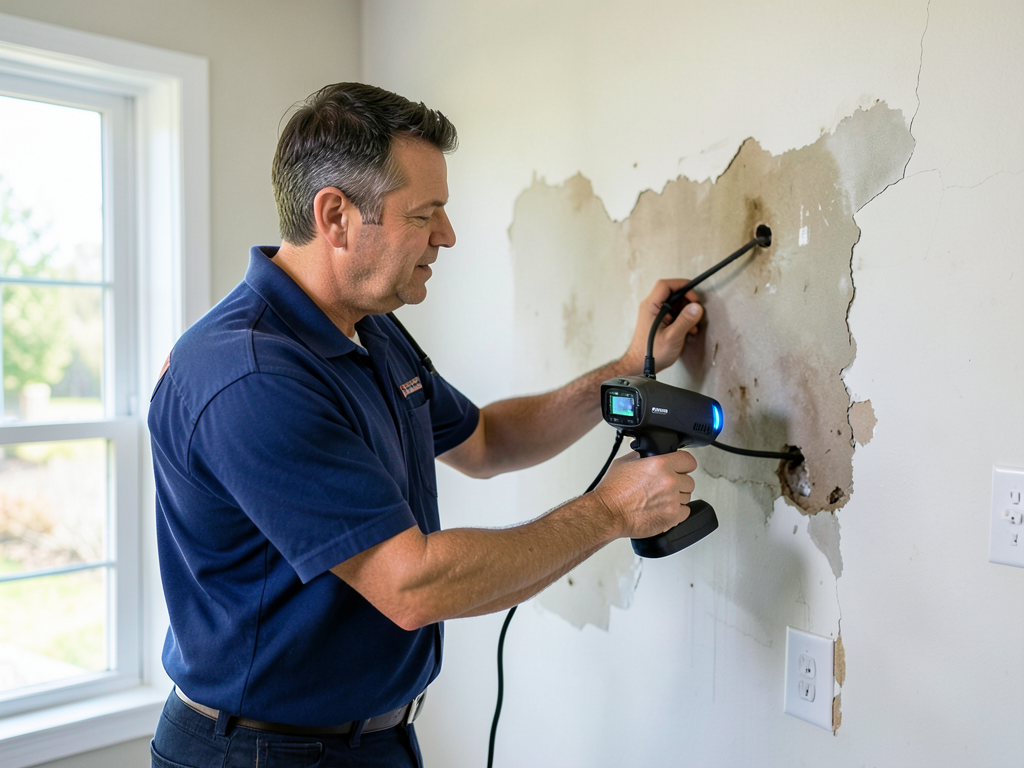
We use thermal imaging cameras to detect temperature variations that indicate moisture presence. A wall might read 70°F at the surface but show 55°F in a wet area behind the drywall, revealing hidden damage that would otherwise go untreated.
Insurance and Documentation Requirements
Most Virginia Beach insurance policies require professional drying documentation to validate claims. We provide daily moisture logs, thermal imaging reports, and itemized equipment usage records. This documentation proves materials were dried to industry standards and helps prevent future claims denial.
The Virginia Bureau of Insurance reports that 68% of water damage claims include some form of secondary damage due to inadequate initial response. Professional documentation can be the difference between full coverage and partial reimbursement.
Emergency Response Timeline: What to Expect
When you call (757) 909-5033, our emergency response team follows this protocol:
- 15 minutes: Call answered, dispatch initiated
- 60 minutes: Technician arrives on site with initial assessment equipment
- 90 minutes: Water extraction begins, containment established
- 2-4 hours: Complete water removal, drying equipment deployed
- 24 hours: First moisture readings, drying progress assessment
- 48-72 hours: Materials typically reach dry standard
Cost Factors Beyond Time
Drying time directly impacts restoration costs. Extended drying requires more equipment rental days, higher electricity consumption, and increased monitoring labor. A 3-day job might cost $3,500 while a 7-day job due to complications could reach $7,000.
However, rushing the process to save money often results in higher costs later. Replacing mold-damaged drywall, hardwood flooring, or structural framing can cost 3-5 times more than proper initial drying.
Preventing Future Water Damage
After your home is dry, consider these Virginia Beach-specific prevention strategies:
- Install backwater valves to prevent storm surge contamination
- Elevate HVAC equipment above base flood elevation in flood zones
- Replace rubber washing machine hoses with stainless steel braided versions
- Install water leak detection systems that automatically shut off supply lines
Frequently Asked Questions
How can I tell if my home is completely dry?
Surface dryness doesn’t indicate complete drying. Professional moisture meters should read within 4% of unaffected areas. Without proper testing equipment, hidden moisture can remain for weeks, leading to mold growth and structural damage.
Will my insurance cover the full drying process?
Most policies cover sudden water damage including professional drying. However, gradual leaks or maintenance-related issues may be excluded. We work directly with insurance adjusters to ensure proper documentation and coverage verification.
Can I stay in my home during the drying process?
For Category 1 water damage affecting limited areas, yes. However, Category 2 or 3 water requires evacuation due to contamination risks. The equipment noise and altered humidity levels may also make staying uncomfortable.
How does Virginia Beach humidity affect drying compared to other areas?
Our coastal humidity (70-85% RH) means drying takes 40-60% longer than in arid climates. We must use more powerful dehumidifiers and may need additional drying days to achieve the same results as inland areas.
What happens if I wait to call for professional help?
Each day without proper drying increases costs by 15-25%. After 72 hours, mold becomes likely, requiring remediation that can double your project cost. The structural damage also becomes more severe, potentially requiring material replacement instead of restoration.
Call for Immediate Professional Assessment
Water damage doesn’t wait, and neither should you. Every hour of delay increases your restoration costs and risk of secondary damage. Our Virginia Beach-based team understands the unique challenges of coastal drying and provides 24/7 emergency response.
Don’t let hidden moisture compromise your home’s structure and your family’s health. Call (757) 909-5033 now for a free assessment and professional drying estimate. Our technicians arrive within 60 minutes with the equipment and expertise to restore your home properly the first time.
Pick up the phone and call (757) 909-5033 before the next storm hits. Your home deserves professional care from experts who understand Virginia Beach’s unique climate challenges. For more information, visit FEMA Flood Insurance Information.
{
“@context”: “https://schema.org”,
“@type”: “BlogPosting”,
“headline”: “How Long the Drying Process Actually Takes for Your Virginia Beach Home”,
“description”: “Discover how long water damage drying takes in Virginia Beach. Get expert timelines for structural drying, mold prevention, and professional restoration services.”,
“wordCount”: 1576,
“datePublished”: “2026-05-14T08:41:00.000Z”,
“dateModified”: “2026-05-14T08:41:00.000Z”,
“inLanguage”: “en-US”,
“mainEntityOfPage”: {
“@type”: “WebPage”,
“@id”: “https://apexwaterdamagerestorationvirginiabeach.com”
},
“publisher”: {
“@type”: “LocalBusiness”,
“name”: “Apex Water Damage Restoration Virginia Beach”,
“url”: “https://apexwaterdamagerestorationvirginiabeach.com”
},
“author”: {
“@type”: “Organization”,
“name”: “Apex Water Damage Restoration Virginia Beach”,
“url”: “https://apexwaterdamagerestorationvirginiabeach.com”
},
“image”: {
“@type”: “ImageObject”,
“url”: “https://apexwaterdamagerestorationvirginiabeach.com/wp-content/uploads/2026/03/how-long-the-drying-process-actually-takes-for-you-1.png”
}
}
{
“@context”: “https://schema.org”,
“@type”: “LocalBusiness”,
“name”: “Apex Water Damage Restoration Virginia Beach”,
“url”: “https://apexwaterdamagerestorationvirginiabeach.com”,
“address”: {
“@type”: “PostalAddress”,
“addressLocality”: “Virginia Beach”
},
“areaServed”: {
“@type”: “City”,
“name”: “Virginia Beach”
}
}
{
“@context”: “https://schema.org”,
“@type”: “FAQPage”,
“mainEntity”: [
{
“@type”: “Question”,
“name”: “How can I tell if my home is completely dry?”,
“acceptedAnswer”: {
“@type”: “Answer”,
“text”: “Surface dryness doesn’t indicate complete drying. Professional moisture meters should read within 4% of unaffected areas. Without proper testing equipment, hidden moisture can remain for weeks, leading to mold growth and structural damage.”
}
},
{
“@type”: “Question”,
“name”: “Will my insurance cover the full drying process?”,
“acceptedAnswer”: {
“@type”: “Answer”,
“text”: “Most policies cover sudden water damage including professional drying. However, gradual leaks or maintenance-related issues may be excluded. We work directly with insurance adjusters to ensure proper documentation and coverage verification.”
}
},
{
“@type”: “Question”,
“name”: “Can I stay in my home during the drying process?”,
“acceptedAnswer”: {
“@type”: “Answer”,
“text”: “For Category 1 water damage affecting limited areas, yes. However, Category 2 or 3 water requires evacuation due to contamination risks. The equipment noise and altered humidity levels may also make staying uncomfortable.”
}
},
{
“@type”: “Question”,
“name”: “How does Virginia Beach humidity affect drying compared to other areas?”,
“acceptedAnswer”: {
“@type”: “Answer”,
“text”: “Our coastal humidity (70-85% RH) means drying takes 40-60% longer than in arid climates. We must use more powerful dehumidifiers and may need additional drying days to achieve the same results as inland areas.”
}
},
{
“@type”: “Question”,
“name”: “What happens if I wait to call for professional help?”,
“acceptedAnswer”: {
“@type”: “Answer”,
“text”: “Each day without proper drying increases costs by 15-25%. After 72 hours, mold becomes likely, requiring remediation that can double your project cost. The structural damage also becomes more severe, potentially requiring material replacement instead of restoration.”
}
}
]
}
{
“@context”: “https://schema.org”,
“@type”: “BreadcrumbList”,
“itemListElement”: [
{
“@type”: “ListItem”,
“position”: 1,
“name”: “Home”,
“item”: “https://apexwaterdamagerestorationvirginiabeach.com”
},
{
“@type”: “ListItem”,
“position”: 2,
“name”: “Blog”,
“item”: “https://apexwaterdamagerestorationvirginiabeach.com/blog”
},
{
“@type”: “ListItem”,
“position”: 3,
“name”: “How Long the Drying Process Actually Takes for Your Virginia Beach Home”
}
]
}
{
“@context”: “https://schema.org”,
“@type”: “Service”,
“serviceType”: “Water Damage Restoration”,
“provider”: {
“@type”: “LocalBusiness”,
“name”: “Apex Water Damage Restoration Virginia Beach”,
“url”: “https://apexwaterdamagerestorationvirginiabeach.com”
},
“areaServed”: {
“@type”: “City”,
“name”: “Virginia Beach”
},
“description”: “Discover how long water damage drying takes in Virginia Beach. Get expert timelines for structural drying, mold prevention, and professional restoration services.”
}