How Often Should You Replace Your Supply Lines to Avoid a Major Flood?
Supply lines connect your appliances to the main water supply. When they fail, they can release hundreds of gallons of water in minutes. In Virginia Beach, where humidity accelerates corrosion and hard water builds mineral deposits, supply line failure happens more often than most homeowners realize. Replacing supply lines on schedule is one of the simplest ways to prevent a major flood in your home. Repairing Water Damage at Your Virginia Beach Oceanfront Property After a Storm.
Most supply line failures happen without warning. A washing machine hose bursts during the spin cycle. A refrigerator ice maker line cracks behind the wall. A dishwasher supply line splits under pressure. The average water damage restoration claim in Hampton Roads now costs between $4,800 and $7,200, depending on the extent of the damage and whether mold remediation is required. That cost does not include the stress of dealing with insurance adjusters or the time your home is out of commission. Expert Mold Remediation for Vacation Rentals in Sandbridge.
Replacing supply lines before they fail costs between $20 and $80 per line. That small investment can save you thousands of dollars and weeks of disruption. This guide explains exactly when to replace different types of supply lines, what warning signs to watch for, and how Virginia Beach’s unique environment affects their lifespan. What Virginia Beach Town Center Condo Owners Should Do After a Leak.
Supply Line Replacement Timeline by Material
Different materials have different lifespans. Here is a comparison of the most common supply line types and their typical replacement intervals in Virginia Beach conditions.
| Material Type | Typical Lifespan | Burst Pressure Rating | Best For |
|---|---|---|---|
| Rubber (EPDM) | 3-5 years | 150-200 PSI | Toilets, low-pressure applications |
| Braided Stainless Steel | 5-8 years | 300-500 PSI | Washing machines, dishwashers |
| Reinforced PVC | 7-10 years | 200-250 PSI | Ice makers, low-flow applications |
| PEX (Cross-linked Polyethylene) | 20+ years | 400+ PSI | Whole-house replacements, new construction |
| Copper | 20+ years | 500+ PSI | High-end fixtures, exposed applications |
Rubber supply lines are the most prone to failure. The EPDM material breaks down from constant exposure to chlorine, heat, and pressure fluctuations. In Virginia Beach homes with municipal water, the chlorine levels are high enough to accelerate rubber degradation. If your home still has the original rubber lines that came with your appliances, they are already past their safe replacement age. Who to Call for Emergency Water Removal in Virginia Beach Right Now.
Visual Warning Signs of Imminent Failure
Supply lines often give warning signs before they burst. Learning to recognize these signs can help you replace them before disaster strikes.
- Blisters or bubbles on the outer jacket indicate internal pressure buildup
- Corrosion or rust on metal fittings shows electrolysis damage
- White calcium deposits around connectors signal hard water buildup
- Kinks or sharp bends create weak points that fail under pressure
- Moisture or dampness at the connection point means a slow leak is already happening
- Discoloration or darkening of rubber lines shows UV and chemical degradation
Run your hand along the length of each supply line. If you feel any soft spots, bulges, or hear a crackling sound when you squeeze, the line is failing internally. These lines need immediate replacement. Immediate Steps for a Burst Pipe Repair in the Hilltop Neighborhood.
Appliance-Specific Replacement Guidelines
Different appliances put different stresses on supply lines. Here is when to replace lines for each major household appliance.
Washing Machine Supply Lines
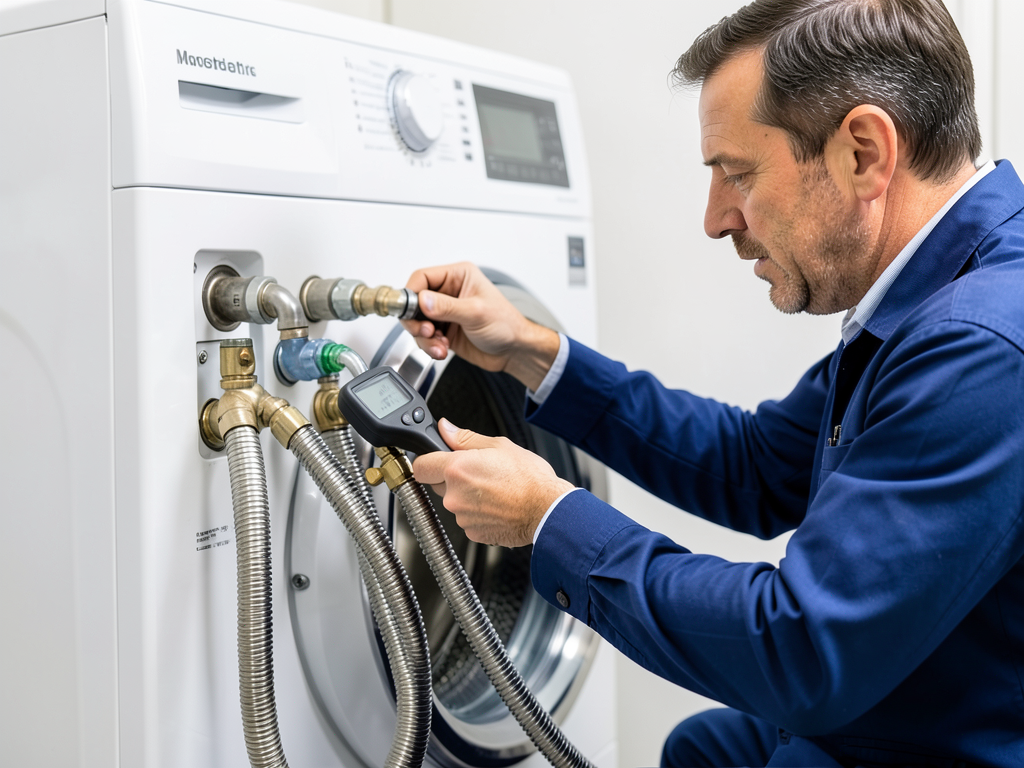
Washing machines create the highest stress on supply lines. During the spin cycle, water hammer can send pressure spikes of 600 PSI through the lines. This is why washing machine supply lines fail more often than any other household line.
Replace washing machine supply lines every 5 years regardless of material. Use braided stainless steel lines rated for at least 300 PSI. Install water hammer arrestors to reduce pressure spikes. Turn off the water supply when going on vacation for more than 48 hours.
Refrigerator Ice Maker Supply Lines
Ice maker lines are often hidden behind walls or under cabinets. When they fail, water can run for days before anyone notices. Most ice maker failures happen at the connection point where the line enters the refrigerator.
Replace ice maker supply lines every 7 years. Use reinforced PVC or PEX lines rather than cheap plastic. Install a water alarm under the refrigerator to detect leaks early. Consider a smart water shutoff valve that automatically turns off water when a leak is detected.
Dishwasher Supply Lines
Dishwasher supply lines face constant heat and moisture. The combination accelerates rubber breakdown and causes corrosion on metal fittings. Most dishwasher failures happen during the wash cycle when water pressure is highest.
Replace dishwasher supply lines every 5-7 years. Use braided stainless steel lines with brass fittings rather than plastic. Check the lines monthly for signs of moisture under the dishwasher. Install a drip pan under the dishwasher as secondary protection.
Toilet Supply Lines
>
Toilet supply lines are often overlooked because they seem less critical than washing machine lines. However, a toilet supply line failure can release 2-3 gallons per minute continuously, causing significant damage over time.
Replace toilet supply lines every 5 years. Use reinforced PVC or braided stainless steel rather than cheap plastic. Replace the supply line any time you replace the toilet. Install a water alarm near the toilet base to detect slow leaks.
The Virginia Beach Factor: Local Environmental Impact
Virginia Beach’s coastal environment creates unique challenges for supply lines. The high humidity accelerates rubber degradation. The hard water from the municipal supply causes mineral buildup that restricts flow and increases pressure. The salt air corrodes metal fittings faster than inland areas.
Hampton Roads water hardness averages 7-9 grains per gallon, which is considered moderately hard. This level of hardness causes calcium carbonate buildup inside supply lines. Over time, this buildup reduces the effective diameter of the line, increasing water velocity and pressure. The increased pressure stresses the line walls, leading to premature failure.
The Virginia Uniform Statewide Building Code (VUSBC) Section 604.8 requires that all water supply lines in residential construction meet specific pressure ratings. For homes in flood zones, additional requirements apply. The code mandates that supply lines in areas below the design flood elevation must be protected against flood damage or elevated above the flood level.. Read more about Why High End Custom Cabinetry Requires Specialized Drying After a Sink Leak.
Salt air corrosion is particularly problematic for homes within one mile of the Chesapeake Bay or Atlantic Ocean. Salt particles in the air settle on metal fittings and create electrolytic corrosion. This process can reduce the lifespan of metal supply line fittings by 30-40% compared to inland locations.
Step-by-Step DIY Supply Line Inspection
Regular inspection can catch problems before they cause major damage. Here is a five-minute inspection routine you can perform every six months.
- Visual Check
Look at each supply line connection. Check for moisture, corrosion, or mineral buildup. Pay special attention to the connection points where most failures occur.
- Physical Test
Gently squeeze the line along its entire length. Feel for soft spots, bulges, or areas that feel different from the rest of the line. Any inconsistency indicates internal damage.
- Connection Check
Check that all fittings are tight. Use a wrench to gently tighten any loose connections. Do not overtighten, as this can damage threads.
- Age Verification
Check the manufacturing date on the supply line if visible. If you cannot find a date, assume rubber lines are over 5 years old and braided steel lines are over 8 years old.
- Water Pressure Test
Listen for water hammer when appliances turn on and off. If you hear banging pipes, install water hammer arrestors to reduce pressure spikes.
Document your findings with photos or notes. This creates a maintenance history that helps you track when replacements are needed.
Emergency Protocol: What to Do If a Supply Line Bursts
Even with regular maintenance, supply lines can fail unexpectedly. Knowing what to do in the first 60 seconds can minimize damage.
- Locate your main water shutoff valve immediately. In most Virginia Beach homes, this is in the garage, basement, or near the water meter.
- Turn the valve clockwise until it stops. This cuts off water to the entire house.
- Remove standing water with towels, mops, or a wet vacuum. The faster you remove water, the less damage occurs.
- Document the damage with photos for insurance purposes before cleanup begins.
- Call a professional water damage restoration company immediately. Time is critical for preventing mold growth.
Mold can begin growing within 24-48 hours in Virginia Beach’s humid climate. Professional drying equipment can remove moisture from walls, floors, and subfloors that household fans cannot reach.
Smart Protection Options
Technology offers additional protection against supply line failures. Smart water sensors can detect leaks within minutes and send alerts to your phone. Some systems can automatically shut off the main water supply when a leak is detected.
Water leak detection systems range from $50 for basic sensors to $500 for whole-house automatic shutoff systems. The investment pays for itself by preventing even one major water damage incident.
Consider installing a pressure regulator if your home’s water pressure exceeds 80 PSI. High water pressure is a leading cause of supply line failures. A pressure gauge costs less than $10 and can help you monitor your home’s water pressure.
Call (757) 909-5033 for Professional Inspection
If you are unsure about the condition of your supply lines or want professional peace of mind, call Apex Water Damage Restoration at (757) 909-5033. Our technicians can inspect all supply lines in your home, identify potential problems, and recommend the best replacement schedule for your specific situation.
We serve all of Virginia Beach and the Hampton Roads area, including Sandbridge, Great Neck, Kempsville, and Pungo. Our emergency response team is available 24/7 for water damage incidents. Do not wait until a supply line bursts to take action. Call (757) 909-5033 today to schedule your inspection and protect your home from costly water damage.
Frequently Asked Questions
How much does it cost to replace all supply lines in a typical home?
Replacing all supply lines in an average Virginia Beach home costs between $300 and $800, depending on the number of appliances and the type of lines chosen. This is significantly less than the average $5,000+ water damage restoration claim.
Can I use the same supply line for different appliances?
No. Different appliances require different pressure ratings and connection types. Washing machine lines need higher pressure ratings than toilet lines. Using the wrong type can lead to premature failure or inadequate water flow.
How do I know if my home has high water pressure?
You can test water pressure with a simple gauge that attaches to an outdoor spigot. Ideal pressure is between 40-60 PSI. If your pressure exceeds 80 PSI, install a pressure regulator to protect your plumbing system.
Should I replace supply lines when buying a new home?
Yes. Most home inspectors do not check supply line condition in detail. Replacing all supply lines when you move in provides peace of mind and prevents the first major water damage incident from happening in your new home.
What is the best material for supply lines in Virginia Beach?
Braided stainless steel with brass fittings offers the best combination of durability and corrosion resistance for Virginia Beach’s coastal environment. PEX is excellent for new construction but requires professional installation. For more information, visit EPA WaterSense toilet efficiency standards. For more information, visit IICRC S500 water damage restoration standard.
{
“@context”: “https://schema.org”,
“@type”: “BlogPosting”,
“headline”: “How Often Should You Replace Your Supply Lines to Avoid a Major Flood?”,
“description”: “Discover when to replace appliance supply lines in Virginia Beach to prevent costly water damage. Learn warning signs, local factors, and replacement schedules.”,
“wordCount”: 1911,
“datePublished”: “2026-05-30T06:01:00.000Z”,
“dateModified”: “2026-05-30T06:01:00.000Z”,
“inLanguage”: “en-US”,
“mainEntityOfPage”: {
“@type”: “WebPage”,
“@id”: “https://apexwaterdamagerestorationvirginiabeach.com”
},
“publisher”: {
“@type”: “LocalBusiness”,
“name”: “Apex Water Damage Restoration Virginia Beach”,
“url”: “https://apexwaterdamagerestorationvirginiabeach.com”
},
“author”: {
“@type”: “Organization”,
“name”: “Apex Water Damage Restoration Virginia Beach”,
“url”: “https://apexwaterdamagerestorationvirginiabeach.com”
},
“image”: {
“@type”: “ImageObject”,
“url”: “https://apexwaterdamagerestorationvirginiabeach.com/wp-content/uploads/2026/03/how-often-should-you-replace-your-supply-lines-to-1.png”
}
}
{
“@context”: “https://schema.org”,
“@type”: “LocalBusiness”,
“name”: “Apex Water Damage Restoration Virginia Beach”,
“url”: “https://apexwaterdamagerestorationvirginiabeach.com”,
“address”: {
“@type”: “PostalAddress”,
“addressLocality”: “Virginia Beach”
},
“areaServed”: {
“@type”: “City”,
“name”: “Virginia Beach”
}
}
{
“@context”: “https://schema.org”,
“@type”: “FAQPage”,
“mainEntity”: [
{
“@type”: “Question”,
“name”: “How much does it cost to replace all supply lines in a typical home?”,
“acceptedAnswer”: {
“@type”: “Answer”,
“text”: “Replacing all supply lines in an average Virginia Beach home costs between $300 and $800, depending on the number of appliances and the type of lines chosen. This is significantly less than the average $5,000+ water damage restoration claim.”
}
},
{
“@type”: “Question”,
“name”: “Can I use the same supply line for different appliances?”,
“acceptedAnswer”: {
“@type”: “Answer”,
“text”: “No. Different appliances require different pressure ratings and connection types. Washing machine lines need higher pressure ratings than toilet lines. Using the wrong type can lead to premature failure or inadequate water flow.”
}
},
{
“@type”: “Question”,
“name”: “Should I replace supply lines when buying a new home?”,
“acceptedAnswer”: {
“@type”: “Answer”,
“text”: “Yes. Most home inspectors do not check supply line condition in detail. Replacing all supply lines when you move in provides peace of mind and prevents the first major water damage incident from happening in your new home.”
}
}
]
}
{
“@context”: “https://schema.org”,
“@type”: “HowTo”,
“name”: “How to Inspect Supply Lines”,
“step”: [
{
“@type”: “HowToStep”,
“position”: 1,
“name”: “Visual Check”,
“text”: “Look at each supply line connection. Check for moisture, corrosion, or mineral buildup. Pay special attention to the connection points where most failures occur.”
},
{
“@type”: “HowToStep”,
“position”: 2,
“name”: “Physical Test”,
“text”: “Gently squeeze the line along its entire length. Feel for soft spots, bulges, or areas that feel different from the rest of the line. Any inconsistency indicates internal damage.”
},
{
“@type”: “HowToStep”,
“position”: 3,
“name”: “Connection Check”,
“text”: “Check that all fittings are tight. Use a wrench to gently tighten any loose connections. Do not overtighten, as this can damage threads.”
},
{
“@type”: “HowToStep”,
“position”: 4,
“name”: “Age Verification”,
“text”: “Check the manufacturing date on the supply line if visible. If you cannot find a date, assume rubber lines are over 5 years old and braided steel lines are over 8 years old.”
},
{
“@type”: “HowToStep”,
“position”: 5,
“name”: “Water Pressure Test”,
“text”: “Listen for water hammer when appliances turn on and off. If you hear banging pipes, install water hammer arrestors to reduce pressure spikes.”
}
],
“image”: “https://apexwaterdamagerestorationvirginiabeach.com/wp-content/uploads/2026/03/how-often-should-you-replace-your-supply-lines-to-1.png”
}
{
“@context”: “https://schema.org”,
“@type”: “BreadcrumbList”,
“itemListElement”: [
{
“@type”: “ListItem”,
“position”: 1,
“name”: “Home”,
“item”: “https://apexwaterdamagerestorationvirginiabeach.com”
},
{
“@type”: “ListItem”,
“position”: 2,
“name”: “Blog”,
“item”: “https://apexwaterdamagerestorationvirginiabeach.com/blog”
},
{
“@type”: “ListItem”,
“position”: 3,
“name”: “How Often Should You Replace Your Supply Lines to Avoid a Major Flood?”
}
]
}
{
“@context”: “https://schema.org”,
“@type”: “Service”,
“serviceType”: “Water Damage Restoration”,
“provider”: {
“@type”: “LocalBusiness”,
“name”: “Apex Water Damage Restoration Virginia Beach”,
“url”: “https://apexwaterdamagerestorationvirginiabeach.com”
},
“areaServed”: {
“@type”: “City”,
“name”: “Virginia Beach”
},
“description”: “Discover when to replace appliance supply lines in Virginia Beach to prevent costly water damage. Learn warning signs, local factors, and replacement schedules.”
}