How to Disclose Past Water Damage When Selling Your Virginia Beach Home Without Scaring Off Buyers
Selling a home with a history of water damage in Virginia Beach requires careful planning and strategic disclosure. The coastal climate, high humidity, and flood-prone geography create unique challenges for homeowners. This guide walks you through Virginia-specific disclosure requirements, restoration best practices, and documentation strategies that protect you legally while maximizing your property’s appeal. Virginia Residential Property Disclosure Act.
Understanding Virginia Disclosure Laws for Water-Damaged Properties
Virginia law requires sellers to disclose known material defects that could affect property value or safety. The Virginia Residential Property Disclosure Act mandates written disclosure of past water damage, mold issues, and structural repairs. Failure to disclose can result in lawsuits, contract rescission, and financial penalties. EPA Mold Resources.
The Act requires disclosure of:
- Past flooding, leaks, or water intrusion
- Mold or mildew problems
- Foundation issues related to water damage
- Previous repairs and their effectiveness
Virginia Code § 55.1-500 et seq. specifically addresses residential property disclosures. The statute requires sellers to provide buyers with a written disclosure statement within 10 days of contract signing. This document must include all known material defects, including past water damage. Repairing Water Damage at Your Virginia Beach Oceanfront Property After a Storm.
Local considerations matter in Virginia Beach. Properties in AE and VE flood zones face additional scrutiny. FEMA flood maps show these zones have a 1% annual chance of flooding. Sellers in these areas must also disclose flood insurance history and any flood mitigation measures taken. What Virginia Beach Town Center Condo Owners Should Do After a Leak.
How Water Damage Affects Your Virginia Beach Property Value
Water damage can reduce property values by 10-30% depending on severity and location. In Virginia Beach, the impact varies significantly between neighborhoods. Properties in Great Neck or Pungo may see different value effects than those in Sandbridge or the Oceanfront area. Who to Call for Emergency Water Removal in Virginia Beach Right Now.
Key factors affecting value:
- Age of damage and quality of repairs
- Documentation of remediation work
- Transferable warranties on repairs
- Current moisture levels and air quality
Professional restoration can recover 80-90% of lost value when done correctly. The Institute of Inspection Cleaning and Restoration Certification (IICRC) S500 Standard guides proper water damage restoration. Following these standards ensures repairs meet industry best practices and satisfy home inspectors.. Read more about Hidden Water Damage Hazards That Every Senior Living in Virginia Beach Should Watch For.
Virginia Beach’s coastal environment creates specific challenges. Salt water intrusion from storm surges causes different damage patterns than fresh water leaks. Salt water accelerates corrosion of electrical systems and degrades concrete foundations more rapidly than fresh water.. Read more about The Unique Challenges of Drying Out Historic Plaster Walls in Older Virginia Beach Homes.
Steps to Prepare Your Water-Damaged Home for the Market
Professional restoration before listing can significantly improve your negotiating position. The process involves more than cosmetic repairs. Buyers and inspectors look for evidence of proper moisture remediation. Expert Mold Remediation for Vacation Rentals in Sandbridge.
- Comprehensive Moisture Assessment
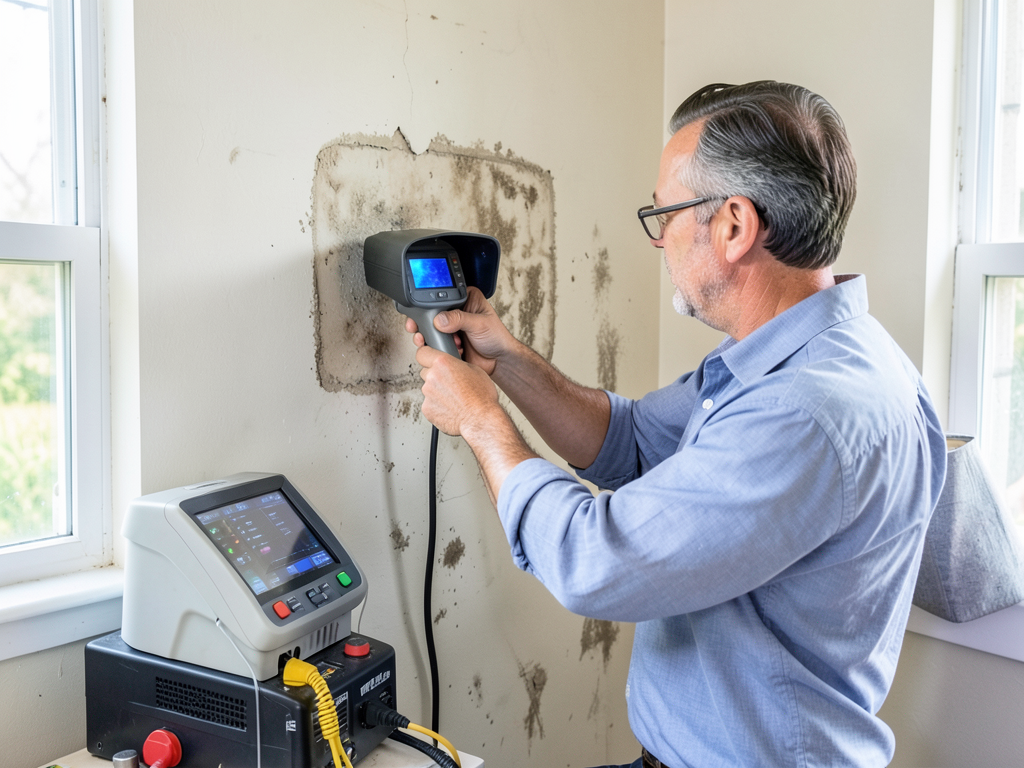
Certified technicians use thermal imaging and moisture meters to detect hidden water damage. This diagnostic testing identifies problem areas that aren’t visible to the naked eye.
- Category-Specific Remediation
Water damage falls into three categories: Category 1 (clean water), Category 2 (gray water), and Category 3 (black water). Each requires different treatment protocols under IICRC S500 standards.
- Structural Drying Documentation
Professional drying equipment monitors moisture levels daily. Documentation shows buyers the property was properly dried to industry standards.
- Mold Prevention and Testing
Virginia requires specific mold remediation protocols for rental properties. Even if you’re selling, following these standards demonstrates thoroughness.
- Quality Control Inspection
Third-party inspectors verify repairs meet building codes and restoration standards before listing.
The restoration timeline typically spans 3-14 days depending on damage extent. Category 3 water damage from sewage backups or floodwater requires more extensive treatment than clean water leaks.
The Importance of Transferable Warranties and Documentation
Documentation transforms a liability into a selling point. Buyers fear the unknown more than documented problems. A comprehensive repair history with warranties can actually increase buyer confidence.
Essential documentation includes:
- Before and after moisture readings
- Photos of damage and repairs
- Invoices from licensed contractors
- Warranty information for replaced materials
- Air quality test results
Transferable warranties are particularly valuable in Virginia Beach. Many restoration companies offer 5-10 year warranties on mold remediation and structural repairs. These warranties transfer to new owners, providing immediate value. Immediate Steps for a Burst Pipe Repair in the Hilltop Neighborhood.
Local building codes affect documentation requirements. Virginia Beach follows the Virginia Uniform Statewide Building Code (VUSBC). Repairs must meet these standards to pass inspection. Documentation should reference specific code sections addressed during repairs.
Insurance claims documentation also matters. The CLUE (Comprehensive Loss Underwriting Exchange) report shows your property’s insurance claim history. Buyers will see this report, so having documentation ready addresses concerns proactively.
Navigating Home Inspections and Buyer Concerns
Virginia Beach home inspectors are particularly thorough about water damage due to the region’s flood history. They look for signs of:
- Efflorescence on concrete surfaces
- Staining around windows and doors
- Soft spots in flooring
- Musty odors indicating hidden moisture
- Improper grading causing water accumulation
Common buyer concerns and responses:
| Buyer Concern | Professional Response | Documentation Needed |
|---|---|---|
| Future mold growth | Provide air quality test results and moisture readings | Third-party testing reports |
| Structural integrity | Show engineering reports and code compliance documentation | Building permits and inspection reports |
| Hidden damage | Offer pre-inspection with full disclosure | Comprehensive repair documentation |
| Insurance issues | Provide claim history and mitigation documentation | Insurance claim files and receipts |
Pre-inspections can identify issues before buyers discover them. This allows you to address concerns or adjust pricing accordingly. Many Virginia Beach real estate agents recommend pre-inspections for properties with water damage history.
Disclosure timing matters. Early disclosure during the listing phase prevents surprises during negotiations. Include water damage history in your property description and be prepared to discuss it openly with potential buyers.
Case Study: Restoring a Virginia Beach Home for a Successful Sale
A Kempsville homeowner faced a challenging sale after a 2023 hurricane caused significant water damage. The 1980s split-level home had Category 3 water intrusion from storm surge, affecting the crawl space and lower level.
Initial assessment revealed:
- 4 inches of standing water in the crawl space
- Damaged insulation and vapor barrier
- Potential mold growth in wall cavities
- Compromised electrical systems
Restoration approach:
- Emergency water extraction and debris removal
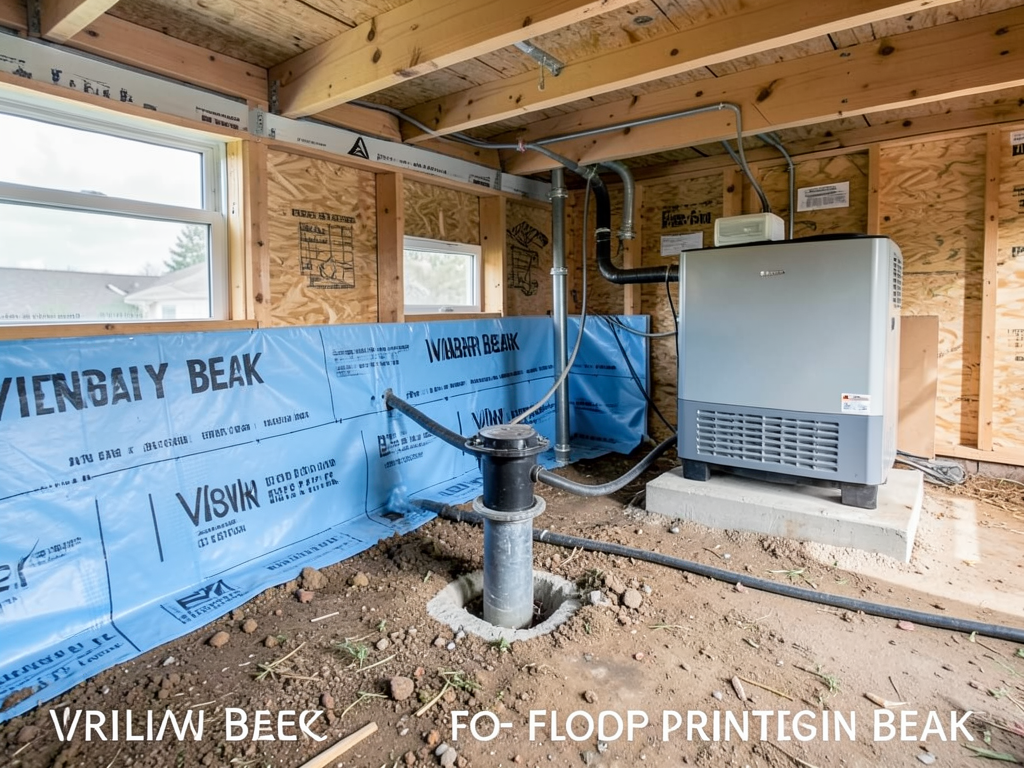
- Complete crawl space encapsulation with new vapor barrier
- Mold remediation following IICRC S520 standards
- Electrical system inspection and repair
- Structural drying with daily moisture monitoring
The homeowner invested $18,000 in professional restoration. The property sold for $342,000, compared to an estimated $295,000 as-is value. The restoration cost was recovered through the increased sale price, and the transaction closed without inspection issues.
Key success factors included comprehensive documentation, transferable warranties on all repairs, and transparent disclosure during the listing process. The buyer’s inspector found no issues, and the sale closed within 45 days of listing.
Cost-Benefit Analysis: Professional Restoration vs. Selling As-Is
Virginia Beach sellers face a critical decision: invest in restoration or sell as-is to cash buyers. The right choice depends on several factors.
Professional restoration advantages:
- Higher sale price potential
- Broader buyer pool
- Cleaner transaction process
- Potential to recover restoration costs
As-is sale advantages:
- Faster closing timeline
- No restoration investment required
- Fewer showings and negotiations
- Ideal for distressed situations
Financial comparison for a typical Virginia Beach home:
| Scenario | Estimated Investment | Estimated Return | Net Position |
|---|---|---|---|
| Professional Restoration | $15,000 | $25,000-$40,000 | +$10,000-$25,000 |
| Selling As-Is | $0 | $10,000-$20,000 | +$10,000-$20,000 |
| DIY Repairs | $5,000 | $15,000-$25,000 | +$10,000-$20,000 |
Professional restoration typically provides the best return when:
- Damage is localized and repairable
- Property is in a desirable neighborhood
- Market conditions favor move-in ready homes
- Seller has time for the restoration process
Virginia Beach’s current seller’s market (2026) favors properties with clean inspection reports. Professional restoration can differentiate your property from similar listings and justify a higher asking price.
Building Code Compliance and Permit Requirements
Virginia Beach requires permits for most water damage repairs. The Department of Development and Permits oversees these requirements. Understanding permit requirements prevents delays and legal issues.
Permit requirements typically include:
- Structural repairs affecting load-bearing elements
- Electrical system repairs
- Plumbing modifications
- Mechanical system replacements
- Major drywall or flooring replacements
The VUSBC requires specific materials and installation methods for flood-prone areas. For example, finished materials in basements must meet moisture resistance standards. Documentation should show compliance with these requirements.
Local inspectors focus on:
- Proper moisture barriers in crawl spaces
- Correct grading to prevent water accumulation
- Appropriate drainage systems
- Code-compliant electrical repairs in wet areas
- Proper vapor barriers in exterior walls
Working with licensed contractors familiar with Virginia Beach building codes ensures compliance. Unpermitted work can cause inspection failures and delay closings. Always obtain final inspection approvals before listing.
Working with Virginia Beach Real Estate Professionals
Choosing the right real estate agent matters when selling a water-damaged property. Look for agents with:
- Experience with distressed properties
- Knowledge of Virginia disclosure laws
- Connections with restoration professionals
- Understanding of local market conditions
Effective marketing strategies include:
- Emphasizing recent professional restoration
- Highlighting transferable warranties
- Providing comprehensive repair documentation
- Focusing on property strengths beyond the damage history
Price positioning requires careful analysis. Overpricing to cover restoration costs can extend market time. Underpricing may leave money on the table. A comparative market analysis helps determine optimal pricing.
Negotiation strategies should address water damage proactively. Be prepared to discuss:
- The nature and extent of original damage
- Restoration methods and materials used
- Current property condition and warranties
- Future maintenance recommendations
Transparency builds trust with buyers. Provide a summary document outlining the damage history, repairs completed, and current property condition. This document becomes a valuable tool during showings and negotiations.
Frequently Asked Questions
Do I have to disclose water damage that was repaired years ago?
Yes. Virginia law requires disclosure of any material defects, including repaired water damage. The age of the repair doesn’t eliminate the disclosure requirement. Focus on documenting the quality of repairs and current property condition.
How does water damage affect my home appraisal in Virginia Beach?
Appraisers consider water damage history, quality of repairs, and current property condition. Professional restoration with proper documentation typically minimizes appraisal impact. Appraisers may request repair documentation and may note water damage history in their reports.
Should I get a mold inspection before listing?
A pre-listing mold inspection is often worthwhile for properties with water damage history. It identifies any remaining issues and provides documentation of current conditions. This proactive approach can prevent inspection surprises and strengthen your negotiating position.
What if the buyer’s inspection finds new water damage?
Virginia law requires disclosure of known defects at the time of sale. New damage discovered during inspection isn’t subject to disclosure requirements, but it may affect negotiations. Consider including a home warranty to address potential future issues and provide buyer reassurance.
How long does the disclosure process take in Virginia?
The disclosure statement must be provided within 10 days of contract signing. However, most sellers provide disclosures during the listing phase to avoid surprises. The disclosure process itself typically takes 1-2 hours to complete the written statement.
Take Control of Your Virginia Beach Home Sale Today
Water damage doesn’t have to derail your home sale. Professional restoration, proper documentation, and strategic disclosure can transform a liability into a selling point. Virginia Beach’s unique coastal environment requires specialized knowledge and approach.
Don’t let uncertainty about water damage history cost you thousands in lost value. Our certified restoration specialists understand Virginia-specific requirements and can help you prepare your property for a successful sale. We provide comprehensive moisture assessments, professional documentation, and can connect you with real estate professionals experienced in handling water-damaged properties.
Call (757) 909-5033 today to schedule your property assessment. Our team will evaluate your specific situation and provide a clear roadmap for maximizing your home’s value while ensuring full legal compliance. Every day you wait is potential value lost in Virginia Beach’s competitive market.
Pick up the phone and call (757) 909-5033 before the next storm hits. Protect your investment and your peace of mind with professional restoration services that Virginia Beach homeowners trust.
You may also find this helpful. Why Sandbagging Alone Won’t Protect Your Shore Drive Property From Coastal Flooding.
{
“@context”: “https://schema.org”,
“@type”: “BlogPosting”,
“headline”: “How to Disclose Past Water Damage When Selling Your Virginia Beach Home Without Scaring Off Buyers”,
“description”: “Learn Virginia-specific disclosure laws, how water damage affects VA Beach property value, and proven strategies to restore buyer confidence with documentation.”,
“wordCount”: 1992,
“datePublished”: “2026-05-20T13:31:00.000Z”,
“dateModified”: “2026-05-20T13:31:00.000Z”,
“inLanguage”: “en-US”,
“mainEntityOfPage”: {
“@type”: “WebPage”,
“@id”: “https://apexwaterdamagerestorationvirginiabeach.com”
},
“publisher”: {
“@type”: “LocalBusiness”,
“name”: “Apex Water Damage Restoration Virginia Beach”,
“url”: “https://apexwaterdamagerestorationvirginiabeach.com”
},
“author”: {
“@type”: “Organization”,
“name”: “Apex Water Damage Restoration Virginia Beach”,
“url”: “https://apexwaterdamagerestorationvirginiabeach.com”
},
“image”: {
“@type”: “ImageObject”,
“url”: “https://apexwaterdamagerestorationvirginiabeach.com/wp-content/uploads/2026/03/how-to-disclose-past-water-damage-when-selling-you-1.png”
}
}
{
“@context”: “https://schema.org”,
“@type”: “LocalBusiness”,
“name”: “Apex Water Damage Restoration Virginia Beach”,
“url”: “https://apexwaterdamagerestorationvirginiabeach.com”,
“address”: {
“@type”: “PostalAddress”,
“addressLocality”: “Virginia Beach”
},
“areaServed”: {
“@type”: “City”,
“name”: “Virginia Beach”
}
}
{
“@context”: “https://schema.org”,
“@type”: “FAQPage”,
“mainEntity”: [
{
“@type”: “Question”,
“name”: “Do I have to disclose water damage that was repaired years ago?”,
“acceptedAnswer”: {
“@type”: “Answer”,
“text”: “Yes. Virginia law requires disclosure of any material defects, including repaired water damage. The age of the repair doesn’t eliminate the disclosure requirement. Focus on documenting the quality of repairs and current property condition.”
}
},
{
“@type”: “Question”,
“name”: “How does water damage affect my home appraisal in Virginia Beach?”,
“acceptedAnswer”: {
“@type”: “Answer”,
“text”: “Appraisers consider water damage history, quality of repairs, and current property condition. Professional restoration with proper documentation typically minimizes appraisal impact. Appraisers may request repair documentation and may note water damage history in their reports.”
}
},
{
“@type”: “Question”,
“name”: “Should I get a mold inspection before listing?”,
“acceptedAnswer”: {
“@type”: “Answer”,
“text”: “A pre-listing mold inspection is often worthwhile for properties with water damage history. It identifies any remaining issues and provides documentation of current conditions. This proactive approach can prevent inspection surprises and strengthen your negotiating position.”
}
},
{
“@type”: “Question”,
“name”: “What if the buyer’s inspection finds new water damage?”,
“acceptedAnswer”: {
“@type”: “Answer”,
“text”: “Virginia law requires disclosure of known defects at the time of sale. New damage discovered during inspection isn’t subject to disclosure requirements, but it may affect negotiations. Consider including a home warranty to address potential future issues and provide buyer reassurance.”
}
},
{
“@type”: “Question”,
“name”: “How long does the disclosure process take in Virginia?”,
“acceptedAnswer”: {
“@type”: “Answer”,
“text”: “The disclosure statement must be provided within 10 days of contract signing. However, most sellers provide disclosures during the listing phase to avoid surprises. The disclosure process itself typically takes 1-2 hours to complete the written statement.”
}
}
]
}
{
“@context”: “https://schema.org”,
“@type”: “HowTo”,
“name”: “Preparing a Water-Damaged Home for Sale”,
“step”: [
{
“@type”: “HowToStep”,
“position”: 1,
“name”: “Comprehensive Moisture Assessment”,
“text”: “Certified technicians use thermal imaging and moisture meters to detect hidden water damage. This diagnostic testing identifies problem areas that aren’t visible to the naked eye.”
},
{
“@type”: “HowToStep”,
“position”: 2,
“name”: “Category-Specific Remediation”,
“text”: “Water damage falls into three categories: Category 1 (clean water), Category 2 (gray water), and Category 3 (black water). Each requires different treatment protocols under IICRC S500 standards.”
},
{
“@type”: “HowToStep”,
“position”: 3,
“name”: “Structural Drying Documentation”,
“text”: “Professional drying equipment monitors moisture levels daily. Documentation shows buyers the property was properly dried to industry standards.”
},
{
“@type”: “HowToStep”,
“position”: 4,
“name”: “Mold Prevention and Testing”,
“text”: “Virginia requires specific mold remediation protocols for rental properties. Even if you’re selling, following these standards demonstrates thoroughness.”
},
{
“@type”: “HowToStep”,
“position”: 5,
“name”: “Quality Control Inspection”,
“text”: “Third-party inspectors verify repairs meet building codes and restoration standards before listing.”
}
],
“image”: “https://apexwaterdamagerestorationvirginiabeach.com/wp-content/uploads/2026/03/how-to-disclose-past-water-damage-when-selling-you-1.png”
}
{
“@context”: “https://schema.org”,
“@type”: “BreadcrumbList”,
“itemListElement”: [
{
“@type”: “ListItem”,
“position”: 1,
“name”: “Home”,
“item”: “https://apexwaterdamagerestorationvirginiabeach.com”
},
{
“@type”: “ListItem”,
“position”: 2,
“name”: “Blog”,
“item”: “https://apexwaterdamagerestorationvirginiabeach.com/blog”
},
{
“@type”: “ListItem”,
“position”: 3,
“name”: “How to Disclose Past Water Damage When Selling Your Virginia Beach Home Without Scaring Off Buyers”
}
]
}
{
“@context”: “https://schema.org”,
“@type”: “Service”,
“serviceType”: “Water Damage Restoration”,
“provider”: {
“@type”: “LocalBusiness”,
“name”: “Apex Water Damage Restoration Virginia Beach”,
“url”: “https://apexwaterdamagerestorationvirginiabeach.com”
},
“areaServed”: {
“@type”: “City”,
“name”: “Virginia Beach”
},
“description”: “Learn Virginia-specific disclosure laws, how water damage affects VA Beach property value, and proven strategies to restore buyer confidence with documentation.”
}