How to Vet a Virginia Beach Water Damage Company Before You Sign Anything
Finding the right water damage restoration company in Virginia Beach can feel overwhelming when your home or business is already under stress. The coastal climate, high humidity, and frequent storms create unique challenges that require local expertise and proper certifications. This guide walks you through exactly what to look for so you can make a confident decision before signing any contract. Virginia Department of Professional and Occupational Regulation.
Why Local Expertise Matters in Virginia Beach
Virginia Beach sits in a region prone to hurricanes, nor’easters, and flooding from the Chesapeake Bay and Atlantic Ocean. Homes in areas like Sandbridge and Pungo often sit in FEMA-designated flood zones with specific elevation requirements. A local contractor understands these geographic vulnerabilities and knows how to navigate Virginia’s building codes and insurance processes. What Virginia Beach Town Center Condo Owners Should Do After a Leak.
The high water table in coastal Virginia means many properties face crawlspace flooding or basement seepage even without major storms. Local companies also understand how quickly mold can spread in our humid climate—sometimes within 24-48 hours after water exposure. Repairing Water Damage at Your Virginia Beach Oceanfront Property After a Storm.
5 Non-Negotiable Qualifications to Verify
Before hiring anyone, verify these five critical credentials. Missing even one could leave you unprotected.
- IICRC Certification
Look for technicians certified by the Institute of Inspection Cleaning and Restoration Certification. The WRT (Water Damage Restoration Technician) and AMRT (Applied Microbial Remediation Technician) certifications ensure they follow industry standards like IICRC S500 for water mitigation. IICRC certification standards.
- Virginia DPOR Licensing
Virginia requires Class A, B, or C contractor licenses for restoration work. Verify the license number through the Virginia Department of Professional and Occupational Regulation. Class A allows work over $120,000, while Class C covers projects under $10,000.
- Liability Insurance and Workers’ Compensation
Request certificates of insurance showing at least $1 million in liability coverage. Workers’ comp protects you if someone gets injured on your property during restoration.
- BBB Accreditation and Local References
Check the Better Business Bureau of Greater Hampton Roads for complaints and ratings. Ask for local references from Virginia Beach, Norfolk, or Chesapeake customers who had similar damage.
- 24/7 Emergency Response Capability
Water damage requires immediate action. Confirm they can dispatch technicians within 60 minutes and have equipment ready to extract water and begin drying immediately. Who to Call for Emergency Water Removal in Virginia Beach Right Now.
Understanding Virginia Beach Building Codes and Coastal Challenges
Virginia Beach properties must comply with the Virginia Uniform Statewide Building Code (VUSBC), which includes specific requirements for flood-resistant construction in coastal areas. Homes in AE and VE flood zones must use materials that can withstand water exposure and meet FEMA floodplain management standards.
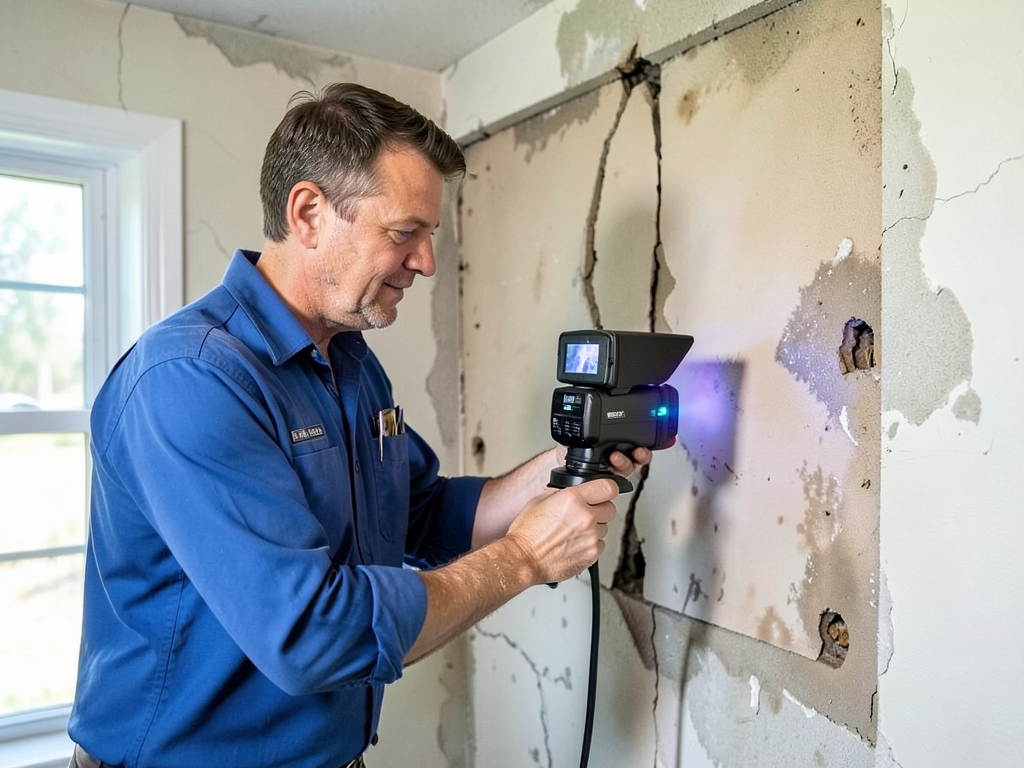
Coastal humidity creates ideal conditions for mold growth. The Virginia Department of Health requires specific protocols for mold remediation, especially in rental properties. A qualified contractor should use moisture mapping and thermal imaging to detect hidden water pockets behind walls or under flooring. Expert Mold Remediation for Vacation Rentals in Sandbridge.
Sandy coastal soils affect how water drains around foundations. Properties near the Chesapeake Bay Bridge-Tunnel or in low-lying areas like Pungo may experience groundwater intrusion that requires specialized drainage solutions.
Critical Questions to Ask Before Signing
Prepare these questions to evaluate any restoration company’s expertise and reliability.
| Question | What to Listen For | Red Flag |
|---|---|---|
| What is your typical response time during hurricane season? | Specific timeframes, 24/7 availability | “We’ll get there when we can” |
| Do you use thermal imaging and moisture meters? | Yes, with specific brands/models | “We just look and see” |
| Will you handle the insurance claim directly? | Experience with major carriers, Xactimate estimating | “You handle insurance” |
| Do you subcontract any work? | Clear explanation of in-house vs. subs | “We use whoever is available” |
| What’s your process for preventing mold? | Specific drying times, antimicrobial treatments | “We’ll spray something” |
Ask about their equipment too. Professional-grade dehumidifiers, air movers, and HEPA filtration systems make a significant difference in drying times and preventing secondary damage.
Navigating the Insurance Process in Virginia
Virginia insurance claims require specific documentation and timelines. A qualified restoration company should provide detailed estimates using Xactimate software, which most insurance adjusters use.
Ask if they bill insurance directly and have experience with claims in Virginia Beach. They should understand the difference between standard homeowners coverage and flood insurance through the National Flood Insurance Program (NFIP).
During major storms, insurance companies receive hundreds of claims simultaneously. A local company with established relationships can help expedite your claim and ensure proper documentation for approval.
Red Flags: What to Avoid When Hiring in Hampton Roads
Storm chasers often appear after hurricanes or nor’easters, offering suspiciously low prices. These out-of-state contractors may lack proper licensing, insurance, or knowledge of local building codes.
Other warning signs include:
- Demanding large upfront payments before work begins
- Refusing to provide written estimates or contracts
- Pressuring you to sign documents immediately
- Lack of physical business address in Virginia Beach
- No uniformed technicians or marked vehicles
Verify they have a permanent location in the 757 area code. A legitimate company should welcome your questions and provide proof of all credentials.
The ‘Local’ Advantage: Response Times and Community Knowledge
During peak hurricane season (June through November), Virginia Beach experiences high call volumes. Local companies can typically respond within 60 minutes because they’re already positioned throughout the area.
Companies based in Norfolk or Chesapeake understand the regional infrastructure challenges, including:
- Aging municipal water mains in historic districts
- Stormwater drainage systems prone to backup during king tides
- Regional power grid vulnerabilities during coastal storms
Local firms also understand the specific needs of Virginia Beach’s diverse architecture, from colonial homes in Williamsburg-style neighborhoods to modern waterfront estates requiring specialized care.
Diagnostic Testing: How Professionals Assess Water Damage
Professional assessment goes beyond visible damage. Technicians use diagnostic tools to create a complete moisture map of your property.
Moisture meters measure water content at different depths in walls, floors, and ceilings. Thermal imaging cameras detect temperature differences that indicate hidden moisture pockets. Hygrometers measure relative humidity to determine if conditions support mold growth.
The “screwdriver test” involves checking structural materials for integrity. Press a screwdriver into drywall or wood—if it sinks easily, the material may need replacement rather than drying.
Category 1 water (clean source) requires different handling than Category 3 (sewage or floodwater). Professionals classify the water type to determine appropriate safety protocols and disposal methods.
Cost Factors Without Specific Pricing
Several factors influence restoration costs without providing specific dollar amounts. The category of water damage affects the scope of work required. Clean water from a pipe break costs less to address than contaminated floodwater requiring extensive sanitization.
The size of the affected area, materials involved, and duration of exposure all impact the restoration process. Hardwood floors may require specialized drying equipment, while carpeting might need removal and replacement.
Emergency services typically cost more than scheduled work, but the cost of waiting often exceeds the premium for immediate response. Mold growth, structural damage, and business interruption can multiply costs exponentially. Immediate Steps for a Burst Pipe Repair in the Hilltop Neighborhood.
Making Your Final Decision
After verifying credentials and asking questions, trust your instincts. A reputable company should make you feel confident about their ability to handle your specific situation.
Request a written contract that outlines the scope of work, timeline, payment schedule, and warranty information. Never sign a blank or incomplete document.
Remember that the cheapest option rarely provides the best value in water damage restoration. Proper equipment, trained technicians, and local expertise protect your property and health long-term.
Frequently Asked Questions
How quickly should I respond to water damage?
Immediate response within 24-48 hours prevents mold growth and minimizes structural damage. Professional extraction and drying should begin as soon as possible.
Will my insurance cover water damage?
Coverage depends on the source of water and your policy. Sudden pipe bursts are typically covered, while flood damage requires separate flood insurance. Your restoration company should help navigate this process.
How long does the restoration process take?
Drying typically takes 3-5 days, but the complete restoration timeline varies based on damage extent, materials involved, and insurance approval processes.
Can I stay in my home during restoration?
This depends on the damage extent and affected areas. Category 1 water damage might allow partial occupancy, while Category 3 contamination often requires temporary relocation.
What certifications should technicians have?
Look for IICRC certifications including WRT (Water Damage Restoration Technician) and AMRT (Applied Microbial Remediation Technician). These ensure they follow industry standards and safety protocols.
Take Action Before the Next Storm Hits
Water damage waits for no one. Whether you’re dealing with a current emergency or preparing for hurricane season, having the right restoration company on speed dial can save you thousands in damages and stress.
Call (757) 909-5033 today to schedule your inspection or emergency response. Our Virginia Beach-based team is ready 24/7 to protect your property with certified expertise and local knowledge.
Don’t wait until water is pouring through your ceiling. Pick up the phone and call (757) 909-5033 before the next storm hits. Your home deserves professional protection backed by IICRC certification and Virginia contractor licensing.
{
“@context”: “https://schema.org”,
“@type”: “BlogPosting”,
“headline”: “How to Vet a Virginia Beach Water Damage Company Before You Sign Anything”,
“description”: “Learn how to choose a trusted Virginia Beach water damage restoration company. Discover key qualifications, red flags, and local codes before signing any contract.”,
“wordCount”: 1539,
“datePublished”: “2026-05-09T15:30:00.000Z”,
“dateModified”: “2026-05-09T15:30:00.000Z”,
“inLanguage”: “en-US”,
“mainEntityOfPage”: {
“@type”: “WebPage”,
“@id”: “https://apexwaterdamagerestorationvirginiabeach.com”
},
“publisher”: {
“@type”: “LocalBusiness”,
“name”: “Apex Water Damage Restoration Virginia Beach”,
“url”: “https://apexwaterdamagerestorationvirginiabeach.com”
},
“author”: {
“@type”: “Organization”,
“name”: “Apex Water Damage Restoration Virginia Beach”,
“url”: “https://apexwaterdamagerestorationvirginiabeach.com”
},
“image”: {
“@type”: “ImageObject”,
“url”: “https://apexwaterdamagerestorationvirginiabeach.com/wp-content/uploads/2026/03/how-to-vet-a-virginia-beach-water-damage-company-b-1.png”
}
}
{
“@context”: “https://schema.org”,
“@type”: “LocalBusiness”,
“name”: “Apex Water Damage Restoration Virginia Beach”,
“url”: “https://apexwaterdamagerestorationvirginiabeach.com”,
“address”: {
“@type”: “PostalAddress”,
“addressLocality”: “Virginia Beach”
},
“areaServed”: {
“@type”: “City”,
“name”: “Virginia Beach”
}
}
{
“@context”: “https://schema.org”,
“@type”: “FAQPage”,
“mainEntity”: [
{
“@type”: “Question”,
“name”: “How quickly should I respond to water damage?”,
“acceptedAnswer”: {
“@type”: “Answer”,
“text”: “Immediate response within 24-48 hours prevents mold growth and minimizes structural damage. Professional extraction and drying should begin as soon as possible.”
}
},
{
“@type”: “Question”,
“name”: “Will my insurance cover water damage?”,
“acceptedAnswer”: {
“@type”: “Answer”,
“text”: “Coverage depends on the source of water and your policy. Sudden pipe bursts are typically covered, while flood damage requires separate flood insurance. Your restoration company should help navigate this process.”
}
},
{
“@type”: “Question”,
“name”: “How long does the restoration process take?”,
“acceptedAnswer”: {
“@type”: “Answer”,
“text”: “Drying typically takes 3-5 days, but the complete restoration timeline varies based on damage extent, materials involved, and insurance approval processes.”
}
},
{
“@type”: “Question”,
“name”: “Can I stay in my home during restoration?”,
“acceptedAnswer”: {
“@type”: “Answer”,
“text”: “This depends on the damage extent and affected areas. Category 1 water damage might allow partial occupancy, while Category 3 contamination often requires temporary relocation.”
}
},
{
“@type”: “Question”,
“name”: “What certifications should technicians have?”,
“acceptedAnswer”: {
“@type”: “Answer”,
“text”: “Look for IICRC certifications including WRT (Water Damage Restoration Technician) and AMRT (Applied Microbial Remediation Technician). These ensure they follow industry standards and safety protocols.”
}
}
]
}
{
“@context”: “https://schema.org”,
“@type”: “HowTo”,
“name”: “How to Verify Contractor Qualifications”,
“step”: [
{
“@type”: “HowToStep”,
“position”: 1,
“name”: “IICRC Certification”,
“text”: “Look for technicians certified by the Institute of Inspection Cleaning and Restoration Certification. The WRT (Water Damage Restoration Technician) and AMRT (Applied Microbial Remediation Technician) certifications ensure they follow industry standards like IICRC S500 for water mitigation. IICRC certification standards.”
},
{
“@type”: “HowToStep”,
“position”: 2,
“name”: “Virginia DPOR Licensing”,
“text”: “Virginia requires Class A, B, or C contractor licenses for restoration work. Verify the license number through the Virginia Department of Professional and Occupational Regulation. Class A allows work over $120,000, while Class C covers projects under $10,000.”
},
{
“@type”: “HowToStep”,
“position”: 3,
“name”: “Liability Insurance and Workers’ Compensation”,
“text”: “Request certificates of insurance showing at least $1 million in liability coverage. Workers’ comp protects you if someone gets injured on your property during restoration.”
},
{
“@type”: “HowToStep”,
“position”: 4,
“name”: “BBB Accreditation and Local References”,
“text”: “Check the Better Business Bureau of Greater Hampton Roads for complaints and ratings. Ask for local references from Virginia Beach, Norfolk, or Chesapeake customers who had similar damage.”
},
{
“@type”: “HowToStep”,
“position”: 5,
“name”: “24/7 Emergency Response Capability”,
“text”: “Water damage requires immediate action. Confirm they can dispatch technicians within 60 minutes and have equipment ready to extract water and begin drying immediately. Who to Call for Emergency Water Removal in Virginia Beach Right Now.”
}
],
“image”: “https://apexwaterdamagerestorationvirginiabeach.com/wp-content/uploads/2026/03/how-to-vet-a-virginia-beach-water-damage-company-b-1.png”
}
{
“@context”: “https://schema.org”,
“@type”: “BreadcrumbList”,
“itemListElement”: [
{
“@type”: “ListItem”,
“position”: 1,
“name”: “Home”,
“item”: “https://apexwaterdamagerestorationvirginiabeach.com”
},
{
“@type”: “ListItem”,
“position”: 2,
“name”: “Blog”,
“item”: “https://apexwaterdamagerestorationvirginiabeach.com/blog”
},
{
“@type”: “ListItem”,
“position”: 3,
“name”: “How to Vet a Virginia Beach Water Damage Company Before You Sign Anything”
}
]
}
{
“@context”: “https://schema.org”,
“@type”: “Service”,
“serviceType”: “Water Damage Restoration”,
“provider”: {
“@type”: “LocalBusiness”,
“name”: “Apex Water Damage Restoration Virginia Beach”,
“url”: “https://apexwaterdamagerestorationvirginiabeach.com”
},
“areaServed”: {
“@type”: “City”,
“name”: “Virginia Beach”
},
“description”: “Learn how to choose a trusted Virginia Beach water damage restoration company. Discover key qualifications, red flags, and local codes before signing any contract.”
}