How we use thermal imaging to find mystery leaks inside Bay Colony walls
Water damage in Bay Colony homes often hides behind drywall, under hardwood floors, or inside concrete slabs. Traditional inspection methods require tearing into walls to find the source. Thermal imaging changes that. We use professional FLIR cameras to detect temperature differences caused by moisture, pinpointing leaks without destructive testing. This technology saves time, reduces repair costs, and prevents mold growth by identifying problems early. EPA Mold Guidelines.
Why Bay Colony homes need thermal leak detection
Bay Colony’s coastal location creates unique challenges. High humidity levels in Virginia Beach accelerate mold growth when moisture remains hidden. Many homes in this area were built with slab foundations or crawl spaces that make traditional leak detection difficult. The combination of aging plumbing systems and salt air corrosion increases the likelihood of pinhole leaks in copper pipes. What Virginia Beach Town Center Condo Owners Should Do After a Leak.
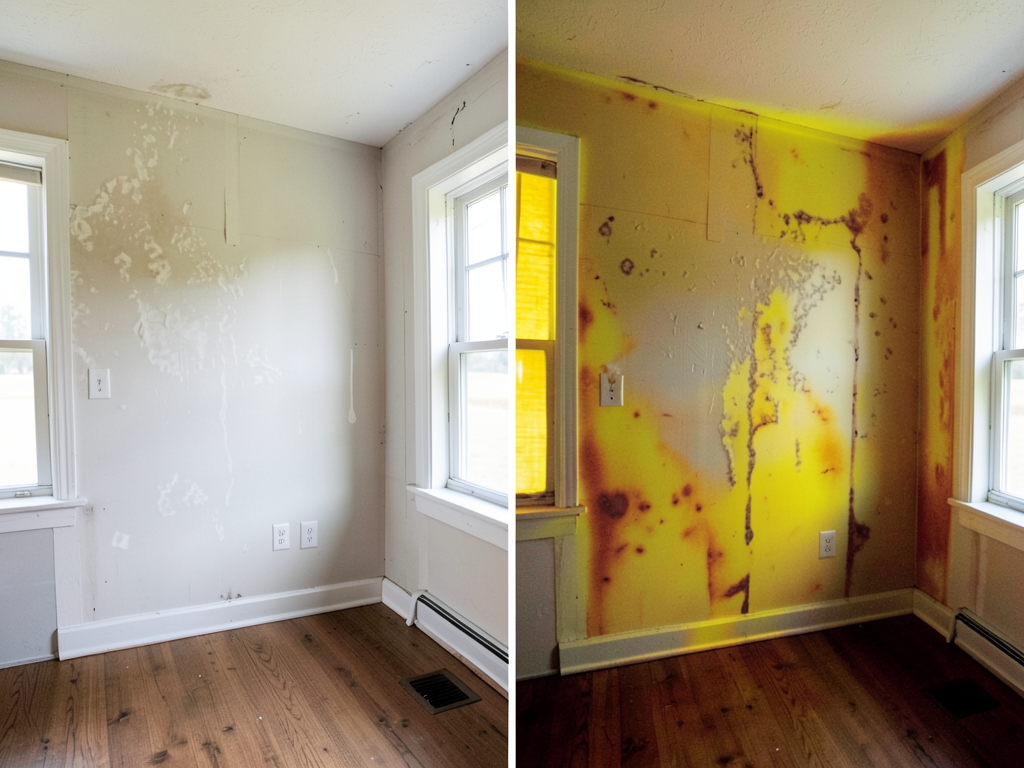
During hurricane season, wind-driven rain can penetrate roof flashing or siding joints. Water travels along wall studs before appearing as stains on interior walls. By the time visible damage occurs, mold colonies may already exist behind the drywall. Thermal imaging detects these moisture patterns before they become visible to the naked eye. Repairing Water Damage at Your Virginia Beach Oceanfront Property After a Storm.
How thermal cameras detect hidden moisture
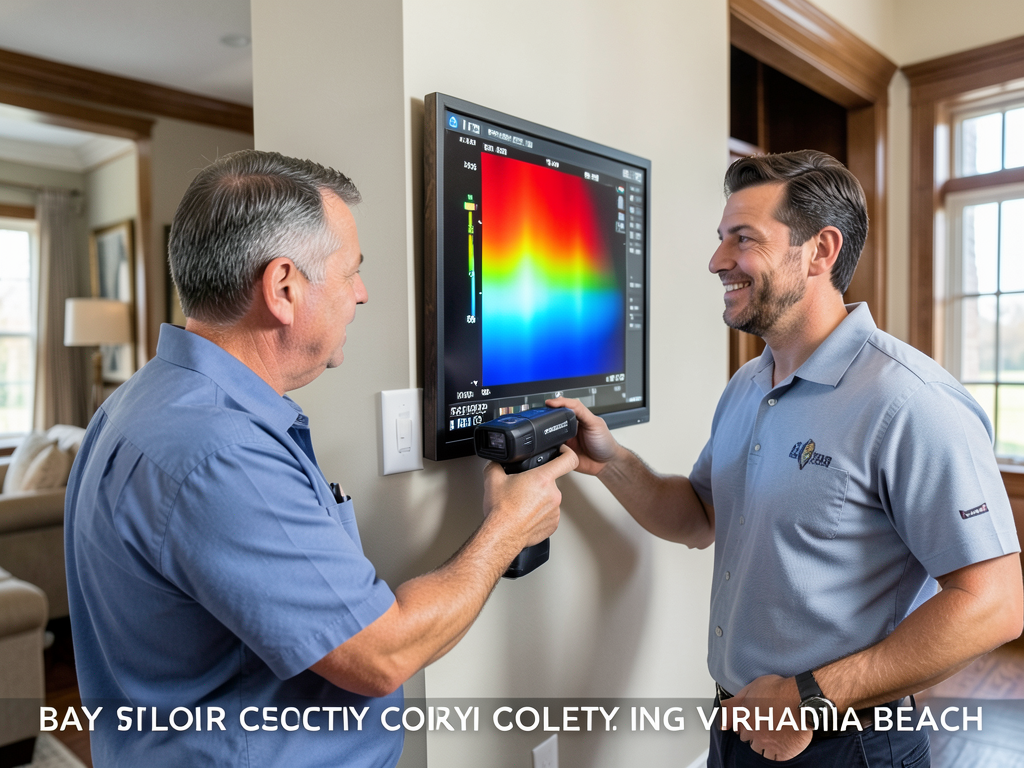
Thermal cameras don’t actually see water. They detect infrared radiation and display temperature differences as color variations on a screen. When water evaporates from building materials, it creates a cooling effect. This evaporative cooling appears as dark blue or purple areas on the thermal display, while dry materials show up as yellow or red. Who to Call for Emergency Water Removal in Virginia Beach Right Now.
The technology works because water conducts heat differently than drywall, wood, or insulation. A wet wall section will have a different thermal signature than a dry section, even when the temperature difference is only a few degrees. Our FLIR cameras can detect temperature variations as small as 0.1 degrees Fahrenheit.. Read more about Why wet drywall in your laundry room often hides a bigger mold problem.
Key principles of thermal imaging
- Evaporative cooling creates temperature differentials
- Water conducts heat differently than building materials
- Delta-T (temperature difference) between wet and dry areas appears as color contrast
- Professional cameras detect variations as small as 0.1°F
Our thermal moisture mapping process
We follow a systematic approach to ensure accurate leak detection. First, we scan the entire affected area with the thermal camera to identify temperature anomalies. Next, we use moisture meters to verify that the cold spots are actually wet. Finally, we create a moisture map showing the extent and direction of water migration.
- Initial thermal scan
We conduct a complete infrared survey of walls, ceilings, and floors to identify temperature anomalies that could indicate moisture.
- Moisture verification
Using pinless and pin-type moisture meters, we confirm that cold spots are actually wet and measure moisture content percentages.
- Moisture mapping
We create a detailed map showing the extent of moisture migration, including hidden pathways along studs or pipes.
- Source identification
We trace moisture patterns back to their origin, whether it’s a roof leak, plumbing failure, or foundation issue.
Common leak sources in Bay Colony architecture
Bay Colony homes feature several architectural elements that commonly cause hidden leaks. Many properties have copper plumbing that’s over 20 years old. The salt air accelerates corrosion, creating pinhole leaks that spray water inside walls. These leaks often occur near joints or fittings where stress concentrates.
Another frequent issue involves HVAC condensate lines. When these drain lines clog or break, water can leak into wall cavities for weeks before causing visible damage. The thermal camera detects the evaporative cooling effect long before water stains appear on drywall.
Roof penetrations pose additional risks. Skylights, plumbing vents, and attic fans create potential entry points for water. During heavy storms, wind-driven rain can force water under damaged flashing. The water then travels along rafters before dripping into wall cavities.. Read more about How to spot the signs of a slab leak under your Virginia Beach home.
Thermal imaging vs. traditional leak detection methods
Traditional leak detection often involves destructive testing. Plumbers might cut multiple holes in drywall to locate a leak. This approach is time-consuming, expensive, and creates additional repair work. Thermal imaging eliminates much of this guesswork.
Acoustic leak detection uses sensitive microphones to listen for water movement. While effective for some applications, it struggles with insulated walls or multiple plumbing runs. Thermal imaging works through insulation and can scan large areas quickly.
| Method | Accuracy | Time Required | Damage Risk |
|---|---|---|---|
| Thermal Imaging | 95%+ on visible surfaces | 1-2 hours for typical home | None – non-invasive |
| Acoustic Detection | 80-90% in open areas | 2-4 hours with multiple tests | Minimal – small test holes |
| Destructive Testing | 100% when leak found | 4-8 hours plus repairs | High – multiple wall cuts |
Insurance benefits of thermal documentation
Insurance companies increasingly accept thermal imaging reports as evidence for water damage claims. The technology provides objective documentation of the damage extent and moisture migration patterns. This documentation helps justify the scope of repairs needed.
Many insurance adjusters now specifically request thermal imaging when evaluating water damage claims. The reports show exactly where moisture exists, preventing disputes about the damage extent. This documentation also helps prevent future mold claims by proving that affected areas were properly dried.
We provide detailed thermal imaging reports that include temperature readings, moisture content percentages, and visual photos of affected areas. These reports meet insurance industry standards and can expedite claim processing.
Preventing secondary damage with early detection
The longer water remains in building materials, the more damage it causes. Within 24-48 hours, mold can begin growing in damp environments. By the time visible stains appear, mold colonies may already exist behind the drywall.
Thermal imaging catches leaks when they’re small. A pinhole leak that sprays a few ounces of water per hour might go unnoticed for months. By the time it causes visible damage, thousands of gallons of water could have saturated wall cavities and insulation.. Read more about The Real Cost of Waiting to Fix a Small Leak in Your Rosemont Home.
Early detection also prevents structural damage. Water weakens wood framing and corrodes metal fasteners. It can cause hardwood floors to warp and drywall to deteriorate. Finding and fixing leaks quickly minimizes these secondary damages.
Post-detection restoration process
Finding the leak is only the first step. Once we locate the source, we develop a comprehensive restoration plan. This plan addresses both the immediate leak repair and the secondary damage caused by water exposure. Immediate Steps for a Burst Pipe Repair in the Hilltop Neighborhood.
Our restoration process follows IICRC S500 standards for water damage mitigation. We use commercial-grade dehumidifiers, air movers, and HEPA filtration to remove moisture and prevent mold growth. We monitor moisture levels daily until materials return to normal conditions.
For Bay Colony homes, we pay special attention to hardwood floors and custom millwork. These materials require careful drying to prevent warping or splitting. We use specialized drying chambers and monitoring equipment to ensure proper restoration.. Read more about Drying Out Wet Subfloors Under LVP Flooring in Your Ocean Lakes Home.
Why professional thermal imaging matters
Consumer-grade thermal cameras lack the sensitivity and accuracy of professional equipment. Our FLIR cameras cost thousands of dollars and provide thermal resolution of 640×480 pixels. This high resolution allows us to detect small temperature differences that consumer cameras miss.
Professional thermographers also understand building science. We know how water migrates through different materials and can interpret thermal patterns correctly. A temperature anomaly could indicate a plumbing leak, but it might also be caused by missing insulation or an electrical hot spot.
Proper thermal imaging requires training and certification. We maintain IICRC certifications and follow industry best practices for thermal inspections. This expertise ensures accurate results and prevents misdiagnosis of building problems. Expert Mold Remediation for Vacation Rentals in Sandbridge.
Emergency response for active leaks
When you call with an active leak, we prioritize rapid response. Water damage worsens by the minute, so we aim to arrive within 60 minutes of your call. Our emergency teams work 24/7, including holidays and weekends.
Upon arrival, we immediately assess the situation and begin thermal scanning. If we find active water flow, we may recommend temporary water shutoff while repairs are arranged. We can also begin water extraction and drying to minimize damage while permanent repairs are coordinated.
For severe leaks, we provide temporary containment solutions to prevent water from spreading to unaffected areas. This might include installing plastic barriers or setting up negative air pressure to contain moisture migration.
Cost considerations for thermal leak detection
Thermal imaging inspection costs vary based on home size and the extent of scanning needed. A typical residential inspection ranges from $300 to $600. This cost is often offset by preventing unnecessary demolition and reducing repair time.
Consider the alternative: a plumber might charge $150 per hour to cut exploratory holes in walls. Finding a leak could require multiple holes, each costing $300-500 to repair. Thermal imaging often pays for itself by preventing this destructive testing.
Many insurance policies cover thermal imaging when used to document water damage claims. We work directly with insurance companies and can provide the documentation they require for coverage.
Frequently Asked Questions
How accurate is thermal imaging for finding leaks?
Thermal imaging is highly accurate for detecting moisture patterns on visible surfaces, with success rates of 95% or higher. However, it cannot see through solid materials. We use moisture meters to verify findings and may need to make small test holes in some cases.
Can thermal cameras see through walls?
No, thermal cameras cannot see through walls. They detect surface temperature differences caused by evaporative cooling from moisture. The camera shows temperature patterns on the wall surface that indicate where moisture may exist behind the surface.
How long does a thermal leak inspection take?
A typical residential thermal inspection takes 1-2 hours, depending on home size and the extent of scanning needed. We scan all suspect areas thoroughly to ensure we don’t miss hidden moisture problems.
Is thermal imaging safe for my home?
Yes, thermal imaging is completely safe. It uses infrared sensors to detect heat radiation, similar to how your smartphone camera detects visible light. There are no harmful emissions or risks to people, pets, or electronics.
Will thermal imaging find all types of leaks?
Thermal imaging works best for active leaks where water is evaporating and creating temperature differences. It may not detect very slow leaks or leaks in areas with poor temperature contrast. We combine thermal imaging with moisture meters for comprehensive detection.
Call for professional thermal leak detection
Hidden water damage threatens your Bay Colony home’s structural integrity and your family’s health. Don’t wait for visible stains to appear. Professional thermal imaging can find leaks before they cause extensive damage.
Our team serves all of Virginia Beach, including Bay Colony, Great Neck, and the Oceanfront. We bring professional FLIR cameras, moisture meters, and years of experience to every inspection. We understand the unique challenges of coastal Virginia homes and know where to look for hidden problems.
Pick up the phone and call (757) 909-5033 before the next storm hits. Our emergency response teams are ready 24/7 to help you find and fix hidden leaks before they become major problems. Don’t let mystery moisture damage your home and health.
Call (757) 909-5033 today to schedule your thermal imaging inspection. Early detection saves money and prevents the stress of unexpected water damage repairs. For more information, visit FEMA Flood Zone Information.
{
“@context”: “https://schema.org”,
“@type”: “BlogPosting”,
“headline”: “How we use thermal imaging to find mystery leaks inside Bay Colony walls”,
“description”: “Discover how thermal imaging finds hidden leaks in Bay Colony homes. Professional FLIR technology detects moisture without demolition. Call (757) 909-5033 for Virginia Beach leak detection.”,
“wordCount”: 1880,
“datePublished”: “2026-04-04T13:21:00.000Z”,
“dateModified”: “2026-04-04T13:21:00.000Z”,
“inLanguage”: “en-US”,
“mainEntityOfPage”: {
“@type”: “WebPage”,
“@id”: “https://apexwaterdamagerestorationvirginiabeach.com”
},
“publisher”: {
“@type”: “LocalBusiness”,
“name”: “Apex Water Damage Restoration Virginia Beach”,
“url”: “https://apexwaterdamagerestorationvirginiabeach.com”
},
“author”: {
“@type”: “Organization”,
“name”: “Apex Water Damage Restoration Virginia Beach”,
“url”: “https://apexwaterdamagerestorationvirginiabeach.com”
},
“image”: {
“@type”: “ImageObject”,
“url”: “https://apexwaterdamagerestorationvirginiabeach.com/wp-content/uploads/2026/03/how-we-use-thermal-imaging-to-find-mystery-leaks-i-1.png”
}
}
{
“@context”: “https://schema.org”,
“@type”: “LocalBusiness”,
“name”: “Apex Water Damage Restoration Virginia Beach”,
“url”: “https://apexwaterdamagerestorationvirginiabeach.com”,
“address”: {
“@type”: “PostalAddress”,
“addressLocality”: “Virginia Beach”
},
“areaServed”: {
“@type”: “City”,
“name”: “Virginia Beach”
}
}
{
“@context”: “https://schema.org”,
“@type”: “FAQPage”,
“mainEntity”: [
{
“@type”: “Question”,
“name”: “How accurate is thermal imaging for finding leaks?”,
“acceptedAnswer”: {
“@type”: “Answer”,
“text”: “Thermal imaging is highly accurate for detecting moisture patterns on visible surfaces, with success rates of 95% or higher. However, it cannot see through solid materials. We use moisture meters to verify findings and may need to make small test holes in some cases.”
}
},
{
“@type”: “Question”,
“name”: “Can thermal cameras see through walls?”,
“acceptedAnswer”: {
“@type”: “Answer”,
“text”: “No, thermal cameras cannot see through walls. They detect surface temperature differences caused by evaporative cooling from moisture. The camera shows temperature patterns on the wall surface that indicate where moisture may exist behind the surface.”
}
},
{
“@type”: “Question”,
“name”: “How long does a thermal leak inspection take?”,
“acceptedAnswer”: {
“@type”: “Answer”,
“text”: “A typical residential thermal inspection takes 1-2 hours, depending on home size and the extent of scanning needed. We scan all suspect areas thoroughly to ensure we don’t miss hidden moisture problems.”
}
},
{
“@type”: “Question”,
“name”: “Is thermal imaging safe for my home?”,
“acceptedAnswer”: {
“@type”: “Answer”,
“text”: “Yes, thermal imaging is completely safe. It uses infrared sensors to detect heat radiation, similar to how your smartphone camera detects visible light. There are no harmful emissions or risks to people, pets, or electronics.”
}
},
{
“@type”: “Question”,
“name”: “Will thermal imaging find all types of leaks?”,
“acceptedAnswer”: {
“@type”: “Answer”,
“text”: “Thermal imaging works best for active leaks where water is evaporating and creating temperature differences. It may not detect very slow leaks or leaks in areas with poor temperature contrast. We combine thermal imaging with moisture meters for comprehensive detection.”
}
}
]
}
{
“@context”: “https://schema.org”,
“@type”: “HowTo”,
“name”: “Thermal Leak Detection Process”,
“step”: [
{
“@type”: “HowToStep”,
“position”: 1,
“name”: “Initial thermal scan”,
“text”: “We conduct a complete infrared survey of walls, ceilings, and floors to identify temperature anomalies that could indicate moisture.”
},
{
“@type”: “HowToStep”,
“position”: 2,
“name”: “Moisture verification”,
“text”: “Using pinless and pin-type moisture meters, we confirm that cold spots are actually wet and measure moisture content percentages.”
},
{
“@type”: “HowToStep”,
“position”: 3,
“name”: “Moisture mapping”,
“text”: “We create a detailed map showing the extent of moisture migration, including hidden pathways along studs or pipes.”
},
{
“@type”: “HowToStep”,
“position”: 4,
“name”: “Source identification”,
“text”: “We trace moisture patterns back to their origin, whether it’s a roof leak, plumbing failure, or foundation issue.”
}
],
“image”: “https://apexwaterdamagerestorationvirginiabeach.com/wp-content/uploads/2026/03/how-we-use-thermal-imaging-to-find-mystery-leaks-i-1.png”
}
{
“@context”: “https://schema.org”,
“@type”: “BreadcrumbList”,
“itemListElement”: [
{
“@type”: “ListItem”,
“position”: 1,
“name”: “Home”,
“item”: “https://apexwaterdamagerestorationvirginiabeach.com”
},
{
“@type”: “ListItem”,
“position”: 2,
“name”: “Blog”,
“item”: “https://apexwaterdamagerestorationvirginiabeach.com/blog”
},
{
“@type”: “ListItem”,
“position”: 3,
“name”: “How we use thermal imaging to find mystery leaks inside Bay Colony walls”
}
]
}
{
“@context”: “https://schema.org”,
“@type”: “Service”,
“serviceType”: “Water Damage Restoration”,
“provider”: {
“@type”: “LocalBusiness”,
“name”: “Apex Water Damage Restoration Virginia Beach”,
“url”: “https://apexwaterdamagerestorationvirginiabeach.com”
},
“areaServed”: {
“@type”: “City”,
“name”: “Virginia Beach”
},
“description”: “Discover how thermal imaging finds hidden leaks in Bay Colony homes. Professional FLIR technology detects moisture without demolition. Call (757) 909-5033 for Virginia Beach leak detection.”
}