How Your Neighbor’s New Landscaping Could Be Sending Flood Water Into Your Yard
When water from your neighbor’s property starts pooling in your yard or seeping into your basement, you’re facing more than just an inconvenience. You’re dealing with a complex legal situation governed by Virginia’s specific drainage laws and a growing restoration challenge that requires immediate professional attention. This guide explains what’s happening, who’s responsible under Virginia law, and what steps you need to take before the damage spreads. Virginia Code § 8.01-223.
Understanding Virginia’s ‘Modified Common Law’ Rule on Surface Water
Virginia follows what’s known as the ‘Modified Common Enemy Rule’ for surface water drainage. Unlike some states where you can sue a neighbor for water runoff, Virginia law generally allows property owners to alter their land as they see fit, even if it directs water onto neighboring properties. However, there’s a critical exception: if the water diversion is done negligently or creates a substantial and unreasonable interference, liability can exist. Virginia Beach Stormwater Management Program.
The key distinction is between natural drainage patterns and modified drainage. If your neighbor simply grades their yard to direct water away from their foundation, that’s typically legal. But if they create a system that dramatically increases water flow onto your property or blocks existing drainage channels, you may have grounds for legal action. Repairing Water Damage at Your Virginia Beach Oceanfront Property After a Storm.
Under Virginia Code § 8.01-223, property owners have certain rights regarding surface water, but these rights are balanced against the ‘reasonable use’ doctrine. This means your neighbor can’t create conditions that substantially harm your property through deliberate or careless water diversion. What Virginia Beach Town Center Condo Owners Should Do After a Leak.
Common Causes of Neighbor Runoff in Coastal Virginia
Virginia Beach’s unique coastal geography creates specific runoff problems. Our sandy soil, while excellent for drainage in many cases, can become overwhelmed during heavy rains. When combined with improper grading or new construction, this creates perfect conditions for water to migrate onto neighboring properties. Who to Call for Emergency Water Removal in Virginia Beach Right Now.
Common culprits include:
- New retaining walls that redirect water flow without proper drainage systems
- Driveway expansions that create impervious surfaces directing water toward adjacent lots
- Swimming pool installations that alter natural grading patterns
- Landscape features like berms or raised garden beds that channel water in new directions
- Clogged or collapsed municipal storm drains that back up onto private property
The high water table in Virginia Beach exacerbates these issues. When the ground is already saturated, even minor grading changes can cause significant water migration. This is particularly problematic in neighborhoods like Great Neck and Pungo where the water table sits just a few feet below the surface during wet seasons.. Read more about Sump Pump Failures vs Surface Flooding (Understanding the Insurance Difference in Kempsville).
Immediate Steps to Take When Water Enters Your Property
When you discover water intrusion from neighbor runoff, time is critical. The first 24-48 hours determine whether you’re dealing with a simple cleanup or a major restoration project involving mold remediation and structural repairs. Expert Mold Remediation for Vacation Rentals in Sandbridge.
Step 1: Document Everything
Before touching anything, document the damage thoroughly. Take photos and videos showing the water source, migration patterns, and affected areas. Note the time and date. This documentation becomes crucial for insurance claims and potential legal action.
Step 2: Contact Your Insurance Company
Most standard homeowners policies cover sudden water damage but may exclude flooding or surface water issues. Your insurance adjuster will need the documentation you’ve gathered to determine coverage. Be prepared to explain the water’s source and whether it appears to be from neighbor activity.
Step 3: Mitigate Further Damage
If it’s safe to do so, take steps to prevent additional water entry. This might include placing sandbags, using temporary barriers, or shutting off utilities if water threatens electrical systems. However, don’t attempt major cleanup yet – that’s best left to professionals who can properly document the damage. Immediate Steps for a Burst Pipe Repair in the Hilltop Neighborhood.
Step 4: Get Professional Assessment
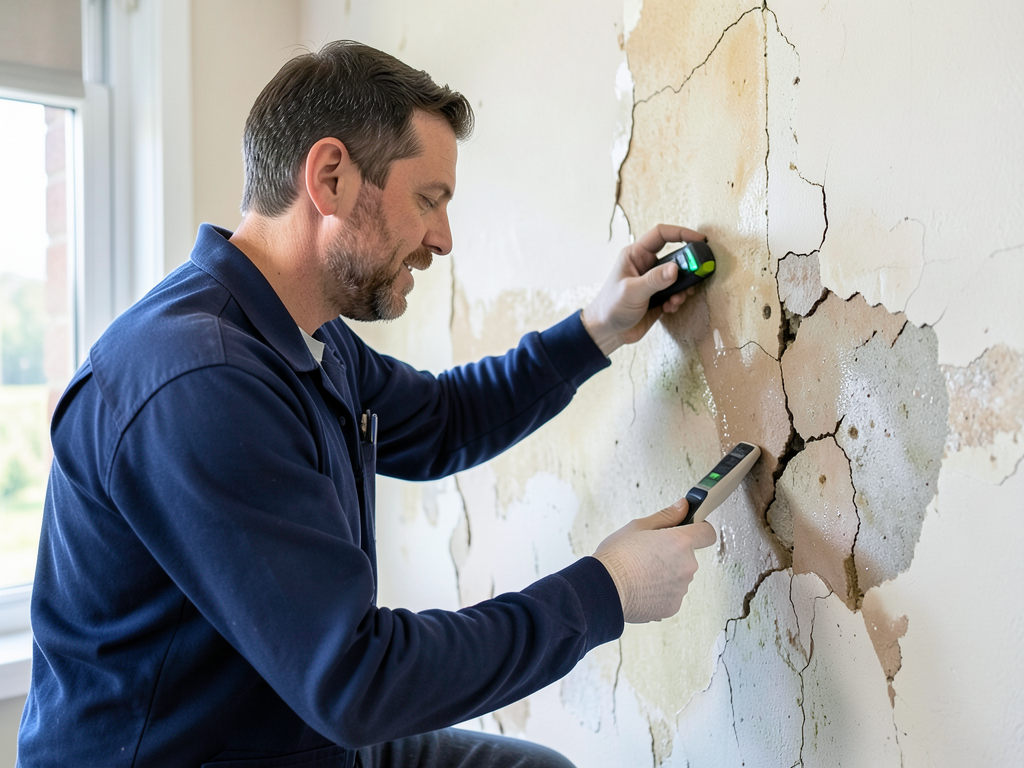
Water damage restoration professionals use moisture meters, thermal imaging, and other diagnostic tools to assess the full extent of damage. What looks like a small wet spot might indicate extensive moisture in walls, under floors, or in crawl spaces. Professional assessment also provides the documentation needed for insurance subrogation claims against negligent neighbors.
Professional Restoration vs. DIY Drainage Fixes
Understanding the difference between fixing the source of water intrusion and repairing the damage it causes is crucial. Many homeowners attempt DIY drainage solutions without addressing the underlying water damage, leading to long-term problems.
DIY Drainage Solutions
Homeowners might consider French drains, swales, or regrading to redirect water. While these can help manage surface water, they don’t address water that’s already entered your home or the potential for mold growth in hidden areas.
Professional Water Damage Restoration
Professional restoration involves water extraction, structural drying, dehumidification, and often mold remediation. Restoration technicians are trained in the science of psychrometry – the study of air, humidity, and temperature and their effects on materials. They use industrial-grade equipment to ensure complete drying and prevent secondary damage.
The restoration process typically follows these steps:
- Emergency Response and Assessment
24/7 emergency teams arrive to assess damage, identify water source, and create a restoration plan. This includes using moisture meters to detect hidden water in walls and floors.
- Water Extraction
Using truck-mounted extraction units and submersible pumps to remove standing water. The goal is to remove as much water as possible in the first few hours to minimize damage.
- Demolition and Removal
Removing unsalvageable materials like wet drywall, carpet padding, and insulation. This prevents mold growth and allows access to hidden moisture.
- Structural Drying
Setting up industrial dehumidifiers and air movers to create optimal drying conditions. Technicians monitor moisture levels daily until materials return to normal moisture content.
- Cleaning and Sanitizing
Cleaning affected surfaces with antimicrobial treatments to prevent mold growth. This is especially important for gray water or black water contamination.
- Restoration and Reconstruction
Repairing or replacing damaged materials, including drywall, flooring, and cabinetry. This may involve coordinating with other contractors for specialized work.
How Virginia Beach Stormwater Management Affects Your Claim
Virginia Beach operates under a comprehensive stormwater management ordinance that affects how runoff issues are handled. The city’s Stormwater Management Program requires new developments to manage runoff through various best management practices.
Under the Virginia Beach City Code Chapter 4.10, property owners must maintain drainage systems on their property. If a neighbor’s modification violates these codes and causes damage to your property, you may have additional legal recourse beyond the common law rules.
The city maintains a database of drainage complaints and investigations. If you file a complaint about neighbor runoff, the city may investigate and determine if code violations exist. This investigation report can be valuable evidence in insurance claims or legal proceedings.
Virginia Beach’s geography also means certain areas are more prone to drainage issues. The Lynnhaven River watershed, for example, has specific drainage patterns that can be disrupted by even minor land modifications. Properties near water bodies often have additional restrictions and requirements under the Chesapeake Bay Preservation Act.
FAQ: Frequently Asked Questions about Neighbor Water Damage
Is my neighbor legally responsible for water runoff in Virginia?
Under Virginia’s Modified Common Enemy Rule, neighbors aren’t automatically responsible for natural water runoff. However, they can be held liable if their actions were negligent or if they created a substantial and unreasonable interference with your property. Each case depends on specific circumstances and whether the water diversion was reasonable under the circumstances.
How do I prove my neighbor caused water damage to my property?
Proving causation requires documentation of the damage, evidence of the neighbor’s actions that caused it, and expert testimony linking the two. This often involves engineers who can analyze drainage patterns, before-and-after photos, and documentation of the neighbor’s modifications. Professional water damage restoration companies can provide detailed reports on water migration patterns that support your case.
Will my homeowners insurance cover neighbor-related water damage?
Coverage depends on your specific policy and the circumstances. Most policies cover sudden, accidental water damage but may exclude surface water or flooding. If the damage results from your neighbor’s negligence, your insurance company might pursue subrogation against the neighbor’s insurance. Always document the damage thoroughly and contact your insurance company immediately.
How long do I have to file a claim for neighbor water damage in Virginia?
The statute of limitations for property damage claims in Virginia is generally five years from the date the damage occurred. However, insurance policies often have much shorter notification requirements, sometimes as little as 30-60 days. Don’t wait to address water damage – the longer you wait, the more extensive and expensive the restoration becomes.
Can I sue my neighbor for water damage in Virginia Beach?
You can sue if you can prove negligence or that your neighbor violated local codes or created unreasonable interference. However, lawsuits are expensive and time-consuming. Most cases are resolved through insurance subrogation or mediation. A professional restoration assessment can help determine if legal action is warranted by documenting the extent and cause of the damage.
Prevention and Long-Term Solutions
While legal remedies exist, preventing water damage is always preferable to litigation. Consider these proactive steps:
Regular Property Inspections
Inspect your property after heavy rains to identify potential drainage issues before they cause damage. Look for areas where water pools, signs of erosion, or water marks on foundations. Early detection allows for simple fixes before major damage occurs.
Professional Drainage Assessment
Consider having a drainage professional assess your property’s grading and drainage patterns. They can identify potential problem areas and recommend solutions like French drains, dry wells, or regrading that comply with local codes.
Neighbor Communication
If you notice a neighbor planning landscaping or construction that might affect drainage, consider discussing it proactively. Many drainage disputes arise from simple misunderstandings that could be resolved through communication.
Emergency Preparedness
Keep materials like sandbags, tarps, and temporary barriers on hand for emergency water diversion. Know where your main water shut-off valve is located and have emergency contact numbers readily available.
Water damage from neighbor runoff is a serious issue that requires both legal understanding and technical expertise to resolve properly. By understanding Virginia’s specific laws, taking immediate action when damage occurs, and working with qualified professionals, you can protect your property and recover from water damage effectively.
Don’t wait until water is pouring into your basement to take action. If you’re experiencing water issues from neighbor runoff or need professional assessment of potential water damage, call (757) 909-5033 today. Our Virginia Beach-based team is ready to help you understand your rights and restore your property to pre-damage condition.
Pick up the phone and call (757) 909-5033 before the next storm hits. Water damage only gets worse with time, and our 24/7 emergency response team can be at your Virginia Beach home within hours to begin the restoration process and protect your property from further damage.
{
“@context”: “https://schema.org”,
“@type”: “BlogPosting”,
“headline”: “How Your Neighbor’s New Landscaping Could Be Sending Flood Water Into Your Yard”,
“description”: “Learn how Virginia’s modified common enemy rule affects neighbor runoff liability and discover professional water damage restoration solutions for Virginia Beach homes.”,
“wordCount”: 1836,
“datePublished”: “2026-05-29T12:39:00.000Z”,
“dateModified”: “2026-05-29T12:39:00.000Z”,
“inLanguage”: “en-US”,
“mainEntityOfPage”: {
“@type”: “WebPage”,
“@id”: “https://apexwaterdamagerestorationvirginiabeach.com”
},
“publisher”: {
“@type”: “LocalBusiness”,
“name”: “Apex Water Damage Restoration Virginia Beach”,
“url”: “https://apexwaterdamagerestorationvirginiabeach.com”
},
“author”: {
“@type”: “Organization”,
“name”: “Apex Water Damage Restoration Virginia Beach”,
“url”: “https://apexwaterdamagerestorationvirginiabeach.com”
},
“image”: {
“@type”: “ImageObject”,
“url”: “https://apexwaterdamagerestorationvirginiabeach.com/wp-content/uploads/2026/03/how-your-neighbor-s-new-landscaping-could-be-sendi-1.png”
}
}
{
“@context”: “https://schema.org”,
“@type”: “LocalBusiness”,
“name”: “Apex Water Damage Restoration Virginia Beach”,
“url”: “https://apexwaterdamagerestorationvirginiabeach.com”,
“address”: {
“@type”: “PostalAddress”,
“addressLocality”: “Virginia Beach”
},
“areaServed”: {
“@type”: “City”,
“name”: “Virginia Beach”
}
}
{
“@context”: “https://schema.org”,
“@type”: “FAQPage”,
“mainEntity”: [
{
“@type”: “Question”,
“name”: “Is my neighbor legally responsible for water runoff in Virginia?”,
“acceptedAnswer”: {
“@type”: “Answer”,
“text”: “Under Virginia’s Modified Common Enemy Rule, neighbors aren’t automatically responsible for natural water runoff. However, they can be held liable if their actions were negligent or if they created a substantial and unreasonable interference with your property. Each case depends on specific circumstances and whether the water diversion was reasonable under the circumstances.”
}
},
{
“@type”: “Question”,
“name”: “How do I prove my neighbor caused water damage to my property?”,
“acceptedAnswer”: {
“@type”: “Answer”,
“text”: “Proving causation requires documentation of the damage, evidence of the neighbor’s actions that caused it, and expert testimony linking the two. This often involves engineers who can analyze drainage patterns, before-and-after photos, and documentation of the neighbor’s modifications. Professional water damage restoration companies can provide detailed reports on water migration patterns that support your case.”
}
},
{
“@type”: “Question”,
“name”: “Will my homeowners insurance cover neighbor-related water damage?”,
“acceptedAnswer”: {
“@type”: “Answer”,
“text”: “Coverage depends on your specific policy and the circumstances. Most policies cover sudden, accidental water damage but may exclude surface water or flooding. If the damage results from your neighbor’s negligence, your insurance company might pursue subrogation against the neighbor’s insurance. Always document the damage thoroughly and contact your insurance company immediately.”
}
},
{
“@type”: “Question”,
“name”: “How long do I have to file a claim for neighbor water damage in Virginia?”,
“acceptedAnswer”: {
“@type”: “Answer”,
“text”: “The statute of limitations for property damage claims in Virginia is generally five years from the date the damage occurred. However, insurance policies often have much shorter notification requirements, sometimes as little as 30-60 days. Don’t wait to address water damage – the longer you wait, the more extensive and expensive the restoration becomes.”
}
},
{
“@type”: “Question”,
“name”: “Can I sue my neighbor for water damage in Virginia Beach?”,
“acceptedAnswer”: {
“@type”: “Answer”,
“text”: “You can sue if you can prove negligence or that your neighbor violated local codes or created unreasonable interference. However, lawsuits are expensive and time-consuming. Most cases are resolved through insurance subrogation or mediation. A professional restoration assessment can help determine if legal action is warranted by documenting the extent and cause of the damage.”
}
}
]
}
{
“@context”: “https://schema.org”,
“@type”: “HowTo”,
“name”: “Professional Water Damage Restoration Process”,
“step”: [
{
“@type”: “HowToStep”,
“position”: 1,
“name”: “Emergency Response and Assessment”,
“text”: “24/7 emergency teams arrive to assess damage, identify water source, and create a restoration plan. This includes using moisture meters to detect hidden water in walls and floors.”
},
{
“@type”: “HowToStep”,
“position”: 2,
“name”: “Water Extraction”,
“text”: “Using truck-mounted extraction units and submersible pumps to remove standing water. The goal is to remove as much water as possible in the first few hours to minimize damage.”
},
{
“@type”: “HowToStep”,
“position”: 3,
“name”: “Demolition and Removal”,
“text”: “Removing unsalvageable materials like wet drywall, carpet padding, and insulation. This prevents mold growth and allows access to hidden moisture.”
},
{
“@type”: “HowToStep”,
“position”: 4,
“name”: “Structural Drying”,
“text”: “Setting up industrial dehumidifiers and air movers to create optimal drying conditions. Technicians monitor moisture levels daily until materials return to normal moisture content.”
},
{
“@type”: “HowToStep”,
“position”: 5,
“name”: “Cleaning and Sanitizing”,
“text”: “Cleaning affected surfaces with antimicrobial treatments to prevent mold growth. This is especially important for gray water or black water contamination.”
},
{
“@type”: “HowToStep”,
“position”: 6,
“name”: “Restoration and Reconstruction”,
“text”: “Repairing or replacing damaged materials, including drywall, flooring, and cabinetry. This may involve coordinating with other contractors for specialized work.”
}
],
“image”: “https://apexwaterdamagerestorationvirginiabeach.com/wp-content/uploads/2026/03/how-your-neighbor-s-new-landscaping-could-be-sendi-1.png”
}
{
“@context”: “https://schema.org”,
“@type”: “BreadcrumbList”,
“itemListElement”: [
{
“@type”: “ListItem”,
“position”: 1,
“name”: “Home”,
“item”: “https://apexwaterdamagerestorationvirginiabeach.com”
},
{
“@type”: “ListItem”,
“position”: 2,
“name”: “Blog”,
“item”: “https://apexwaterdamagerestorationvirginiabeach.com/blog”
},
{
“@type”: “ListItem”,
“position”: 3,
“name”: “How Your Neighbor’s New Landscaping Could Be Sending Flood Water Into Your Yard”
}
]
}
{
“@context”: “https://schema.org”,
“@type”: “Service”,
“serviceType”: “Water Damage Restoration”,
“provider”: {
“@type”: “LocalBusiness”,
“name”: “Apex Water Damage Restoration Virginia Beach”,
“url”: “https://apexwaterdamagerestorationvirginiabeach.com”
},
“areaServed”: {
“@type”: “City”,
“name”: “Virginia Beach”
},
“description”: “Learn how Virginia’s modified common enemy rule affects neighbor runoff liability and discover professional water damage restoration solutions for Virginia Beach homes.”
}