Protecting Your Detached Guest House or ADU from Water Damage in the North End
Living in Virginia Beach’s North End means enjoying coastal charm but also facing unique water challenges. Your detached guest house or accessory dwelling unit (ADU) sits on sandy soil with a high water table and faces hurricane season every year. Understanding these risks and taking proactive steps now prevents costly repairs later. Virginia Beach Building Permits.
Understanding North End ADU Vulnerabilities
The North End’s proximity to the Chesapeake Bay creates specific problems for smaller structures. Detached ADUs often sit on slab foundations that sit directly on sandy soil. This combination allows water to move quickly through the ground during heavy rains or storm surges. Many North End ADUs were built before modern flood regulations, making them especially vulnerable to hydrostatic pressure. Repairing Water Damage at Your Virginia Beach Oceanfront Property After a Storm.
North End properties typically sit in FEMA Zone AE, meaning they face a one percent annual chance of flooding. The area’s average annual rainfall of 47 inches falls during hurricane season, creating multiple risk periods each year. When a tropical storm hits, your ADU’s smaller footprint means water can surround it more completely than a larger home. FEMA Flood Maps.
Foundation Protection for Coastal ADUs
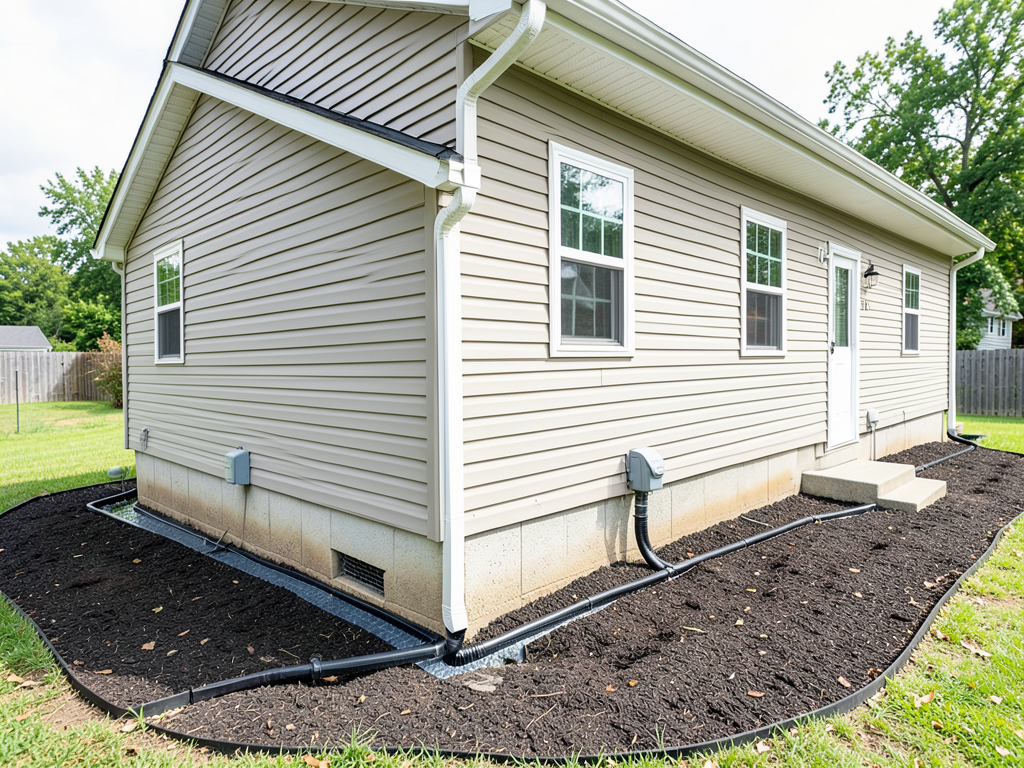
Start with your foundation. North End’s sandy soil drains quickly but also allows water to flow around foundations during storm surges. A properly installed French drain system prevents water from pooling against your ADU walls. These drains should extend at least ten feet from the foundation and include a perforated pipe surrounded by gravel. Who to Call for Emergency Water Removal in Virginia Beach Right Now.
Check your grading. The ground should slope away from your ADU at a rate of six inches per ten feet. This simple fix costs far less than repairing water-damaged flooring or drywall. Many North End properties need regrading after years of soil settling.. Read more about How Salt Air Speeds Up Pipe Corrosion and Water Leaks for Oceanfront Properties.
Consider a vapor barrier under your slab. Virginia Beach’s high humidity means moisture constantly moves through the ground. A 10-mil polyethylene vapor barrier blocks this moisture before it reaches your flooring or walls. What Virginia Beach Town Center Condo Owners Should Do After a Leak.
Plumbing Systems in Small Structures
ADU plumbing presents unique challenges. Many North End ADUs share plumbing with the main house, creating backflow risks during municipal water pressure drops. Install a backflow preventer on your main water line to protect against contaminated water entering your ADU.. Read more about Preventing Humidity and Water Damage in Your Broad Bay Point Pool House.
Point-of-use water heaters are common in ADUs but require proper installation. These units need adequate clearance and must be elevated above potential flood levels. Check that your installation meets Virginia Residential Code Section R302.7 requirements for water heater elevation.. Read more about Why Virginia Beach Homeowners Are Installing Smart Leak Detectors to Prevent Floods.
Install smart leak detectors near all water-using appliances. ADUs often sit empty for periods, making small leaks grow into major damage before anyone notices. Modern detectors send alerts to your phone when they detect moisture.. Read more about The Best Way for Out of Town Owners to Monitor for Leaks in Their Virginia Beach Vacation Property.
Coastal Weather Hardening Strategies
Virginia Beach’s hurricane season runs June through November. Your ADU needs protection from both wind-driven rain and storm surge. Install impact-resistant windows rated for your specific wind zone. North End sits in Wind Zone III, requiring windows that can withstand 130 mph winds.
Elevate your HVAC unit. Many ADU HVAC systems sit on ground-level pads, making them vulnerable to flooding. Mount your condenser on a raised platform at least twelve inches above the highest recorded flood level for your property.
Consider hurricane shutters for your ADU windows. These provide protection from both wind damage and water intrusion during storms. Modern roll-down shutters offer convenience while maintaining your ADU’s appearance.
Humidity and Mold Control in Small Spaces
Small living spaces trap humidity quickly. Your ADU’s compact size means moisture from cooking, showering, and breathing builds up faster than in larger homes. Install a dehumidifier sized for your square footage. For most North End ADUs, a 30-pint unit running continuously prevents moisture problems.
Check your ventilation. ADUs often lack the sophisticated ventilation systems of larger homes. Install exhaust fans in bathrooms and kitchens that vent directly outside. Run them during and after moisture-producing activities.
Monitor indoor humidity levels. Keep readings between 30 and 50 percent. Higher levels encourage mold growth, while lower levels can damage wood finishes and create static electricity.
Storm Preparation Checklist
Before hurricane season, inspect your ADU thoroughly. Check your roof for missing shingles or damaged flashing. Look for cracks in your foundation that could allow water entry. Test your sump pump if you have one.. Read more about How Your Neighbor’s New Landscaping Could Be Sending Flood Water Into Your Yard.
Clear your gutters and downspouts. Many North End properties have mature trees that drop leaves and debris into gutters. Clean them at least twice yearly, more often if you have heavy tree cover.
Secure outdoor items. Patio furniture, grills, and potted plants become dangerous projectiles in high winds. Store them in your garage or a secure shed when storms approach.
Know your shut-off valves. Locate your water main and learn how to turn it off quickly. During a major storm, shutting off water prevents contaminated water from entering your pipes if municipal systems are compromised.
Insurance and Documentation
Standard homeowners insurance often excludes flood damage. Your ADU needs separate flood insurance if it sits in a high-risk zone. The National Flood Insurance Program provides coverage specifically for detached structures.
Document your ADU’s condition annually. Take photos of all rooms, noting any existing damage or wear. This documentation helps with insurance claims if water damage occurs.
Keep important documents in a waterproof container. Store insurance policies, property deeds, and maintenance records where they won’t be damaged if your ADU floods.
Professional Assessment Benefits
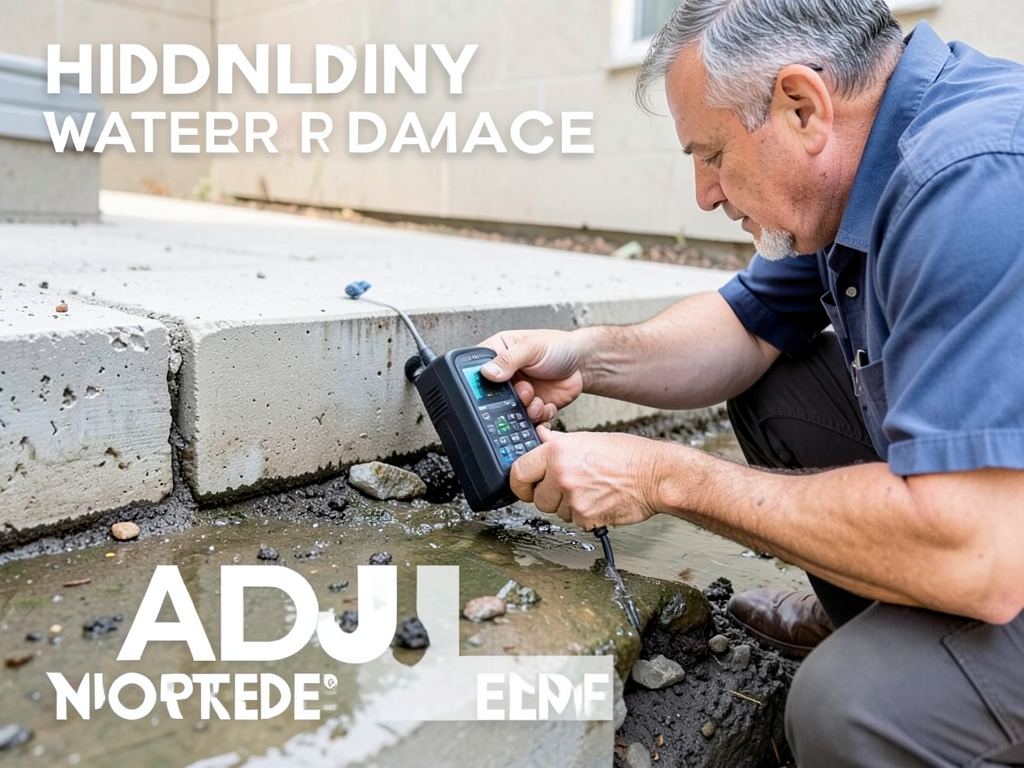
A professional water damage assessment identifies problems before they cause major damage. Our technicians use moisture meters to detect hidden water in walls and floors. We check for proper drainage patterns and identify code compliance issues.
Professional inspections cost far less than emergency water damage repairs. Catching a small plumbing leak early prevents the mold growth and structural damage that comes from weeks of unnoticed water intrusion.
Call (757) 909-5033 today to schedule your ADU water audit. Our local experts understand North End’s specific challenges and can recommend targeted solutions for your property. Expert Mold Remediation for Vacation Rentals in Sandbridge.
Maintenance Schedule for Long-Term Protection
Prevention works best when it’s consistent. Create a maintenance calendar for your ADU. Check your roof twice yearly, clean gutters seasonally, and test your sump pump monthly if you have one.
Inspect plumbing connections quarterly. Look for corrosion, loose fittings, or moisture around joints. Small drips waste water and indicate problems that could worsen during heavy use.
Check your foundation annually for new cracks or settling. North End’s sandy soil shifts over time, potentially creating new vulnerabilities in your ADU’s structure.
Smart Technology Integration
Modern leak detection systems offer peace of mind for remote ADUs. Install water sensors that connect to your smartphone via Wi-Fi. These devices alert you immediately when they detect moisture, allowing you to respond before minor leaks become major floods. Immediate Steps for a Burst Pipe Repair in the Hilltop Neighborhood.
Consider smart thermostats that monitor humidity levels. These devices can automatically activate your dehumidifier when humidity rises above safe levels, preventing mold growth even when you’re not on-site.
Security cameras with moisture detection provide dual benefits. They deter vandalism while also alerting you to water problems. Many systems integrate with smart home platforms for centralized monitoring.
When Water Damage Occurs
Even with prevention, water damage can still happen. Quick response minimizes damage and repair costs. If you discover water in your ADU, shut off the water main immediately. Remove standing water with wet vacuums or pumps.
Document everything before cleanup begins. Take photos and videos of all damaged areas. This documentation helps with insurance claims and helps professionals assess the full extent of damage.
Call professionals for major water events. Water can hide in walls, under floors, and in ceiling cavities. Professional drying equipment removes moisture from these hidden spaces, preventing mold growth and structural damage.
Don’t wait for problems to appear. Call (757) 909-5033 before the next storm hits. Our team responds 24/7 to water emergencies throughout Virginia Beach’s North End.
Frequently Asked Questions
How much does it cost to protect an ADU from water damage?
Prevention costs vary based on your ADU’s specific needs. Simple measures like grading adjustments might cost a few hundred dollars, while comprehensive systems including French drains and sump pumps typically range from $2,000 to $8,000. These costs pale compared to emergency repairs that often exceed $15,000 for significant water damage.
Does my homeowners insurance cover ADU water damage?
Standard policies typically cover sudden plumbing failures but exclude flood damage and groundwater intrusion. Your ADU needs separate flood insurance if it sits in a high-risk zone. Check your policy details and consider additional coverage for comprehensive protection.
How often should I inspect my ADU for water vulnerabilities?
Conduct basic inspections quarterly and comprehensive assessments annually. Check plumbing connections each season, inspect your roof twice yearly, and examine your foundation annually. After major storms, perform immediate checks for new vulnerabilities or damage.
Can I install a French drain system myself?
While DIY installation is possible, professional installation ensures proper slope, depth, and connection to appropriate drainage outlets. Mistakes in French drain installation can direct water toward your foundation instead of away from it. Consider professional help for systems affecting your ADU’s structural integrity.
What’s the biggest water threat to North End ADUs?
Storm surge and hurricane-driven rain pose the greatest risks. North End’s proximity to the Chesapeake Bay means storm surge can reach properties several blocks inland. Combined with the area’s high rainfall rates, this creates conditions where water can surround and penetrate structures quickly during major weather events.
You may also find this helpful. Why Sandbagging Alone Won’t Protect Your Shore Drive Property From Coastal Flooding.
You may also find this helpful. Finding Leaks Behind Natural Stone Shower Walls in Your North End Master Bath.
{
“@context”: “https://schema.org”,
“@type”: “BlogPosting”,
“headline”: “Protecting Your Detached Guest House or ADU from Water Damage in the North End”,
“description”: “Learn how to safeguard your North End ADU from Virginia Beach’s unique coastal water threats. Discover local codes, drainage solutions, and prevention strategies.”,
“wordCount”: 1620,
“datePublished”: “2026-05-19T11:57:00.000Z”,
“dateModified”: “2026-05-19T11:57:00.000Z”,
“inLanguage”: “en-US”,
“mainEntityOfPage”: {
“@type”: “WebPage”,
“@id”: “https://apexwaterdamagerestorationvirginiabeach.com”
},
“publisher”: {
“@type”: “LocalBusiness”,
“name”: “Apex Water Damage Restoration Virginia Beach”,
“url”: “https://apexwaterdamagerestorationvirginiabeach.com”
},
“author”: {
“@type”: “Organization”,
“name”: “Apex Water Damage Restoration Virginia Beach”,
“url”: “https://apexwaterdamagerestorationvirginiabeach.com”
},
“image”: {
“@type”: “ImageObject”,
“url”: “https://apexwaterdamagerestorationvirginiabeach.com/wp-content/uploads/2026/03/protecting-your-detached-guest-house-or-adu-from-w-1.png”
}
}
{
“@context”: “https://schema.org”,
“@type”: “LocalBusiness”,
“name”: “Apex Water Damage Restoration Virginia Beach”,
“url”: “https://apexwaterdamagerestorationvirginiabeach.com”,
“address”: {
“@type”: “PostalAddress”,
“addressLocality”: “Virginia Beach”
},
“areaServed”: {
“@type”: “City”,
“name”: “Virginia Beach”
}
}
{
“@context”: “https://schema.org”,
“@type”: “FAQPage”,
“mainEntity”: [
{
“@type”: “Question”,
“name”: “How much does it cost to protect an ADU from water damage?”,
“acceptedAnswer”: {
“@type”: “Answer”,
“text”: “Prevention costs vary based on your ADU’s specific needs. Simple measures like grading adjustments might cost a few hundred dollars, while comprehensive systems including French drains and sump pumps typically range from $2,000 to $8,000. These costs pale compared to emergency repairs that often exceed $15,000 for significant water damage.”
}
},
{
“@type”: “Question”,
“name”: “Does my homeowners insurance cover ADU water damage?”,
“acceptedAnswer”: {
“@type”: “Answer”,
“text”: “Standard policies typically cover sudden plumbing failures but exclude flood damage and groundwater intrusion. Your ADU needs separate flood insurance if it sits in a high-risk zone. Check your policy details and consider additional coverage for comprehensive protection.”
}
},
{
“@type”: “Question”,
“name”: “How often should I inspect my ADU for water vulnerabilities?”,
“acceptedAnswer”: {
“@type”: “Answer”,
“text”: “Conduct basic inspections quarterly and comprehensive assessments annually. Check plumbing connections each season, inspect your roof twice yearly, and examine your foundation annually. After major storms, perform immediate checks for new vulnerabilities or damage.”
}
},
{
“@type”: “Question”,
“name”: “Can I install a French drain system myself?”,
“acceptedAnswer”: {
“@type”: “Answer”,
“text”: “While DIY installation is possible, professional installation ensures proper slope, depth, and connection to appropriate drainage outlets. Mistakes in French drain installation can direct water toward your foundation instead of away from it. Consider professional help for systems affecting your ADU’s structural integrity.”
}
},
{
“@type”: “Question”,
“name”: “What’s the biggest water threat to North End ADUs?”,
“acceptedAnswer”: {
“@type”: “Answer”,
“text”: “Storm surge and hurricane-driven rain pose the greatest risks. North End’s proximity to the Chesapeake Bay means storm surge can reach properties several blocks inland. Combined with the area’s high rainfall rates, this creates conditions where water can surround and penetrate structures quickly during major weather events.”
}
}
]
}
{
“@context”: “https://schema.org”,
“@type”: “BreadcrumbList”,
“itemListElement”: [
{
“@type”: “ListItem”,
“position”: 1,
“name”: “Home”,
“item”: “https://apexwaterdamagerestorationvirginiabeach.com”
},
{
“@type”: “ListItem”,
“position”: 2,
“name”: “Blog”,
“item”: “https://apexwaterdamagerestorationvirginiabeach.com/blog”
},
{
“@type”: “ListItem”,
“position”: 3,
“name”: “Protecting Your Detached Guest House or ADU from Water Damage in the North End”
}
]
}
{
“@context”: “https://schema.org”,
“@type”: “Service”,
“serviceType”: “Water Damage Restoration”,
“provider”: {
“@type”: “LocalBusiness”,
“name”: “Apex Water Damage Restoration Virginia Beach”,
“url”: “https://apexwaterdamagerestorationvirginiabeach.com”
},
“areaServed”: {
“@type”: “City”,
“name”: “Virginia Beach”
},
“description”: “Learn how to safeguard your North End ADU from Virginia Beach’s unique coastal water threats. Discover local codes, drainage solutions, and prevention strategies.”
}