The Difference Between Category 1 and Category 3 Water Damage (And Why Your Health Depends on It)
When water floods your Virginia Beach home, the clock starts ticking. What begins as a simple leak can transform into a serious health hazard within hours. Understanding the difference between Category 1 and Category 3 water damage isn’t just about cleanup costs—it’s about protecting your family’s health. Repairing Water Damage at Your Virginia Beach Oceanfront Property After a Storm.
Category 1 water starts as clean, sanitary water from a broken pipe or overflowing sink. Category 3 water contains sewage, bacteria, and pathogens that can cause severe illness. The humid Virginia Beach climate accelerates this transformation, making quick action critical. What Virginia Beach Town Center Condo Owners Should Do After a Leak.
Category 1 Water: Clean Water
Clean water comes from sanitary sources like broken supply lines, rainwater, or melting ice. In Virginia Beach, Category 1 water often results from: Who to Call for Emergency Water Removal in Virginia Beach Right Now.
- Burst washing machine hoses
- Leaking water heaters
- Roof leaks during nor’easters
- Sink overflows
While Category 1 water starts clean, Virginia Beach’s high humidity (average 75%) creates perfect conditions for mold growth. Within 24-48 hours, clean water can degrade to Category 2 as bacteria multiply.. Read more about Fixing Water Damage in Your Witchduck Area Bathroom (And Saving the Tile).
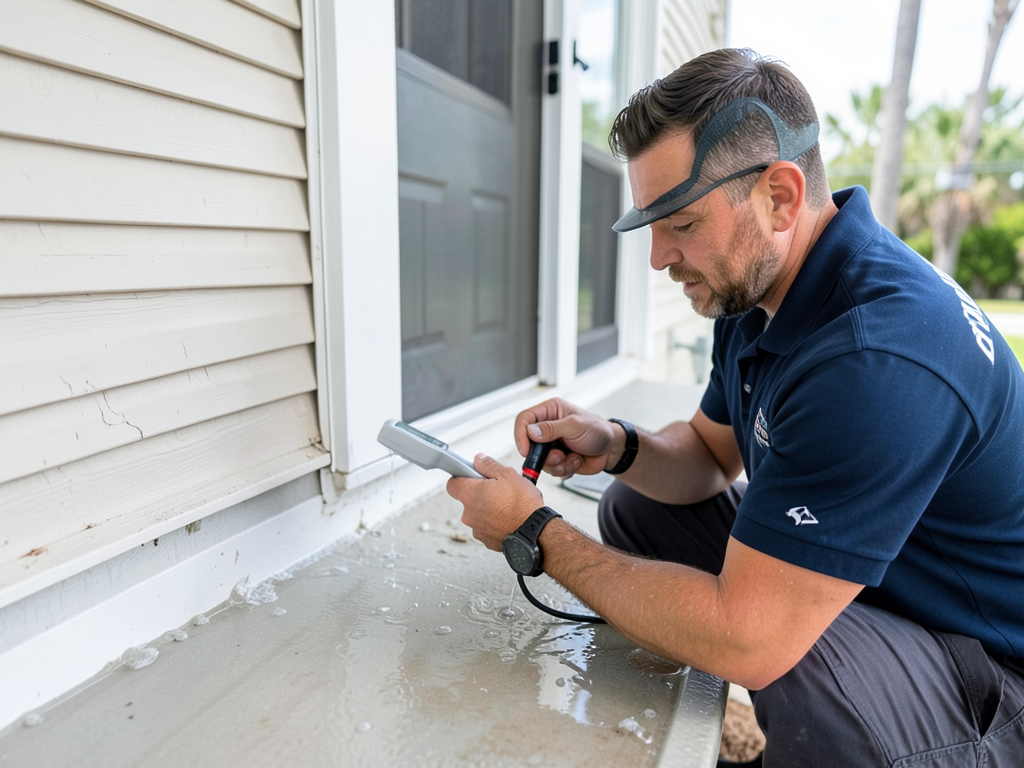
Diagram showing clean water sources and initial damage patterns in Virginia Beach homes. Read more about Hidden Water Damage Hazards That Every Senior Living in Virginia Beach Should Watch For.
Category 2 Water: Gray Water
Gray water contains significant contamination and can cause discomfort or illness. Common sources in Virginia Beach include:
- Dishwasher or washing machine discharge
- Toilet overflows with urine (no feces)
- Sump pump failures
- Hydrostatic pressure seepage
The transition from Category 1 to Category 2 happens faster in coastal Virginia due to:
- High ambient moisture promoting bacterial growth
- Warm temperatures accelerating microbial activity
- Coastal flooding introducing contaminants
Category 3 Water: Black Water
Category 3 water poses severe health risks. It contains pathogenic agents, toxins, and other harmful substances. In Virginia Beach, Category 3 water typically comes from:
- Sewage backups
- Flooding from the Chesapeake Bay or Atlantic Ocean
- Groundwater rising through foundation cracks
- Toilet overflows containing feces
Black water requires immediate professional intervention. The IICRC S500 Standard mandates specific protocols for Category 3 cleanup, including: IICRC S500 Water Damage Standard.
- Full personal protective equipment (PPE)
- Containment barriers
- EPA-registered disinfectants
- Proper disposal of contaminated materials
According to the Virginia Department of Health, exposure to Category 3 water can cause hepatitis, gastrointestinal illness, and skin infections. The health department recommends treating all flood water from coastal storms as Category 3 due to potential contamination from sewage systems and industrial runoff.. Read more about Keeping Your Pets Safe from Contaminated Flood Water in Virginia Beach.
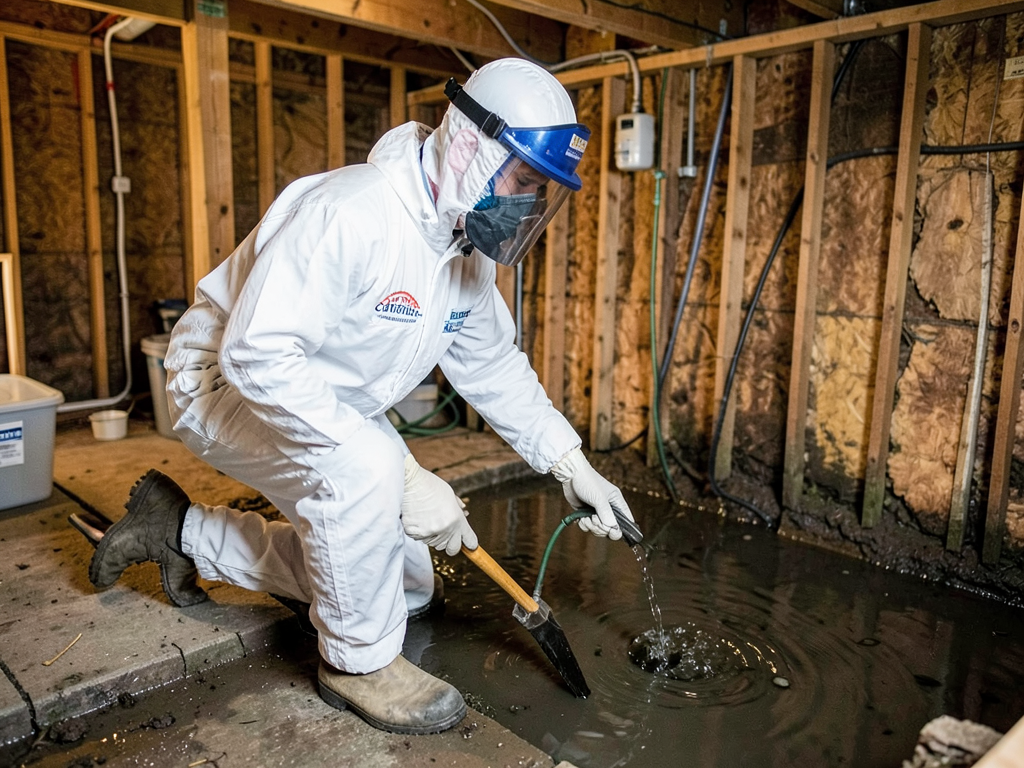
Technician wearing full PPE during Category 3 water cleanup operation
How Virginia Beach Climate Accelerates Water Damage
Virginia Beach’s coastal environment creates unique challenges for water damage restoration. The combination of high humidity, warm temperatures, and frequent storms means water damage progresses faster here than in inland areas.
Consider these local factors:
| Factor | Virginia Beach Impact | National Average |
|---|---|---|
| Relative Humidity | 75% | 55% |
| Average Temperature | 65°F | 55°F |
| Mold Growth Rate | 24-48 hours | 48-72 hours |
The high water table in Virginia Beach (averaging 3-5 feet below grade) means basements and crawl spaces flood more frequently. When groundwater rises, it often carries contaminants that immediately classify water as Category 3. Immediate Steps for a Burst Pipe Repair in the Hilltop Neighborhood.
The Critical Timeline: When Clean Water Becomes Dangerous
In Virginia Beach’s climate, water damage follows this accelerated timeline:
- Minutes 0-30
Clean water spreads through porous materials like carpet and drywall.
- Hours 1-24
Drywall begins swelling, metal surfaces tarnish, furniture delaminates.
- Hours 24-48
Mold and bacteria begin multiplying rapidly in Virginia Beach’s humid conditions.
- Hours 48-72
Category 1 water degrades to Category 2; musty odors appear.
- Hours 72+
Structural damage accelerates; Category 2 becomes Category 3 if contaminated sources present.
This timeline explains why waiting even 48 hours can double restoration costs and increase health risks exponentially.
Professional Assessment and Insurance Claims
Insurance companies in Virginia rely on proper water categorization for claim approval. Misclassification can lead to claim denial or reduced coverage.
Professional water damage assessment includes:
- Moisture meter readings at multiple depths
- Thermal imaging to detect hidden moisture
- Humidity and temperature logging
- Documentation of water source and contamination level
Virginia Beach homeowners should document damage with photos before cleanup begins. Insurance adjusters specifically look for:
- Water source identification
- Contamination evidence
- Extent of structural damage
- Professional assessment reports
The Virginia Bureau of Insurance reports that properly categorized water damage claims have a 40% higher approval rate than those with incomplete documentation.
Moisture meter readings showing water migration patterns in wall cavities
Health Risks by Category
Understanding the specific health risks helps you make informed decisions about evacuation and cleanup.
| Category | Health Risks | Professional Intervention Required |
|---|---|---|
| 1: Clean Water | Minimal if addressed within 48 hours | No (DIY possible) |
| 2: Gray Water | Diarrhea, vomiting, skin irritation | Yes (PPE required) |
| 3: Black Water | Hepatitis, tetanus, severe infections | Absolutely (full containment) |
Category 3 water exposure can cause symptoms within 24-48 hours. The Virginia Department of Emergency Management recommends immediate evacuation for Category 3 incidents and professional cleanup before re-entry.
Prevention and Quick Response
While you can’t prevent all water damage, you can minimize risks through:
- Regular plumbing inspections (especially in older Virginia Beach homes)
- Proper grading around foundation
- Working sump pumps with battery backup
- Roof maintenance before hurricane season
When water damage occurs, follow this immediate response protocol:
- Stop the water source if safe to do so
- Evacuate if Category 2 or 3 water present
- Document damage with photos
- Call professionals immediately
- Begin drying process within first hour if Category 1
Every hour counts. Virginia Beach’s humid climate means waiting even one day can turn a $2,000 cleanup into a $10,000 mold remediation project. Expert Mold Remediation for Vacation Rentals in Sandbridge.
Frequently Asked Questions
How can I tell what category of water damage I have?
Category 1 water is clear and odorless. Category 2 water may appear cloudy or have a musty smell. Category 3 water is dark, often has a sewage odor, and may contain visible debris. When in doubt, treat all flood water as Category 3 and call professionals.
Can Category 1 water become Category 3?
Yes, and in Virginia Beach’s climate, this transition happens faster than in other regions. Clean water becomes contaminated within 48-72 hours due to bacterial growth, especially in warm, humid conditions. Standing water also attracts pests that introduce additional contaminants.
What should I do if I suspect Category 3 water in my home?
Evacuate immediately, especially if you have children, elderly family members, or anyone with compromised immune systems. Do not attempt cleanup yourself. Category 3 water requires professional containment, specialized equipment, and proper disposal of contaminated materials.
Will my insurance cover all categories of water damage?
Most standard policies cover sudden and accidental water damage. However, coverage varies by category. Category 1 damage typically has fewer restrictions, while Category 3 damage may require additional riders or have specific exclusions. Review your policy and document everything.
Understanding the difference between Category 1 and Category 3 water damage can literally save your health and your home. In Virginia Beach’s challenging coastal climate, quick professional response isn’t just convenient—it’s essential for protecting your family and your investment.
Don’t wait until it’s too late. If you’re facing water damage of any category, call (757) 909-5033 today. Our certified technicians are standing by 24/7 to assess your situation and begin immediate mitigation. The longer you wait, the more dangerous and expensive the problem becomes.
Pick up the phone and call (757) 909-5033 before the next storm hits. Your family’s health and your home’s safety depend on it. For more information, visit CDC Emergency Water Guidelines.
You may also find this helpful. Hidden Drain Backups and Why They Cause Major Flooding for Pembroke Business Owners.
{
“@context”: “https://schema.org”,
“@type”: “BlogPosting”,
“headline”: “The Difference Between Category 1 and Category 3 Water Damage (And Why Your Health Depends on It)”,
“description”: “Learn how Virginia Beach’s coastal humidity accelerates water damage from clean to hazardous. Understand the critical health differences between Category 1 and Category 3 water.”,
“wordCount”: 1274,
“datePublished”: “2026-05-06T13:18:00.000Z”,
“dateModified”: “2026-05-06T13:18:00.000Z”,
“inLanguage”: “en-US”,
“mainEntityOfPage”: {
“@type”: “WebPage”,
“@id”: “https://apexwaterdamagerestorationvirginiabeach.com”
},
“publisher”: {
“@type”: “LocalBusiness”,
“name”: “Apex Water Damage Restoration Virginia Beach”,
“url”: “https://apexwaterdamagerestorationvirginiabeach.com”
},
“author”: {
“@type”: “Organization”,
“name”: “Apex Water Damage Restoration Virginia Beach”,
“url”: “https://apexwaterdamagerestorationvirginiabeach.com”
},
“image”: {
“@type”: “ImageObject”,
“url”: “https://apexwaterdamagerestorationvirginiabeach.com/wp-content/uploads/2026/03/the-difference-between-category-1-and-category-3-w-1.png”
}
}
{
“@context”: “https://schema.org”,
“@type”: “LocalBusiness”,
“name”: “Apex Water Damage Restoration Virginia Beach”,
“url”: “https://apexwaterdamagerestorationvirginiabeach.com”,
“address”: {
“@type”: “PostalAddress”,
“addressLocality”: “Virginia Beach”
},
“areaServed”: {
“@type”: “City”,
“name”: “Virginia Beach”
}
}
{
“@context”: “https://schema.org”,
“@type”: “FAQPage”,
“mainEntity”: [
{
“@type”: “Question”,
“name”: “How can I tell what category of water damage I have?”,
“acceptedAnswer”: {
“@type”: “Answer”,
“text”: “Category 1 water is clear and odorless. Category 2 water may appear cloudy or have a musty smell. Category 3 water is dark, often has a sewage odor, and may contain visible debris. When in doubt, treat all flood water as Category 3 and call professionals.”
}
},
{
“@type”: “Question”,
“name”: “Can Category 1 water become Category 3?”,
“acceptedAnswer”: {
“@type”: “Answer”,
“text”: “Yes, and in Virginia Beach’s climate, this transition happens faster than in other regions. Clean water becomes contaminated within 48-72 hours due to bacterial growth, especially in warm, humid conditions. Standing water also attracts pests that introduce additional contaminants.”
}
},
{
“@type”: “Question”,
“name”: “What should I do if I suspect Category 3 water in my home?”,
“acceptedAnswer”: {
“@type”: “Answer”,
“text”: “Evacuate immediately, especially if you have children, elderly family members, or anyone with compromised immune systems. Do not attempt cleanup yourself. Category 3 water requires professional containment, specialized equipment, and proper disposal of contaminated materials.”
}
},
{
“@type”: “Question”,
“name”: “Will my insurance cover all categories of water damage?”,
“acceptedAnswer”: {
“@type”: “Answer”,
“text”: “Most standard policies cover sudden and accidental water damage. However, coverage varies by category. Category 1 damage typically has fewer restrictions, while Category 3 damage may require additional riders or have specific exclusions. Review your policy and document everything.”
}
}
]
}
{
“@context”: “https://schema.org”,
“@type”: “HowTo”,
“name”: “Water Damage Progression Timeline”,
“step”: [
{
“@type”: “HowToStep”,
“position”: 1,
“name”: “Minutes 0-30”,
“text”: “Clean water spreads through porous materials like carpet and drywall.”
},
{
“@type”: “HowToStep”,
“position”: 2,
“name”: “Hours 1-24”,
“text”: “Drywall begins swelling, metal surfaces tarnish, furniture delaminates.”
},
{
“@type”: “HowToStep”,
“position”: 3,
“name”: “Hours 24-48”,
“text”: “Mold and bacteria begin multiplying rapidly in Virginia Beach’s humid conditions.”
},
{
“@type”: “HowToStep”,
“position”: 4,
“name”: “Hours 48-72”,
“text”: “Category 1 water degrades to Category 2; musty odors appear.”
},
{
“@type”: “HowToStep”,
“position”: 5,
“name”: “Hours 72+”,
“text”: “Structural damage accelerates; Category 2 becomes Category 3 if contaminated sources present.”
}
],
“image”: “https://apexwaterdamagerestorationvirginiabeach.com/wp-content/uploads/2026/03/the-difference-between-category-1-and-category-3-w-1.png”
}
{
“@context”: “https://schema.org”,
“@type”: “BreadcrumbList”,
“itemListElement”: [
{
“@type”: “ListItem”,
“position”: 1,
“name”: “Home”,
“item”: “https://apexwaterdamagerestorationvirginiabeach.com”
},
{
“@type”: “ListItem”,
“position”: 2,
“name”: “Blog”,
“item”: “https://apexwaterdamagerestorationvirginiabeach.com/blog”
},
{
“@type”: “ListItem”,
“position”: 3,
“name”: “The Difference Between Category 1 and Category 3 Water Damage (And Why Your Health Depends on It)”
}
]
}
{
“@context”: “https://schema.org”,
“@type”: “Service”,
“serviceType”: “Water Damage Restoration”,
“provider”: {
“@type”: “LocalBusiness”,
“name”: “Apex Water Damage Restoration Virginia Beach”,
“url”: “https://apexwaterdamagerestorationvirginiabeach.com”
},
“areaServed”: {
“@type”: “City”,
“name”: “Virginia Beach”
},
“description”: “Learn how Virginia Beach’s coastal humidity accelerates water damage from clean to hazardous. Understand the critical health differences between Category 1 and Category 3 water.”
}