When to Hire an Industrial Hygienist for Air Quality Testing After a Leak in Sandbridge
If your Sandbridge property suffered significant water damage from a storm surge or plumbing failure you need more than just a cleanup crew. Category 3 water events create conditions where airborne contaminants and hidden mold growth pose serious health risks. This guide explains when Virginia Beach property owners should bring in an independent industrial hygienist to test air quality and verify that remediation was successful. Expert Mold Remediation for Vacation Rentals in Sandbridge.
Why Sandbridge Properties Face Unique Air Quality Risks
Sandbridge sits on a low-lying barrier island where high groundwater tables and frequent flooding create ideal conditions for microbial growth. The coastal environment brings salt-laden air that accelerates material deterioration while the humid climate keeps surfaces damp for extended periods. These factors mean a water leak here can spawn hidden mold colonies within 24 to 48 hours behind walls or under flooring. Repairing Water Damage at Your Virginia Beach Oceanfront Property After a Storm.
Unlike inland properties Sandbridge homes often have crawlspaces with minimal ventilation. When these spaces flood they trap moisture and contaminants creating a breeding ground for bacteria and mold spores. The combination of salt air and persistent moisture also weakens building materials making them more permeable to microbial volatile organic compounds.
Category 3 Water Events That Require Professional Air Testing
Not every leak warrants industrial hygienist involvement. Category 3 water also known as black water contains sewage chemicals or other hazardous contaminants. Common sources in Sandbridge include: Who to Call for Emergency Water Removal in Virginia Beach Right Now.
- Storm surge flooding that brings in ocean water mixed with street runoff
- Sewage backups from overwhelmed municipal systems during heavy rain
- Long-standing water in basements or crawlspaces that has become contaminated
Category 3 events demand more than surface cleaning. The water infiltrates porous materials and leaves behind microscopic contaminants that can cause respiratory issues or infections. An industrial hygienist uses specialized equipment to detect these hidden threats before they spread through your HVAC system.. Read more about Deciding if You Need to Move Out During the Water Restoration Process in Linkhorn Park.
The Industrial Hygienist Difference From Standard Restoration
A restoration company removes water and damaged materials. An industrial hygienist verifies that the environment is safe for reoccupation. This independent verification matters because restoration contractors have a vested interest in declaring the job complete. The hygienist provides unbiased clearance testing based on scientific standards.. Read more about Water Damage Protocols for Medical Offices and Clinics in the Princess Anne Area.
Industrial hygienists follow protocols from the American Conference of Governmental Industrial Hygienists and reference standards like IICRC S520 for mold remediation. They use calibrated equipment to measure airborne spore counts temperature and relative humidity. Their final report documents whether spore levels are within acceptable ranges for indoor air quality. IICRC Standards.
When Insurance Companies Require Third Party Verification
Insurance carriers often require clearance testing from an independent industrial hygienist before approving final payment on Category 3 claims. This protects both the insurer and the property owner from future liability. Without proper documentation you risk denied claims or disputes over whether the property was restored to a safe condition.
Commercial properties face even stricter requirements. Office buildings schools and healthcare facilities must meet specific indoor air quality standards before reopening. An industrial hygienist provides the documentation these entities need to satisfy building codes and occupational safety regulations.
The Clearance Testing Process Step by Step
Understanding what happens during clearance testing helps you prepare and know what to expect. The process follows a systematic approach to verify that remediation efforts succeeded.
- Initial Assessment
The hygienist conducts a visual inspection using moisture meters and thermal imaging cameras to identify any remaining damp areas. They check for visible mold growth and test humidity levels throughout the affected zones.
- Air Sampling
Using calibrated air pumps the hygienist collects samples from both affected and unaffected areas. These samples capture airborne mold spores bacteria and other particulates for laboratory analysis.
- Surface Sampling
If visible growth exists the hygienist takes swab or tape lift samples from suspect surfaces. This confirms the presence of specific mold species and their concentrations.
- Moisture Mapping
Using infrared thermography the hygienist identifies hidden moisture pockets behind walls or under flooring. This ensures no damp areas remain that could support future mold growth.
- Laboratory Analysis
Samples go to accredited laboratories where technicians use microscopy and culture methods to identify and quantify biological contaminants.
- Clearance Report
The hygienist compiles findings into a detailed report comparing test results against established safety thresholds. The report includes recommendations for any additional remediation needed.
Local Building Codes and Health Department Requirements
Virginia Beach and surrounding areas follow the Virginia Uniform Statewide Building Code which references EPA and CDC guidelines for indoor air quality. When Category 3 water affects a property local health departments may require professional testing before allowing reoccupation especially in rental properties or commercial spaces. CDC Mold Information.
The Virginia Department of Health maintains specific protocols for sewage contamination cleanup. These protocols often mandate clearance testing from qualified professionals before buildings can reopen. This requirement protects public health and reduces liability for property owners. What Virginia Beach Town Center Condo Owners Should Do After a Leak.
Cost Considerations and Insurance Coverage
Industrial hygienist services typically range from $800 to $2500 depending on property size and the extent of testing required. While this represents an additional expense it often prevents much larger costs from inadequate remediation. Insurance policies frequently cover these services when they are part of a covered water damage claim.
Ask your restoration contractor to coordinate with the hygienist. Many companies have established relationships with qualified professionals who understand the specific challenges of Sandbridge properties. This coordination streamlines the process and ensures all necessary testing gets completed.
Red Flags That Signal You Need Immediate Testing
Certain warning signs indicate you should call an industrial hygienist right away even before starting remediation. These red flags suggest contamination levels that require professional assessment.
- Musty odors persist after visible water removal
- Residents experience unexplained respiratory symptoms
- Water damage affected multiple rooms or levels
- The source water contained sewage or chemicals
- Your property has a history of moisture problems
Ignoring these signs can lead to widespread contamination that becomes much more expensive to address later. Early testing identifies problems while they remain localized and manageable.
Protecting Your Sandbridge Investment Long Term
Beyond immediate cleanup hiring an industrial hygienist creates documentation that protects your property value. This documentation proves to future buyers or tenants that the property meets indoor air quality standards. It also provides a baseline for monitoring any future moisture issues. Immediate Steps for a Burst Pipe Repair in the Hilltop Neighborhood.
Consider annual indoor air quality assessments for properties in flood prone areas. These proactive checks can identify developing problems before they require major remediation. Many Sandbridge property owners find this preventive approach saves money and protects occupant health over time.
Finding Qualified Industrial Hygienists in Virginia Beach
Look for professionals certified by the American Board of Industrial Hygiene. These certifications require extensive training and continuing education. Ask potential hygienists about their experience with Category 3 water events and their familiarity with Virginia Beach coastal properties.
Request references from other local property owners who have dealt with similar situations. A qualified hygienist should provide clear communication about their testing methods expected timelines and reporting procedures. They should also be willing to explain their findings in terms you can understand.
Frequently Asked Questions
How soon after water damage should I call an industrial hygienist?
Ideally within 24 to 48 hours after the initial water event. This timing allows for proper sampling before contaminants spread or materials dry out. However hygienists can still provide valuable assessment even weeks after the event.
Can my restoration company perform the air quality testing?
Restoration companies typically cannot provide independent clearance testing due to conflict of interest rules. Most insurance companies and building codes require testing from a third party with no financial stake in the remediation outcome.
What certifications should I look for in an industrial hygienist?
Look for Certified Industrial Hygienist (CIH) or Certified Associate Industrial Hygienist (CAIH) credentials from the American Board of Industrial Hygiene. These certifications demonstrate rigorous training and adherence to professional standards.
How long does clearance testing take?
The on site inspection typically takes 2 to 4 hours depending on property size. Laboratory analysis adds 3 to 5 business days. Your hygienist should provide a final report within one week of completing all sampling.
Will insurance cover the cost of industrial hygienist services?
Most policies cover these services when they are part of a covered water damage claim especially for Category 3 events. Check your specific policy or ask your insurance adjuster about coverage for third party testing.
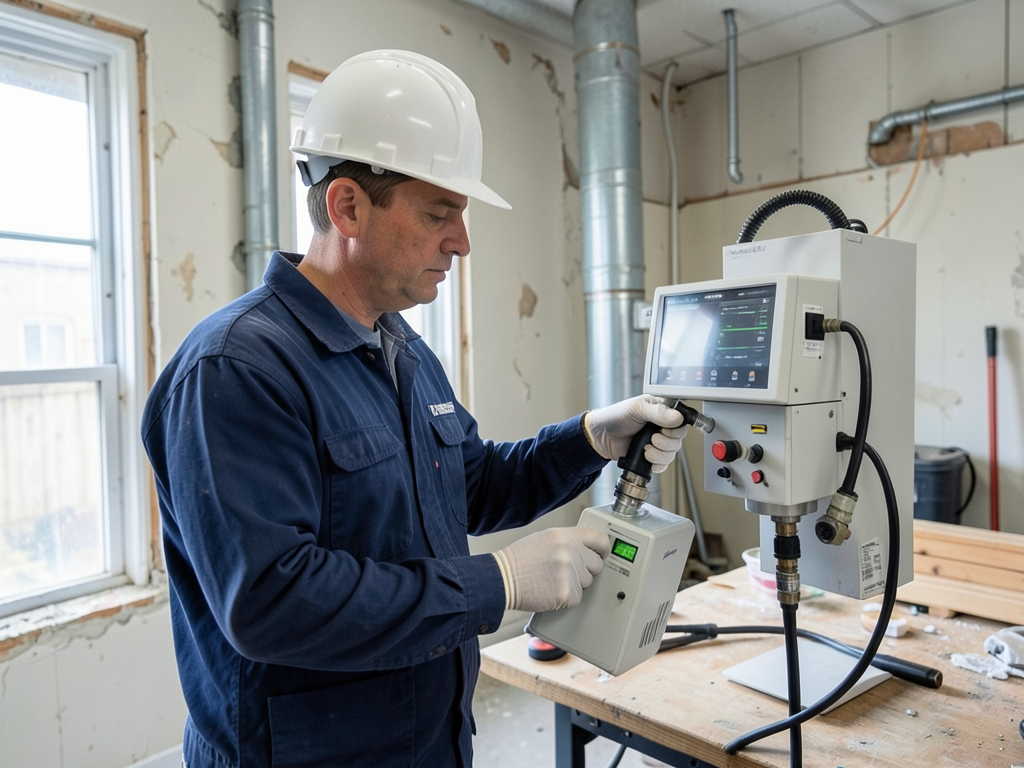
Industrial hygienist using calibrated air sampling equipment to test indoor air quality after water damage in a Sandbridge property
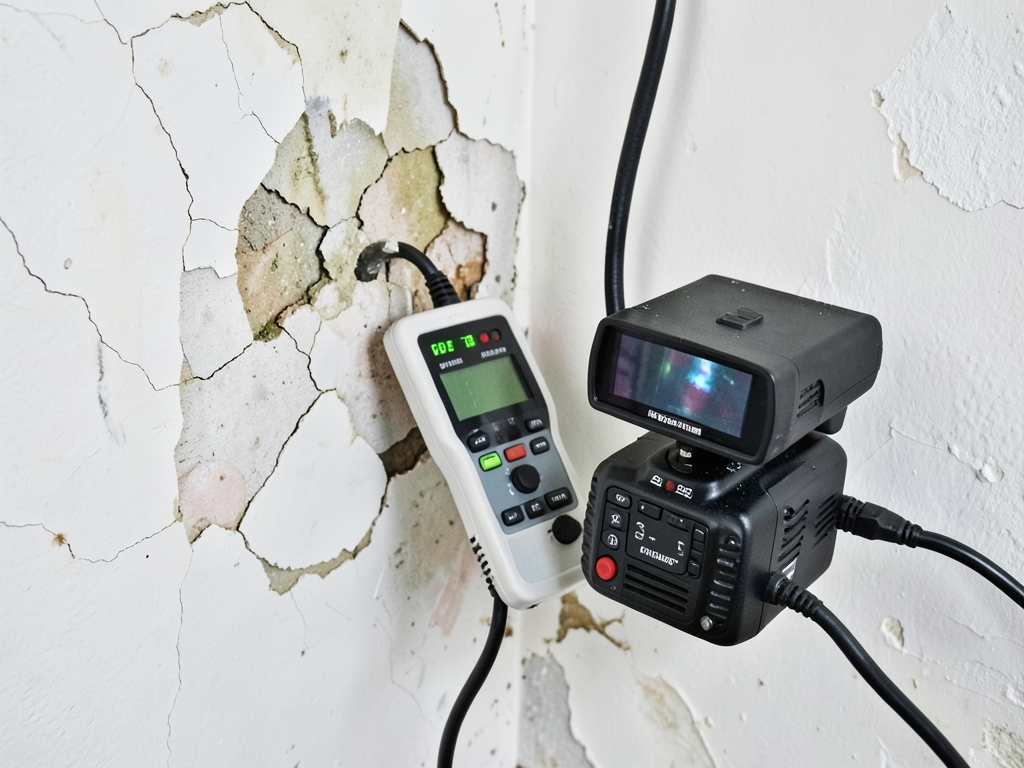
Moisture meter and thermal imaging camera used to detect hidden water damage behind walls during clearance testing
Air sampling pump with collection media capturing airborne mold spores for laboratory analysis
Water damage in Sandbridge creates unique challenges that demand professional expertise. When Category 3 water affects your property bringing in an independent industrial hygienist protects your health your investment and your legal interests. Do not wait until problems escalate. Call (757) 909-5033 today to schedule your inspection and get the peace of mind that comes with professional verification.
Pick up the phone and call (757) 909-5033 before the next storm hits. Your property deserves the protection that only qualified industrial hygiene testing can provide.
{
“@context”: “https://schema.org”,
“@type”: “BlogPosting”,
“headline”: “When to Hire an Industrial Hygienist for Air Quality Testing After a Leak in Sandbridge”,
“description”: “Learn when to call an industrial hygienist for air quality testing in Sandbridge. Discover IICRC standards, mold risks, and local Virginia Beach factors that affect your property.”,
“wordCount”: 1574,
“datePublished”: “2026-06-08T07:41:00.000Z”,
“dateModified”: “2026-06-08T07:41:00.000Z”,
“inLanguage”: “en-US”,
“mainEntityOfPage”: {
“@type”: “WebPage”,
“@id”: “https://apexwaterdamagerestorationvirginiabeach.com”
},
“publisher”: {
“@type”: “LocalBusiness”,
“name”: “Apex Water Damage Restoration Virginia Beach”,
“url”: “https://apexwaterdamagerestorationvirginiabeach.com”
},
“author”: {
“@type”: “Organization”,
“name”: “Apex Water Damage Restoration Virginia Beach”,
“url”: “https://apexwaterdamagerestorationvirginiabeach.com”
},
“image”: {
“@type”: “ImageObject”,
“url”: “https://apexwaterdamagerestorationvirginiabeach.com/wp-content/uploads/2026/03/when-to-hire-an-industrial-hygienist-for-air-quali-1.png”
}
}
{
“@context”: “https://schema.org”,
“@type”: “LocalBusiness”,
“name”: “Apex Water Damage Restoration Virginia Beach”,
“url”: “https://apexwaterdamagerestorationvirginiabeach.com”,
“address”: {
“@type”: “PostalAddress”,
“addressLocality”: “Virginia Beach”
},
“areaServed”: {
“@type”: “City”,
“name”: “Virginia Beach”
}
}
{
“@context”: “https://schema.org”,
“@type”: “FAQPage”,
“mainEntity”: [
{
“@type”: “Question”,
“name”: “How soon after water damage should I call an industrial hygienist?”,
“acceptedAnswer”: {
“@type”: “Answer”,
“text”: “Ideally within 24 to 48 hours after the initial water event. This timing allows for proper sampling before contaminants spread or materials dry out. However hygienists can still provide valuable assessment even weeks after the event.”
}
},
{
“@type”: “Question”,
“name”: “Can my restoration company perform the air quality testing?”,
“acceptedAnswer”: {
“@type”: “Answer”,
“text”: “Restoration companies typically cannot provide independent clearance testing due to conflict of interest rules. Most insurance companies and building codes require testing from a third party with no financial stake in the remediation outcome.”
}
},
{
“@type”: “Question”,
“name”: “What certifications should I look for in an industrial hygienist?”,
“acceptedAnswer”: {
“@type”: “Answer”,
“text”: “Look for Certified Industrial Hygienist (CIH) or Certified Associate Industrial Hygienist (CAIH) credentials from the American Board of Industrial Hygiene. These certifications demonstrate rigorous training and adherence to professional standards.”
}
},
{
“@type”: “Question”,
“name”: “How long does clearance testing take?”,
“acceptedAnswer”: {
“@type”: “Answer”,
“text”: “The on site inspection typically takes 2 to 4 hours depending on property size. Laboratory analysis adds 3 to 5 business days. Your hygienist should provide a final report within one week of completing all sampling.”
}
},
{
“@type”: “Question”,
“name”: “Will insurance cover the cost of industrial hygienist services?”,
“acceptedAnswer”: {
“@type”: “Answer”,
“text”: “Most policies cover these services when they are part of a covered water damage claim especially for Category 3 events. Check your specific policy or ask your insurance adjuster about coverage for third party testing.”
}
}
]
}
{
“@context”: “https://schema.org”,
“@type”: “HowTo”,
“name”: “Clearance Testing Process”,
“step”: [
{
“@type”: “HowToStep”,
“position”: 1,
“name”: “Initial Assessment”,
“text”: “The hygienist conducts a visual inspection using moisture meters and thermal imaging cameras to identify any remaining damp areas. They check for visible mold growth and test humidity levels throughout the affected zones.”
},
{
“@type”: “HowToStep”,
“position”: 2,
“name”: “Air Sampling”,
“text”: “Using calibrated air pumps the hygienist collects samples from both affected and unaffected areas. These samples capture airborne mold spores bacteria and other particulates for laboratory analysis.”
},
{
“@type”: “HowToStep”,
“position”: 3,
“name”: “Surface Sampling”,
“text”: “If visible growth exists the hygienist takes swab or tape lift samples from suspect surfaces. This confirms the presence of specific mold species and their concentrations.”
},
{
“@type”: “HowToStep”,
“position”: 4,
“name”: “Moisture Mapping”,
“text”: “Using infrared thermography the hygienist identifies hidden moisture pockets behind walls or under flooring. This ensures no damp areas remain that could support future mold growth.”
},
{
“@type”: “HowToStep”,
“position”: 5,
“name”: “Laboratory Analysis”,
“text”: “Samples go to accredited laboratories where technicians use microscopy and culture methods to identify and quantify biological contaminants.”
},
{
“@type”: “HowToStep”,
“position”: 6,
“name”: “Clearance Report”,
“text”: “The hygienist compiles findings into a detailed report comparing test results against established safety thresholds. The report includes recommendations for any additional remediation needed.”
}
],
“image”: “https://apexwaterdamagerestorationvirginiabeach.com/wp-content/uploads/2026/03/when-to-hire-an-industrial-hygienist-for-air-quali-1.png”
}
{
“@context”: “https://schema.org”,
“@type”: “BreadcrumbList”,
“itemListElement”: [
{
“@type”: “ListItem”,
“position”: 1,
“name”: “Home”,
“item”: “https://apexwaterdamagerestorationvirginiabeach.com”
},
{
“@type”: “ListItem”,
“position”: 2,
“name”: “Blog”,
“item”: “https://apexwaterdamagerestorationvirginiabeach.com/blog”
},
{
“@type”: “ListItem”,
“position”: 3,
“name”: “When to Hire an Industrial Hygienist for Air Quality Testing After a Leak in Sandbridge”
}
]
}
{
“@context”: “https://schema.org”,
“@type”: “Service”,
“serviceType”: “Water Damage Restoration”,
“provider”: {
“@type”: “LocalBusiness”,
“name”: “Apex Water Damage Restoration Virginia Beach”,
“url”: “https://apexwaterdamagerestorationvirginiabeach.com”
},
“areaServed”: {
“@type”: “City”,
“name”: “Virginia Beach”
},
“description”: “Learn when to call an industrial hygienist for air quality testing in Sandbridge. Discover IICRC standards, mold risks, and local Virginia Beach factors that affect your property.”
}