Why DIY water cleanup usually leads to mold and how to avoid that mistake
Water damage spreads fast. A small leak today can become a major mold problem in just 48 hours. In Virginia Beach the coastal humidity makes things even worse. Mold spores thrive in our warm moist air. Many homeowners grab a wet vac and fans hoping to save money. But that quick fix often leaves moisture trapped in walls floors and ceilings. The hidden dampness becomes a perfect breeding ground for mold. By the time you see or smell it the damage is already done. Professional water damage restoration uses industrial-grade equipment and proven drying techniques to remove moisture completely. That is why calling a certified team like Apex Water Damage Restoration is the safest choice for your home. Repairing Water Damage at Your Virginia Beach Oceanfront Property After a Storm.
Why DIY water cleanup often fails
DIY cleanup seems simple at first. You remove standing water and set up a few fans. But water moves in ways you cannot see. It seeps into drywall insulation and subfloors. A shop vac can only remove surface water. The rest stays hidden. In Virginia Beach our coastal humidity slows natural evaporation. That trapped moisture feeds mold growth. Without moisture meters and thermal imaging you have no way to know if your home is truly dry. Many DIY attempts leave 10 to 15 percent moisture in building materials. That is enough for mold to start growing within 24 to 48 hours. The cost of fixing mold later is much higher than professional drying now. What Virginia Beach Town Center Condo Owners Should Do After a Leak.
How Virginia Beach humidity accelerates mold growth
Virginia Beach sits in a humid subtropical climate. Our average relative humidity ranges from 70 to 80 percent year-round. That constant moisture in the air means water damage takes longer to dry. Mold spores are always present in the environment. When they find damp organic material they begin to grow. In a dry climate that process might take a week. Here it can start in less than two days. Coastal storms and high tides can also drive moisture into crawl spaces and basements. Without professional-grade dehumidifiers the drying process stalls. That is why local building codes require certified technicians for Category 2 and 3 water damage. Who to Call for Emergency Water Removal in Virginia Beach Right Now.
Understanding water categories and risks
Not all water damage is the same. The IICRC S500 standard defines three categories. Category 1 is clean water from a broken supply line. It is usually safe to clean up yourself if caught within 24 hours. Category 2 is gray water from dishwashers washing machines or clean toilet overflow. It contains some contamination and requires careful handling. Category 3 is black water from sewage floods or storm surge. It contains harmful bacteria and toxins. In Virginia Beach storm surge often mixes with sewage and chemicals. That makes DIY cleanup dangerous. Black water requires full PPE and EPA-approved disinfectants. Attempting to clean it yourself risks serious illness and structural damage. EPA mold guidelines.
The hidden costs of DIY failure
Many homeowners think they save money by renting equipment. A wet vac costs about $30 per day. Fans cost $20 each. A dehumidifier rental runs $50 per day. But you need multiple units for several days. That adds up to $200 to $400. Professional services may seem more expensive at $1 500 to $3 000. But that price includes complete drying monitoring and mold prevention. If mold grows you could face $5 000 to $10 000 in remediation costs. Worse your homeowners insurance may deny the claim if you did not use certified technicians. That leaves you paying for structural repairs out of pocket. Expert Mold Remediation for Vacation Rentals in Sandbridge.
Professional equipment makes the difference
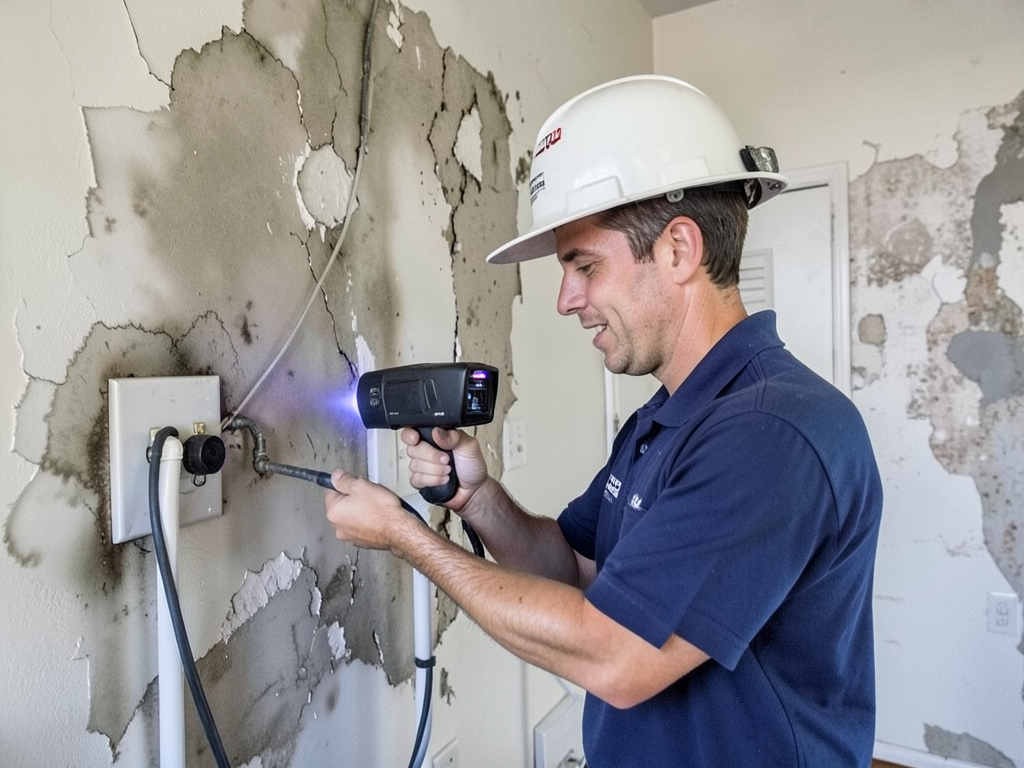
Professional restoration teams use specialized tools that go far beyond household equipment. Low-grain refrigerant dehumidifiers remove moisture 300 percent more efficiently than standard units. Thermal imaging cameras detect hidden water in walls and under floors. Moisture meters measure exact dryness levels to industry standards. HEPA air scrubbers filter mold spores from the air. Injectidry systems force dry air into wall cavities. These tools work together to dry your home in 3 to 5 days instead of weeks. Without them moisture stays trapped. That is why DIY cleanup often leads to recurring mold problems. Water Damage Restoration Norfolk.
When to call a professional immediately
Some water damage situations require professional help right away. Call a certified team if the water came from a storm flood or sewage backup. If the affected area is larger than 10 square feet get expert help. If you see water in your HVAC system or electrical panels stop and call for help. If anyone in your home has asthma allergies or immune issues do not risk DIY cleanup. Also if you notice a musty smell after a leak that means mold is already growing. In these cases waiting even one day can multiply the damage and cost.
How to avoid the DIY mold trap
The best way to avoid mold is to act fast and know your limits. For small clean water spills under 10 square feet you can try DIY if you act within 24 hours. Use a wet vac remove all visible water and run multiple fans and dehumidifiers for at least 48 hours. Check for dampness with a moisture meter if you have one. But if the water sat longer than a day came from a contaminated source or affected a large area call a professional. In Virginia Beach it is always safer to call Apex Water Damage Restoration at (757) 909-5033. We respond 24/7 and use IICRC-certified methods to protect your home.
Insurance and code compliance matters
Virginia Beach follows the Virginia Uniform Statewide Building Code which requires licensed professionals for certain types of water damage repair. Category 3 water damage must be handled by certified technicians. Your insurance policy likely has the same requirement. If you DIY and mold grows later your claim could be denied. Insurance adjusters look for documentation of professional drying and antimicrobial treatment. Without that proof they may call it neglect. That can leave you paying thousands in repairs. Certified companies provide the paperwork you need to protect your claim and your home value.
Cost comparison: DIY vs professional
The table below shows typical costs for a 500-square-foot water damage incident.
| Item | DIY Cost | Professional Cost |
|---|---|---|
| Equipment rental (3 days) | $300 | Included |
| Moisture testing | $0 | $150 |
| Antimicrobial treatment | $0 | $200 |
| Monitoring and documentation | $0 | $250 |
| Mold prevention | $0 | $300 |
| Total | $300 | $1 200 |
The DIY cost looks lower but it does not include the risk of mold growth or insurance denial. The professional cost covers everything needed to prevent those expensive problems.
Real risks of DIY water damage cleanup
Many DIY attempts fail because homeowners underestimate the problem. Water can travel through wall cavities and under flooring. A surface that feels dry may hold moisture inside. Without proper testing you cannot know for sure. Mold can grow behind walls where you never see it. By the time you notice the musty smell the colony is already established. In Virginia Beach our coastal storms often bring salt water which accelerates corrosion and mold growth. DIY cleanup cannot address these hidden hazards. That is why certified professionals use moisture meters thermal cameras and hygrometers to verify complete dryness.
Steps to take right now
If you have water damage act quickly but wisely. First stop the water source if possible. Then remove small items from the wet area. Do not use household vacuums on wet floors. Avoid touching electrical outlets or devices in wet areas. Open windows if weather permits. Set up fans but do not rely on them alone. Call Apex Water Damage Restoration at (757) 909-5033 for a professional assessment. We will test moisture levels document the damage and begin proper drying. Acting within the first 24 hours gives you the best chance to prevent mold and protect your home.
Why local expertise matters
Virginia Beach has unique challenges. Our high water table means basements and crawl spaces flood often. Hurricane season brings storm surge that can back up municipal drains. Our humid air slows natural drying. Local professionals understand these factors. They know which neighborhoods are prone to certain types of flooding. They follow Virginia Beach building codes and EPA mold remediation standards. They also work directly with local insurance companies. That means faster claims and better outcomes for you. When you call a local team you get more than equipment. You get experience with the exact conditions that affect your home.
Frequently Asked Questions
How long does it take for mold to grow after water damage?
Mold can begin growing within 24 to 48 hours in Virginia Beach’s humid climate. That is why fast professional drying is critical.
Can I use bleach to clean up water damage?
Bleach does not kill mold on porous surfaces and can actually feed mold growth. Professional antimicrobial treatments are required for effective mold prevention.
Will my insurance cover water damage?
Most policies cover sudden water damage if you use certified professionals. DIY cleanup can lead to denied claims especially if mold develops later.
What is the difference between drying and dehumidifying?
Drying removes surface moisture. Dehumidifying pulls moisture from the air and materials. Both are needed for complete water damage restoration.
How do I know if water is still in my walls?
Only moisture meters and thermal imaging can detect hidden water. If you see stains or smell musty odors water is likely still present.
Call now to protect your home
Water damage waits for no one. In Virginia Beach humidity mold can take hold in less than two days. Do not risk your health or your home value with DIY cleanup. Call Apex Water Damage Restoration at (757) 909-5033 for fast professional service. We are available 24/7 and use IICRC-certified methods to dry your home completely. Protect your investment and your family. Pick up the phone and call (757) 909-5033 before the next storm hits. For more information, visit FEMA flood information.
{
“@context”: “https://schema.org”,
“@type”: “BlogPosting”,
“headline”: “Why DIY water cleanup usually leads to mold and how to avoid that mistake”,
“description”: “Learn why DIY water cleanup often causes mold growth and how Virginia Beach humidity makes it worse. Get expert tips to protect your home.”,
“wordCount”: 1702,
“datePublished”: “2026-03-10T13:33:00.000Z”,
“dateModified”: “2026-03-10T13:33:00.000Z”,
“inLanguage”: “en-US”,
“mainEntityOfPage”: {
“@type”: “WebPage”,
“@id”: “https://apexwaterdamagerestorationvirginiabeach.com”
},
“publisher”: {
“@type”: “LocalBusiness”,
“name”: “Apex Water Damage Restoration Virginia Beach”,
“url”: “https://apexwaterdamagerestorationvirginiabeach.com”
},
“author”: {
“@type”: “Organization”,
“name”: “Apex Water Damage Restoration Virginia Beach”,
“url”: “https://apexwaterdamagerestorationvirginiabeach.com”
},
“image”: {
“@type”: “ImageObject”,
“url”: “https://apexwaterdamagerestorationvirginiabeach.com/wp-content/uploads/2026/03/why-diy-water-cleanup-usually-leads-to-mold-and-ho-1.png”
}
}
{
“@context”: “https://schema.org”,
“@type”: “LocalBusiness”,
“name”: “Apex Water Damage Restoration Virginia Beach”,
“url”: “https://apexwaterdamagerestorationvirginiabeach.com”,
“address”: {
“@type”: “PostalAddress”,
“addressLocality”: “Virginia Beach”
},
“areaServed”: {
“@type”: “City”,
“name”: “Virginia Beach”
}
}
{
“@context”: “https://schema.org”,
“@type”: “FAQPage”,
“mainEntity”: [
{
“@type”: “Question”,
“name”: “How long does it take for mold to grow after water damage?”,
“acceptedAnswer”: {
“@type”: “Answer”,
“text”: “Mold can begin growing within 24 to 48 hours in Virginia Beach’s humid climate. That is why fast professional drying is critical.”
}
},
{
“@type”: “Question”,
“name”: “Can I use bleach to clean up water damage?”,
“acceptedAnswer”: {
“@type”: “Answer”,
“text”: “Bleach does not kill mold on porous surfaces and can actually feed mold growth. Professional antimicrobial treatments are required for effective mold prevention.”
}
},
{
“@type”: “Question”,
“name”: “Will my insurance cover water damage?”,
“acceptedAnswer”: {
“@type”: “Answer”,
“text”: “Most policies cover sudden water damage if you use certified professionals. DIY cleanup can lead to denied claims especially if mold develops later.”
}
},
{
“@type”: “Question”,
“name”: “What is the difference between drying and dehumidifying?”,
“acceptedAnswer”: {
“@type”: “Answer”,
“text”: “Drying removes surface moisture. Dehumidifying pulls moisture from the air and materials. Both are needed for complete water damage restoration.”
}
}
]
}
{
“@context”: “https://schema.org”,
“@type”: “BreadcrumbList”,
“itemListElement”: [
{
“@type”: “ListItem”,
“position”: 1,
“name”: “Home”,
“item”: “https://apexwaterdamagerestorationvirginiabeach.com”
},
{
“@type”: “ListItem”,
“position”: 2,
“name”: “Blog”,
“item”: “https://apexwaterdamagerestorationvirginiabeach.com/blog”
},
{
“@type”: “ListItem”,
“position”: 3,
“name”: “Why DIY water cleanup usually leads to mold and how to avoid that mistake”
}
]
}
{
“@context”: “https://schema.org”,
“@type”: “Service”,
“serviceType”: “Water Damage Restoration”,
“provider”: {
“@type”: “LocalBusiness”,
“name”: “Apex Water Damage Restoration Virginia Beach”,
“url”: “https://apexwaterdamagerestorationvirginiabeach.com”
},
“areaServed”: {
“@type”: “City”,
“name”: “Virginia Beach”
},
“description”: “Learn why DIY water cleanup often causes mold growth and how Virginia Beach humidity makes it worse. Get expert tips to protect your home.”
}