Why acting fast stops secondary water damage from ruining your furniture
When water floods your Virginia Beach home, the clock starts ticking immediately. While the initial flood causes obvious damage, the real threat emerges in the hours and days that follow. Secondary water damage—the deterioration caused by moisture that remains after the initial event—can destroy your furniture, walls, and personal belongings if not addressed within the critical 24-48 hour window. Repairing Water Damage at Your Virginia Beach Oceanfront Property After a Storm.
Virginia Beach’s coastal climate creates unique challenges for water damage restoration. Our average humidity levels often exceed 70%, creating the perfect conditions for mold growth and material degradation. Understanding how secondary damage develops and why immediate action matters can save you thousands in replacement costs and protect your family’s health. What Virginia Beach Town Center Condo Owners Should Do After a Leak.
What makes secondary water damage so destructive in coastal Virginia
Secondary water damage occurs when moisture penetrates materials and creates conditions for deterioration long after the initial water event. Unlike primary damage—which happens during the flood itself—secondary damage develops through: Who to Call for Emergency Water Removal in Virginia Beach Right Now.
- Prolonged moisture exposure in hidden areas
- High humidity levels that prevent proper drying
- Microbial growth that begins within 24-48 hours
- Structural weakening of building materials
In Virginia Beach, our coastal location accelerates these processes. The combination of salt air, high humidity, and frequent storms creates an environment where secondary damage can progress twice as fast as in drier climates.. Read more about Maintaining healthy humidity levels in your Virginia Beach home during the humid summer months.
According to the IICRC S500 Standard for Professional Water Damage Restoration, materials must be dried to below 15% moisture content within 72 hours to prevent secondary damage. In our humid climate, achieving this target requires specialized equipment and techniques that go beyond basic water removal.. Read more about Why DIY water cleanup usually leads to mold and how to avoid that mistake.
The science behind moisture migration and hidden damage
Water doesn’t stay where it lands. Through capillary action and vapor pressure differentials, moisture migrates into materials you might not expect. Understanding this movement helps explain why secondary damage often appears in unexpected places.. Read more about Repairing damage from a backyard pool overflow in Broad Bay Point.
When water contacts a surface, it immediately begins to spread through: Immediate Steps for a Burst Pipe Repair in the Hilltop Neighborhood.
- Wicking into porous materials like drywall and wood
- Vapor migration through air spaces
- Gravity-driven flow to lower areas
- Hydrostatic pressure forcing moisture upward
This migration creates hidden moisture pockets that become breeding grounds for secondary damage. A small kitchen flood might leave moisture trapped behind cabinets, under flooring, or inside wall cavities where it continues to cause damage long after surface water is removed.. Read more about The hidden costs of ignoring minor water damage when trying to sell your Virginia Beach property.
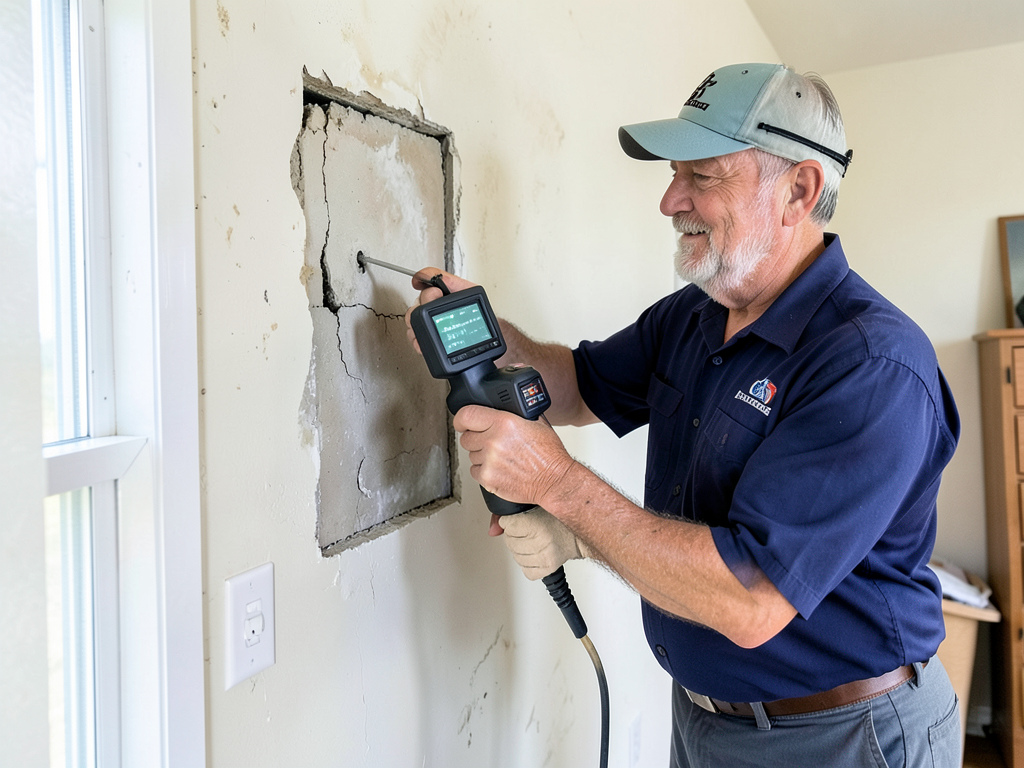
Professional moisture meters use penetrating probes to detect moisture levels deep within materials. These tools reveal what the eye cannot see—often showing moisture levels above 20% in materials that appear dry on the surface. At these levels, secondary damage accelerates rapidly.
5 immediate steps to prevent secondary water damage
Taking the right actions within the first few hours can dramatically reduce secondary damage. Here’s what to do immediately after discovering water damage in your Virginia Beach home:
- Stop the water source
Shut off the main water valve if the damage comes from a plumbing failure. For storm-related flooding, focus on preventing additional water entry by blocking doors and windows with towels or plastic sheeting.
- Extract standing water immediately
Use wet vacuums, mops, or towels to remove as much standing water as possible. The longer water sits, the more it migrates into materials and the harder it becomes to remove completely.
- Control indoor humidity
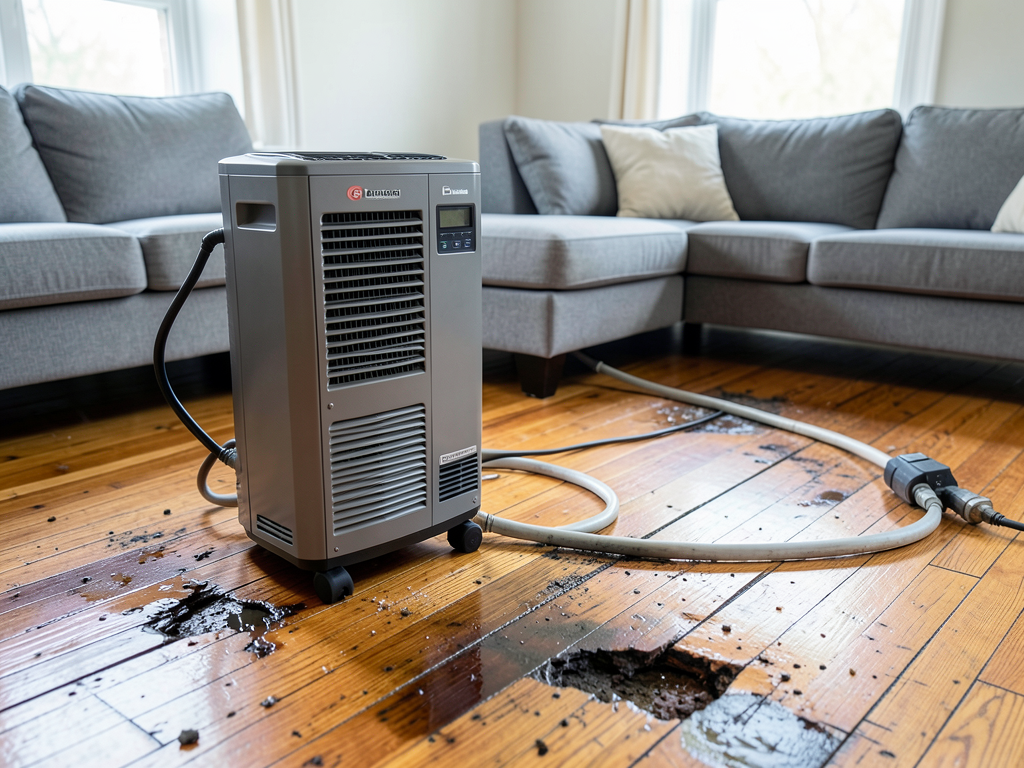
Set up dehumidifiers immediately. In Virginia Beach’s humid climate, standard dehumidifiers often struggle to achieve the low humidity levels needed for proper drying. Industrial-grade LGR (Low Grain Refrigerant) dehumidifiers can remove 2-3 times more moisture than residential units.
- Ventilate safely
Open windows only if outdoor humidity is lower than indoor levels. In Virginia Beach, this often means keeping windows closed even during nice weather, as outdoor humidity frequently exceeds 70%.
- Document everything
Take photos and videos of all damaged areas before moving anything. This documentation proves invaluable for insurance claims and helps restoration professionals assess the full scope of damage.
These steps create the foundation for preventing secondary damage, but they’re only the beginning. Professional restoration equipment and techniques are often necessary to achieve the rapid drying required in our coastal climate.
Why Virginia Beach humidity changes everything
Virginia Beach’s coastal location creates unique challenges for water damage restoration. Our proximity to the Atlantic Ocean means consistently high humidity levels, especially during summer months when dew points often exceed 70°F.
This high humidity creates several problems for water damage restoration:
- Moisture evaporates slowly from wet materials
- Air becomes saturated quickly, reducing evaporation rates
- Condensation forms on cool surfaces, adding moisture back into the environment
- Mold spores find ideal growing conditions within hours
Professional restoration companies use industrial-grade dehumidifiers that can achieve relative humidity levels below 40%, even in our humid climate. These machines remove 20-30 gallons of water from the air daily—far more than standard dehumidifiers.
Additionally, professional air movers create high-velocity airflow that accelerates evaporation. By directing air across wet surfaces at speeds of 500-1,500 cubic feet per minute, these machines can reduce drying times by 50-70% compared to natural evaporation.
Common types of secondary damage in coastal Virginia homes
Understanding what secondary damage looks like helps you recognize problems early. Here are the most common forms of secondary damage we see in Virginia Beach homes:
| Material Type | Secondary Damage Timeline | Warning Signs |
|---|---|---|
| Hardwood Flooring | 24-72 hours | Buckling, cupping, or crowning of boards |
| Engineered Wood | 12-48 hours | Delamination, swelling at edges |
| Carpet and Pad | 24-36 hours | Musty odors, visible staining, mold growth |
| Gypsum Board (Drywall) | 48-96 hours | Sagging, bubbling, soft spots |
| Insulation | 24-72 hours | Compression, loss of R-value, moisture retention |
| Electrical Systems | 24-48 hours | Corrosion on contacts, tripped breakers |
Each material responds differently to moisture exposure. Hardwood flooring, for example, can often be saved if dried within 24 hours using specialized floor drying systems. After 48 hours, however, boards typically warp permanently and require replacement.
Similarly, drywall that remains wet for more than 48-72 hours becomes structurally compromised and creates ideal conditions for mold growth behind wall cavities. The paper facing on drywall provides food for mold spores, while the gypsum core retains moisture like a sponge.
The hidden danger: microbial growth in Virginia Beach homes
Microbial growth represents one of the most serious forms of secondary damage. In Virginia Beach’s warm, humid climate, mold and bacteria can begin growing within 24-48 hours of water exposure.
Common indoor molds include:
- Stachybotrys chartarum (black mold) – thrives on cellulose materials
- Aspergillus – commonly found on building materials
- Penicillium – grows on wallpaper, fabrics, and insulation
- Cladosporium – prefers cooler areas like HVAC systems
These organisms don’t just cause cosmetic damage. Mold colonies release spores and mycotoxins that can trigger respiratory problems, allergic reactions, and other health issues. The EPA recommends removing mold growth exceeding 10 square feet and addressing moisture sources to prevent recurrence. EPA mold information.
Professional mold remediation follows strict protocols outlined in the IICRC S520 Standard. This includes containment of affected areas, use of HEPA filtration, and proper disposal of contaminated materials. Attempting DIY mold removal often spreads spores throughout the home, making the problem worse. Expert Mold Remediation for Vacation Rentals in Sandbridge.
When to call a certified restoration professional
While immediate DIY actions help, certain situations require professional intervention. Here’s when to call a certified water damage restoration company in Virginia Beach:
- Water has been present for more than 24 hours
- Affected area exceeds 100 square feet
- Water contains contaminants (sewage, chemicals, etc.)
- You notice musty odors developing
- Materials show signs of warping or deterioration
- Insurance coverage requires professional documentation
Professional restoration companies bring specialized equipment that most homeowners don’t possess:
- Industrial-grade dehumidifiers (LGR and desiccant types)
- High-velocity air movers and axial fans
- Moisture detection equipment (penetrating and non-penetrating meters)
- Thermal imaging cameras to find hidden moisture
- Hygrometers to monitor humidity levels
Additionally, certified technicians understand the science of psychrometrics—the study of air-vapor mixtures—which guides proper drying strategies. They can calculate the exact equipment needed based on the volume of affected space and the specific materials involved.
Most importantly, professionals document every step of the restoration process. This documentation proves invaluable for insurance claims and provides peace of mind that the job was completed properly.
The cost of waiting: why every hour matters
Delaying water damage response dramatically increases restoration costs. Here’s what happens during the critical first 72 hours:
| Time Elapsed | Damage Progression | Cost Impact |
|---|---|---|
| 0-24 hours | Initial absorption, surface staining | Baseline restoration costs |
| 24-48 hours | Microbial growth begins, materials swell | Costs increase 30-50% |
| 48-72 hours | Structural weakening, mold colonies establish | Costs double or triple |
| Beyond 72 hours | Irreversible damage, health hazards develop | Full replacement often required |
A small kitchen leak that might cost $1,500 to restore within 24 hours can escalate to $5,000-$8,000 if addressed after 72 hours. The difference often comes down to whether materials can be saved or must be replaced entirely.
Beyond financial costs, delayed response creates health risks. Mold spores become airborne and circulate through HVAC systems, potentially affecting family members with respiratory conditions or allergies. The longer exposure continues, the more difficult remediation becomes.
Protecting your Virginia Beach home from future water damage
While you can’t prevent all water damage, you can reduce your risk through proactive measures. Here are strategies specifically suited for Virginia Beach’s coastal environment:
- Install water leak detection systems that shut off supply lines automatically
- Maintain proper grading around your foundation to direct water away
- Clean gutters and downspouts regularly, especially before hurricane season
- Inspect plumbing fixtures and supply lines annually for signs of wear
- Consider whole-house dehumidification for consistently high humidity areas
- Seal windows and doors properly to prevent wind-driven rain intrusion
For homes in flood-prone areas, installing check valves on sewer lines can prevent backflow during heavy rains. Sump pumps with battery backup provide protection during power outages, which often accompany coastal storms.
Remember that Virginia Beach’s building codes require specific flood-resistant construction in designated zones. If you’re renovating or building, consult with professionals familiar with local requirements to ensure your home meets current standards.
Frequently Asked Questions
How quickly does mold grow after water damage?
Mold can begin growing within 24-48 hours of water exposure in Virginia Beach’s humid climate. The combination of moisture, warmth, and organic materials creates ideal conditions for rapid microbial growth.
Can I save my hardwood floors if they get wet?
Hardwood floors can often be saved if dried within 24-36 hours using specialized drying equipment. After 48 hours, boards typically warp permanently and may require replacement. Professional assessment is recommended to determine salvageability.
Should I open windows to help dry water damage?
In Virginia Beach, opening windows often makes secondary damage worse because outdoor humidity frequently exceeds 70%. Professional dehumidifiers achieve much lower humidity levels than outdoor air, making them more effective for drying.
How do I know if water got behind my walls?
Moisture meters and thermal imaging cameras can detect hidden moisture behind walls. Signs of hidden water damage include musty odors, bubbling paint, soft spots, or discoloration. Professional inspection is recommended if you suspect hidden moisture.
Will my insurance cover secondary water damage?
Most homeowners insurance policies cover sudden water damage but may exclude secondary damage if it results from neglect. Prompt response and professional documentation improve your chances of coverage. Review your policy or consult your insurance agent for specifics.
Take action now to protect your home and belongings
Secondary water damage can transform a manageable situation into a costly disaster within days. In Virginia Beach’s humid coastal climate, the window for effective intervention is shorter than many homeowners realize.
Don’t wait until you see visible signs of damage. If your home has experienced any water intrusion, immediate professional assessment can prevent thousands in unnecessary repairs and protect your family’s health.
Call (757) 909-5033 today to schedule your inspection. Our certified technicians are available 24/7 to respond to water damage emergencies throughout Virginia Beach and the surrounding Hampton Roads area. We’ll assess the damage, develop a restoration plan, and begin work immediately to prevent secondary damage from destroying your furniture and belongings.
Pick up the phone and call (757) 909-5033 before the next storm hits. Every hour counts when it comes to preventing secondary water damage in Virginia Beach’s challenging coastal environment. For more information, visit FEMA flood insurance information.
You may also find this helpful. Essential tips for Oceana military families dealing with unexpected pipe leaks while deployed.
{
“@context”: “https://schema.org”,
“@type”: “BlogPosting”,
“headline”: “Why acting fast stops secondary water damage from ruining your furniture”,
“description”: “Learn how Virginia Beach humidity accelerates secondary water damage and why immediate action prevents mold, rot, and costly repairs. Call (757) 909-5033 now.”,
“wordCount”: 2066,
“datePublished”: “2026-03-21T09:31:00.000Z”,
“dateModified”: “2026-03-21T09:31:00.000Z”,
“inLanguage”: “en-US”,
“mainEntityOfPage”: {
“@type”: “WebPage”,
“@id”: “https://apexwaterdamagerestorationvirginiabeach.com”
},
“publisher”: {
“@type”: “LocalBusiness”,
“name”: “Apex Water Damage Restoration Virginia Beach”,
“url”: “https://apexwaterdamagerestorationvirginiabeach.com”
},
“author”: {
“@type”: “Organization”,
“name”: “Apex Water Damage Restoration Virginia Beach”,
“url”: “https://apexwaterdamagerestorationvirginiabeach.com”
},
“image”: {
“@type”: “ImageObject”,
“url”: “https://apexwaterdamagerestorationvirginiabeach.com/wp-content/uploads/2026/03/why-acting-fast-stops-secondary-water-damage-from-1.png”
}
}
{
“@context”: “https://schema.org”,
“@type”: “LocalBusiness”,
“name”: “Apex Water Damage Restoration Virginia Beach”,
“url”: “https://apexwaterdamagerestorationvirginiabeach.com”,
“address”: {
“@type”: “PostalAddress”,
“addressLocality”: “Virginia Beach”
},
“areaServed”: {
“@type”: “City”,
“name”: “Virginia Beach”
}
}
{
“@context”: “https://schema.org”,
“@type”: “FAQPage”,
“mainEntity”: [
{
“@type”: “Question”,
“name”: “How quickly does mold grow after water damage?”,
“acceptedAnswer”: {
“@type”: “Answer”,
“text”: “Mold can begin growing within 24-48 hours of water exposure in Virginia Beach’s humid climate. The combination of moisture, warmth, and organic materials creates ideal conditions for rapid microbial growth.”
}
},
{
“@type”: “Question”,
“name”: “Can I save my hardwood floors if they get wet?”,
“acceptedAnswer”: {
“@type”: “Answer”,
“text”: “Hardwood floors can often be saved if dried within 24-36 hours using specialized drying equipment. After 48 hours, boards typically warp permanently and may require replacement. Professional assessment is recommended to determine salvageability.”
}
},
{
“@type”: “Question”,
“name”: “Should I open windows to help dry water damage?”,
“acceptedAnswer”: {
“@type”: “Answer”,
“text”: “In Virginia Beach, opening windows often makes secondary damage worse because outdoor humidity frequently exceeds 70%. Professional dehumidifiers achieve much lower humidity levels than outdoor air, making them more effective for drying.”
}
},
{
“@type”: “Question”,
“name”: “Will my insurance cover secondary water damage?”,
“acceptedAnswer”: {
“@type”: “Answer”,
“text”: “Most homeowners insurance policies cover sudden water damage but may exclude secondary damage if it results from neglect. Prompt response and professional documentation improve your chances of coverage. Review your policy or consult your insurance agent for specifics.”
}
}
]
}
{
“@context”: “https://schema.org”,
“@type”: “HowTo”,
“name”: “Prevent Secondary Water Damage”,
“step”: [
{
“@type”: “HowToStep”,
“position”: 1,
“name”: “Stop the water source”,
“text”: “Shut off the main water valve if the damage comes from a plumbing failure. For storm-related flooding, focus on preventing additional water entry by blocking doors and windows with towels or plastic sheeting.”
},
{
“@type”: “HowToStep”,
“position”: 2,
“name”: “Extract standing water immediately”,
“text”: “Use wet vacuums, mops, or towels to remove as much standing water as possible. The longer water sits, the more it migrates into materials and the harder it becomes to remove completely.”
},
{
“@type”: “HowToStep”,
“position”: 3,
“name”: “Control indoor humidity”,
“text”: “Set up dehumidifiers immediately. In Virginia Beach’s humid climate, standard dehumidifiers often struggle to achieve the low humidity levels needed for proper drying. Industrial-grade LGR (Low Grain Refrigerant) dehumidifiers can remove 2-3 times more moisture than residential units.”
},
{
“@type”: “HowToStep”,
“position”: 4,
“name”: “Ventilate safely”,
“text”: “Open windows only if outdoor humidity is lower than indoor levels. In Virginia Beach, this often means keeping windows closed even during nice weather, as outdoor humidity frequently exceeds 70%.”
},
{
“@type”: “HowToStep”,
“position”: 5,
“name”: “Document everything”,
“text”: “Take photos and videos of all damaged areas before moving anything. This documentation proves invaluable for insurance claims and helps restoration professionals assess the full scope of damage.”
}
],
“image”: “https://apexwaterdamagerestorationvirginiabeach.com/wp-content/uploads/2026/03/why-acting-fast-stops-secondary-water-damage-from-1.png”
}
{
“@context”: “https://schema.org”,
“@type”: “BreadcrumbList”,
“itemListElement”: [
{
“@type”: “ListItem”,
“position”: 1,
“name”: “Home”,
“item”: “https://apexwaterdamagerestorationvirginiabeach.com”
},
{
“@type”: “ListItem”,
“position”: 2,
“name”: “Blog”,
“item”: “https://apexwaterdamagerestorationvirginiabeach.com/blog”
},
{
“@type”: “ListItem”,
“position”: 3,
“name”: “Why acting fast stops secondary water damage from ruining your furniture”
}
]
}
{
“@context”: “https://schema.org”,
“@type”: “Service”,
“serviceType”: “Water Damage Restoration”,
“provider”: {
“@type”: “LocalBusiness”,
“name”: “Apex Water Damage Restoration Virginia Beach”,
“url”: “https://apexwaterdamagerestorationvirginiabeach.com”
},
“areaServed”: {
“@type”: “City”,
“name”: “Virginia Beach”
},
“description”: “Learn how Virginia Beach humidity accelerates secondary water damage and why immediate action prevents mold, rot, and costly repairs. Call (757) 909-5033 now.”
}