Is your HVAC system spreading mold through your Cape Henry home after a leak?
Water damage in your Cape Henry home creates the perfect storm for mold growth in your HVAC system. The humid coastal climate of Virginia Beach combined with the dark and damp environment inside air ducts and air handling units allows mold spores to multiply rapidly after any water intrusion. When your HVAC system turns on it can distribute these spores throughout every room turning a localized leak into a whole-house contamination problem. Virginia DPOR requirements.
Homeowners in the 23451 zip code area often discover this issue weeks after a storm surge or burst pipe when family members start experiencing increased allergy symptoms or a persistent musty odor. The salt air and high relative humidity in Cape Henry accelerate microbial growth on evaporator coils and inside ductwork making quick professional assessment critical.
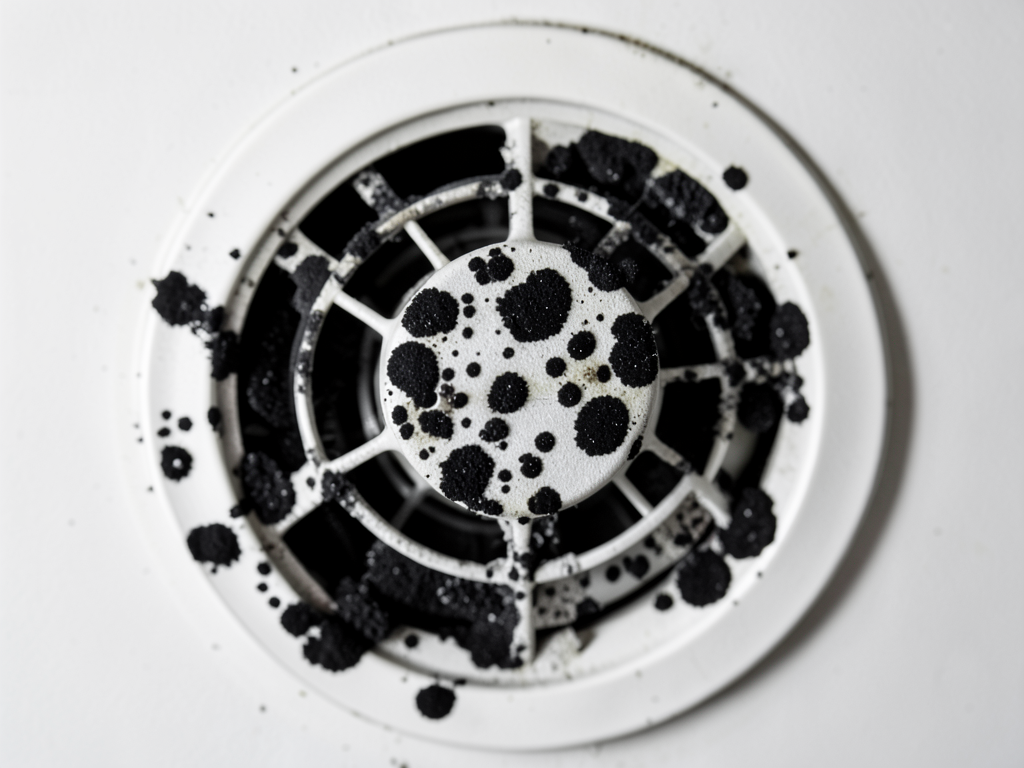
If you notice black or green spotting around vents a damp smell when the AC runs or worsening respiratory issues among residents your HVAC system may already be contaminated. The longer contaminated air circulates the more extensive the remediation becomes. Professional mold remediation following IICRC S520 standards is the only way to ensure your system is properly cleaned and your indoor air quality is restored. IICRC S520 standard.
Call (757) 909-5033 today to schedule your inspection before the next storm hits.
Signs of Mold Growth in Your AC and Ductwork
Identifying mold in your HVAC system requires knowing what to look for. Many Cape Henry homeowners mistake early warning signs for normal dust or seasonal allergies. The key is recognizing patterns that worsen when your system runs.
Visual Indicators: Check supply vents for black green or brown discoloration. Mold often appears as splotchy patterns rather than uniform dust. Look inside return air grilles where moisture accumulates. The evaporator coil inside your air handler should be clean and dry when not running.
Olfactory Clues: A musty earthy odor when the AC first starts is a classic indicator. This smell comes from microbial volatile organic compounds released by active mold colonies. The odor typically intensifies in humid conditions common to Virginia Beach summers.
Health Symptoms: Residents may experience increased sneezing coughing or itchy eyes that improve when away from home. Children and elderly family members often show symptoms first. These reactions occur because mold spores act as allergens and irritants when inhaled.
Performance Issues: Reduced cooling efficiency ice formation on coils or water pooling around the air handler suggests excess moisture problems that create ideal mold conditions. The psychrometric chart shows that Cape Henry’s average summer dew point stays above 65°F meaning your system constantly battles humidity.
Diagnostic Test: A simple screwdriver test involves removing a vent cover and examining the duct interior with a flashlight. Dark fuzzy growth indicates active contamination requiring professional assessment.
Comparison Table: Mold vs. Dust in HVAC Systems
| Characteristic | Mold Growth | Dust Accumulation |
|---|---|---|
| Color Pattern | Splotchy varied colors | Uniform gray/brown |
| Texture | Fuzzy raised surface | Flat powdery |
| Growth Pattern | Spreads over time | Static accumulation |
| Odor | Musty earthy | None specific |
| Health Impact | Allergic reactions possible | Minimal unless severe |
| Removal Method | Antimicrobial treatment required | Dusting/vacuuming sufficient |
Why Water Damage Leads to Rapid HVAC Contamination
The relationship between water damage and HVAC mold growth follows a predictable pattern. Understanding this process helps explain why Cape Henry homes face unique challenges due to their coastal location and construction patterns. Repairing Water Damage at Your Virginia Beach Oceanfront Property After a Storm.
The Perfect Breeding Environment: HVAC systems create ideal conditions for mold: consistent moisture temperatures between 77-86°F organic material for food sources and limited airflow in certain areas. When water from a leak contacts these components colonization can begin within 24-48 hours according to EPA guidelines.
Common Water Entry Points: Ceiling leaks allow water to drip onto supply plenums or insulation. Floodwater can enter through outdoor air intakes. Burst pipes within walls may saturate duct insulation. Even minor condensation from poor insulation becomes problematic in Cape Henry’s humid climate.
Material Vulnerabilities: Fiberglass duct liner absorbs water like a sponge creating hidden mold reservoirs. The porous nature of this material makes complete cleaning nearly impossible once contaminated. Some Cape Henry homes built in the 1970s-80s contain this problematic material.
System Design Factors: Ductwork in slab foundations or crawl spaces sits in naturally humid environments. Poor sealing allows moist outdoor air infiltration. The proximity to the Chesapeake Bay means salt air accelerates corrosion of metal components creating more surface irregularities where mold can anchor.
Climate Amplification: Virginia Beach’s average relative humidity exceeds 75% during summer months. This creates continuous moisture stress on HVAC components. The psychrometric chart shows that at 75% RH and 80°F the dew point reaches 71°F meaning condensation forms easily on cool surfaces.
Failure Pattern: Cape Henry’s low-lying geography in flood zones VE and AE means many homes sit near or below the water table. When storm surges push groundwater higher foundation drainage systems can fail allowing moisture to wick into HVAC components from below.
Step-by-Step Contamination Process:
- Initial Water Intrusion
Leak or flood introduces moisture to HVAC components.
- Surface Saturation
Water penetrates porous materials like insulation and duct liner. Who to Call for Emergency Water Removal in Virginia Beach Right Now.
- Temperature Stabilization
System maintains ideal growth temperatures.
- Spore Activation
Dormant spores begin germination within 24-48 hours.
- Colony Establishment
Mold networks form and expand across contaminated surfaces.
- Spore Production
Colonies release new spores into airflow.
- Distribution Phase
Running HVAC spreads contamination throughout home.
Health Risks: Why You Shouldn’t Run Your HVAC After a Leak
Operating a water-damaged HVAC system creates a dangerous feedback loop. The system becomes both the contamination source and the distribution mechanism potentially exposing your family to harmful mycotoxins and allergens. Water Damage Restoration Norfolk.
Cross-Contamination Mechanism: When you run your HVAC after water damage the blower motor creates negative pressure that pulls contaminants from affected areas into the return air stream. These contaminants then pass through the entire system depositing spores in previously clean areas.
Mycotoxin Production: Certain mold species common in Virginia Beach homes including Stachybotrys chartarum (black mold) produce mycotoxins as metabolic byproducts. These compounds can cause neurological symptoms respiratory distress and immune system suppression in sensitive individuals.
Air Quality Degradation: The EPA’s building air quality guidelines state that indoor spore counts should not exceed outdoor levels by more than 50%. A contaminated HVAC system can elevate indoor counts by 1000% or more creating unhealthy breathing conditions.
Vulnerable Populations: Children breathe more air per pound of body weight than adults. Elderly individuals and those with asthma or COPD face heightened risks. Cape Henry’s aging population means many homes contain residents particularly susceptible to mold-related health effects.
Chronic Exposure Effects: Long-term exposure to HVAC-distributed mold can cause persistent cough sinus infections fatigue and cognitive difficulties. These symptoms often improve when away from home a pattern that suggests building-related illness.
Professional Assessment Requirements: The IICRC S520 standard mandates that any HVAC system exposed to Category 3 water (floodwater sewage) requires complete evaluation before reuse. This standard recognizes that visual inspection cannot detect all contamination.
Containment Strategy: After water damage immediately shut off HVAC systems to prevent spore distribution. Seal vents with plastic sheeting if possible. This containment approach limits contamination spread while awaiting professional assessment.
Health Risk Comparison Table:
| Contamination Level | Immediate Actions Required | Health Risk Level | Professional Intervention Needed |
|---|---|---|---|
| Visible mold on vents | Stop HVAC operation | Moderate | Yes – within 24 hours |
| Musty odor present | Stop HVAC operation | Moderate | Yes – within 48 hours |
| Recent water damage | Stop HVAC operation | Low-Moderate | Yes – assessment needed |
| No visible signs | Monitor situation | Low | Not immediately |
The Professional Remediation Process for Virginia Beach Homes
Professional mold remediation in Cape Henry requires specialized knowledge of coastal building systems and compliance with Virginia Department of Professional and Occupational Regulation (DPOR) requirements for mold assessment and remediation. EPA mold guidelines.
Initial Assessment Protocol: Certified technicians wearing personal protective equipment conduct a comprehensive inspection using moisture meters thermal imaging cameras and air quality sampling devices. The assessment follows the IICRC S520 standard which requires documentation of affected areas moisture content readings and identification of the water source.
Containment Setup: Negative air pressure containment chambers prevent cross-contamination during remediation. HEPA-filtered air scrubbers create pressure differentials that keep contaminated air inside the work area. This approach follows EPA guidelines for mold remediation in occupied buildings.
Removal Procedures: Porous materials like contaminated insulation require removal and disposal. Non-porous surfaces undergo cleaning with EPA-registered antimicrobials specifically formulated for HVAC applications. The cleaning process includes agitation application of biocides and HEPA vacuuming to remove all visible and invisible contamination.
System-Specific Considerations: Cape Henry homes often feature heat pump systems with auxiliary electric heat strips. These components require different cleaning approaches than traditional gas furnaces. The coastal salt air means technicians must check for accelerated corrosion that creates additional surface irregularities.
Post-Remediation Verification: PRV involves visual inspection moisture readings and air sampling to confirm remediation success. The final report documents that spore counts have returned to normal background levels and that all affected materials meet dryness standards.
Local Code Compliance: Virginia Beach requires that mold remediation contractors hold specific licenses through DPOR. Work must comply with the Virginia Uniform Statewide Building Code (VUSBC) Chapter 4 requirements for indoor air quality and moisture control.
Equipment and Materials: Professional remediation uses commercial-grade HEPA vacuums negative air machines with at least 500 CFM capacity and EPA-registered antimicrobials containing quaternary ammonium compounds or hydrogen peroxide. These products must be appropriate for use in HVAC systems.
Step-by-Step Remediation Process:
- Safety Setup
Establish containment PPE requirements and air quality monitoring.
- Moisture Mapping
Identify all affected areas using thermal imaging and moisture meters.
- Material Assessment
Determine salvageable vs. non-salvageable components.
- Containment Installation
Set up negative air pressure and HEPA filtration.
- Contaminated Material Removal
Remove and dispose of non-salvageable items.
- Cleaning and Treatment
Apply antimicrobials and clean all surfaces.
- Rinse and Dry
Remove cleaning residues and ensure complete drying.
- Post-Remediation Testing
Verify air quality and moisture levels meet standards.
- System Restoration
Reassemble and test HVAC operation.
Preventing Future Growth in Coastal Virginia
Prevention strategies for Cape Henry homes must address the unique challenges of coastal living including high humidity salt air exposure and the area’s vulnerability to tropical weather systems.
Humidity Control: Maintain indoor relative humidity between 30-50% year-round. This range inhibits mold growth while remaining comfortable for occupants. Use dehumidifiers during Virginia Beach’s humid summer months when outdoor RH often exceeds 80%.
System Maintenance Schedule: Professional HVAC maintenance every six months catches problems before they escalate. Coastal homes need more frequent service due to salt air corrosion. Technicians should check condensate drain lines evaporator coils and drain pans for early signs of microbial growth.
Water Management: Ensure proper grading around your foundation to direct water away from the structure. Clean gutters and downspouts regularly especially after fall leaf drop and spring pollen season. Consider installing a sump pump if your home sits in a low-lying area.
Air Filtration Upgrade: Install MERV 11 or higher rated filters to capture smaller particles including mold spores. Replace filters every 30-60 days rather than the standard 90 days recommended for inland areas. The higher pollen counts in coastal Virginia mean filters clog faster.
UV Light Installation: Ultraviolet germicidal irradiation systems installed in the air handler kill mold spores and bacteria on coils and in the airstream. These systems are particularly effective in Cape Henry’s humid climate where microbial growth occurs rapidly.
Insulation and Sealing: Proper duct insulation prevents condensation on cool surfaces. Seal all joints with mastic sealant rather than duct tape which fails in humid conditions. Pay special attention to connections in unconditioned spaces like attics and crawl spaces.
Emergency Response Planning: Develop a water damage response plan that includes immediate HVAC shutdown procedures. Keep contact information for certified remediation professionals readily available. Time is critical when preventing mold establishment.
Building Envelope Integrity: Regular inspection of your home’s exterior prevents water intrusion. Check roof flashing window seals and foundation cracks. Cape Henry’s exposure to nor’easters means your home faces wind-driven rain that can exploit even small vulnerabilities.
Preventative Maintenance Checklist:
- Monthly filter inspection and replacement
- Bi-annual professional HVAC maintenance
- Annual duct inspection for leaks or damage
- Seasonal condensate drain cleaning
- Roof and gutter inspection twice yearly
- Foundation and grading check after heavy rains
- Humidity monitoring with hygrometer
Climate-Specific Recommendations: Cape Henry’s location in USDA hardiness zone 8b means mild winters but hot humid summers. This climate pattern requires year-round humidity control rather than seasonal adjustments used in more temperate regions.
Frequently Asked Questions
How quickly does mold grow in HVAC systems after water damage?
Mold can begin growing within 24-48 hours after water exposure in HVAC systems. The dark warm and moist environment inside air handlers and ducts provides ideal conditions for rapid colonization. Early intervention is critical to prevent widespread contamination.
Can I clean mold from my HVAC system myself?
DIY cleaning is not recommended for HVAC mold remediation. Professional equipment and EPA-registered antimicrobials are required to properly clean all system components. Incomplete cleaning can actually spread contamination further through your home when the system operates. Expert Mold Remediation for Vacation Rentals in Sandbridge.
How much does professional HVAC mold remediation cost in Virginia Beach?
Costs vary based on system size and contamination extent typically ranging from $2000 to $6000 for complete remediation. Factors affecting price include accessibility of components extent of contamination and whether insulation or duct liner requires replacement.
Will my homeowners insurance cover HVAC mold remediation?
Coverage depends on your policy and the water damage source. Sudden accidental water damage from covered perils typically includes mold remediation. However gradual leaks or flooding from external sources may require separate flood insurance coverage.
How long does the remediation process take?
Most residential HVAC mold remediation projects require 2-4 days to complete. This includes assessment containment setup cleaning drying time and post-remediation verification. Larger commercial systems or severe contamination may require additional time.
What certifications should I look for in a remediation company?
Look for IICRC certification in mold remediation (AMRT) and NADCA certification for air system cleaning. The company should also hold a Virginia DPOR license for mold assessment and remediation services. What Virginia Beach Town Center Condo Owners Should Do After a Leak.
How can I tell if mold has spread beyond my HVAC system?
Signs of whole-house contamination include persistent musty odors throughout the home visible mold growth on walls or ceilings and health symptoms that improve when away from home. Professional air quality testing can confirm whether contamination has spread beyond the HVAC system.
Is black mold more dangerous than other types?
While Stachybotrys chartarum (black mold) produces mycotoxins all active mold growth poses health risks. The color alone doesn’t determine danger level. Any visible mold growth in your HVAC system requires professional assessment and remediation.
Call (757) 909-5033 today to schedule your inspection before the next storm hits. Don’t let a small leak turn into a whole-house mold problem.
Pick up the phone and call (757) 909-5033 before the next storm hits. Your family’s health and your home’s air quality depend on quick professional action when water meets your HVAC system.
You may also find this helpful. Why your crawl space vents might be making your humidity problems worse in the summer.
{
“@context”: “https://schema.org”,
“@type”: “BlogPosting”,
“headline”: “Is your HVAC system spreading mold through your Cape Henry home after a leak?”,
“description”: “Water damage in Cape Henry homes can cause mold to spread through HVAC systems. Learn the signs, health risks, and professional solutions. Call (757) 909-5033.”,
“wordCount”: 2522,
“datePublished”: “2026-04-02T08:04:00.000Z”,
“dateModified”: “2026-04-02T08:04:00.000Z”,
“inLanguage”: “en-US”,
“mainEntityOfPage”: {
“@type”: “WebPage”,
“@id”: “https://apexwaterdamagerestorationvirginiabeach.com”
},
“publisher”: {
“@type”: “LocalBusiness”,
“name”: “Apex Water Damage Restoration Virginia Beach”,
“url”: “https://apexwaterdamagerestorationvirginiabeach.com”
},
“author”: {
“@type”: “Organization”,
“name”: “Apex Water Damage Restoration Virginia Beach”,
“url”: “https://apexwaterdamagerestorationvirginiabeach.com”
},
“image”: {
“@type”: “ImageObject”,
“url”: “https://apexwaterdamagerestorationvirginiabeach.com/wp-content/uploads/2026/03/is-your-hvac-system-spreading-mold-through-your-ca-1.png”
}
}
{
“@context”: “https://schema.org”,
“@type”: “LocalBusiness”,
“name”: “Apex Water Damage Restoration Virginia Beach”,
“url”: “https://apexwaterdamagerestorationvirginiabeach.com”,
“address”: {
“@type”: “PostalAddress”,
“addressLocality”: “Virginia Beach”
},
“areaServed”: {
“@type”: “City”,
“name”: “Virginia Beach”
}
}
{
“@context”: “https://schema.org”,
“@type”: “FAQPage”,
“mainEntity”: [
{
“@type”: “Question”,
“name”: “How quickly does mold grow in HVAC systems after water damage?”,
“acceptedAnswer”: {
“@type”: “Answer”,
“text”: “Mold can begin growing within 24-48 hours after water exposure in HVAC systems. The dark warm and moist environment inside air handlers and ducts provides ideal conditions for rapid colonization. Early intervention is critical to prevent widespread contamination.”
}
},
{
“@type”: “Question”,
“name”: “Can I clean mold from my HVAC system myself?”,
“acceptedAnswer”: {
“@type”: “Answer”,
“text”: “DIY cleaning is not recommended for HVAC mold remediation. Professional equipment and EPA-registered antimicrobials are required to properly clean all system components. Incomplete cleaning can actually spread contamination further through your home when the system operates. Expert Mold Remediation for Vacation Rentals in Sandbridge.”
}
},
{
“@type”: “Question”,
“name”: “How much does professional HVAC mold remediation cost in Virginia Beach?”,
“acceptedAnswer”: {
“@type”: “Answer”,
“text”: “Costs vary based on system size and contamination extent typically ranging from $2000 to $6000 for complete remediation. Factors affecting price include accessibility of components extent of contamination and whether insulation or duct liner requires replacement.”
}
},
{
“@type”: “Question”,
“name”: “Will my homeowners insurance cover HVAC mold remediation?”,
“acceptedAnswer”: {
“@type”: “Answer”,
“text”: “Coverage depends on your policy and the water damage source. Sudden accidental water damage from covered perils typically includes mold remediation. However gradual leaks or flooding from external sources may require separate flood insurance coverage.”
}
},
{
“@type”: “Question”,
“name”: “How long does the remediation process take?”,
“acceptedAnswer”: {
“@type”: “Answer”,
“text”: “Most residential HVAC mold remediation projects require 2-4 days to complete. This includes assessment containment setup cleaning drying time and post-remediation verification. Larger commercial systems or severe contamination may require additional time.”
}
},
{
“@type”: “Question”,
“name”: “What certifications should I look for in a remediation company?”,
“acceptedAnswer”: {
“@type”: “Answer”,
“text”: “Look for IICRC certification in mold remediation (AMRT) and NADCA certification for air system cleaning. The company should also hold a Virginia DPOR license for mold assessment and remediation services. What Virginia Beach Town Center Condo Owners Should Do After a Leak.”
}
},
{
“@type”: “Question”,
“name”: “How can I tell if mold has spread beyond my HVAC system?”,
“acceptedAnswer”: {
“@type”: “Answer”,
“text”: “Signs of whole-house contamination include persistent musty odors throughout the home visible mold growth on walls or ceilings and health symptoms that improve when away from home. Professional air quality testing can confirm whether contamination has spread beyond the HVAC system.”
}
},
{
“@type”: “Question”,
“name”: “Is black mold more dangerous than other types?”,
“acceptedAnswer”: {
“@type”: “Answer”,
“text”: “While Stachybotrys chartarum (black mold) produces mycotoxins all active mold growth poses health risks. The color alone doesn’t determine danger level. Any visible mold growth in your HVAC system requires professional assessment and remediation.”
}
}
]
}
{
“@context”: “https://schema.org”,
“@type”: “HowTo”,
“name”: “How Water Damage Leads to HVAC Mold”,
“step”: [
{
“@type”: “HowToStep”,
“position”: 1,
“name”: “Initial Water Intrusion”,
“text”: “Leak or flood introduces moisture to HVAC components.”
},
{
“@type”: “HowToStep”,
“position”: 2,
“name”: “Surface Saturation”,
“text”: “Water penetrates porous materials like insulation and duct liner. Who to Call for Emergency Water Removal in Virginia Beach Right Now.”
},
{
“@type”: “HowToStep”,
“position”: 3,
“name”: “Temperature Stabilization”,
“text”: “System maintains ideal growth temperatures.”
},
{
“@type”: “HowToStep”,
“position”: 4,
“name”: “Spore Activation”,
“text”: “Dormant spores begin germination within 24-48 hours.”
},
{
“@type”: “HowToStep”,
“position”: 5,
“name”: “Colony Establishment”,
“text”: “Mold networks form and expand across contaminated surfaces.”
},
{
“@type”: “HowToStep”,
“position”: 6,
“name”: “Spore Production”,
“text”: “Colonies release new spores into airflow.”
},
{
“@type”: “HowToStep”,
“position”: 7,
“name”: “Distribution Phase”,
“text”: “Running HVAC spreads contamination throughout home.”
}
],
“image”: “https://apexwaterdamagerestorationvirginiabeach.com/wp-content/uploads/2026/03/is-your-hvac-system-spreading-mold-through-your-ca-1.png”
}
{
“@context”: “https://schema.org”,
“@type”: “BreadcrumbList”,
“itemListElement”: [
{
“@type”: “ListItem”,
“position”: 1,
“name”: “Home”,
“item”: “https://apexwaterdamagerestorationvirginiabeach.com”
},
{
“@type”: “ListItem”,
“position”: 2,
“name”: “Blog”,
“item”: “https://apexwaterdamagerestorationvirginiabeach.com/blog”
},
{
“@type”: “ListItem”,
“position”: 3,
“name”: “Is your HVAC system spreading mold through your Cape Henry home after a leak?”
}
]
}
{
“@context”: “https://schema.org”,
“@type”: “Service”,
“serviceType”: “Water Damage Restoration”,
“provider”: {
“@type”: “LocalBusiness”,
“name”: “Apex Water Damage Restoration Virginia Beach”,
“url”: “https://apexwaterdamagerestorationvirginiabeach.com”
},
“areaServed”: {
“@type”: “City”,
“name”: “Virginia Beach”
},
“description”: “Water damage in Cape Henry homes can cause mold to spread through HVAC systems. Learn the signs, health risks, and professional solutions. Call (757) 909-5033.”
}