
Why your crawl space vents might be making your humidity problems worse in the summer
The musty smell under your house isn’t just unpleasant—it’s a warning sign that your crawl space vents might be doing more harm than good during Virginia Beach summers. While building codes once mandated vents to “air out” crawl spaces, modern science shows they often create perfect conditions for moisture damage, mold growth, and structural decay in our coastal climate. What Virginia Beach Town Center Condo Owners Should Do After a Leak.
Here’s the counterintuitive truth: when outside air is hotter and more humid than your crawl space, those vents pull in moisture-laden air that condenses on cooler surfaces. The result? Damp insulation, rotting wood, and rising energy bills—exactly what the vents were supposed to prevent.
How coastal Virginia Beach humidity turns your vents against you
Virginia Beach experiences average summer humidity levels between 70-85%, with dew points often exceeding 70°F. When this warm, moisture-rich air enters your cooler crawl space through vents, it hits surfaces at or below the dew point—creating condensation exactly like water droplets on a cold glass. Repairing Water Damage at Your Virginia Beach Oceanfront Property After a Storm.
The stack effect compounds this problem. As your air-conditioned home pulls cool air upward, it creates negative pressure that draws humid outside air through crawl space vents. This continuous cycle can raise crawl space humidity above 80%, well past the 55-60% threshold where mold begins to thrive.
Local building inspectors in Virginia Beach have documented that homes in flood zones like Pungo and Sandbridge experience accelerated moisture damage when vents remain open during summer months. The combination of high water tables and humid air creates a perfect storm for crawl space deterioration. Who to Call for Emergency Water Removal in Virginia Beach Right Now.
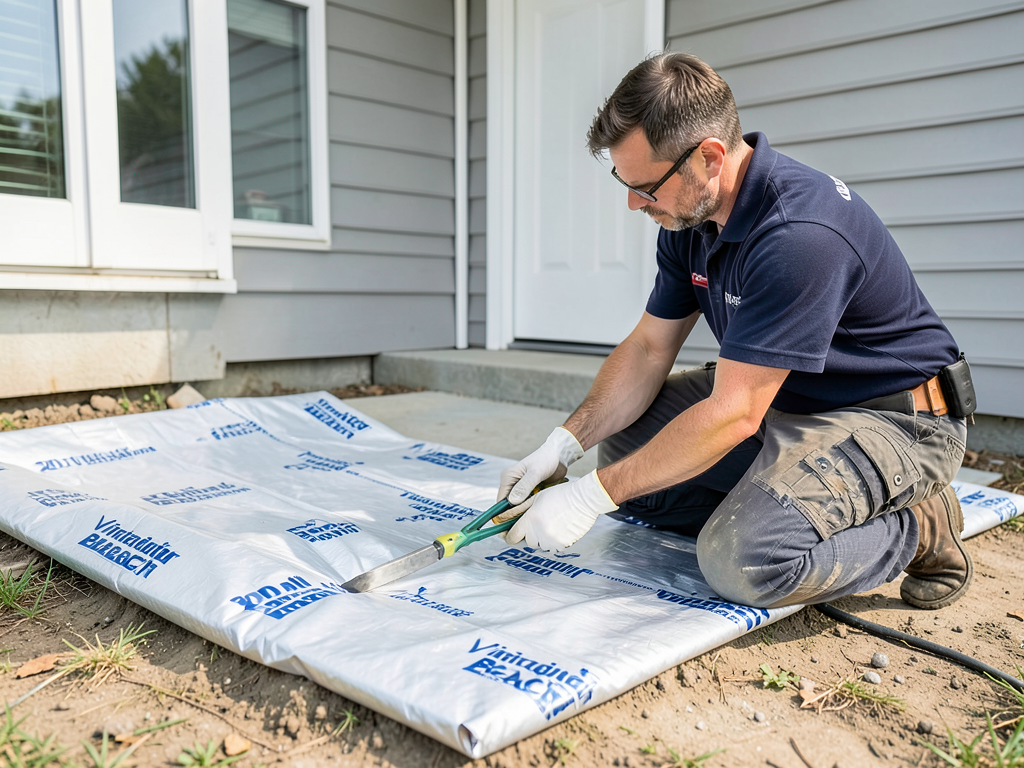
Diagram showing how hot humid air enters crawl space vents and condenses on cooler surfaces, creating moisture problems.
Five signs your crawl space vents are causing damage
Before you dismiss that musty smell as “just how crawl spaces are,” look for these warning signs that indicate your vents are creating more problems than they solve:
- Cupping hardwood floors – Moisture rising through your home’s structure causes wood to warp and cup, especially noticeable in summer months
- Damp or falling insulation – Fiberglass insulation absorbs moisture like a sponge, becoming heavy and eventually collapsing
- Musty odors throughout your home – Those smells are mold and mildew spores circulating through your living space
- Increased cooling costs – Your HVAC system works harder to combat the humidity entering through the crawl space
- Visible condensation on pipes or ductwork – Water droplets forming on cold surfaces indicate humidity levels are dangerously high
Homeowners in Virginia Beach’s Hilltop and Great Neck areas report these symptoms most frequently, particularly in homes built before 2010 when building codes began acknowledging the problems with traditional venting.. Read more about What Seatack homeowners should know about water damage in older or historic houses.
The science behind crawl space encapsulation for Virginia’s climate
Modern crawl space management follows the principle of “conditioning” rather than “venting.” This approach, recommended by the EPA and supported by building science research, involves sealing vents and creating a controlled environment. EPA mold information.
The process begins with a 20-mil vapor barrier—nearly twice as thick as standard 10-12 mil barriers—installed across the entire crawl space floor and extending up foundation walls. This heavy-duty polyethylene resists tears from foot traffic and provides a true moisture barrier against Virginia’s high water table. Water Damage Restoration Norfolk.
Next, foundation vents are sealed using airtight covers or foam board insulation. This prevents the influx of humid outside air while maintaining the ability to open vents if needed during extreme weather events.. Read more about Using a dehumidifier vs professional structural drying in a humid climate like Virginia Beach.
Industrial-grade dehumidifiers then maintain relative humidity between 45-55%. Unlike residential units, these commercial systems can handle the continuous moisture load in Virginia Beach’s coastal environment and include condensate pumps to remove collected water automatically.
Finally, a dedicated sump pump system with battery backup protects against groundwater intrusion—critical in areas like Chic’s Beach where the water table can rise significantly during storm events.
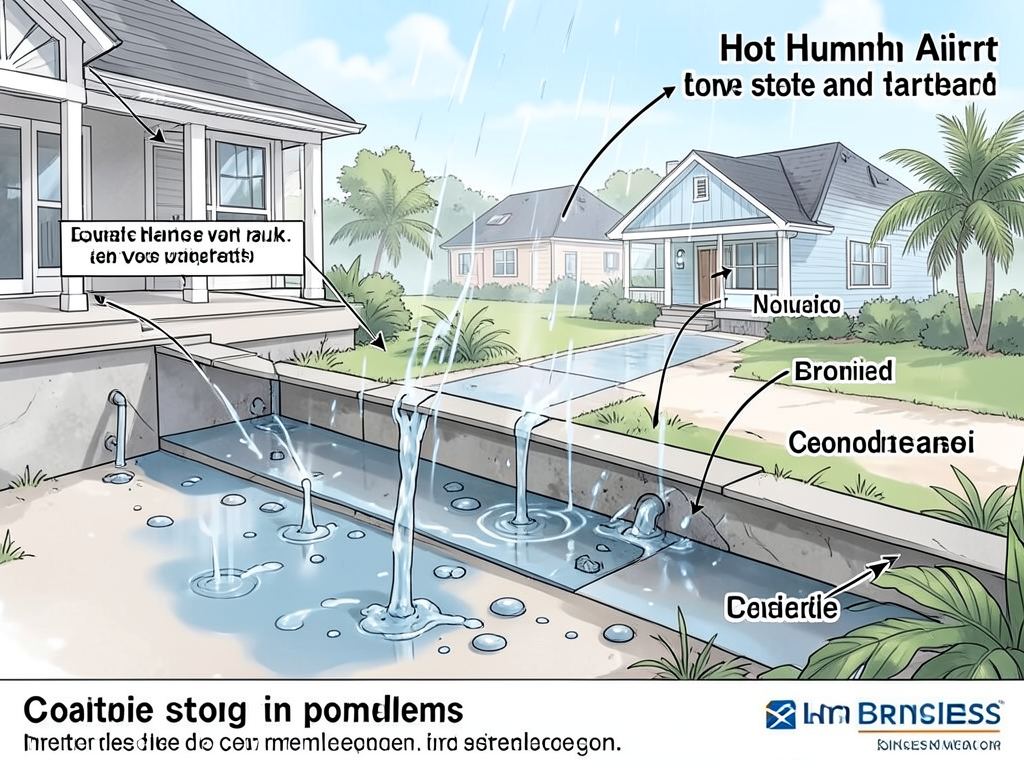
Photo showing sealed crawl space vents with vapor barrier installation in progress, demonstrating proper encapsulation technique.
Why restoration expertise matters for crawl space moisture problems
Standard insulation contractors often miss the critical restoration elements that water damage specialists provide. When humidity has already caused damage, you need more than just a vapor barrier—you need comprehensive remediation. Expert Mold Remediation for Vacation Rentals in Sandbridge.
Professional water damage restoration technicians follow IICRC S500 standards for structural drying, ensuring all affected materials are properly treated or removed. This includes antimicrobial treatments for existing mold growth, which can spread rapidly in Virginia Beach’s warm, humid conditions.
Restoration specialists also understand the importance of proper drainage and grading around your foundation. They’ll identify and correct issues like negative slope toward your home or clogged downspouts that contribute to crawl space moisture problems.
Most importantly, restoration professionals carry the certifications and insurance required to handle mold remediation safely. The Virginia Department of Professional and Occupational Regulation requires specific licensing for mold assessment and remediation, ensuring work meets state health and safety standards.
Virginia Beach case study: From musty to moisture-free
A recent project in the Great Neck area demonstrates the transformation possible with professional crawl space management. The 1,800 square foot home had persistent humidity issues, with readings consistently above 75% despite multiple attempts at DIY solutions.
Initial assessment revealed extensive mold growth on floor joists, falling insulation, and condensation on HVAC ducts. The homeowner reported musty odors year-round and had replaced hardwood floors twice due to warping.
After professional encapsulation—including 20-mil vapor barrier installation, vent sealing, dehumidifier setup, and mold remediation—humidity levels stabilized at 52%. The musty odors disappeared within 48 hours, and the homeowner reported a 15% reduction in cooling costs within the first month.
Most significantly, follow-up inspections six months later showed no signs of moisture damage or mold regrowth, proving the effectiveness of the comprehensive approach versus temporary fixes.
Building code considerations for Virginia Beach crawl spaces
The Virginia Uniform Statewide Building Code (VUSBC) has evolved significantly regarding crawl space requirements. Section 1203.4 now allows sealed crawl spaces as an alternative to vented designs, provided specific conditions are met.
Key requirements include mechanical drying capacity, proper vapor barrier installation, and either conditioned air supply or independent exhaust. Local jurisdictions like Virginia Beach may have additional requirements, particularly in flood zones where FEMA regulations intersect with building codes. FEMA flood zone information.
Homeowners in designated AE flood zones must also consider FEMA requirements for crawl space construction. While encapsulation is generally permitted, specific details about flood vents and breakaway walls may apply depending on your home’s elevation and flood zone designation.
Insurance considerations also come into play. Some policies may require documentation of proper crawl space management to maintain coverage for water damage claims. Restoration companies familiar with local requirements can help ensure your improvements meet all necessary standards.
Comparing vented vs. sealed crawl space performance
| Factor | Vented Crawl Space | Sealed Crawl Space |
|---|---|---|
| Summer Humidity | Often exceeds 70-80% | Controlled at 45-55% |
| Energy Costs | Higher cooling costs | 15-20% reduction typical |
| Mold Risk | High in summer months | Minimal with proper dehumidification |
| Structural Protection | Wood rot common | Preserved wood integrity |
| Indoor Air Quality | Musty odors common | Fresh, clean air |
| Maintenance Needs | Annual inspections required | Semi-annual checks sufficient |
Steps to solve your crawl space humidity problems
- Professional Inspection
Schedule a comprehensive assessment to identify moisture sources, existing damage, and appropriate solutions. Look for companies with IICRC certifications and Virginia licensing.
- Moisture Mapping
Technicians use moisture meters and thermal imaging to identify problem areas and determine the extent of damage to wood, insulation, and other materials.
- Damage Remediation
Remove damaged insulation, treat mold growth with EPA-registered antimicrobials, and repair any structural issues before encapsulation begins.
- Encapsulation Installation
Install 20-mil vapor barrier, seal vents, set up commercial dehumidifier with condensate pump, and ensure proper drainage systems are in place.
- Monitoring and Maintenance
Install humidity monitors and schedule follow-up inspections to ensure the system maintains optimal conditions year-round.
Local considerations for Virginia Beach homeowners
Virginia Beach’s unique coastal environment creates specific challenges for crawl space management. The proximity to the Atlantic Ocean means salt air can accelerate corrosion of metal components, requiring stainless steel or coated fasteners and equipment rated for coastal conditions.
Additionally, the region’s hurricane season (June through November) requires special consideration for encapsulation systems. While sealed crawl spaces generally perform better during storms, proper drainage and sump pump systems become critical when heavy rainfall coincides with high tides.
Homeowners in areas like Sandbridge and Pungo should be particularly aware of the high water table’s impact on crawl space moisture. These areas may require more robust sump pump systems or even interior French drains as part of the encapsulation solution.
The age of your home also matters. Houses built before the 1980s often have different foundation construction that may require specialized approaches to sealing and moisture management. Restoration professionals familiar with Virginia Beach’s housing stock can identify these nuances during the initial assessment.
Photo of a technician using a moisture meter to test wood moisture content in a crawl space, demonstrating diagnostic testing.
Frequently Asked Questions
Will sealing my crawl space vents void my home warranty?
No, properly executed crawl space encapsulation typically won’t void warranties. In fact, many modern building practices now recommend sealing vents. However, always check with your builder or warranty provider for specific requirements.
How long does crawl space encapsulation take?
Most residential projects take 2-4 days, depending on the size of your crawl space and the extent of any damage that needs remediation. The actual encapsulation process typically takes 1-2 days, with additional time needed for mold treatment or structural repairs.
What’s the cost difference between vented and sealed crawl spaces?
While initial costs for encapsulation are higher (typically $5,000-$10,000 for an average home), sealed crawl spaces often pay for themselves through energy savings, prevented damage, and improved home value within 3-5 years.
Can I DIY crawl space encapsulation?
While DIY kits exist, professional installation is strongly recommended. Proper mold remediation, moisture assessment, and equipment selection require specialized knowledge and tools that most homeowners don’t possess.
Will a sealed crawl space affect my home’s resale value?
Yes, positively. Sealed crawl spaces are increasingly viewed as a premium feature, particularly in humid climates. They provide documented energy savings and eliminate moisture-related problems that often concern home buyers.
Take control of your crawl space moisture today
Don’t let another Virginia Beach summer make your crawl space humidity problems worse. The combination of high humidity, salt air, and occasional storm surges creates conditions where traditional venting simply cannot keep up.
Professional crawl space encapsulation provides a permanent solution backed by building science and local building codes. It’s not just about eliminating musty odors—it’s about protecting your home’s structural integrity, improving indoor air quality, and reducing energy costs.. Read more about Keeping your Foxfire home dry by improving your exterior drainage and gutters.
The longer you wait, the more damage moisture can cause to your home’s foundation, insulation, and air quality. Schedule your professional crawl space assessment today and discover how modern solutions can transform that damp, musty space into a clean, dry environment that actually protects your home.
Call (757) 909-5033 today to schedule your inspection. Our certified technicians will assess your specific situation and provide a detailed plan to eliminate crawl space humidity problems for good. Don’t wait until the next storm or humid spell makes the problem worse—take action now and protect your Virginia Beach home from moisture damage.
Remember: what worked for crawl spaces in the 1970s doesn’t work in Virginia Beach’s coastal climate of 2026. Modern science and building practices have proven that sealed, conditioned crawl spaces outperform traditional vented designs in our unique environment. Make the switch and experience the difference for yourself.
{
“@context”: “https://schema.org”,
“@type”: “BlogPosting”,
“headline”: “Why your crawl space vents might be making your humidity problems worse in the summer”,
“description”: “Discover why crawl space vents can increase humidity in Virginia Beach homes. Learn the science behind condensation, moisture damage, and professional solutions.”,
“wordCount”: 1953,
“datePublished”: “2026-04-07T09:28:00.000Z”,
“dateModified”: “2026-04-07T09:28:00.000Z”,
“inLanguage”: “en-US”,
“mainEntityOfPage”: {
“@type”: “WebPage”,
“@id”: “https://apexwaterdamagerestorationvirginiabeach.com”
},
“publisher”: {
“@type”: “LocalBusiness”,
“name”: “Apex Water Damage Restoration Virginia Beach”,
“url”: “https://apexwaterdamagerestorationvirginiabeach.com”
},
“author”: {
“@type”: “Organization”,
“name”: “Apex Water Damage Restoration Virginia Beach”,
“url”: “https://apexwaterdamagerestorationvirginiabeach.com”
},
“image”: {
“@type”: “ImageObject”,
“url”: “https://apexwaterdamagerestorationvirginiabeach.com/wp-content/uploads/2026/03/why-your-crawl-space-vents-might-be-making-your-hu-1.png”
}
}
{
“@context”: “https://schema.org”,
“@type”: “LocalBusiness”,
“name”: “Apex Water Damage Restoration Virginia Beach”,
“url”: “https://apexwaterdamagerestorationvirginiabeach.com”,
“address”: {
“@type”: “PostalAddress”,
“addressLocality”: “Virginia Beach”
},
“areaServed”: {
“@type”: “City”,
“name”: “Virginia Beach”
}
}
{
“@context”: “https://schema.org”,
“@type”: “FAQPage”,
“mainEntity”: [
{
“@type”: “Question”,
“name”: “Will sealing my crawl space vents void my home warranty?”,
“acceptedAnswer”: {
“@type”: “Answer”,
“text”: “No, properly executed crawl space encapsulation typically won’t void warranties. In fact, many modern building practices now recommend sealing vents. However, always check with your builder or warranty provider for specific requirements.”
}
},
{
“@type”: “Question”,
“name”: “How long does crawl space encapsulation take?”,
“acceptedAnswer”: {
“@type”: “Answer”,
“text”: “Most residential projects take 2-4 days, depending on the size of your crawl space and the extent of any damage that needs remediation. The actual encapsulation process typically takes 1-2 days, with additional time needed for mold treatment or structural repairs.”
}
},
{
“@type”: “Question”,
“name”: “What’s the cost difference between vented and sealed crawl spaces?”,
“acceptedAnswer”: {
“@type”: “Answer”,
“text”: “While initial costs for encapsulation are higher (typically $5,000-$10,000 for an average home), sealed crawl spaces often pay for themselves through energy savings, prevented damage, and improved home value within 3-5 years.”
}
},
{
“@type”: “Question”,
“name”: “Can I DIY crawl space encapsulation?”,
“acceptedAnswer”: {
“@type”: “Answer”,
“text”: “While DIY kits exist, professional installation is strongly recommended. Proper mold remediation, moisture assessment, and equipment selection require specialized knowledge and tools that most homeowners don’t possess.”
}
},
{
“@type”: “Question”,
“name”: “Will a sealed crawl space affect my home’s resale value?”,
“acceptedAnswer”: {
“@type”: “Answer”,
“text”: “Yes, positively. Sealed crawl spaces are increasingly viewed as a premium feature, particularly in humid climates. They provide documented energy savings and eliminate moisture-related problems that often concern home buyers.”
}
}
]
}
{
“@context”: “https://schema.org”,
“@type”: “HowTo”,
“name”: “How to fix crawl space humidity”,
“step”: [
{
“@type”: “HowToStep”,
“position”: 1,
“name”: “Professional Inspection”,
“text”: “Schedule a comprehensive assessment to identify moisture sources, existing damage, and appropriate solutions. Look for companies with IICRC certifications and Virginia licensing.”
},
{
“@type”: “HowToStep”,
“position”: 2,
“name”: “Moisture Mapping”,
“text”: “Technicians use moisture meters and thermal imaging to identify problem areas and determine the extent of damage to wood, insulation, and other materials.”
},
{
“@type”: “HowToStep”,
“position”: 3,
“name”: “Damage Remediation”,
“text”: “Remove damaged insulation, treat mold growth with EPA-registered antimicrobials, and repair any structural issues before encapsulation begins.”
},
{
“@type”: “HowToStep”,
“position”: 4,
“name”: “Encapsulation Installation”,
“text”: “Install 20-mil vapor barrier, seal vents, set up commercial dehumidifier with condensate pump, and ensure proper drainage systems are in place.”
},
{
“@type”: “HowToStep”,
“position”: 5,
“name”: “Monitoring and Maintenance”,
“text”: “Install humidity monitors and schedule follow-up inspections to ensure the system maintains optimal conditions year-round.”
}
],
“image”: “https://apexwaterdamagerestorationvirginiabeach.com/wp-content/uploads/2026/03/why-your-crawl-space-vents-might-be-making-your-hu-1.png”
}
{
“@context”: “https://schema.org”,
“@type”: “BreadcrumbList”,
“itemListElement”: [
{
“@type”: “ListItem”,
“position”: 1,
“name”: “Home”,
“item”: “https://apexwaterdamagerestorationvirginiabeach.com”
},
{
“@type”: “ListItem”,
“position”: 2,
“name”: “Blog”,
“item”: “https://apexwaterdamagerestorationvirginiabeach.com/blog”
},
{
“@type”: “ListItem”,
“position”: 3,
“name”: “Why your crawl space vents might be making your humidity problems worse in the summer”
}
]
}
{
“@context”: “https://schema.org”,
“@type”: “Service”,
“serviceType”: “Water Damage Restoration”,
“provider”: {
“@type”: “LocalBusiness”,
“name”: “Apex Water Damage Restoration Virginia Beach”,
“url”: “https://apexwaterdamagerestorationvirginiabeach.com”
},
“areaServed”: {
“@type”: “City”,
“name”: “Virginia Beach”
},
“description”: “Discover why crawl space vents can increase humidity in Virginia Beach homes. Learn the science behind condensation, moisture damage, and professional solutions.”
}