What Seatack homeowners should know about water damage in older or historic houses
Water damage in Seatack’s historic homes requires a specialized approach that balances modern restoration techniques with preservation of architectural character. The coastal location and aging infrastructure create unique challenges that demand expertise in both water mitigation and historic preservation. Expert Mold Remediation for Vacation Rentals in Sandbridge.
Seatack’s historic district contains some of Virginia Beach’s oldest surviving structures dating back to the early 1900s. These homes feature distinctive construction methods including balloon framing, heart pine flooring, and lath and plaster walls that respond differently to water damage than modern materials. Understanding these differences is critical for effective restoration. Repairing Water Damage at Your Virginia Beach Oceanfront Property After a Storm.
The coastal environment compounds these challenges. High humidity levels averaging 75% year-round slow drying times and increase mold risk. Salt air accelerates deterioration of historic masonry and wood components. The area’s low elevation and proximity to Back Bay make these homes particularly vulnerable to storm surge and groundwater flooding. Who to Call for Emergency Water Removal in Virginia Beach Right Now.
Proper assessment begins with identifying the water category. Clean water from a broken supply line requires different handling than contaminated water from a sewage backup or storm surge. Each category demands specific safety protocols and drying strategies to protect both occupants and the historic materials.. Read more about Emergency Water Damage Restoration for Shadowlawn Vacation Rentals.
Modern restoration equipment can be adapted for historic preservation. Low-profile drying mats preserve heart pine flooring without removal. Directed airflow through existing wall cavities prevents damage to original plaster. Dehumidification systems maintain controlled environments that prevent secondary damage to antique furnishings and artwork.
Documentation proves essential before any restoration work begins. Historic preservation guidelines often require photographic documentation and material sampling to ensure replacement materials match original specifications. This documentation also supports insurance claims and potential tax credit applications for certified historic properties.
Time sensitivity remains critical regardless of the home’s age. Water continues to wick into porous materials like plaster and wood at a rate of approximately one inch per hour. The first 24-48 hours determine whether restoration or replacement becomes necessary, making rapid response essential for preserving historic character.
Understanding Seatack’s Historic Construction Vulnerabilities
Seatack’s historic homes were built before modern building codes and often lack features that prevent water intrusion. Balloon framing creates continuous cavities from foundation to attic where water can travel unseen. Original plumbing materials like galvanized steel and lead pipes are prone to failure after 70+ years of service.
The area’s high water table creates chronic moisture issues in crawl spaces and basements. Many Seatack homes sit on sandy soils that drain poorly when saturated. This combination leads to persistent humidity problems that accelerate wood rot and attract termites to historic structures.
Historic masonry requires special consideration. Original lime mortar differs significantly from modern cement mortar in its moisture handling properties. Improper repairs with modern materials can trap moisture in walls, leading to accelerated deterioration of the historic fabric. EPA Lead-Safe RRP Rule.
Roof systems in historic homes often feature complex geometries with multiple valleys and dormers. These architectural details create numerous potential failure points where water can penetrate during heavy rains or wind-driven storms common to coastal Virginia. What Virginia Beach Town Center Condo Owners Should Do After a Leak.
Windows and doors in historic Seatack homes typically lack modern weatherstripping and thermal breaks. This allows humid air infiltration that contributes to condensation problems on interior surfaces, particularly during seasonal temperature swings.
Foundation issues plague many historic properties. Original pier and beam foundations may have settled unevenly over decades, creating low spots where water pools during heavy rains. These settlement patterns also stress original plumbing lines, increasing failure risk.
Preservation vs. Restoration: Our Non-Invasive Drying Approach
Modern water damage restoration often follows a “rip and replace” philosophy that would destroy the character of historic homes. Our approach prioritizes in-place drying techniques that preserve original materials while achieving the same drying goals as conventional methods.
Heat drying technology allows us to target specific areas without affecting the entire structure. Directed heat mats placed on affected surfaces can evaporate moisture at the molecular level without the aggressive air movement that could damage antique plaster or woodwork.
Desiccant dehumidification provides another preservation-friendly option. These systems remove moisture from the air without the temperature fluctuations that could cause historic wood to expand and contract, potentially leading to further damage.
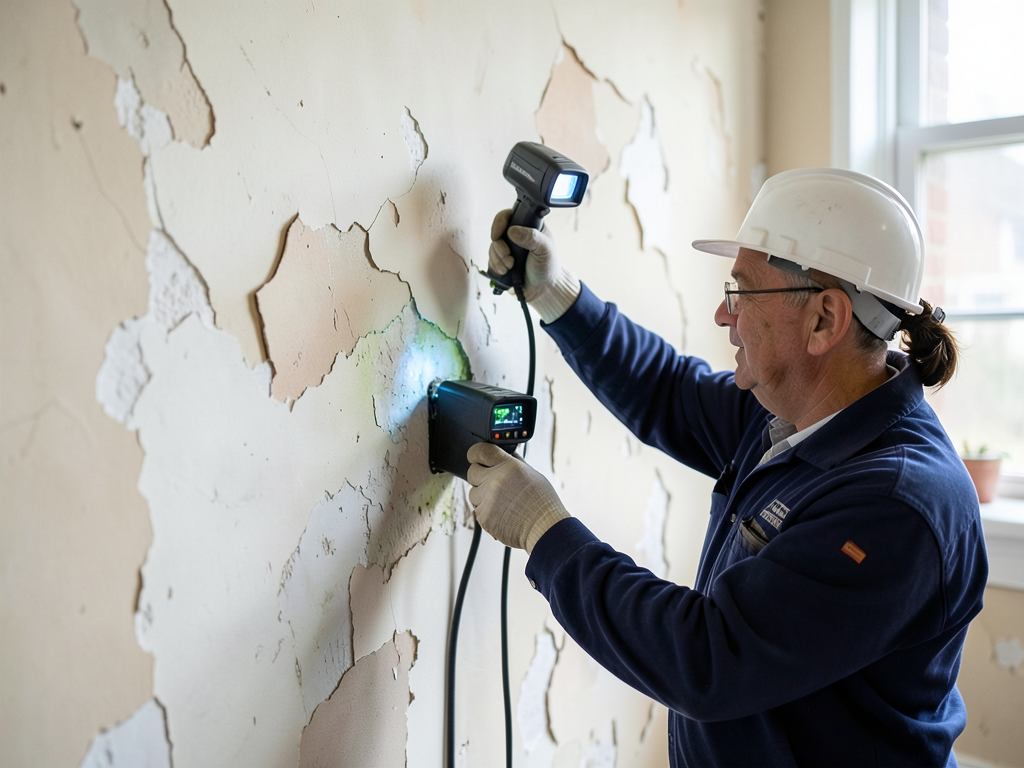
Moisture monitoring in historic structures requires specialized equipment. Traditional moisture meters can damage delicate surfaces. We use non-invasive scanning technology that measures moisture content through various building materials without physical contact.
Air quality management becomes critical during the drying process. Historic homes often contain materials with lead-based paint or asbestos that require containment to prevent hazardous dust from becoming airborne during restoration activities.
Electrical systems in historic homes may not support the power demands of modern drying equipment. We conduct preliminary assessments to ensure safe operation and may need to install temporary power distribution systems to protect original wiring from overload.. Read more about The dangers of electrical hazards after a flood in your Virginia Beach kitchen.
Documentation throughout the process provides both quality control and historical record. We photograph materials before, during, and after treatment to track the effectiveness of preservation techniques and create a reference for future maintenance needs.
Material-Specific Challenges in Historic Seatack Homes
Lath and plaster walls require specialized handling when water damaged. Unlike modern drywall that can be easily replaced, original plaster often contains horsehair reinforcement and unique textures that cannot be replicated. Our technicians use injection drying techniques that force dry air through small access points, preserving the wall’s integrity.
Heart pine flooring represents both a structural and aesthetic challenge. This old-growth timber, no longer commercially available, can often be saved through careful drying and refinishing. We use specialized drying panels that apply uniform heat from below, preventing warping and cupping that would occur with conventional drying methods.
Efflorescence on historic brick foundations indicates moisture migration through masonry. This white, powdery substance forms when water dissolves salts within the brick and deposits them on the surface as it evaporates. Addressing the underlying moisture source proves essential to prevent recurring damage.
Ornamental plaster ceilings and moldings require extreme care during water damage restoration. These decorative elements often cannot be removed without destruction. We use tenting and directed airflow techniques to dry these features in place while protecting surrounding areas from collateral damage.
Historic wallpaper presents unique challenges when underlying walls become wet. Original papers from the early 1900s may be hand-printed or feature metallic inks that react poorly to moisture. We assess whether preservation or careful removal and replacement offers the best outcome.
Wood windows and doors in Seatack’s historic homes often feature single-pane glass and mortise-and-tenon joinery. These elements swell when wet, potentially causing frames to bind or glass to crack. Controlled drying prevents these secondary damage patterns while maintaining the window’s historic character.
Safety First: Lead Paint and Asbestos Protocols
Many Seatack homes built before 1978 contain lead-based paint, requiring strict compliance with EPA Lead-Safe RRP (Renovation, Repair and Painting) Rule during water damage restoration. This federal regulation mandates specific containment, cleanup, and worker protection procedures when disturbing painted surfaces.
Asbestos-containing materials may be present in older homes, particularly in pipe insulation, floor tiles, and textured ceilings. Our technicians receive specialized training in asbestos awareness and follow OSHA regulations for handling suspected materials during water damage mitigation.
Personal protective equipment becomes mandatory when working in older homes. This includes respirators, Tyvek suits, and HEPA-filtered vacuums to prevent the spread of hazardous particles during demolition or drying activities that could disturb contaminated materials.
Air quality monitoring throughout the restoration process ensures worker and occupant safety. We use real-time particle counters to verify that containment barriers remain effective and that hazardous material levels stay within safe limits.
Disposal of hazardous materials from historic homes requires compliance with both federal and Virginia state regulations. We maintain proper documentation and use licensed hazardous waste handlers to ensure legal and environmentally responsible disposal of contaminated materials.
Testing for hazardous materials before beginning work prevents costly surprises during restoration. We contract certified environmental specialists to conduct bulk sampling and analysis when the presence of lead or asbestos cannot be ruled out through visual inspection alone.
Case Study: Historic Restoration in Seatack
A 1920s Seatack cottage experienced Category 2 water damage when a supply line failed while the owners were away for two weeks. The resulting moisture affected heart pine flooring throughout the main level, lath and plaster walls in three rooms, and the original hardwood trim.
Our initial moisture readings showed 28% moisture content in the flooring, well above the normal 12% for this region. Wall cavities registered 18% moisture, creating ideal conditions for mold growth within 72 hours if left untreated.
We implemented a preservation-focused drying strategy using directed heat mats beneath the flooring and injection drying through small access holes in the plaster walls. This approach maintained the home’s historic character while achieving drying goals within seven days.
Moisture content readings decreased to 14% in the flooring and 8% in wall cavities by day seven, well within acceptable ranges for these materials. The original finish on the heart pine flooring remained intact, avoiding the need for complete refinishing.
The owners expressed particular satisfaction that we preserved the original door hardware and window weights, which would have been destroyed by conventional demolition-based restoration methods. This preservation maintained both the home’s historic value and the owners’ emotional connection to their property.
Documentation of the restoration process provided valuable information for the homeowners’ insurance claim and created a baseline for future maintenance planning. The insurance company approved the claim based on our detailed documentation of pre-existing conditions and the restoration approach.
Immediate Action Checklist for Seatack Homeowners
When water damage occurs in your historic Seatack home, quick action can mean the difference between preservation and replacement. Follow these steps while waiting for professional help to arrive. Immediate Steps for a Burst Pipe Repair in the Hilltop Neighborhood.
Safety first: If water has contacted electrical outlets or appliances, turn off power at the main breaker. Never enter standing water without confirming it’s safe from electrical hazards.
Stop the water source if possible. Locate your main water shutoff valve, typically near the water meter or where the main line enters the house. Turn clockwise to close.
Document the damage with photos and video before beginning any cleanup. This documentation proves essential for insurance claims and helps restoration professionals assess the situation remotely.
Remove valuable items from affected areas. Move artwork, documents, and electronics to a dry location. Elevate furniture on blocks or aluminum foil to prevent staining of wet carpets or floors.
Begin gentle water removal with clean towels or a wet vacuum if electricity is safe. Avoid aggressive wiping that could damage historic finishes or force water deeper into materials.
Increase air circulation by opening windows if outdoor humidity permits. Fans can help, but avoid pointing them directly at historic wallpaper or plaster that could be damaged by strong air movement.
Monitor for signs of hazardous material disturbance. If you suspect lead paint or asbestos may be present, contain the area and wait for professional assessment before proceeding with cleanup.
Contact your insurance company to report the damage. Many policies require notification within 24 hours of discovery. Ask about coverage for both the damage and the restoration process.
Call (757) 909-5033 immediately for emergency water damage restoration. Our team specializes in historic properties and can respond within 60 minutes to begin preservation-focused mitigation.
Frequently Asked Questions
How long does water damage restoration take in historic homes?
Restoration timelines vary based on damage extent and materials affected. Most historic home projects require 3-7 days for complete drying, with additional time for repairs and refinishing. The preservation-focused approach may extend timelines slightly but protects irreplaceable historic elements.
Will my insurance cover water damage in my historic Seatack home?
Most standard homeowners policies cover sudden water damage from supply line breaks or appliance failures. However, coverage for historic preservation work varies by insurer. Some companies offer specialized endorsements for historic properties that cover restoration of original materials rather than replacement with modern equivalents.
Can I stay in my home during the restoration process?
This depends on the damage extent and your home’s layout. For minor damage affecting isolated areas, temporary relocation of furniture may suffice. Extensive damage requiring containment zones or hazardous material handling typically necessitates temporary relocation for safety and efficiency.
How do I find contractors experienced with historic home restoration?
Look for certifications from organizations like the IICRC (Institute of Inspection Cleaning and Restoration Certification) and ask about specific experience with historic properties. Request references from similar projects and verify their understanding of preservation principles and local historic district requirements. IICRC certification standards.
What should I do if my historic home floods during a hurricane?
Hurricane flooding requires immediate professional assessment due to contamination risks. Document damage thoroughly, contact your insurance company, and call restoration specialists experienced with saltwater intrusion and storm surge effects on historic materials. Time becomes even more critical due to contamination concerns.
Understanding Local Regulations and Resources
The Virginia Beach Department of Planning oversees the Seatack Historic District, maintaining specific guidelines for exterior modifications and substantial repairs. Water damage restoration that affects visible exterior elements may require review by the Architectural Review Board before work begins.
Virginia’s Department of Historic Resources administers tax credit programs for certified historic properties. These credits can offset up to 25% of qualified rehabilitation expenses, including water damage restoration that preserves original materials and character-defining features.
The National Park Service’s Secretary of the Interior’s Standards for Rehabilitation provide the framework for appropriate preservation treatments. These standards emphasize retention of historic character while allowing for necessary upgrades to meet modern building codes and safety requirements. Secretary of the Interior’s Standards for Rehabilitation.
Local building permits may be required for water damage restoration work, even when insurance covers the costs. The permitting process ensures that restoration work meets current building codes while respecting the historic character of the district.
Environmental regulations specific to coastal Virginia affect disposal of water-damaged materials. The Chesapeake Bay Preservation Act requires special handling of materials that could impact water quality, particularly important when dealing with saltwater intrusion or contaminated floodwater.
Community resources exist for historic property owners facing disaster recovery. The Virginia Department of Emergency Management coordinates with local agencies to provide information about available assistance programs and resources for historic property restoration.
Professional associations like the National Trust for Historic Preservation offer guidance documents and best practices for disaster planning and recovery specific to historic properties. These resources can help homeowners prepare for potential water damage scenarios.
Understanding these regulatory frameworks before damage occurs helps streamline the restoration process when emergencies arise. Working with contractors familiar with local requirements prevents costly delays and ensures compliance with all applicable regulations.
Prevention Strategies for Seatack Historic Homes
Regular maintenance prevents many water damage scenarios in historic homes. Annual roof inspections identify failing flashing or damaged shingles before they allow water intrusion. Cleaning gutters and downspouts ensures proper drainage away from the foundation.
Plumbing inspections prove particularly important in homes with aging infrastructure. Galvanized steel pipes corrode from the inside, creating weak points prone to sudden failure. Consider proactive replacement of visible supply lines showing signs of corrosion or mineral buildup.
Foundation drainage improvements can prevent groundwater issues common in Seatack’s low-lying areas. French drains, proper grading, and functioning sump pumps remove water that would otherwise seep into crawl spaces and basements.
Window and door maintenance preserves the weather resistance of historic openings. Repainting wooden frames every 5-7 years protects against moisture intrusion. Weatherstripping replacement improves energy efficiency while preventing condensation that could damage historic materials.
Landscape management affects moisture levels around historic foundations. Planting beds should slope away from the house, and irrigation systems should avoid spraying water against exterior walls. Tree roots can damage foundations and create pathways for water intrusion.
Emergency preparedness planning helps historic homeowners respond effectively to water damage. Maintain a list of emergency contacts, including restoration specialists familiar with historic properties. Keep important documents in waterproof containers and consider installing water leak detection systems.
Insurance review ensures adequate coverage for historic properties. Standard policies may not fully cover the cost of restoring original materials or meeting preservation requirements. Supplemental coverage or specialized historic property endorsements provide better protection.
Documentation of your home’s historic features aids restoration efforts if damage occurs. Photographs, architectural drawings, and material samples help ensure accurate restoration of character-defining elements if replacement becomes necessary.
The Value of Professional Expertise
Historic home restoration requires specialized knowledge that general contractors may lack. Understanding the properties of historic materials, preservation techniques, and regulatory requirements demands specific training and experience with similar properties.
Proper assessment tools make the difference between effective restoration and costly mistakes. Moisture meters calibrated for different materials, thermal imaging cameras, and hygrometers help technicians identify hidden damage and monitor drying progress without destructive testing.
Experience with similar properties in Seatack provides valuable insights into common failure patterns and effective restoration approaches. Local knowledge of soil conditions, weather patterns, and historic construction methods informs better restoration strategies.
Insurance claim experience helps navigate the complexities of historic property restoration coverage. Understanding policy language, documentation requirements, and negotiation strategies ensures fair compensation for restoration work that preserves historic character.
Project management skills coordinate the multiple trades often required for historic restoration. Plumbers, electricians, carpenters, and preservation specialists must work together efficiently to minimize disruption and ensure quality results.
Environmental awareness prevents health hazards during restoration. Knowledge of lead paint, asbestos, and other hazardous materials in older homes ensures worker and occupant safety throughout the restoration process.
Documentation capabilities provide both quality control and historical record. Detailed records of damage, restoration approaches, and final conditions support insurance claims and create valuable references for future maintenance needs.
Emergency response availability proves critical for water damage situations. The first 24-48 hours determine restoration success, making 24/7 availability and rapid response capabilities essential for preserving historic materials and character.
Building a Restoration Partnership
Successful historic home restoration requires collaboration between homeowners, restoration professionals, insurance companies, and sometimes local preservation authorities. Establishing these relationships before damage occurs streamlines the restoration process when emergencies arise.
Homeowner education empowers better decision-making during the restoration process. Understanding the options, costs, and implications of different approaches helps owners make informed choices that balance preservation goals with practical considerations.
Insurance company relationships facilitate smoother claims processes. Restoration companies experienced with historic properties understand insurance requirements and can provide documentation that supports claim approval and appropriate compensation.
Local preservation authority engagement ensures compliance with district guidelines. Early consultation prevents conflicts between restoration approaches and preservation requirements, avoiding costly rework or delays.
Subcontractor networks provide comprehensive restoration capabilities. Restoration companies should maintain relationships with specialists in plumbing, electrical, HVAC, and historic preservation trades to address all aspects of water damage restoration.
Community connections offer valuable resources and support. Local historic preservation groups, neighborhood associations, and similar property owners can share experiences and recommendations for restoration professionals and approaches.
Continuing education keeps restoration professionals current with evolving techniques and regulations. Membership in professional associations, attendance at industry conferences, and certification maintenance demonstrate commitment to quality and best practices.
Technology adoption improves restoration outcomes. Modern moisture detection, drying equipment, and documentation tools enhance the effectiveness of preservation-focused restoration approaches while reducing disruption to historic materials.
Quality assurance processes ensure consistent results. Written procedures, regular training, and systematic documentation maintain high standards across all restoration projects, regardless of size or complexity.
Protecting Your Historic Investment
Historic homes in Seatack represent significant financial and cultural investments that deserve specialized protection. Water damage restoration that preserves original materials and character maintains both the home’s market value and its contribution to the community’s historic fabric.
The right restoration approach balances preservation with practicality. While saving every original element may not always be possible or cost-effective, thoughtful restoration that retains character-defining features provides the best long-term outcome for both homeowners and the community.
Preparedness planning reduces the impact of potential water damage. Understanding your home’s vulnerabilities, maintaining preventive measures, and establishing relationships with qualified restoration professionals before emergencies occur ensures rapid, effective response when needed.
Insurance coverage review prevents financial surprises. Standard policies may not fully cover historic preservation requirements, making supplemental coverage or specialized endorsements important considerations for historic property owners.
Professional expertise makes the difference in restoration outcomes. The combination of technical knowledge, preservation experience, and regulatory compliance ensures that water damage restoration protects both the physical structure and its historic character.
Community engagement strengthens preservation efforts. Participation in local historic preservation activities, support for district guidelines, and sharing of restoration experiences contribute to the long-term viability of Seatack’s historic character.
You may also find this helpful. Why Your Newer Glenwood Home Might Still Be Prone to Water Damage.
Your historic Seatack home deserves restoration that respects its age, character, and significance. When water damage threatens your property, call (757) 909-5033 for emergency response from restoration specialists who understand historic preservation. Don’t wait until damage becomes irreversible – protect your investment with professional expertise that balances modern restoration with historic preservation.
{
“@context”: “https://schema.org”,
“@type”: “BlogPosting”,
“headline”: “What Seatack homeowners should know about water damage in older or historic houses”,
“description”: “Learn how Virginia Beach’s coastal climate and historic construction affect water damage restoration. Get expert tips for preserving your Seatack home’s character.”,
“wordCount”: 3503,
“datePublished”: “2026-04-05T15:10:00.000Z”,
“dateModified”: “2026-04-05T15:10:00.000Z”,
“inLanguage”: “en-US”,
“mainEntityOfPage”: {
“@type”: “WebPage”,
“@id”: “https://apexwaterdamagerestorationvirginiabeach.com”
},
“publisher”: {
“@type”: “LocalBusiness”,
“name”: “Apex Water Damage Restoration Virginia Beach”,
“url”: “https://apexwaterdamagerestorationvirginiabeach.com”
},
“author”: {
“@type”: “Organization”,
“name”: “Apex Water Damage Restoration Virginia Beach”,
“url”: “https://apexwaterdamagerestorationvirginiabeach.com”
},
“image”: {
“@type”: “ImageObject”,
“url”: “https://apexwaterdamagerestorationvirginiabeach.com/wp-content/uploads/2026/03/what-seatack-homeowners-should-know-about-water-da-1.png”
}
}
{
“@context”: “https://schema.org”,
“@type”: “LocalBusiness”,
“name”: “Apex Water Damage Restoration Virginia Beach”,
“url”: “https://apexwaterdamagerestorationvirginiabeach.com”,
“address”: {
“@type”: “PostalAddress”,
“addressLocality”: “Virginia Beach”
},
“areaServed”: {
“@type”: “City”,
“name”: “Virginia Beach”
}
}
{
“@context”: “https://schema.org”,
“@type”: “FAQPage”,
“mainEntity”: [
{
“@type”: “Question”,
“name”: “How long does water damage restoration take in historic homes?”,
“acceptedAnswer”: {
“@type”: “Answer”,
“text”: “Restoration timelines vary based on damage extent and materials affected. Most historic home projects require 3-7 days for complete drying, with additional time for repairs and refinishing. The preservation-focused approach may extend timelines slightly but protects irreplaceable historic elements.”
}
},
{
“@type”: “Question”,
“name”: “Will my insurance cover water damage in my historic Seatack home?”,
“acceptedAnswer”: {
“@type”: “Answer”,
“text”: “Most standard homeowners policies cover sudden water damage from supply line breaks or appliance failures. However, coverage for historic preservation work varies by insurer. Some companies offer specialized endorsements for historic properties that cover restoration of original materials rather than replacement with modern equivalents.”
}
},
{
“@type”: “Question”,
“name”: “Can I stay in my home during the restoration process?”,
“acceptedAnswer”: {
“@type”: “Answer”,
“text”: “This depends on the damage extent and your home’s layout. For minor damage affecting isolated areas, temporary relocation of furniture may suffice. Extensive damage requiring containment zones or hazardous material handling typically necessitates temporary relocation for safety and efficiency.”
}
},
{
“@type”: “Question”,
“name”: “What should I do if my historic home floods during a hurricane?”,
“acceptedAnswer”: {
“@type”: “Answer”,
“text”: “Hurricane flooding requires immediate professional assessment due to contamination risks. Document damage thoroughly, contact your insurance company, and call restoration specialists experienced with saltwater intrusion and storm surge effects on historic materials. Time becomes even more critical due to contamination concerns.”
}
}
]
}
{
“@context”: “https://schema.org”,
“@type”: “BreadcrumbList”,
“itemListElement”: [
{
“@type”: “ListItem”,
“position”: 1,
“name”: “Home”,
“item”: “https://apexwaterdamagerestorationvirginiabeach.com”
},
{
“@type”: “ListItem”,
“position”: 2,
“name”: “Blog”,
“item”: “https://apexwaterdamagerestorationvirginiabeach.com/blog”
},
{
“@type”: “ListItem”,
“position”: 3,
“name”: “What Seatack homeowners should know about water damage in older or historic houses”
}
]
}
{
“@context”: “https://schema.org”,
“@type”: “Service”,
“serviceType”: “Water Damage Restoration”,
“provider”: {
“@type”: “LocalBusiness”,
“name”: “Apex Water Damage Restoration Virginia Beach”,
“url”: “https://apexwaterdamagerestorationvirginiabeach.com”
},
“areaServed”: {
“@type”: “City”,
“name”: “Virginia Beach”
},
“description”: “Learn how Virginia Beach’s coastal climate and historic construction affect water damage restoration. Get expert tips for preserving your Seatack home’s character.”
}