How heavy Virginia Beach rain affects your septic system and can cause backups
When heavy rain pounds Virginia Beach during hurricane season or a Nor’easter, your septic system faces a serious threat. The region’s high water table and sandy soil create a perfect storm for septic backups. You might notice gurgling drains, foul odors, or worse yet, sewage surfacing in your yard. These are warning signs that rainwater has saturated your drain field, preventing proper effluent flow and causing pressure to back up into your home. Virginia Department of Health – Septic Systems.
Don’t wait until you’re ankle-deep in contaminated water. The Virginia Department of Health reports that septic failures spike during coastal storms, with Category 3 black water posing serious health risks from pathogens like E. coli and Hepatitis A. Quick action matters. Call (757) 909-5033 now for emergency septic backup cleanup before the situation worsens. EPA Guide to Septic System Maintenance.
Why heavy rain causes septic backups in coastal Virginia
Virginia Beach’s unique geography creates a perfect environment for septic system failures during heavy rain. The Tidewater region sits on a coastal plain with a water table that can rise to within just a few feet of the surface during wet seasons. When stormwater overwhelms the ground, your drain field loses its ability to absorb and treat effluent. Repairing Water Damage at Your Virginia Beach Oceanfront Property After a Storm.
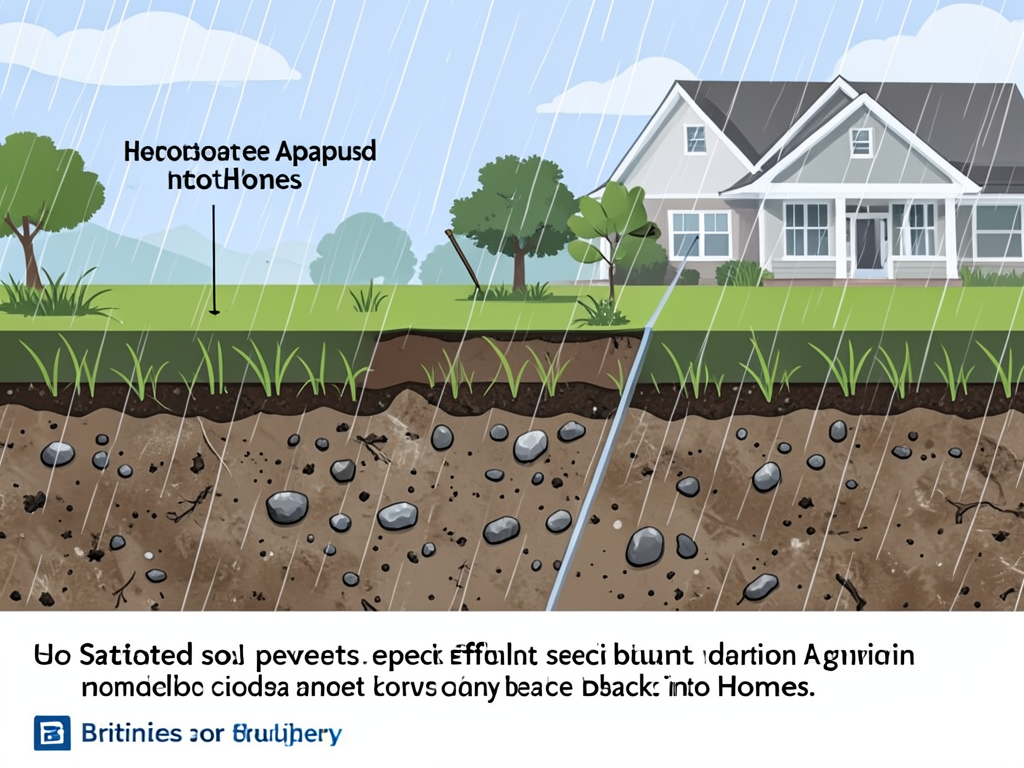
Sandy soil, common throughout the area, drains quickly when dry but becomes saturated during prolonged rainfall. Once saturated, the soil can’t absorb additional water from your septic system. This creates hydraulic overload where effluent has nowhere to go but back into your home through toilets, sinks, and floor drains. Who to Call for Emergency Water Removal in Virginia Beach Right Now.
The problem compounds with Virginia Beach’s flat terrain and poor natural drainage. Water collects in low spots rather than flowing away, keeping the ground saturated for days after a storm. Add in the occasional king tide that pushes saltwater into storm drains, and you have a recipe for septic disaster. What Virginia Beach Town Center Condo Owners Should Do After a Leak.
5 signs your septic system is failing after a storm
Recognizing septic backup symptoms early can save you thousands in property damage and protect your family’s health. Here are five warning signs to watch for after heavy Virginia Beach rain:. Read more about Reliable Sewage Backup Cleanup for Restaurants near the Virginia Beach Oceanfront.
- Gurgling pipes – When you flush toilets or run water, unusual gurgling sounds indicate air trapped in pipes due to backup pressure.
- Slow drains – Multiple fixtures draining slowly suggests your septic system can’t handle normal flow rates.
- Sewage surfacing – The most obvious sign: black, foul-smelling water pooling in your yard, especially near the drain field.
- Strong sulfur odors – A rotten egg smell inside or outside your home indicates sewage gases escaping through drains or yard.
- Lush, green grass – Ironically, unusually healthy grass over your drain field often means sewage is fertilizing it instead of being properly treated.
If you notice any of these signs, stop using water immediately and call (757) 909-5033 for emergency assessment. Immediate Steps for a Burst Pipe Repair in the Hilltop Neighborhood.
Immediate safety actions (do’s and don’ts)
When facing a septic backup, your first priority is safety. Raw sewage contains dangerous pathogens that can cause serious illness. Follow these critical do’s and don’ts:
Do’s
- Turn off the main water supply to prevent additional flooding
- Evacuate vulnerable family members (children, elderly, those with compromised immune systems)
- Wear rubber boots and gloves if you must enter affected areas
- Open windows for ventilation but avoid using fans that might spread contamination
- Call (757) 909-5033 immediately for professional cleanup
Don’ts
- Never use chemical drain cleaners – they can react with sewage and create toxic fumes
- Don’t attempt DIY cleanup without proper PPE and training
- Avoid using any plumbing fixtures until the system is cleared
- Don’t let children or pets near contaminated areas
- Never ignore the problem hoping it will resolve itself
Professional restoration vs. septic pumping
Many Virginia Beach homeowners confuse septic pumping with water damage restoration, but these are fundamentally different services. A septic pumping company will empty your tank, but they won’t address the biohazardous contamination inside your home.
| Service Type | What They Do | When to Call |
|---|---|---|
| Septic Pumping | Removes waste from tank only | Preventative maintenance, full tank |
| Water Damage Restoration | Removes sewage, sanitizes structure, dries materials | Backup into home, contamination present |
| Full Service Restoration | Combines pumping + structural cleanup + insurance documentation | Emergency backup affecting living spaces |
According to IICRC S500 standards for Category 3 water damage, proper sewage cleanup requires removing contaminated porous materials, applying EPA-registered disinfectants, and verifying moisture levels with professional-grade meters. This goes far beyond simple pumping.
Preventing future backups in the Tidewater area
Prevention is your best defense against septic system failures during Virginia Beach storms. Here are proven strategies to protect your system:
Landscape for drainage
Grade your yard to direct stormwater away from your drain field. Create shallow swales or install French drains to channel water around the system rather than through it.
Install backflow prevention
A backflow preventer valve on your main sewer line can stop sewage from backing up into your home during system overload. This simple device costs far less than flood cleanup.
Maintain your system
Have your septic tank pumped every 3-5 years depending on household size. Install effluent filters to prevent solids from entering the drain field.
Protect during storms
Before predicted heavy rain, reduce water usage by 50%. Fix any plumbing leaks that add unnecessary water to the system.
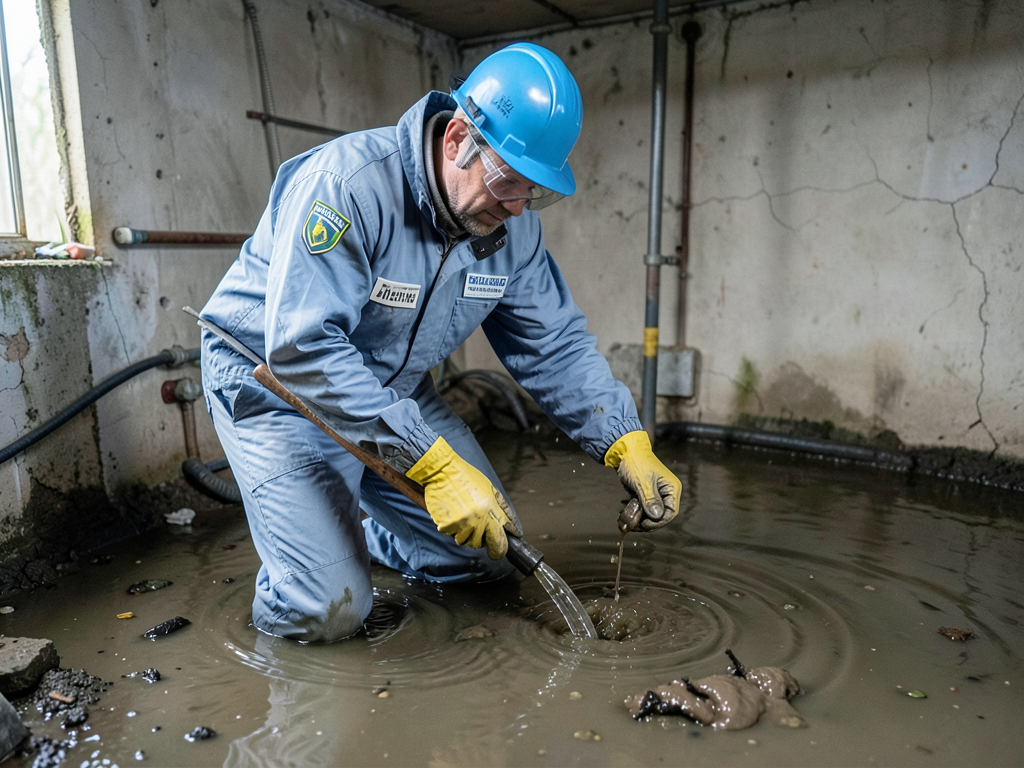
Diagram showing how saturated soil prevents septic effluent absorption during heavy rain, causing backup into homes.
Technician wearing full PPE during sewage cleanup, demonstrating proper safety equipment for Category 3 water remediation. Expert Mold Remediation for Vacation Rentals in Sandbridge.
Moisture meter readings showing contamination levels in walls and floors after septic backup, with drying progress documentation.
Insurance and local regulations
Standard homeowners insurance typically excludes septic backup damage. You need a specific sewer and drain backup rider, which costs $50-100 annually but can save you $5,000+ in cleanup costs.
The Virginia Beach Department of Public Health requires permits for septic repairs and mandates specific setback distances from wells and property lines. After a backup, you may need inspection and approval before restoring normal use.
According to FEMA flood maps, many Virginia Beach neighborhoods are in high-risk flood zones where additional drainage improvements may be required. Check your property’s flood zone designation before investing in system upgrades.
Health hazards of sewage contamination
Septic backups introduce Category 3 water into your home, the most dangerous classification. This water contains harmful microorganisms including:
- Bacteria – E. coli, Salmonella, and other pathogens causing gastrointestinal illness
- Viruses – Hepatitis A, Rotavirus, and other infectious agents
- Parasites – Giardia and Cryptosporidium that resist standard cleaning
- Organic matter – Provides food for mold growth within 24-48 hours
Exposure can cause severe illness, especially in children, elderly, and those with weakened immune systems. Professional remediation isn’t just about property damage – it’s about protecting your family’s health.
Emergency response timeline
When you call (757) 909-5033 for septic backup emergency service, here’s what happens:
- Immediate Dispatch
Our team mobilizes within 60 minutes, fully equipped for Category 3 remediation.
- Safety Assessment
We evaluate contamination extent and establish containment zones to prevent spread.
- Water Extraction
Industrial pumps remove standing sewage while HEPA air scrubbers protect air quality.
- Contamination Removal
Porous materials like carpet and drywall that contacted sewage are safely removed.
- Sanitization
EPA-registered antimicrobials treat all affected surfaces to eliminate pathogens.
- Drying and Monitoring
Professional drying equipment runs until moisture readings confirm complete dryness.
- Documentation
We provide detailed reports for insurance claims and health department records.
Don’t let a septic backup turn into a health crisis or property nightmare. Virginia Beach’s coastal storms aren’t going away, but proper preparation and immediate professional response can protect your home and family. When you notice those first warning signs, pick up the phone and call (757) 909-5033 before the next storm hits.
Frequently Asked Questions
How long does septic backup cleanup take?
Most residential cleanups take 24-72 hours depending on contamination extent. The actual sewage removal happens within hours, but proper drying and sanitization require additional time to ensure safety.
Can I use my plumbing during heavy rain if my septic hasn’t backed up yet?
Reduce water usage by 50% during heavy storms. Avoid laundry, dishwashing, and long showers. This gives your drain field the best chance to handle incoming water without backing up.
What’s the difference between a septic alarm and a backup?
A septic alarm warns of high water levels in the pump tank before a backup occurs. It’s a preventive signal that you should reduce water usage immediately and call for service.
Does homeowners insurance cover septic backups?
Standard policies exclude septic damage. You need a separate sewer and drain backup rider, which typically costs $50-100 annually and covers cleanup and repairs.
How can I tell if my drain field is failing versus just overwhelmed by rain?
Rain-related backups improve within 48-72 hours after the storm ends. Drain field failure causes problems during normal weather and progressively worsens over months or years.
Should I have my septic pumped before a predicted storm?
Only if it’s due for regular maintenance based on your pumping schedule. Pumping a tank that doesn’t need it won’t prevent rain-related backups since the problem is with the drain field, not the tank capacity.
What should I do if sewage backs up into my basement?
Evacuate the area immediately, turn off power if water reaches outlets, and call (757) 909-5033 for emergency cleanup. Do not attempt to clean up sewage without proper protective equipment and training.
How much does professional septic backup cleanup cost?
Costs vary based on damage extent but typically range from $2,000 to $10,000. Your sewer backup rider may cover most expenses if you have appropriate insurance.
Remember: Quick action prevents bigger problems. When heavy Virginia Beach rain threatens your septic system, don’t gamble with your family’s health or your home’s safety. Call (757) 909-5033 for immediate professional response.
You may also find this helpful. Understanding the three categories of water damage and why they matter for your health.
{
“@context”: “https://schema.org”,
“@type”: “BlogPosting”,
“headline”: “How heavy Virginia Beach rain affects your septic system and can cause backups”,
“description”: “Learn how Virginia Beach’s coastal storms and high water table cause septic backups. Get immediate safety steps, biohazard cleanup info, and prevention tips from local experts.”,
“wordCount”: 1687,
“datePublished”: “2026-04-10T08:44:00.000Z”,
“dateModified”: “2026-04-10T08:44:00.000Z”,
“inLanguage”: “en-US”,
“mainEntityOfPage”: {
“@type”: “WebPage”,
“@id”: “https://apexwaterdamagerestorationvirginiabeach.com”
},
“publisher”: {
“@type”: “LocalBusiness”,
“name”: “Apex Water Damage Restoration Virginia Beach”,
“url”: “https://apexwaterdamagerestorationvirginiabeach.com”
},
“author”: {
“@type”: “Organization”,
“name”: “Apex Water Damage Restoration Virginia Beach”,
“url”: “https://apexwaterdamagerestorationvirginiabeach.com”
},
“image”: {
“@type”: “ImageObject”,
“url”: “https://apexwaterdamagerestorationvirginiabeach.com/wp-content/uploads/2026/03/how-heavy-virginia-beach-rain-affects-your-septic-1.png”
}
}
{
“@context”: “https://schema.org”,
“@type”: “LocalBusiness”,
“name”: “Apex Water Damage Restoration Virginia Beach”,
“url”: “https://apexwaterdamagerestorationvirginiabeach.com”,
“address”: {
“@type”: “PostalAddress”,
“addressLocality”: “Virginia Beach”
},
“areaServed”: {
“@type”: “City”,
“name”: “Virginia Beach”
}
}
{
“@context”: “https://schema.org”,
“@type”: “FAQPage”,
“mainEntity”: [
{
“@type”: “Question”,
“name”: “How long does septic backup cleanup take?”,
“acceptedAnswer”: {
“@type”: “Answer”,
“text”: “Most residential cleanups take 24-72 hours depending on contamination extent. The actual sewage removal happens within hours, but proper drying and sanitization require additional time to ensure safety.”
}
},
{
“@type”: “Question”,
“name”: “Can I use my plumbing during heavy rain if my septic hasn’t backed up yet?”,
“acceptedAnswer”: {
“@type”: “Answer”,
“text”: “Reduce water usage by 50% during heavy storms. Avoid laundry, dishwashing, and long showers. This gives your drain field the best chance to handle incoming water without backing up.”
}
},
{
“@type”: “Question”,
“name”: “What’s the difference between a septic alarm and a backup?”,
“acceptedAnswer”: {
“@type”: “Answer”,
“text”: “A septic alarm warns of high water levels in the pump tank before a backup occurs. It’s a preventive signal that you should reduce water usage immediately and call for service.”
}
},
{
“@type”: “Question”,
“name”: “Does homeowners insurance cover septic backups?”,
“acceptedAnswer”: {
“@type”: “Answer”,
“text”: “Standard policies exclude septic damage. You need a separate sewer and drain backup rider, which typically costs $50-100 annually and covers cleanup and repairs.”
}
},
{
“@type”: “Question”,
“name”: “How can I tell if my drain field is failing versus just overwhelmed by rain?”,
“acceptedAnswer”: {
“@type”: “Answer”,
“text”: “Rain-related backups improve within 48-72 hours after the storm ends. Drain field failure causes problems during normal weather and progressively worsens over months or years.”
}
},
{
“@type”: “Question”,
“name”: “Should I have my septic pumped before a predicted storm?”,
“acceptedAnswer”: {
“@type”: “Answer”,
“text”: “Only if it’s due for regular maintenance based on your pumping schedule. Pumping a tank that doesn’t need it won’t prevent rain-related backups since the problem is with the drain field, not the tank capacity.”
}
},
{
“@type”: “Question”,
“name”: “What should I do if sewage backs up into my basement?”,
“acceptedAnswer”: {
“@type”: “Answer”,
“text”: “Evacuate the area immediately, turn off power if water reaches outlets, and call (757) 909-5033 for emergency cleanup. Do not attempt to clean up sewage without proper protective equipment and training.”
}
},
{
“@type”: “Question”,
“name”: “How much does professional septic backup cleanup cost?”,
“acceptedAnswer”: {
“@type”: “Answer”,
“text”: “Costs vary based on damage extent but typically range from $2,000 to $10,000. Your sewer backup rider may cover most expenses if you have appropriate insurance.”
}
}
]
}
{
“@context”: “https://schema.org”,
“@type”: “HowTo”,
“name”: “Emergency Septic Backup Response”,
“step”: [
{
“@type”: “HowToStep”,
“position”: 1,
“name”: “Immediate Dispatch”,
“text”: “Our team mobilizes within 60 minutes, fully equipped for Category 3 remediation.”
},
{
“@type”: “HowToStep”,
“position”: 2,
“name”: “Safety Assessment”,
“text”: “We evaluate contamination extent and establish containment zones to prevent spread.”
},
{
“@type”: “HowToStep”,
“position”: 3,
“name”: “Water Extraction”,
“text”: “Industrial pumps remove standing sewage while HEPA air scrubbers protect air quality.”
},
{
“@type”: “HowToStep”,
“position”: 4,
“name”: “Contamination Removal”,
“text”: “Porous materials like carpet and drywall that contacted sewage are safely removed.”
},
{
“@type”: “HowToStep”,
“position”: 5,
“name”: “Sanitization”,
“text”: “EPA-registered antimicrobials treat all affected surfaces to eliminate pathogens.”
},
{
“@type”: “HowToStep”,
“position”: 6,
“name”: “Drying and Monitoring”,
“text”: “Professional drying equipment runs until moisture readings confirm complete dryness.”
},
{
“@type”: “HowToStep”,
“position”: 7,
“name”: “Documentation”,
“text”: “We provide detailed reports for insurance claims and health department records.”
}
],
“image”: “https://apexwaterdamagerestorationvirginiabeach.com/wp-content/uploads/2026/03/how-heavy-virginia-beach-rain-affects-your-septic-1.png”
}
{
“@context”: “https://schema.org”,
“@type”: “BreadcrumbList”,
“itemListElement”: [
{
“@type”: “ListItem”,
“position”: 1,
“name”: “Home”,
“item”: “https://apexwaterdamagerestorationvirginiabeach.com”
},
{
“@type”: “ListItem”,
“position”: 2,
“name”: “Blog”,
“item”: “https://apexwaterdamagerestorationvirginiabeach.com/blog”
},
{
“@type”: “ListItem”,
“position”: 3,
“name”: “How heavy Virginia Beach rain affects your septic system and can cause backups”
}
]
}
{
“@context”: “https://schema.org”,
“@type”: “Service”,
“serviceType”: “Water Damage Restoration”,
“provider”: {
“@type”: “LocalBusiness”,
“name”: “Apex Water Damage Restoration Virginia Beach”,
“url”: “https://apexwaterdamagerestorationvirginiabeach.com”
},
“areaServed”: {
“@type”: “City”,
“name”: “Virginia Beach”
},
“description”: “Learn how Virginia Beach’s coastal storms and high water table cause septic backups. Get immediate safety steps, biohazard cleanup info, and prevention tips from local experts.”
}