Why Your Crawl Space Insulation Might Be Trapping Moisture in Your Southgate Home
Your crawl space insulation could be doing more harm than good. In Southgate homes, fiberglass batts absorb moisture from the humid Virginia Beach air, creating the perfect breeding ground for mold and wood rot. The problem isn’t just the insulation itself but how Virginia Beach’s high water table and coastal climate interact with traditional crawl space construction. Repairing Water Damage at Your Virginia Beach Oceanfront Property After a Storm.
Southgate sits in a low-lying area where groundwater often seeps through foundation walls. When fiberglass insulation gets wet, it loses its R-value and becomes a sponge for moisture. This creates a vicious cycle: wet insulation traps humidity, which damages wood framing, which leads to expensive structural repairs. Who to Call for Emergency Water Removal in Virginia Beach Right Now.
Call (757) 909-5033 today to schedule your inspection before the next storm hits.
The Hazards of Wet Insulation in Virginia Beach Homes
Virginia Beach’s average relative humidity hovers around 75% year-round, well above the 50-60% range that keeps homes healthy. This constant moisture load affects crawl spaces differently than basements because they sit directly on the ground with minimal air circulation. What Virginia Beach Town Center Condo Owners Should Do After a Leak.
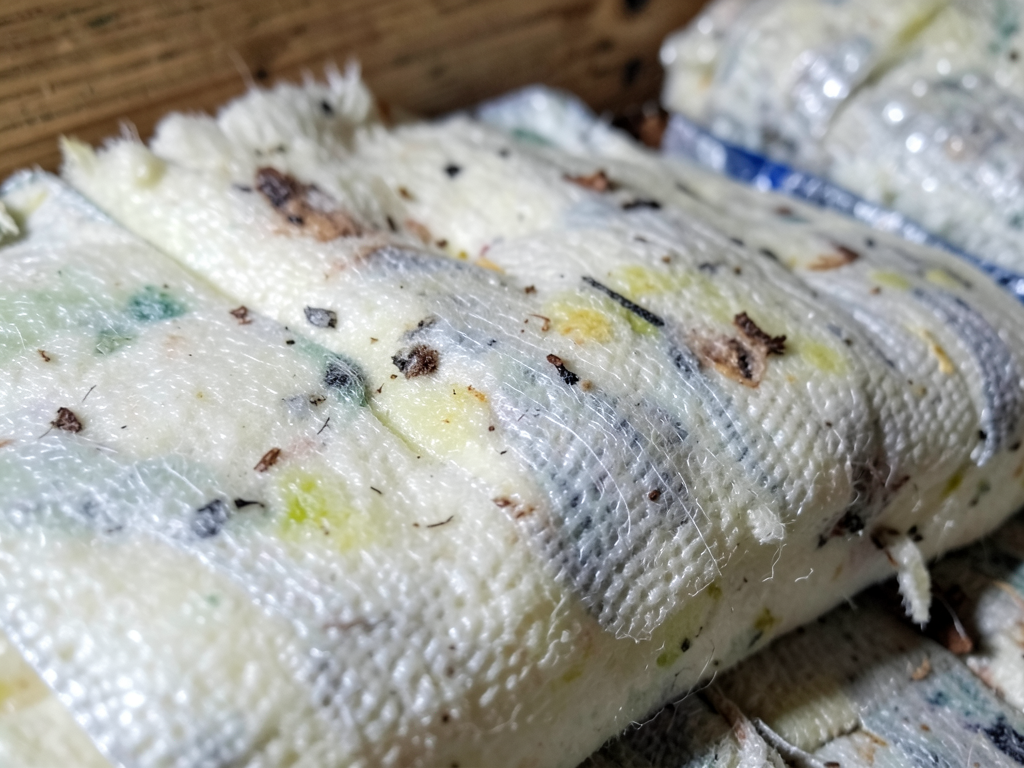
Wet fiberglass insulation becomes a perfect habitat for Stachybotrys chartarum, the toxic black mold that releases mycotoxins into your home’s air. The stack effect pulls these spores upward through floorboards and into living spaces. Children and elderly residents are particularly vulnerable to respiratory issues from mold exposure.
Beyond health concerns, wet insulation causes structural damage. Moisture wicks up wooden floor joists, causing them to swell, warp, and eventually rot. A simple $2,000 insulation job can turn into a $15,000 floor replacement if left untreated for more than 30 days.
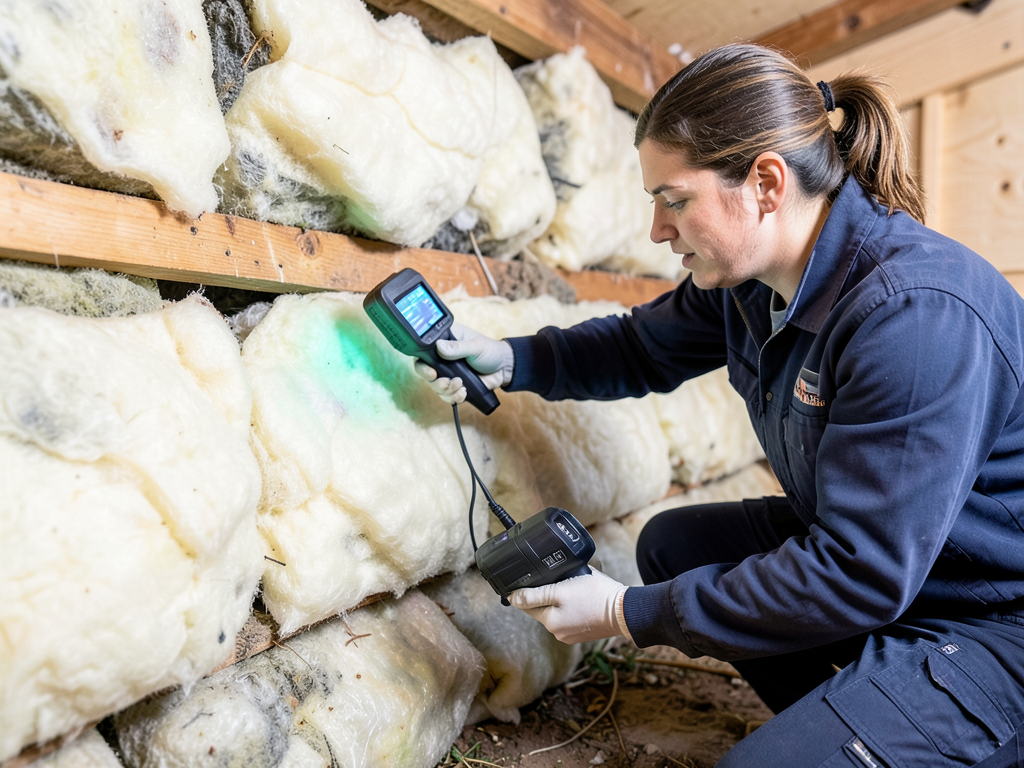
Diagram showing how moisture travels from wet crawl space insulation through floor joists into living spaces.
Common Causes of Crawl Space Moisture in Tidewater
Virginia Beach’s high water table sits just 3-5 feet below grade in many Southgate neighborhoods. During king tides or heavy rains, hydrostatic pressure forces groundwater through cinder block foundation walls. This isn’t a drainage issue but a geological reality of living in the Tidewater region.
Coastal flooding compounds the problem. Southgate homes near the Lynnhaven River face storm surge risks during hurricanes. Even homes several blocks inland experience groundwater rise when nearby marshes overflow. The soil composition of sandy loam drains poorly when saturated, creating standing water that evaporates into crawl spaces.
Poor cross-ventilation traps moisture inside crawl spaces. Traditional building codes required vents to equalize pressure, but in Virginia Beach’s humid climate, these vents actually draw in moist air. The result is condensation on cooler surfaces like ductwork and plumbing pipes.
According to the EPA, controlling crawl space moisture requires addressing both liquid water and water vapor. This means proper drainage, vapor barriers, and dehumidification working together.
Our 5-Step Restoration Process
Effective crawl space restoration follows a systematic approach that addresses both immediate damage and long-term prevention. Here’s how we tackle moisture problems in Southgate homes: Immediate Steps for a Burst Pipe Repair in the Hilltop Neighborhood.
- Comprehensive Inspection
We use moisture meters to test insulation at multiple depths and thermal imaging to detect hidden water sources. This diagnostic phase identifies whether the problem stems from groundwater, plumbing leaks, or poor ventilation.
- Water Extraction
Standing water gets removed using submersible pumps and wet vacuums. We extract water from both the crawl space floor and any pooled areas behind foundation walls.
- Mold Remediation
Contaminated insulation and affected wood surfaces undergo HEPA vacuuming and antimicrobial treatment. We follow IICRC S520 standards for mold remediation, ensuring spores don’t spread to other areas. Expert Mold Remediation for Vacation Rentals in Sandbridge.
- Drying and Dehumidification
Industrial-grade dehumidifiers run for 3-5 days to reduce humidity below 50%. Air movers circulate dry air throughout the crawl space, preventing condensation on cool surfaces.
- Re-insulation and Encapsulation
We install closed-cell spray foam or mineral wool insulation rated for Virginia’s Zone 4 climate. A 20-mil vapor barrier covers the entire floor, sealed to foundation walls to prevent ground moisture intrusion.
Technician installing 20-mil vapor barrier in a Southgate crawl space with closed-cell spray foam insulation.
Encapsulation vs. Traditional Insulation
Traditional fiberglass batts work well in dry climates but fail in Virginia Beach’s humid environment. The key difference lies in moisture management. Fiberglass absorbs water like a sponge, while closed-cell spray foam creates an impermeable barrier.. Read more about Identifying the Difference Between Mildew Smells and Wet Rot in Your Virginia Beach Home.
Closed-cell spray foam offers an R-value of 6.2 per inch compared to fiberglass at 2.2 per inch. More importantly, it blocks water vapor transmission, preventing the moisture cycle that destroys traditional insulation. The foam also adds structural rigidity to floor joists.
Vapor barriers represent another critical distinction. Standard 6-mil plastic allows moisture transmission over time. Our 20-mil reinforced barriers include antimicrobial treatment and sealed seams that meet FEMA floodplain requirements for coastal properties.
Dehumidification completes the system. A properly sized crawl space dehumidifier maintains 45-50% relative humidity year-round. This prevents condensation on ductwork and extends the life of HVAC equipment stored in the crawl space.
The Department of Energy recommends R-19 to R-30 insulation for crawl spaces in Virginia’s climate zone, depending on whether the space is ventilated or encapsulated.
Local Case Study: Southgate Restoration Project
A Southgate homeowner contacted us last September after noticing a musty smell throughout their 1,800-square-foot ranch home. The 1980s property had original fiberglass insulation that had absorbed years of moisture from the high water table.
Our inspection revealed 4 inches of standing water, mold growth on 40% of the floor joists, and insulation that crumbled when touched. The homeowner had already spent $800 on DIY moisture absorbers with no improvement.
We extracted 200 gallons of water, removed all contaminated insulation, treated mold growth, and installed a complete encapsulation system. The project took 7 days and cost $8,200. The homeowner reported no musty odors after 30 days and saw a 15% reduction in their energy bills.
This Southgate project demonstrates how addressing the root cause rather than symptoms saves money long-term. The encapsulation system prevents future moisture problems, protecting the home’s structural integrity and indoor air quality.
Before and after comparison of Southgate crawl space showing mold growth removal and encapsulation installation.
Cost Factors and Insurance Considerations
Crawl space restoration costs vary based on square footage, contamination level, and chosen materials. Basic moisture removal starts around $1,500 for small spaces. Complete encapsulation with new insulation ranges from $5,000 to $12,000 for typical Southgate homes.
Insurance coverage depends on the water source. Sudden pipe bursts are typically covered under standard policies. Groundwater intrusion or flooding requires separate flood insurance through the National Flood Insurance Program. Many Southgate homeowners discover too late that their standard policy excludes water table-related damage.
The Virginia Uniform Statewide Building Code requires permits for crawl space work affecting structural elements. This ensures proper vapor barrier installation and electrical safety for dehumidifiers. Skipping permits can void insurance claims and create liability issues when selling your home.
Energy savings often offset restoration costs within 3-5 years. Encapsulated crawl spaces reduce HVAC workload by maintaining more stable temperatures. Homes with proper insulation and vapor barriers typically see 10-20% lower heating and cooling costs.
Prevention Strategies for Southgate Homeowners
Preventing crawl space moisture starts with exterior maintenance. Grade soil away from foundation walls at 1 inch per foot for at least 6 feet. Extend downspouts 5-10 feet from the house to prevent roof water from saturating the soil near crawl space walls.
Install a sump pump with battery backup in areas with high water tables. Southgate’s proximity to water bodies makes power outages during storms particularly problematic. A backup system prevents flooding when you need it most.
Check crawl space vents seasonally. While traditional venting doesn’t work well in humid climates, blocked vents can trap moisture. Ensure screens are intact to prevent pest entry while allowing minimal air circulation.. Read more about Why Your Seasonal Allergies Might Actually Be Caused by a Hidden Leak in Your Walls.
Monitor indoor humidity levels with a hygrometer. Readings above 60% indicate crawl space moisture problems affecting your entire home. Address issues early before mold growth and structural damage occur.
Frequently Asked Questions
How do I know if my crawl space insulation is wet?
Look for sagging insulation, musty odors, or visible mold growth. A moisture meter reading above 20% in insulation indicates water damage. Professional inspection can detect hidden moisture behind vapor barriers.
Can I just replace the wet insulation myself?
Removing wet insulation without addressing the moisture source leads to repeat problems. Mold-contaminated materials require proper disposal following EPA guidelines. Professional assessment identifies underlying issues like groundwater intrusion or plumbing leaks.
How long does crawl space restoration take?
Simple moisture removal takes 1-2 days. Complete encapsulation with new insulation requires 3-7 days depending on square footage and contamination level. Drying alone typically runs 3-5 days with commercial dehumidifiers.
Will encapsulation make my floors warmer?
Yes. Encapsulated crawl spaces maintain more stable temperatures, reducing heat loss through floors by 15-25%. Homeowners report noticeably warmer floors in winter and cooler floors in summer.
Do I need a permit for crawl space work in Virginia Beach?
Permits are required for structural modifications, electrical work, or plumbing changes in crawl spaces. The Virginia Beach Department of Development and Permits enforces these requirements to ensure code compliance and safety.
Don’t let wet crawl space insulation compromise your Southgate home’s safety and value. Call (757) 909-5033 today for a comprehensive inspection and protect your investment from Virginia Beach’s unique moisture challenges.
{
“@context”: “https://schema.org”,
“@type”: “BlogPosting”,
“headline”: “Why Your Crawl Space Insulation Might Be Trapping Moisture in Your Southgate Home”,
“description”: “Is your crawl space insulation trapping moisture in your Southgate home? Learn how Virginia Beach humidity affects insulation and what to do about it.”,
“wordCount”: 1578,
“datePublished”: “2026-05-12T13:05:00.000Z”,
“dateModified”: “2026-05-12T13:05:00.000Z”,
“inLanguage”: “en-US”,
“mainEntityOfPage”: {
“@type”: “WebPage”,
“@id”: “https://apexwaterdamagerestorationvirginiabeach.com”
},
“publisher”: {
“@type”: “LocalBusiness”,
“name”: “Apex Water Damage Restoration Virginia Beach”,
“url”: “https://apexwaterdamagerestorationvirginiabeach.com”
},
“author”: {
“@type”: “Organization”,
“name”: “Apex Water Damage Restoration Virginia Beach”,
“url”: “https://apexwaterdamagerestorationvirginiabeach.com”
},
“image”: {
“@type”: “ImageObject”,
“url”: “https://apexwaterdamagerestorationvirginiabeach.com/wp-content/uploads/2026/03/why-your-crawl-space-insulation-might-be-trapping-1.png”
}
}
{
“@context”: “https://schema.org”,
“@type”: “LocalBusiness”,
“name”: “Apex Water Damage Restoration Virginia Beach”,
“url”: “https://apexwaterdamagerestorationvirginiabeach.com”,
“address”: {
“@type”: “PostalAddress”,
“addressLocality”: “Virginia Beach”
},
“areaServed”: {
“@type”: “City”,
“name”: “Virginia Beach”
}
}
{
“@context”: “https://schema.org”,
“@type”: “FAQPage”,
“mainEntity”: [
{
“@type”: “Question”,
“name”: “How do I know if my crawl space insulation is wet?”,
“acceptedAnswer”: {
“@type”: “Answer”,
“text”: “Look for sagging insulation, musty odors, or visible mold growth. A moisture meter reading above 20% in insulation indicates water damage. Professional inspection can detect hidden moisture behind vapor barriers.”
}
},
{
“@type”: “Question”,
“name”: “Can I just replace the wet insulation myself?”,
“acceptedAnswer”: {
“@type”: “Answer”,
“text”: “Removing wet insulation without addressing the moisture source leads to repeat problems. Mold-contaminated materials require proper disposal following EPA guidelines. Professional assessment identifies underlying issues like groundwater intrusion or plumbing leaks.”
}
},
{
“@type”: “Question”,
“name”: “How long does crawl space restoration take?”,
“acceptedAnswer”: {
“@type”: “Answer”,
“text”: “Simple moisture removal takes 1-2 days. Complete encapsulation with new insulation requires 3-7 days depending on square footage and contamination level. Drying alone typically runs 3-5 days with commercial dehumidifiers.”
}
},
{
“@type”: “Question”,
“name”: “Will encapsulation make my floors warmer?”,
“acceptedAnswer”: {
“@type”: “Answer”,
“text”: “Yes. Encapsulated crawl spaces maintain more stable temperatures, reducing heat loss through floors by 15-25%. Homeowners report noticeably warmer floors in winter and cooler floors in summer.”
}
},
{
“@type”: “Question”,
“name”: “Do I need a permit for crawl space work in Virginia Beach?”,
“acceptedAnswer”: {
“@type”: “Answer”,
“text”: “Permits are required for structural modifications, electrical work, or plumbing changes in crawl spaces. The Virginia Beach Department of Development and Permits enforces these requirements to ensure code compliance and safety.”
}
}
]
}
{
“@context”: “https://schema.org”,
“@type”: “HowTo”,
“name”: “Crawl Space Restoration Process”,
“step”: [
{
“@type”: “HowToStep”,
“position”: 1,
“name”: “Comprehensive Inspection”,
“text”: “We use moisture meters to test insulation at multiple depths and thermal imaging to detect hidden water sources. This diagnostic phase identifies whether the problem stems from groundwater, plumbing leaks, or poor ventilation.”
},
{
“@type”: “HowToStep”,
“position”: 2,
“name”: “Water Extraction”,
“text”: “Standing water gets removed using submersible pumps and wet vacuums. We extract water from both the crawl space floor and any pooled areas behind foundation walls.”
},
{
“@type”: “HowToStep”,
“position”: 3,
“name”: “Mold Remediation”,
“text”: “Contaminated insulation and affected wood surfaces undergo HEPA vacuuming and antimicrobial treatment. We follow IICRC S520 standards for mold remediation, ensuring spores don’t spread to other areas. Expert Mold Remediation for Vacation Rentals in Sandbridge.”
},
{
“@type”: “HowToStep”,
“position”: 4,
“name”: “Drying and Dehumidification”,
“text”: “Industrial-grade dehumidifiers run for 3-5 days to reduce humidity below 50%. Air movers circulate dry air throughout the crawl space, preventing condensation on cool surfaces.”
},
{
“@type”: “HowToStep”,
“position”: 5,
“name”: “Re-insulation and Encapsulation”,
“text”: “We install closed-cell spray foam or mineral wool insulation rated for Virginia’s Zone 4 climate. A 20-mil vapor barrier covers the entire floor, sealed to foundation walls to prevent ground moisture intrusion.”
}
],
“image”: “https://apexwaterdamagerestorationvirginiabeach.com/wp-content/uploads/2026/03/why-your-crawl-space-insulation-might-be-trapping-1.png”
}
{
“@context”: “https://schema.org”,
“@type”: “BreadcrumbList”,
“itemListElement”: [
{
“@type”: “ListItem”,
“position”: 1,
“name”: “Home”,
“item”: “https://apexwaterdamagerestorationvirginiabeach.com”
},
{
“@type”: “ListItem”,
“position”: 2,
“name”: “Blog”,
“item”: “https://apexwaterdamagerestorationvirginiabeach.com/blog”
},
{
“@type”: “ListItem”,
“position”: 3,
“name”: “Why Your Crawl Space Insulation Might Be Trapping Moisture in Your Southgate Home”
}
]
}
{
“@context”: “https://schema.org”,
“@type”: “Service”,
“serviceType”: “Water Damage Restoration”,
“provider”: {
“@type”: “LocalBusiness”,
“name”: “Apex Water Damage Restoration Virginia Beach”,
“url”: “https://apexwaterdamagerestorationvirginiabeach.com”
},
“areaServed”: {
“@type”: “City”,
“name”: “Virginia Beach”
},
“description”: “Is your crawl space insulation trapping moisture in your Southgate home? Learn how Virginia Beach humidity affects insulation and what to do about it.”
}