



Williamsburg sits at the confluence of challenging water damage factors. The city's position near the James and York Rivers creates high water tables that put basements and crawl spaces at constant risk. Colonial-era neighborhoods around Duke of Gloucester Street feature older homes with outdated plumbing that fails without warning. The area's clay-heavy soil drains poorly, causing water to pool around foundations after heavy rain. Williamsburg's humid subtropical climate means relative humidity regularly exceeds 70 percent, creating perfect conditions for mold growth within 48 hours of water intrusion.
Historic district properties face additional challenges. Many homes near Colonial Williamsburg maintain period-appropriate construction that wasn't designed for modern plumbing systems. When pipes burst or appliances leak, water damages irreplaceable hardwood floors and original plaster walls. The tourist economy means vacation rentals and commercial properties in New Town need immediate restoration to avoid lost revenue. Hurricane season brings storm surge risk to properties near Queens Lake and the Colonial Parkway. Winter freeze-thaw cycles crack pipes in uninsulated crawl spaces common to Williamsburg construction.
Apex Water Damage Restoration Virginia Beach has restored hundreds of Williamsburg properties since establishing our service area throughout the Historic Triangle. We maintain response vehicles stationed near Route 199 to reach any Williamsburg address within 45 minutes of your call. Our technicians hold IICRC certification in water damage restoration and applied structural drying, giving us the expertise to handle everything from simple supply line leaks to category 3 sewage backups.
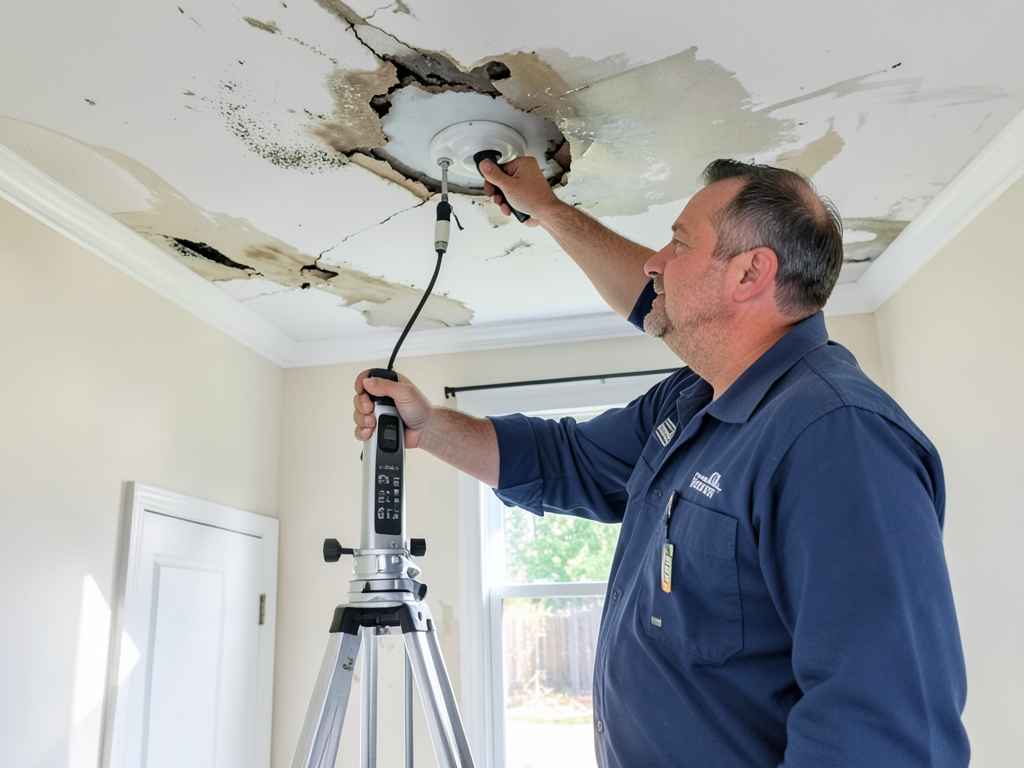
We invested in thermal imaging cameras that detect hidden moisture inside walls and ceilings without destructive testing. This technology matters in Williamsburg's historic homes where preserving original materials is important. Our truck-mounted extraction units remove water faster than portable equipment, reducing drying time and secondary damage. We document every step with detailed moisture readings and photo records that satisfy insurance adjusters and help claims get approved faster.
Our relationship with Williamsburg property managers and insurance agents comes from consistent performance. We answer calls at 3 AM on holidays. We show up when we say we will. We communicate clearly about what needs to happen and why. Most water damage companies serve Williamsburg as an afterthought from Virginia Beach or Richmond. We made Williamsburg a priority service area because the community needed reliable restoration contractors who understand local construction and respond fast. That commitment shows in our response times and completion rates.

We keep response vehicles near Route 199 to reach Williamsburg properties in under 45 minutes. Fast response prevents water from spreading deeper into flooring and wall cavities. Every minute water sits increases damage and restoration cost. Our rapid deployment stops damage progression immediately.

Every crew member holds current IICRC certification in water damage restoration and applied structural drying. This means we follow proven drying protocols instead of guessing. We understand psychrometrics, vapor pressure, and how different building materials release moisture. Certification protects your property from improper drying that leads to mold.
We work directly with your insurance company to document damage and justify necessary repairs. Our detailed moisture mapping and photo documentation help adjusters approve claims faster. We understand what insurance companies require and provide it upfront, reducing your stress during an already difficult situation.
Williamsburg's older homes require specialized restoration techniques. We know how to dry plaster walls without cracking them and how to save original hardwood floors. Our thermal imaging finds hidden moisture without punching holes in historic materials. We treat your home's character features with the care they deserve.
Water damage restoration requires multiple specialized services working together. Simple water removal isn't enough. Williamsburg's humid climate means structural materials stay wet longer than in drier regions. Incomplete drying leads to mold growth, wood rot, and structural damage that shows up months after the initial water event. We provide comprehensive water damage remediation that addresses every phase of restoration.
Our services start with emergency water extraction and continue through final repairs. We handle category 1 clean water from supply lines, category 2 gray water from appliances, and category 3 black water from sewage backups. Each category requires different safety protocols and disposal procedures. We classify water damage correctly and take appropriate action. Our service range includes structural drying, dehumidification, mold prevention, content restoration, and reconstruction. This complete approach means one company handles your entire restoration from emergency call through final walkthrough.
We respond immediately to stop water damage from spreading. Our crews arrive with truck-mounted extraction units that remove standing water in minutes. We pull soaked carpets, pad baseboards, and create airflow to begin drying. Emergency board-up services protect properties with roof damage or broken windows. We place equipment strategically and start the drying process before water migrates deeper into your home's structure. Fast mitigation saves thousands in repair costs.
Removing visible water is just the beginning. We use commercial dehumidifiers and air movers to pull moisture from inside walls, subfloors, and ceiling cavities. Thermal imaging cameras detect wet spots invisible to the eye. We monitor moisture levels twice daily with calibrated meters and adjust equipment placement as materials dry. Proper structural drying takes 3-7 days depending on materials and humidity levels. We don't remove equipment until moisture readings match unaffected areas.
After drying is complete, we rebuild what water damaged. This includes replacing drywall, installing new flooring, repainting walls, and reinstalling trim. We match existing finishes and materials so repairs blend seamlessly. Our reconstruction crews handle everything from simple baseboard replacement to full kitchen rebuilds. We coordinate with electricians and plumbers when water damages systems. One contract covers your entire restoration, eliminating the hassle of managing multiple contractors during recovery.
Williamsburg properties face predictable water damage patterns based on local construction and climate. Understanding these common issues helps property owners recognize problems early and call for help before minor leaks become major disasters. The combination of older housing stock, high humidity, and seasonal weather creates specific vulnerabilities.
Many Williamsburg homes were built before modern plumbing codes. Galvanized pipes corrode from the inside out. Cast iron drain lines crack. Polybutylene supply lines fail without warning. These plumbing failures happen suddenly and flood homes with hundreds of gallons before anyone notices. Historic properties near the colonial area face unique challenges with obsolete systems hiding behind finished walls. Crawl space flooding is endemic to Williamsburg's clay soil and high water table. Summer thunderstorms drop inches of rain that pools around foundations. HVAC systems in attics leak condensate onto ceilings when drain lines clog with algae growth encouraged by humidity.
Old galvanized pipes and outdated supply lines fail suddenly and flood homes. A single burst pipe can release hundreds of gallons before the main valve gets shut off. We extract water immediately, dry affected areas completely, and coordinate with plumbers to replace failed sections before restoration begins.
Williamsburg's clay soil and high water table send groundwater into crawl spaces after heavy rain. Standing water under homes creates humidity that rots floor joists and grows mold. We pump out flooded crawl spaces, dry structural wood, and install vapor barriers to prevent future intrusion.
Air conditioning systems produce gallons of condensate daily in Williamsburg's humid climate. Clogged drain lines overflow into attics and ceilings. Water drips through insulation and stains drywall before anyone notices. We dry ceiling cavities completely using specialized drying mats and targeted airflow that pulls moisture without removing ceilings.
Washing machines, dishwashers, and water heaters eventually fail and flood homes. These leaks often go undetected for hours while homeowners are at work. By the time you discover the problem, water has spread across multiple rooms. We respond fast to extract water and prevent it from migrating into adjoining spaces.
Water emergencies create panic. You need clear communication about what happens next and realistic expectations about timeline and cost. We walk you through the entire restoration process during our initial call. You'll know when we arrive, what equipment we bring, and how long drying typically takes. Our process is transparent from emergency response through final repairs.
We answer your call immediately and dispatch a crew to your location. No phone trees or callbacks. You talk to someone who can help right now. Our technician explains what they find when they arrive and shows you moisture readings that justify equipment placement. We take photos of damage before we start work. These photos protect you during insurance claims. You receive daily updates on drying progress with new moisture readings that show improvement. We don't disappear after dropping off equipment. Our crews check on jobs twice daily to adjust dehumidifiers and air movers as conditions change.
You reach a real person when you call, not an answering service. We dispatch crews immediately and give you an accurate arrival time. Our technician calls when they're 15 minutes away. When they arrive, they explain what they see and what needs to happen. You receive a written scope of work before equipment gets placed. We answer questions in plain language without industry jargon. You always know what's happening with your property.
We photograph damage from multiple angles before starting work. Our moisture mapping shows exactly which materials are wet and need drying. Daily logs track equipment runtime and environmental conditions. This documentation package goes directly to your insurance adjuster. Most adjusters approve our scopes without argument because we provide everything they need upfront. Complete documentation speeds up claims and gets you paid faster.
We don't remove equipment until moisture readings confirm complete drying. Once structural drying is finished, our reconstruction crews restore your property to pre-loss condition. We match paint colors, replace damaged materials with equivalent quality, and clean up completely. Your final walkthrough ensures you're satisfied with every repair. We address any concerns immediately. You receive warranty documentation on completed work before we close your file.
Every water damage job follows a systematic process designed to dry your property completely and prevent secondary damage. This process is based on IICRC standards and proven drying science, not guesswork.
Our crew arrives and identifies the water source. We stop active leaks or arrange emergency repairs if needed. We classify water category and assess safety hazards. Truck-mounted extraction units remove standing water in minutes. We pull soaked carpets and padding, move furniture to dry areas, and photograph all damage. Initial moisture readings establish baseline conditions. Air movers and dehumidifiers get placed strategically based on airflow patterns and moisture distribution.
Commercial dehumidifiers run continuously to remove moisture from the air. Air movers create airflow across wet surfaces and inside wall cavities. We monitor moisture levels twice daily with calibrated meters. Thermal imaging cameras verify drying progress inside walls and under flooring. We adjust equipment placement as conditions improve. Daily logs track temperature, relative humidity, and specific moisture readings. Most jobs reach drying goals in 3-7 days depending on materials affected and initial saturation levels.
Equipment gets removed once moisture readings match unaffected areas. Our reconstruction crews repair or replace damaged materials. This includes new drywall, flooring, trim, and paint. We match existing finishes so repairs blend seamlessly. Carpet gets reinstalled or replaced depending on damage severity. Final cleaning removes dust and construction debris. Your walkthrough ensures satisfaction with all completed work before we close your file and release final documentation.
Water damage restoration isn't just about removing visible water. Effective drying requires understanding psychrometrics, vapor pressure, and how different building materials absorb and release moisture. The Institute of Inspection, Cleaning and Restoration Certification sets industry standards that guide proper restoration procedures. These standards exist because improper drying leads to mold growth, structural damage, and health hazards.
Water migrates through building materials via capillary action and vapor diffusion. Drywall absorbs water quickly and holds it within the gypsum core. Wood flooring cups and crowns as moisture content changes. Concrete appears dry on the surface while remaining saturated underneath. These materials require different drying strategies and timeframes. We use moisture meters that measure water content at different depths within materials. Readings below 15 percent moisture content indicate wood framing is dry. Drywall should read below 1 percent on a scale measuring electrical resistance.
Dehumidification works by condensing water vapor from air and collecting it as liquid. Commercial dehumidifiers remove 10-20 gallons daily in Williamsburg's humid conditions. Air movers don't dry materials directly but rather increase evaporation rates by moving humid air away from wet surfaces and replacing it with drier air. The combination of dehumidification and airflow creates drying conditions that pull moisture from inside building materials. Temperature affects drying speed. Warmer air holds more water vapor than cool air, so maintaining temperatures between 70-80 degrees Fahrenheit optimizes drying. We monitor specific humidity, temperature, and material moisture content to calculate drying progress using psychrometric calculations.
Antimicrobial treatments prevent mold growth during the drying process. Mold spores exist everywhere but need moisture and organic materials to colonize. Category 2 and 3 water contain bacteria and pathogens that require specialized cleaning and disposal procedures. We follow EPA and OSHA guidelines for contaminated water cleanup. Personal protective equipment protects technicians from exposure. Contaminated materials get bagged and disposed of according to Virginia Department of Health regulations.
The IICRC publishes the S500 Standard for water damage restoration. This document defines proper procedures, equipment requirements, and safety protocols. Our technicians complete certification courses and continuing education to maintain current knowledge. IICRC certification isn't legally required but insurance companies prefer certified contractors because they follow proven protocols that produce reliable results.
Water category determines cleanup complexity and cost. Clean water is cheapest to remediate. Contaminated water requires specialized disposal and antimicrobial treatment. Affected square footage drives equipment needs and labor hours. Materials impact drying time. Hardwood floors take longer than carpet. Hidden water inside walls requires invasive investigation. Insurance coverage affects out-of-pocket costs. Most policies cover sudden water damage but exclude maintenance issues and flood events.
Drying takes 3-7 days for most residential water damage in Williamsburg. High humidity extends timelines because dehumidifiers work harder to remove moisture. Concrete and plaster dry slower than wood framing and drywall. Flooded basements take longer than first-floor water damage. Removing equipment before materials reach drying goals guarantees mold growth. We monitor daily and only remove equipment when science confirms complete drying.
Virginia requires contractors performing water damage restoration to hold appropriate licenses for any reconstruction work. Mold remediation projects exceeding certain thresholds require licensed professionals. Our team maintains all required Virginia contractor licenses and insurance coverage. We follow Virginia Department of Health guidelines for contaminated water disposal and mold prevention. Proper licensing protects property owners from liability.
This video explains professional water damage restoration procedures for Williamsburg VA properties. Topics include emergency water extraction, structural drying techniques, equipment requirements, and insurance claim processes. Viewers learn about local water damage risks from humid climate conditions, common causes like burst pipes and crawl space flooding, and what to expect during the restoration process. The video covers IICRC drying standards, realistic timelines, and why immediate response prevents secondary damage and mold growth.
Apex Water Damage Restoration Virginia Beach provides complete water damage services throughout Williamsburg and the Historic Triangle region. We respond quickly to properties in the Colonial Williamsburg historic area where period homes require specialized restoration techniques. Our crews regularly serve New Town addresses near the shopping district where modern construction faces different water damage challenges. Properties near Queens Lake and surrounding residential developments receive the same rapid response as downtown locations.
We maintain service coverage throughout the entire Williamsburg footprint from Norge in the west to properties near the Colonial Parkway in the east. James City County properties receive identical response times as addresses within city limits. Our familiarity with neighborhoods around Jamestown High School and Lafayette High School means we understand local construction patterns and common problem areas. Homes near the College of William and Mary campus face unique challenges with older rental properties and high tenant turnover that sometimes delays water damage discovery.
The Route 199 corridor provides quick access to properties throughout the region. We respond to calls from Kingsmill and Governor's Land where luxury homes require careful handling of high-end finishes. Our crews work regularly in Ford's Colony neighborhoods where crawl space flooding is common during heavy rain. Properties near Quarterpath Road and Monticello Avenue benefit from our strategic equipment staging that enables 45-minute response times. The Lightfoot area and properties near the Premium Outlets receive the same priority service as central Williamsburg addresses.
Storm surge during hurricane season affects properties near the York River and College Creek. We've restored dozens of homes in these waterfront areas after flooding events. Our experience with tidal flooding and saltwater intrusion makes us the right choice for properties facing these specific challenges. Route 60 East addresses toward Busch Gardens and Route 5 properties toward Jamestown all fall within our primary service area. We treat every Williamsburg neighborhood as a priority because this community depends on reliable restoration contractors who understand local needs.
Restoration costs in Williamsburg vary based on water source, affected area size, and structural damage extent. Clean water extraction from a burst pipe typically costs less than sewage backup cleanup. Most jobs range from minor repairs to extensive reconstruction. Your insurance policy often covers water damage restoration, especially from sudden events like storms or pipe failures. We provide free inspections and work directly with your insurance adjuster to document damage and streamline claims. Colonial-era homes in Historic Williamsburg may require specialized restoration methods, which can affect pricing. Request a detailed written estimate before work begins.
Yes. Professional water damage restoration prevents long-term structural damage, mold growth, and health hazards that cost far more to fix later. Williamsburg's humid climate accelerates mold development within 24 to 48 hours of water intrusion. Untreated moisture weakens floor joists, studs, and subflooring, compromising your home's structural integrity. Insurance companies require prompt mitigation to maintain coverage eligibility. DIY efforts miss hidden moisture in wall cavities and crawl spaces, common in homes near the James and York Rivers. Professional restoration protects your property value and prevents respiratory issues from mold exposure.
Stop the water source if safe to do so. Shut off your main water valve for pipe bursts or turn off affected fixtures. Move valuables and furniture to dry areas. Do not enter standing water if electrical outlets are submerged. Document everything with photos and videos for insurance claims. Call a restoration company immediately. In Williamsburg's high humidity, every hour of delay increases mold risk and structural damage. Avoid using household vacuums on standing water. Open windows only if outside humidity is lower than inside. Do not use heat to dry materials, as this can warp wood and encourage microbial growth.
Restoration costs in Williamsburg vary based on water source, affected area size, and structural damage extent. Clean water extraction from a burst pipe typically costs less than sewage backup cleanup. Most jobs range from minor repairs to extensive reconstruction. Your insurance policy often covers water damage restoration, especially from sudden events like storms or pipe failures. We provide free inspections and work directly with your insurance adjuster to document damage and streamline claims. Colonial-era homes in Historic Williamsburg may require specialized restoration methods, which can affect pricing. Request a detailed written estimate before work begins.
Yes. Professional water damage restoration prevents long-term structural damage, mold growth, and health hazards that cost far more to fix later. Williamsburg's humid climate accelerates mold development within 24 to 48 hours of water intrusion. Untreated moisture weakens floor joists, studs, and subflooring, compromising your home's structural integrity. Insurance companies require prompt mitigation to maintain coverage eligibility. DIY efforts miss hidden moisture in wall cavities and crawl spaces, common in homes near the James and York Rivers. Professional restoration protects your property value and prevents respiratory issues from mold exposure.
Stop the water source if safe to do so. Shut off your main water valve for pipe bursts or turn off affected fixtures. Move valuables and furniture to dry areas. Do not enter standing water if electrical outlets are submerged. Document everything with photos and videos for insurance claims. Call a restoration company immediately. In Williamsburg's high humidity, every hour of delay increases mold risk and structural damage. Avoid using household vacuums on standing water. Open windows only if outside humidity is lower than inside. Do not use heat to dry materials, as this can warp wood and encourage microbial growth.
Professional water damage restoration includes water extraction using industrial pumps, structural drying with commercial dehumidifiers and air movers, moisture detection with thermal imaging, antimicrobial treatment to prevent mold, removal of unsalvageable materials like soaked drywall or carpet, deodorization, and full reconstruction if needed. Technicians inspect hidden areas like crawl spaces and wall cavities where moisture accumulates. In Williamsburg homes with brick foundations or pier-and-beam construction, we check for pooling water underneath structures. We monitor moisture levels daily until materials reach acceptable drying standards. Complete restoration returns your property to pre-loss condition while preventing future damage.
Professional water damage restoration includes water extraction using industrial pumps, structural drying with commercial dehumidifiers and air movers, moisture detection with thermal imaging, antimicrobial treatment to prevent mold, removal of unsalvageable materials like soaked drywall or carpet, deodorization, and full reconstruction if needed. Technicians inspect hidden areas like crawl spaces and wall cavities where moisture accumulates. In Williamsburg homes with brick foundations or pier-and-beam construction, we check for pooling water underneath structures. We monitor moisture levels daily until materials reach acceptable drying standards. Complete restoration returns your property to pre-loss condition while preventing future damage.
We are proud to serve the entire Virginia Beach area and surrounding communities. Our centrally located office allows us to provide a quick response to any water damage emergency. View our location on the map to see our service area, or simply give us a call and we'll dispatch a certified team to your location right away, ready to assist with your restoration needs.
Address:
Williamsburg, VA, 23185
Deciding if You Need to Move Out During the Water Restoration Process in Linkhorn Park \n\n The decision to stay or leave your home during water restoration depends on several critical factors including the type…
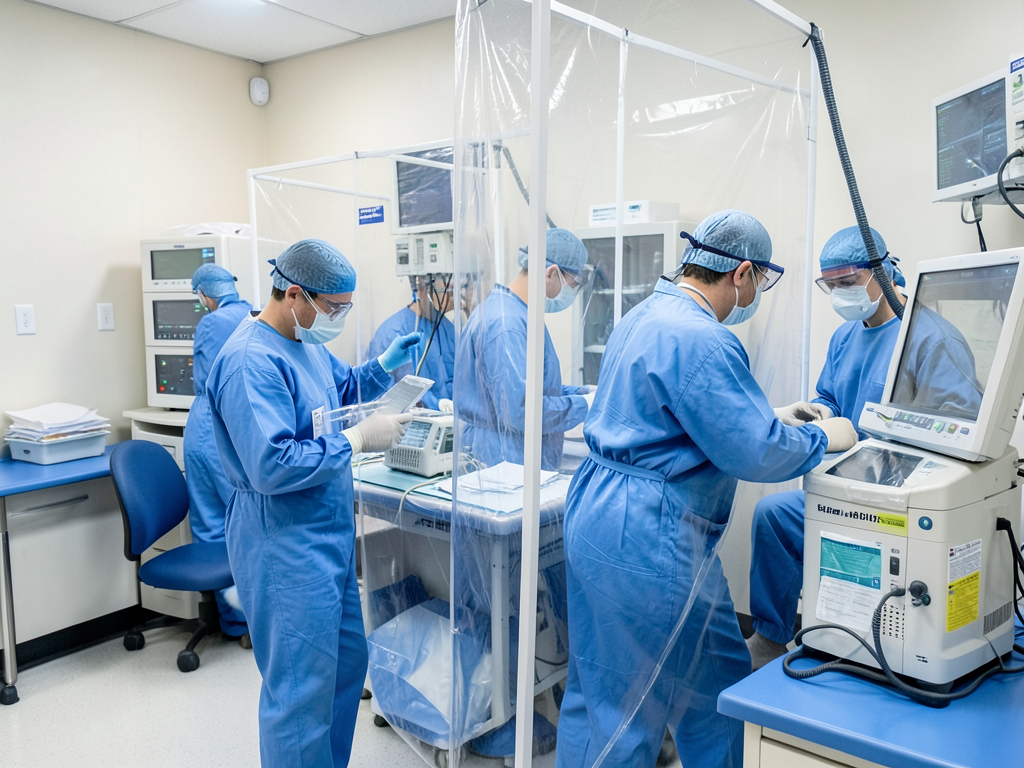
Water Damage Protocols for Medical Offices and Clinics in the Princess Anne Area When water…
How Balcony Drainage Issues Cause Interior Water Damage for Oceanfront Condo Owners \n\n Oceanfront condo…
Breaking Your Lease Over Unresolved Water Damage (A Guide for Virginia Beach Renters) Living with…
Stop water damage from spreading through your Williamsburg property. Apex Water Damage Restoration Virginia Beach responds 24/7 with professional extraction and drying services. Call (757) 909-5033 now for immediate dispatch. Every minute counts when water invades your home.