



Smithfield sits in a challenging position where the Pagan River meets the James River estuary, creating persistent humidity and flood risk that accelerates water damage. Homes near Battery Park and along Church Street face tidal flooding during storm surge events, while properties in the Windsor Castle Park area contend with poor drainage from clay-heavy soil that channels runoff toward foundations. Spring nor'easters dump heavy rain that overwhelms aging stormwater systems built before modern codes, particularly in historic downtown where century-old buildings lack proper waterproofing.
The combination of high water tables, proximity to multiple waterways, and humid coastal climate means Smithfield structures remain damp longer after water intrusion. This extended moisture exposure creates ideal conditions for microbial growth within 24 to 48 hours. Older homes with crawl spaces rather than slab foundations are especially vulnerable, as standing water beneath floor joists rots structural lumber and attracts wood-destroying organisms. The brackish water that infiltrates during coastal flooding carries contaminants that require specialized cleaning protocols beyond simple extraction.
Apex Water Damage Restoration Virginia Beach maintains a dedicated response team for Isle of Wight County that understands the specific water damage patterns affecting Smithfield properties. Our technicians train on the unique challenges posed by tidal flooding, aging infrastructure, and historic construction methods common throughout the area. We keep commercial-grade extraction equipment, industrial dehumidifiers, and air movers staged for rapid deployment to Smithfield addresses, cutting response time when basements flood or pipes burst.
We work with every major insurance carrier serving Virginia and handle the entire claims documentation process, from initial moisture mapping through final restoration verification. Our estimators photograph damage, log all affected materials, and provide detailed scope documents that insurers accept without the back-and-forth that delays your claim. This means you receive your settlement faster and get back into your home sooner.
Our restoration approach prioritizes structural drying over demolition. Where other companies tear out materials that can be saved, our IICRC-certified technicians use thermal imaging and moisture meters to identify exactly what requires removal versus what can be dried in place. This saves you thousands in unnecessary reconstruction costs while maintaining your home's original character, which matters when you own a historic Smithfield property with irreplaceable details. We coordinate with local contractors for any required rebuilding, managing the entire project so you deal with one company instead of juggling multiple vendors during an already stressful situation.

Our crews dispatch from Virginia Beach to Smithfield addresses in under an hour, arriving with truck-mounted extraction units and portable generators. We start water removal immediately while other companies are still returning phone calls. When your home floods at 2 AM, we're already pulling water by 3 AM, preventing thousands in additional damage.

We bill your insurance carrier directly and handle all claim documentation, so you never write a check beyond your deductible. Our estimators speak the language adjusters understand, providing Xactimate estimates that get approved without dispute. This eliminates the financial stress of paying upfront and waiting months for reimbursement.
Every technician on our water damage crews holds current IICRC Water Restoration Technician certification and completes ongoing education in structural drying science. We follow Institute standards for moisture measurement, equipment placement, and drying verification. This ensures your home dries completely, preventing hidden moisture that causes mold months after everyone else has left.
We've restored water damage in Smithfield's historic homes, modern developments near Westside Elementary, and everything between. Our crews understand how brick veneer construction behaves differently than vinyl siding, where crawl space flooding typically originates, and which neighborhoods flood first during heavy rain. This local experience means faster, more effective restoration.
Apex Water Damage Restoration Virginia Beach provides emergency response, structural drying, and full reconstruction services for every type of water intrusion affecting Smithfield properties. We handle Category 1 clean water from supply line breaks, Category 2 gray water from appliance overflows, and Category 3 black water from sewage backups or flood events. Our technicians assess the contamination level, extract standing water, remove unsalvageable materials, and dry remaining structures using proven protocols.
We deploy different equipment and techniques depending on the water source, affected materials, and contamination level. Clean water extraction focuses on rapid drying to minimize secondary damage, while sewage remediation requires antimicrobial treatment and disposal of porous materials. Flood restoration involves removing contaminated insulation, treating framing lumber, and often replacing drywall and flooring. Our approach scales from minor bathroom overflows requiring a few air movers to whole-house flooding demanding commercial dehumidification and complete interior reconstruction. We coordinate all trades needed to return your property to pre-loss condition.
Our crews arrive with truck-mounted extractors that remove hundreds of gallons per hour from flooded basements, crawl spaces, and living areas. We pull water from carpets, extract moisture from hardwood floors, and pump standing water before it saturates framing and insulation. Speed matters because water wicks into drywall, spreads beneath flooring, and migrates through wall cavities the longer it sits. We place air movers and dehumidifiers immediately after extraction to begin the drying process while damage remains minimal.
We use thermal imaging cameras to map hidden moisture in walls and ceilings, then place targeted drying equipment to remove it without unnecessary demolition. Industrial dehumidifiers pull moisture from the air while focused air movers create evaporation at material surfaces. We monitor drying progress daily with pin and pinless moisture meters, documenting readings until all materials reach acceptable moisture content. This prevents mold growth and structural rot while preserving original materials whenever possible.
Sewage backups and toilet overflows require specialized handling due to bacteria, viruses, and pathogens in black water. Our technicians wear protective equipment, remove contaminated materials following Virginia disposal regulations, and treat affected surfaces with EPA-registered antimicrobials. We fog the space with disinfectants, remove and dispose of contaminated insulation, and often replace drywall and flooring that absorbed sewage. The goal is complete sanitization that makes your home safe again, not just dry.
Smithfield's location in the coastal plain creates specific water intrusion patterns that differ from inland Virginia communities. The combination of tidal influence, seasonal storms, and aging infrastructure means certain damage types occur more frequently here. Properties near the waterfront face different challenges than homes in newer developments, while downtown historic structures contend with outdated plumbing and foundation systems never designed for modern water volume.
Understanding these regional patterns helps property owners recognize warning signs before minor moisture becomes major destruction. Many Smithfield homeowners discover water damage too late because they don't know what normal looks like in coastal Virginia. Musty odors in summer might indicate crawl space moisture from high humidity rather than active leaks, while water stains near windows could signal failed flashing rather than roof damage. The most expensive claims we handle started as small problems that went unaddressed until structural damage forced complete remediation.
Homes near the Pagan River and properties in low-lying areas flood during tropical storms and spring nor'easters. Storm surge pushes brackish water into basements and crawl spaces, depositing contaminated sediment that requires specialized cleaning. This isn't clean water that can air dry. It demands extraction, material removal, antimicrobial treatment, and often foundation waterproofing to prevent recurrence.
Burst pipes, failed washing machine hoses, and water heater ruptures dump hundreds of gallons into homes within minutes. The older housing stock throughout Smithfield means more homes have outdated galvanized piping that corrodes and fails. When supply lines break while you're at work or on vacation, water runs for hours before discovery, saturating floors, walls, and ceilings throughout multiple rooms.
The high water table and clay soil beneath Smithfield create persistent crawl space dampness that rots floor joists and grows mold on insulation. Many homes lack proper vapor barriers or adequate ventilation, allowing ground moisture to evaporate into the space. This creates a constant humidity source that damages structures and affects indoor air quality as mold spores circulate through HVAC systems.
Winter storms occasionally create ice dams on Smithfield roofs, forcing meltwater beneath shingles and into attic spaces. More commonly, aging roof systems fail during heavy rain, allowing water to pour through ceilings. The damage often goes unnoticed until stains appear or drywall collapses, by which time water has saturated insulation and rotted roof decking across large areas.
The moment you contact Apex Water Damage Restoration Virginia Beach, we start coordinating your emergency response. Our dispatcher gathers essential details about your situation while simultaneously notifying the nearest crew to prepare for deployment. We ask about the water source, how long it's been present, and what areas are affected. This allows us to arrive with the right equipment rather than wasting time assessing before retrieving needed tools.
You receive a specific arrival window, typically within 60 minutes for emergencies, along with your crew leader's direct phone number. When our technicians arrive, they walk the property with you, explain what they see, and outline the restoration process before starting work. We document everything with photos and moisture readings for insurance purposes. Most importantly, we stabilize the situation immediately by stopping active water intrusion, extracting standing water, and placing drying equipment. You'll know exactly what's happening, how long it will take, and what it will cost before we proceed with restoration.
Our first priority is stopping ongoing damage by shutting off water sources, extracting standing water, and protecting unaffected areas. We use thermal imaging to map moisture spread and identify hidden damage behind walls and under floors. Every affected material gets logged and photographed. You receive a complete assessment documenting what can be dried versus what requires replacement, along with a moisture map showing where water traveled through your structure.
Drying isn't a set-it-and-forget-it process. Our technicians return daily to take moisture readings, adjust equipment placement, and verify progress. You see the moisture levels dropping in real time as we share meter readings and thermal images. We provide progress photos to your insurance adjuster and update you on timeline. If drying isn't progressing as expected, we identify the cause and modify our approach rather than letting materials stay wet.
We don't remove equipment until moisture readings confirm complete drying to industry standards. You receive documentation showing before and after readings for every affected area. Once structures are dry, we coordinate any required reconstruction, from replacing drywall to installing new flooring. Our project manager handles scheduling all trades, so you communicate with one person instead of juggling multiple contractors. We complete the work and provide final documentation for your insurance claim.
Speed determines how much of your property we can save versus what requires replacement. Our three-phase approach focuses on immediate response, thorough drying, and complete restoration so you return to normal life quickly.
We arrive within 60 minutes, assess the damage, and immediately extract standing water using truck-mounted pumps and portable extractors. Our crews remove saturated materials that can't be saved, protect unaffected areas with plastic sheeting, and place air movers and dehumidifiers to begin drying. We document everything with photos and moisture readings, then contact your insurance company to initiate the claim. This first response determines whether you face minor repairs or major reconstruction.
Industrial dehumidifiers run continuously, pulling moisture from the air while focused air movement accelerates evaporation at material surfaces. We monitor progress daily with thermal cameras and moisture meters, adjusting equipment placement to target problem areas. Drying typically takes three to five days depending on materials affected and saturation levels. We maintain detailed logs showing moisture content dropping until all structures reach acceptable levels below 15 percent.
Once drying is verified complete, we rebuild what couldn't be saved. Our crews install new drywall, replace flooring, paint walls, and restore your property to pre-loss condition. We coordinate with specialized contractors for any required electrical, plumbing, or HVAC work. You receive final documentation including drying logs, completion photos, and warranty information. Most importantly, you move back into a home that's completely dry and safe.
The Institute of Inspection, Cleaning and Restoration Certification establishes protocols that govern professional water damage restoration throughout Virginia. These standards classify water by contamination level and define required response procedures for each category. Category 1 water originates from sanitary sources like supply lines and poses no immediate health threat, though it becomes Category 2 after 48 hours if not removed. Category 2 gray water contains some contamination from sources like dishwasher overflows or washing machine discharge. Category 3 black water is grossly contaminated from sewage backups, toilet overflows, or flooding that contacts ground surfaces.
Each category requires different handling procedures and safety protocols. Clean water extraction focuses on rapid drying to prevent material damage and microbial growth. Gray water demands antimicrobial treatment and careful evaluation of which materials can be saved. Black water requires full personal protective equipment, removal of all porous materials that contacted the water, and thorough disinfection of hard surfaces. Insurance coverage often hinges on proper categorization and documentation of contamination levels.
Virginia doesn't require state licensing for water damage restoration contractors, which means property owners must verify technician certifications independently. IICRC Water Restoration Technician certification demonstrates training in moisture detection, drying science, and industry-standard protocols. The certification isn't just a piece of paper. It represents 40 hours of classroom instruction plus passing a comprehensive exam covering psychrometrics, structural drying theory, and proper documentation. Certified technicians understand vapor pressure, humidity ratios, and equipment selection based on material porosity. This knowledge determines whether your structure dries completely or retains hidden moisture that causes problems months later.
Professional restoration uses thermal imaging cameras that visualize temperature differences indicating moisture presence behind walls and under floors. Penetrating moisture meters measure water content deep within materials, while non-invasive meters scan large areas quickly. This technology finds hidden damage that visual inspection misses, preventing mold growth in wall cavities and beneath flooring that appears dry on the surface.
Drying costs vary based on affected square footage, materials involved, and equipment required. Hardwood floor drying demands specialized mat systems that cost more than standard air movers. Crawl space dehumidification requires commercial units rather than household models. Insurance typically covers emergency mitigation and structural drying but may dispute reconstruction costs if policy limits apply. Most Smithfield water damage claims range from equipment rental for minor incidents to complete rebuilding after major flooding.
Standard drying takes three to five days for most structures when equipment runs continuously and conditions are controlled. Hardwood floors may require two weeks using specialized drying systems. Concrete and masonry dry slower than wood framing. High humidity extends timelines because dehumidifiers work less efficiently. We verify complete drying with moisture readings rather than arbitrary timelines. Removing equipment too early causes mold growth and material failure weeks later.
Reconstruction following water damage must meet current Virginia Uniform Statewide Building Code even if original construction predates modern requirements. This affects electrical upgrades, insulation values, and ventilation standards. Isle of Wight County requires permits for structural repairs beyond cosmetic finishes. We coordinate all inspections and ensure work meets code, protecting you from compliance issues when you sell or refinance your property.
Educational video explaining the complete water damage restoration process for Smithfield, Virginia homeowners. Covers emergency water extraction procedures, structural drying techniques using thermal imaging and moisture meters, insurance claim documentation, and reconstruction standards following IICRC protocols. Discusses specific challenges affecting coastal Virginia properties including tidal flooding, crawl space moisture from high water tables, and climate-related damage patterns common to Isle of Wight County.
Apex Water Damage Restoration Virginia Beach responds to water emergencies throughout Smithfield and the greater Isle of Wight County area. Our crews know the layout of established neighborhoods near downtown Smithfield where historic homes face unique restoration challenges due to brick construction and pier-and-beam foundations. We regularly service properties along South Church Street and Main Street where century-old buildings require careful material handling during water extraction and drying. The Battery Park waterfront area sees frequent storm-related flooding that demands rapid response before tidal water saturates floor systems.
Moving west toward Windsor Castle Park and the neighborhoods surrounding Westside Elementary School, we handle water damage in newer construction with different structural characteristics. These homes typically feature crawl space foundations and vinyl siding that responds differently to moisture than the masonry construction downtown. The Carrollton area north of Smithfield presents its own challenges with properties near Carrollton Nike Park that flood during heavy rain when drainage systems overflow. We've restored water damage in homes throughout the Rescue and Zuni communities where rural properties on larger lots face longer response times from city-based contractors.
The Route 258 corridor connecting Smithfield to Windsor sees frequent storm damage, and our crews respond to commercial properties along this commercial strip just as quickly as residential calls. South of town toward Rescue Fire Department, properties closer to the James River face elevated flood risk during tropical systems. We maintain relationships with local insurance agents throughout Isle of Wight County who refer clients to us because they know we'll document claims properly and complete work without the disputes that plague this industry. Whether you're in the historic district dealing with a burst pipe in a 1920s home or in a modern development near Smithfield High School facing appliance overflow, our response time and restoration approach remain consistent.
Most water damage restoration companies in Smithfield VA respond within 60 to 90 minutes of your call. Companies offer 24/7 emergency services because water damage worsens quickly. The fastest response times occur when you call local Smithfield providers rather than national chains. Response speed depends on time of day, weather conditions, and technician availability. After severe storms or flooding events, wait times increase as companies handle multiple emergencies. Ask about response time guarantees when you call. Quick response prevents mold growth and reduces overall damage to your property.
Water damage restoration expenses in Smithfield vary widely based on damage severity and affected area size. Minor repairs for small leaks affect pricing differently than major flood restoration. Your final bill reflects water extraction, drying equipment rental, antimicrobial treatment, and reconstruction needs. Insurance coverage significantly impacts your out-of-pocket expenses. Most Smithfield restoration companies offer free inspections and work directly with insurance adjusters. Get written estimates from three local companies before choosing a provider. Emergency services outside business hours sometimes add premium fees to standard rates.
Water damage restoration in Smithfield homes typically takes three to seven days for drying and initial cleanup. Minor water damage from small leaks resolves in two to three days. Major flooding or sewage backups require one to two weeks for complete restoration. Drying time depends on water amount, affected materials, humidity levels, and ventilation. Smithfield's humid climate sometimes extends drying periods. Reconstruction work after drying adds additional time to your project. Your restoration company monitors moisture levels daily using specialized meters. Complete restoration including repairs and repainting takes two to four weeks.
Most water damage restoration companies in Smithfield VA respond within 60 to 90 minutes of your call. Companies offer 24/7 emergency services because water damage worsens quickly. The fastest response times occur when you call local Smithfield providers rather than national chains. Response speed depends on time of day, weather conditions, and technician availability. After severe storms or flooding events, wait times increase as companies handle multiple emergencies. Ask about response time guarantees when you call. Quick response prevents mold growth and reduces overall damage to your property.
Water damage restoration expenses in Smithfield vary widely based on damage severity and affected area size. Minor repairs for small leaks affect pricing differently than major flood restoration. Your final bill reflects water extraction, drying equipment rental, antimicrobial treatment, and reconstruction needs. Insurance coverage significantly impacts your out-of-pocket expenses. Most Smithfield restoration companies offer free inspections and work directly with insurance adjusters. Get written estimates from three local companies before choosing a provider. Emergency services outside business hours sometimes add premium fees to standard rates.
Water damage restoration in Smithfield homes typically takes three to seven days for drying and initial cleanup. Minor water damage from small leaks resolves in two to three days. Major flooding or sewage backups require one to two weeks for complete restoration. Drying time depends on water amount, affected materials, humidity levels, and ventilation. Smithfield's humid climate sometimes extends drying periods. Reconstruction work after drying adds additional time to your project. Your restoration company monitors moisture levels daily using specialized meters. Complete restoration including repairs and repainting takes two to four weeks.
Homeowners insurance in Smithfield VA typically covers sudden and accidental water damage. Burst pipes, appliance malfunctions, and storm damage usually qualify for coverage. Policies exclude gradual damage from poor maintenance or neglected repairs. Flood damage requires separate flood insurance through the National Flood Insurance Program. Sewer backup coverage needs a specific policy endorsement. Review your policy declarations page to understand your coverage limits and deductibles. Document all damage with photos before restoration begins. Contact your insurance company within 24 hours of discovering water damage to start your claim.
Look for IICRC certification when choosing a Smithfield water damage restoration company. The Institute of Inspection Cleaning and Restoration Certification sets industry standards for water damage restoration. IICRC-certified technicians complete specialized training in water extraction, structural drying, and mold remediation. Additional credentials include EPA Lead-Safe Certification for older homes and mold remediation licenses. Ask if technicians hold Water Damage Restoration Technician or Applied Structural Drying certifications. Check for business accreditation through the Better Business Bureau. Experienced companies maintain relationships with insurance carriers and follow standardized restoration protocols.
Staying in your Smithfield home during restoration depends on damage extent and affected areas. Minor water damage confined to one room usually allows you to remain home. Major damage affecting kitchens, bathrooms, or bedrooms makes staying impractical. Safety concerns like electrical hazards, sewage contamination, or structural instability require temporary relocation. Restoration equipment creates noise and disrupts daily routines. Drying equipment runs 24 hours daily for several days. Your restoration company assesses safety conditions during initial inspection. Some insurance policies cover temporary housing expenses during extensive restoration projects.
Preventing mold after water damage in Smithfield requires immediate action within 24 to 48 hours. Remove standing water quickly using extraction equipment. Run commercial dehumidifiers and air movers to reduce humidity below 50 percent. Remove wet materials like carpeting, drywall, and insulation if they stay wet beyond 48 hours. Apply antimicrobial treatments to affected surfaces. Monitor moisture levels in walls and floors using moisture meters. Smithfield's humid climate accelerates mold growth during summer months. Maintain indoor temperatures above 65 degrees. Professional restoration companies follow EPA mold prevention guidelines.
Smithfield water damage restoration companies use industrial-grade water extractors to remove standing water quickly. Commercial dehumidifiers pull moisture from air and materials. High-velocity air movers create airflow to speed drying. Moisture meters detect hidden water in walls, ceilings, and floors. Thermal imaging cameras identify wet areas invisible to the naked eye. Air scrubbers filter mold spores and contaminants from indoor air. Hygrometers measure relative humidity levels throughout your home. Truckmounted or portable extraction units handle different water volumes. Professional equipment dries your home faster than household fans and dehumidifiers.
Your Smithfield home needs professional restoration when water covers large floor areas or affects multiple rooms. Call professionals for any sewage backup or contaminated water exposure. Water soaking into walls, ceilings, or flooring requires specialized drying equipment. Professional help becomes necessary when you notice musty odors indicating hidden moisture or mold growth. Damage from burst pipes, water heater failures, or appliance floods exceeds typical homeowner capabilities. Standing water deeper than one inch needs professional extraction. Signs of structural damage like sagging ceilings or buckling floors demand immediate professional assessment.
Burst pipes cause frequent water damage in Smithfield VA homes during winter freezes. Aging water heaters leak or fail without warning. Washing machine supply hoses deteriorate and rupture after five to seven years. Clogged gutters and poor drainage direct water into foundations and crawl spaces. Roof leaks develop around chimneys, vents, and aging shingles. HVAC condensate line clogs cause overflow into ceilings and walls. Sewage backups occur from tree root intrusion into sewer lines. Heavy rainfall and hurricanes bring storm surge and flooding. Foundation cracks allow groundwater seepage during wet seasons.
Homeowners insurance in Smithfield VA typically covers sudden and accidental water damage. Burst pipes, appliance malfunctions, and storm damage usually qualify for coverage. Policies exclude gradual damage from poor maintenance or neglected repairs. Flood damage requires separate flood insurance through the National Flood Insurance Program. Sewer backup coverage needs a specific policy endorsement. Review your policy declarations page to understand your coverage limits and deductibles. Document all damage with photos before restoration begins. Contact your insurance company within 24 hours of discovering water damage to start your claim.
Look for IICRC certification when choosing a Smithfield water damage restoration company. The Institute of Inspection Cleaning and Restoration Certification sets industry standards for water damage restoration. IICRC-certified technicians complete specialized training in water extraction, structural drying, and mold remediation. Additional credentials include EPA Lead-Safe Certification for older homes and mold remediation licenses. Ask if technicians hold Water Damage Restoration Technician or Applied Structural Drying certifications. Check for business accreditation through the Better Business Bureau. Experienced companies maintain relationships with insurance carriers and follow standardized restoration protocols.
Staying in your Smithfield home during restoration depends on damage extent and affected areas. Minor water damage confined to one room usually allows you to remain home. Major damage affecting kitchens, bathrooms, or bedrooms makes staying impractical. Safety concerns like electrical hazards, sewage contamination, or structural instability require temporary relocation. Restoration equipment creates noise and disrupts daily routines. Drying equipment runs 24 hours daily for several days. Your restoration company assesses safety conditions during initial inspection. Some insurance policies cover temporary housing expenses during extensive restoration projects.
Preventing mold after water damage in Smithfield requires immediate action within 24 to 48 hours. Remove standing water quickly using extraction equipment. Run commercial dehumidifiers and air movers to reduce humidity below 50 percent. Remove wet materials like carpeting, drywall, and insulation if they stay wet beyond 48 hours. Apply antimicrobial treatments to affected surfaces. Monitor moisture levels in walls and floors using moisture meters. Smithfield's humid climate accelerates mold growth during summer months. Maintain indoor temperatures above 65 degrees. Professional restoration companies follow EPA mold prevention guidelines.
Smithfield water damage restoration companies use industrial-grade water extractors to remove standing water quickly. Commercial dehumidifiers pull moisture from air and materials. High-velocity air movers create airflow to speed drying. Moisture meters detect hidden water in walls, ceilings, and floors. Thermal imaging cameras identify wet areas invisible to the naked eye. Air scrubbers filter mold spores and contaminants from indoor air. Hygrometers measure relative humidity levels throughout your home. Truckmounted or portable extraction units handle different water volumes. Professional equipment dries your home faster than household fans and dehumidifiers.
Your Smithfield home needs professional restoration when water covers large floor areas or affects multiple rooms. Call professionals for any sewage backup or contaminated water exposure. Water soaking into walls, ceilings, or flooring requires specialized drying equipment. Professional help becomes necessary when you notice musty odors indicating hidden moisture or mold growth. Damage from burst pipes, water heater failures, or appliance floods exceeds typical homeowner capabilities. Standing water deeper than one inch needs professional extraction. Signs of structural damage like sagging ceilings or buckling floors demand immediate professional assessment.
Burst pipes cause frequent water damage in Smithfield VA homes during winter freezes. Aging water heaters leak or fail without warning. Washing machine supply hoses deteriorate and rupture after five to seven years. Clogged gutters and poor drainage direct water into foundations and crawl spaces. Roof leaks develop around chimneys, vents, and aging shingles. HVAC condensate line clogs cause overflow into ceilings and walls. Sewage backups occur from tree root intrusion into sewer lines. Heavy rainfall and hurricanes bring storm surge and flooding. Foundation cracks allow groundwater seepage during wet seasons.
We are proud to serve the entire Virginia Beach area and surrounding communities. Our centrally located office allows us to provide a quick response to any water damage emergency. View our location on the map to see our service area, or simply give us a call and we'll dispatch a certified team to your location right away, ready to assist with your restoration needs.
Address:
Smithfield, VA, 23430

Deciding if You Need to Move Out During the Water Restoration Process in Linkhorn Park \n\n The decision to stay or leave your home during water restoration depends on several critical factors including the type…
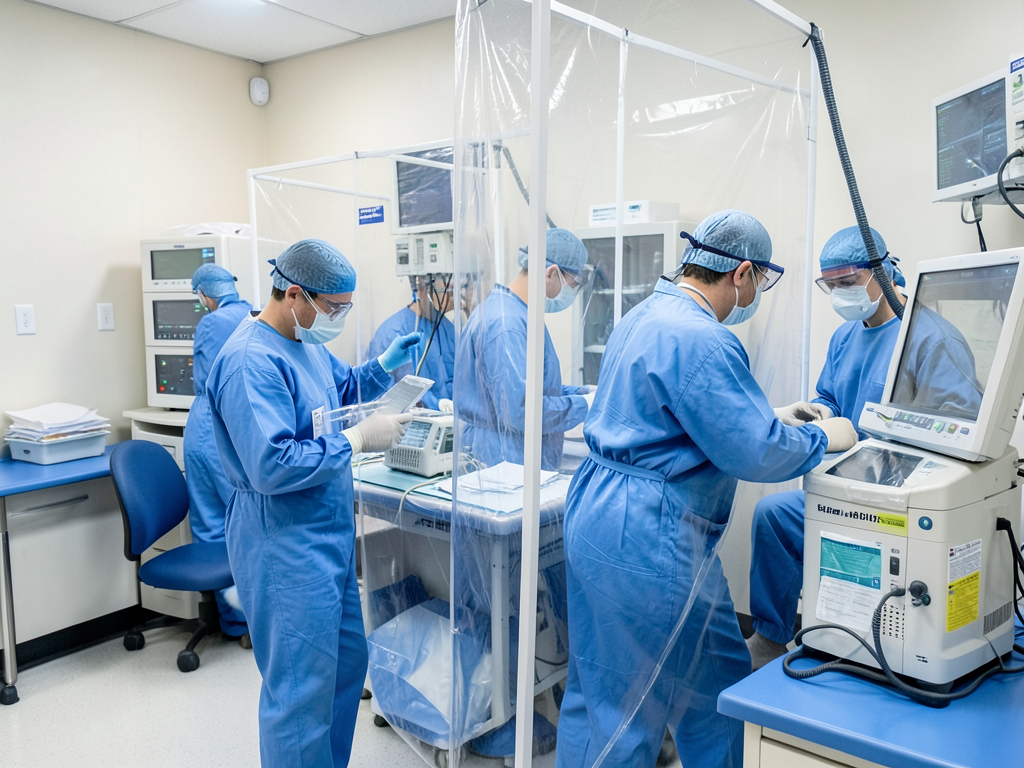
Water Damage Protocols for Medical Offices and Clinics in the Princess Anne Area When water…

How Balcony Drainage Issues Cause Interior Water Damage for Oceanfront Condo Owners \n\n Oceanfront condo…
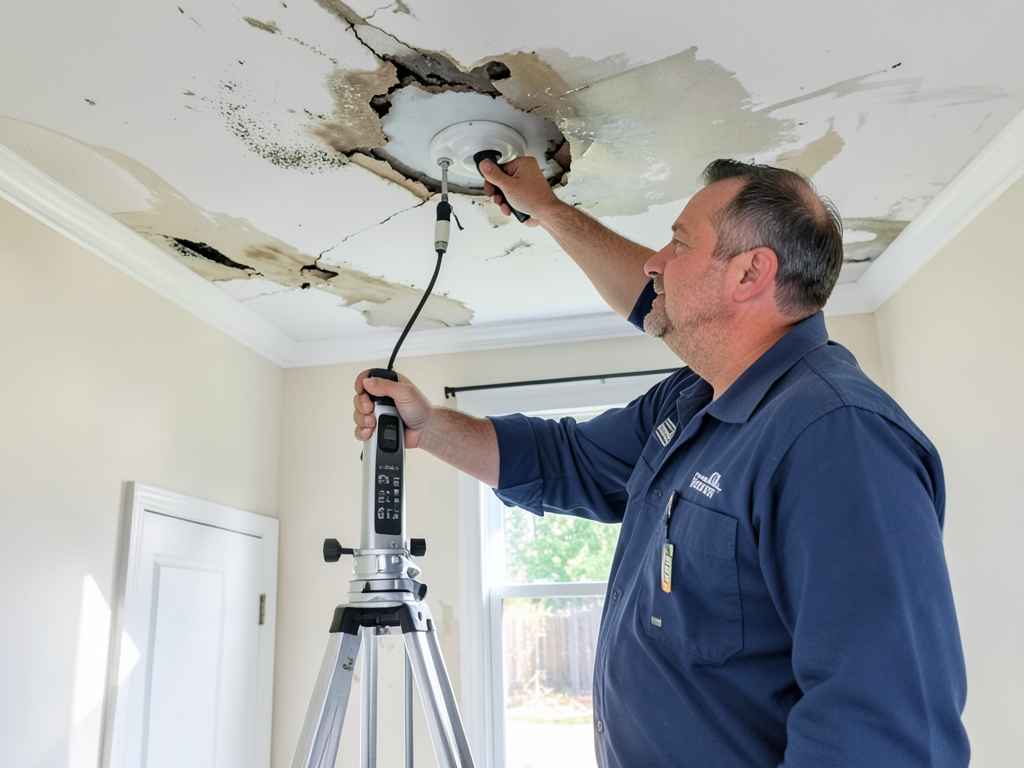
Breaking Your Lease Over Unresolved Water Damage (A Guide for Virginia Beach Renters) Living with…
Every hour of delay allows water to spread deeper into your structure, turning a manageable problem into expensive demolition. Call Apex Water Damage Restoration Virginia Beach now at (757) 909-5033 for emergency response in Smithfield. Our crews dispatch immediately with equipment to stop the destruction and start drying your property today.